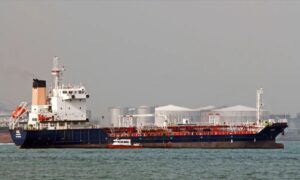
High-tech surveillance leads to interception of three vessels off Mumbai coast
VINOD BHAT
NEW DELHI, Feb 7: In a major blow to an international oil smuggling network, the Indian Coast Guard (ICG) successfully dismantled a well-organised transnational syndicate involved in the illegal transfer of oil and oil-based cargo during a meticulously planned mid-sea operation conducted on February 6, officials said.
According to PRO, Indian Coast Guard, Commandant Amit Uniyal, the operation was the result of an intricate sea-air coordinated surveillance and enforcement mission, executed nearly 100 nautical miles west of Mumbai, underscoring the growing technological and operational prowess of the force.
Commandant Uniyal stated that the syndicate had devised a sophisticated modus operandi to smuggle large quantities of low-cost oil originating from conflict-ridden regions, which was then transferred at sea to motor tankers in international waters. The illegal consignments were subsequently routed to evade customs duties and regulatory scrutiny, resulting in significant revenue losses to coastal states, including India.
“The smuggling racket operated through a multi-national network of handlers, coordinating the movement, sale and mid-sea transfer of oil cargo between sea-going vessels,” the PRO said. “These operations were deliberately conducted far from shore to avoid detection and law enforcement action.”
The operation was triggered after ICG’s tech-inclusive maritime surveillance systems detected a motor tanker engaged in suspicious movements within the Indian Exclusive Economic Zone (EEZ). This prompted an in-depth digital and behavioural analysis of the vessel’s activity, Commandant Uniyal explained.
Further analysis of maritime data patterns revealed that two additional vessels were closing in on the tanker in an unusual manner. These vessels were subsequently flagged as potential suspects involved in illicit ship-to-ship transfer of oil-based cargo, a known tactic employed by smuggling syndicates to bypass port inspections and tax liabilities.
On February 5, 2026, Indian Coast Guard ships intercepted all three vessels, following which specialist boarding teams were deployed. According to the PRO, the teams carried out sustained rummaging operations, verification of ship documents, scrutiny of electronic navigation and communication data, and detailed interrogation of crew members.
“The corroboration of digital evidence onboard, combined with inconsistencies in documentation and crew statements, enabled our teams to establish the complete chain of events and confirm the criminal modus operandi,” Commandant Uniyal said.
The vessels were also found to have frequently changed their identities, including vessel names and flag details, a deliberate attempt to evade tracking and law enforcement action by multiple coastal states. Preliminary investigations have revealed that the owners of the vessels are based in foreign countries, further highlighting the international dimension of the racket.
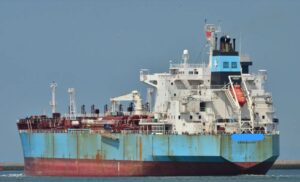
Following confirmation of illegal activity, the vessels were apprehended and are likely to be escorted to Mumbai for comprehensive investigation. They will subsequently be handed over to Indian Customs and other law enforcement agencies for further legal action, the PRO added.
Commandant Amit Uniyal emphasised that the successful operation once again demonstrated the Indian Coast Guard’s role as a key enforcer of maritime law and a net provider of maritime security in the region.
“This operation, initiated through digital surveillance and executed through our expanding maritime presence, reinforces India’s commitment to upholding the international rules-based order at sea and combating transnational maritime crime,” he said.
The seizure marks yet another significant success for the Indian Coast Guard in its sustained campaign against smuggling, economic offences and non-traditional maritime threats, reaffirming India’s vigilance across its vast maritime domain.