Vinod Bhat
New Delhi: The Ministry of Culture organised the nationwide ‘Seva Hi Sanskriti’ initiative from September 17 to 24, 2026, as an important component of ‘Seva Sankalp Abhiyan 2026’. The initiative sought to promote the spirit of service, cleanliness, cultural awareness and public participation in nation-building.
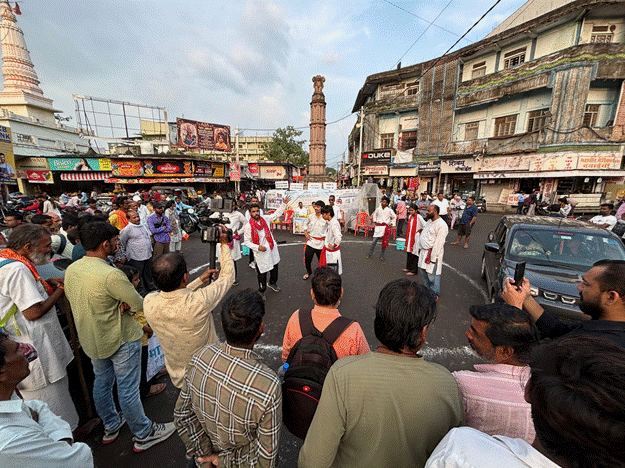
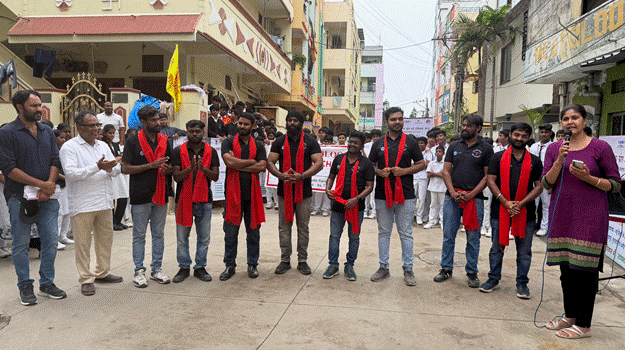
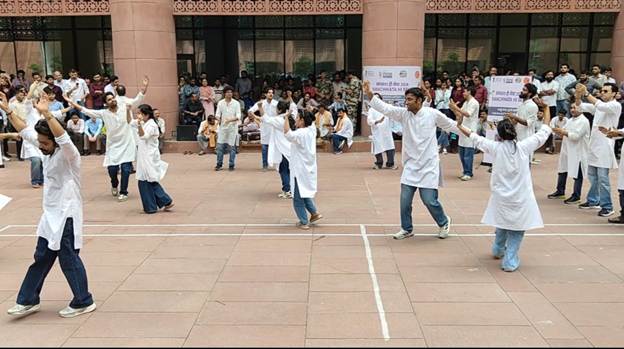
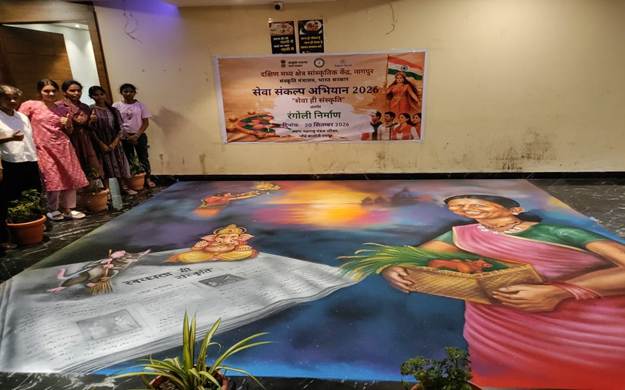
As part of ‘Seva Hi Sanskriti’, a wide range of activities were organised around themes such as ‘Heritage and Development’ and ‘A New Story of Cleanliness’. These included street plays, art performances, rangoli-making and collective singing. Through these activities, the message of cleanliness and social responsibility was taken to the public, while also creating awareness about India’s culture, values, ethical principles and the importance of preserving the country’s cultural heritage
The initiative received support from the Sangeet Natak Akademi, Lalit Kala Akademi and the National School of Drama (NSD), along with the country’s seven Zonal Cultural Centres — North Zone Cultural Centre (NZCC), North East Zone Cultural Centre (NEZCC), East Zone Cultural Centre (EZCC), West Zone Cultural Centre (WZCC), South Zone Cultural Centre (SZCC), South Central Zone Cultural Centre (SCZCC) and North Central Zone Cultural Centre (NCZCC).
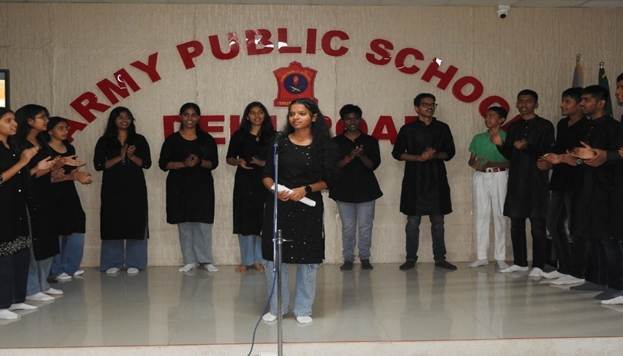
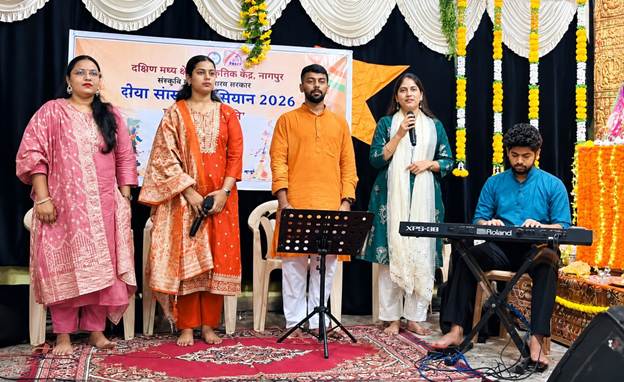
During the campaign, more than 270 activities, including street plays, rangoli making, cleanliness drives and collective singing of ‘Vande Mataram’, were organised at different locations across the country. The programmes witnessed the participation of more than 2 lakh people.
A special focus of the ‘Seva Hi Sanskriti’ initiative was on cleanliness and the upkeep of cultural sites through community participation. People were encouraged to join cleanliness drives at government office complexes, cultural sites and their surrounding areas, as well as at various heritage sites.
Through street plays, stories highlighting India’s cultural achievements, various initiatives and their impact were presented directly before the public. By bringing together art, culture and public participation, the initiative sought to foster a greater sense of social responsibility and strengthen the spirit of service and commitment to nation-building, particularly among young people and students.
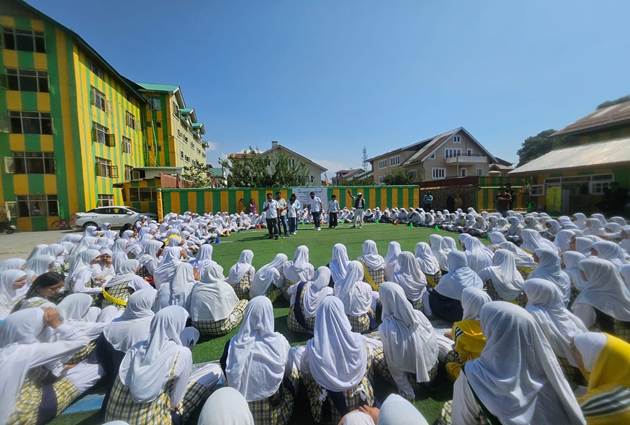
The programmes were organised at government office complexes, schools and colleges, parks, markets, temples, ghats and various other public spaces.
The ‘Seva Hi Sanskriti’ initiative brought together the values of service, cleanliness and culture, conveying the message that caring for India’s cultural heritage and keeping public spaces clean are also important forms of national service.