Vinod Bhat
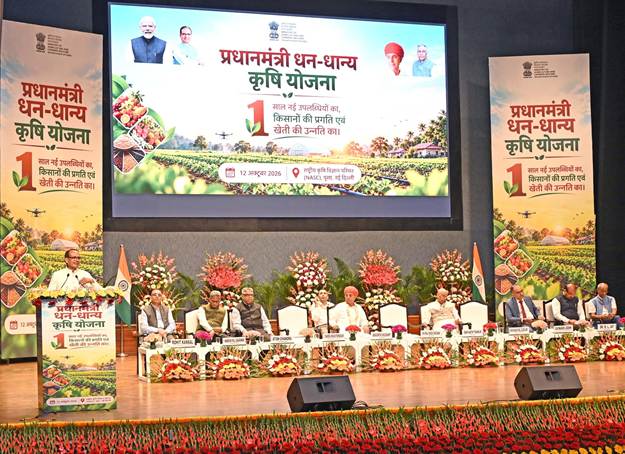
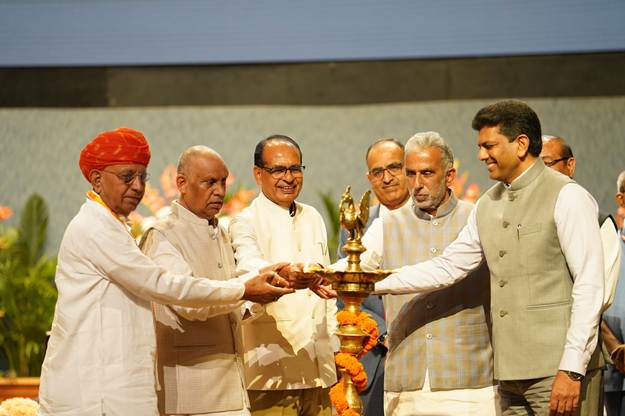
New Delhi: As Prime Minister Dhan-Dhaanya Krishi Yojana (PMDDKY) completed one year of implementation on 11th October 2026, the Department of Agriculture & Farmers Welfare, Government of India, organised an event today to mark the occasion at the Bharat Ratna C. Subramaniam Auditorium, National Agricultural Science Complex (NASC), PUSA, New Delhi. The event was attended by Union Ministers, Secretaries of Central Ministries/Departments, Central Nodal Officers under PMDDKY, senior officers of the Central Government, and more than 370 delegates from the states including District Collectors, district-level functionaries, agricultural scientists and progressive farmers of DDKY districts.
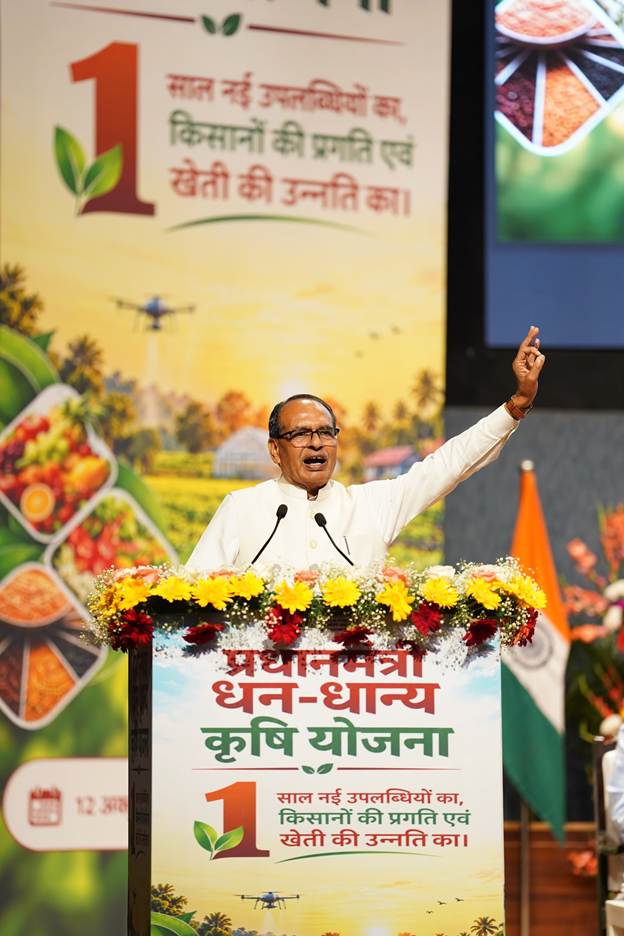
Addressing the gathering Union Minister for Agriculture and Farmers’ Welfare and Rural Development, Shri Shivraj Singh Chouhan stated that the first year had focused on establishing strong foundations, while the coming year must be dedicated to delivering visible and measurable outcomes on the ground. He highlighted the importance of improving agricultural productivity, increasing cropping intensity, strengthening irrigation and water management, facilitating access to agricultural credit, promoting high-value agriculture, improving post-harvest infrastructure and enhancing farmers’ incomes.
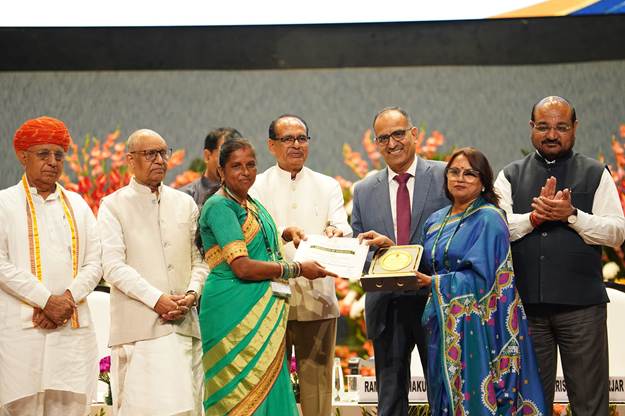
Shri Shivraj Singh Chouhan emphasised that the ultimate measure of PMDDKY’s success would be the meaningful difference it makes to the lives of farmers. He called upon all stakeholders to strengthen coordination, accelerate implementation and focus on measurable improvements in agricultural outcomes and sustainable farm incomes. The participation of Allied Ministries/Departments reflected the importance of a coordinated, whole-of-government approach to agricultural development.
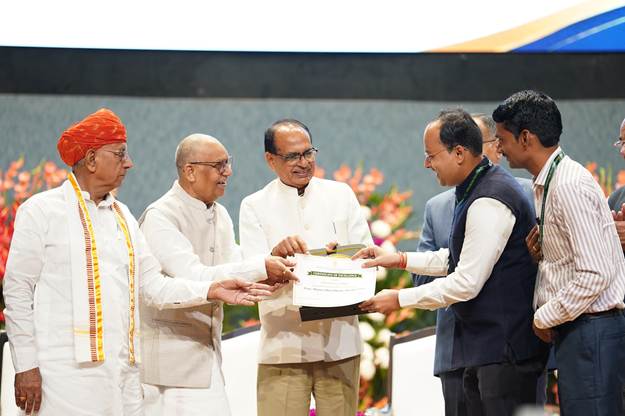
Shri Shivraj Singh Chouhan reaffirmed the Government of India’s commitment to working with State Governments, district administrations, scientific institutions and farmers to translate district action plans into tangible results. The coming year will focus on scaling up successful interventions and improving outcomes across all identified districts, with the overarching vision of making all 100 PMDDKY districts truly “Dhan-Dhaanya” — rich in grain and rich in prosperity.
Shri Shivraj Singh Chouhan also emphasised that the Khet Bachao Abhiyan, scheduled to be organised across all States from 22 October to 30 November 2026, aims to promote soil health through the balanced and judicious use of fertilisers. The Minister encouraged all State Governments and concerned authorities to actively participate in the campaign and ensure its successful implementation. He highlighted the importance of adopting sustainable agricultural practices to maintain soil fertility, protect the environment, and preserve natural resources for future generations.
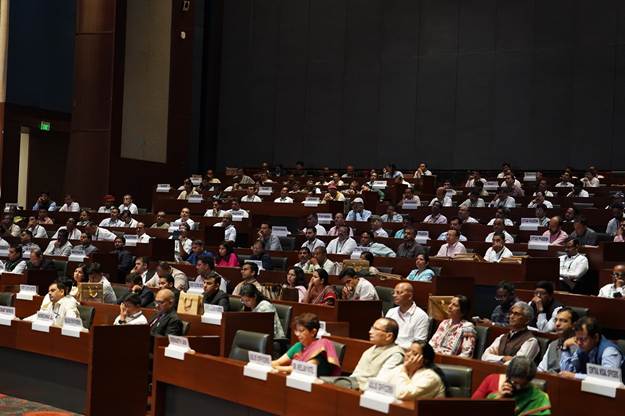
In his welcome address, the Secretary, Department of Agriculture & Farmers Welfare, highlighted the district-centric approach of the scheme, under which action plans are prepared by districts in accordance with their soil conditions, rainfall, cropping patterns, water availability, infrastructure and the needs of their farming communities. He acknowledged the contribution of State Governments, District Collectors, District Nodal Officers, Central Nodal Officers, Krishi Vigyan Kendra (KVK) scientists and field functionaries in implementing the scheme. He also underscored the importance of the District Dhan-Dhaanya Samitis in coordinating planning and implementation. The scheme monitors district performance against 121 indicators through a dedicated dashboard, with monthly rankings encouraging transparency and healthy competition among districts.
As part of the programme, representatives of three PMDDKY districts shared their experiences and innovative initiatives. Gadchiroli district presented its work on water conservation and drought resilience, Alluri Sitharama Raju district highlighted initiatives for the promotion of high-value horticulture, and Banka district showcased the Lilawaran Natural Farming Land Revival Model. The presentations demonstrated how locally tailored interventions, supported by convergence and farmers’ participation, can address agricultural challenges and generate replicable solutions.
The scheme brings together 36 Central schemes of 11 Ministries and Departments, along with relevant State Government schemes, under a convergent framework to address district-specific agricultural priorities.

