KD NEWS SERVICE
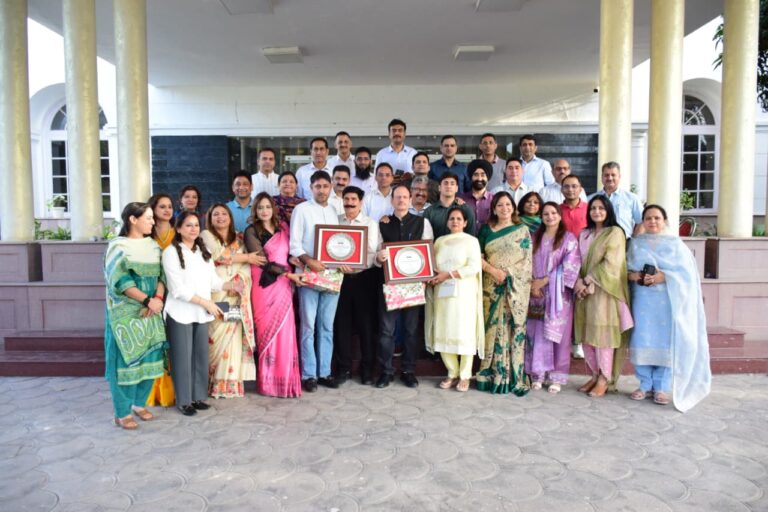
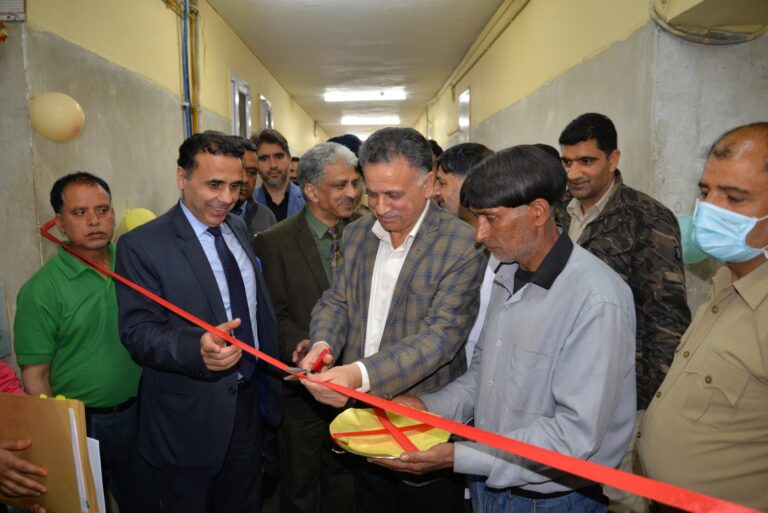
SRINAGAR, April 30: In a major step toward strengthening tertiary healthcare services in Jammu and Kashmir, the Sher-i-Kashmir Institute of Medical Sciences (SKIMS) on Thursday unveiled a comprehensive upgrade of advanced medical infrastructure worth over ₹24 crore. The initiative, spearheaded by Director Prof. M. Ashraf Ganie, is aimed at enhancing clinical excellence, improving patient outcomes, and reinforcing the institute’s position as a leading healthcare institution in the region.
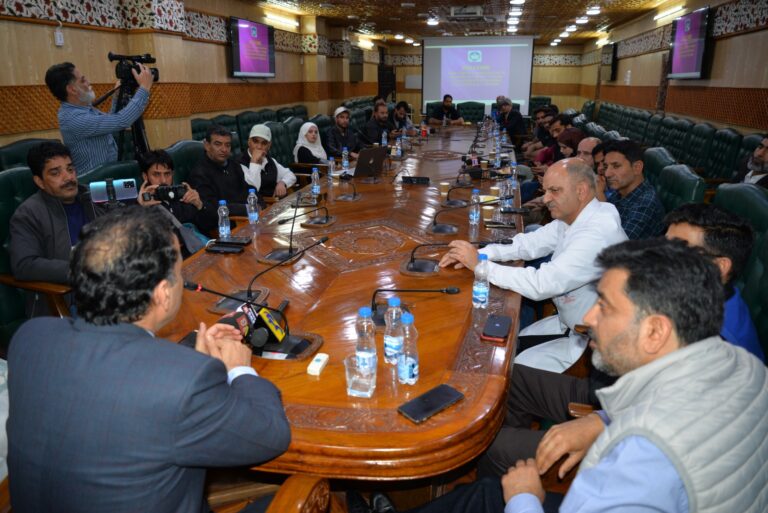
The inauguration ceremony, held at the SKIMS campus in Srinagar, also featured an informal interaction between the Director and members of the media fraternity. The interaction was designed to promote transparency and foster a more open exchange of information regarding the institute’s ongoing developments and future plans.
Speaking on the occasion, Prof. Ganie underscored that continuous infrastructure upgradation remains central to SKIMS’ long-term vision of delivering world-class, patient-centric care. He noted that the integration of advanced medical technologies is not merely about modernization, but about achieving greater diagnostic accuracy, enhancing surgical precision, and ensuring more effective treatment outcomes. According to him, such investments are essential to meet the growing demand for specialized healthcare services, particularly for patients requiring complex surgeries and critical care interventions.
The newly inaugurated facilities span a wide range of departments, reflecting a holistic approach to healthcare delivery. In critical care and general medicine, the addition of a portable isolation unit is expected to significantly improve infection control measures for kidney transplant patients, ensuring safer post-operative management. The paediatrics and neonatology departments have been equipped with advanced systems, including a high-end open care warmer and an amplitude EEG machine, which will strengthen neonatal monitoring and improve outcomes for vulnerable newborns.
Similarly, the nephrology department has received a hemo-diafiltration machine, expanding its capabilities in managing advanced kidney disorders. Surgical disciplines such as neurosurgery, plastic surgery, and emergency medicine have been enhanced with upgraded operative equipment designed to improve precision and efficiency in the operating theatre.
A major highlight of the upgrade is the installation of a cutting-edge 3D 4K visualization tower at the maternity hospital and surgical oncology units, enabling highly advanced procedures such as kidney transplants, laparoscopic surgeries, microsurgeries, and open surgeries to be performed with greater clarity and accuracy.
Further strengthening critical care capabilities, the cardiology and anaesthesiology departments have been equipped with a fibre optic bronchoscope featuring integrated monitoring and recording systems. The cardiovascular and thoracic surgery unit has also benefited from the addition of a 4K ultra high-definition laparoscopy imaging system, which is expected to significantly enhance minimally invasive surgical procedures. Across operation theatres, high-precision headlights and binocular loupes have been introduced to aid surgeons in performing intricate procedures with improved visualization. Meanwhile, maternity services have been bolstered with the installation of a portable X-ray machine, enabling quicker bedside diagnostics.
In addition to clinical advancements, the institute has also invested substantially in strengthening its hospital-wide support systems. Upgrades to IT infrastructure, along with the installation of modern computer workstations, modular monitors, and essential diagnostic equipment such as ECG and centrifuge machines, are expected to streamline both clinical and administrative operations. These improvements are likely to reduce turnaround times, enhance workflow efficiency, and support more data-driven decision-making in patient care.
The combined impact of these upgrades is expected to be transformative, particularly for patients requiring specialized and long-term treatment. By integrating advanced technologies with skilled medical expertise, SKIMS aims to reduce complications, shorten recovery periods, and provide a higher standard of care across all departments.
The informal media interaction that followed the inauguration further highlighted the institute’s commitment to openness and accountability. By engaging directly with journalists, the leadership at SKIMS sought to provide clarity on its developmental initiatives while also building public confidence in the institution’s evolving capabilities.
With this latest milestone, SKIMS has reaffirmed its commitment to advancing healthcare standards in the region. The comprehensive infrastructure upgrade not only strengthens its capacity to handle complex medical cases but also signals a broader vision of transforming healthcare delivery through innovation, precision, and patient-focused care.




ZSSD.jpeg)

A0NJ.jpeg)
II78.jpeg)
RMK1.jpeg)