spot_imgspot_img
spot_img
Home Blog Page 134

PIB Press Delegation from Srinagar Explores Rubber Research and Training Ecosystem in Kottayam

0


Policy interventions aim to strengthen marginal growers and achieve self-reliance in natural rubber – Executive Director, Rubber Board


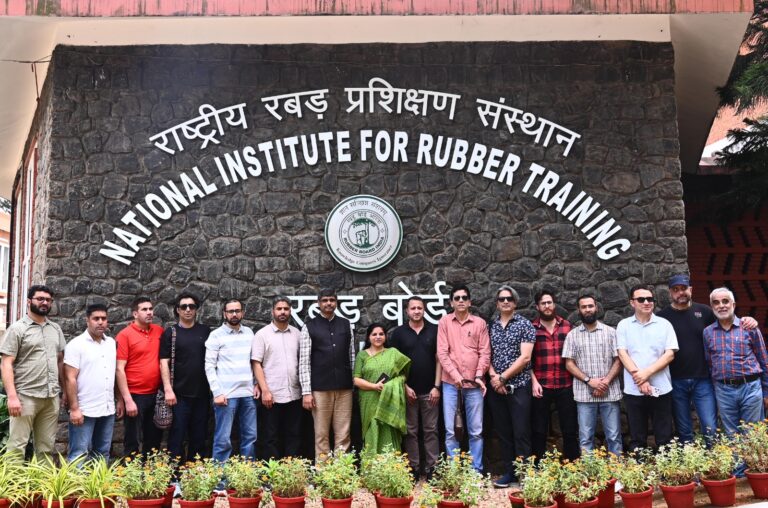
Kottayam (Kerala), Feb 03: On the second day of the ongoing press tour organised by the Press Information Bureau (PIB), Srinagar, the press delegation from Srinagar, J&K visited the National Institute for Rubber Training (NIRT) and the Rubber Research Institute of India (RRII) at Kottayam, Kerala. Both institutions function under the aegis of the Rubber Board, a statutory body constituted under the Rubber Act, 1947, for the overall development of the rubber industry in India and functioning under the Ministry of Commerce and Industry, Government of India.


The delegation held an interactive session at NIRT with Shri M. Vasanthagesan, IRS, Executive Director, Rubber Board, and Ms. Priya Varma, Director (Training), NIRT. The interaction provided an in-depth understanding of policy initiatives and developmental interventions undertaken by the Rubber Board to strengthen India’s rubber sector.


Addressing the media delegation, Shri M. Vasanthagesan, IRS, outlined the mandate and functioning of the Rubber Board, stating that the Board is implementing key policy interventions of the Government of India aimed at tapping the potential of the predominantly small and marginal rubber-growing sector. He said that sustained efforts are being made to achieve self-sufficiency in natural rubber production while ensuring long-term sustainability.

The Government of India is focusing on sustainable natural rubber production through scientific interventions, policy support and traceability mechanisms. The Bharath Sustainable Natural Rubber (BSNR) platform has been launched to ensure legality and traceability across the rubber value chain, Shri Vasanthagesan said.


He explained the processes of latex extraction and elaborated on various forms of rubber, including latex-based products and dry rubber-based goods, noting that a major share of domestic rubber production is consumed by the tyre industry. He also informed that the Rubber Board is exploring diversification through alternate varieties and has recently signed an MoU with the Himalayan Forest Research Institute to initiate experimental trials at feasible locations across different agro-climatic zones.


Subsequently, the press delegation visited the Rubber Research Institute of India (RRII). The delegation interacted with senior scientists including Dr. C. Narayanan, Senior Scientist and Officer-in-Charge, Germplasm Division; Dr. Kala, Officer-in-Charge, Biotechnology Division; Dr. Bindu Roy, Senior Scientist, Pathology Division; and Mr. Madhusoodhanan, Officer-in-Charge, Rubber Technology Division.


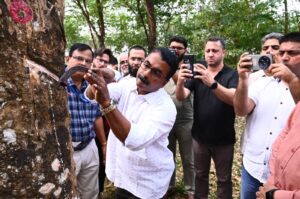
The scientists briefed the delegation on RRII’s role in enhancing productivity and quality through scientific breeding programmes, biotechnology interventions and disease management strategies. The delegation was given a practical demonstration of rubber tapping techniques.


The team also visited the International Hevea Clone Museum at RRII, which serves as a repository of advanced genetic resources. It was informed that India is a signatory to international clone exchange programme. The research done at the institute plays a crucial role in developing high-yielding and disease-resistant rubber clones. RRII’s efforts in transforming research ideas into commercially viable technologies for the benefit of farmers and industry were also highlighted.


The press tour to Kerala led by Shri Majid Pandit, Media & Communication Officer, PIB Srinagar is part of media outreach programme, aimed at providing journalists from Srinagar firsthand exposure to key Central Government institutions, research ecosystems and national development initiatives.

CMD RVNL Saleem Ahmad reviews progress of Rishikesh–Karnaprayag Rail Project during two-day site visit

0

VINOD BHAT

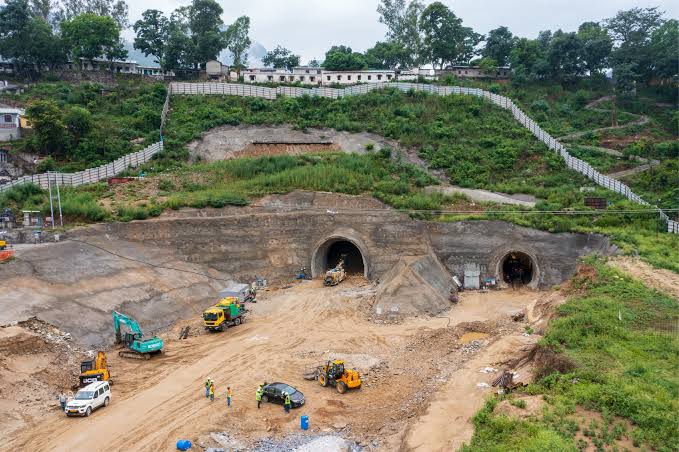
New Delhi, Feb 03: Shri Saleem Ahmad, Chairman & Managing Director, Rail Vikas Nigam Limited (RVNL), undertook a two-day visit to the Rishikesh–Karnaprayag New Broad Gauge Rail Link Project site on 2nd and 3rd February 2026, during which he conducted a comprehensive review of the project’s progress, inspected critical construction sites, and interacted with key stakeholders and workforce engaged in this strategically important Himalayan rail corridor.

The 125-km Rishikesh–Karnaprayag New Broad Gauge Rail Link Project, being executed by Navratna CPSU Rail Vikas Nigam Limited (RVNL) for Indian Railways in Uttarakhand, is one of India’s most ambitious and strategically important rail infrastructure initiatives in the Himalayan region.

On the first day of his visit, the CMD chaired a marathon review meeting with senior project officials, engineers, contractors, and international and national tunnelling experts associated with various packages of the project.

Detailed deliberations were held on construction progress, complex geological challenges, tunnelling milestones, safety measures, and time-bound execution. Shri Ahmad categorically directed that the project must be commissioned positively in 2028, without compromising on quality or safety.

The CMD underscored that the Rishikesh–Karnaprayag Rail Project, is not only a landmark engineering initiative but also a transformational infrastructure corridor that will redefine mobility in the Garhwal Himalayan region by providing all-weather, landslide-resilient rail connectivity to remote hinterlands.

During discussions, the possibility of developing road tunnels alongside railway tunnels was also explored, which could significantly enhance road connectivity, safety, and travel convenience for local population in the hilly terrain, thereby maximizing infrastructure utility.

On second day of visit, Shri Ahmad also conducted on-site inspections of ongoing tunnelling works, bridges, and station locations, where he reviewed safety practices, construction quality, and environmental safeguards.

He interacted with workers and technical teams at site and thanked workforce for their dedication and contribution in executing the project under extremely challenging Himalayan conditions.

He emphasized that environmental impact caused during construction would be systematically mitigated through green area development and extensive plantation, ensuring a balance between infrastructure growth and ecological conservation.

Reiterating RVNL’s development philosophy, the CMD gave a clear execution mantras focusing on:

• Speed with discipline and timelines

• Quality and structural durability

• Safety of workforce and assets

• Environmental sustainability and ecological protection

• Use of advanced technology and mechanisation

• Workforce welfare and social responsibility

During his visit, the CMD reviewed how challenges of highly unpredictable Himalayan geology marked by steep valleys, fractured rock masses, heavy groundwater ingress, extreme weather conditions, seismic vulnerability and remote site accessibility. are being addressed through state-of-the-art mechanised construction methods, including TBMs, Fully and Semi-Automatic Drill Jumbos, robotic PLC-controlled shotcrete systems, advanced dewatering arrangements, pipe-roofing, chemical and cement grouting, and seismic-resistant tunnel and bridge designs.

CMD’s Statement

Shri Saleem Ahmad, Chairman & Managing Director, RVNL, stated: “This Railway line project based mostly on tunnelling has the potential to become true game changers for the country’s overall development. He said that this corridor is not merely an infrastructure asset but a transformational lifeline for the Himalayan region. He emphasised that RVNL is executing the project under extremely challenging geological and climatic conditions, with an uncompromising focus on quality, safety, speed, and adherence to timelines. This assignment showcases RVNL’s ability to execute complex infrastructure project in challenging terrains through disciplined planning and coordinated execution and will serve as a benchmark for future railway corridors in mountainous regions.”

PROJECT BACKGROUND AND KEY SALIENT FEATURES

The project aims to provide safe, reliable, and all-weather rail connectivity to the Garhwal Himalayas, reducing dependence on fragile road networks that are frequently disrupted by landslides, extreme weather, and natural disasters.

The corridor will directly serve five districts of Uttarakhand —Dehradun, Tehri Garhwal, Pauri Garhwal, Rudraprayag, and Chamoli, connecting remote hill towns to the national rail network for the first time. Once operational, it will significantly enhance regional mobility, disaster resilience, and economic integration.

From an engineering standpoint, the project represents a major leap in railway construction in mountainous terrain, with approximately 104 km (83%) of the alignment passing through tunnels, including 16 main tunnels, 12 escape tunnels, multiple cross passages, and 19 major plus 31 minor bridges across deep valleys and Himalayan rivers.

A defining achievement is the completion of Tunnel-8, a 14.58-km twin-tube railway tunnel, the longest transportation tunnel in India, executed using Tunnel Boring Machines (TBMs) in young, fragile, and tectonically active Himalayan geology, including the Main Boundary Thrust (MBT) zone. This milestone establishes a national benchmark in mechanised Himalayan tunnelling and reflects India’s growing capability to execute complex underground infrastructure safely and efficiently.

The project incorporates seismic-resistant designs, advanced drainage and dewatering systems, emergency escape arrangements, and modern electrical and signalling systems, ensuring high standards of safety, durability, and long-term operational reliability.

On completion, the rail link will reduce travel time between Rishikesh and Karnaprayag from about 7 hours to nearly 2.5 hours, boost tourism and pilgrimage traffic, improve logistics and trade efficiency, generate large-scale employment, and act as a potential feeder corridor for future Char Dham rail connectivity, making it a transformative infrastructure project for Uttarakhand.

Stations Planned

Twelve railway stations are planned on this route, excluding the already existing Virbhadra Station, the commissioned Yog Nagari Rishikesh and upcoming stations at Shivpuri, Byasi, Devprayag, Janasu, Maletha, Srinagar, Dhar Devi Ji, Tilani, Gholtir, Gauchar and Karnaprayag.

Key Milestones & Progress

• 5.7-km first block section (Virbhadra–Yog Nagri Rishikesh) commissioned in 2020

• 13 of 16 main tunnels excavated (98 km, 95%)

• 40/46 tunnel drives broken through; 130.6 km final lining completed

• 8/19 major rail bridges completed, including Bridge-8 (3×90m) & Bridge-9 (15×30.5m composite) over River Alaknanda

• Track-laying in active progress

• Electrical (E&M/OHE) & S&T works to commence Oct 2026

• Station buildings at Shivpuri & Byasi started in Dec 2025; remaining from May 2026

About RVNL

RVNL has an illustrious legacy spanning over more than two decades. It started with the objective of bridging the infrastructure gap in Indian Railways by fast-tracking the execution of railway projects. After successfully achieving this objective by completing more than 157 projects spanning more than 16500 km and successfully executing new railway projects under the innovative PPP model by setting up a number of Special Purpose Vehicles (SPVs), RVNL today has grown from its original mandate of ‘rail infra’ projects to the ever-expanding opportunities of ‘All Infra’ i.e., from #LocalRailInfra to #GlobalAllInfra.

RVNL has diversified into other infrastructure projects of which Metro is one of them. Now it is executing Metro works in about 10 cities. Today, RVNL is fast setting its footprints in all possible infrastructure projects, both within the country and overseas. RVNL since inception in 2003 have consistently earned an excellent rating from the Department of Public Enterprises for fourteen consecutive years.

RVNL continues to set benchmarks in infrastructure delivery both within India and on the global stage with a strong reputation for engineering excellence, timely execution, and commitment to nation-building.


Jammu and Kashmir Sees Rail Budget Boost and Infrastructure Leap on Fast Track 

0


₹1,086 Cr Annual Rail Budget Powers ₹522 Cr Projects, ₹293 Cr Station Revamp in J&K


FIRDOUS AHMAD

SRINAGAR, Feb 3: Jammu and Kashmir’s railway sector is witnessing a decisive transformation, marked by higher budgetary support, accelerated infrastructure works, and improved passenger connectivity—signaling a clear departure from the modest allocations and slow progress of the past.

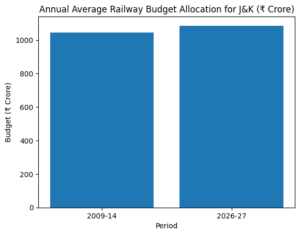
A comparison of historic budget allocations itself tells a compelling story. During the 2009–14 period, the annual average railway budget allocation for Jammu and Kashmir stood at ₹1,044 crore. In contrast, the allocation for 2026–27 has risen to ₹1,086 crore annually. While the numerical increase may appear incremental, the real shift lies in how efficiently and strategically these funds are being deployed on the ground, translating into visible assets and long-term economic value for the region.

Infrastructure Push Gains Momentum

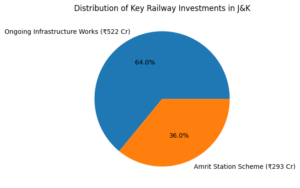
One of the most notable developments is the scale of infrastructure works currently underway. Railway projects worth ₹522 crore are under active execution across Jammu and Kashmir. These works span critical areas such as new track creation, station redevelopment, and comprehensive safety enhancements—components that were long pending or delayed in earlier decades due to difficult terrain, funding constraints, and execution bottlenecks.

This sustained investment is not merely about expanding rail lines; it is about creating a robust transport backbone capable of supporting economic growth, tourism, trade, and regional integration.

Amrit Station Scheme: Modern Stations for a Modern Economy

Under the ambitious Amrit Station Scheme, four key railway stations in Jammu and Kashmir have been identified for complete redevelopment, with an investment of ₹293 crore earmarked for station modernisation alone. These redeveloped stations are expected to offer world-class passenger amenities, improved accessibility, and enhanced commercial spaces.

For a region aspiring to boost tourism and business travel, modern railway stations serve as critical gateways, shaping first impressions and improving overall travel efficiency.

Better Connectivity Through Premium Services

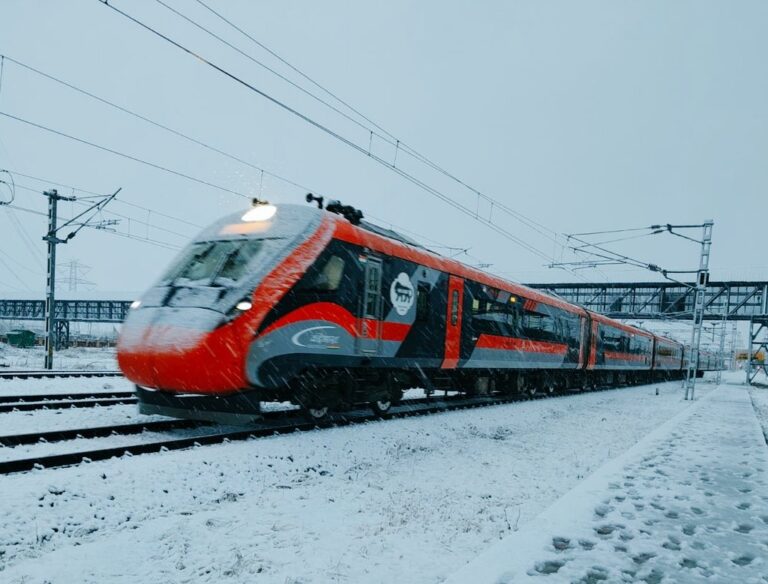
Connectivity has also entered a new phase with the expansion of premium train services. At present, five pairs of Vande Bharat Express services are operational, significantly reducing travel time and offering passengers a faster, safer, and more comfortable travel option.

The introduction of such high-speed, semi-modern trains in Jammu and Kashmir underlines a broader policy shift—from merely providing connectivity to ensuring quality connectivity that meets national standards.

Network Expansion and 100% Electrification: A Historic Milestone

Perhaps the most transformative achievement is the rapid expansion and electrification of the railway network. Since 2014, approximately 150 kilometres of new railway tracks have been constructed in the Union Territory—a remarkable feat given the region’s challenging geography.

Even more significant is the achievement of 100% electrification of railway lines in Jammu and Kashmir. Around 407 kilometres of rail lines have been electrified since 2014, aligning the region with India’s broader goal of cleaner, more energy-efficient rail transport. Electrification not only reduces operating costs but also lowers carbon emissions and enhances reliability during harsh weather conditions.

Complementing this expansion, six flyovers and underpasses have been constructed, improving safety, reducing congestion, and ensuring smoother movement of both trains and road traffic.

A Clear Break from the Past

Taken together, these developments reflect a clear shift from earlier periods when budgetary allocations often failed to translate into timely execution. Today, Jammu and Kashmir’s railway sector stands as a key pillar of economic integration, infrastructure resilience, and future-ready development.

With consistent funding, modernisation initiatives, and a focus on execution, the railways are no longer just a transport service in Jammu and Kashmir—they are emerging as a catalyst for economic growth, employment generation, and regional stability.

​​​​​​​Second Mountain Tunnel Breakthrough Achieved in Palghar, Maharashtra for Mumbai–Ahmedabad Bullet Train Project

0

VINOD BHAT

Delhi, Feb 03:

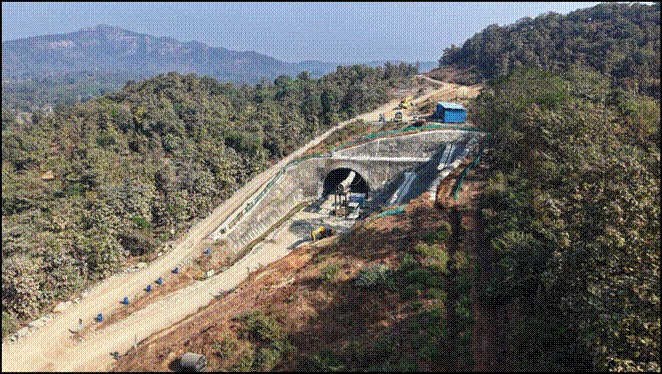
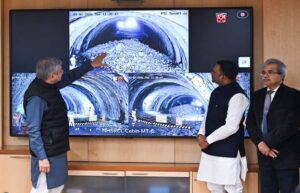
The Union Minister for Railways, Information & Broadcasting, and Electronics & Information Technology, Shri Ashwini Vaishnaw, announced a significant milestone in the Bullet Train Project with the breakthrough of the second mountain tunnel in Palghar, Maharashtra. This tunnel is 454 metres long with a width of 14.4 metres, and will accommodate both up and down tracks for the Mumbai–Ahmedabad Bullet Train project.


This is the second mountain tunnel breakthrough in Palghar district within a span of one month for the Bullet Train project, the first being MT-5 near Saphale on 2nd January 2026.


Bullet Train Project achieves another milestone.

2nd tunnel breakthrough in Palghar within a month.


📍 Palghar, Maharashtra pic.twitter.com/uv3QEsXvjp


— Ashwini Vaishnaw (@AshwiniVaishnaw) February 3, 2026

The mountain tunnel (MT-6) was excavated from both ends using New Austrian Tunnelling Method (NATM), a cutting-edge drill-and-controlled blast method. The excavation is completed within 12 months. A mountain tunnel breakthrough marks a key engineering milestone when excavation teams digging from opposite ends of the tunnel finally meet at the center, forming a continuous passage through the mountain.


Union Minister Ashwini Vaishnaw congratulated the entire high-speed rail team for their remarkable progress. He said the pace at which the team is working has instilled new confidence in the country. The project is drawing global attention and appreciation due to several new innovations in construction and technology. He highlighted that many advanced construction technologies and large machines being used for the project are manufactured in India.


The Union Minister stated that the Gujarat section of the bullet train project is expected to begin commercial operations next year. He added that high-speed rail operations are expected to extend up to Thane by 2028, with the corridor reaching Mumbai by 2029.


Dr. Hemant Vishnu Savara, Lok Sabha Member of Parliament from the Palghar constituency, was also present on the occasion. He expressed gratitude to Union Minister Ashwini Vaishnaw for the high-speed tunnel breakthrough in Palghar. He highlighted the district’s rapid development through several key railway projects, including the high-speed rail corridor, the Dedicated Freight Corridor (DFC), and the upcoming Vadhvan Port. He emphasized that railway investment in Maharashtra has increased significantly since 2014, resulting in faster project completion and improved services.


The New Austrian Tunnelling Method (NATM) is favoured for its flexibility in complex geological conditions like in Palghar district and irregular tunnel shapes where tunnel boring machines are not that suitable. This process does not require very heavy machinery and allows real time adaptation using shotcreting, rock bolts and lattice girders.


Workers’ safety inside the tunnel was ensured using various geotechnical instruments, real time monitoring, efficient fire safety measures, proper ventilation, and controlled access arrangements.


In Maharashtra, construction work is progressing rapidly on multiple fronts. The project’s longest river bridge on Vaitarna river has reached pier level, apart from foundation level work on other major rivers like Ulhas &Jagani. Work is also progressing rapidly on all four stations, major national and state highway crossings using long span steel bridges and a 21 km long tunnel between Bandra Kurla complex and Shilphata. A total of 7 mountain tunnels are under progress in Palghar district in Maharashtra.


Sr. No.


Mountain Tunnel no.


Length


% completion


Remarks


1


MT-1


0.820


16%


2


MT-2


0.228


Preparatory works underway


3


MT-3


1.403


41%


4


MT-4


1.260


32%


5


MT-5


1.480


57%


Breakthrough achieved on 02 Jan 2026


6


MT-6


0.454


47%


Breakthrough achieved today


7


MT-7


0.417


29%


The MAHSR project spans approximately 508 kilometres, covering 352 km in Gujarat and Dadra & Nagar Haveli, and 156 km in Maharashtra. The project is expected to foster economic activity along the corridor, facilitate knowledge transfer, and support the development of new industrial and IT hubs. The corridor will connect major cities including Sabarmati, Ahmedabad, Anand, Vadodara, Bharuch, Surat, Bilimora, Vapi, Boisar, Virar, Thane, and Mumbai, marking a transformative step in India’s transportation infrastructure.


As on 27thJan 2026, around 334 km of viaducts, 17 river bridges, and 12 major crossings over national highways, railways, and other infrastructure have been completed. Track laying and electrification works have picked up pace in the Gujarat section of the project.

Over 26 Lakh Households Benefited Under PM Surya Ghar: Muft Bijli Yojana as of December 2025

0

₹14,771 Crore Central Financial Assistance Disbursed Under PMSGMBY

Vinod Bhat


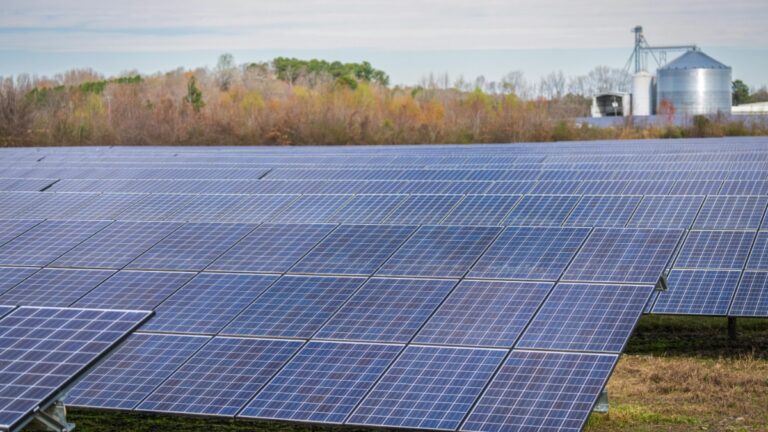
New Delhi: PM Surya Ghar: Muft Bijli Yojana (PMSG: MBY) is a demand driven scheme wherein all residential consumers in the country having grid connected electricity connection of the local DISCOM can avail the benefits of the scheme, for installation of rooftop solar (RTS) systems, by applying on the National Portal of the scheme.

Since the launch of the scheme in February, 2024, a total of 20,85,514 RTS systems have been installed across the country, benefitting 26,14,446 households with disbursement of Rs 14,771.82 crore as Central Financial Assistance (CFA) till December 2025. The state/UT-wise detail of progress made under the scheme, in the order of number of RTS systems installed, is given in Annexure.

Under the PMSG: MBY, it has been estimated that RTS installation in 1 crore households may produce renewable electricity of 1,000 billion units, which may result in reduction of 720 million ton of CO2 eq emission during the 25 years of lifetime of the RTS systems

Centre Halts Kashmir Rail Expansion Amid Local Pushback, Environmental Concerns

0

NEW DELHI, Feb 03: The Central Government has put on hold the expansion of railway lines in the Kashmir Valley, prioritizing local stakeholder consultations and environmental safeguards, official sources said on Tuesday.

Sources told that the planned construction of additional lines along the Baramulla-Srinagar corridor, have been suspended. The decision comes after the Jammu and Kashmir administration and local public representatives expressed strong reservations about the proposals.

Railway Minister Ashwini Vaishnaw stated that the government is committed to cooperative federalism and sustainable development. “The state government and local MPs clearly communicated their concerns. In deference to their position and in the spirit of collaborative development, these projects have been put on hold,” Vaishnaw said.

The suspension extends to at least three other projects where preliminary surveys had begun. The Minister highlighted that initial assessments flagged significant environmental risks, particularly to the region’s vital horticulture sector.

“Preliminary surveys indicated a potential risk to apple orchards, which are a cornerstone of the local economy,” Vaishnaw stated. He confirmed that these ventures have been suspended indefinitely pending further review, sources added. (KNS)

Home Minister Amit Shah Likely to Visit J-K on February 5

0

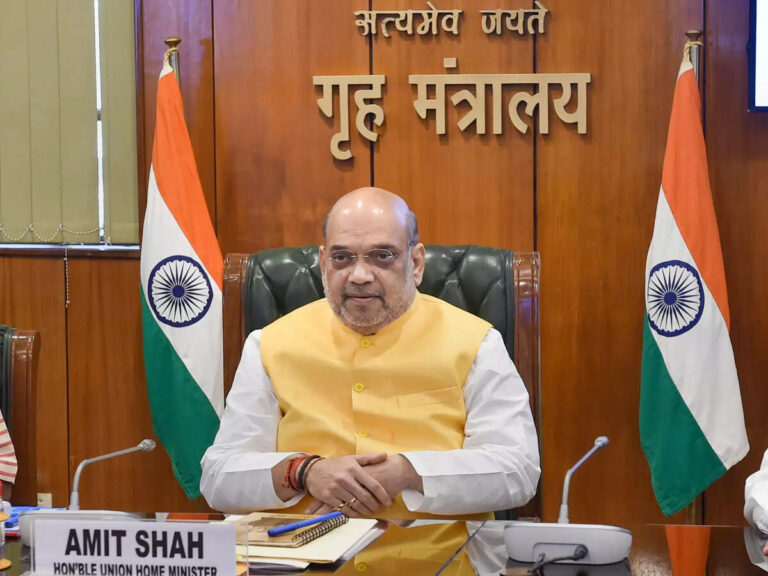
Srinagar, Feb 2, KDC: Union Home Minister Amit Shah is likely to visit Union Territory of Jammu & Kashmir on Thursday, February 5, for a high-level security review meeting, sources told on Monday.


According to the sources, the ‘tentative’ schedule for Shah’s visit has been circulated among security agencies, with the Home Minister expected to arrive in Jammu and Kashmir on February 5. His main engagement during the visit would be to chair a comprehensive security meeting involving senior officials of the Jammu & Kashmir administration, the Indian Army, Central Armed Police Forces (CAPFs), intelligence agencies, and the police.


Officials familiar with the programme said the meeting aims to assess the current security situation, review counter-insurgency operations, and fine-tune strategies to further strengthen law and order across the Union Territory. The discussions are also likely to cover the ongoing efforts to curb cross-border infiltration and address emerging internal security challenges.


While the full itinerary of the Home Minister’s visit, including meetings with local civil and political leadership is yet to be officially confirmed, sources told KDC that logistical and security arrangements are being finalised in both Jammu and Srinagar. If confirmed, the February 5 engagement will mark one of the first major in-field security reviews by the Home Minister in early 2026. (KDC)

Driver Dies, Conductor Injured as Truck Skids Off Road in Kangan

0


Touseef Wani


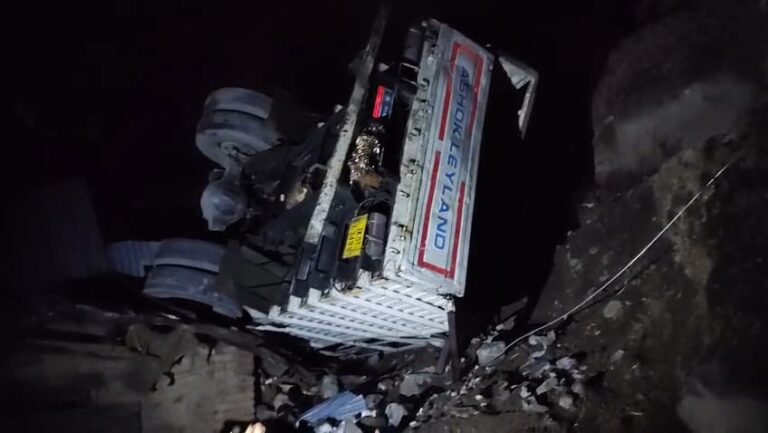
Ganderbal, Feb 2 : A truck driver was killed in a road accident on the Srinagar–Sonamarg–Gumri (SSG) Road near Hariganiwan in Kangan area of Ganderbal district on Monday, when an Eicher truck skidded off the road and fell down, crashing into a residential house.


Officials told Kashmir Despatch the Eicher truck bearing registration number JK05L-3499 hit an old residential house to a person, a resident of Hariganiwan, causing extensive damage to the structure.


The driver, identified as Sameer Ahmad Lone, son of Ghulam Mohammad Lone, resident of Chuntimulla, Bandipora, sustained critical injuries and was rushed to SDH Kangan before being referred to SKIMS Soura, where he succumbed to his injuries.


The conductor, Bilal Ahmad Khan, son of Farooq Ahmad, resident of Pattan, Baramulla, sustained minor injuries in the incident.

SKUAST-K, KVK Bandipora-1 Organises Entrepreneurship Awareness Programme on Dairy Entrepreneurship

0


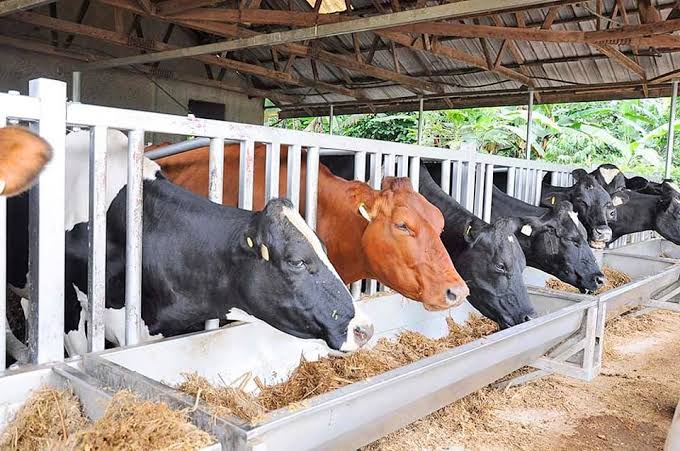
Bandipora , Feb 02: Krishi Vigyan Kendra (KVK) Bandipora-1, Sher-e-Kashmir University of Agricultural Sciences and Technology of Kashmir (SKUAST-K), organised a one-day Entrepreneurship Awareness Programme on “Dairy Entrepreneurship for Sustainable Rural Livelihoods” at KVK Bandipora-1.

The programme supported by Entrepreneurship and Management Development Programme (EMDP) Division, Ministry of MSME, Government of India and coordinated by Dr. Nazir Ahmad Mir, Subject Matter Specialist (Animal Science), KVK Bandipora-1.

The programme witnessed participation from rural youth, women, and prospective entrepreneurs from different areas of the district. Dr. Nazir Ahmad Mir delivered a technical session on scientific dairy farming practices, entrepreneurial opportunities in the dairy sector, economic viability, and government-sponsored schemes aimed at promoting dairy entrepreneurship as a sustainable livelihood option.

Dr. Tahir Saleem, Subject Matter Specialist (Vegetable Science), highlighted the importance of integrated farming systems, emphasizing the convergence of dairy and vegetable-based enterprises to enhance farm productivity and income while Dr. Bilal Ahmad Zargar delivered a comprehensive presentation on entrepreneurship development, focusing on entrepreneurial skills, business planning, innovation, market linkages, and risk management.

The programme aimed to enhance entrepreneurial awareness, capacity building, and self-employment opportunities, thereby contributing to sustainable rural livelihoods and employment generation.

The programme concluded with an interactive session wherein participants discussed various aspects related to dairy entrepreneurship and allied activities.


SKUAST-K, IIT Jammu kickstart capacity building program to boost startup ecosystem

0

Srinagar, Feb 2: In a significant stride toward strengthening the entrepreneurial landscape of Jammu and Kashmir, SKUAST-K, in collaboration with the Institute Incubation & Innovation Council (I3C) at IIT Jammu, launched a week-long Capacity Building Program today.


The initiative is being held under the JKCIP framework and is specifically tailored for the capacity building of incubation staff, including scientists and officials from SKUAST-K. Centred on the core themes of incubation, innovation, and entrepreneurship, the program aims to equip participants with the essential skills required to cultivate a thriving and innovative ecosystem across the Union Territory.


Prof Arvind, Chief Innovation Officer at I3C, inaugurated the event by outlining a comprehensive structure that features interactive sessions, workshops, and hands-on training. The curriculum focuses on advanced incubation strategies and innovative problem-solving, with a particular emphasis on merging agriculture with modern technology. During his address, Prof Arvind introduced the SKUAST-K delegates to the IIT Jammu Innovation Council, highlighting its pivotal role in nurturing startups and commercializing academic research. He emphasized that through JKCIP, the institutions are laying the vital groundwork for transformative enterprises that will eventually drive regional self-reliance and robust economic growth.


The program is currently being hosted at IIT Jammu’s cutting-edge facilities, where twenty selected scientists and officials are participating in the intensive training. This collaboration between SKUAST-K and IIT Jammu promises to forge lasting agri-tech partnerships, marking a bold and strategic step forward for the future of J&K’s entrepreneurial and industrial development.