spot_imgspot_img
spot_img
Home Blog Page 133

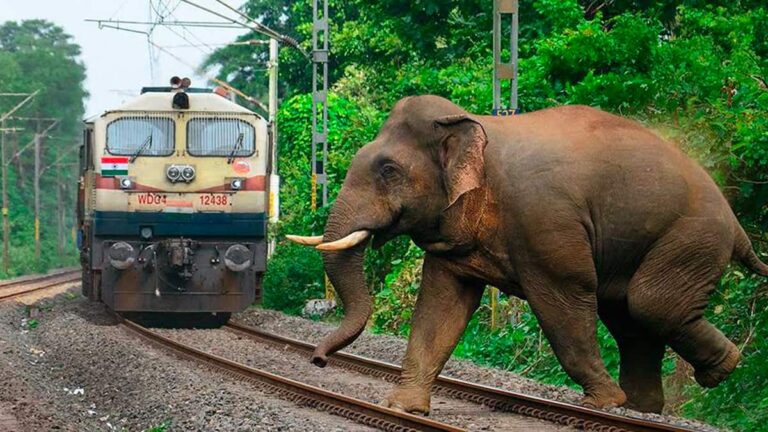
Indian Railways’ AI-enabled Intrusion Detection System (IDS); Designed to Generate Alerts for Loco Pilots, Station Masters and Control Room to Prevent Death of Elephants on Railway Tracks Using Distributed Acoustic Sensors (DAS)

0

Vinod Bhat

New Delhi: The Ministry of Railways, in coordination with Ministry of Environment, Forest & Climate Change, has taken several protection measures to prevent elephant hitting on railway tracks, which are as under:

(i) One of the innovative measures taken is development of AI-enabled Intrusion Detection System (IDS) for detecting presence of elephants on Railway tracks using Distributed Acoustic Sensors (DAS). The system components include Optical Fibre, hardware and pre-installed signatures of elephant locomotion. The system is designed to generate alerts for loco pilots, station masters and Control Room about the movement of elephants in proximity of railway tracks, for taking timely preventive action.

Presently, IDS system is working over 141 Rkms on critical & vulnerable locations identified by forest department in Northeast Frontier Railway. Works of IDS have also been sanctioned for identified corridors across Indian Railways covering NFR (403.42 Rkms), ECOR (368.70 Rkms), SR (55.85 Rkms), NR (52 Rkms), SER (55 Rkms), NER (99.18 Rkms), WR (115 Rkms) & ECR (20.3 Rkms).

(ii) In case of any hitting incidence of elephant with train, Zonal Railways investigate the matter in close coordination with Forest department and takes immediate steps accordingly. These include imposition of suitable speed restrictions at identified locations and alerting train crews as well as station masters. Regular meetings with concerned forest officials are conducted to update and sensitize the train crew. In the past five years, an average about 16 incidents have been reported.

(iii) Construction of underpasses and ramps for the movement of elephants at identified locations.

(iv) Installation of suitable fencing along tracks in vulnerable locations to discourage elephants from approaching towards railway lines.

(v) Provision of signage boards at all identified elephant corridors to pre-warn the loco pilots.

(vi) Clearance of vegetation and edible items surrounding the track within railway land.

(vii) Providing LED lights with a solar system in forest area.

(viii) Deployment of elephant trackers engaged by Forest Department for timely action by alerting station master and loco pilots, are taken.

(ix) To prevent the movement of wild animals/ elephants near railway tracks, innovative Honey Bee buzzer devices have been installed at level crossings. The sound created by this device acts as a repellent to move elephants away from railway track.

(x) Thermal vision camera is also being tried for detecting presence of wild animals on straight track during night/poor visibility which alerts loco pilots for presence of wild animals.

This information was provided by the Union Minister for Railways, Information & Broadcasting and Electronics & Information Technology, Shri Ashwini Vaishnaw, in a written reply to a question in Lok Sabha today.

Over 2.5 Crore Aadhaar Numbers of Deceased Persons Deactivated to Prevent Identity Fraud

0
Vinod Bhat

New Delhi: Aadhaar is the world’s largest biometric identity system with approximately 134 crores live Aadhaar holders.

Deactivation of the Aadhaar number of deceased

As part of a nationwide clean-up effort to maintain the continued accuracy and integrity of the Aadhaar database, Unique Identification Authority of India (UIDAI) has deactivated more than 2.5 crore Aadhaar numbers of deceased persons till date.

In case of the death of a person, it is essential that his/her Aadhaar number is deactivated to prevent potential identity fraud, or unauthorized usage of such Aadhaar number for availing welfare benefits.

The State / UT mentioned in the address of an Aadhaar number holder in the Aadhaar database may vary from the State / UT where death was registered.

Measures to prevent potential identity fraud

Several measures have been taken to reduce the risk of identity fraud and ensure leak-proof delivery of benefits in the country. The key measures include:

  1. Biometric Lock/Unlock feature enables an Aadhaar number holder to “Lock” his biometrics, preventing any unauthorized authentication attempts.
  2. Aadhaar Lock/Unlock feature for an Aadhaar number holder.
  3. Deployment of Face Authentication having ‘Liveness Detection feature’ to prevent spoofing and ensure the physical presence of the beneficiary during transactions.
  4. Offline Verification: Promotion of Aadhaar Secure QR Code, Aadhaar paperless offline e-KYC, e-Aadhaar and Aadhaar verifiable credentials for offline identity verification.
  5. No sharing of Core Biometric information of Aadhaar number holders in any manner by UIDAI.
  6. Secure Data Storage: Mandatory use of Aadhaar Data Vaults by all requesting entities to store Aadhaar numbers in an encrypted format.
  7. Database Sanitization: Regular de-duplication and deactivation of Aadhaar numbers belonging to deceased persons.
  8. Updation of demographic details of an Aadhaar number holder is allowed only as per documents listed by UIDAI.
  9. UIDAI has launched a new Aadhaar app which facilitates sharing of verified credentials by Aadhaar number holder with the Offline Verification Seeking Entities (OVSE) in a secure and seamless manner.

Govt supports diverse musical heritage and offers new economic opportunities for creators

0
Vinod Bhat

New Delhi: To empower independent and regional creators, Government launched ‘Create in India’ (CIC) Challenges during the World Audio Visual & Entertainment Summit (WAVES) 2025. These include Resonate: The EDM Challenge, Wah Ustad, Battle of the Bands, and Symphony of India, etc. These events saw participation of 86 creators from 13 states. These initiatives, complemented by the launch of the ‘Waves of India’ album and showcases featuring regional artists like the Tetseo Sisters (Nagaland), are aimed at promoting India’s diverse musical heritage and create new economic opportunities for creators. Government has also established the Live Events Development Cell (LEDC) to facilitate the structured growth of creative economy.

Reply given in the Lok Sabha by the Minister of State for Information and Broadcasting and Parliamentary Affairs Dr. L. Murugan to the question raised by Shri Pradyut Bordoloi.

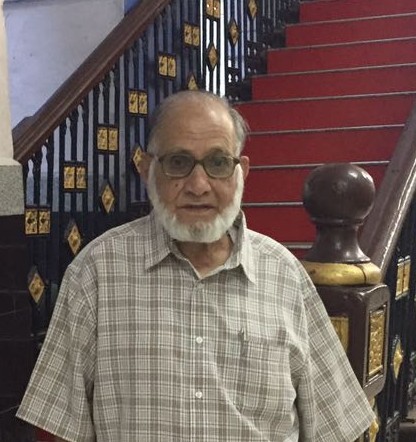
Renowned Kashmiri Physician Dr Atiqullah Passes Away; Kashmir Mourns, North Kashmir Feels a Deep Void

0


KD NEWS SERVICE

SRINAGAR, Feb 4: A pall of gloom has enveloped Kashmir following the demise of renowned physician Dr Haji Atiqullah, who passed away in Srinagar after a brief illness today. While his death is being mourned across the Valley, it has left an especially deep void in North Kashmir, where he devoted a major part of his life to the selfless service of patients.

Hailing from Sopore, Dr Atiqullah was a towering figure in Kashmir’s medical fraternity. For decades, he stood as a symbol of trust, humility and compassion at a time when quality healthcare facilities were scarce. His clinic often served as the first ray of hope for the ailing, particularly the underprivileged, earning him immense respect that transcended regional boundaries.

Dr Atiqullah was the father of Dr Shad Salim Akhtar, one of Kashmir’s leading medical oncologists, and the father of Kashmir’s renowned gynecologist Dr Farhat Jabeen. He was also the father-in-law of former Principal Government Medical College (GMC) Srinagar and Kashmir’s renowned and leading pediatrician, Dr Kaiser Ahmad Kaul.

According to family sources, the Nimaz-e-Janazah was offered at Shah Anwar Colony, Hyderpora, Srinagar, before Asr prayers, and later at Sopore Eidgah after Magrib prayers today. He was laid to rest at his ancestral graveyard. Condolence gatherings will be held at Shah Anwar Colony, Hyderpora, while Fateh Khawani will take place at Sopore on Saturday.

Expressing profound grief, Syed Basharat, Editor-in-Chief of Kashmir Despatch newspaper, extended heartfelt condolences to the bereaved family, terming Dr Atiqullah’s demise an irreparable loss to Kashmir, particularly to North Kashmir.

“Dr Atiqullah’s lifelong service to humanity, especially in North Kashmir, stands as a shining example of medical ethics and compassion. His contribution to healthcare in Kashmir will be remembered for generations. Kashmir Despatch shares the grief of the family and prays for eternal peace to the departed soul,” Syed Basharat said.

Tributes have been pouring in from across Kashmir, with doctors, civil society members and common citizens remembering Dr Atiqullah as a healer who placed humanity above all else and dedicated his life to the service of the people.

Verify Your Land on the Spot: Sopore Admin Launches Digital Jamabandi Drive

0

Tehsil Admin Brings Revenue Records to Villagers’ Doorsteps

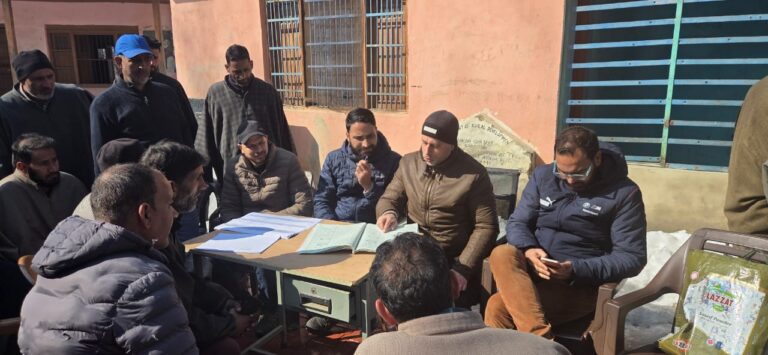
Sopore, Feb 04 : The Tehsil Administration in north Kashmir’s Sopore began a public reading of digitized Jamabandi (land revenue records) in Seer village on Wednesday. This initiative aims to promote transparency and digital governance officials said.

An official told that the exercise is under the supervision of Tehsildar Sopore, Sheikh Tariq Ahmad, with Patwari Zafar Iqbal leading the proceedings on the ground.

According to officials, the initiative ensures accuracy and encourages public participation in managing revenue records. During the camp, digitized records were presented to landowners and residents, allowing them to verify details and register any objections immediately.

Patwari Zafar Iqbal, speaking to news agency Kashmir News Service (KNS), emphasized the drive’s transformative impact. He stated that public verification of digitized land records is central to the mission of providing transparent and citizen-centric services. This process empowers people by letting them cross-check their records on the spot.

Tehsildar Sheikh Tariq Ahmad urged all stakeholders, particularly farmers, to participate actively in these verification camps. He told KNS that the goal is to resolve public grievances regarding land records efficiently. The initiative will extend to all villages in the tehsil.

Notably, The digitization of revenue records across Jammu and Kashmir is part of the Union Territory’s wider effort to modernize administration. It aims to reduce land-related disputes by providing accessible and verifiable digital data. (KNS)

Bandipora Women’s College Plan Put on Hold

0

TAUSEEF AHMAD

SRINAGAR, Feb 04: In a setback to a key demand repeatedly raised during the recent election campaign in north Kashmir’s Bandipora district, the Jammu and Kashmir government has categorically ruled out, for now, the establishment of a separate Government Degree College for women in the district. The government cited concerns over enrolment viability, optimal use of resources and the risk of further fragmenting student strength across institutions.

The disclosure was made on the floor of the Legislative Assembly in a written reply to Starred Question No. 32, tabled by Bandipora MLA Nizam-ud-Din Bhat, who had sought detailed information about the functioning of H.K. Government Degree College, Bandipora, and pressed the need for a dedicated women’s college to address the educational challenges faced by female students in the district.

In its response, the Higher Education Department informed the House that comprehensive details regarding the existing degree college — including infrastructure availability, enrolment figures, faculty strength and other academic parameters — have been provided in an annexure attached to the reply. The department, however, made it clear that there is “no plan at present” to establish a separate women’s degree college in Bandipora.

Explaining the government’s position, the Minister for Higher Education said that the department’s current priority is to enhance overall student enrolment, strengthen academic programmes, and ensure better utilisation of existing institutional infrastructure and human resources. The reply stated that opening a separate women’s college at this stage could lead to further division of enrolment in the district, thereby affecting the academic sustainability of both institutions.

“The establishment of a women’s degree college in Bandipora may not be viable at this stage, as it would further fragment enrolment,” the written reply said, indicating that the government is presently focusing on consolidating, rather than expanding, higher education institutions in the district.

The government’s stance has triggered disappointment among students, parents and civil society groups in Bandipora, particularly because the demand for a women’s degree college had been a prominent electoral issue. During the election campaign, all three legislators representing different constituencies of Bandipora district had publicly assured voters that steps would be taken to improve access to higher education for girls, especially those belonging to remote and far-flung areas.

Local residents argue that the absence of a separate women’s college continues to pose serious hurdles for female students. They point out that long travel distances, high transportation costs, limited public transport, and prevailing social constraints often compel girls to discontinue their education after higher secondary level. According to locals, a dedicated women’s institution would not only boost enrolment but also encourage families to allow their daughters to pursue higher studies.

Civil society members and education activists have urged the government to reconsider the proposal and conduct a needs-based and gender-sensitive assessment of the district, taking into account local realities rather than relying solely on enrolment statistics. They maintain that improved access to women-centric higher education infrastructure is essential for bridging the gender gap in education and ensuring inclusive development in the region.

For now, however, the government’s response signals that the long-standing demand for a women’s degree college in Bandipora remains on hold, despite its prominence in political discourse and electoral promises.

Union Budget 2026–27 Drives Passenger-Centric Railway Modernisation, Enhanced Safety, and All-Round Regional Development

0

VINOD BHAT

Delhi, Feb 04:

Railway development across the country has received a major boost under the Union Budget, with record allocations to states aimed at strengthening connectivity, enhancing passenger safety, modernising infrastructure, and expanding freight networks. This sustained investment reflects the government’s commitment to all-round development, positioning railways as a key driver of economic growth and logistics efficiency nationwide.


In the Union Budget 2026–27, the Ministry of Railways has firmly positioned rail investment as a driver of regional integration, passenger convenience, and economic opportunity across states, aligned with priorities such as high-speed connectivity, multi-modal mobility, electrification, and secure logistics.


Major states like Uttar Pradesh are poised for transformation through new bullet-train corridors between Delhi–Varanasi and Varanasi–Siliguri, aimed at sharply reducing travel time between key economic and cultural centres, strengthening tourism flows, and connecting secondary cities along the route. The proposed Varanasi–Siliguri corridor will connect important religious, educational, and medical centres across Uttar Pradesh, Bihar and West Bengal. The Delhi–Varanasi high-speed corridor will enable travel in around 3 hours 50 minutes. Further, the high-speed rail corridor from Varanasi via Patna to Siliguri in West Bengal will enable travel between Varanasi and Siliguri in about 2 hours and 55 minutes. This connectivity is expected to create a new economic corridor across the belt spanning Delhi, Uttar Pradesh, Bihar and West Bengal, significantly boosting regional development and economic activity.


West Bengal is similarly set to benefit from the first high-speed rail service in eastern India linking Siliguri to Varanasi, improving inter-regional mobility and expanding trade and service opportunities. Across the Northeast and adjoining regions, record allocations have triggered new line construction, station redevelopments, and safety enhancements, improving connectivity within remote areas and strengthening links with the rest of the country. These works are expanding access to education, healthcare, tourism, and formal markets, while supporting local enterprises.


A key strategic priority is the planned 40-km underground rail corridor, connecting the North East with the rest of the country. The planning is on to lay underground railway tracks, and also make the existing tracks four-line, creating additional capacity and ensuring uninterrupted, resilient rail movement through this critical transit zone for both passengers and freight.


States such as Punjab, Haryana and Himachal Pradesh have completed 100% electrification and are upgrading stations under the Amrit Bharat Station Scheme, improving rail safety, sustainability, and passenger facilities. In mineral and industrial belts, projects in Jharkhand and the Rowghat–Jagdalpur line in Chhattisgarh are strengthening freight linkages and regional economic activity.


In Southern India, the state-wise railway allocations are clearly geared towards high-impact passenger connectivity, anchored around the emerging high-speed rail “diamond” linking Hyderabad, Bengaluru, Chennai and adjoining urban centres. This network will significantly compress travel times between the south’s major economic engines, enabling seamless movement across the IT, manufacturing and services corridors. Bengaluru, as India’s principal technology hub, stands to gain the most, becoming far more accessible for business travel, talent mobility and inter-state commuting.


After the completion of the high speed corridor, Chennai–Bengaluru will take about 1 hour 13 minutes, Bengaluru–Hyderabad around 2 hours, and Chennai–Hyderabad around 2 hours 55 minutes. This network is expected to serve as a powerful growth multiplier for Karnataka, Telangana, Andhra Pradesh, Tamil Nadu, Kerala and Puducherry, significantly boosting regional development.


In Maharashtra, the major share of the allocation is focused on high-impact, capacity-enhancing projects, particularly the Mumbai–Pune high-speed rail corridor, expansion of congested trunk routes, modernisation and redevelopment of key stations, and strengthening of suburban and inter-city rail services to support the state’s rapidly growing passenger and freight demand.


In western and central India, the upcoming Mumbai–Pune high-speed corridor will reduce travel time to around 48 minutes, effectively integrating the two major urban centres. Further connectivity from Pune to Hyderabad in around 1 hour 55 minutes, and onward links to southern hubs, will create a continuous high-speed spine across regions, benefiting passengers and regional economies alike.


In the Himalayan and northern regions, the budget is set to boost economic access, tourism, and all-weather mobility. Uttarakhand’s Rishikesh–Karnaprayag line, featuring complex tunnels, will improve access to remote areas, reduce travel time, and support pilgrim and tourist flows, alongside broader investments in electrification and safety upgrades. Himachal Pradesh will see focused support for network expansion, modernisation, and electrification, enhancing passenger convenience in hilly terrain. In Jammu & Kashmir, strengthened rail links, including extensions toward Uri, will ensure year-round connectivity despite winter disruptions, benefiting passengers and local economies.


Freight efficiency is being strengthened through the East–West Dedicated Freight Corridor from Dankuni (West Bengal) to Surat (Gujarat), passing through Jharkhand, Bihar, Odisha, and Maharashtra. This corridor will enable faster and more reliable movement of goods, ease congestion on passenger lines, reduce logistics costs, and support industrial and trade growth across these key economic states.


For passengers, these initiatives mean shorter travel times, safer and more comfortable trains, modernised stations, reduced overcrowding, and improved last-mile connectivity. At the same time, Indian Railways’ long-term goal of 3,000 million tonnes of freight loading will be supported through dedicated freight corridors, modern locomotives, upgraded tracks, and advanced signaling, allowing goods to move faster without disrupting passenger services. Higher capital investment across states will create jobs, boost regional development, and strengthen local economies. With strong coordination between the Union and state governments, the vision of Viksit Bharat can be realised. Following the policy announcement, detailed planning and implementation will now begin to turn this vision into reality.


State-wise Rail Budget Allocation Details


Andhra Pradesh: Andhra Pradesh has witnessed a remarkable transformation in its railway infrastructure, with the annual average budget for the state and Telangana increasing elevenfold from ₹886 crore in 2009–14 to ₹10,134 crore in 2026–27. This significant investment has supported ongoing projects worth ₹92,649 crore.


Assam & NE Region: Assam and the North-East region have experienced substantial railway development, with the annual average budget increasing more than fivefold from ₹2,122 crore in 2009–14 to ₹11,486 crore in 2026–27. This funding has facilitated ongoing projects totaling ₹72,468 crore.


Bihar: Bihar has experienced a transformative expansion of its railway infrastructure, with the annual average budget increasing ninefold from ₹1,132 crore in 2009–14 to ₹10,379 crore in 2026–27. This unprecedented investment has supported ongoing projects totaling ₹1,09,158 crore.


Chhattisgarh: Chhattisgarh has witnessed a remarkable transformation in its railway infrastructure, with the annual average budget rising 24-fold from ₹311 crore in 2009–14 to ₹7,470 crore in 2026–27. This significant investment has supported ongoing projects totaling ₹51,080 crore.


Delhi: Delhi has experienced a significant transformation in its railway infrastructure, with the annual average budget increasing 28-fold from ₹96 crore in 2009–14 to ₹2,711 crore in 2026–27. This investment has facilitated ongoing projects totaling ₹8,976 crore.


Goa: Goa’s railway infrastructure has received a significant boost, with an allocation of ₹515 crore in 2026–27 supporting ongoing projects totaling ₹4,344 crore.


Gujarat: Gujarat’s railway infrastructure has undergone a remarkable transformation, with the annual average budget increasing 29 times from ₹589 crore during 2009–14 to ₹17,366 crore in 2026–27. This historic investment has enabled ongoing works worth ₹1,28,748 crore.


Haryana: Haryana has experienced a transformative expansion of its railway infrastructure, with the annual average budget increasing 11-fold from ₹315 crore in 2009–14 to ₹3,566 crore in 2026–27. This historic investment has supported ongoing projects totaling ₹12,091 crore.


Himachal Pradesh: Himachal Pradesh has witnessed a significant transformation in its railway infrastructure, with the annual average budget increasing 27-fold from ₹108 crore in 2009–14 to ₹2,911 crore in 2026–27. This investment has supported ongoing projects totaling ₹17,711 crore.


Jammu & Kashmir: Jammu & Kashmir has seen steady development in its railway infrastructure, with the annual average budget increasing from ₹1,044 crore in 2009–14 to ₹1,086 crore in 2026–27. This investment supports ongoing projects totaling ₹522 crore.


Jharkhand: Jharkhand has experienced a transformative boost in its railway infrastructure, with the annual average budget increasing 16-fold from ₹457 crore in 2009–14 to ₹7,536 crore in 2026–27. This historic investment has supported ongoing projects totaling ₹63,470 crore.


Karnataka: Karnataka has witnessed significant growth in its railway infrastructure, with the annual average budget increasing ninefold from ₹835 crore in 2009–14 to ₹7,748 crore in 2026–27. This investment has supported ongoing projects totaling ₹52,950 crore.


Kerala: Kerala has witnessed an unprecedented surge in investment and development in its railway infrastructure, with the state’s annual average railway budget allocation rising nearly tenfold from ₹372 crore in 2009–14 to ₹3,795 crore in 2026–27. This historic funding push has supported ongoing works worth ₹18,041 crore.


Madhya Pradesh: Madhya Pradesh has witnessed a transformative surge in railway investment, with the annual average budget increasing 24-fold from ₹632 crore in 2009–14 to ₹15,188 crore in 2026–27. This historic allocation has supported ongoing projects totaling ₹1,18,379 crore.


Maharashtra: Maharashtra has undergone a historic transformation in its railway infrastructure, with the annual average budget increasing 20-fold from ₹1,171 crore in 2009–14 to ₹23,926 crore in 2026–27. This unprecedented investment has supported ongoing projects totaling ₹1,70,058 crore.


Odisha: Odisha has witnessed a significant transformation in its railway infrastructure, with the annual average budget increasing 13-fold from ₹838 crore in 2009–14 to ₹10,928 crore in 2026–27. This historic investment has supported ongoing projects totaling ₹90,659 crore.


Punjab: Punjab has witnessed a remarkable transformation in its railway infrastructure, with the annual average budget increasing 25-fold from ₹225 crore in 2009–14 to ₹5,673 crore in 2026–27. This historic investment has supported ongoing projects totaling ₹26,382 crore.


Rajasthan: Rajasthan has witnessed a major transformation in its railway infrastructure, with the annual average budget increasing 15-fold from ₹682 crore in 2009–14 to ₹10,228 crore in 2026–27. This historic investment has supported ongoing projects totaling ₹56,863 crore.


Tamil Nadu: Tamil Nadu has witnessed a major transformation in its railway infrastructure, with the annual average budget increasing ninefold from ₹879 crore in 2009–14 to ₹7,611 crore in 2026–27. This substantial investment has supported ongoing projects totaling ₹35,701 crore.


Telangana: Telangana has witnessed significant growth in its railway infrastructure, with the annual average budget increasing sixfold from ₹886 crore (Andhra Pradesh + Telangana) in 2009–14 to ₹5,454 crore in 2026–27. This major investment has supported ongoing projects totaling ₹47,984 crore.


Uttar Pradesh: Uttar Pradesh has witnessed a historic transformation in its railway infrastructure, with the annual average budget increasing 18-fold from ₹1,109 crore in 2009–14 to ₹20,012 crore in 2026–27. This massive investment has supported ongoing projects totaling ₹92,056 crore.


Uttarakhand: Uttarakhand has witnessed a remarkable transformation in its railway infrastructure, with the annual average budget increasing 26-fold from ₹187 crore in 2009–14 to ₹4,769 crore in 2026–27. This investment has supported ongoing projects totaling ₹39,491 crore.


West Bengal: West Bengal has witnessed a major transformation in its railway infrastructure, with the annual average budget increasing threefold from ₹4,380 crore in 2009–14 to ₹14,205 crore in 2026–27. This historic investment has supported ongoing projects totaling ₹92,974 crore.

PIB Media Tour to Kerala Begins with Visit to Kochi Water Metro

0


Sustainable, climate-resilient urban mobility showcased to J&K media delegation


KD NEWS SERVICE

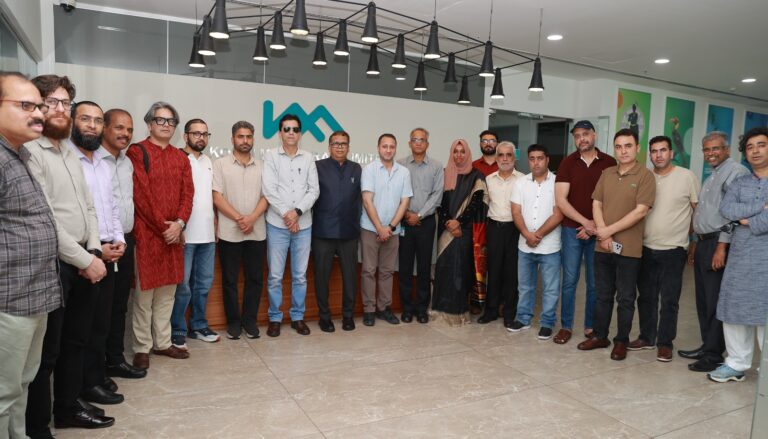
SRINAGAR, Feb 3: The media tour organised by the Press Information Bureau (PIB), Srinagar to Kerala commenced yesterday with a visit to Kochi Metro Rail Limited (KMRL), where the press delegation was briefed on the Kochi Water Metro Project, a pioneering urban mobility initiative.

On the first day of the tour, the PIB Srinagar press delegation visited the office of Kochi Metro Rail Limited, Kochi, to gain first-hand insights into the planning, implementation and operational framework of the Kochi Water Metro. The delegation interacted with senior officials of KMRL and the Kochi Water Metro Project.

The media delegation met Shri Loknath Behera, Managing Director, KMRL; Dr. M.P. Ram Navas, Director (Projects), KMRL; Shri Shaji Janardanan, Chief General Manager, KMRL; Shri Sajan John, Chief Operating Officer, Kochi Water Metro; and Shri K.K. Jayakumar, Head (PR & Social Media), KMRL.

Managing Director, KMRL, Shri Loknath Behera described the Water Metro as a time-saving and integrated mobility concept, enabling seamless cross-platform ticketing between water and rail metro services. He emphasised that human interface, attention to detail, cleanliness, efficient ticketing systems and the creation of a viable ecosystem are key to the success of any public transport system.

Shri Sajan John, COO, Kochi Water Metro, briefed the delegation on the objectives and vision of the project, highlighting its role as a climate-resilient, sustainable and inclusive transport system. He stated that the Water Metro provides a seamless transport option with universal and equitable access, improved safety standards and a shift towards green, low-polluting mobility solutions. He informed that the project is presently operating with 20 battery-operated boats and 12 terminals, providing connectivity to around 10 surrounding islands and serving thousands of commuters daily.

Operational aspects of the project were explained by Shri Shaji Janardanan, CGM, KMRL, who elaborated on terminal accessibility, safety measures including the deployment of rescue boats, and the use of battery-operated vessels with dedicated charging docks, resulting in a minimal carbon footprint.

The Kochi Water Metro was inaugurated by the Prime Minister of India, Shri Narendra Modi, on April 25, 2023. Officials informed that feasibility studies for similar water metro systems have been conducted in 15 cities across the country, including Srinagar, with Mumbai identified as the next potential location. The project, a Government of India initiative jointly implemented by the Government of Kerala and Kochi Metro, has received several national and international recognitions.

Ms. Shamila K Y, Media & Communication Officer, PIB Kochi, also accompanied the delegation during the visit. At the outset of the meeting, Shri Majid Pandit, Media & Communication Officer, PIB Srinagar and Conducting Officer of the tour, introduced the media delegation.

As part of the programme, the media delegation was provided hands-on experience of the project through a ferry ride on the Kochi Water Metro, offering practical exposure to its operations and passenger facilities.

PIB Press Delegation from Srinagar Explores Rubber Research and Training Ecosystem in Kottayam

0


Policy interventions aim to strengthen marginal growers and achieve self-reliance in natural rubber – Executive Director, Rubber Board


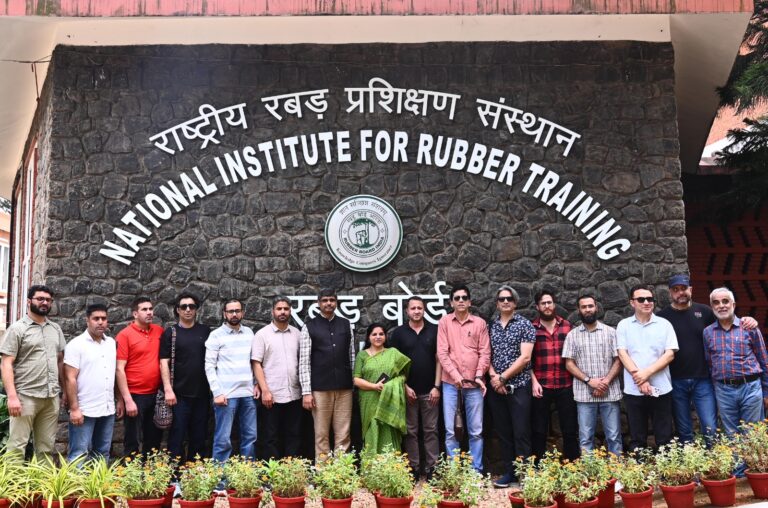
Kottayam (Kerala), Feb 03: On the second day of the ongoing press tour organised by the Press Information Bureau (PIB), Srinagar, the press delegation from Srinagar, J&K visited the National Institute for Rubber Training (NIRT) and the Rubber Research Institute of India (RRII) at Kottayam, Kerala. Both institutions function under the aegis of the Rubber Board, a statutory body constituted under the Rubber Act, 1947, for the overall development of the rubber industry in India and functioning under the Ministry of Commerce and Industry, Government of India.


The delegation held an interactive session at NIRT with Shri M. Vasanthagesan, IRS, Executive Director, Rubber Board, and Ms. Priya Varma, Director (Training), NIRT. The interaction provided an in-depth understanding of policy initiatives and developmental interventions undertaken by the Rubber Board to strengthen India’s rubber sector.


Addressing the media delegation, Shri M. Vasanthagesan, IRS, outlined the mandate and functioning of the Rubber Board, stating that the Board is implementing key policy interventions of the Government of India aimed at tapping the potential of the predominantly small and marginal rubber-growing sector. He said that sustained efforts are being made to achieve self-sufficiency in natural rubber production while ensuring long-term sustainability.

The Government of India is focusing on sustainable natural rubber production through scientific interventions, policy support and traceability mechanisms. The Bharath Sustainable Natural Rubber (BSNR) platform has been launched to ensure legality and traceability across the rubber value chain, Shri Vasanthagesan said.


He explained the processes of latex extraction and elaborated on various forms of rubber, including latex-based products and dry rubber-based goods, noting that a major share of domestic rubber production is consumed by the tyre industry. He also informed that the Rubber Board is exploring diversification through alternate varieties and has recently signed an MoU with the Himalayan Forest Research Institute to initiate experimental trials at feasible locations across different agro-climatic zones.


Subsequently, the press delegation visited the Rubber Research Institute of India (RRII). The delegation interacted with senior scientists including Dr. C. Narayanan, Senior Scientist and Officer-in-Charge, Germplasm Division; Dr. Kala, Officer-in-Charge, Biotechnology Division; Dr. Bindu Roy, Senior Scientist, Pathology Division; and Mr. Madhusoodhanan, Officer-in-Charge, Rubber Technology Division.


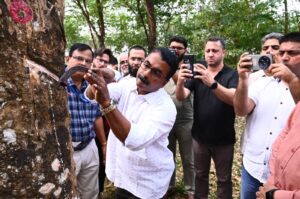
The scientists briefed the delegation on RRII’s role in enhancing productivity and quality through scientific breeding programmes, biotechnology interventions and disease management strategies. The delegation was given a practical demonstration of rubber tapping techniques.


The team also visited the International Hevea Clone Museum at RRII, which serves as a repository of advanced genetic resources. It was informed that India is a signatory to international clone exchange programme. The research done at the institute plays a crucial role in developing high-yielding and disease-resistant rubber clones. RRII’s efforts in transforming research ideas into commercially viable technologies for the benefit of farmers and industry were also highlighted.


The press tour to Kerala led by Shri Majid Pandit, Media & Communication Officer, PIB Srinagar is part of media outreach programme, aimed at providing journalists from Srinagar firsthand exposure to key Central Government institutions, research ecosystems and national development initiatives.

CMD RVNL Saleem Ahmad reviews progress of Rishikesh–Karnaprayag Rail Project during two-day site visit

0

VINOD BHAT

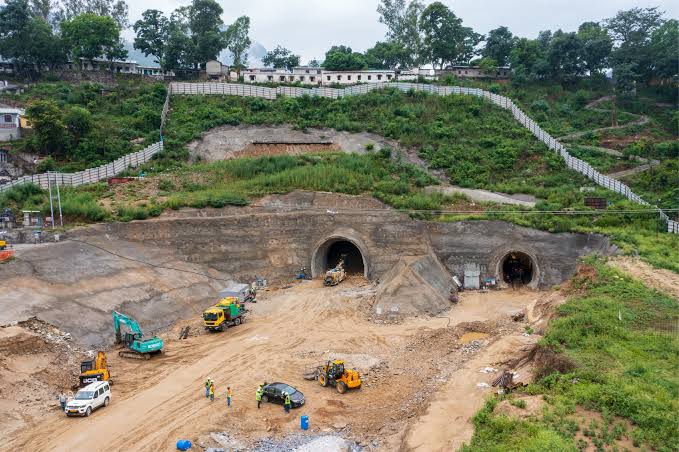
New Delhi, Feb 03: Shri Saleem Ahmad, Chairman & Managing Director, Rail Vikas Nigam Limited (RVNL), undertook a two-day visit to the Rishikesh–Karnaprayag New Broad Gauge Rail Link Project site on 2nd and 3rd February 2026, during which he conducted a comprehensive review of the project’s progress, inspected critical construction sites, and interacted with key stakeholders and workforce engaged in this strategically important Himalayan rail corridor.

The 125-km Rishikesh–Karnaprayag New Broad Gauge Rail Link Project, being executed by Navratna CPSU Rail Vikas Nigam Limited (RVNL) for Indian Railways in Uttarakhand, is one of India’s most ambitious and strategically important rail infrastructure initiatives in the Himalayan region.

On the first day of his visit, the CMD chaired a marathon review meeting with senior project officials, engineers, contractors, and international and national tunnelling experts associated with various packages of the project.

Detailed deliberations were held on construction progress, complex geological challenges, tunnelling milestones, safety measures, and time-bound execution. Shri Ahmad categorically directed that the project must be commissioned positively in 2028, without compromising on quality or safety.

The CMD underscored that the Rishikesh–Karnaprayag Rail Project, is not only a landmark engineering initiative but also a transformational infrastructure corridor that will redefine mobility in the Garhwal Himalayan region by providing all-weather, landslide-resilient rail connectivity to remote hinterlands.

During discussions, the possibility of developing road tunnels alongside railway tunnels was also explored, which could significantly enhance road connectivity, safety, and travel convenience for local population in the hilly terrain, thereby maximizing infrastructure utility.

On second day of visit, Shri Ahmad also conducted on-site inspections of ongoing tunnelling works, bridges, and station locations, where he reviewed safety practices, construction quality, and environmental safeguards.

He interacted with workers and technical teams at site and thanked workforce for their dedication and contribution in executing the project under extremely challenging Himalayan conditions.

He emphasized that environmental impact caused during construction would be systematically mitigated through green area development and extensive plantation, ensuring a balance between infrastructure growth and ecological conservation.

Reiterating RVNL’s development philosophy, the CMD gave a clear execution mantras focusing on:

• Speed with discipline and timelines

• Quality and structural durability

• Safety of workforce and assets

• Environmental sustainability and ecological protection

• Use of advanced technology and mechanisation

• Workforce welfare and social responsibility

During his visit, the CMD reviewed how challenges of highly unpredictable Himalayan geology marked by steep valleys, fractured rock masses, heavy groundwater ingress, extreme weather conditions, seismic vulnerability and remote site accessibility. are being addressed through state-of-the-art mechanised construction methods, including TBMs, Fully and Semi-Automatic Drill Jumbos, robotic PLC-controlled shotcrete systems, advanced dewatering arrangements, pipe-roofing, chemical and cement grouting, and seismic-resistant tunnel and bridge designs.

CMD’s Statement

Shri Saleem Ahmad, Chairman & Managing Director, RVNL, stated: “This Railway line project based mostly on tunnelling has the potential to become true game changers for the country’s overall development. He said that this corridor is not merely an infrastructure asset but a transformational lifeline for the Himalayan region. He emphasised that RVNL is executing the project under extremely challenging geological and climatic conditions, with an uncompromising focus on quality, safety, speed, and adherence to timelines. This assignment showcases RVNL’s ability to execute complex infrastructure project in challenging terrains through disciplined planning and coordinated execution and will serve as a benchmark for future railway corridors in mountainous regions.”

PROJECT BACKGROUND AND KEY SALIENT FEATURES

The project aims to provide safe, reliable, and all-weather rail connectivity to the Garhwal Himalayas, reducing dependence on fragile road networks that are frequently disrupted by landslides, extreme weather, and natural disasters.

The corridor will directly serve five districts of Uttarakhand —Dehradun, Tehri Garhwal, Pauri Garhwal, Rudraprayag, and Chamoli, connecting remote hill towns to the national rail network for the first time. Once operational, it will significantly enhance regional mobility, disaster resilience, and economic integration.

From an engineering standpoint, the project represents a major leap in railway construction in mountainous terrain, with approximately 104 km (83%) of the alignment passing through tunnels, including 16 main tunnels, 12 escape tunnels, multiple cross passages, and 19 major plus 31 minor bridges across deep valleys and Himalayan rivers.

A defining achievement is the completion of Tunnel-8, a 14.58-km twin-tube railway tunnel, the longest transportation tunnel in India, executed using Tunnel Boring Machines (TBMs) in young, fragile, and tectonically active Himalayan geology, including the Main Boundary Thrust (MBT) zone. This milestone establishes a national benchmark in mechanised Himalayan tunnelling and reflects India’s growing capability to execute complex underground infrastructure safely and efficiently.

The project incorporates seismic-resistant designs, advanced drainage and dewatering systems, emergency escape arrangements, and modern electrical and signalling systems, ensuring high standards of safety, durability, and long-term operational reliability.

On completion, the rail link will reduce travel time between Rishikesh and Karnaprayag from about 7 hours to nearly 2.5 hours, boost tourism and pilgrimage traffic, improve logistics and trade efficiency, generate large-scale employment, and act as a potential feeder corridor for future Char Dham rail connectivity, making it a transformative infrastructure project for Uttarakhand.

Stations Planned

Twelve railway stations are planned on this route, excluding the already existing Virbhadra Station, the commissioned Yog Nagari Rishikesh and upcoming stations at Shivpuri, Byasi, Devprayag, Janasu, Maletha, Srinagar, Dhar Devi Ji, Tilani, Gholtir, Gauchar and Karnaprayag.

Key Milestones & Progress

• 5.7-km first block section (Virbhadra–Yog Nagri Rishikesh) commissioned in 2020

• 13 of 16 main tunnels excavated (98 km, 95%)

• 40/46 tunnel drives broken through; 130.6 km final lining completed

• 8/19 major rail bridges completed, including Bridge-8 (3×90m) & Bridge-9 (15×30.5m composite) over River Alaknanda

• Track-laying in active progress

• Electrical (E&M/OHE) & S&T works to commence Oct 2026

• Station buildings at Shivpuri & Byasi started in Dec 2025; remaining from May 2026

About RVNL

RVNL has an illustrious legacy spanning over more than two decades. It started with the objective of bridging the infrastructure gap in Indian Railways by fast-tracking the execution of railway projects. After successfully achieving this objective by completing more than 157 projects spanning more than 16500 km and successfully executing new railway projects under the innovative PPP model by setting up a number of Special Purpose Vehicles (SPVs), RVNL today has grown from its original mandate of ‘rail infra’ projects to the ever-expanding opportunities of ‘All Infra’ i.e., from #LocalRailInfra to #GlobalAllInfra.

RVNL has diversified into other infrastructure projects of which Metro is one of them. Now it is executing Metro works in about 10 cities. Today, RVNL is fast setting its footprints in all possible infrastructure projects, both within the country and overseas. RVNL since inception in 2003 have consistently earned an excellent rating from the Department of Public Enterprises for fourteen consecutive years.

RVNL continues to set benchmarks in infrastructure delivery both within India and on the global stage with a strong reputation for engineering excellence, timely execution, and commitment to nation-building.