KD NEWS SERVICE
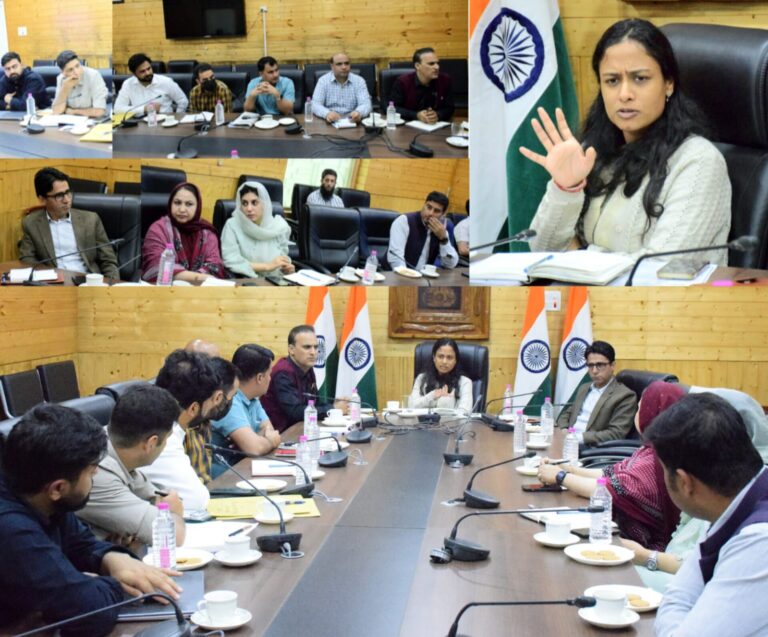
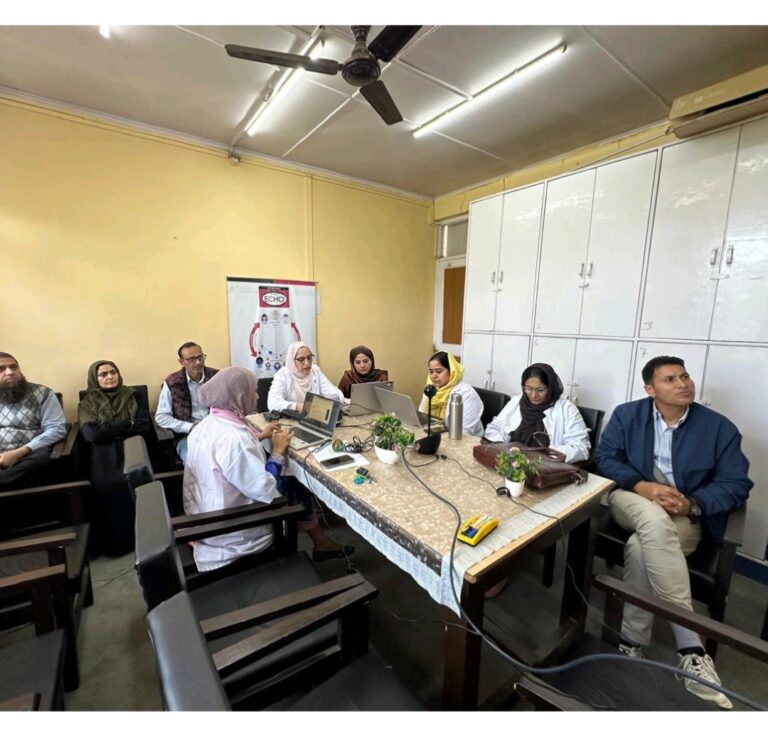
SRINAGAR, May 7:The growing challenge of substance abuse among adolescents and young adults took center stage on Tuesday as the Sher-i-Kashmir Institute of Medical Sciences (SKIMS), in collaboration with ECHO India, launched a comprehensive awareness and capacity-building programme under the nationwide Nasha Mukt Bharat Abhiyaan, placing teachers at the heart of the fight against drug addiction.
Titled “Drug-Free Society: Role of Teachers,” the initiative was jointly organized by the Department of Community Medicine, SKIMS; the Department of Psychiatry, SKIMS Medical College; and ECHO India. The programme brought together higher secondary school and college teachers, healthcare experts, mental health professionals, and academic leaders to strengthen preventive frameworks against substance abuse through early intervention, awareness, and community engagement.
Held on May 6, 2026, the programme underscored the increasingly critical role educators play in identifying vulnerable students and acting as frontline protectors against addiction and associated psychosocial risks. Organizers emphasized that with rising concerns over drug abuse among adolescents, educational institutions have become pivotal spaces for prevention, counseling, and emotional support.
The event commenced with inaugural remarks from senior SKIMS leadership and medical education experts. Addressing the gathering, Director SKIMS and EOSG, Prof. Mohd Ashraf Ganaie, highlighted the urgent need for collective societal responsibility in tackling the growing menace of substance abuse among youth. He stressed that prevention and awareness remain the strongest tools in reducing the burden of addiction.
Dean Medical Faculty, SKIMS, Prof. Bashir A. Fomda, emphasized the importance of integrating public health awareness into educational ecosystems, noting that teachers often observe behavioral changes in students long before families or institutions recognize warning signs.
Principal, SKIMS Medical College, Prof. Fazlul Q. Parray, described the initiative as a “timely and socially significant intervention,” adding that empowering teachers with practical knowledge can significantly reduce the risk of students falling prey to substance use disorders.
The programme also featured addresses by Head of the Department of Community Medicine, SKIMS, Prof. Anjum B. Fazili, Head of Psychiatry, SKIMS Medical College, Prof. Abdul Majid Ganie, and Vice President Health Education, ECHO India, Dr. Sandeep Bhalla, all of whom reiterated the importance of collaborative and preventive approaches in building a healthier and drug-free society.
Experts noted that while law enforcement and rehabilitation services remain essential in addressing the drug crisis, long-term prevention requires active participation from schools, colleges, parents, and communities. Teachers, in particular, are uniquely positioned to identify subtle emotional, behavioral, and academic warning signs that may indicate vulnerability to substance use.
The training sessions focused extensively on equipping educators with practical tools and scientifically informed strategies to address the issue at an early stage. Participants were sensitized to a range of indicators associated with substance abuse vulnerability, including sudden academic decline, social withdrawal, aggression, absenteeism, mood instability, anxiety, and peer-related behavioral changes.
The programme also explored key risk factors contributing to adolescent substance abuse, including peer pressure, untreated mental health issues, family dysfunction, social isolation, emotional distress, and exposure to harmful social environments.
A major component of the training centered on communication strategies, enabling teachers to engage sensitively and constructively with students who may be at risk. Experts emphasized the importance of trust-building, non-judgmental dialogue, and emotional support in preventing students from slipping deeper into addiction-related behaviors.
Faculty members also outlined referral mechanisms for counseling, psychiatric consultation, de-addiction services, and rehabilitation support. Organizers stressed that early referral and timely psychological intervention can dramatically improve outcomes for vulnerable adolescents.
Evidence-based technical sessions were conducted by experts from the Department of Community Medicine and Psychiatry. Dr. Tanzeela Bashir from Community Medicine and Dr. Muntaqeem from Psychiatry delivered detailed presentations on preventive school-based frameworks, resilience-building strategies, and the psychological dimensions of addiction among young people.
The sessions encouraged schools and colleges to adopt preventive health models that promote mental well-being, healthy lifestyles, emotional resilience, and awareness regarding the dangers of drug abuse. Teachers were also urged to foster supportive classroom environments where students feel safe discussing stress, anxiety, and personal challenges without fear of stigma.
Organizers described the initiative as part of SKIMS’ broader commitment to preventive public health, youth mental health promotion, and community empowerment through intersectoral collaboration. By bringing educational institutions directly into the framework of the Nasha Mukt Bharat Abhiyaan, the programme seeks to strengthen grassroots prevention mechanisms and create safer, healthier academic environments.
The awareness drive further aims to transform participating educators into proactive community advocates capable of guiding adolescents away from substance misuse while contributing to national anti-drug efforts.
“Prevention begins with awareness, and teachers are among the strongest pillars in protecting our youth from substance abuse,” organizers stated during the programme, reaffirming their commitment to continued outreach initiatives, educational partnerships, and strengthening institutional preventive frameworks against substance use disorders.
The initiative comes at a time when concerns over rising drug addiction among youth in several regions have prompted intensified awareness campaigns and stronger emphasis on early intervention strategies. Health experts believe that empowering teachers and educational institutions could become one of the most effective long-term measures in combating substance abuse and safeguarding future generations.