spot_imgspot_img
spot_img
Home Blog Page 53

India Gets New Vaccine Tools To Fight Tuberculosis In Adolescents: Not ‘A Magic Bullet’ But A Good Breakthrough

0

New Delhi: Tuberculosis is a deadly disease. Every two minutes one person dies of TB in India. It is a complex disease to control. India’s decades long battle against tuberculosis is entering a new phase, with the country gaining two potential new tools in the form of novel TB vaccines developed by Cadila Pharmaceuticals Ltd and the Serum Institute of India. Both vaccines are safe and can be used in the public health program once the drugs regulator gives an approval. While the vaccines are products of private sector innovation, their evaluation has been firmly anchored in public science, with a large, independent Phase III clinical trial led, funded and sponsored by the Indian Council of Medical Research (ICMR). The results, now published in the respected and peer reviewed journal The British Medical Journal (BMJ), add confidence that India’s TB control strategy is expanding beyond treatment to prevention, especially against the more dangerous and often neglected extra-pulmonary form of the disease.

Tuberculosis remains one of the world’s deadliest infectious diseases. According to global estimates, about 10.8 million people developed TB in 2023, and the burden has been rising in recent years after disruptions caused by the Covid pandemic. India accounts for the largest share of cases worldwide, carrying roughly one quarter of the global TB burden. Despite expanded diagnostics and free treatment under the national TB programme, the disease continues to claim lives and cause long term disability, especially among adults in their most productive years.Speaking to NDTV Dr Soumya Swaminathan former Chief Scientist for the World Health Organisation (WHO) said “the two vaccines were tested for their efficacy in preventing pulmonary and extra pulmonary TB among household contacts of TB patients. VPM1002 was found to be effective in younger age groups and in preventing extra pulmonary TB. We need more research to identify the ideal timing of vaccination – possibly in school children aged 6 to 14 years.” This could be of potential use in adolescents.India continues to shoulder the world’s largest tuberculosis burden, with the WHO Global TB Report 2025 estimating about 27 lakh new TB cases in India in 2024, accounting for roughly one quarter of all TB cases globally. The disease also claimed over three lakh lives in the country, underlining its status as one of India’s deadliest infectious killers. Despite this heavy burden, India has set itself an ambitious target to eliminate tuberculosis by 2025, five years ahead of the global goal of 2030. Elimination, as defined by the national programme, means reducing TB to fewer than one case per million population.

Under the National Tuberculosis Elimination Programme, India has expanded diagnostics, improved treatment coverage and reduced TB incidence by about 21 percent since 2015, but experts acknowledge that new tools for prevention, including vaccines, will be critical if the country is to bend the TB curve faster and move closer to its elimination goal. At the heart of the challenge is the limitation of the nearly century old BCG vaccine, which remains the global gold standard. BCG protects infants and young children against severe TB forms such as meningitis, but it offers little sustained protection in adolescents and adults, where transmission and disease burden are highest.

Adding to the complexity is extra-pulmonary TB, where infection spreads beyond the lungs to organs such as lymph nodes, bones, the abdomen or the brain. Extra-pulmonary TB , which constitutes upto 15-24% of TB in India, is difficult to diagnose, often requires costly investigations that are not routinely available free of charge, and is associated with high morbidity and mortality.It is against this backdrop that the latest Indian trial assumes importance. The Phase III study assessed two vaccines, code named ‘VPM1002’ developed by Serum Institute of India and ‘Immuvac’ developed by Cadila, in over 12,700 participants aged six years and above. Participants were household contacts of recently diagnosed TB patients and included individuals with risk factors and comorbidities, making the trial reflective of real world conditions rather than ideal laboratory settings. The study was conducted at 18 sites across six Indian states, marking one of the largest TB vaccine trials undertaken anywhere in the world in recent years.Crucially, while neither vaccine showed strong protection against all TB or pulmonary TB across the full population, VPM1002 demonstrated a statistically significant 50.4 percent efficacy against extra-pulmonary TB at the end of 3 yrs. For public health experts, this is a critical signal. Preventing extra-pulmonary TB could reduce deaths, disability and out of pocket expenditure for some of the most vulnerable patients. The study also reported encouraging protection in children, a group where breaking the transmission cycle can have long term population level impact.The credibility of the findings is strengthened by the role of ICMR as the sponsor and funder of the trial. While the vaccines were developed by industry, the conduct and analysis of the study rested with a government research organisation, minimising commercial bias. Such an arrangement is rare globally and underscores India’s growing capacity to independently evaluate complex health technologies at scale.Another important aspect is cost. According to industry sources, the new TB vaccines could potentially be manufactured at less than one hundred rupees per dose with high volume, low cost production. If supported by policy and further evidence, this opens the door to large scale preventive vaccination in high risk groups, something that has long been considered financially out of reach for TB.The study also highlights the biological complexity of the disease. Tuberculosis has a long latency period, meaning infection can remain dormant for years before progressing to active disease. This trial demonstrated that both vaccines demonstrated over 65% efficacy against extra-pulmonary TB in people with latent TB infection. In addition, both demonstrated an ability to prevent the progression to active TB in those who developed latent TB at 6 months wherein VPM1002 provided greater than 60% efficacy against all TB, Pulmonary TB and extra-pulmonary TB, while Immuvac provided greater than 50% efficacy against All TB and extra-pulmonary TB . The findings clearly indicate that the vaccines can play an important role in preventing progression. TB is not a simple infection where exposure quickly leads to illness. This makes vaccine development particularly challenging and explains why even partial protection, especially against severe disease, is considered a meaningful advance.Also Read: Persistent Cough Isn’t Always A Cold: Early Tuberculosis Signs People IgnoreIndia’s engagement with TB vaccine science has a long history. The last major landmark trial was the Chengalpattu BCG trial conducted several decades ago, which evaluated the effectiveness of BCG in the Indian population. The findings from that trial shaped TB policy for generations. The current study, though different in design and scope, represents a similar moment in terms of scale, ambition and long term implications.By being published in the The British Medical Journal (The BMJ), one of the world’s most trusted medical journals, the study’s findings are subjected to rigorous scientific scrutiny and global visibility. For India, this is not just about adding two vaccines to the toolbox, but about demonstrating leadership in tackling a disease that remains entrenched despite decades of effort.While these vaccines are not a magic bullet, they signal progress. Combined with early diagnosis, effective treatment, nutritional support and social interventions, new vaccines could help tilt the balance in India’s goal of controlling and eventually eliminating TB. For a country that bears the greatest burden of the disease, gaining credible, affordable and scientifically validated preventive tools marks an important step forward in a long and difficult fight.
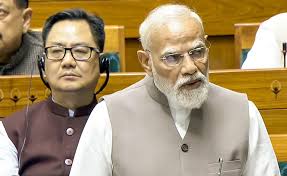
Prime Minister Shri Narendra Modi addresses the Rajya Sabha

0

Vinod Bhat

New Delhi: Prime Minister Shri Narendra Modi today addressed the Rajya Sabha and extended heartfelt congratulations to Shri Harivansh on his election as Deputy Chairman of the Rajya Sabha for an unprecedented third consecutive term. Highlighting this historic achievement, the Prime Minister remarked that this reflects the House’s deep trust in Shri Harivansh and the valuable experience he has brought to the institution. “Being elected for the third consecutive term is a stamp of approval from the House on his experience, his inclusive approach, and his dignified work style,” remarked Shri Modi.

The Prime Minister noted the special significance of April 17, coinciding with the birth anniversary of former Prime Minister Chandra Shekhar. Drawing attention to Shri Harivansh’s close association with Chandra Shekhar Ji, PM Modi observed that the Deputy Chairman had worked as his companion throughout his political journey and authored books on his life. “Beginning your third term on Chandra Shekhar Ji’s birth anniversary makes this occasion particularly meaningful,” affirmed Shri Modi.

Recalling Shri Harivansh’s distinguished career in journalism, the Prime Minister praised his commitment to high standards and impactful writing. The Prime Minister shared that even during his tenure in Gujarat, he regularly read Shri Harivansh’s articles, which reflected deep study and firm conviction. “His writing had sharp edges, but his speech and conduct always remained gentle and courteous,” remarked Shri Modi.

The Prime Minister highlighted Shri Harivansh’s pioneering work through his column series titled ‘Hamara Sansad Kaisa Ho’ (What Should Our Parliament Member Be Like) during his journalism days. Emphasizing the value of this experience, PM Modi suggested that new Members of Parliament from both Houses could learn immensely from Shri Harivansh’s insights on parliamentary conduct, dignity, and responsibilities. “Perhaps he never knew then that he himself would one day occupy this chair, but his writings covered the subject with remarkable depth,” stated Shri Modi.

The Prime Minister commended Shri Harivansh’s exemplary punctuality, disciplined life, and seriousness towards duties as key factors behind his universally accepted personality. He noted that since becoming a Rajya Sabha member, Shri Harivansh has maintained full-time presence in the House, attending sessions even when not presiding. “This reflects his deep commitment to his responsibilities and sets an example for all of us,” observed Shri Modi.

The Prime Minister drew attention to Shri Harivansh’s remarkable public engagement beyond parliamentary duties, particularly his work with youth. Sharing impressive statistics, He revealed that since assuming office as Deputy Chairman in 2018, Shri Harivansh has conducted over 350 programs in colleges and universities across the country. “This represents an extraordinary commitment to connecting with young people, preparing topics, and inspiring them with the vision of Viksit Bharat,” emphasized Shri Modi.

Appreciating the Deputy Chairman’s focus on building confidence among students, the Prime Minister noted that Shri Harivansh uses historical references to explain why India couldn’t progress at the desired pace earlier and what opportunities now exist for the nation to make a great leap forward. PM Modi also mentioned Shri Harivansh’s active participation in literature festivals across Tier-2 and Tier-3 cities, influencing and inspiring diverse sections of society.

The Prime Minister shared an interesting anecdote from Shri Harivansh’s first visit to America in 1994. According to PM Modi, when asked what he wanted to see in that developed country, Shri Harivansh expressed his desire to visit universities to understand what kind of education and culture enabled such progress. “He spent his entire discretionary time during that trip studying American universities, reflecting his deep commitment to educational excellence for a developed India,” remarked Shri Modi.

The Prime Minister highlighted Shri Harivansh’s exemplary utilization of the MPLADS (Members of Parliament Local Area Development Scheme) fund as a model for other parliamentarians. The Prime Minister detailed various study and research centers established by the Deputy Chairman, including a center for endangered Indian languages at IIT Patna, a Center for Earthquake Engineering considering the seismic vulnerability of Bihar’s regions, and a River Study Center at Aryabhatta Knowledge University in Patna to address erosion problems. “He has demonstrated how MPLADS funds can be utilized in a focused direction for long-term impact,” asserted Shri Modi.

The Prime Minister also mentioned other initiatives funded by Shri Harivansh, including a Business Incubation and Innovation Center at Chandragupt Institute of Management and an Artificial Intelligence Center at Magadh University. Appreciating the Deputy Chairman’s continued connection with his village roots despite urban relocation, Shri Modi said, “Harivansh Ji remains deeply connected to his village and continuously contributes to the joys and sorrows of his community.”

Sharing his personal experience of working with Shri Harivansh during the construction of the new Parliament building, the Prime Minister expressed how valuable his collaboration had been. PM Modi recalled how Shri Harivansh would perfect ideas for naming ceremonies, identifying chambers, art galleries, and various gates within two days of discussion. “Working together during the Parliament’s construction was an extremely enjoyable and productive experience,” remarked Shri Modi.

Acknowledging Shri Harivansh’s efforts in assisting State Legislative Assemblies, Legislative Councils, and their Presiding Officers through training and capacity building, the Prime Minister also praised his active role in the Commonwealth Parliamentary Association in creating a strong impression of India’s democratic system globally. Shri Modi concluded by expressing confidence in the crucial role of the House during the second quarter of the 21st century and emphasising the significant responsibility of the Presiding Officers.

Depot Saves 1.60 Lakh Litres Daily through Wastewater Treatment and Reuse, Reducing Freshwater Dependence

0

Vinod Bhat

New Delhi: In a significant step towards environmental sustainability, the Kankaria Coaching Depot has emerged as a ‘water neutral’ Railway depot, showcasing how innovative practices can transform traditional railway operations into eco-friendly models. The initiative highlights a major breakthrough in water conservation, with the depot saving nearly 1.60 lakh litres of water – equivalent to over 300 household tanks – every day through advanced treatment and reuse systems.

At the heart of this transformation is a modern wastewater treatment system based on phytoremediation, a natural process where plants are used to purify water. The depot has successfully implemented this eco-friendly technology to treat wastewater generated from routine activities such as coach washing and maintenance. Instead of being discharged, the water is cleaned and reused, significantly reducing dependence on freshwater sources.

The system follows a scientifically designed multi-stage process, combining natural and technical methods to ensure effective purification. Using wetland-based treatment, plants play a crucial role in absorbing impurities and improving water quality. In the final stages, the treated water undergoes carbon and sand filtration along with UV disinfection, making it safe for reuse in operational activities.

This initiative not only supports environmental conservation but also delivers economic benefits by reducing water consumption costs. The project aligns with the standards set by environmental authorities, ensuring that sustainability and compliance go hand in hand.

With daily savings translating into an annual conservation of around 5.84 crore litres of water, the Kankaria Coaching Depot stands as a model for efficient water management in Indian Railways. By adopting such innovative and sustainable practices, it sets a strong example of how infrastructure can evolve to meet the demands of environmental responsibility while maintaining operational efficiency.

The transformation of Kankaria Coaching Depot into a water neutral facility reflects a broader shift towards greener Railway operations, reinforcing the commitment to sustainable development and resource conservation.

About 4.68 lakh PNG connections gasified and 5.23 lakh customers registered for new connections since March 2026

0

Vinod Bhat

New Delhi: Amid the evolving situation in West Asia, the Government of India continues its efforts to keep citizens informed through regular updates. In this regard, a media briefing was held today at the National Media Centre, where officers from the Ministries of Petroleum and Natural Gas, Ports, Shipping and Waterways, and External Affairs provided updates on fuel availability, maritime operations, assistance extended to Indian nationals in the region, and measures being taken to maintain overall stability.

Energy Supply and Fuel Availability

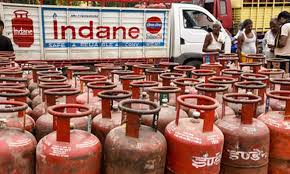
The Ministry of Petroleum and Natural Gas is taking  steps to ensure uninterrupted availability of petroleum products and LPG across the country, in the context of the ongoing situation involving the Strait of Hormuz. As per Ministry:

Public Advisory and Citizen Awareness

  • Citizens are advised to avoid panic purchase of petrol, diesel and LPG as the Govt is making all efforts to ensure availability of petrol, diesel and LPG.
  • Beware of rumours and rely on official sources for correct information.
  • LPG consumers are requested to use digital booking platforms and avoid visiting distributors.
  • Citizens are encouraged to use alternate fuels such as PNG and electric or induction cooktops.
  • All citizens are urged to conserve energy in their daily use during the current situation.

Government Preparedness and Supply Management Measures

  • Despite the ongoing geopolitical situation, the Government has ensured that 100% supply is being made to Domestic LPG, Domestic PNG and CNG (Transport).
  • For commercial LPG, priority has been given to hospitals, educational institutions. Besides this, priority has also been given to pharma, steel, automobile, seed, agriculture, etc. In addition to this, supply of 5 Kg FTL to migrant labour is also doubled based on avg. daily supply on 2nd and 3rd March 2026.
  • The Government has already implemented several rationalisation measures on both the supply and demand side, including enhancing refinery production, increasing the booking interval from 21 to 25 days in urban areas and up to 45 days in rural areas and prioritising sectors for supply.
  • Alternate fuels such as kerosene and coal have been made available to ease pressure on LPG demand.
  • The Ministry of Coal has directed Coal India and Singareni Collieries to supply additional coal to States for distribution to small and medium consumers.
  • States have been advised to facilitate new PNG connections for domestic and commercial consumers.

Coordinated Efforts with States/UTs and Institutional Mechanisms

  • State Governments are empowered under the Essential Commodities Act, 1955 and LPG Control Order, 2000 to monitor supply and act against hoarding and black marketing.
  • Govt. of States/UTs have to play a primary role in monitoring and regulating supply situation of essential commodities including Petrol, Diesel and LPG. Govt. of India has reiterated the same via multiple letters and VCs to all States/UTs.
  • The Government of India vide letters dated 27.03.2026 and 02.04.2026 have stressed the need for proactive public communication to reassure citizens regarding adequate fuel availability. Regular review meetings are being held with States/UTs. In this context, meetings were convened on 02.04.2026 (Chaired by Secretary, MoPNG) and on 06.04.2026 (Chaired bySecretary, MoPNG along with Secretaries of I&B and Consumer Affairs), wherein the following was emphasized:
    • To issue daily press briefings and issue regular public advisories.
    • To actively monitor and counter fake news / misinformation on social media.
    • To intensify daily enforcement drives by District admin and to continue raids and inspections in coordination with OMCs
    • To issue Commercial LPG allocation orders within their States/UTs
    • To issue SKO allocation orders for additional SKO allotted to the States/UTs.
    • To promote PNG adoptions and alternate fuels.
    • To prioritize LPG supply, especially for domestic needs, and adopt targeted distribution of 5 kg FTL cylinders to ensure supply stability.
  • All States/UTs have established control rooms and district monitoring committees to curb hoarding and black marketing.
  • Many states/UTs are issuing/carrying out press briefs.

Enforcement and Monitoring Actions

  • Enforcement actions continue across the country to curb hoarding and black marketing of LPG. On 16.04.2026, more than 2900 raids were conducted.
  • PSU Oil Marketing Companies have strengthened surprise inspections and imposed penalties on 255 LPG distributorships and suspended 65 LPG distributorships till yesterday.

LPG Supply

Domestic LPG Supply Status:

  • LPG supply continues to be affected by the prevailing geopolitical situation.
  • Supply of LPG to domestic households has been prioritized.
  • No dry-outs have been reported at LPG distributorships.
  • Online LPG bookings have increased to about 98% across the industry yesterday.
  • Delivery Authentication Code (DAC) based deliveries have increased to around 93% to prevent diversion. DAC is received on the registered mobile number of the consumer.
  • Domestic LPG cylinder deliveries remain normal against bookings.
  • On 16.04.26, more than 50.5 lakh domestic LPG cylinders were delivered.

Commercial LPG Supply and Allocation Measures:

  • Total commercial LPG allocation has been increased to about 70% of pre-crisis levels, including 10% reform-linked allocation.
  • The Government of India vide letter dated 06.04.2026 has conveyed that daily quantity of 5 Kg FTL cylinders in each State available for disbursal to migrant labourers is being doubled based on the average daily supply (Number of cylinders) to migrant labourers during 2nd-3rd March 2026 beyond the limit of 20% mentioned in letter dated 21.03.2026. These 5 Kg FTL cylinders will be at disposal of the State Government for supplying only to migrant labourers in their State with assistance of Oil Marketing Companies (OMCs).
  • Since 3rd April 2026, PSU OMCs have organized more than 6100 awareness camps for 5 Kg FTL Cylinders, wherein more than 80,000 – 5Kg FTL cylinders were also sold. Yesterday, 8643 – 5 Kg FTLs were sold through around 400 camps.
  • Recently, at one of the 5 kg FTL awareness camps organised by IOCL at Vashi, Maharashtra on 16th April 2026, a good response was observed and about 800- 5 Kg FTL cylinders were sold in the camp.
  • Since 23 March 2026, more than 16.41 lakh 5-kg Free Trade LPG cylinders have been sold.
  • A three-member committee of Executive Directors from IOCL, HPCL and BPCL is coordinating with State authorities and industry bodies to plan commercial LPG distribution in the States/UTs.
  • On 16.04.2026, 8211 MT of Commercial LPG (Equivalent to more than 4.32 Lakh – 19 Kg cylinders) was sold.
  • A total of 1,50,367 MT (Equivalent to more than 79.14 Lakh of 19 Kg LPG Cylinders) of Commercial LPG has been sold since 14th March 2026. This includes more than 8850 MT of Auto LPG.
  • Avg. Auto LPG sale by PSU OMCs in the month of April-26 (till 16.04.26) is around 296 MT/day against the avg. of 177 MT/day during Feb-26.
  • Auto LPG Sales was observed to have shifted from Private to PSU OMCs. To meet the rising demand, the sale of auto LPG by the PSU OMCs has increased by 67%. The major increase has been observed in the States like Karnataka, Tamil Nadu, Telangana, Rajasthan, West Bengal etc.

Natural Gas Supply and PNG Expansion Initiatives

  • Consumers have been prioritised with 100% supplies to D-PNG and CNG-Transport.
  • The overall gas allocation to fertilizer plants has been enhanced to approximately 95% of their six-month average consumption.
  • Additionally, gas supply to other industrial and commercial sectors, including supplies through CGD networks, is enhanced up to 80%.
  • CGD entities have been advised to prioritize PNG connections for commercial establishments such as hotels, restaurants and canteens across all their GAs, to address concerns regarding the availability of commercial LPG.
  • CGD companies including IGL, MGL, GAIL Gas and BPCL are offering incentives for domestic and commercial PNG connections.
  • States/UTs and Central Ministries have been requested to expedite approvals required for expansion of CGD networks.
  • The Government of India vide letter dated 18.03.2026 has offered all States/UTs additional 10% allocation of commercial LPG to States provided they can help in long term transition from LPG to PNG.
  • 21 States/UTs are receiving additional commercial LPG allocation linked to PNG expansion reforms.
  • The Ministry of Road Transport & Highways vide letter dated 24.03.26 has adopted an ‘Accelerated Approval Framework for CGD infrastructure with reduced timelines’ as a special for 3 months to process applications pertaining to CGD infrastructure on priority.
  • The Government of India vide Gazette dated 24.03.2026 has notified the Natural Gas and Petroleum Products Distribution (Through Laying, Building, Operation and Expansion of Pipelines and Other Facilities) Order, 2026 under the Essential Commodities Act, 1955. The Order provides a streamlined and time-bound framework for laying and expanding pipelines across the country, addressing delays in approvals and access to land, and enabling faster development of natural gas infrastructure, including in residential areas. It is expected to accelerate PNG network growth, enhance last-mile connectivity, and support the transition to cleaner fuels, thereby strengthening energy security and advancing India’s gas-based economy.
  • PNGRB has directed CGD entities to expedite D-PNG connections. Also, the National PNG Drive 2.0 has been extended till 30.06.2026 to sustain momentum in PNG expansion.
  • To encourage a cleaner, more secure and self-reliant energy future, the Government of India has developed a model draft State CBG Policy. The model policy is intended to serve as a comprehensive flexible guiding framework to enable States to create their own investor-friendly and implementation-oriented ecosystem for CBG development. Those States which opt for this, will be prioritized for the next tranche of additional allocation of commercial LPG.
  • MoEFCC vide order dated 07.04.2026 has directed CPCB to issue necessary directions to SPCB/PCCs for granting consent to establish or consent to operate within 15 days for CGD network/infrastructure.
  • As per the directions of CPCB, some of the Oil & gas transportation pipelines have been classified under “Green” Category.
  • MoEFCC has already classified the “Fuel dispensing units without automobile servicing repairing and painting” as “White” category and are exempted from Consent to establish or consent to operate under relevant Acts.
  • Since March 2026, about 4.68 Lakh PNG connections have been gasified. Further, about 5.23 Lakh customers have been registered for new connections.
  • Till 16.04.2026, about 37,000 PNG consumers have surrendered their LPG connections via MYPNGD.in website

Crude Position and Refinery Operations

  • All refineries are operating at high capacity with adequate crude inventories, while sufficient stocks of petrol and diesel are being maintained.
  • Domestic LPG production from refineries has been increased to support domestic consumption.
  • An inter-ministerial Joint Working Group (JWG) has been set up to ensure availability of petrochemical feedstock supply for the domestic market. Subsequently, Govt. of India vide order dated 01.04.2026 has permitted Oil Refinery companies including Petrochemical Complexes to make certain minimum quantities of C3 & C4 streams available for critical sectors as determined by Centre for High Technology (CHT).
  • Based on the requests received from the Department of Pharmaceuticals, Department of Chemicals & Petro Chemicals (DCPC), Dept. for Promotion of Industry and internal trade (DPIIT), the provision for 1000 MT/day, from LPG pool, has been made for Pharma and Chemical sector companies.
  • Since 9th April 2026, around 2550 MT of propylene has been sold.

Retail Fuel Availability and pricing Measures

  • Retail outlets across the country are operating normally.
  • The Middle East crisis has led to an abnormal increase in crude prices; however, to protect consumers, the Government of India has reduced excise duty on petrol and diesel by ₹10 per litre.
  • Govt. of India vide Gazette notification dated 11.04.2026 has increased the export levy on diesel to Rs. 55.50 per litre and on ATF to Rs. 42 per litre, to ensure availability of these products in the domestic market.
  • Regular Retail Prices for Petrol and Diesel are unchanged and there is no price increase at PSU OMCs Retail Outlets.


Kerosene Availability and Distribution Measures

  • An additional allocation of 48,000 KL of kerosene has been provided to States/UTs over and above regular allocation.
  • 18 States/UTs have issued SKO allocation orders, while Himachal Pradesh and Ladakh have indicated no requirement.


Maritime Safety and Shipping Operations

The current maritime situation in the Persian Gulf, along with measures being undertaken to safeguard Indian vessels and crew, was also briefed by the Ministry of Ports, Shipping and Waterways. It was stated that:

  • The Ministry continues to coordinate with the Ministry of External Affairs, Indian Missions and maritime stakeholders to ensure seafare welfare and uninterrupted maritime operations.
  • All Indian seafarers in the region are safe and no incident involving Indian-flagged vessels has been reported in the past 24 hours.
  • The DG Shipping Control Room has handled 6,727 calls and more than 13,987 since activation. 147 calls and 276 emails have been received in the past 24 hours.
  • DG Shipping has facilitated the safe repatriation of over 2,447 Indian seafarers so far, including 30 in the past 24 hours from various locations across the Gulf region.
  • Port operations across India remain normal with no congestion reported.

Safety of Indian Nationals in the Region

The Ministry of External Affairs continues to monitor developments in the Gulf and West Asia region, with focussed efforts on ensuring safety, security and welfare of the Indian community in the region. It was informed that:

  • Dedicated special control rooms in the Ministry of External Affairs are operational and are working in coordination with Indian missions.
  • The Ministry of External Affairs is in regular contact with State Governments and Union Territories for sharing of information and better alignment of efforts.
  • Indian Missions and Posts continue to operate round-the-clock helplines and are proactively assisting Indian nationals. They remain in close contact with the local Governments.
  • Updated advisories are being issued regularly, including information on local government guidelines, flight and travel situations and consular services and various welfare measures being undertaken to support our community.
  • Indian Missions remain actively engaged with the resident Indian community in the region including the various Indian associations, organizations, professional groups, Indian companies to address their concerns.
  • Our Missions are extending all assistance to the Indian crew members on vessels in the region including coordination with the local authorities and agencies, extending consular assistance, facilitating communication with families in India  and assisting  requests to return to India.
  • Flights continue to operate from countries where airspace remains open. Since 28 February, around 10,38,000 passengers have travelled from the region to India.
  • In the UAE, airlines continue to operate limited non-scheduled commercial flights between the UAE and India based on operational and safety considerations, with around 105 flights expected today between UAE and India.
  • Flights continue to operate from various airports in Saudi Arabia and Oman to destinations in India.
  • With Qatar airspace partially open, Qatar Airways is expected to operate around 10 flights to India today.
  • Kuwait airspace remains closed. Jazeera Airways and Kuwait Airways are operating non-scheduled commercial flights from Dammam Airport in Saudi Arabia to India.
  • Bahrain airspace is open. Gulf Air of Bahrain is planning limited flight operations from Bahrain to India and is currently operating non-scheduled flights from Dammam Airport in Saudi Arabia to various destinations in India.
  • Iraq airspace is open with limited flight operations to destinations in the region for onward travel to India.
  • The Embassy of India in Tehran has so far facilitated the movement of 2,358 Indian nationals from Iran to Armenia and Azerbaijan for onward travel to India, including 1,041 Indian students and 657 Indian fishermen.
  • Israel airspace is partially open with restricted flight operations. Travel of Indian nationals continues to be facilitated through Jordan and Egypt to India.

Haj Pilgrimage 2026

  • The Ministry of Minority Affairs has issued a press release today regarding the commencement of Haj pilgrimage from India for the year 2026.
  • The first batch of Indian Haj pilgrims are scheduled to depart on 18 April 2026 for the Kingdom of Saudi Arabia from various embarkation points across the country.
  • A total of 175,025 pilgrims are expected to undertake this sacred journey.
  • The Indian Embassy in Riyadh and Consulate in Jeddah have been coordinating closely for the preparations with the Ministry of Minority Affairs and the concerned Saudi authorities, including the Ministry of Hajj and Umrah. They are operationally ready to receive the pilgrims.
  • The Government of India accords the highest priority to the welfare and wellbeing of the pilgrims and is committed to ensuring a smooth and comfortable pilgrimage experience.
  • The Ministry extends best wishes to all pilgrims undertaking the pious Haj pilgrimage.
  • For further details, kindly refer to the press release issued by the Ministry of Minority Affairs

SEBI Nod Paves Way for India’s First Coal Trading Exchange

0

KD NEWS SERVICE

MUMBAI, April 17: In a development that could fundamentally transform the architecture of India’s coal economy, the Securities and Exchange Board of India (SEBI) has granted approval to the National Stock Exchange of India (NSE) to invest in the proposed National Coal Exchange of India Limited. The decision marks a decisive shift towards institutionalising coal trade through a transparent and technology-driven marketplace, long considered a missing piece in India’s commodities ecosystem.

The approval, issued under the SECC Regulations, 2018, is more than a routine regulatory clearance; it signals the beginning of a structural transition in how coal—India’s most critical energy resource—is bought and sold. For decades, coal trading in the country has largely operated through fragmented and often opaque channels, leaving room for price distortions, inefficiencies, and limited market visibility. With SEBI’s nod, the groundwork is now being laid for a unified exchange that promises to bring order, transparency, and efficiency to the sector.

According to the official communication, NSE will shortly approach the Coal Controller Organization to secure the requisite license for setting up the exchange. This procedural step, though regulatory in nature, is crucial for operationalising the platform, which is envisioned as a hub for electronic spot trading of coal through standardised contracts. Once functional, the exchange is expected to introduce robust mechanisms for price discovery and settlement, ensuring that transactions are conducted in a fair, transparent, and time-bound manner.

The significance of such a platform extends well beyond trading convenience. By enabling a centralised digital marketplace, the proposed exchange is poised to eliminate longstanding inefficiencies that have burdened coal consumers and producers alike. Industries such as power generation, steel, and cement—whose operational viability hinges on steady coal supply—stand to benefit from predictable pricing and streamlined procurement processes. At the same time, producers and traders will gain access to a broader and more competitive market, enhancing liquidity and reducing reliance on informal networks.

The initiative is also closely aligned with the Government of India’s broader reform agenda in the coal sector, particularly the push towards commercial mining and liberalised sales. In recent years, policy measures have sought to open up the sector to private participation and reduce monopolistic constraints. The introduction of a formal exchange mechanism complements these reforms by creating a level playing field where market forces, rather than administrative controls, determine prices and allocation.

For NSE, the move represents a strategic expansion beyond its traditional stronghold in equity and derivatives markets. Since its inception in 1994 as India’s first fully electronic stock exchange, NSE has consistently set benchmarks in trading technology and market innovation. Today, it stands among the world’s leading exchanges, with a dominant presence in derivatives trading and a rapidly growing footprint in other financial services. Its foray into the coal trading space reflects an ambition to replicate its success in financial markets within the domain of physical commodities, leveraging its technological prowess and institutional credibility.

Yet, while the approval has generated considerable optimism, the road ahead is not without challenges. The success of the proposed coal exchange will depend on multiple factors, including timely regulatory clearances, effective stakeholder participation, and seamless integration with existing supply chains. Convincing traditional market participants to transition to a formal exchange-based system may require sustained efforts, particularly in a sector accustomed to legacy practices.

Even so, the broader implications of this initiative are difficult to overlook. If implemented effectively, the National Coal Exchange could usher in a new era of transparency and efficiency in India’s coal market, setting a precedent for similar reforms across other physical commodities. In doing so, it would not only modernise a critical sector of the economy but also reinforce the role of institutional frameworks in driving sustainable and equitable market growth.

As the process moves from regulatory approval to on-ground execution, all eyes will now be on how swiftly and effectively this ambitious vision is translated into reality.

UT Psychiatry Meet Unites Minds in Digital First: GMC Srinagar leads landmark virtual board amid rising mental health burden

0

KD NEWS SERVICE

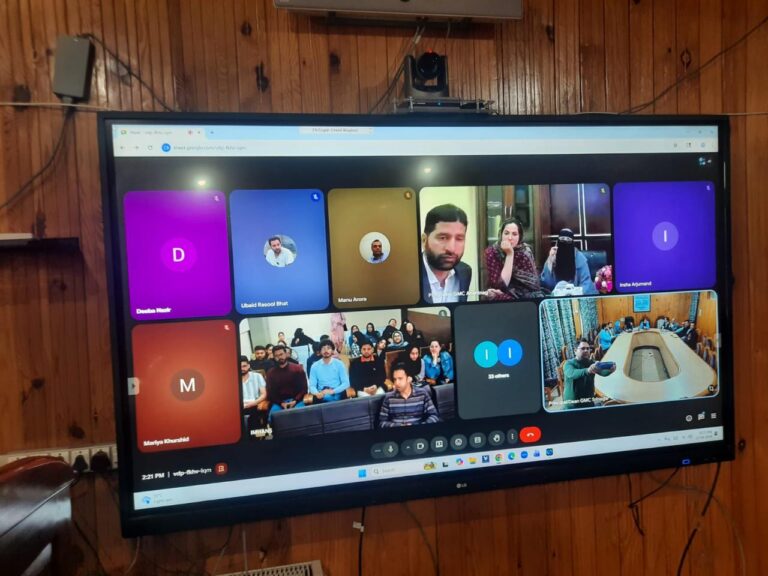
SRINAGAR, April 17:In a major step towards strengthening mental healthcare delivery at a time of rising psychological distress across Jammu and Kashmir, the Department of Psychiatry, Government Medical College (GMC) Srinagar, Institute of Mental Health and Neurosciences (IMHANS), on Friday successfully conducted the Union Territory’s first-ever Virtual Medical Board Meet in Psychiatry.

Held on April 17, 2026, the pioneering academic initiative assumes heightened significance in the present circumstances, as mental health experts continue to flag an increasing prevalence of stress, depression, anxiety disorders and substance abuse, . With a considerable treatment gap and limited access to specialist care in peripheral areas, such UT-level academic collaborations are being seen as crucial to ensuring uniform, accessible, and quality mental healthcare.

The virtual meet witnessed an overwhelming participation of around 200 delegates, including senior faculty members, consultants, postgraduate scholars, and trainees from all medical colleges across the Union Territory of Jammu and Kashmir. The participating institutions included GMC Jammu, SKIMS Medical College, GMC Anantnag, GMC Baramulla, GMC Handwara, GMC Doda, GMC Kathua, and GMC Rajouri. Psychiatrists from the Tele-MANAS team also actively took part, reflecting the growing importance of tele-mental health services in bridging accessibility gaps.

The scientific session, which formed the core of the meet, revolved primarily around the emerging and newer role of modified Electroconvulsive Therapy (mECT), particularly in the management of neurocognitive disorders. Experts highlighted that while mECT has traditionally been used in severe psychiatric illnesses, its evolving application in neurocognitive conditions is opening new frontiers in treatment, especially in complex and treatment-resistant cases.

A key highlight of the session was the presentation of an atypical clinical case with significant diagnostic and management implications by Dr. Chandini Wani, Senior Resident.
The case prompted an engaging and academically rich discussion among participants, reflecting real-world clinical complexities. The session was moderated by Dr. Yuman Kawoos, Assistant Professor of Psychiatry, who steered the deliberations with clinical insight and academic depth. Dr. Faisal, Assistant Professor of Anaesthesia, provided valuable inputs on the anaesthetic implications of the mECT procedure, underlining the importance of interdisciplinary coordination in psychiatric interventions.

The meet was formally inaugurated by the Principal/ Dean of GMC Srinagar Prof. Iffat Hassan Shah, who emphasized the urgent need for strengthening academic integration and ensuring clinical uniformity across all medical institutions in the Union Territory. He stressed that in the face of growing mental health challenges, coordinated efforts and standardized practices are essential to deliver effective and equitable patient care.

Beyond the scientific discussions, the meet served as an important platform for deliberations on key psychiatric and mental health priorities in Jammu and Kashmir. Participants discussed the need for standardization of clinical practices, improving interdepartmental referrals, and developing structured academic activities aimed at enhancing mental healthcare delivery across institutions.

The role of IMHANS, GMC Srinagar, was particularly significant in facilitating academic coordination, expert interaction, and the structured conduct of the virtual board meet. The institute once again reaffirmed its position as a leading mental health and academic hub in the Union Territory.

Participants actively engaged in discussions on evolving challenges in mental healthcare, including increasing patient load, gaps in service delivery, and the need for stronger institutional collaboration. The importance of coordinated psychiatric services, especially in underserved and remote areas, was also highlighted. The initiative was widely appreciated by attendees, who described it as a forward-looking step towards unified mental health planning and enhanced academic networking across Jammu and Kashmir.

The Department of Psychiatry at GMC Srinagar reiterated its commitment to continue organizing such UT-level academic and clinical engagements in the future. Officials emphasized that sustained collaboration and knowledge-sharing will be key to improving both patient care outcomes and academic excellence in the field of psychiatry.

Gautam Adani becomes Asia’s richest man, surpasses Mukesh Ambani in latest billionaires ranking

0

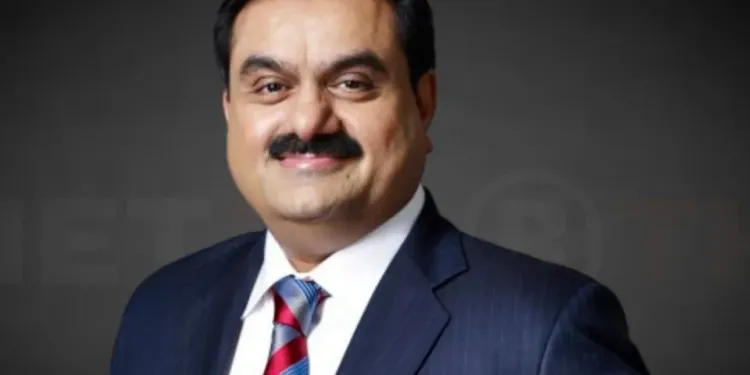
Srinagar, Apr 17: Gautam Adani has overtaken Mukesh Ambani to become Asia’s richest person, according to the latest Bloomberg Billionaires Index update.

As of April 17, 2026, Adani’s net worth stands at $92.6 billion, narrowly edging past Ambani’s $90.8 billion. The two Indian billionaires have been closely competing for the top spot, with rankings shifting frequently due to market fluctuations and business valuations.

Despite the change in positions, both Adani and Ambani remain among the world’s top 25 richest individuals, highlighting India’s growing presence in global wealth rankings.


Globally, tech giants continue to dominate the rich list, led by Elon Musk, followed by Larry Page and Jeff Bezos.


In India, Adani now tops the list, with Ambani in second place, followed by leading industrialists across sectors, reflecting the country’s expanding billionaire landscape.

Bandipora-Gurez road closed after fresh snowfall

0

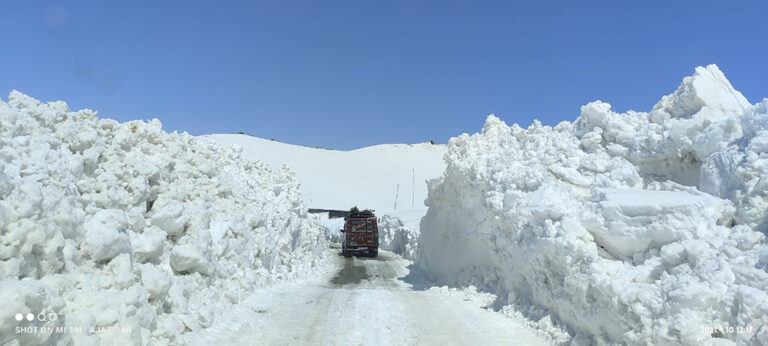
Srinagar, Apr 17: The 85-km Bandipora-Gurez road was closed on Friday following fresh snowfall at Razdan Top, officials said.

An official told that the vehicular movement on the strategic road connecting Bandipora with the remote Gurez Valley was suspended as a precautionary measure after snowfall made the high-altitude Razdan Pass slippery and unsafe for traffic.

Sub-Divisional Magistrate (SDM) Gurez, Mukhtar Ahmad, said the road shall remain closed until further orders.

“Movement on the Bandipora–Gurez road shall remain suspended until further orders,” Ahmad said.

Officials said snowfall at the pass reduced visibility and created slippery conditions, prompting authorities to halt traffic.

The administration issued an advisory urging residents and travellers to avoid unnecessary movement on the route and to adhere to official directions until the road is declared safe. (KNS)

SKIMS to Host International Endocrinology Conference on MOOD 2026 on April 18–19

0

Srinagar, Apr 17: Sher-i-Kashmir Institute of Medical Sciences (SKIMS) is set to host the 6th Annual International Conference of the MP-PCOS Society titled “MOOD 2026”, bringing together leading experts to discuss emerging challenges in metabolic and endocrine disorders.

SKIMS Spokesperson in a statement issued here to news agency JKNS said, SKIMS is set to organise the 6th Annual (International) Conference of the MP-PCOS Society on April 18–19, 2026 at the SKIMS Auditorium.

The conference is being held under the guidance of Prof. M. Ashraf Ganie, Director SKIMS and President of the MP-PCOS Society. The theme for this year’s conference, “Metabolic Syndrome, Obesity, Ovarian Dysfunction and Diabetes (MOOD 2026)”, reflects the growing global concern around interconnected metabolic and endocrine disorders, particularly among women.

The two-day scientific event will bring together eminent international and national experts from across the country and abroad to deliberate on the latest advancements, research, and clinical practices in endocrinology and metabolic health.

The academic programme will feature invited talks, plenary lectures, panel discussions, and prestigious orations, providing a comprehensive platform for knowledge exchange. In addition, postgraduate students and young researchers will present their original research through oral and poster presentations, encouraging academic engagement and innovation.

Prof. M. Ashraf Ganie, Director SKIMS and President MP-PCOS Society, stated, “This conference is a significant step towards advancing our understanding of complex metabolic and endocrine disorders that are increasingly affecting our population.”

“By bringing together leading experts and young researchers on a common platform, we aim to foster collaborative learning, promote evidence-based practices, and strengthen our collective response to conditions like PCOS, obesity, and diabetes. SKIMS remains committed to academic excellence and to addressing emerging public health challenges through research and innovation,” he said.

The conference is expected to serve as a vital platform for interdisciplinary dialogue, capacity building, and dissemination of cutting-edge research, further reinforcing SKIMS’ role as a leading centre of excellence in healthcare and medical education

India Showcases Maritime Strength at Vienna Summit

0

KD NEWS SERVICE

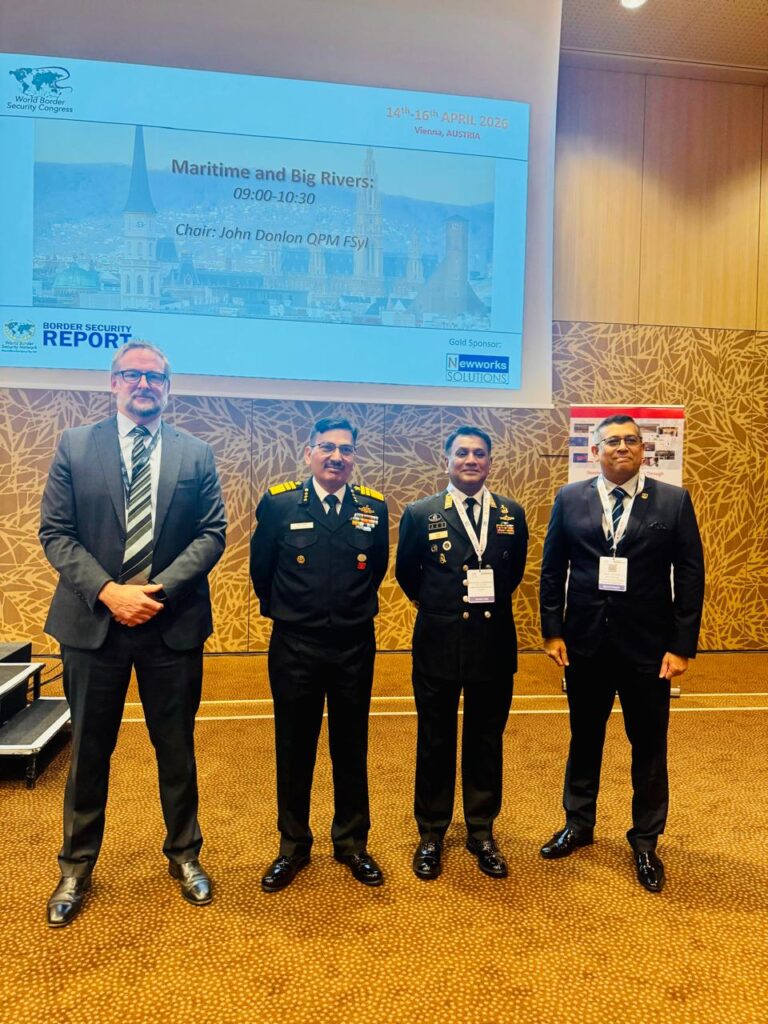
NEW DELHI, Apr 17: India asserted its growing stature as a key maritime security player on the global stage by actively participating in the prestigious World Border Security Congress 2026 held in Vienna from April 14 to 16. A three-member Indian delegation, led by Additional Director General Anand Prakash Badola, represented the country at the high-level international forum that brought together global leaders in border and maritime security.

The Congress, established in 2012, has evolved into a premier platform for dialogue among senior government officials, security experts, policymakers, and industry leaders. It focuses on emerging challenges in border management, cutting-edge technological innovations, and the adoption of best practices, while also fostering international cooperation in tackling transnational threats.
Addressing a key session on “Maritime Safety and Security,” ADG Badola highlighted the proactive and strategic role played by the Indian Coast Guard (Bharatiya Tatrakshak) in safeguarding India’s vast maritime domain. He underscored the force’s efforts in ensuring coastal and offshore security, preventing illegal activities at sea such as smuggling and trafficking, and strengthening regional maritime collaboration.

Badola emphasized that maritime borders are inherently complex and dynamic, requiring coordinated and sustained efforts among nations. He called for enhanced international collaboration, seamless intelligence sharing, and integrated security frameworks to effectively address evolving maritime threats, while maintaining respect for national sovereignty.

The Indian delegation also showcased the country’s best practices in maritime governance, highlighting initiatives aimed at strengthening surveillance, rapid response capabilities, and inter-agency coordination. India’s approach reflects its commitment to building a robust and resilient maritime security architecture capable of addressing both conventional and non-traditional threats.

Participation in the global summit further reaffirmed India’s commitment to strengthening international partnerships and contributing constructively to global security frameworks. The country’s engagement at such forums underscores its intent to play a leading role in promoting safe, secure, and rules-based maritime order.

Officials noted that India’s consistent presence at international security platforms not only enhances its diplomatic outreach but also facilitates the exchange of knowledge, expertise, and technological advancements critical to modern border management.

With maritime security emerging as a critical pillar of national and global security, India’s active contribution at the Vienna Congress signals its readiness to collaborate with the international community in addressing shared challenges and ensuring stability across the world’s oceans.