spot_imgspot_img
spot_img
Home Blog Page 62

India achieves highest-ever annual wind energy addition of 6.05 GW in 2025–26

0

Vinod Bhat

New Delhi: India achieved its highest-ever annual wind capacity addition of 6.05 GW during FY 2025-26 crossing the landmark of 5.5 GW capacity addition in FY 2016-17.

This also represents an increase of nearly 46% over the capacity added in FY 2024–25 marking a decisive acceleration in India’s onshore wind deployment trajectory.

With this addition, India’s cumulative installed wind power capacity has crossed 56 GW. This milestone reflects renewed momentum in the sector driven by improved policy clarity, transmission readiness, competitive tariff discovery, and a strong project pipeline.

This milestone achievement is the result of sustained policy support, improved project execution, and greater pipeline maturity across key wind states. States such as Gujarat, Karnataka, and Maharashtra have been the primary contributors to capacity addition during the year, underpinned by a growing pipeline of wind-solar hybrid projects and the progressive roll-out of green energy open access.

India’s wind energy sector has grown steadily making India one of the leading wind energy markets globally. Government has taken several initiatives to promote the sector including Concessional Custom Duty on certain components and raw materials used in manufacturing of wind turbines, graded Waiver of Inter-State Transmission System (ISTS) charges till June, 2028, competitive bidding mechanisms, separate Wind Renewable Consumption Obligation (RCO) frameworks, technical support from National Institute of Wind Energy.

The record addition significantly strengthens India’s renewable energy portfolio and contributes towards achieving the national target of 500 GW of non-fossil fuel-based energy capacity by 2030.

India’s wind energy program was initiated in the early 1990s as part of the Government’s broader renewable energy strategy. Over the past three decades, India has developed a strong wind energy ecosystem and a robust policy framework to promote grid-connected wind power projects.

Mega Plantation Drive Launched Across Jammu & Kashmir from SRML Jammu

0

New Delhi: Government Sri Ranbir Model Higher Secondary School (SRML), Jammu, today emerged as the epicentre of a landmark environmental initiative with the grand launch of a Mega Plantation Drive across the entire Jammu & Kashmir Union Territory (J&K UT)**. The initiative witnessed enthusiastic participation from multiple departments including School Education, Higher Education, Health & Medical Education, and Social Welfare.

The flagship event, held at the SRML HSS campus, Parade Jammu, commenced at 12:00 noon and brought together nearly 600 participants, including students, educators, officers, and community members. The drive aims to promote environmental sustainability, strengthen community participation, and instill ecological responsibility among youth in alignment with the vision of the National Education Policy (NEP) 2020.

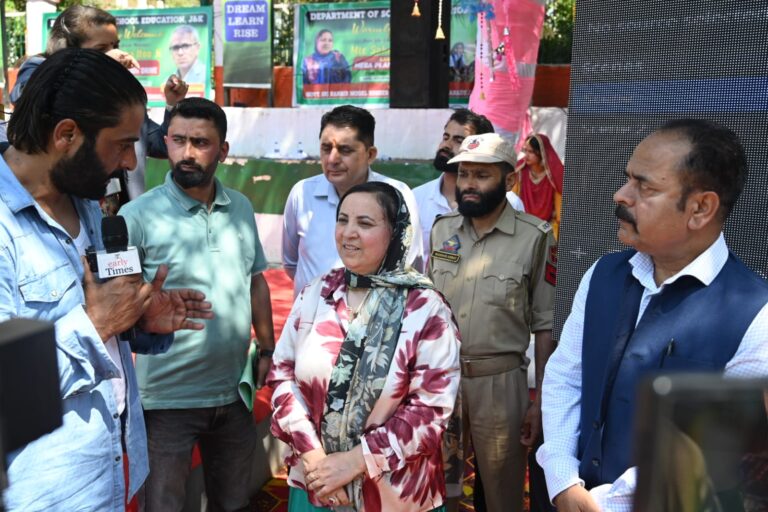
The programme was graced by **Chief Guest Sakina Itoo, Hon’ble Cabinet Minister for Education, Health & Medical Education, and Social Welfare, J&K**. Among the distinguished dignitaries present were senior officers including **MD ICDS, Director Social Welfare Jammu, Director Health Services Jammu, Director School Education Jammu, Chief Education Officer Jammu**, along with **MLAs and Chief Education Officers from Rajouri and Doda**.

**Dr. Naseem Javid Choudhary**, in her presence, reinforced the department’s strong commitment towards integrating environmental consciousness within the school education system and appreciated the initiative as a progressive step towards nurturing environmentally responsible citizens.

Chief Education Officer Jammu, Ajeet Sharma, played a pivotal role in organizing the event and, in his welcome address, emphasized the importance of collective participation in environmental conservation. He lauded the efforts of students and institutions in making the plantation drive a meaningful success and highlighted the need for sustained green initiatives at the grassroots level.

The event began with the ceremonial launch of the plantation drive, marking the start of a Union Territory-wide green initiative. Thousands of saplings were planted simultaneously across various districts, symbolizing a collective commitment to a greener and healthier J&K.

A meticulously planned programme added vibrancy and inclusivity to the event. Students showcased their talent through cultural performances, followed by engaging activities such as a spoon race for children and a spirited tug of war, creating an atmosphere of enthusiasm and community bonding.

The event also emphasized **social welfare and inclusivity** through the distribution of **bicycles to orphaned and single-parent girl students** by the Hon’ble Minister. **ECCE kits (“Jadu Ka Pitara”), sports kits for PM Shri Schools, and audio systems/desktops sponsored by the Bharti Airtel Foundation** were distributed to promote educational empowerment and digital learning.

Informative stalls by the Social Welfare Department created awareness about **afforestation, environmental protection, and biodiversity conservation, reinforcing the core message of the drive.

In her inspiring address, Sakina Itoo applauded the youth-led initiative and highlighted the importance of collective responsibility in combating climate change. She described the plantation drive as a “model movement” for environmental action and community participation across the Union Territory.

The programme concluded with the felicitation of dignitaries, followed by a formal vote of thanks by Principal Dr. Kishor Sharma, who also presented a token of gratitude to the Hon’ble Education Minister Sakina Itoo. He reiterated the institution’s unwavering commitment to eco-friendly practices and sustainable development.

The Mega Plantation Drive stands as a significant step towards building a greener future for Jammu & Kashmir, inspiring institutions and communities to actively contribute towards environmental conservation.

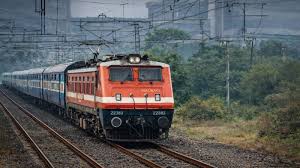
Indian Railways Approves ₹1,364.45 Crore for Kavach Deployment and Signalling Modernisation Across Multiple Zones

0

Vinod Bhat

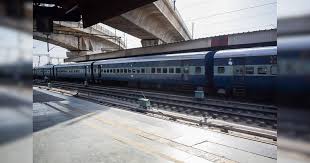
New Delhi: Indian Railways has approved multiple projects worth ₹1,364.45 crore to strengthen safety, signalling and communication infrastructure across its network. The sanctioned works include provision of Kavach on locomotives, expansion of optical fibre cable network and replacement of panel interlocking with electronic interlocking systems across various railway zones.

Kavach equipment to be installed on 232 locomotives in Southern Railway

Indian Railways has sanctioned provision of on-board Kavach equipment for 232 locomotives in Southern Railway at a cost of ₹208.81 crore. The proposal forms part of the umbrella work titled “Provision of Kavach with communication backbone of Long-Term Evolution (LTE) on balance routes of Indian Railways (Umbrella Work 2024–25)” included in the Works Programme (Pink Book) 2024–25, with an overall cost of ₹27,693 crore under PH-33.

A sub-umbrella allocation of ₹2,950 crore has been earmarked for Southern Railway under this programme. The present work has been proposed within this sub-umbrella and covers installation of Kavach Version 4.0 equipment on locomotives.

Communication backbone to be strengthened in Northern Railway with 2×48 OFC network

Indian Railways has sanctioned three itemised works in Northern Railway at a total cost of ₹400.86 crore for strengthening of communication backbone infrastructure. These works are part of the umbrella project titled “Strengthening, repair & replacement of communication backbone over Indian Railways (Umbrella Work 2024–25)” approved at a cost of ₹4,871 crore under PH-33.

A sub-umbrella provision of ₹871 crore has been allocated for Northern Railway. Under this, three works have been approved: provision of 2×48 fibre cables along 926.05 route km in Ambala Division at a cost of ₹115.74 crore; provision of 2×48 fibre cables along 1,204 route km along with Optical Fiber Communication (OFC) rooms at stations in Delhi Division at a cost of ₹165.49 crore; and provision of 2×48 fibre cables along 1,074 route km in Lucknow Division at a cost of ₹119.63 crore.

The works aim to enhance the capacity and reliability of communication systems across divisions, which are critical for modern signalling and Kavach deployment.

OFC provision for Kavach over North Central Railway to cover 2,196 route kilometres

Indian Railways has sanctioned provision of 2×48 fibre OFC cables for Kavach over North Central Railway at a cost of ₹176.7699 crore. The work also falls under the umbrella project for strengthening, repair and replacement of communication backbone over Indian Railways.

A sub-umbrella allocation of ₹200 crore has been provided for North Central Railway. The present work has been proposed under this allocation and will cover 2,196 route kilometres, including 1,016 km in Prayagraj Division, 709 km in Jhansi Division and 471 km in Agra Division.

The project will support deployment of Kavach and improve communication infrastructure across high-density routes.

Electronic Interlocking works approved in South Central Railway

Indian Railways has sanctioned two itemised works in South Central Railway at a total cost of ₹578.02 crore for replacement of panel interlocking with electronic interlocking systems. The works fall under the umbrella project titled “Provision of Electronic Interlocking at balance stations on HDN/HUN routes where Kavach/ABS/CTC is sanctioned (Umbrella Work 2024–25)” approved at a cost of ₹15,164 crore under PH-33.

A sub-umbrella allocation of ₹1,857 crore has been earmarked for South Central Railway. Under this, two works have been approved: replacement of panel interlocking with electronic interlocking at 35 stations on HDN/HUN routes in Guntakal Division at a cost of ₹426.82 crore; and similar replacement at 14 stations on HDN/HUN routes in Nanded Division at a cost of ₹151.20 crore.

The works aim to enhance signalling reliability, reduce manual intervention and improve safety across high-density routes.

All the sanctioned projects are part of the broader effort to modernise Indian Railways with a focus on safety, reliability and capacity enhancement. The works will support deployment of Kavach, strengthen communication backbone and upgrade signalling systems across key routes. These interventions are expected to improve operational efficiency and ensure safer train operations across the network.

DLC Campaign 4.0: Largest ever Campaign conducted for Improving Pensioners Welfare in India

0

Vinod Bhat

New Delhi: The Department of Pensions and Pensioners’ Welfare (DoPPW) has been conducting Digital Life Certificate Campaigns since November 2022 to bring the benefits of digitization of Life Certificate submission to pensioners, a crucial initiative to enhance Ease of Living of pensioners particularly super senior/sick/divyang pensioners. To achieve this purpose, camps have been held from 1-30 November, every year at identified cities across the country with a Saturation approach and the objective of reaching out to pensioners in the remotest corners of the country.

The Digital Life Certificate (DLC) Campaign 4.0 was launched on November 5, 2025, at the National Media Center, New Delhi by Dr Jitendra Singh Hon’ble MOS PP, and was conducted under the leadership provided by the Hon’ble MOS.

The Campaign involved a multi-stakeholder approach, including contributions from 19 Banks, India Post Payments Bank (IPPB), the Controller General of Defence Accounts, Department of Posts, Railways, DoT, EPFO, UIDAI, MeitY and 57 Pensioners’ Welfare Associations.

The Department successfully concluded the Digital Life Certificate (DLC) Campaign 4.0, held from November 1-30, 2025, setting significant milestones by leveraging innovative technologies and widespread collaboration with all the stakeholders. During the Campaign, 75000 camps were organized across 2000 cities and districts nationwide with over 1400 nodal officers ensuring seamless operations, addressing technical challenges and facilitating efficient DLC submissions. 1.8 lakh postmen/ Dak Sevaks deployed for assisting pensioners, reached out to provide doorstep service.

The period 1st April, 2025 to 31st March, 2026 saw several landmark milestones, signifying the Campaign to be the largest ever Campaign conducted for improving pensioners’ welfare in India.

Key Achievements

  • Over 1.91 Crore DLCs have been generated during the period, indicating the growth of Digital Empowerment of pensioners, the ease with which digitization has been adopted and the comfortable adaption by the pensioners of the digital processes. This remarkable achievement also shows the growing acceptance of Aadhaar-based digital verification among pensioners.
  • Over 1.16 Crore DLCs, representing 60%, were generated using Face Authentication Technology, a 220 times increase over DLC 3.0 Campaign. This ground breaking technology proved particularly beneficial for elderly pensioners with faded fingerprints, differently-abled individuals facing mobility challenges. Pensioners living in remote areas greatly benefitted by the doorstep service, which enabled DLC generation from the comfort of their homes, without the need and inconvenience to traverse long distances for LC submission.
  • Doorstep Services, Trainings to Operators and a Focused approach to reach out to pensioners across the country led to the submission of a substantial number of DLCs by pensioners aged 80 and above, more than 14 Lakh DLCs have been submitted by Super Senior Pensioners. Banks, IPPB and Pensioners’ Welfare associations took the lead in delivering doorstep services to the aged/sick/divyang pensioners.
  • The campaign strived to achieve a saturation model, aimed at complete coverage across the country to ensure outreach to pensioners, even in the remotest areas, with a special focus on underserved populations. Collaboration with Stakeholders with a Whole of Government Approach created a universal model enabling extensive outreach.
  • Significant media outreach raised awareness, reaching over 20 crore people nationwide. Panel discussions/ Spotlight on DD NEWS, SANSAD TV and AIR as well as SOPs/ short films on social media enabled wide-spread publicity.
  • The Campaign had a welfare bouquet of pensioner services such as Health Check-ups, Aadhar updation and grievance redressal, arranged for pensioners at the camps.
  • A National DLC portal with daily reports enabled consistent monitoring with a targeted approach to reach out to pensioners in under-served areas.

Achievements Across Campaigns

  • DLC 1.0 (2022): Covered 37 cities, processing 91 lakh life certificates (1.41 crore DLCs by March 2023).
  • DLC 2.0 (2023): Expanded to 100 cities, generating 1.17 crore DLCs (1.47 crore DLCs by March 2024).
  • DLC 3.0 (2024): Covered 845 cities, generating 1.30 crore DLCs (1.62 crore DLCs by March, 2025).
  • DLC4.0 (2025): Covered 2000 cities, generating 1.19 crore DLCs,(remarkable success achieved with over 1.91 crore DLCs by 31st March, 2026).

Role of Banks and IPPB: Key Pillars of the Campaign Success

The success of the DLC Campaign 4.0 was significantly driven by the contributions of leading banks such as SBI, PNB and IPPB which generated 25.99 lakh, 3.78 lakh and 3.64 lakh DLCs respectively. ​ These banks organized specialized camps across 300 cities and over 1,250 locations, providing assistance to pensioners with limited access to digital resources. ​ Their efforts ensured that pensioners without smartphones or internet connectivity could easily submit their life certificates. ​ Overall, pension disbursing banks collectively achieved more than 63% of their target, marking a major milestone in the history of DLC campaigns. ​

DLCs Distribution between States

  • Maharashtra: Achieved 25.86 lakh DLCs through strong coordination and public awareness campaigns.
  • Uttar Pradesh: Processed 15.93 lakh DLCs, ensuring accessibility even in remote regions.
  • Tamil Nadu: Generated 15.31 lakh DLCs through innovative outreach strategies.
  • Karnataka:13.08 lakh DLC submissions.

Outstanding Contributions by Key Ministries/Departments

  • Central Civil: Facilitated more than 9.57 lakh DLCs, with significant use of face authentication.
  • Defence: Processed 32.92 lakh DLCs, serving retired armed forces personnel.
  • Railways: Delivered 6.91 lakh DLCs, supporting retired employees.
  • Posts: 2.89 Lakh DLC submissions.
  • Telecom: Enabled 4.67 lakh DLCs, leveraging its extensive network.
  • UIDAI & MeitY provided technical support to ensure seamless DLC generation.

These contributions played a crucial role in strengthening the reach and impact of DLC Campaign 4.0.

Best Practices

  • Extensive Publicity and Outreach: The campaign was widely publicized through local newspapers, TV channels, DD, AIR, and social media. ​ Pre-event announcements were made via PIB statements and advertisements and short films, SOPs and jingles were shared on social media platforms to raise awareness. ​
  • Support at Camps through Dedicated Infrastructure: Specialized DLC counters were set up at banks and other locations, offering comfortable seating and refreshments for attendees. ​ Awareness drives were conducted to educate pensioners about Face Authentication and provide guidance on downloading and using related mobile apps. ​
  • Enhanced Accessibility for Pensioners: Doorstep services were provided by India Post Payments Bank (IPPB), Banks and Pensioners’ Welfare Associations and home visits conducted for elderly/sick/bedridden pensioners. Separate counters set up for high-demand areas with special arrangements for immobile pensioners. Dedicated lounges, Aadhaar updation and health check-up facilities provided at many locations.
  • Additional facilities with Collaborative Approach: Banks and Pensioner Welfare Associations (PWAs) actively participated in mobilizing pensioners. UIDAI teams provided assistance with On-the-spot Aadhaar updates and App installations. Guidance provided to pensioners at camps, on investment options and awareness on handling cyber frauds.
  • Focus on Face Authentication Technology: Use of the Face Authentication App was explained and promoted for easier and faster DLC generation. App installed on pensioners’ and relatives’ smartphones during camps.
  • Super Senior/Sick/Divyang Pensioners’ Outreach: Special efforts made to reach the most vulnerable groups, including pensioners aged above 90 years and bedridden individuals. Doorstep service provided by “Daksevaks” (postal workers) for those unable to travel.
  • Knowledge Sharing: Best practices were documented and shared via social media and other communication channels, encouraging banks to replicate successful models in other regions.
  • Street Plays: Street plays in DLC were organized by North Central Railway and Government of Sikkim to disseminate awareness amongst pensioners.

Role of Pensioners Welfare Associations

57 Pensioners’ Welfare Associations played a key role in the DLC Campaign 4.0 by raising awareness, mobilizing and assisting pensioners, especially in rural and under-served areas. ​Their efforts ensured that even the most vulnerable groups could easily access the digital system, attend camps and get support in DLC generation through home visits. ​PWAs also helped in spreading awareness through various modes including WhatsApp groups, Magazines and training through personal interaction.

Monitoring and Public Outreach

Senior officials from DoPPW conducted on-ground reviews in 17 states and participated in five Mega camps held in New Delhi, Ahmedabad, and Chennai to ensure smooth implementation of the Campaign. ​ The Mega camps saw enthusiastic participation from various pensioners, including those from the Central Government, EPFO, State Governments, and Autonomous bodies. ​ Extensive media campaigns, including 71 PIB statements, over 2,900 tweets, TV discussions on DD News and Sansad TV, and radio broadcasts on AIR, helped spread awareness to over 20 crore people nationwide. ​ Several Success stories have emerged during the Campaign which have been widely shared on social media. ​

Looking Ahead

DOPPW has taken a number of initiatives for the welfare of pensioners and there is a continuous endeavor to enhance Pensioners’ Welfare as a step towards achieving ‘Viksit Bharat @2047’. The DLC Campaign 4.0 has been one more milestone towards achieving this objective in close coordination with Stakeholders with a ‘Whole of Government’ approach. DLC Campaign 4.0 demonstrates DoPPW’s unwavering commitment to digital empowerment of pensioners and building on this progress, the initiative paves the way for even greater accomplishments in the years ahead.

Adequate buffer stocks of rice and wheat available to ensure sufficient supplies for PDS and any emergency requirements

0

Vinod Bhat

New Delhi: As part of its ongoing efforts to keep the media apprised of developments in West Asia, the Government of India convened a briefing at the National Media Centre today. Representatives from the Ministries of Petroleum and Natural Gas, Ports, Shipping and Waterways, and External Affairs, shared updates on fuel availability, maritime operations, and assistance to Indian nationals in the region, along with measures to ensure stability across sectors. The Ministry of Consumer Affairs, Food and Public Distribution also provided updates on food security preparedness and prices of essential commodities.

Food security and prices update

The Ministry of Consumer Affairs, Food and Public Distribution shared an update on the availability of essential food items and the prevailing price situation. It also highlighted measures being taken to ensure adequate supply and maintain market stability. The Ministry said:

Food Security Preparedness

· The Government is closely monitoring the food security situation in view of the ongoing developments in West Asia.

· Adequate buffer stocks of rice and wheat are available to ensure sufficient supplies for the Public Distribution System (PDS) as well as to meet any emergency requirements.

· The National Food Security Act continues to ensure access to foodgrains for vulnerable populations.

Market Intervention – Open Market Sale Scheme (Domestic)

· The Government continues to monitor foodgrain prices and undertakes market interventions through the Open Market Sale Scheme (Domestic) (OMSS – D) whenever required.

· Under OMSS (D), FCI releases surplus wheat and rice in the open market to augment supply, stabilise prices and contain inflation.

· Adequate stocks are available with FCI to undertake such interventions if required.

· The scheme also enables sale of rice to State Governments at subsidised fixed prices to meet additional requirements.

Procurement – RMS 2026–27

· Procurement of wheat under MSP operations for Rabi Marketing Season (RMS) 2026–27 has commenced, primarily through State Government agencies.

· The Department is regularly reviewing preparedness in coordination with States.

· Adequate packaging materials are being ensured for procurement operations.

Foodgrain Packaging

· Proactive steps have been taken to ensure availability of packaging materials during RMS 2026–27.

· In coordination with the Ministry of Petroleum and Natural Gas and the Department of Chemicals and Petrochemicals, the Department is diversifying packaging sources and maintaining contingency measures to address any potential shortfall.

Edible Oil Scenario

· Domestic availability of edible oils remains comfortable despite global uncertainties.

· Imports from key partner countries including Indonesia, Malaysia, Argentina and Brazil continue steadily.

· Improved mustard production has strengthened domestic supply.

· Overall edible oil supply remains stable and the Government continues close monitoring with readiness to intervene if required.

Sugar Sector

· Adequate sugar buffer stocks are available and sugar production in 2025–26 is expected to remain sufficient.

· About 15.80 LMT of sugar has been permitted for export, of which 3.73 LMT has already been exported.

· Major export destinations include Sri Lanka, West Asia and East Africa.

· Retail sugar prices remain stable with inflation remaining around 3% over the past three years.

Prices of Essential Commodities

· The Department of Consumer Affairs monitors daily prices of 40 food commodities reported from 578 centres across the country.

· Price trends are being closely monitored in view of the ongoing developments in the Middle East.

· So far, no unusual volatility has been observed and prices remain stable for most commodities, indicating adequate availability.

· There is no evidence of generalized supply stress or inflationary transmission in essential food commodities.

Availability of Pulses

· Pulses production is estimated to be higher than the previous year at about 266 LMT compared to 257 LMT last year.

· Government stocks of pulses are around 28 LMT, while procurement of Tur and Rabi pulses under the Price Support Scheme is ongoing.

· So far, about 3.21 LMT of Tur and 5.71 LMT of Chana have been procured.

· The import policy for pulses in 2026–27 continues the existing framework of 2025-26 to ensure supply flexibility and stable availability.

· Import of Tur and Urad is allowed under the ‘Free’ category till 31 March 2027, while imports of Chana and Masoor attract 10% duty and Yellow Peas 30% duty.

Availability of Horticultural Crops (TOP)

· Production of major horticultural crops such as potato, tomato and onion are sufficient to meet domestic demand.

· Potato production is estimated at about 584 LMT (against 586 LMT last year), tomato at about 227 LMT, and onion at about 273 LMT.

· The Government of India has set a price stabilisation buffer target of 2 LMT for onion in 2026–27, with National Agricultural Cooperative Marketing Federation of India Ltd (NAFED) and National Cooperative Consumers’ Federation of India Limited (NCCF) initiating procurement preparations.

· Procurement of Rabi 2026 onion for buffer stocking is expected to support mandi prices and moderate volatility.

Monitoring and Enforcement

· The Department of Consumer Affairs has set up a Control Room to facilitate continuous interaction and information exchange with State Governments on prices and supply of food commodities.

· The Control Room also monitors enforcement of the Essential Commodities Act, 1955, including action against hoarding and black marketing of essential commodities.

· The Department is also keeping a close watch on the complaints being received on the National Consumer Helpline-1915, available in 17 languages across the country. The helpline is also available through multiple platforms, including WhatsApp and the INGRAM portal ,  enabling consumers to register grievances with ease.

Energy Supply and Fuel Availability

An update on the prevailing fuel supply situation was shared, highlighting the steps being taken to ensure uninterrupted availability of petroleum products and LPG in the context of the Strait of Hormuz closure. It was noted that:

Public Advisory and Citizen Awareness

· Citizens are advised to avoid panic purchase of petrol, diesel and LPG and rely only on official sources for information.

· LPG consumers are requested to use digital booking platforms and avoid visiting distributors.

· Citizens are encouraged to use alternate fuels such as PNG and electric or induction cooktops.

· All citizens are urged to conserve energy during the current situation.

Government Preparedness and Supply Management Measures

· Despite the ongoing geopolitical situation, the Government has prioritised domestic LPG and PNG supply, particularly for hospitals and educational institutions.

· The Government has already implemented several rationalisation measures on both the supply and demand side, including enhancing refinery production, increasing the booking interval from 21 to 25 days in urban areas and up to 45 days in rural areas and prioritising sectors for supply.

· Alternate fuels such as kerosene and coal have been made available to ease pressure on LPG demand.

· The Ministry of Coal has directed Coal India and Singareni Collieries to supply additional coal to States for distribution to small and medium consumers.

· States have been advised to facilitate new PNG connections for domestic and commercial consumers.

· A review meeting chaired by Secretary (MoPNG) with State officials highlighted measures to ensure adequate LPG supply and directed States to prioritise prioritize LPG distribution, especially for domestic and essential needs, while maintaining strict vigilance against hoarding, diversion, and misinformation. On reports concerning FTL LPG supplies to migrant workers, States clarified that there is no disruption in LPG supply affecting migrants and that supplies remain stable. Secretary informed that states may consider managing targeted distribution of 5 kg FTL LPG cylinders, based on local requirements along with OMCs.

Coordinated Efforts with States/UTs and Institutional Mechanisms

· State Governments are empowered under the Essential Commodities Act, 1955 and LPG Control Order, 2000 to monitor supply and act against hoarding and black marketing of petroleum products.

· All Chief Secretaries, ACS/Principal Secretary/Secretary Food & Civil supply of all the States/UTs are requested –

Ø To issue daily press briefings and issue regular public advisories.

Ø To actively monitor and counter fake news / misinformation on social media.

Ø To intensify daily enforcement drives by District admin and to continue raids and inspections in coordination with OMCs

Ø To issue Commercial LPG allocation orders within their States/UTs

Ø To issue SKO allocation orders for additional SKO allotted to the States/UTs.

Ø To promote PNG adoptions and alternate fuels.

· All States/UTs have established control rooms and district monitoring committees to curb hoarding and black marketing.

· The Government of India vide letter dated 27.03.2026 and 02.04.2026 have requested Chief Secretaries of all States/UTs to intensify proactive & regular public communication, conduct daily press briefs at appropriate senior level along with timely dissemination of accurate information through social and electronic media to effectively counter misinformation and to reassure citizens regarding adequate availability and smooth distribution of LPG.

· Currently, 23 States/UTs are issuing regular press briefings.

Enforcement and Monitoring Actions

· Enforcement actions continue across the country to curb hoarding and black marketing of LPG.

· More than 1 lakh raids have been conducted and over 52,000 cylinders seized.

· Over 850 FIRs have been registered and about 220 persons arrested.

· PSU Oil Marketing Companies have strengthened surprise inspections and issued over 1,500 show-cause notices, imposed penalties on 118 LPG distributorships and suspended 41 distributorships.

LPG Supply

Domestic LPG Supply Status:

· LPG supply continues to be affected by the prevailing geopolitical situation.

· No dry-outs have been reported at LPG distributorships.

· Online LPG bookings have increased to about 97% across the industry.

· Delivery Authentication Code (DAC) based deliveries have increased to around 90% to prevent diversion.

· Domestic LPG cylinder deliveries remain normal, with over 18 crore cylinders delivered to households since 1 March 2026.

Commercial LPG Supply and Allocation Measures:

  • To look into the issues of availability of petrochemicals like propylene, polypropylene, isopropyl alcohol, butadiene, butyl acrylate etc. for department of Pharmaceuticals, Animal Husbandry, Dept. of Chemicals and Petrochemicals, DPIIT etc, a Joint working group has been constituted which has recommended for diversion of certain volume of C3-C4 molecules by Refinery & Petrochemical complexes for these sectors. This group has also given recommendations for availability of feedstock for C2 based derivatives like LDPE, LLDPE, HDPE etc. and their supplies for the downstream units.
  • Total commercial LPG allocation has been increased to about 70% of pre-crisis levels, including 10% reform-linked allocation.

· Since 23 March 2026, about 6.75 lakh 5-kg Free Trade LPG cylinders have been sold.

· PSU OMCs have organised around 550 awareness camps for 5 Kg FTL Cylinders in Andhra Pradesh, Assam, Bihar, Chandigarh, Chhattisgarh, Delhi, Goa, Gujarat, Haryana, Himachal Pradesh, Jammu & Kashmir, Jharkhand, Karnataka, Keralam, Madhya Pradesh, Maharashtra, Odisha, Puducherry, Punjab, Rajasthan, Tamil Nadu, Telangana, Uttar Pradesh, Uttarakhand, West Bengal.

· More than 6,700 – 5Kg FTL cylinders were also sold in these camps.

· A three-member committee of Executive Directors from IOCL, HPCL and BPCL is coordinating with State authorities and industry bodies to plan commercial LPG distribution.

· About 79,909 MT of commercial LPG (equivalent to over 42 lakh 19-kg cylinders) has been sold since 14 March 2026.

Natural Gas Supply and PNG Expansion Initiatives

· Priority sectors continue to receive protected supplies, including 100% supply to domestic PNG and CNG transport.

· Gas supply to operating urea plants is currently around 70–75% of their six-month average consumption and is planned to increase to about 90% from 6 April 2026 (today).

· Gas supply to other industrial and commercial sectors, including City Gas Distribution (CGD) networks, will be increased by an additional 10% from 6 April 2026 (today).

· CGD entities have been advised to prioritise PNG connections for commercial establishments such as hotels, restaurants and canteens.

· CGD companies including IGL, MGL, GAIL Gas and BPCL are offering incentives for domestic and commercial PNG connections.

· States/UTs and Central Ministries have been requested to expedite approvals required for expansion of CGD networks.

· The Government of India vide letter dated 18.03.2026 has offered all States/UTs additional 10% allocation of commercial LPG to States provided they can help in long term transition from LPG to PNG.

· 17 States/UTs are already receiving additional commercial LPG allocation linked to PNG expansion reforms.

· PNGRB has directed CGD entities to connect institutions such as schools, hostels, community kitchens and anganwadi kitchens through PNG within five days where pipelines are available.

· The Ministry of Road Transport & Highways has adopted an Accelerated Approval Framework for CGD infrastructure for three months to process applications on priority.

· The Government of India vide Gazette dated 24.03.2026 has notified the Natural Gas and Petroleum Products Distribution (Through Laying, Building, Operation and Expansion of Pipelines and Other Facilities) Order, 2026 under the Essential Commodities Act, 1955.

· The Order provides a streamlined and time-bound framework for laying and expanding pipelines across the country, addressing delays in approvals and access to land, and enabling faster development of natural gas infrastructure, including in residential areas.

· It is expected to accelerate PNG network growth, enhance last-mile connectivity, and support the transition to cleaner fuels, thereby strengthening energy security and advancing India’s gas-based economy.

· The Ministry of Defence has issued a short-term policy modification till 30 June 2026 to expedite PNG infrastructure installation in defence residential areas.

· PNGRB has extended the National PNG Drive 2.0 till 30 June 2026 to sustain momentum in PNG expansion.

· Since March 2026, about 3.67 lakh PNG connections have been gasified and about 4 lakh additional customers have registered for new connections.

Crude Position and Refinery Operations

· All refineries are operating at high capacity with adequate crude inventories, while sufficient stocks of petrol and diesel are being maintained.

· Domestic LPG production from refineries has been increased to support domestic consumption.

Retail Fuel Availability and pricing Measures

· Retail outlets across the country are operating normally.

· The Middle East crisis has led to an abnormal increase in crude prices; however, to protect consumers, the Government of India has reduced excise duty on petrol and diesel by ₹10 per litre.

· Export levy has been imposed at ₹21.5 per litre on diesel and ₹29.5 per litre on ATF to ensure adequate domestic availability.

· Retail prices of petrol and diesel remain unchanged with no increase at retail outlets.

· The Government has advised citizens not to believe rumours and requested State Governments to disseminate accurate information through press briefings.

Kerosene Availability and Distribution Measures

· An additional allocation of 48,000 KL of kerosene has been provided to States/UTs over and above regular allocation.

· A Gazette notification dated 29 March 2026 allows distribution of PDS Superior Kerosene Oil (SKO) in SKO-free States/UTs for cooking and lighting purposes through designated PSU OMC service stations.

· 18 States/UTs have issued SKO allocation orders, while Himachal Pradesh and Ladakh have indicated no requirement.

Maritime Safety and Shipping Operations

The current maritime situation in the Persian Gulf, along with measures being undertaken to safeguard Indian vessels and crew, was also briefed. It was stated that:

· The Ministry of Ports, Shipping and Waterways continues to closely monitor shipping movements, port operations and the safety of Indian seafarers, while ensuring continuity of maritime trade.

· All Indian seafarers in the region are safe and no incident involving Indian-flagged vessels has been reported in the past 24 hours.

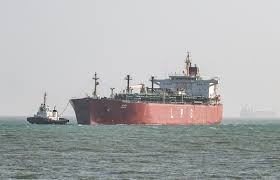
· In the past two days, two Indian-flagged LPG vessels, Green Sanvi and Green Asha, safely crossed the Strait of Hormuz. Green Sanvi is carrying about 46,650 MT of LPG with 25 seafarers onboard, while Green Asha is carrying about 15,405 MT of LPG with 26 seafarers onboard.

· At present, 16 Indian-flagged vessels with 433 Indian seafarers remain in the western Persian Gulf region. The Directorate General of Shipping (DG Shipping) continues close monitoring in coordination with ship owners, RPSL agencies and Indian Missions.

· The DG Shipping Control Room remains operational 24×7 and has handled 5,113 calls and 10,647 emails since activation, including 25 calls and 100 emails in the past 24 hours.

· DG Shipping has facilitated the safe repatriation of over 1,599 Indian seafarers so far, including 120 in the last 24 hours from airports and various regional locations across the Gulf.

· Port operations across India remain normal with no congestion reported. State Maritime Boards of Gujarat, Maharashtra, Goa, Kerala, Andhra Pradesh and Puducherry have confirmed smooth functioning.

· The Ministry continues to coordinate with the Ministry of External Affairs, Indian Missions and maritime stakeholders to ensure welfare of Indian seafarers and uninterrupted maritime operations.

Safety of Indian Nationals in the Region

Recent developments in the region, including assistance through Indian Missions, were shared during the briefing. It was informed that:

· The External Affairs Minister held telephonic conversations with the Foreign Ministers of Qatar and the United Arab Emirates and discussed the evolving situation in West Asia.

· The External Affairs Minister also received a call from the Foreign Minister of Iran, during which both sides exchanged views on the ongoing conflict in the region.

· The Embassy of India in Tehran has so far facilitated the movement of 1,777 Indian nationals from Iran to Armenia and Azerbaijan for onward travel to India. This includes 895 Indian students and 345 Indian fishermen. The fishermen travelled from Armenia to Chennai on 4 April 2026. The Embassy also facilitated the transit of two foreign nationals—one from Bangladesh and one from Sri Lanka.

· Of the total evacuated, 1,545 crossed into Armenia and 234 into Azerbaijan. India has expressed appreciation to the authorities of Iran, Armenia and Azerbaijan for their support in facilitating safe transit of the evacuees.

· The Ministry of External Affairs continues to closely monitor the evolving situation in the Gulf and West Asia region, with the safety, security and welfare of the Indian community remaining the highest priority.

· A dedicated MEA Special Control Room remains operational to assist Indian nationals and their families, with close coordination ongoing with State Governments and Union Territories.

· Indian Missions and Posts across the region are functioning round the clock, maintaining 24×7 helplines, issuing updated advisories and staying in regular contact with Indian community associations, organisations and companies.

· Missions continue to assist Indian nationals, including visa facilitation, consular services, logistical support and facilitating transit through neighbouring countries where airspace restrictions apply. They remain in close contact with local governments.

· Welfare of Indian students in the Gulf countries remains a priority, with Missions coordinating with local authorities, Indian schools, educational boards and the National Testing Agency to ensure that academic schedules and examinations such as JEE and NEET are not adversely affected.

· Missions are also providing support to Indian seafarers in the region, including coordination with local authorities, consular assistance, facilitating communication with families and assisting requests for return to India.

· Since 28 February, around 7,30,000 passengers have travelled from the region to India.

· In the UAE, airlines continue to operate limited non-scheduled flights based on operational and safety considerations, with around 90 flights expected to operate today to India.

· Flights continue to operate from Saudi Arabia and Oman to various destinations in India.

· Qatar airspace remains partially open, with Qatar Airways expected to operate around 8–10 flights to India today.

· Kuwait airspace remains closed, with Jazeera Airways and Kuwait Airways operating non-scheduled flights from Dammam Airport in Saudi Arabia to India.

· Bahrain airspace also remains closed, with Gulf Air operating non-scheduled flights from Dammam Airport in Saudi Arabia to India.

· Due to flight restrictions and airspace closures, travel of Indian nationals continues to be facilitated through alternative transit routes.

Decks cleared for induction of 23 JKAS officers into IAS against 2019–20 vacancies

0

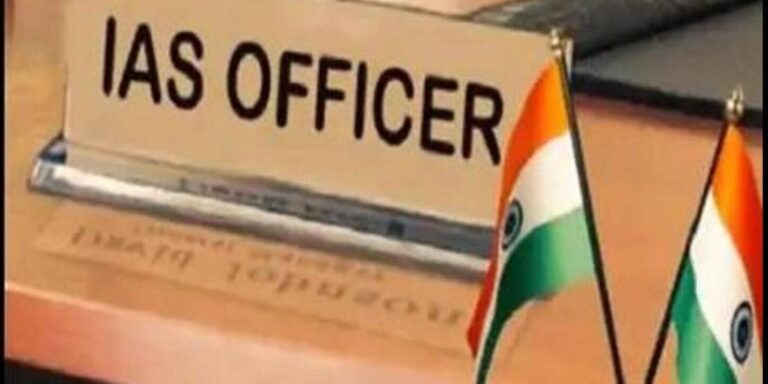
Srinagar, Apr 5: After nearly four years, the long-pending induction of 23 Jammu and Kashmir Administrative Services (JKAS) officers into the Indian Administrative Service (IAS) is set to materialise, with the process likely to conclude by the end of April.

Official sources said the Jammu and Kashmir administration has completed all required formalities and referred the vacancies for 2019 and 2020 to the Union Public Service Commission, which will convene a final meeting to clear the inductions. The UPSC has also nominated one of its members as chairman of the selection committee.

The panel will include senior UT officers such as the Chief Secretary, an Additional Chief Secretary, and the Administrative Secretary of the General Administration Department.

This will be the first such induction exercise since August 4, 2022, when 16 JKAS officers were inducted into the IAS. Since then, the process remained stalled despite identified vacancies, largely due to legal disputes.

Sources, however, indicated that while some legal issues persist, they are unlikely to derail the process. “The concerns have been communicated to the UPSC, and a solution is expected—either by clearing the vacancies subject to court outcomes or reserving some posts,” they said.

The final meeting is expected to be held in Jammu later this month. The officers likely to be inducted belong to the 1999 batch and will be allotted the AGMUT cadre.

Officials said filling these 23 vacancies will pave the way for identifying fresh vacancies in subsequent years, helping address long-standing stagnation within the JKAS.

Notably, inductions had remained frozen for nearly 12 years—from 2010 to 2022—due to seniority disputes and legal hurdles. The 1999 batch, in particular, has waited over two decades for elevation to the IAS.

In July 2022, 28 officers were initially cleared for induction, but 11 were later dropped due to retirement, refusal, death, or pending cases.

The administration now aims to make such inductions a regular annual exercise, in line with other States and Union Territories, to ensure timely career progression for JKAS officers.

With Jammu and Kashmir part of the AGMUT cadre, IAS officers are posted across multiple regions, including Arunachal Pradesh, Goa, Mizoram, Delhi, Ladakh, and other Union Territories.

64 Posts Created for Bone & Joint Hospital to Operationalise New Block: Sakina Itoo

0

Posts include doctors, technicians, nurses and support staff to strengthen hospital services

Srinagar, Apr 5: Health Minister Sakina Itoo on Sunday said that 64 posts have been created for the Bone & Joint Hospital to ensure smooth functioning of the newly inaugurated 120-bedded additional block.

In a post on X, Itoo said that under the leadership of Chief Minister Omar Abdullah, the completion and inauguration of the additional block was fast-tracked, with directions issued the same day to make the facility fully functional.

She added that while services were initially managed through internal arrangements, the creation of posts has now been approved with the concurrence of the Finance Department and the Council of Ministers.

Details shared in the post reveal that the sanctioned posts include senior residents in Orthopaedics, Medicine, Surgery, Radiology and Microbiology, along with Resident Medical Officers, Casualty Medical Officers, technicians, nurses, administrative staff and support staff, aimed at strengthening healthcare delivery at the hospital.

The minister said the move reflects the government’s commitment to not only creating infrastructure but also ensuring that healthcare facilities remain fully functional and accessible to the public.

As per the details shared, the sanctioned posts include 4 Senior Residents in Orthopaedics, 1 each in Medicine and Surgery, 3 in Radiology and 1 in Microbiology.

Besides, 3 Resident Medical Officers and 3 Casualty Medical Officers have also been created.
The posts further include 1 Accountant, 1 Accounts Assistant, 1 Head Assistant, 2 Section Officers and 2 Junior Assistants.

Among technical staff, 4 Anaesthesia Technicians, 2 Theatre Assistants, 1 Blood Bank Technician, 1 Lab Technician, 2 Lab Assistants, 1 Senior Physiotherapist, 2 X-Ray Technicians, 1 Chief X-Ray Technician and 1 ECG Technician have been sanctioned.

In addition, 1 Laundry Supervisor, 1 DG Operator, 1 Senior Plumber, 2 Theatre Nurses, 2 Senior Grade Nurses, 9 Junior Grade Nurses and 1 Lady Health Visitor have also been included. Support staff posts comprise 1 Blood Bank Attendant, 1 Anaesthesia Boy, 1 Theatre Anaesthesia Attendant, 1 Plaster Boy, 1 Physio Boy and 4 Nursing Orderlies.

The minister said the move reflects the government’s commitment to not only creating infrastructure but also ensuring that healthcare facilities remain fully functional and accessible to the public.

All Indian seafarers safe; no incident involving Indian-flagged vessels reported in past 24 hours

0

Vinod Bhat

New Delhi: In light of the evolving situation in West Asia, the Government of India remains actively engaged in ensuring preparedness and seamless functioning across key sectors. The following update outlines the measures being undertaken in the areas of energy supply, maritime operations, and assistance to Indian nationals in the region:

Energy Supply and Fuel Availability

Keeping in view the evolving situation, including around the Strait of Hormuz, the Ministry of Petroleum and Natural Gas continues to take necessary measures to ensure smooth and uninterrupted supply of petroleum products and LPG across the country. As per Ministry:

Public Advisory and Citizen Awareness

  • Govt. is making all efforts to ensure availability of Petrol, Diesel and LPG, and citizens are advised to avoid panic purchase of petrol and diesel as well as unnecessary booking of LPG.
  • Citizens are advised to beware of rumours and rely only on official sources for correct information.
  • For LPG, citizens are requested to use digital modes for booking of LPG cylinders and avoid visiting LPG distributors unless necessary.
  • Citizens are encouraged to use alternate fuels such as PNG, induction and electric cooktops wherever feasible.
  • In the current situation, all citizens are requested to make necessary efforts to conserve energy in their daily usage.

Government Preparedness and Supply Management Measures

  • Despite this war situation, Government has given highest priority to Domestic LPG and PNG, along with high priority to hospitals and educational institutions.
  • The Government has already implemented several rationalisation measures on both the supply and demand side, including enhancing refinery production, increasing the booking interval from 21 to 25 days in urban areas and up to 45 days in rural areas and prioritising sectors for supply.
  • Alternate fuel options like Kerosene and coal have been offered to ease pressure on LPG demand.
  • Ministry of Coal has already issued order to Coal India and Singareni Collieries to allot higher quantities to States for distributing coal to small, medium and other consumers.
  • States have been advised to facilitate the new PNG connections for both domestic and commercial consumers.
  • Recently, Secretary (MoPNG) chaired a meeting with Additional Chief Secretaries and Principal Secretaries (Food & Civil Supplies) of all States and UTs to review the fuel supply situation and highlighted measures taken to ensure adequate availability. States were directed to prioritize LPG distribution, especially for domestic and essential needs, while maintaining strict vigilance against hoarding, diversion, and misinformation. On reports concerning FTL LPG supplies to migrant workers, States clarified that there is no disruption in LPG supply affecting migrants and that supplies remain stable. Secretary informed that states may consider managing targeted distribution of 5 kg FTL LPG cylinders, based on local requirements along with OMCs.

Coordinated efforts with States/UTs and Institutional Mechanisms

  • Under Essential Commodities Act, 1955 and LPG Control Order, 2000, State Govt. are empowered to act against any hoarding and black marketing. Govt. of States/UTs have to play a primary role in monitoring and regulating supply situation of essential commodities including Petrol, Diesel and LPG. Govt. of India has reiterated the same via multiple letters and VCs to all States/UTs.
  • All Chief Secretaries, ACS/Principal Secretary/Secretary Food & Civil supply of all the States/UTs are requested –
    • To institutionalize daily press briefings at State/District level and issue regular public advisories.
    • To setup dedicated control rooms/helplines
    • To actively monitor and counter fake news / misinformation on social media.
    • To intensify daily enforcement drives by District admin and to continue raids and inspections in coordination with OMCs
    • To issue Commercial LPG allocation orders within their States/UTs
    • To issue Superior Kerosene Oil (SKO) allocation orders for additional SKO allotted to the States/UTs.
    • To fast track CGD expansion incl. expediting RoW/RoU permissions, 24×7 work permissions etc.
    • To promote PNG adoptions and alternate fuels.
    • To nominate senior nodal officers for coordination with MoPNG
  • All States/UTs have setup Control Rooms and District Monitoring Committees to curb hoarding/black marketing instances.
  • Govt. of India vide letter dated 27.03.2026 and 02.04.2026 have requested Chief Secretaries of all States/UTs to intensify proactive & regular public communication, conduct daily press briefs at appropriate senior level along with timely dissemination of accurate information through social and electronic media to effectively counter misinformation and to reassure citizens regarding adequate availability and smooth distribution of LPG.
  • Currently, 22 States/UTs are issuing/carrying out press briefs.

Enforcement and Monitoring Actions

  • Raids continue to be carried out in many of the States/UTs to check the hoardings and black marketing of LPG. Since March, more than 50,000 cylinders have been seized by the joint teams of States/ UTs and PSU OMC officials.
  • PSU OMCs officials have been directed to strengthen the system of surprise inspection to deter any instance of hoardings/black marketing.
  • PSU OMCs have issued more than 1400 show cause notices to LPG distributorships till date. Further, 36 LPG distributorships have been suspended till date.

LPG Supply

Domestic LPG Supply Status:

  • No reported dry-out at LPG distributorships.
  • Online LPG cylinder bookings have increased to 95% on industry basis yesterday.
  • To prevent diversion at the distributor level, Delivery Authentication Code (DAC) based deliveries have been increased from 53% (Feb-2026) to 90% yesterday.
  • More than 51 Lakh Domestic LPG Cylinders were delivered yesterday.

Commercial LPG Supply and Allocation Measures:

  • Govt. of India vide order dated 01.04.2026 has permitted Refining companies including Petrochemical Complexes in India to make available certain minimum quantities of C3 & C4 streams for critical sectors like Department of Pharmaceuticals, Department of Food & Public Distribution,  Department of Chemicals & Petro Chemicals etc. based on specific quantity and refinery source as determined by the Centre for High Technology (CHT).
  • Govt. of India has decided to allocate total commercial allocation to 70% of the pre-crises level incl. 10% reform based.
  • Yesterday, more than 90,000 – 5Kg FTL cylinders have been sold.
  • Since 23rd March 2026, about 6.6 Lakh – 5 Kg FTL cylinders have been sold.
  • The 5 Kg FTL cylinders are available at nearby LPG Distributorships and can be purchased by showing any valid ID proofs. No address proof is required.
  • A three-member committee of Executive Directors of IOCL, HPCL and BPCL, in consultation with State authorities and industry bodies finalises the plan for the sale of Commercial LPG in the States/UTs.
  • A total of 78833 MT of Commercial LPG has been sold since 14th March 2026.

Natural Gas Supply and PNG Expansion Initiatives

  • Consumers have been prioritised with 100% supplies to D-PNG and CNG-Transport.
  • Supply to operating Urea plants is now steady at around 70-75% of their last 06-month average consumption. Considering the available inventory and scheduled LNG cargo arrivals, overall gas supply available to fertilizer plants will be increased to approximately 90% of their average consumption over the preceding six months, effective 06.04.2026. Additionally, gas supply to other industrial and commercial sectors, including supplies through City Gas Distribution (CGD) networks, will be enhanced by a further 10%, effective 06.04.2026.
  • CGD entities have also been advised by Govt. of India to prioritize PNG connections for commercial establishments such as restaurants, hotels and canteens across all their Geographical Areas, to address concerns regarding the availability of commercial LPG.
  • CGD Companies like IGL, MGL, GAIL Gas and BPCL have offered incentives for taking domestic and Commercial PNG connections.
  • Govt. of India has requested Govt. of States/UTs and Central Ministries to expedite approval of applications required for expansion of CGD network.
  • Govt. of India vide letter dated 18.03.2026 has offered all States/UTs additional 10% allocation of commercial LPG to States provided they can help in long term transition from LPG to PNG. 12 States are getting additional Commercial LPG allocation under reform measures of PNG expansion. In addition to this, 1 UT’s application has been received and is under examination.
  • PNGRB vide its order dated 23.03.2026 has directed all CGD entities to make all out efforts to connect residential schools & colleges, hostels, community kitchens, anganwadi kitchens etc. through PNG within 5 days, wherever pipeline infrastructure is available in near vicinity.
  • Ministry of Road, Transport & Highways vide letter dated 24.03.2026 has stated that they have adopted “Accelerated Approval Framework for CGD Infrastructure with reduced timelines” as a special measure for 3 months wherein applications pertaining to CGD infrastructure shall be processed on priority.
  • Govt. of India vide Gazette dated 24.03.2026 has notified the Natural Gas and Petroleum Products Distribution (Through Laying, Building, Operation and Expansion of Pipelines and Other Facilities) Order, 2026 under the Essential Commodities Act, 1955. The Order provides a streamlined and time-bound framework for laying and expanding pipelines across the country, addressing delays in approvals and access to land, and enabling faster development of natural gas infrastructure, including in residential areas. It is expected to accelerate PNG network growth, enhance last-mile connectivity, and support the transition to cleaner fuels, thereby strengthening energy security and advancing India’s gas-based economy.
  • Ministry of Defence vide letter 27.03.2026 has issued a short-term policy modification, effective until June 30, 2026, to expedite the installation of PNG infrastructure in all residential areas/unit lines of defence.
  • PNGRB has directed CGD entities to expedite D-PNG connections. Also, the National PNG Drive 2.0 (01.01.2026-31.03.2026) has now been extended till 30.06.2026 to sustain momentum in PNG expansion.
  • Since March 2026, about 3.6 Lakh PNG connections have been gasified. Further, more than 3.9 Lakh customers have been registered for new connections.

Crude Position and Refinery Operations

  • All refineries are operating at high capacity, with adequate crude inventories in place. The country is also maintaining sufficient stocks of petrol and diesel.
  • Domestic LPG production from refineries has been increased to support domestic consumption.

Retail Fuel Availability and Pricing Measures

  • All Retail outlets are operating normally across the country.
  • Middle East crises has resulted into abnormal increase in the crude prices. In order to protect consumers from this impact, the Government of India has decided to absorb a part of this burden through a reduction in excise duties on petrol and diesel by Rs. 10/litre.
  • Further, Govt. of India has imposed export levy of Rs 21.5 per litre on diesel and Rs 29.5 per litre on aviation turbine fuel (ATF) to ensure availability of these products in the domestic market.
  • Regular retail prices for petrol and diesel are unchanged.
  • The Government reiterates its advice not to believe rumours. In order to curb rumours, the state governments have also been requested to disseminate correct information through press briefings.

Kerosene Availability and Distribution Measures

  • Additional allocation of 48000 KL of Kerosene over and above the regular allocation has been made to all the States/UTs.
  • Govt. of India vide Gazette notification dated 29.03.2026 has facilitated distribution of PDS SKO in PDS SKO Free States/UTs for cooking and lighting purpose only –
  • A maximum of two PSU OMC service stations per district (preferably Company Owned Company Operated) are permitted to store up to 5,000 litres of PDS SKO.
  • These PSU OMC service stations shall be designated by the State Government or UT administration in each district.
  • 18 States/UTs have issued SKO allocation orders. Further, Himachal Pradesh and Ladakh have communicated that there is no SKO requirement in the State/UT.

Maritime Safety and Shipping Operations

Steps have been taken to safeguard Indian vessels and seafarers operating in the region, by the Ministry of Ports, Shipping and Waterways. The Ministry stated that:

  • The Ministry of Ports, Shipping and Waterways continues to closely monitor shipping movements, port operations and the safety of Indian seafarers, while ensuring continuity of maritime trade.
  • All Indian seafarers in the region are safe, and no incident involving Indian-flagged vessels has been reported in the past 24 hours.
  • A total of 17 Indian-flagged vessels with 460 Indian seafarers remain in the western Persian Gulf region, with DG Shipping, in coordination with ship owners, RPSL agencies and Indian Missions, actively monitoring the situation.
  • The DG Shipping Control Room remains operational 24×7 and has handled 5088 calls and 10547 emails since activation; in the past 24 hours, 73 calls and 122 emails have been received.
  • DG Shipping has facilitated the safe repatriation of over 1479 Indian seafarers so far, including 159 in the last 24 hours from airports and various regional locations across the Gulf.
  • Port operations across India remain normal, with no congestion reported, as confirmed by State Maritime Boards of Gujarat, Maharashtra, Goa, Kerala, Andhra Pradesh and Puducherry.
  • The Ministry continues to coordinate with the Ministry of External Affairs, Indian Missions and maritime stakeholders to ensure seafarer welfare and uninterrupted maritime operations.

Safety of Indian Nationals in the Region

Across the region, Indian Missions and Posts remain in close contact with the Indian community, while continuing to provide assistance and issue necessary advisories for their safety and well-being. As informed by Ministry of External Affairs:

  • A total of 345 Indian fishermen stranded in Iran have returned home yesterday. The Embassy in Tehran facilitated their movement from South Iran to Armenia, from where they boarded flights to Chennai.
  • Ministry of External Affairs continues to closely monitor the evolving situation in the Gulf and West Asia region, with safety, security and welfare of Indian nationals as the highest priority. A dedicated control room remains operational, with regular coordination with States/UTs and Indian Missions.
  • Missions and Posts are operating round-the-clock helplines, issuing advisories, and engaging with Indian community associations, companies and local authorities. Assistance includes visas, consular services, transit facilitation and logistical support.
  • Welfare of Indian students remains a priority. Missions are coordinating with local authorities, Indian schools, Boards and the National Testing Agency to address academic concerns.
  • Missions are in continuous contact with Indian crew on vessels, providing consular support, facilitating family communication and assisting in return requests.
  • Flight situation continues to improve; since Feb 28, around 7,02,000 passengers have travelled from the region to India.
    • UAE: Limited non-scheduled flights continue; around 90 flights expected to India.
    • Saudi Arabia and Oman: Flights operating from multiple airports to India.
    • Qatar: Partial airspace opening; around 8–10 flights expected today.
    • Kuwait and Bahrain: Airspace closed; flights operating via Dammam (Saudi Arabia) to India.
    • Iran: Travel being facilitated via Armenia and Azerbaijan.
    • Israel: Travel being facilitated via Egypt and Jordan.
    • Iraq: Travel being facilitated via Jordan and Saudi Arabia.
  • Mortal remains of an Indian national, who tragically lost his life in an attack on a ship off the coast of Oman, have been brought back to India, and all necessary assistance is being extended to the bereaved family.

ACB Arrests JE While Accepting ₹75,000 Bribe

0

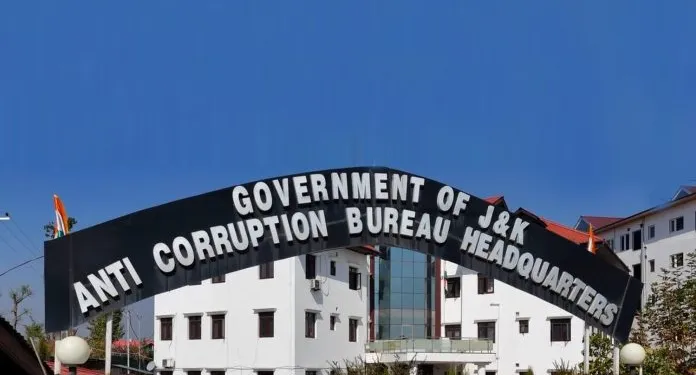
JAMMU, Apr 5: The Anti-Corruption Bureau (ACB) on Sunday said that it has trapped and arrested a Junior Engineer of Jammu Power Distribution Corporation Limited (JPDCL) in Katra for allegedly demanding and accepting a bribe of ₹75,000.

An official spokesperson said that a case FIR No. 07/2026 under Section 7 of the Prevention of Corruption Act, 1988 was registered against the accused, identified as Anirudh Sharma, son of Ashwani Kumar Sharma, a resident of Janipur, Jammu, posted as JE in Sub Division JPDCL (PDD) Katra.

The accused had allegedly demanded illegal gratification from a complainant for replacement of an electric meter and reduction of the monthly electricity bill. Unwilling to pay the bribe, the complainant approached the ACB for legal action.

Following the complaint, a discreet verification was conducted, which confirmed the demand for bribe. Subsequently, a formal case was registered at Police Station ACB Udhampur and investigation was initiated.

During the course of investigation, a trap team headed by a Deputy Superintendent of Police was constituted. The team successfully laid a trap and caught the accused red-handed while demanding and accepting ₹75,000 as the first instalment of the bribe from the complainant in the presence of independent witnesses.

The accused was arrested on the spot after following due legal procedures, and the bribe amount was recovered from his possession. A search was also conducted at his residence in Janipur, Jammu, in the presence of a Magistrate.

Further investigation into the case is underway, the spokesperson added.

Railways Clarifies Inclusion of Andhra Stations in South Coast Railway Zone

0

Vinod Bhat

New Delhi: The Ministry of Railways has clarified concerns over the inclusion of certain stations in the newly created South Coast Railway Zone (SCoR), stating that the move will not affect the revenue or operations of the East Coast Railway (ECoR).

Headquartered in Visakhapatnam in Andhra Pradesh, the South Coast Railway Zone was recently formed to improve administrative efficiency and streamline passenger services. Questions had been raised regarding the transfer of stations located near the border with Odisha.

Railway officials clarified that the Palasa–Ichchapuram section, covering nearly 50 km, includes seven stations — Palasa, Summadevi, Mandasa Road, Baruva, Sompeta, Jhadupudi and Ichchapuram — all of which are located in Srikakulam district of Andhra Pradesh. None of these stations falls within Odisha’s territorial limits, the ministry said.

Officials further noted that these stations are small to mid-sized facilities primarily handling passenger traffic, and none serves as a major freight loading point. As a result, the revenue of East Coast Railway will remain unaffected.

The ministry also emphasised that freight trains passing through the section will continue operating normally, as railway freight movement is not restricted by zonal jurisdiction. Operations across railway zones remain seamless, ensuring uninterrupted movement of goods and passengers.

Authorities assured that there will be no disruption to train services due to the administrative change. Existing passenger services such as the Palasa–Bhubaneswar passenger train, Palasa–Cuttack passenger train and Ichchapuram–Cuttack MEMU will continue to run without any alteration in schedule, route or frequency.

Railway officials described the move as a technical revision aimed at improving operational efficiency in the Visakhapatnam railway division.

The modalities of the transfer, including staff deployment, are currently being finalised between East Coast Railway and South Coast Railway. The ministry said the service conditions and interests of railway employees will be fully protected in accordance with established norms.

The government also reiterated its commitment to strengthening railway infrastructure in Odisha, citing record capital expenditure on rail expansion, station modernisation, introduction of Vande Bharat Express services, and the creation of the Rayagada Railway Division under East Coast Railway as evidence of continued support.