spot_imgspot_img
spot_img
Home Blog Page 68

DGCA signs MoU with Gati Shakti Vishwavidyalaya to train youth in broad areas of Aviation, including Aviation Engineering and Aviation Management

0

Vinod Bhat

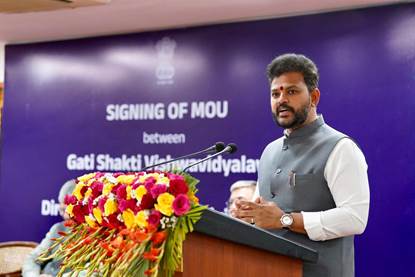
New Delhi: Directorate General of Civil Aviation (DGCA) and Gati Shakti Vishwavidyalaya (GSV) have signed an MoU with an objective of sharing/enhancing of knowledge, skills relevant to the scientific, technological, and management aspects in the broad areas of Aviation, Aviation Engineering and Aviation Management. It was signed by DGCA Shri Faiz Ahmed Kidwai and Vice Chancellor of GSV Prof Manoj Choudhury in the presence of Minister of Civil Aviation Shi Kinjarapu Rammohan Naidu and Minster of Railways, Information & Broadcasting, and Electronics and Information Technology Shri Ashwini Vaishnaw. Secretary, Civil Aviation Shri Samir Kumar Sinha, Chairman Railway Board Shri Satish Kumar and other senior officials from DGCA, Railways and GSV were also present during the occasion.
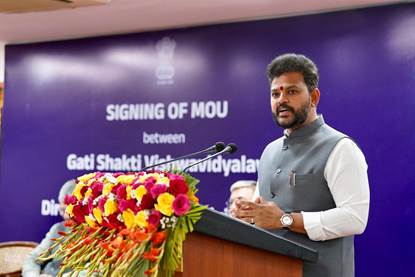
Speaking on the occasion, Shi Kinjarapu Rammohan Naidu said, “On a very historic MoU that we have signed between Gati Shakti and DGCA, I would first like to congratulate both the units for being the foundation of one of the most important MoUs that is going to transform the overall aviation sector in terms of the workforce that we are trying to build for tomorrow,” adding, “Under the visionary leadership of our Prime Minister Shri Narendra Modi, we have witnessed tremendous success in the last 12 years. Especially what started as the mantra “hawai chappal se hawai jahaj ka safar”, where we wanted aviation to be not just an exclusive sector for travel but an inclusive sector for travel.”

The primary objective of this MoU is to promote quality manpower for the aviation and MRO sector through an undergraduate degree in Aviation Maintenance Engineering (AME) by enhanced industry-academia partnerships. The curriculum shall be implemented from the upcoming academic year 2026-27 (August 2026) onwards. In opening remark Hon’ble Minister of Civil Aviation addressed the gathering saying that signing of this MoU is a historic moment. Both GSV and DGCA will work together and collaboratively design a future-ready three-year B.Sc. (AME) curriculum that seamlessly integrates academic depth, regulatory compliance, and industry-aligned competencies to power India’s next-generation MRO. In the MoU, it has also been proposed that GSV shall also work with DGCA as its research / knowledge partner in the field of Sustainable Aviation Fuels (SAF), Aircraft Maintenance, Parts Manufacturing and its integration. GSV will also support in the capacity building and training of other DGCA officers.
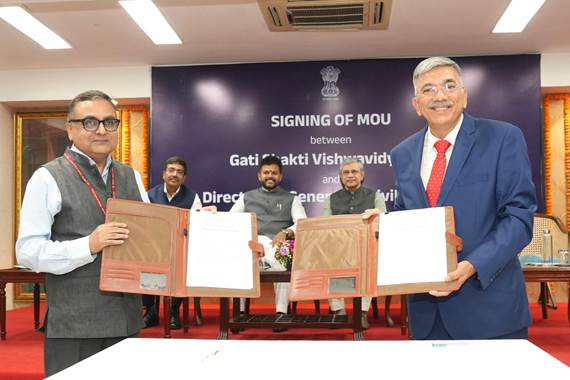
Speaking about the future of aviation sector in the country, the Minister said, “The most important part in the aviation sector is how well we are able to create an aviation manufacturing ecosystem in the country, and this is something we have focused on. We have seen tremendous success in the last 5 years, especially in terms of MROs, which have increased from around 160 to more than 240.”

Shri Shi Kinjarapu Rammohan Naidu further elaborated, “We always talk about the demand India is creating in aviation. It is a very huge figure—we have around 1700 aircraft on order, which itself gives you the picture of nearly 2X of the current fleet. These aircraft are going to take few years to come into our airspace. Once the whole ecosystem is built, we may have up to 3,000 aircraft in our airspace by, probably, 2036.” He said that by then, all these aircraft must be supported by the right workforce. The requirement for pilots in the next 10 years is going to be around 10,000 to 12,000. Currently, many pilots prefer to do their training outside and then come back to India.

Speaking about achieving Viksit Bharat by 2047, the Minister said, “By 2047, we aim to become a developed country, and for that, we must be self-reliant. We want to see an Atmanirbhar Bharat—where we make in India and train in India. All these components, when combined together, are what this MoU is going to focus on.”

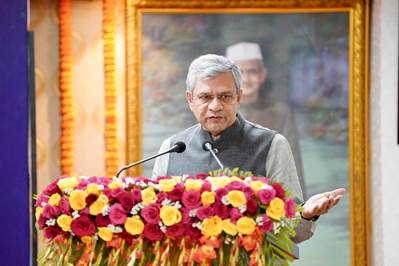
In closing remark Shri Ashwini Vaishnaw reiterated that the GSV has already earned its worldwide reputation and entered in collaboration with sixty two industry partners to produce industry ready professionals. He also called upon to establish a centre of excellence for precision manufacturing engineering in GSV to support the initiative of Viksit Bharat.
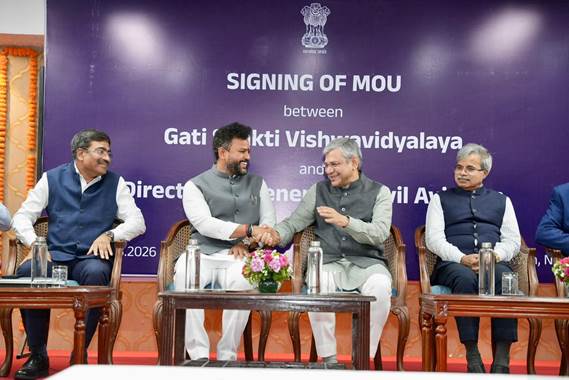
This MoU will establish structured bridge between regulation, academia, and industry. While DGCA continues to set licensing standards under CAR-66 and CAR-147 frameworks, GSV shall function as a national academic anchor for curriculum innovation, instructor development, research integration, and industry-linked apprenticeship models. By embedding hands-on MRO training, simulation labs, OEM partnerships, and competency-based learning pathways into AME education, the GSV- DGCA collaboration shall create a future-ready workforce capable of supporting India’s expanding airline fleets and positioning the country as a competitive global MRO destination not only for aircraft maintenance but also for aircraft manufacturing.
Baramulla Admin Sets Two-Month Deadline to Rehabilitate Terror Victims’ Families

0

Tauseef Ahmad

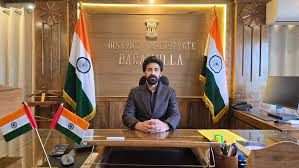
Baramulla, Mar 30: Authorities in north Kashmir’s Baramulla district on Monday said efforts are underway to ensure rehabilitation and welfare support for families affected by terrorism through employment, self-employment schemes and targeted government assistance.

Speaking with the media, Deputy Commissioner Baramulla, Syed Fakhruddin Hamid, said the initiative is being implemented under the guidance of Manoj Sinha with the support of volunteers from Save Youth Save Future.

Speaking after a district-level interaction programme with affected families, Hamid said the process began nearly a year ago across districts in Jammu and Kashmir to identify and address the needs of terrorism victims and their dependents.

“Through this initiative, we are directly interacting with the families to understand their issues, including employment opportunities, education for children, and other welfare concerns,” he said.

Officials from both civil and police administration participated in the interaction, where families presented their grievances and requests for support. The administration said several cases related to employment assistance, financial aid and dependency benefits have already been addressed over the past year.

He also said some cases require policy-level intervention, while others need awareness about available government schemes.

He added that authorities have decided to streamline self-employment assistance by providing facilities such as loans, including those under the Pradhan Mantri Mudra Yojana, training and collateral support through a single-window mechanism.

“While one member in some families may receive employment, other members can be supported through self-employment schemes. We discussed these measures in detail with the families,” he said.

The deputy commissioner said the administration has set a two-month timeline to resolve remaining pending cases and aims to achieve 100 percent coverage of eligible families under rehabilitation and support schemes.

He added that similar outreach programmes will continue at sub-regional levels to ensure that no affected family is left out of government assistance.

Govt Identifies 1,810 Water Bodies in J&K; Conservation Measures Underway

0

Dredging, Water Quality Monitoring Underway at Wular Lake

TAUSEEF AHMAD

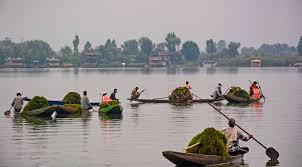
Srinagar, May 30: The Jammu and Kashmir government on Friday informed the Legislative Assembly that 1,810 water bodies have been identified across the Union Territory, as it outlined a series of conservation measures to protect wetlands and lakes from pollution and environmental degradation.

The information was provided in response to a starred question raised by MLA Ali Mohammad Sagar in the House.

In its written reply, the Forest, Ecology and Environment Department said the identified water bodies include major lakes such as Dal Lake, Wular Lake, Anchar Lake, Khushal Sar and Hokersar Wetland.

The government said 554 water bodies have an area greater than one hectare, while 1,256 are smaller than one hectare, indicating the extensive network of wetlands and small water bodies spread across the region.

Replying to the second part of the question regarding steps taken to protect these water bodies, the department said several conservation and management measures are being implemented for notified wetlands. It added that five wetlands in Jammu and Kashmir have been designated as Ramsar Sites of international importance.

According to the government, major conservation interventions include de-weeding of wetlands, strengthening and construction of embankments, restoration of hydrological channels, development of patrolling infrastructure, installation of trash barriers and regular removal of excessive aquatic vegetation.

The reply also highlighted efforts to improve the ecological health of Wular Lake through the Wular Conservation and Management Authority (WUCMA). Measures undertaken include closure of dumping sites near the lake, solid waste management initiatives, awareness campaigns, boundary demarcation, lake restoration through dredging, removal of willow plantations and regular water quality monitoring.

The government further informed the House that the Ecology, Environment and Remote Sensing wing has started detailed mapping of wetlands larger than one hectare using remote sensing data, followed by ground verification and boundary demarcation in coordination with revenue and wildlife departments. So far, 170 wetlands have been mapped and uploaded to the National Wetland Portal.

Financial support for conservation works has been provided under various schemes, including ₹900 lakh under the National Plan for Conservation of Aquatic Ecosystems and ₹14,647 lakh under the UT Capex budget for the conservation and management of Wular Lake, besides funds allocated for soil and water conservation works.

Tea Unit Sealed Over Viral Hygiene Shock

0

KD NEWS SERVICE

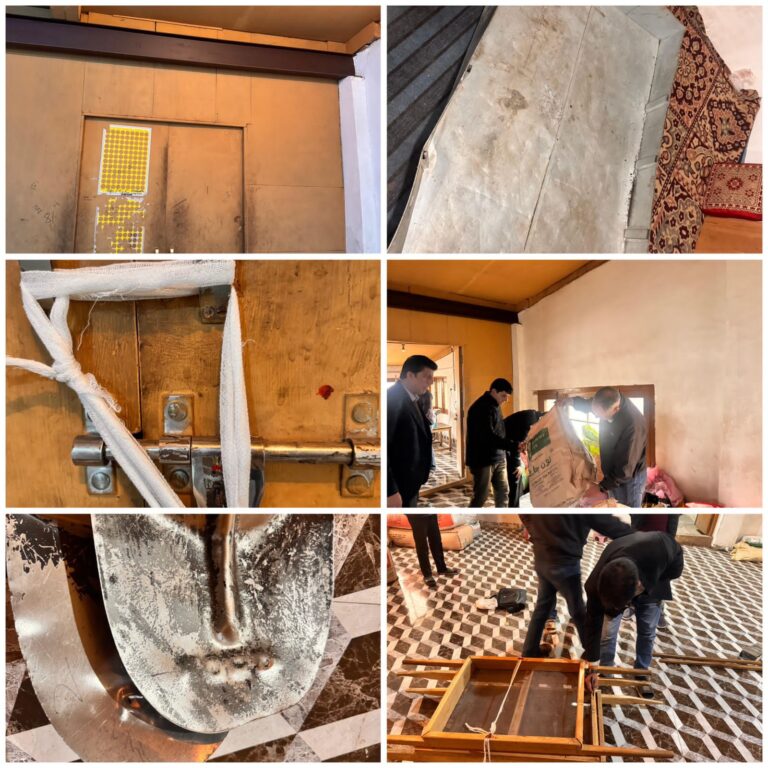
SRINAGAR, March 30: Taking swift cognizance of a viral video that triggered widespread public concern, the Food Safety Department on Monday launched a prompt enforcement action against a tea blending unit found operating under highly unhygienic conditions.

The video, which has been widely circulated across social media platforms over the past few days, purportedly showed workers engaged in tea blending practices in a manner that raised serious questions about food safety standards. The footage appeared to depict tea leaves being handled and processed directly on the floor without adherence to even basic hygiene protocols, sparking outrage among consumers.

Acting without delay, a team of Food Safety Officers carried out a raid at the identified location linked to the video. Officials said that upon inspection, the allegations highlighted in the viral clip were found to be largely accurate and deeply concerning.

“During the inspection, it was observed that tea blending and packing activities were being conducted on the floor in an extremely unhygienic environment,” a senior official from the department stated. “Such practices are in gross violation of food safety norms and pose a direct threat to public health.”

The inspection team further noted that the unit was using non-food-grade equipment during the blending process. Experts warn that such materials can contaminate food products with harmful substances, increasing the risk of foodborne illnesses and long-term health complications among consumers.

In view of the serious violations, authorities immediately sealed the processing area where the tea blending operations were being carried out. The closure will remain in force until further orders, pending a detailed investigation and compliance review.

To ascertain the quality and safety of the product being distributed, the department has collected two samples of tea from the premises—one loose and one packaged. These samples have been sent to a laboratory for detailed analysis, and further action will be determined based on the test results.

Officials reiterated that the Food Safety Department maintains a zero-tolerance policy towards violations that endanger public health. They emphasized that all Food Business Operators (FBOs) are legally bound to comply with hygiene and safety standards as laid down under the Food Safety and Standards regulations.

“All FBOs are directed to strictly adhere to prescribed hygiene practices, ensure the use of food-grade equipment, and maintain clean processing environments,” the official added. “Any deviation from these norms will invite stringent action under relevant provisions of the law.”

The department has also urged the public to remain vigilant and report any such violations to authorities, assuring that every complaint will be taken seriously and acted upon promptly.

The incident has once again highlighted the critical need for regular inspections and strict enforcement to safeguard consumer health, especially in food processing sectors that directly impact daily consumption.

Erratic weather to continue in Kashmir till April 10, says MeT Director

0

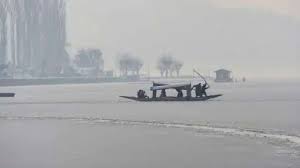
Srinagar, March 30: Director Meteorological Department Dr Mukhtar Ahmad on Monday said Kashmir is expected to witness erratic weather conditions till April 10, with multiple western disturbances set to impact the region.

The forecast assumes significance for agriculture and daily life, as intermittent rainfall and changing temperatures are likely over the next 10 days.

Ahmad said a western disturbance is approaching on April 3 and 4, which will bring scattered to widespread rainfall across the Valley.

He added that another western disturbance is expected to affect the region from April 7 to 9, likely resulting in a more widespread spell of rain.

“There will be intermittent weather activity till April 10 due to back-to-back western disturbances,” he said.

The MeT Director said temperatures are expected to rise from Tuesday, providing a brief window of relatively stable weather conditions before fresh disturbances set in.

He advised farmers to continue routine agricultural activities but cautioned against irrigation during this period in view of the expected rainfall.

“Farmers can carry out their work, however irrigation should be avoided,” Ahmad said.

Weather data indicates fluctuating conditions with spells of rain and thunderstorms likely during key dates, particularly around April 3–4 and again from April 7 onwards.

Such patterns are typical during seasonal transitions, when western disturbances frequently affect the Himalayan region, bringing precipitation and cloud cover.

Western disturbances are periodic weather systems originating from the Mediterranean region, often bringing rain and snow to north India, including Jammu and Kashmir.

Their increased frequency during this period can lead to unstable weather, impacting agriculture, transport and daily activities.

LG Sinha Notifies Detailed Secretariat Subordinate Service Recruitment Rules, 2026

0

Defines service structure, recruitment process, probation, reservation, seniority and cadre management under new framework

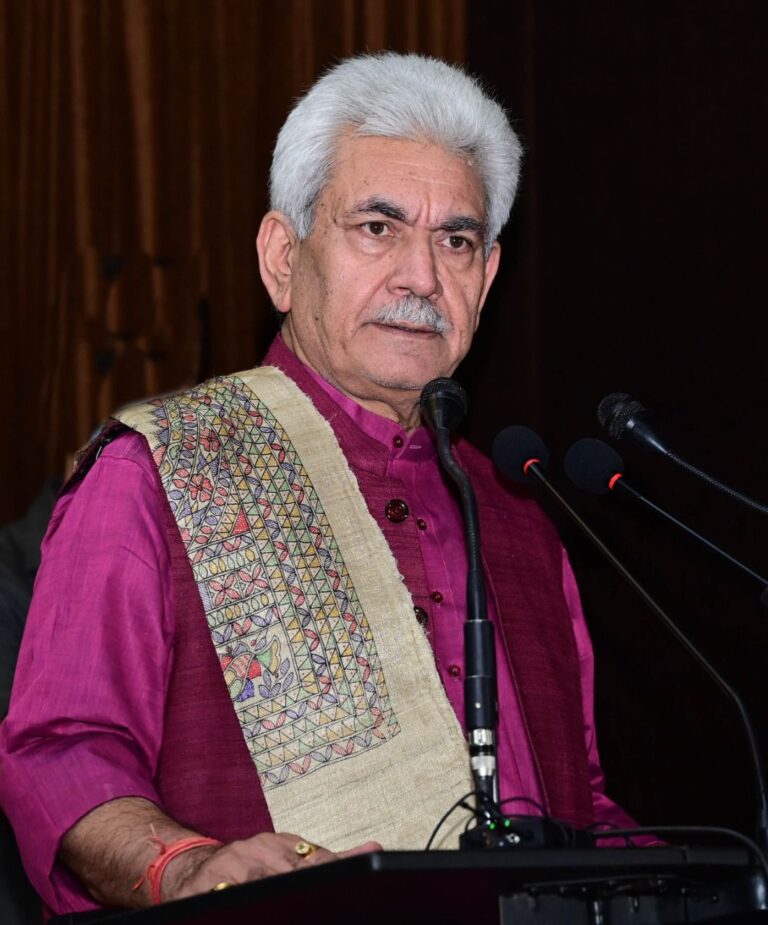
Jammu, Mar 30: The Jammu and Kashmir Lieutenant Governor Manoj Sinha has notified introducing the Jammu and Kashmir Secretariat (Subordinate) Service Recruitment Rules, 2026, establishing a comprehensive legal and administrative framework governing subordinate staff in the Civil Secretariat.

As per the notification, the rules have been framed under the proviso to Article 309 of the Constitution of India and shall come into force from the date of their publication in the Government Gazette.

The rules formally constitute the “Jammu and Kashmir Secretariat (Subordinate) Service” and provide for the inclusion of existing employees holding substantive posts within the sanctioned cadre, subject to eligibility conditions. It clarifies that only those holding regular posts under competent authority will be considered, excluding ad-hoc, deputation, or stop-gap arrangements.

The notification elaborates key definitions including “Government,” “Union Territory,” “Cadre,” “Post,” “Administrative Department,” and “Board,” with the Jammu and Kashmir Services Selection Board designated as the primary recruitment agency. It further states that undefined terms shall carry meanings as per the Jammu and Kashmir Civil Services Rules and Regulations, 1956.

Regarding cadre strength and composition, the Government will determine the number and nature of posts as specified in Schedule-I, with the provision to create temporary posts as required. A mandatory review of cadre strength and composition will be undertaken every five years or earlier if deemed necessary.

The rules clearly outline that appointments to the service shall be made either through direct recruitment or by promotion. All vacancies under direct quota will be referred to the Jammu and Kashmir Services Selection Board, while promotions will be processed through the Departmental Promotion Committee in accordance with existing rules.

Eligibility criteria for appointment and promotion have been prescribed in Schedule-II, making it mandatory for candidates to fulfil qualifications and other recruitment conditions as specified.

The notification mandates a probation period of two years for direct recruits, during which their performance and confirmation will be governed by the Jammu and Kashmir Civil Services (Classification, Control and Appeal) Rules, 1956. Pay and service conditions shall be regulated under the Civil Services Regulations and other applicable rules.

Reservation in appointments will be implemented strictly in accordance with the Jammu and Kashmir Reservation Act and the rules in force.

Further, all appointees—whether through direct recruitment or promotion—will be required to undergo prescribed training and pass departmental examinations during the probation period as determined by the Government.

The rules also provide for maintenance of seniority strictly as per the Civil Services Rules, while matters not specifically covered shall be governed by general service regulations applicable to UT employees.

In case of any ambiguity or interpretation issues, the matter will be referred to the General Administration Department, whose decision shall be final and binding.

The notification also includes a repeal and savings clause, stating that all previous corresponding rules stand repealed; however, any appointments or actions taken under earlier rules will be deemed valid under the new framework.

The introduction of these rules is aimed at streamlining recruitment, ensuring transparency, and strengthening administrative functioning within the Civil Secretariat.

Kruhen Cultural Forum Sets Revival in Motion, April 12 Meet Announced

0

KD NEWS SERVICE

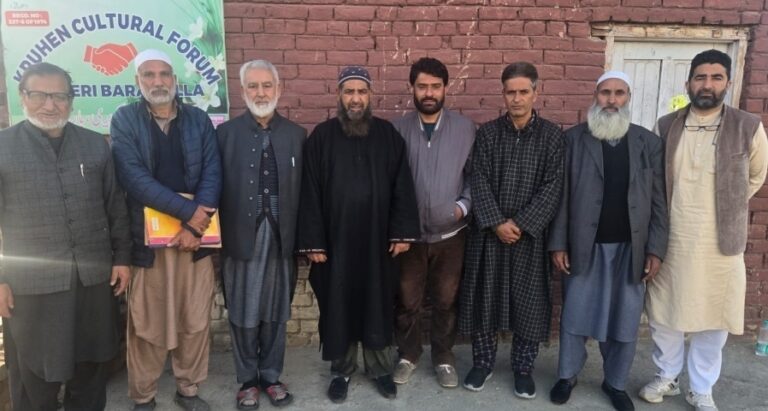
SRINAGAR, March 30: Signalling a renewed push to revive literary vibrancy in North Kashmir, the Kruhen Cultural Forum Kreeri on Sunday laid out an ambitious roadmap to reinvigorate its activities, while announcing a grand literary conference scheduled for April 12.

The crucial meeting of the Forum’s Executive Body was held at its head office in Andrabi Complex, Kreeri, where members engaged in extensive deliberations on rebuilding the organisation’s institutional strength and reclaiming its cultural relevance. The session was presided over by President Syed Shamim Ahmad Shamim, with General Secretary Syed Sharief Hussain Qadri conducting the proceedings.

In a meeting marked by reflection and forward-looking resolve, participants stressed the need to revitalise literary engagement in the region, strengthen organisational mechanisms, and reconnect with writers, scholars, and cultural activists. The Forum, once known for its vibrant literary interventions, resolved to adopt a more dynamic and structured approach to restore its past glory.

As a major outcome, the Forum announced the आयोजन of a one-day literary conference on April 12, 2026, at Government Degree College Kreeri. The event, envisioned as a significant cultural gathering, will be held in two sessions and is expected to bring together noted literary figures, academics, and young writers from across the Valley.

Adding a moment of prestige to the occasion, the Forum will institute a new literary honour, “Sharaf-e-Kruhen,” during the inaugural session. The award, aimed at recognising excellence and lifelong contribution to literature, will in its first edition be conferred posthumously upon eminent scholar and litterateur late Syed Manzoor Hashmi, acknowledging his profound impact on the literary landscape.

The meeting also saw the formal induction of new members, including Mumtaz Rashid, Shaukat Tilgami, Dilbar Wani Gami, Syed Tasaduq Hussain Gohar, and Ghulam Hassan Darvesh, a move seen as part of the Forum’s efforts to broaden its base and infuse fresh energy into its functioning.

To strengthen ties with literary institutions, a representative delegation was constituted for Adabi Markaz Kamraz. The delegation, comprising SGM Andrabi, Mumtaz Rashid, Shaukat Tilgami, and Sarwar Hashmi, will be led by Executive Member Syed Jahangir Bukhari.
In a parallel step towards reviving its intellectual output, the Forum constituted an editorial board to expedite the publication of its long-pending annual journal “Anhaar.” The body also announced the launch of a new literary platform, “Babul Murad,” aimed at providing space to emerging voices and nurturing young talent in the field of literature.

Concluding the session, Vice President Syed Ghulam Mohiuddin Andrabi expressed satisfaction over the deliberations, describing the meeting as a “turning point” for the Forum. He reiterated the organisation’s commitment to preserving the region’s literary heritage while fostering a culture of creativity, dialogue, and intellectual exchange.
With a clear roadmap in place and renewed enthusiasm among its members, the Kruhen Cultural Forum now appears poised to script a fresh chapter in Kashmir’s literary journey.

Government Push Spurs Fisheries Start-up Boom in India

0

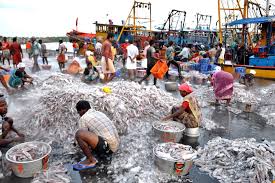
New Delhi, Mar 30: India’s fisheries sector contributes significantly to the country’s food security, serving as the backbone of livelihoods across coastal, inland, and rural communities. This traditionally-driven sector is now attracting a start-up ecosystem while driven by innovation and entrepreneurial talent.

Since 2015, the authorities have invested INR 39,272 crore through various initiatives and schemes to promote sustainable growth in Fisheries and Aquaculture. This expansion has led to the emergence of over 300 fisheries start-ups leveraging technologies such as blockchain, IoT (Internet of Things), and AI (Artificial Intelligence) to enhance productivity, ensure traceability, and improve value chain efficiencies.

To address sectoral challenges, key problem areas have been identified, including development of nutritious and affordable aquaculture feeds from sustainable sources, AI-powered precision farming, resilient and inclusive seafood supply chains, waste minimization, and integration of traditional knowledge with modern technology.

With the reliance of technology infusion, the fisheries start-up landscape is getting transformed. By increasing its efficiency, sustainability, and market access. Start-ups are integrating IoT solutions enabling water-quality monitoring, pond-health management, and real-time analytics, while AI and ML (machine learning) tools support disease prediction, biomass estimation, feed optimization, and decision-making.

Besides the other influx of innovations such as Recirculatory Aquaculture Systems (RAS), biofloc technology, and sensor-based farm management systems are supporting high-density and resource-efficient farming.

Notably at the post-harvest stage, the government of India is making efforts to strengthen cold-chain logistics, solar-powered chilling units, smart ice production, and AI-based quality grading systems to reduce spoilage and maintain export standards. Emerging areas such as seaweed farming technologies, genetic improvement tools, low-impact fishing gear, and satellite-based advisory systems are further expanding the innovation landscape.

Not to mention the drone technology for how it is now gaining traction for pond mapping, water-quality assessment, biomass estimation, and early detection of environmental issues. A pilot project has been commissioned to develop drone-based live fish transport, with a specialised drone designed to carry up to 100 kg over short distances, improving efficiency in aquaculture logistics.

Promoting innovation and accepting modernity, the Department of Fisheries has organised Fisheries Startup Conclaves, providing a platform for collaboration and showcasing solutions. The Fisheries Startup Grand Challenge was launched to identify and support start-ups addressing productivity, sustainability, and market access. Selected start-ups receive grants, mentorship, and incubation support, along with pilot implementation opportunities and industry linkages. A second edition has been introduced to further strengthen the ecosystem.

Furthermore, a knowledge-building lecture series was also undertaken by the Department of Fisheries titled Matsya Manthan, which has successfully initiated a dialogue among experts, researchers, and practitioners on emerging technologies and sustainable practices. At least eleven sessions reportedly have been conducted to support evidence-based policy and innovation. Five fisheries business incubation centres have also been established to provide mentorship and training for start-ups, supporting the development of viable business models.

These initiatives are collectively bringing a dynamic and future-ready fisheries start-up ecosystem, with innovation, technology, and policy support working together to drive sustainable growth in the sector.

Crop Residue-Based Bio-Bitumen to Reduce Imports, Curb Pollution: Jitendra Singh

0

Vinod Bhat

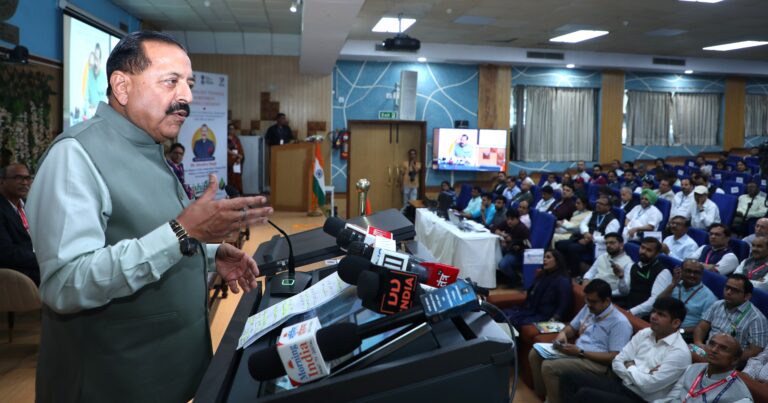
New Delhi: Union Minister of State (Independent Charge) for Science & Technology, Earth Sciences, and MoS PMO, Personnel, Public Grievances, Pensions, Atomic Energy and Space, Dr. Jitendra Singh today said that crop waste converted to bio-butamen can save around Rs 40,000 cr import annually for India. This has been made possible using indigenous bio-bitumen technology developed by CSIR–Central Road Research Institute (CRRI) New Delhi and CSIR–Indian Institute of Petroleum (IIP), Dehradun, he added.

The Minister said that even partial substitution of conventional bitumen with bio-bitumen will significantly cut import dependence, strengthen economic resilience, and ensure that infrastructure development remains insulated from global supply disruptions.

Dr Jitendra Singh was addressing a Technology Transfer event organised by the Council of Scientific and Industrial Research (CSIR) for large-scale industry adoption of the indigenously developed “Bio-Bitumen from Lignocellulosic Biomass” technology. The event was also graced by Union Minister for Agriculture & Farmers Welfare Shri Shivraj Singh Chouhan, along with Director General, CSIR & Secretary, DSIR Dr. N. Kalaiselvi, senior officials, scientists, industry representatives, and stakeholders.

Dr. Jitendra Singh described the initiative as a transformative step that converts a major environmental challenge into a national economic opportunity. He said that India produces nearly 600 million tonnes of crop residue annually, much of which is burnt, leading to severe air pollution. At the same time, India consumes about 88 lakh tonnes of bitumen every year, nearly 50–58% of which is imported at a cost of ₹25,000–30,000 crore. He said this technology bridges both challenges simultaneously by converting agricultural waste into a valuable resource for road construction.

Calling it a true example of “Waste to Wealth”, Dr. Jitendra Singh said that the concept of waste is rapidly becoming irrelevant in a modern, innovation-driven economy. “There is no such thing as waste, every resource has value if harnessed through science and technology,” he said, adding that agricultural residue like paddy straw can now become a source of income for farmers instead of a cause of pollution.

The Minister said the initiative reflects the vision of Prime Minister Narendra Modi, who had emphasised self-reliance and reduction in import dependence as early as 2014. He said India’s preparedness during the COVID pandemic, including indigenous vaccine development and seamless Direct Benefit Transfer systems, demonstrated how early policy direction translates into national strength during crises. He added that similar foresight is now driving India’s transition towards sustainable, low-carbon infrastructure.

Highlighting the multi-dimensional impact of the technology, Dr. Jitendra Singh said it delivers on multiple national priorities simultaneously, reducing pollution from stubble burning, lowering import bills, supporting farmers with additional income, promoting circular economy, and advancing India’s Net Zero commitments. He also pointed out that the success of this initiative reflects strong convergence between ministries, institutions, and industry, demonstrating the government’s approach of breaking silos and fostering public-private partnerships.

Referring to parallel innovations, the Minister cited examples such as conversion of used cooking oil into biofuel and utilisation of industrial waste like steel slag in road construction, noting that these efforts are creating a new economic ecosystem where waste materials are monetised. He added that incentivising farmers to supply crop residue instead of burning it could be a game-changing step in tackling air pollution.

Emphasising the importance of outreach, Dr. Jitendra Singh said scientific innovations must be communicated to stakeholders in formats they easily understand, particularly through digital platforms. He noted that initiatives like “One Week One Lab” have played a key role in connecting scientific institutions with industry, farmers, and the public.

Union Agriculture Minister Shri Shivraj Singh Chouhan described the initiative as a historic convergence of agriculture, science, and industry. He said the technology provides a practical and scalable solution to stubble burning while increasing farmers’ income and reducing environmental damage. He added that in the current global scenario, self-reliance in critical sectors like infrastructure is essential, and innovations like bio-bitumen will play a crucial role in achieving that goal.

Director General, CSIR & Secretary, DSIR Dr. N. Kalaiselvi highlighted the rapid pace of adoption of the technology, stating that within a short span, multiple industries have already taken it up, with production and field implementation underway. She said the technology marks a paradigm shift from petro-based binders to sustainable bio-based alternatives. She further noted that the same agricultural biomass can also be utilised for applications such as pest management, advanced carbon materials, and energy storage, demonstrating its wide industrial potential.

The bio-bitumen technology utilises agricultural biomass such as rice straw, wheat straw, and other crop residues as feedstock through a thermochemical (pyrolysis) process to produce a renewable binder. It can replace up to 30% of conventional bitumen without compromising performance and has demonstrated enhanced durability along with significantly lower carbon emissions. The technology has already seen successful trial applications, including construction of road stretches, and is now moving towards large-scale deployment.

CSIR officials said the organisation will continue to work closely with industry partners, the Ministry of Road Transport & Highways, and other stakeholders for standardisation, field validation, and capacity building to enable nationwide adoption.

Positioning India at the forefront of sustainable infrastructure innovation, the initiative is expected to transform road construction practices by making them greener, more cost-effective, and future-ready, while contributing to the larger vision of Atmanirbhar Bharat and Viksit Bharat 2047.

President Droupadi Murmu to Visit Bihar, Karnataka on March 31–April 1

0

Vinod Bhat

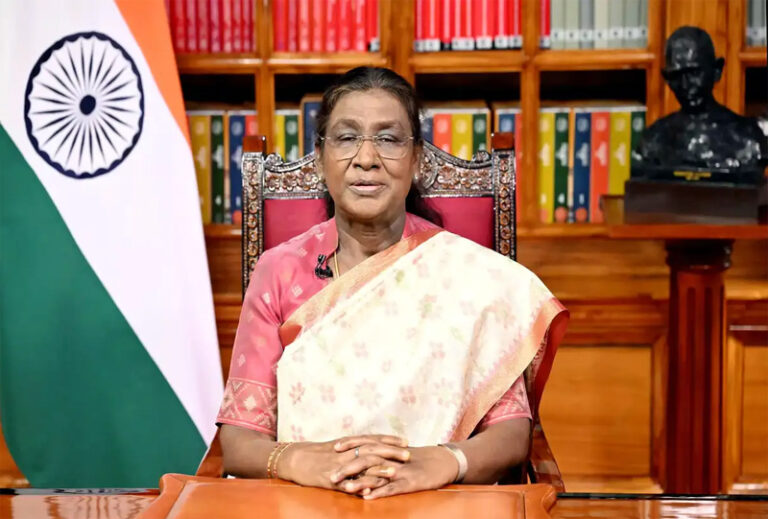
New Delhi: The President of India Smt Droupadi Murmu will visit Bihar and Karnataka from March 31 to April 1, 2026.

On March 31, the President will grace the convocation ceremony of Nalanda University at Rajgir, Bihar.

On April 1, the President will grace the 119th birthday and Guruvandana of Dr Sree Sree Sivakumara Mahaswamiji at Sree Siddaganga Math, Tumakuru, Karnataka.