spot_imgspot_img
spot_img
Home Blog Page 78

Delivery of domestic LPG cylinders remains normal; Panic Bookings reduce

0

Vinod Bhat

New Delhi: In view of the evolving situation in West Asia, the Government of India continues to take proactive steps to ensure preparedness and response across critical sectors. Updates on measures relating to energy supply, maritime operations, and assistance to Indian nationals in the region are outlined below.

Energy Supply and Fuel Availability

In view of the closure of the Strait of Hormuz, steps have been taken to ensure stable availability of petroleum products and LPG across the country. The current position is as follows:

Crude/Refineries

· All refineries are operating at high capacity, with adequate crude inventories in place. The country is also maintaining sufficient stocks of petrol and diesel.

· Domestic LPG Production from refineries has been maximised.

Retail Outlets

· No cases of fuel dry outs have been reported at any of the ROs by the Oil Marketing Companies. The Government reiterates its advice to the public not to resort to panic buying, as adequate stocks of petrol and diesel are available and supplies are being maintained regularly.

Natural Gas

· Priority sectors have been protected for their supplies incl. 100% supply to D-PNG and CNG-Transport. Supplies to industrial & commercial consumers connected on grid is at 80% of their average consumption.

· CGD entities have also been advised by Govt. of India to prioritize PNG connections for commercial establishments such as restaurants, hotels and canteens across all their Gas, to address concerns regarding the availability of commercial LPG.

· CGD Companies like IGL, MGL, GAIL Gas and BPCL have offered incentives for taking domestic and Commercial PNG connections.

· CGD entities have been directed by PNGRB to shorten the timeline between the submission of applications and the commencement of gas supply to consumer households.

· Govt. of India vide letter date 16.03.2026 has requested Govt. of States/UTs to expedite approval of applications required for expansion of CGD network.

· Govt. of India vide letter dated 18.03.2026 has offered all States/UTs additional 10% allocation of commercial LPG to States provided they can help in long term transition from LPG to PNG.

· In addition, the Govt. of India vide letter dated 19.03.2026 have requested all concerned Central Govt. Ministries-

Ø To issue necessary directions to the concerned Department/Bodies for immediate fast tracking and disposal of all pending and new permissions related to CGD infrastructure.

Ø All Central Govt. establishments/Colonies/Officers/Canteens may also be advised to switch over to PNG wherever the same is available.

· Govt. of India vide letter dated 20.03.2026 has requested all Central Govt. Ministries to undertake a comprehensive assessment of potential demand for PNG connections in establishments under various Ministries/Departments of the Govt. of India and to designate a nodal officer from each Ministry/Department to coordinate this exercise.

· In response to above Govt. of India letter, Petroleum and Explosive Safety Organisation (PESO) has advised all its offices to dispose off CGD applications on priority i.e., within 10 days of receipt.

· Commercial LPG consumers in the major cities and urban area have been requested to switch to PNG.

LPG

· Supply of LPG is still a concern in view of prevailing geopolitical situation.

Domestic LPG Supply:

· No reported dry-out at LPG distributorships.

· Majority of the Deliveries are happening via Delivery authentication code (DAC).

· Panic bookings have reduced.

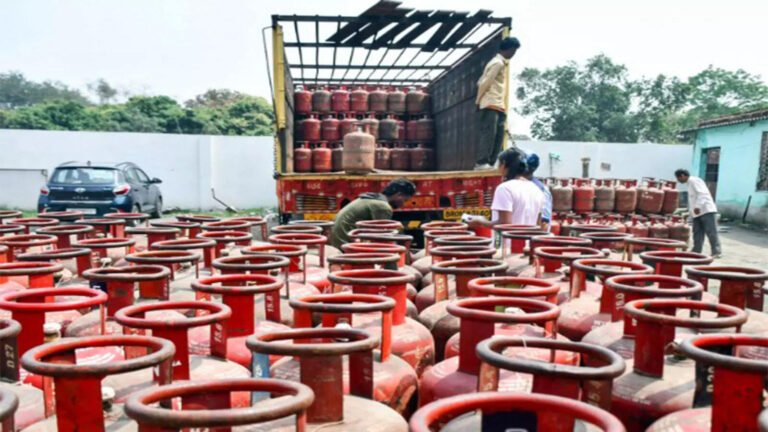
· Delivery of Domestic LPG Cylinders is normal.

Commercial LPG supply:

· Government had already restored Partial Commercial LPG supply (20%) to consumers. Further, Govt. of India vide letter dated 18.03.2026 had proposed to allocate additional 10% of Commercial LPG to States/UTs based on ease of doing business reforms for PNG expansion.

· Govt. of India vide letter dated 21.03.2026 has allowed another 20% allocation of commercial LPG to States, which would take overall allocation to 50% (incl. 10% allocation based on ease of doing reforms for PNG expansion). This additional 20% allocation shall be given on priority to sectors like restaurants, dhabas, hotels, industrial canteens, food processing/dairy, subsidised canteens/outlets run by State Govt. or local bodies for food, community kitchens, 5 Kg FTL for migrant labourers.

· 20 States/UTs have issued orders to allocate the Non-domestic LPG in line with the guidelines issued by the Govt. of India. For rest of the States/UTs, PSU Oil Marketing companies are releasing Commercial LPG cylinders. A total of around 15,440 MT has been uplifted during last 8 days by commercial entities in the States/UTs.

· Educational Institutions and Hospitals have been prioritised and around 50% of the total commercial LPG allocation is going to these sectors.

Kerosene

· Additional allocation of 48000 KL of Kerosene over and above the regular allocation has been made to all the States/UTs.

· States/UTs have been requested to identify locations in districts for distribution of kerosene.

· 15 States/UTs have issued SKO allocation orders. Further, Himachal Pradesh and Ladakh has communicated that there is no SKO requirement in the State/UT. As on date, 17 States/UTs are yet to issue SKO allocation orders.

Role of State/UTs Governments

· Under Essential Commodities Act, 1955 and LPG Control Order, 2000, State Govt. are empowered to act against any hoarding and black marketing. Govt. of States/UTs have to play a primary role in monitoring and regulating supply situation of essential commodities including Petrol, Diesel and LPG.

· Govt. of India vide letter dated 13.03.2026 and 18.03.2026 has requested all States/UTs –

Ø To maintain strict vigilance so as to curb hoarding, black marketing, diversion of domestic LPG and other malpractices.

Ø To take stringent action against violators under the provisions of Essential Commodities Act, 1955, Petroleum Act, 1934, Petroleum Rules 2002, Motor Spirit and HSD order 2005 and other applicable laws.

Ø To evolve appropriate distribution methodologies for commercial LPG, keeping in view local priorities and requirements.

Ø To issue public advisories to prevent panic buying, encourage judicious use of LPG and dissemination of accurate information.

· 32 States/UTs have setup control rooms. Many of the States/UTs are doing daily press briefs also.

· 32 States/UTs have setup District Level Monitoring Committee.

· All those States/UTs who have not setup Control rooms and District Monitoring committees are requested to do so on urgent basis.

Enforcement action

· Raids continue to be carried out in many of the States/UTs to check the hoardings and black marketing of LPG. About 3,500 raids have been conducted and more than 1200 cylinders have been seized in Bihar, Haryana, Karnataka, Tamil Nadu, Uttar Pradesh etc. yesterday.

· All the States/UTs govt. are requested to conduct regular raids so that black marketing and hoardings can be arrested.

· PSU OMCs officials have conducted surprise inspections at more than 1,800 RO and LPG distributorships across the country to ensure smooth supplies and to check any hoardings/black marketing cases.

Other Government Measures

· Despite this war situation, Government’s has given highest priority to Domestic LPG and PNG, along with high priority to hospitals and educational institutions.

· The Government has already implemented several rationalisation measures on both the supply and demand side, including enhancing refinery production, increasing the booking interval from 21 to 25 days in urban areas and up to 45 days in rural areas and prioritising sectors for supply.

· Alternate fuel options like Kerosene and coal have been offered to ease pressure on LPG demand. MoEFCC has already advised State Pollution Control Board for permitting the use of kerosene and coal as alternate use.

· Ministry of Coal has already issued order to Coal India and Singareni Coallieries to allot higher quantities to States for distributing coal to small, medium and other consumers.

· States have been advised to facilitate the new PNG connections for both domestic and commercial consumers.

Public Advisory

· Government is making all efforts to ensure availability and timely delivery of LPG cylinders to all households; citizens are advised to rely only on official sources and avoid rumours.

· Consumers are requested to avoid panic bookings, use digital modes for booking, and not visit LPG distributors, as home delivery is being ensured despite isolated instances of queues.

· Citizens are encouraged to use alternate cooking options such as PNG and electric/induction cooktops, and to adopt energy conservation practices in daily use.

Maritime Safety and Shipping Operations

Necessary measures have been put in place to safeguard Indian vessels and seafarers operating in the region. As per Ministry:

· Ministry of Ports, Shipping and Waterways is closely monitoring shipping movements, port operations and safety of Indian seafarers, while ensuring continuity of maritime trade.

· All Indian seafarers in the region are safe; no incident involving Indian-flagged vessels has been reported in the past 24 hours.

· 22 Indian-flagged vessels with 611 Indian seafarers remain in the western Persian Gulf; DG Shipping is monitoring the situation in coordination with ship owners, RPSL agencies and Indian Missions.

· DG Shipping Control Room is operational 24×7, having handled 3,730 calls and 7,058 emails so far, including 60 calls and 129 emails in the last 24 hours.

· Over 547 Indian seafarers have been safely repatriated, including 13 in the past 24 hours.

· Port operations across India remain normal with no congestion; State Maritime Boards have confirmed smooth functioning.

· The Ministry continues close coordination with MEA, Indian Missions and maritime stakeholders to ensure seafarer welfare and uninterrupted operations.

Safety of Indian Nationals in the Region

Indian Missions remain in touch with the community, providing assistance and issuing advisories, the Ministry informed. As informed by Ministry:

· Ministry of External Affairs continues to monitor closely the developments in the Gulf and West Asia region, with safety, security and welfare of the Indian community as the highest priority; a dedicated 24×7 control room remains operational, with regular coordination with States/UTs.

· Missions and Posts across the region are functioning round the clock, operating helplines, maintaining contact with Indian community organisations, issuing advisories, engaging with local Governments, and assisting seafarers, students, stranded nationals and short-term visitors.

· Since 28 February, over 3,50,000 passengers have returned from the region to India.

· Around 90 flights are expected to operate today from UAE; flights continue to operate from Saudi Arabia and Oman to India; with partial reopening of airspace, Qatar Airways is expected to operate around 9–10 non-scheduled commercial flights to India today.

· Kuwait airspace remains closed; Jazeera Airways has started flight operations to various destinations in India from Al Qaisumah Airport (AQI) in Saudi Arabia.

· Bahrain airspace remains closed; Gulf Air continues to operate special non-scheduled commercial flights from Dammam Airport of Saudi Arabia to India.

· In view of flight restrictions from Kuwait, Bahrain and Iraq, travel of Indian nationals is being facilitated via Saudi Arabia.

· Six Indian nationals have lost their lives and one remains missing; Missions in Saudi Arabia, Oman, Iraq and UAE are in touch with the concerned authorities regarding the missing Indian national and for early repatriation of mortal remains of the deceased Indian nationals.
Bharat Electricity Summit 2026 Concludes with Strong Global Participation, Actionable Outcomes, and Roadmap for a Resilient, Future-ready Power Sector

0

Vinod Bhat

New Delhi: The maiden edition of the Bharat Electricity Summit (BES) concluded successfully today, bringing together policymakers, global experts, industry leaders, investors, and innovators to deliberate on the future of the power sector and accelerate the global clean energy transition. The Summit witnessed wide-ranging discussions, high-level bilateral engagements, and significant business interactions, reinforcing India’s leadership in the global energy ecosystem.

The Summit witnessed an exceptional response, with over 35,000 exhibition attendees, 28 States / Union Territories, 200+ exhibiting companies including 80+ Start-ups, 6,000+ delegates, 300+ speakers, and 100+ conference sessions, reflecting its scale and global significance.

Drawing inspiration from the Prime Minister’s vision, India continues to advance rapidly towards achieving 500 GW of non-fossil fuel capacity by 2030, having already crossed the milestone of over 50% non-fossil capacity. Initiatives such as One Sun, One World, One Grid further underscore India’s commitment to global energy cooperation.

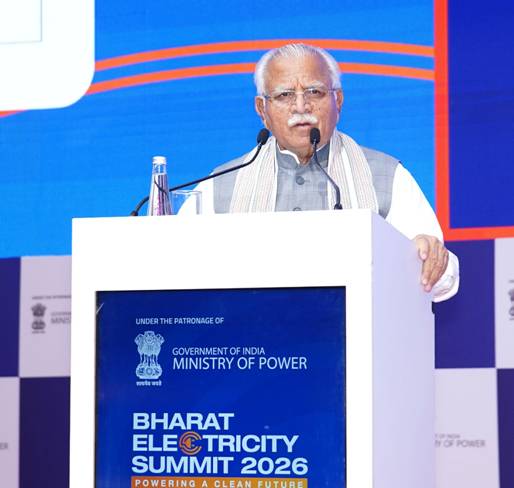
While giving his valedictory address Shri Manohar Lal, Union Power Minister noted that the Summit was extremely successful and saw impressive participation from different stakeholders of the power sector. Despite being the first Electricity Summit, it saw unprecedented participation and meaningful discussions. In particular, he said that he was particularly delighted with the participation of the Startups at the Summit and the great innovation in the sector they would bring

He said that India has a vision of Viksit Bharat by 2047 and for achieving this vision, electricity is a common resource that is needed by all economic stakeholders and citizens. Under Saubhagya Yojna we succeeded in ensuring that electricity has reached all nook and corners of the country.

Speaking on the importance of solar energy and cooperation across countries, Shri Manohar Lal noted the words of Prime Minister Narendra Modi  – One Sun, One World, One Grid. These words he said, points to the need for working together as one global family. Our focus has to be on sustainability and thus expansion of renewable energy including solar energy is critical.

A person standing at a podiumDescription automatically generated


He said that during the Summit there were fruitful discussions with many countries and especially African nations. It emerged clearly that India and the African nations have a win-win possibility of cooperating in the power sector and beyond.

Shri Manohar Lal noted that there is a need to strengthen DISCOMs through different actions and reforms. He noted that during the Summit the DISCOMs expressed a strong willingness to take necessary actions to improve their operations and financial situation. He said that the intended reforms in the sector includes adoption of smart meters, cost reflective tariffs.

The Minister also announced that Next Edition of BES will be held in 2028 in Gandhinagar, Gujarat .

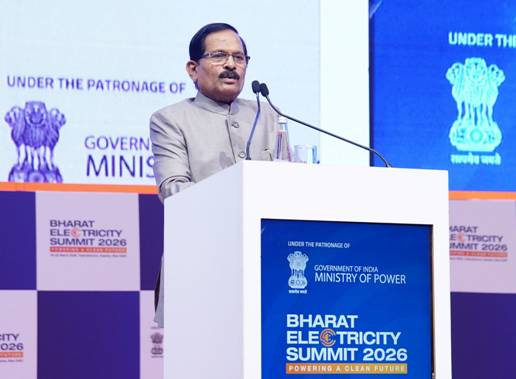
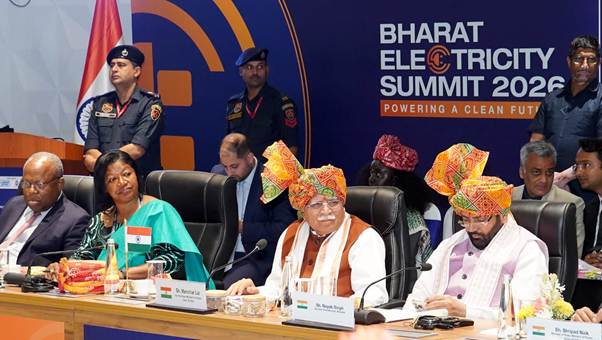
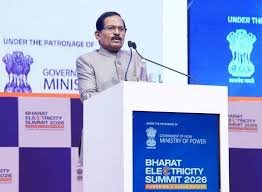
Speaking at the Valedictory Session, Shri Shripad Naik, Minister of State for Power and MNRE said what stands out most clearly from our deliberations in the Summit is that: India’s power sector is not merely expanding — it is advancing through a deeply coordinated federal architecture, where national vision and state-led execution are seamlessly aligned.

A person standing at a podiumDescription automatically generated

Shri Naik said that from this Summit, three key insights emerge. First, states are emerging as engines of innovation, shaping renewable expansion and policy evolution. Second, distribution reforms are gaining tangible momentum, strengthening the last mile of reliable electricity delivery. Third, our transition is becoming integrated and system-driven, with renewables, storage, transmission, and digital technologies evolving as one cohesive ecosystem.

Addressing the gathering, Shri Pankaj Agarwal, Secretary (Power), highlighted that discussions with industry bodies have indicated an estimated ₹32,000 crore capex pipeline by manufacturers in the power sector. He emphasised the need for system-level evaluation of power costs to ensure affordability, and underscored the urgency of rapidly scaling up energy storage capacities for effective integration of renewable energy.

Shri Piyush Singh, Additional Secretary, MoP, acknowledged the scale and success of the Summit and commended the organisers for its seamless execution.

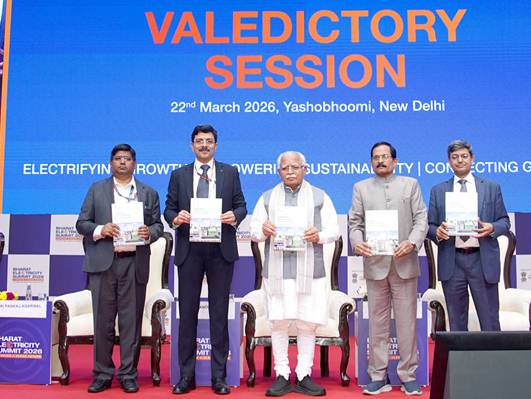
Three reports were released on the occasion. These are: Rating Regulatory Performance of States and Union Territories 2025 by Power Foundation of India; Ash Generation and Utilisation at coal/lignite-based Grid Connected thermal power stations for 2024-25 by Central Electricity Authority; and Establishing a Sodium-ion Battery Ecosystem in India – Leveraging New Technologies to Strengthen Component Manufacturing by Council on Energy, Environment and Water.


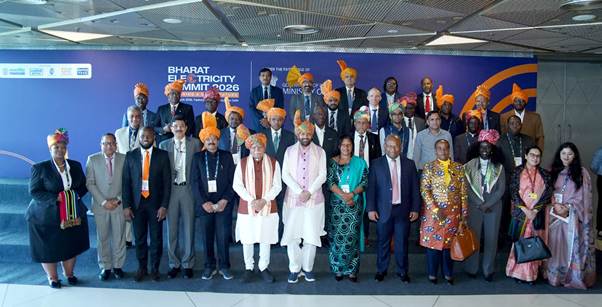
A group of people standing on a stageDescription automatically generated


Key Highlights of the Summit

India’s power sector continues to demonstrate unprecedented growth and transformation:

  • Installed capacity has reached over 520 GW, with one of the fastest expansions globally.
  • Transmission network has expanded to over 5 lakh circuit kilometres
  • Renewable energy capacity has grown significantly, with solar capacity increasing from 2.8 GW in 2014 to over 143 GW today.
  • Electricity demand is projected to grow by over 30% by 2030, driven by emerging sectors such as AI-enabled data centres and electric mobility.

The Minister of Power emphasised that while thermal power remains critical for grid stability, renewable energy will drive long-term sustainability, supported by storage, grid modernisation, and policy reforms.

Ministerial Meeting with States/UTs

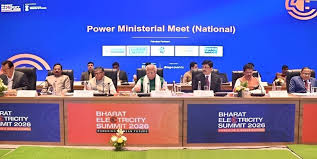
A high-level Ministerial meeting chaired by the Union Minister of Power resulted in the following priority action areas:

  • Strengthening financial viability of DISCOMs through structural and operational reforms
  • Ensuring cost-reflective tariffs with targeted subsidies
  • Accelerating smart metering rollout nationwide
  • Securing adequate generation capacity tie-ups for future demand
  • Fast-tracking nuclear power development to meet long-term energy security goals

Strategic Sessions – Key Takeaways

Several strategic sessions explored critical themes shaping the future power landscape:

  • Centre-State Coordination: Emphasis on policy alignment and faster project execution
  • Green Hydrogen & Emerging Fuels: Positioning India as a global hub for green industrial fuels
  • AI-driven Power Systems: Enhancing grid intelligence, cybersecurity, and operational efficiency
  • Nuclear Energy: Scaling reliable, clean baseload capacity
  • Electrification & Power Markets: Enabling low-carbon growth through efficient trading systems
  • Financing Sectoral Growth: Mobilising trillions in investments through bankable frameworks
  • Energy Storage: Addressing rapid growth in storage requirements (expected to increase 5x by 2031–32)
  • Make in India for the World: Strengthening domestic manufacturing for global clean energy supply chains

Discussions highlighted that India’s long-term energy transition may require investments exceeding USD 22 trillion by 2070, with significant opportunities in generation, transmission, storage, and digital infrastructure.

Infrastructure, Storage and Market Developments

  • India needs to add over 1.37 lakh circuit km of transmission lines by 2030, with investments of around ₹9 lakh crore
  • Energy storage requirements are expected to rise sharply, with pumped storage potential of over 200 GW
  • Battery Energy Storage Systems (BESS) are emerging as a key solution for peak demand management
  • Renewable energy tariffs and market mechanisms continue to evolve, improving long-term price discovery and investor confidence
  • The Indian Carbon Market Portal was launched, with trading expected to begin shortly, marking a major step in climate finance

Digital Transformation

Digital transformation emerged as a defining force, with the power sector increasingly leveraging Artificial Intelligence, Machine Learning, and digital twins to move towards predictive and intelligent grid operations. The concept of “India Energy Stack,” inspired by the success of digital public infrastructure, aims to create seamless, interoperable energy systems. Initiatives such as smart metering and rooftop solar adoption are empowering consumers to become “prosumers,” actively participating in the energy ecosystem.

State-Level Leadership and Initiatives

States showcased ambitious roadmaps:

  • Gujarat: Renewable capacity target of 190 GW by 2047
  • Andhra Pradesh: Integrated clean energy hub with investments exceeding ₹6 lakh crore
  • Maharashtra: Demand projected to reach 280 TWh by 2030, with large-scale capacity expansion
  • Bihar: Advancing storage and grid infrastructure with structured investment pipelines
  • Delhi: Transitioning towards a high-renewable, storage-integrated urban power system

Global Cooperation and Bilateral Engagements

The Summit facilitated multiple high-level bilateral meetings with countries including Malawi, Tajikistan, Mauritius, Kyrgyzstan, and Russia, as well as industry stakeholders such as Africa50 and international delegations.

These engagements focused on:

  • Cross-border electricity trade
  • Renewable energy collaboration
  • Transmission infrastructure development
  • Capacity building and technology transfer

The India-Africa Strategic Meet further strengthened partnerships, with focus on expanding renewable energy, grid modernisation, and last-mile connectivity across the continent.


Business Outcomes

  • Over 1,200 buyer–seller meetings were conducted
  • Business enquiries exceeding ₹517 crore (~USD 55 million) were generated

Conclusion

The Bharat Electricity Summit 2026 has set a clear direction for India’s power sector: anchored in resilience, energy transition and global leadership. The Summit reaffirmed India’s commitment to building a future-ready, technology-driven, and investment-friendly energy ecosystem, while supporting the energy needs of both the nation and the Global South.

The outcomes of the Summit will contribute significantly to shaping policy, strengthening partnerships, and accelerating the transition towards a reliable, affordable, and clean energy future.

Indian Railways Strengthens Staff Welfare with Updated Allowance Rates, Benefitting Loco and Traffic Running Staff

0

Loco Pilots, Guards and Firemen to Receive Enhanced Allowances under Revised Kilometrage Allowance and Allowance in Lieu of Kilometrage (ALK), Recognising the Backbone of India’s Rail Network

Vinod Bhat

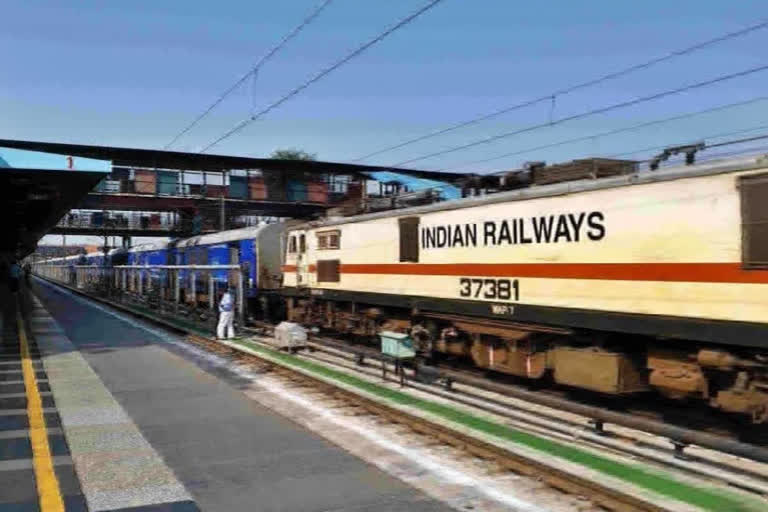
New Delhi: Indian Railways has made a comprehensive upward revision in the rates of Kilometrage Allowance and Allowance in lieu of Kilometrage (ALK) for all running staff across the Indian Railways system, with effect from 01 January 2024, following the increase in Dearness Allowance to 50%.

These enhanced rates will benefit thousands of dedicated Loco Pilots, Assistant Loco Pilots, Firemen, Guards, and other running staff who keep the wheels of India’s vast rail network turning round the clock.

Under the revised structure, Loco Running Staff will receive updated kilometrage allowance per 100 km and ALK per 160 km as follows: Loco Pilot (Mail) ₹606 and ₹969; Loco Pilot (Passenger)/Sr. Motorman ₹600 and ₹960; Loco Pilot (Goods) ₹594 and ₹951; Loco Pilot (Shunting) Gr. I ₹461 and ₹737; Loco Pilot (Shunting) Gr. II ₹447 and ₹715; Sr. FM-1, Sr. Assistant Loco Pilot ₹447 (₹287 for shunting) and ₹715; FM-1, Assistant Loco Pilot ₹430 (₹277 for shunting) and ₹688; Sr. Second Fireman ₹430 (₹277 for shunting) and ₹688; and Second Fireman ₹362 (₹216 for shunting) and ₹579.

Similarly, Traffic Running Staff will receive revised rates as follows: Mail/Express Guard ₹549 and ₹878; Sr. Passenger Guard ₹543 and ₹869; Sr. Goods Guard ₹543 and ₹869; Goods Guard ₹537 and ₹859; Sr. Assistant Guard/Sr. Brakesman ₹320 and ₹512; and Assistant Guard/Brakesman ₹305 and ₹488. (The post of Guard has been re-designated as Train Manager.)

The revised rates are applicable under the Railway Services (Revised Pay) Rules, 2016, and all other terms and conditions for admissibility of Kilometrage Allowance and ALK remain unchanged. The revision will benefit running staff across Indian Railways by ensuring better compensation aligned with the current Dearness Allowance levels. It reflects Indian Railways’ continued commitment to the welfare and financial betterment of running staff, who form the backbone of its operations.

Mughal Road reopens for light vehicles after three days

0

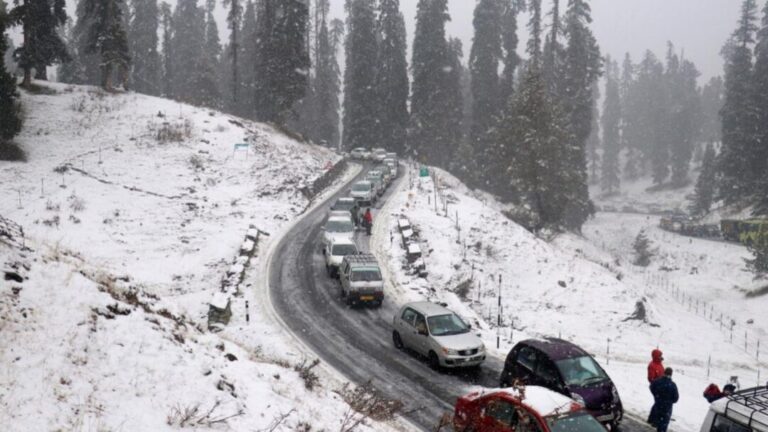
Srinagar, Mar 22: The Mughal Road, the vital alternate link connecting the Kashmir valley with the rest of the country, was reopened for Light Motor Vehicles (LMVs) on Sunday after remaining closed for three days due to fresh snowfall.

A senior traffic officer told that the road was cleared following continuous efforts by the concerned departments to remove snow at Peer Ki Gali and ensure safe passage for commuters.

“The Mughal Road has been opened for light motor vehicles from both sides,” the official said.

With the restoration of connectivity, vehicular movement has resumed, bringing much-needed relief to commuters and locals who rely on the arterial road.

However, the officials have advised travellers to exercise caution and check the latest road and weather updates before planning their journey, noting that conditions in the area can change rapidly due to unpredictable weather. (KNS).

Uri-Muzaffarabad Highway blocked after massive landslide

0

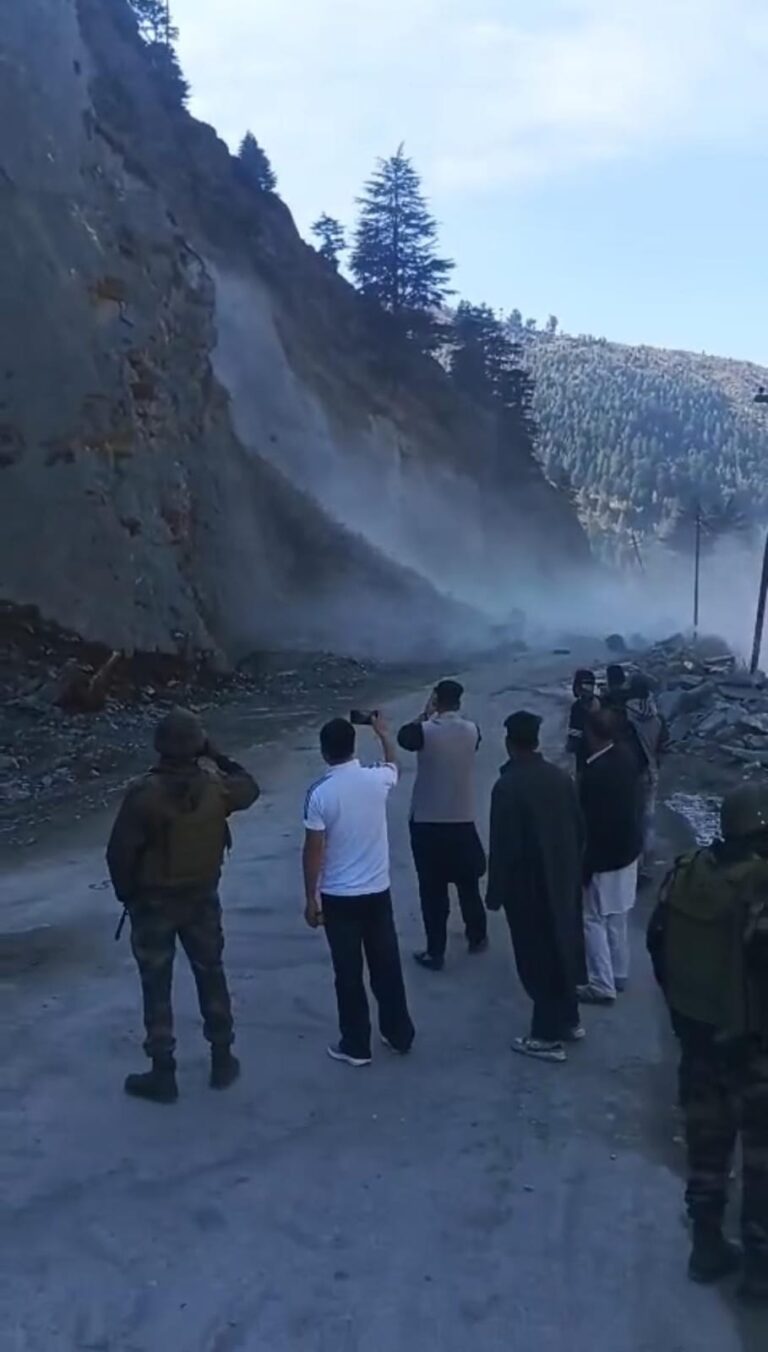
Uri Mar 22 : The strategic Uri-Baramulla National Highway (NH-1), the only all-weather road connecting the border town of Uri to the rest of the valley, was blocked on Sunday following a massive landslide, officials said.

Eyewitnesses said a large portion of a hillock collapsed onto the carriageway, burying the road under heavy debris and bringing traffic to a grinding halt.

Officials said men and machinery were rushed to the spot to clear the debris. No casualties or injuries were reported in the incident.

The blockade, however, reignited public grievances over infrastructure safety and administrative oversight. Stranded commuters alleged that frequent landslides on the stretch were a result of poor planning and neglect.

“When landslides occur regularly on this highway, people may soon fear leaving their homes,” said a commuter stranded in the resulting traffic jam, urging the administration to address the issue.

Another local expressed relief that the incident occurred during daylight, warning that a nighttime collapse could have led to casualties.

A senior official attributed the incident to extensive construction work related to highway widening. “Landslides are common during road construction in hilly areas. However, we are trying our best to minimize such occurrences and ensure an immediate response,” the official told.

He added that efforts were being made to ensure earth-cutting was conducted scientifically to mitigate risks and that strict action would be taken against any illegal activity. Authorities are continuously monitoring the highway work to prevent such incidents and ensure smooth traffic flow, he added. (KNS)

Fire Engulfs Three-Storey Building in Main Market, Two Shops Gutted

0

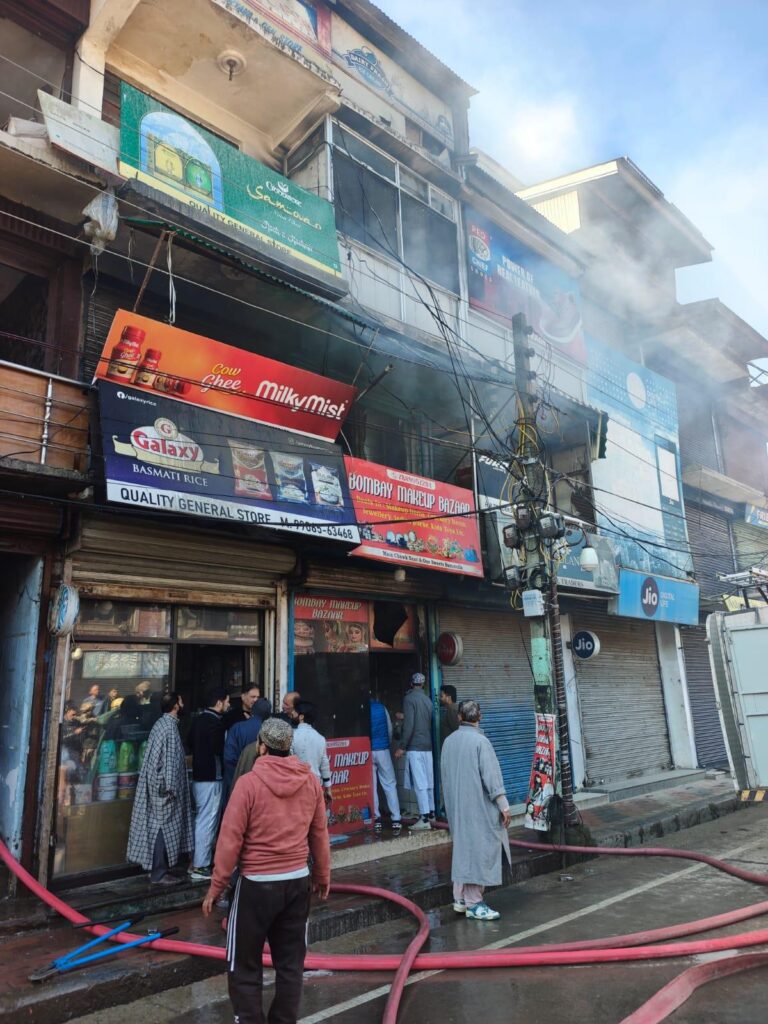
Baramulla, Mar 22: A fire broke out in a three-storey building in the main market of Baramulla in north Kashmir on Sunday, gutting two shops on the ground floor, officials said.

The blaze erupted around 9:45 am in the busy main bazaar area, affecting a building that housed a toys and gift shop among other establishments. Officials confirmed that two shops were completely destroyed in the incident.

A swift response by the fire service department brought the flames under control, preventing them from spreading to adjacent structures in the congested market, they said.

A police officer told that the cause of the fire is yet to be ascertained. “A case has been registered and an investigation has been initiated,” he said.

No casualties were reported in the incident the officer further added. (KNS)

Govt Issues Critical Cyber Alert for Apple Device Users

0

VINOD BHAT

NEW DELHI, Mar 22: The Indian Computer Emergency Response Team has issued a critical cybersecurity advisory warning users of Apple devices about multiple vulnerabilities that could expose their systems to serious threats.

According to CERT-In, the flaws affect a range of Apple products, including iPhones, iPads, and Mac computers. The agency cautioned that attackers could exploit these vulnerabilities to gain unauthorized access to devices and execute malicious code, potentially compromising sensitive user data.
The advisory specifies that systems running older software versions are particularly at risk. Affected versions include macOS releases earlier than 13.5, 14.2, and 14.3. Similarly, vulnerabilities have been identified in iOS and iPadOS versions prior to 15.8.7, 16.7.5, 16.7.15, and 17.3.

CERT-In has urged users to immediately update their devices to the latest available software versions to mitigate risks. It emphasized that timely installation of security patches is crucial to prevent potential cyberattacks.

The advisory comes amid rising concerns over cybersecurity threats targeting widely used digital platforms, reinforcing the need for users to remain vigilant and adopt best security practices.

Chithisinghpora, The Saga of Martyrdom, Memory, Resilience, and the Unfinished Quest for Justice

0

By Amanjeet Singh

“Kitab-e-mazi ke safe ulat kar dekh zara,
na jaane kaunsa safa mudda hua nikle.”

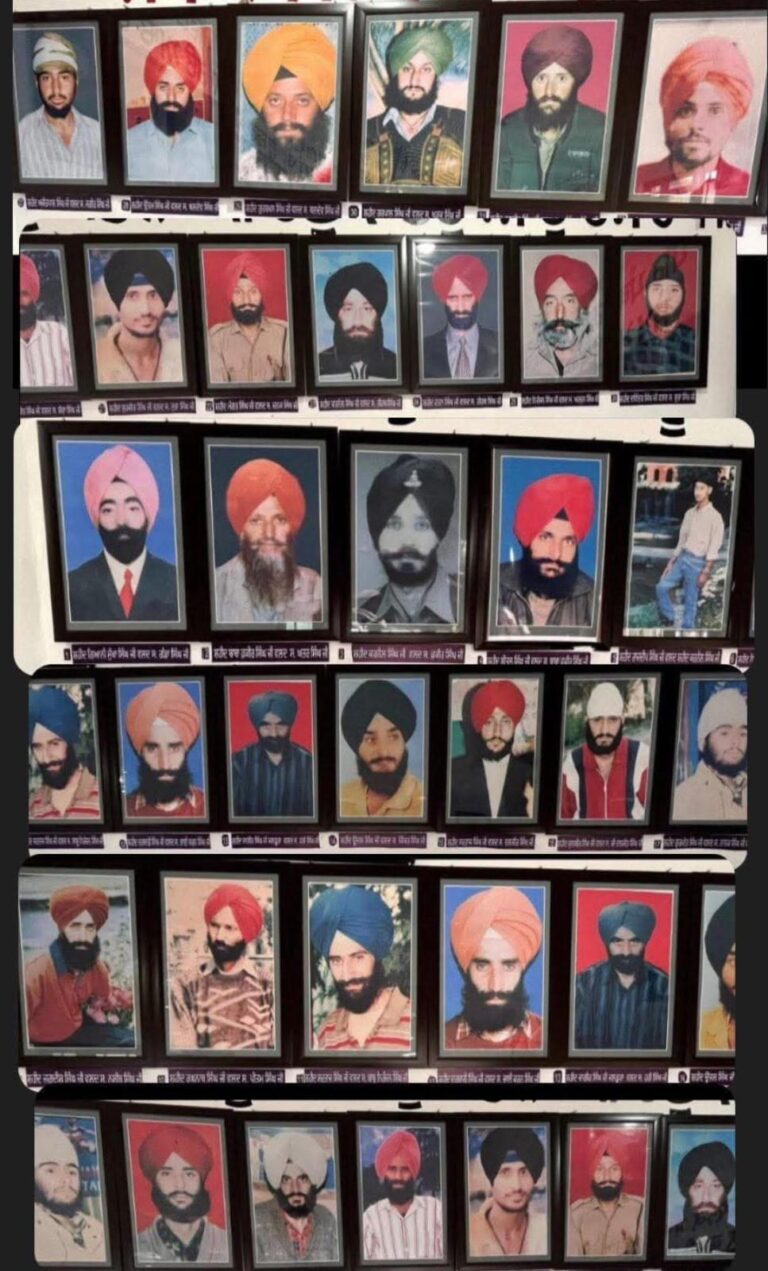
20 March remains a day of deep mourning in the collective memory of Kashmir’s Sikh community. It recalls the heartbreaking events of 20 March 2000, when 35 innocent Sikh men of Chittisinghpora village in Anantnag district were killed in a brutal act of violence that shook the conscience of the entire region. More than two decades later, the pain of that night still lingers, not only in the homes of those who lost fathers, sons, brothers, and husbands, but also in the wider history of Kashmir.

Chittisinghpora was known as a peaceful village, where Sikh families had lived for generations with strong ties to the land, their faith, and their neighbours. Life moved with simplicity and dignity. Fields, orchards, and shared social bonds shaped the rhythm of daily existence. That calm was shattered in a single evening when armed men entered the village and turned an atmosphere of trust into one of terror.

The victims had gathered after celebrating Hola Mohalla, a festival marked by spirit, devotion, and community. Instead of returning to the comfort of ordinary life, many families were pushed into a nightmare from which they never fully recovered. Men were separated, lined up, and shot at close range. In a matter of moments, an entire community was thrown into grief. The killings did not only take lives; they left behind a wound that has remained open through the years.

For the survivors and the families of those killed, remembrance is not limited to a date on the calendar. It is tied to voices that never returned, empty spaces at family gatherings, and memories too painful to forget. Children grew up without fathers. Mothers and widows carried the burden of loss in silence. The trauma of that night became part of everyday life, passed from one generation to the next as both pain and testimony.

The massacre also marked a turning point for Kashmiri Sikhs. It created fear, uncertainty, and a sense of vulnerability in a community that had long considered itself woven into the valley’s social fabric. Some families left in search of safety and stability elsewhere. Others remained, determined not to let terror uproot them from their homeland. Their decision to stay was itself an act of courage.

Even in the face of such tragedy, the Sikh community of Kashmir did not surrender its humanity. Across villages and towns, Sikh families continued to live with resilience, preserving bonds with their Muslim neighbours and maintaining the shared traditions of coexistence that have long defined the valley. In times of celebration and hardship alike, these relationships have offered strength and hope. They stand as a reminder that violence may wound society, but it does not have to destroy its moral foundation.

Yet remembrance must also carry responsibility. The passage of time should not weaken the demand for truth, justice, and dignity. More painfully, even after 26 years, justice remains incomplete and unanswered questions continue to haunt the families of the victims. The report of the Justice S. R. Pandian Commission, which was constituted to investigate the massacre, was submitted to the government, but its findings have still not been made public. This continued silence has only deepened suspicion, anguish, and the feeling that the truth has been buried rather than revealed.

For the families who have waited year after year, this delay is not merely administrative; it is a denial of closure. Justice delayed for so long becomes justice denied in the eyes of those who continue to live with loss. The demand to make the report public is therefore not just a political demand, but a moral one. It is necessary to restore faith, acknowledge suffering, and show that the lives lost at Chittisinghpora are not forgotten by the institutions meant to protect justice and truth.

The families who suffered deserve more than ceremonial sympathy. They deserve recognition, support, and a sincere effort to address the concerns of a minority community that continues to seek security, representation, and equal opportunity. Memorials and anniversaries matter, but they must be matched by meaningful inclusion, transparency, and compassionate governance.

Chittisinghpora is not only a symbol of grief; it is also a lesson for the future. It reminds us that the suffering of minorities must never be ignored, that human lives must never become footnotes in larger political narratives, and that true peace depends on fairness, trust, and remembrance. To honour the victims is to uphold the values that hatred tried to destroy, and to continue demanding that truth be spoken, accountability ensured, and justice finally delivered.

As lamps are lit and prayers are offered on 20 March, Kashmir bows its head before the memory of the 35 men who were taken too soon. Their names may be spoken softly, but their absence is immense. Their memory lives on in the tears of families, in the conscience of the valley, and in the hope that such darkness will never return.
Chittisinghpora will always be remembered not only for the tragedy it endured, but for the quiet strength, dignity, and endurance of its people.

Centre Releases Rs 111.66 Cr for Fisheries Project in J&K, LG Sinha Thanks PM Modi

0

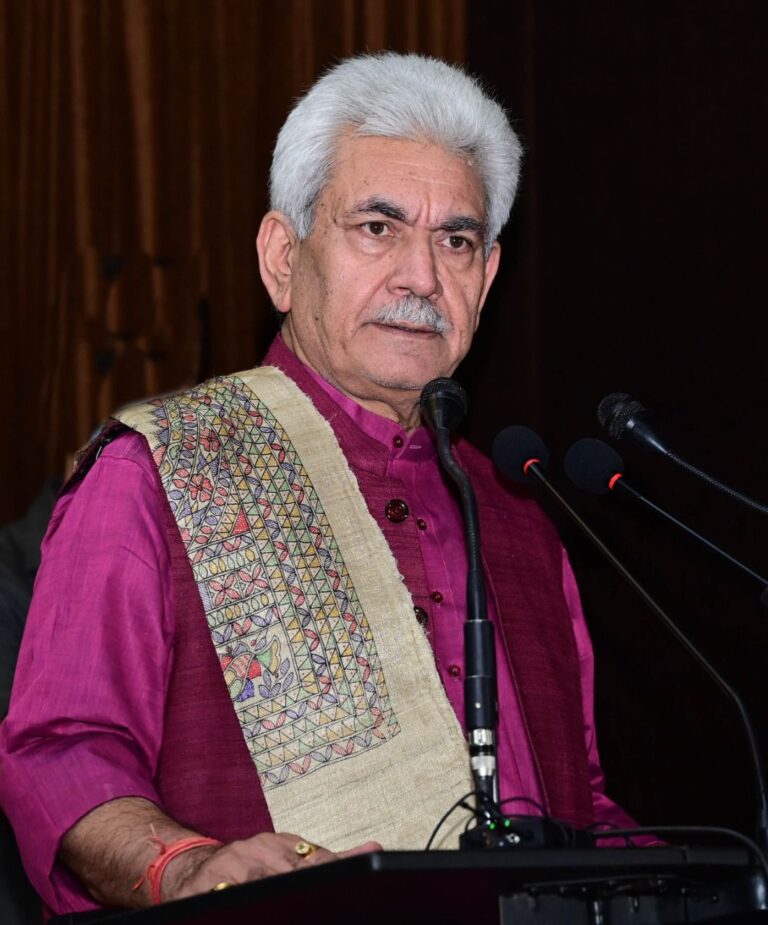
Srinagar, Mar 21: The Jammu and Kashmir Lieutenant Governor, Manoj Sinha, on Saturday expressed gratitude to the Centre for the release of central funds amounting to Rs 111.66 crore aimed at implementing a comprehensive fisheries development project in the union territory.

In a post on X, LG Sinha thanked Prime Minister Narendra Modi and Union Minister for Panchayati Raj and Fisheries, Rajiv Ranjan Singh, for the financial sanction.

The Lieutenant Governor further stated that a mother sanction of Rs 10 crore has been released for the current financial year by the Ministry. He added that the Government of India has assured the administration that additional central share will be released upon the utilization of the sanctioned amount.

“The Government of India is fully committed to improving the livelihoods and welfare of fish farmers in the Union Territory,” the LG said in his post. (KNS)

India -Africa Strategic Partnership Meet Convened at Bharat Electricity Summit

0

Vinod Bhat

New Delhi:An India – Africa Strategic Partnership Meet was convened on the third day (21.3.2026) of the Bharat Electricity Summit 2026 at New Delhi today. The meeting was chaired by Shri Manohar Lal, Union Minister for Power.

The meeting was attended by Shri Shripad Naik Minister of State for Power and New & Renewable Energy, Shri Nayab Singh Saini Chief Minister of Haryana, Dr Jean Mathanga Minister of Energy and Mining, Government of Malawi, Alain Ebobissé, CEO of Africa50, Ministers from several African nations, leaders from the African Union and Africa50, Ambassadors, High Commissioners, representatives from power utilities, financial institutions, development partners, and industry leaders.

The discussions reflected a clear and forward-looking vision that India and Africa would deepen their engagement through a structured and action-oriented partnership, focused on delivering tangible outcomes. The meeting reiterated that India and Africa would work closely in areas of renewable energy expansion, development of interconnected grid systems, advancement of energy storage and flexibility solutions, and capacity building through institutional strengthening. Emphasis was laid on leveraging India’s proven experience and Africa’s growing potential to ensure reliable, affordable, and sustainable energy access. Both sides also highlighted the importance of investment-led collaboration, technology transfer, and public-private partnerships, aiming to build an inclusive, equitable, and future-ready energy ecosystem that drives long-term socio-economic transformation.

Addressing the gathering, Shri Manohar Lal stated that power is crucial for driving economic growth, ensuring dignity, and unlocking opportunities, and highlighted the vision of One Sun, One World, One Grid as a transformative pathway for global energy connectivity.

The Minister extended a warm welcome to African partners and underscored the shared commitment to achieving reliable, affordable, and sustainable energy. He noted that India and Africa, representing nearly one-third of the global population, share common aspirations for inclusive, equitable, and future-ready development. Highlighting India’s journey from energy deficit to surplus and its rapid growth in renewable energy, he stated that these experiences offer practical and scalable models for Africa. He cited the collaboration between Africa50 and Power Grid Corporation of India Limited, including the Kenya transmission project, as a strong example of how innovative financing, technical expertise, and public-private partnerships can deliver resilient infrastructure.

Shri Manohar Lal outlined key areas of cooperation, including renewable energy expansion, grid modernization, energy storage and flexibility, and capacity building with institutional strengthening. Referring to initiatives such as the International Solar Alliance, he reaffirmed India’s commitment to deepening collaboration with Africa. He concluded by stating that India–Africa energy cooperation is not transactional but transformational, rooted in co-creation, and reiterated India’s commitment as a trusted partner in this shared journey.

Shri Shripad Naik emphasized that the India-Africa partnership must move from intent to action, Energy access is reframed as a driver of economic transformation, not just infrastructure delivery. He underscored the shared commitment to ensuring reliable, affordable, and sustainable energy for all, as a foundation for inclusive growth. He further noted that this partnership is guided by a vision that is inclusive, equitable, and futuristic, aimed at creating long-term impact and empowering communities across both India and Africa.

Haryana Chief Minister Shri Nayab Singh Saini affirmed Haryana’s commitment to sustainable good governance, emphasizing effective irrigation water management as a cornerstone of progress. He said that partnership, not dominance; cooperation, not competition should be the shared values for India and Africa. He said that partnership between Haryana and African nations is built on pillars of energy management, digital governance, and agricultural cooperation.

Offering a global investment perspective, Mr. Alain Ebobissé, CEO, Africa50, stated that it is not aid that we are seeking, we are seeking investment for impact and return. He highlighted that Africa is increasingly focusing on bankable project development, transmission expansion, and private capital mobilisation, supported by integrated planning and new investment frameworks.

Dr Jean Mathanga said that there is a need to bolster sustainable development and long-term economic growth through renewable energy initiatives, including low-cost solar solutions for rural and remote areas, wind energy projects, and a robust energy transition bearing the Indian footprint. She called for prioritizing electrification, transmission infrastructure development, and cooperation on smart metering, grids, and microgrids, aligning seamlessly with Africa’s agenda for an inclusive power system. These efforts promise multifaceted benefits such as enhanced energy security, access to minerals, and expanded markets; for Africa, they deliver affordable technology and infrastructure, improved grid reliability, electrification, and enduring partnerships, while complementing India’s technological strengths with Africa’s vast resource potential to build secure and inclusive power systems.

India–Africa Strategic Partnership is cantered on building a collaborative and mutually beneficial framework for sustainable growth, with a strong emphasis on energy, infrastructure, and capacity building. It leverages India’s experience and capabilities as a model to support Africa’s evolving development trajectory, particularly in electrification, renewable energy, and grid connectivity. Through institutions like Africa50 and initiatives such as the International Solar Alliance, the partnership promotes investment, technology transfer, and scalable solutions like solar rooftops, hydro-solar integration, mini grids and decentralized energy systems. It also focuses on policy frameworks, public-private partnerships, and human resource development to accelerate inclusive growth. Ultimately, the partnership aims to bridge energy access gaps, enhance regional integration, and create long-term transformative impact across African nations.