spot_imgspot_img
spot_img
Home Blog Page 86

GMC Srinagar Gets First-Ever M.Ch Neurosurgery Seats

0

KD NEWS SERVICE

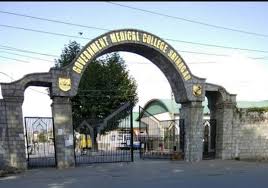
SRINAGAR, Mar 14: In a landmark development for medical education and advanced healthcare in Jammu and Kashmir, the National Medical Commission (NMC) has granted approval to Government Medical College Srinagar for two M.Ch seats in the Department of Neurosurgery. This marks the first-ever approval for an M.Ch Neurosurgery programme in any medical college across the Union Territory.

The approval is being seen as a significant milestone in the continuous expansion of super-specialty medical education at GMC Srinagar, one of the premier tertiary care institutions in the region. The introduction of the M.Ch Neurosurgery programme is expected to enhance the availability of highly specialized neurosurgical expertise and strengthen patient care services across Jammu and Kashmir.

Officials said the approval reflects the growing academic and clinical capabilities of GMC Srinagar, which has steadily expanded its super-specialty training programmes over the past few years in line with national medical education standards.

The journey towards strengthening super-specialty education at the institution began in 2021, when the college introduced two M.Ch seats in Urology. Since then, GMC Srinagar has progressively expanded its advanced medical programmes after receiving approvals for two DM seats in Neurology, followed by two seats each in DM Medical Gastroenterology, DM Cardiology and DM Pulmonary Medicine.

Further strengthening its super-specialty portfolio, the institution also secured approval for two M.Ch seats in Pediatric Surgery. In February 2026, the NMC granted approval for two additional seats in Urology, reflecting the growing academic infrastructure and patient load handled by the institution.

With the latest addition of two M.Ch Neurosurgery seats, the total number of super-specialty seats (DM and M.Ch programmes) at GMC Srinagar has now risen to 16. Medical education authorities believe the expansion will not only boost advanced medical training but will also improve the availability of specialized healthcare services within the region, reducing the need for patients to travel outside Jammu and Kashmir for complex treatments.

Meanwhile, the institution has also recorded growth in undergraduate and postgraduate medical education. At the undergraduate level, MBBS seats at GMC Srinagar have increased from 180 to 200 for the 2025–26 academic session. Similarly, postgraduate MD/MS seats have risen from 259 to 277 during the same session, reflecting a broader expansion of academic capacity.

In addition to these developments, new courses accredited by the National Board of Examinations were also sanctioned for the 2025–26 academic session. These include DrNB Thoracic Surgery and FNB in Paediatric Nephrology, further strengthening the institution’s profile as a centre for advanced medical training.

Over the past two years, GMC Srinagar has also introduced several allied healthcare and academic programmes aimed at developing a comprehensive healthcare workforce. These include a Post Basic BSc Nursing programme with an annual intake of 80 students, an MSc Nursing programme with 25 seats per year, and a Post-PG Diploma course in Addiction
Psychology with 20 seats annually.

Medical experts believe that the continued expansion of super-specialty courses and allied health programmes will significantly enhance the capacity of GMC Srinagar to train skilled healthcare professionals and deliver specialized medical services to patients across Jammu and Kashmir.

The approval for the M.Ch Neurosurgery programme is therefore being viewed as a major step forward in strengthening both medical education and tertiary healthcare delivery in the region.
L-G Saxena Orders Plan for 50 Water Bodies in Ladakh to Tackle Water Scarcity

0

KD NEWS SERVICE

LEH, March 14: In a major initiative aimed at addressing the growing water scarcity in the cold desert region of Ladakh, Lieutenant Governor Vinai Kumar Saxena on Saturday directed the administration to prepare a comprehensive plan for the creation of at least 50 small water bodies across the Union Territory.

The directive was issued during a meeting chaired by the Lieutenant Governor with Chief Secretary Ashish Kundra at the Lieutenant Governor’s Secretariat. During the meeting, the Chief Secretary was instructed to identify suitable locations for the proposed water bodies and prepare a detailed action plan within a period of 15 days.

Officials said the initiative is aimed at tackling the pressing water-related challenges faced by the people of Ladakh, particularly the farming community which depends heavily on limited water resources for irrigation in the region’s harsh climatic conditions.

The Lieutenant Governor emphasized that the creation of these water bodies would provide a dependable and readily available source of water for irrigating agricultural fields, thereby supporting farming activities and strengthening rural livelihoods. Given the fragile ecosystem and arid nature of Ladakh, farmers often face difficulties due to inadequate water availability during crucial agricultural seasons.

Apart from irrigation needs, the proposed water bodies are also expected to support roadside plantation drives planned by the administration. The Lieutenant Governor noted that a large-scale plantation programme would soon be launched in mission mode across the Union Territory, and the availability of water sources near plantation sites would play a vital role in ensuring the survival and growth of newly planted trees.

According to the administration, the water bodies will be developed in consultation with local communities so that they can serve both agricultural and community needs effectively. The initiative will also focus on conserving rainwater and the melting snow that currently flows away unused every year. By capturing and storing this water, the administration aims to strengthen Ladakh’s water security and ensure better resource management.

In addition to their primary role in water conservation and irrigation, these water bodies are also expected to serve recreational and tourism-related purposes. The Lieutenant Governor observed that during winters, when the water bodies freeze due to the extreme cold conditions prevalent in Ladakh, they could be used for organising winter sports activities.

To facilitate such activities and improve public accessibility, the Lieutenant Governor directed the Chief Secretary to incorporate provisions for public amenities around the water bodies. These include parking spaces, eateries and other recreational facilities so that the locations can also serve as community spaces and tourism attractions.

During the meeting, the Lieutenant Governor highlighted the increasing impact of climate change on Ladakh’s fragile environment. He pointed out that the region is witnessing declining snowfall, receding glaciers, rising temperatures and a steady depletion of groundwater levels. These developments, he noted, are posing serious challenges to water availability and long-term sustainability in the high-altitude region.

He stressed that Ladakh, being a high-altitude cold desert, is particularly vulnerable to climate change and requires proactive and sustainable water management strategies to secure the future of its people. The proposed creation of water bodies, he said, is a crucial step toward mitigating these challenges.

The Lieutenant Governor further directed that the proposed plan should be holistic and scientifically designed, taking into account Ladakh’s unique geographical features, climate conditions and environmental sensitivities. Proper planning and execution, he said, would ensure that the water bodies effectively meet both agricultural and community requirements while protecting the region’s fragile ecosystem.

Reiterating the commitment of the Union Territory administration, the Lieutenant Governor said the government remains focused on implementing sustainable development initiatives that safeguard Ladakh’s environment while ensuring the welfare and livelihood security of its residents.

Officials said that once the plan is finalized, the project could significantly strengthen Ladakh’s water management infrastructure and provide long-term benefits to farmers, local communities and the region’s ecological balance.

Government amends Electricity Rules to strengthen captive power framework and support industrial competitiveness

0

Vinod Bhat

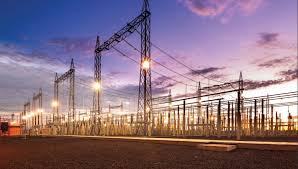
New Delhi: Government of India has notified the Electricity (Amendment) Rules, 2026, amending Rule 3 of the Electricity Rules, 2005 relating to Captive Generating Plants (CGPs). The amendments aim to remove interpretational ambiguities, improve ease of doing business for industry, and align the captive generation framework with India’s energy transition and industrial growth objectives.

Captive power generation has been a key enabling provision under the Electricity Act, 2003. The National Electricity Policy, 2005 recognised captive generation as an important mechanism for ensuring reliable and cost-effective electricity supply to industry. Captive power has supported industrial growth by enabling industries to mitigate supply constraints and manage electricity cost volatility.

Indian industries are increasingly adopting non-fossil fuel based energy to meet sustainability commitments and reduce costs. In this context, enabling a clear, predictable and implementable framework for captive power generation is critical for enhancing industrial competitiveness and supporting India’s long-term economic growth.

Encouraging generation closer to the point of consumption also helps reduce transmission losses, improve system efficiency and strengthen grid resilience. The amendments therefore seek to provide clarity in the implementation of captive generation provisions while maintaining the statutory safeguards relating to ownership and consumption.

The Electricity (Amendment) Rules, 2026 have been introduced to provide greater clarity and flexibility in the framework governing captive power plants so that industries can more easily generate electricity for their own consumption. The amendments seek to align the captive generation regime with modern corporate structures and evolving industrial energy needs, particularly as companies increasingly invest in non-fossil fuel based captive power projects. By clarifying ownership provisions, simplifying rules for group captive arrangements, and establishing a clear verification mechanism, the amendments aim to reduce regulatory ambiguity and disputes. Many provisions in the Rules have been simplified for ease of compliance. New provision has been added to avoid imposition of charges on the captive consumers by the Distribution licensees pending verification of the captive status.   Overall, the amendments are expected to promote ease of doing business, enable industries to access reliable and cost-competitive electricity through captive generation, reduce regulatory ambiguities and disputes, and encourage greater investment in captive and non-fossil fuel based energy projects.

The amendments have been finalised after extensive stakeholder consultations.

Key features of the amendments

1. Clearly Defined Ownership Requirements

The definition of ownership has been clarified to include subsidiaries, holding companies and other subsidiaries of the holding company of the entity that establishes the captive generating plant. This clarification recognises modern corporate structures where power assets are often developed through group entities or special purpose vehicles. The amendment ensures that legitimate captive investments by corporate groups are not denied captive status merely due to organisational structuring.

2. Uniform Verification Period

Verification of captive status will be undertaken for the entire financial year, ensuring clarity and uniformity in implementation. In cases involving the first or last year of ownership of a captive generating plant, verification may be undertaken for the relevant part of the financial year.

3. Captive Plants established by Association of Persons (AoP)

The amendments provide greater flexibility in operation of group captive projects established through an Association of Persons (AoP). Captive users will be able to draw power based on their operational requirements, subject to overall compliance with the statutory ownership and consumption conditions.

Consumption exceeding the proportionate entitlement of an individual user will not result in disqualification of captive status for the plant. However, such excess consumption will not qualify as individual captive consumption but will still count towards the collective captive consumption qualifying requirement of the group.

Where a member of the AoP holds 26 percent or more ownership, the proportionate consumption requirement will not apply to that entity and its entire consumption will be treated as captive consumption.

For the purpose of proportionate consumption calculation, a captive user together with its subsidiaries, holding company and other subsidiaries of the holding company will be treated as a single person.

4. Nodal Agencies for Captive Status Verification

With effect from 1st April,2026 the State or Union Territory Governments may designate a nodal agency for verification of captive status in cases of intra-state captive consumption. For inter-state captive consumption, verification will be undertaken by the National Load Despatch Centre (NLDC) .

A Grievance Redressal Committee will be constituted by the Appropriate Government to address disputes arising from such  verification decisions .

5. Treatment of Cross-Subsidy Surcharge and Additional Surcharge

Pending verification of captive status, Cross-Subsidy Surcharge (CSS) and Additional Surcharge (AS) will not be levied if the captive users submit the prescribed declaration in accordance with the procedures issued by the NLDC (for inter-state cases) or the State nodal agency (for intra-state cases).

If a generating plant subsequently fails to qualify as a captive generating plant upon verification, the applicable CSS and AS will become payable along with carrying cost. The carrying cost will be calculated at the base rate of the Late Payment Surcharge under the Electricity (Late Payment Surcharge and Related Matters) Rules, 2022.

6. Applicability of the Amendments

To facilitate smooth implementation, certain provisions relating to proportionate consumption in AoP structures, the verification framework, and the treatment of CSS and AS will come into effect from 1st April 2026. Other amendments will take effect immediately.

J&K becoming torch bearer of India’s growth story with infrastructure expansion, and new opportunities: Dr Jitendra Singh

0

Vinod Bhat

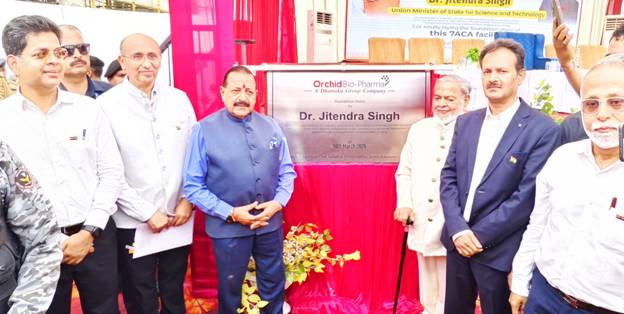
Jammu: Union Minister of State (Independent Charge) for Science & Technology, Earth Sciences, and MoS PMO, Personnel, Public Grievances, Pensions, Atomic Energy and Space, Dr. Jitendra Singh today laid the foundation stone of a major Multi National Company pharmaceutical manufacturing facility at Village Gadadhar in district Kathua.

The project, with investment of over Rs 600 to 700 cr, is being set up by Orchid Pharma with facilitation from Biotechnology Industry Research Assistance Council (BIRAC), under the Department of Biotechnology, Government of India,

Speaking on the occasion, Dr. Jitendra Singh said the investment of around 600 crore rupees, being made under the Government of India’s Production Linked Incentive Scheme, reflects growing confidence in the industrial and innovation potential of the Jammu & Kashmir region. He said the facility is expected to generate direct employment for nearly 400 people, while creating an equal number of indirect employment opportunities for suppliers, logistics providers and other allied sectors.

The Minister highlighted that with its growing industrial infrastructure Kathua has the potential to emerge as a significant pharmaceutical manufacturing hub on India’s pharma export map.

Dr. Jitendra Singh described the project as a major breakthrough for the pharmaceutical sector in the region, noting that the facility will manufacture the critical antibiotic intermediate Amino Cephalosporanic Acid (ACA), a key component in the production of cephalosporin antibiotics. At present, India depends almost entirely on imports of this intermediate from China, which creates vulnerabilities in supply security, pricing stability and healthcare access.

The Minister said,the Kathua facility would significantly strengthen India’s strategic capabilities in pharmaceutical manufacturing and reduce import dependence on critical intermediates. “Antibiotics are foundational to modern healthcare, and the pandemic showed how dependence on a single geography for essential inputs can quickly become a national vulnerability”.

Highlighting the broader policy vision, Dr. Jitendra Singh said the initiative reflects the vision of the Prime Minister Sh. Narendra Modi to make India self-reliant in critical healthcare technologies and pharmaceutical supply chains. He also referred to the newly announced ₹10,000 crore Biopharma Shakti initiative in the Union Budget aimed at strengthening India’s biotechnology and biopharmaceutical ecosystem.

The Minister noted that India is rapidly emerging as a major player in the global biotechnology and pharmaceutical sector, currently ranking third in biomanufacturing in the Asia-Pacific region and 30th globally. “The establishment of such advanced pharmaceutical manufacturing units has the potential to place Kathua on India’s pharmaceutical export map,” he said.

Dr. Jitendra Singh emphasized that the Kathua project reflects India’s intent to move up the pharmaceutical value chain thereby reinforcing the country’s role as a reliable global supplier of essential medicines, particularly for countries that depend on India during health emergencies.

He added that establishing advanced pharmaceutical manufacturing in Jammu & Kashmir signals a new development approach focused on capability building, skill development and long-term value creation. “This is not merely about reducing imports; it is about building strategic capability where it matters most,” he said, adding that such projects integrate regions like Jammu & Kashmir into the national growth story through knowledge-driven industries.

The Minister said projects like this not only expand India’s pharmaceutical capacity but also strengthen the country’s health security by ensuring the availability and affordability of essential medicines even during global disruptions.

Secretary of the Department of Biotechnology, Dr. Rajesh Gokhale said that the bioeconomy is crucial for strengthening the country’s scientific and economic capabilities, adding that science-led biomanufacturing initiatives such as emerging efforts in Kathua demonstrate how India is building the capacity to become a strong global competitor in biotechnology and advanced manufacturing.

Managing Director, BIRAC, Dr. Jitendra Kumar; Chairman, Dhanuka Group, Sh. Ram Gopal Agarwal; Managing Director, Orchid Biopharma, Sh. Manish Dhanuka; and Deputy Commissioner, Kathua, Sh. Rajesh Sharma, were also present on the occasion.

Pertinent to mention that the facility in Kathua is being developed by Orchid Bio Pharma. The company is among the world’s largest manufacturers of cephalosporin antibiotics and operates in more than 60 countries, serving over 200 global customers through international partnerships.

Government’s highest priority is to ensure uninterrupted Domestic LPG supply

0
Vinod Bhat

New Delhi: The Government of India today held the fourth inter-ministerial media interaction at the National Media Centre to provide updates on the situation arising from recent developments in West Asia. Similar briefings were earlier held on 11, 12 and 13 March 2026. Senior officials from the Ministry of Petroleum and Natural Gas, Ministry of External Affairs, Ministry of Ports, Shipping and Waterways, and Ministry of Information and Broadcasting shared updates on energy supply, maritime operations, the welfare of Indian nationals in the region and related communication measures.

Energy Supply and Fuel Availability

The officer from the Ministry of Petroleum and Natural Gas briefed the media on the fuel supply situation in the country and the arrangements to ensure continued availability of petroleum products and LPG, in view of the prevailing geopolitical developments and the situation relating to the Strait of Hormuz. As per the Ministry:

Crude/Refineries

  • All refineries are currently operating at high levels and maintaining adequate crude oil inventories. Further, our country is self-sufficient in the production of petrol and diesel, and no imports of Petrol & diesel are required for meeting domestic demand.

Retail Outlets

  • No cases of fuel dry outs have been reported at any of the ROs by the Oil Marketing Companies. The Government advises the public not to resort to panic buying, as adequate stocks of petrol and diesel are available and supplies are being maintained regularly.

Natural Gas

  • Priority sectors have been protected for their supplies including 100% supply to PNG and CNG with no cuts. So, there is no need to panic. Supplies to industrial & commercial consumers are being regulated at 80%.
  • GAIL held VC with City Gas Distribution (CGD) entities authorized in major urban centres/cities e.g. Delhi, Mumbai, Ahmedabad, Hyderabad, Chennai, Bangalore, Lucknow, Kanpur, Jaipur etc. in the country and advised them for expediting and promoting new commercial PNG connections for hotels and restaurants so as to reduce pressure on LPG supplies.

LPG

  • Supply of LPG is still a concern in view of prevailing geopolitical situation.
  • No reported dry-out at LPG distributorships.
  • There has been surge in the number of LPG bookings on account of panic buying. Daily bookings have increased from avg. 55.7 Lakh to 88.8 Lakh yesterday.
  • Commercial Cylinders for consumers have been put at the disposal of State Government for priority distribution. Commercial LPG have been made available to consumers in 29 States/UTs.
  • Online bookings of cylinders at present is 84%.

Meetings conducted by State Government

  • The role of State/UT Governments is very important in monitoring supply situation of essential commodities including Petrol, Diesel and LPG.
  • Hon’ble Chief Ministers of Haryana and Goa have conducted meetings with senior government officials and top officials of oil companies to review the demand and supply situation of LPG in the state.
  • Telangana Chief Secretary reviewed the LPG stock position, supply, and distribution to consumers with representatives of oil marketing companies and officials of the Civil Supplies Department.
  • Meeting was also conducted by Oil Companies with Andhra Pradesh’s Commissioner of Civil Supplies and appraised him of all the developments w.r.t LPG, PDS SKO and Commercial LPG.
  • 17 States/UTs have setup control rooms to monitor situation and many States/UTs are doing press briefs also.

Enforcement action

  • State Governments/UTs are playing a key role in preventing hoarding and black marketing of essential commodities including Petrol, Diesel and LPG.
  • In Maharashtra and Rajasthan, joint inspection teams of the Food & Civil Supplies Department and Oil Marketing Companies conducted raids at multiple locations. PSU OMCs also carried out around 1300 inspections at LPG distributorships yesterday.
  • In Uttar Pradesh, enforcement teams inspected 1,483 locations; 24 FIRs were registered (4 against LPG distributors and 20 against individuals), 6 persons were arrested and prosecution initiated against 19 individuals.
  • Raids have also been conducted in several States including Andhra Pradesh (Tirupati), Bihar, Odisha and Karnataka to check hoarding and black marketing of LPG.

  Other Government Measures

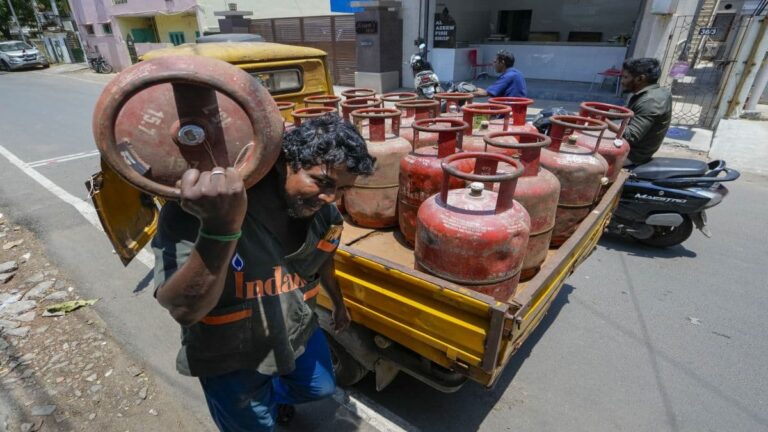
  • Government’s highest priority is to ensure uninterrupted Domestic LPG supply, particularly for households and priority sectors such as hospitals and educational institutions. LPG production from refineries has also been increased by about 31%.
  • CAQM order dated 13.03.2026 permits temporary use of biomass/RDF pellets in place of natural gas by industries, hotels and restaurants in NCR for one month; coal or kerosene may be used where alternatives are unavailable. Rationalisation measures include increasing LPG booking intervals (25 days in urban areas and up to 45 days in rural areas). An additional 48,000 KL of kerosene has been allocated to States/UTs and alternate fuels like kerosene and coal are being used to reduce pressure on LPG in the hospitality sector.
  • PSU Oil Companies have been asked to promote digital LPG bookings, discourage panic booking and avoid unnecessary visits to dealerships.

Public Advisory

  • Citizens are advised not to panic. The Government is committed to maintaining LPG availability for households and essential sectors.
  • LPG cylinders can be booked easily through digital platforms such as IVRS calls, SMS, WhatsApp and mobile applications of the Oil Marketing Companies. Consumers are advised to book cylinders from home and avoid visiting LPG distributors unnecessarily.
  • Citizens are requested to avoid panic bookings and use digital modes for booking to prevent crowding at LPG agencies.
  • Consumers may opt for alternative fuels like PNG wherever available, and are requested to trust Oil Marketing Companies which have been reliably supplying LPG for decades.
  • Media is requested to disseminate correct information and rely on official sources. Detailed updates are available on the social media pages of MoP&NG and PSU Oil Marketing Companies.

Maritime Safety and Shipping Operations

The Ministry of Ports, Shipping and Waterways briefed the media on the prevailing maritime conditions in the Persian Gulf region and the steps being taken to ensure the safety of Indian seafarers and vessels operating in the area. It said:

  • No new shipping incident involving Indian seafarers has been reported in the past 24 hours. All Indian seafarers in the region are safe.
  • Of the 24 vessels in the Persian Gulf region (west of the Strait of Hormuz) till yesterday, two Indian-flag LPG carriers — Shivalik and Nanda Devi — carrying about 92,712 MT of LPG crossed the Strait of Hormuz early this morning. They are scheduled to reach Mundra Port and Kandla Port on 16 and 17 March respectively.
  • There are currently 22 Indian-flagged vessels with 611 seafarers in the Persian Gulf region. DG Shipping is closely monitoring the situation with ship owners, RPSL agencies and Indian Missions.
  • In the past 24 hours, DG Shipping Control Room handled about 312 calls and 460 emails from seafarers, families and maritime stakeholders. Over the past 15 days, it has handled 2,737 calls and more than 4,900 emails.
  • A Quick Response Team at DG Shipping is operating 24×7 and coordinating with shipping companies, embassies, MEA and P&I Club insurers. Concerns of around 1,300 seafarers and their families have been addressed.
  • In the past 24 hours, 30 seafarers have been repatriated from airports and regional locations across the Gulf, taking the total repatriations to 253.
  • The Government is working with ports, shipping lines and logistics stakeholders to minimise operational impact on maritime trade.
  • Ports have been advised to provide relief measures such as concessions in anchorage, berth hire and storage charges. Lease extensions have also been granted in certain cases, including for 25,000 MT barytes cargo at Kamarajar Port.
  • Major ports are giving priority berthing to LPG vessels to ensure energy supply. In the past few days, six LPG vessels have been received at major ports.
  • Ports are also providing safe anchorage areas for loaded vessels bound for the Gulf that are currently unable to transit.
  • The Ministry continues to monitor the situation closely in coordination with MEA, Indian Missions, shipping companies and other maritime stakeholders to ensure the safety and welfare of Indian seafarers.

Safety of Indian Nationals in the Region

The Ministry of External Affairs provided an update regarding safety and welfare of Indian nationals residing or travelling in the West Asia region and outlined the continued engagement of Indian Missions with the Indian community. It said:

  • Since the outbreak of the conflict, India has consistently called for de-escalation and resolution of issues through dialogue. India has emphasised the importance of ensuring unimpeded transit of goods and energy and avoiding attacks on civilian infrastructure, including energy facilities.
  • India has remained in close contact with key stakeholders including GCC countries, Iran, the United States and Israel at political and diplomatic levels. The Prime Minister, External Affairs Minister and Indian Missions have been actively engaging with counterparts to underline India’s priorities, particularly energy security and safe maritime transit.
  • Apart from Shivalik and Nanda Devi, several other Indian-bound vessels remain on standby in the Gulf region and efforts are ongoing to ensure safe and uninterrupted passage.
  • Due to flight disruptions arising from the conflict, Iranian authorities arranged a chartered flight from Kochi last night to repatriate stranded Iranian nationals. The flight carried 107 crew members, 35 Iranian tourists, 3 diplomats and the non-essential crew of the vessel IRIS LAVAN.
  • India currently has more than adequate fertiliser stocks for the upcoming Kharif 2026 season. Urea stocks are higher than last year; DAP stocks are nearly double and NPK stocks are also significantly higher. Domestic urea production is expected to exceed consumption as the Rabi season concludes, while global tenders have already been placed and supplies are expected by the end of March.
  • Discussions within BRICS on a common position are ongoing through the Sherpa channel due to the involvement of some member countries in the current situation. India continues to facilitate consultations as BRICS Chair and remains engaged with partners, including Russia, through high-level diplomatic contacts.
  • Ministry of External Affairs is closely monitoring the evolving situation in West Asia and the Gulf region. The safety and well-being of Indian nationals remain the highest priority. A control room is operational for queries, and Missions are running 24×7 helplines, issuing advisories and assisting stranded Indians with visa, transit and logistical support.
  • Since 28 February, around 172,000 passengers have returned to India from the region. Air connectivity is improving with flights from Oman, Saudi Arabia, UAE and Qatar. Indians in Bahrain, Kuwait and Iraq are being assisted with visa extensions, transit visas and onward travel.
  • In an incident in Sohar, Oman yesterday, two Indian nationals lost their lives and ten were injured, none seriously. The Embassy is assisting the affected persons, coordinating with Omani authorities and facilitating early return of the mortal remains.
  • Regarding the vessel Safesea Vishnu (11 March, off the coast of Iraq), 15 Indian crew members were safely evacuated and are currently in Basra. The Mission is assisting them and coordinating their early return to India, along with repatriation of the mortal remains of the deceased Indian national.
  • In earlier incidents, five Indian nationals have lost their lives and one remains missing. Missions in Oman, Iraq and UAE are coordinating with local authorities to trace the missing person and facilitate repatriation of mortal remains.

Public Communication

The officer from the Ministry of Information and Broadcasting spoke about the communication initiatives being undertaken to ensure dissemination of verified information to the public. The Ministry emphasised:

  • Fake information, including AI-generated videos and misleading messages, is being circulated on some social media handles. Citizens are advised to remain cautious and rely only on authentic sources and official Government handles.
  • LPG cylinder booking should be done through online or digital platforms such as mobile (SMS), portals or IVRS. Consumers are advised not to visit distributors physically.
  • State Governments and district-level committees, in coordination with Oil Marketing Companies (OMCs), are monitoring the situation and taking action against hoarding and black marketing.
  • Citizens are requested not to indulge in panic booking and to book LPG cylinders only as per the normal refill cycle.

As informed during the briefing, the Government of India is closely monitoring developments in West Asia and maintaining coordination among the concerned Ministries and agencies. Necessary measures are in place to safeguard energy supplies, ensure the safety of Indian nationals, maintain maritime operations and keep essential commodities available across the country.

Man Dies of Electrocution While Cutting Tree Branch in Ganderbal

0

Touseef Wani

Ganderbal, Mar 14 : A man lost his life after being electrocuted while attempting to cut tree branches near a power transmission line in the Tullamulla area of Ganderbal district on Saturday.

An official told Kashmir Despatch that, the deceased has been identified as Ghulam Nabi Bhat, son of Gafoor Bhat, resident of Ladwuna, Tullamulla, Ganderbal,

He was immediately shifted to SKIMS Soura for medical attention. However, doctors declared him brought dead on arrival, official said.

Authorities have taken cognizance, and further investigation and proceedings are underway.

National Lok Adalat in Reasi Settles 2,327 Cases, Rs 1.06 Crore Awarded in Settlements

0

Jammu: The District Legal Services Authority (DLSA) Reasi, under the aegis of National Legal Services Authority (NALSA) and Jammu and Kashmir Legal Services Authority, successfully organised the 1stNational LokAdalat of the year 2026 in the district Reasi. The event was held under the supervision of Mr. Khalil Choudhary, Chairman, DLSA (Pr. District & Sessions Judge) Reasi and the able guidance of Ms. Pooja Gupta, Secretary, DLSA Reasi.

The 1st National Lok Adalat was successfully inaugurated by Mr. Khalil Choudhary, Chairman DLSA (Pr. District & Sessions Judge), Reasi. The inauguration ceremony was attended by several distinguished dignitaries, including Sh. Kumar Abhishek, (IAS) Deputy Commissioner Reasi, Sh. Paramvir Singh, Senior Superintendent of Police Reasi, Ms. Geeta Kumari, Chief Judicial Magistrate Reasi, Ms. Pooja Gupta, Secretary DLSA Reasi, Sh. Ajaz Shah, Superintending Engineer PWD Circle Reasi, Ms. Shivali Sharma, Munsiff Reasi, Ms. Aastha Sharma, Addl. Spl. Mobile Magistrate Reasi, Sh. Rajesh Bakshi, Public Prosecutor, Pr. District & Sessions Court Reasi, Sh. Pawan Dev Singh, President Bar Association Reasi along with other executives of bar and bar members, Sh. Pawan Kumar Bogia, Executive Engineer PWD Reasi, Sh. Vishal Jamwal, SDPO Reasi, Sh. Mohd. Ashraf Malik, AEE (HQ) PWD Reasi, Ms. Rashi Baru, Chief LADC, DLSA Reasi along with their team of LADCs, staff members of Court Complex Reasi, PLVs and litigants etc.

A total of 16 benches were constituted,Bench no.1 was presided over by Mr. Khalil Choudhary, Principal District & Sessions Judge, Reasi along with Ms. Pooja Gupta, Secretary DLSA Reasi as bench member, Bench no.2 was presided over by Ms. GeetaKumari, Chief Judicial Magistrate, Reasi along with Ms.RashiBaru, Chief LADC DLSA Reasi as bench member, Bench no. 3 was presided over by Ms. Shivali Sharma, Munsiff Reasi along with Ms. Aastha Sharma, Addl. Spl. Mobile Magistrate Reasi as bench member, Bench no. 4 was presided over by Sh. Vishal Bharti, Munsiff Katra along with Adv.Sh. Parvesh Kant, President Bar Association Katra as bench member, Bench no. 5 was presided over by Sh. Himanshoo Atri, Munsiff Mahore along with Sh.

Imran Akram, Advocate Mahore as bench member, Bench no. 6 was presided over by ADC, Reasi along with ACR, Reasi as bench member, Bench no.7 was presided over by ACD, Reasi along with BDO, Reasi as bench member, Bench no. 8 was presided over by Assistant Food & Supply, Reasi along with TSO, Reasi as bench member, Bench no. 9 was presided over by Assistant Labour commissioner, Reasi along with Rishav Sharma, Assistant LADC, DLSA Reasi as bench member, Bench no. 10 was presided over by Tehsildar, Reasi along with NaidTehsildar, Reasi as bench member, Bench no. 11 was presided over by District Social Welfare Officer, Reasi along with Tehsil Social Welfare Officer, Reasi as bench member, Bench no. 12 was presided over by E.O Municipality Council Reasi along with Dheeraj Singh Thakur, Assistant LADC, DLSA Reasi as bench member, Bench no. 13 was presided over by Secretary ZillaSainik Welfare Board, Reasi along with Ranjeet Singh, Assistant LADC, DLSA Reasi as bench member, Bench no. 14 was presided over by DFO, Reasi along with Forest Range Officer, Reasi as bench member, Bench no. 15 was presided over by Assistant Director Fisheries, Reasi along with Inspector Fisheries, Reasi as bench member and Bench no. 16 was presided over by ARTO, Reasi along with Motor Vehicle Inspector, Reasi as bench member.All the benches so constituted worked tirelessly to dispose off a large number of cases.

During the LokAdalat, a total number of 3,105 Cases were taken up, out of which 2327 cases were disposed off amicably resulting in a settlementof Rs1,06,01,019 The cases disposed off included Matrimonial cases, NI Act cases, Civil Cases, Criminal

Compoundable cases, Bank recovery cases, Pre-litigation cases etc. The National LokAdalat aimed to provide a platform for amicable settlement of disputes, promoting justice and reducing pending cases. The DLSA Reasi has achieved the objective by settling a significant number of cases through the LokAdalat.

Besides this, exhibition ofHandicrafts /Vocational Training Products was also organized in collaboration with Department of Handicrafts, Reasi.The exhibition was attended by the advocates, staff members of different Courts of District Court Complex Reasi, PLVs of DLSA Reasi and litigants.

A Beacon of Dedication: Jammu Division Staff Honored for Returning Lost Passenger Luggage and Achieving Exceptional Revenue Generation

0

Vinod Bhat

Jammu, 14 March:  Under the guidance of Senior Divisional Commercial Manager, Mr. Uchit Singhal, the Commercial Department of the Jammu Division has not only set new records in revenue generation but has also established a new benchmark for passenger service and integrity. Recently, the ticket-checking staff of the Jammu Division once again demonstrated exemplary dedication to duty through their outstanding work. Specifically, in the first instance, Mr. Sandeep Kumar—a member of the ticket-checking staff at Pathankot Railway Station—discovered a bag left behind on Seat No. 1 of Coach C/1 by a female passenger traveling on Train No. 22429 while he was on duty. Taking prompt action, he completed the necessary verification formalities in the presence of the Government Railway Police (GRP) at Pathankot City and subsequently handed the bag over to the passenger. The bag contained the passenger’s mobile phone and essential documents. In light of this incident, the female passenger expressed her deep gratitude to the Railways and the ticket-checking staff.

Turning to the second incident, a female passenger traveling from Srinagar to Katra in Coach C/6 of Train No. 26404 (Srinagar–Katra) Vande Bharat Express inadvertently left her bag behind in the coach. She reported this oversight to Mr. Akib Ahmed—a member of the ticket-checking staff stationed on the train (Headquarters: Srinagar). Taking the matter with utmost seriousness, the ticket-checking staff initiated a search for the passenger’s bag. Upon locating the bag, they completed the necessary verification procedures in the presence of other ticket-checking staff members at the Katra Ticket Inspector’s office and handed the bag over to the passenger. The bag contained the passenger’s mobile phone, jewelry, and cash.
Upon receiving her bag, the passenger expressed her sincere appreciation to the ticket-checking staff.
Adding to this series of commendable initiatives, Senior Divisional Commercial Manager Mr. Uchit Singhal today—March 14—honored Mr. Deepak Kumar, a member of the ticket-checking staff in Jammu, with a special Certificate of Appreciation in recognition of his honesty, dedication to duty, and exceptional revenue generation.

Focusing on passenger service-related operations, the Senior Divisional Commercial Manager, Jammu, stated: “The ticket-checking staff of the Jammu Division is setting a unique example of dedication to duty, thereby further enhancing the image of Indian Railways. Such instances exemplify the spirit of service among railway employees and further strengthen the passengers’ trust in railway services.”

Women Lead J&K’s Growing Sports Ecosystem; ASMITA Pencak Silat State League Underway

0

Srinagar, March 14: The ASMITA Pencak Silat State League 2025 (J&K) commenced today at the Indoor Sports Complex, Polo Ground Srinagar, bringing together nearly 550 young women athletes from various districts of Jammu & Kashmir to compete and showcase their skills in the traditional martial art of Pencak Silat.

Organized under the aegis of the Jammu & Kashmir Sports Council as part of the ASMITA League initiative of the Sports Authority of India under the Khelo India programme, the league reflects the rapidly growing participation of women in sports across Jammu and Kashmir.

Over the past few years, J&K has witnessed a significant rise in the number of women athletes taking up sports at grassroots as well as competitive levels. Girls from both urban and rural areas are increasingly participating in a wide range of disciplines and are contributing significantly to the overall medal tally of J&K in national competitions.

Notably, women athletes are increasingly at the forefront of physically demanding and competitive sports, including martial arts, athletics, cycling, and winter sports. Their determination and achievements are reshaping perceptions and demonstrating that women are leading the way in building a vibrant sporting culture across J&K.

This rise in participation and performance reflects a positive shift in society towards greater gender neutrality and equality in sports. With improved infrastructure, better training opportunities and growing public support, women athletes are emerging as a powerful force in the sporting landscape of J&K.

The ASMITA Pencak Silat State League has provided an important competitive platform for young athletes to demonstrate their talent and determination. The competition features multiple age and weight categories, allowing participants to gain valuable exposure at the state level.

Speaking on the occasion, Satish Sharma said that the growing participation of women in sports reflects the changing mindset of society. “It is encouraging to see young girls from across J&K stepping forward and excelling in sports. Our women athletes are proving their strength and resilience even in the most physically challenging disciplines. The government remains committed to providing opportunities, infrastructure and training so that our daughters continue to shine and contribute towards a healthier and more peaceful society.”

Shahid Iqbal Choudhary, Commissioner Secretary, Youth Services and Sports, said that the increasing presence of women athletes is strengthening the sports ecosystem of J&K. “The rising number of girls participating in competitive sports and their growing medal tally at national events reflects the success of sustained sports initiatives. Women athletes from J&K are increasingly leading the way and inspiring the next generation. J&K is steadily moving towards building a strong and inclusive sports ecosystem where every talented athlete gets the opportunity to excel.”

The two-day competition will continue till March 15 and is expected to witness exciting bouts and inspiring performances by young women athletes representing districts from across J&K, further reinforcing the growing momentum of women’s sports in the region.

PM Modi inaugurates and lays foundation stones for various development projects worth ₹23,550 crore in Silchar, Assam

0
Vinod Bhat

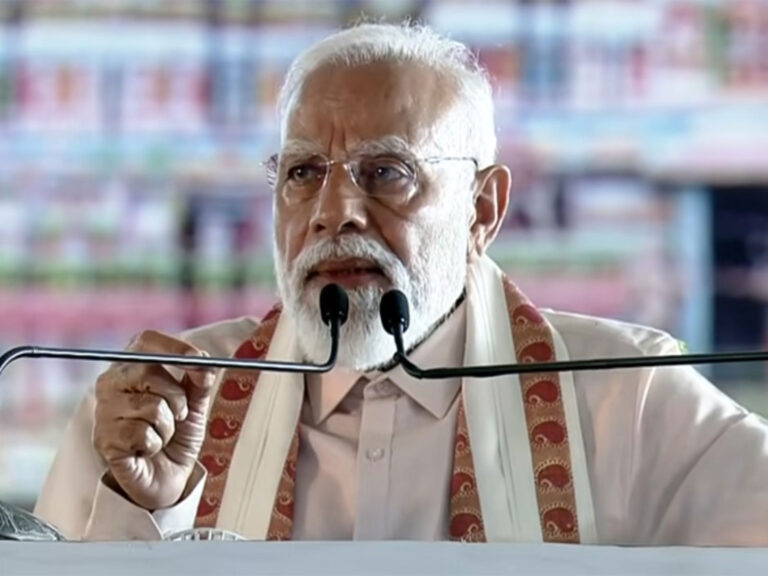
New Delhi: The Prime Minister, Shri Narendra Modi, laid the foundation stone and inaugurated multiple development projects in Silchar, Assam, today. Addressing the gathering,  PM Modi stated that visiting the Barak Valley, a land defined by its culture and vibrancy, is always a deeply special experience for him. The Prime Minister remarked that Silchar serves as the gateway to this valley, where history and language have merged to create a unique regional identity. Shri Modi noted that the region’s strength lies in its diversity, where Bengali, Assamese, and tribal traditions flourish together in harmony. “The diversity of the Barak Valley is its greatest asset, fostering a spirit of brotherhood among its citizens” affirmed Shri Modi.

The Prime Minister observed that the fertile plains and tea gardens of the region have long been the backbone of its local economy and trade routes. PM Modi stated that today’s inauguration of projects worth thousands of crores will further empower the Barak Valley as a logistics hub for the entire North East. Shri Modi noted that these initiatives in rail, road, and education are designed to create vast employment opportunities for the local youth. The Prime Minister pointed out that the region is now being positioned to connect not just the state, but the neighboring regions of West Bengal and the North East. “Barak Valley is going to become a major logistics and trade hub for the North East,” remarked Shri Modi.

The Prime Minister remarked that the current government is making the region the centerpiece of India’s Act East Policy. PM Modi noted that the current administration is working to restore its industrial glory. The Prime Minister observed that a historic milestone was reached today with the ground-breaking ceremony for the ₹24,000 crore Shillong-Silchar High-Speed Corridor. He stated that this Access Controlled Corridor is the first of its kind in the North East and ends a decades-old wait for the people. Shri Modi noted that this corridor will link Silchar to Mizoram, Manipur, and Tripura, and eventually to the vast markets of South-East Asia. The Prime Minister pointed out that this connectivity will provide an immense boost to local industry, agriculture, and tourism. “Barak Valley is going to be connected to a very bright future,” affirmed Shri Modi.

The Prime Minister stated that the new Silchar flyover will provide much-needed relief from the traffic congestion that has long troubled the city’s residents , this infrastructure is a major boon for students at Silchar Medical College, NIT, and Assam University, saving their precious time. Noting that the electrification of over 2,500 kilometers of Assam’s rail network will ensure faster travel, Shri Modi observed. “High-speed, clean rail transport will significantly benefit the pristine environment of the Barak Valley”.

The Prime Minister said that the tea garden workers and farmers of the valley have contributed immensely in  Assam’s development. He said that so far more than ₹20,000 crore under the PM-Kisan Samman Nidhi has been transferred to the farmers of Assam. Shri Modi further noted that just yesterday, thousands of farmers in the Barak Valley also received money in their bank accounts. The Prime Minister added that this assistance is helping farmers meet their small but important needs related to agriculture. Shri Modi noted that the establishment of the region’s first Agriculture College at Patharkandi will transform the valley into a hub for agricultural research. The Prime Minister pointed out that this institution will provide the necessary support for local youth to launch successful agri-startups. “Barak Valley will now be known for agricultural studies and research,” stated Shri Modi.

Shri Modi stated that the current government follows the mantra of prioritizing those who have been left behind in the race for development. The Prime Minister remarked that while border villages were once considered the “last” villages, his government views them as the “first” villages of the nation. He noted that the Vibrant Village Program, expanded from Cachar district, is already bringing visible improvements to border habitations. The Prime Minister pointed out that the historical neglect of these areas is now being replaced by proactive development and strategic focus. “We consider the border villages as the first villages of the country,” affirmed the Prime Minister.

The Prime Minister observed that the Assam government has performed a historical duty by granting land rights to thousands of tea garden families.Stating that providing these land titles is a major step toward changing the future of generations who served for two centuries, Shri Modi noted that this legal security ensures a life of dignity “These land rights will now allow families to access central schemes like permanent housing, electricity, and water”.

The Prime Minister stated that the government has also focused on providing schools, scholarships, and job opportunities specifically for the youth of the tea gardens. PM Modi remarked that these efforts are opening doors to a golden future for the children of workers who were previously neglected. He said that education, skill development, and health have become the primary pillars of the current government’s regional strategy. The Prime Minister pointed out that Assam is rapidly emerging as a health hub, with AIIMS and cancer hospitals now forming a strong network. “The doors of a golden future are opening for the youth of the tea gardens,” noted Shri Modi.

The Prime Minister observed that while the youth of Assam now have an open sky of opportunities in the semiconductor and tech sectors, the current era of peace and progress has been achieved through immense sacrifices and must be protected from regressive forces. The Prime Minister pointed out that a befitting reply must be given to any force trying to push the state back into its troubled past. “Assam is now becoming an important part of India’s semiconductor sector. The ecosystem and talent related to next-generation technology are getting ready here,” affirmed Shri Modi.

The Prime Minister observed that during global crises and wars, the current government is working with full strength to minimize the impact on Indian citizens. Shri Modi noted that the region’s journey on the path of progress is now unstoppable, supported by its rich language and culture. PM Modi remarked that the development projects inaugurated today are just the beginning of a new era for the valley. The Prime Minister observed that the collective resolve of the people will ensure a bright and prosperous future for the entire state. “The day is not far when Barak Valley will be recognized as a new center of development,” concluded Shri Modi.