SEERAT-Un-NISA
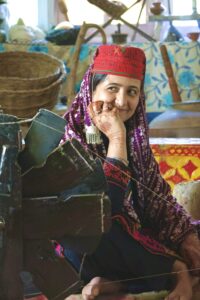
BANDIPORA, Nov 5: Amid the serene foothills of Harmukh and along the tranquil banks of Wular Lake lies Aragam village, where a young woman’s passion is breathing life into a culture at risk of fading away. Twenty-seven-year-old Shahida Khanam, belonging to the Gujjar-Bakarwal community, has transformed part of her modest home into a living museum, dedicated to preserving the art, attire, and cultural traditions of her tribe. Her remarkable initiative has turned her home into a space of pride and learning for many who had begun to drift away from their roots.
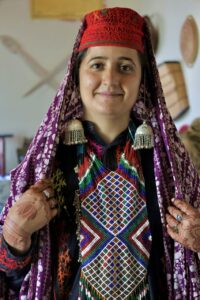
In a time when several members of the Gujjar-Bakarwal community hesitate to express their cultural identity—fearing prejudice or being swayed by modern influences—Shahida’s effort stands out as a powerful assertion of belonging. Her story began in 2016, during a visit to Bhopal, where she toured a museum showcasing tribal cultures from across India. Moved by the grandeur of representation yet saddened by the absence of her own community’s artefacts, she returned home determined to change that reality. “I felt disheartened that I could not represent my Gujjar-Bakarwal heritage because we had nothing tangible—no costumes, no ornaments, no tools that reflected who we are,” she recalls. That moment became a turning point in her life, inspiring her to begin collecting the remnants of a culture that was slipping into obscurity.
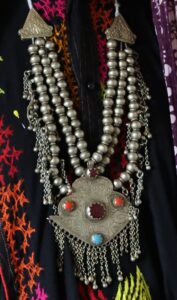
Over the next few years, Shahida travelled across villages and settlements, gathering traditional artefacts that told stories of her people’s life and legacy. Her collection today includes embroidered knitted caps known as Lashka, long gowns or Kameez, traditional jewellery called Gutcha, and men’s clothing such as Shalwar Kameez, waistcoats, Angoo (woollen coats), and the iconic Pagheri (headgear). Each piece, carefully preserved, evokes a sense of pride and nostalgia. “It took me around four to five years to collect everything that now finds a place in my small museum,” she says, smiling as she adjusts a display of old ornaments. Her museum also safeguards items that have nearly disappeared from tribal life—like Wagouv, Kharaw (wooden sandals), and Patji (woven mats)—each representing a unique chapter of Gujjar-Bakarwal craftsmanship.
For Shahida, this endeavour is not just about archiving artefacts; it is about reviving a way of life. A mother of two, she has expanded her mission beyond preservation by empowering women in her community through skill development. Drawing inspiration from her mother, a skilled embroiderer, Shahida set up a stitching and embroidery centre named Noor on the second floor of her home. The centre has become a beacon of hope for local women and girls, many of whom were earlier confined to domestic roles. “More than 50 women have learned stitching and embroidery at my centre,” she explains. “They now earn their livelihood with dignity and are proud to contribute to their families’ income.” The centre not only teaches modern tailoring techniques but also revives intricate tribal embroidery patterns once common among Gujjar-Bakarwal women.
Through her twin efforts—her home museum and her training centre—Shahida is weaving together culture, identity, and empowerment. Her work resonates deeply with the youth, at a time when global influences often overshadow local traditions. “Our culture and traditions are our pride,” she says firmly. “We must not lose our identity while chasing western lifestyles. We should proudly say we belong to the Gujjar-Bakarwal community.”
Today, Shahida Khanam’s home in Aragam stands as more than just a house—it is a living archive of her people’s past and a symbol of cultural pride for generations to come. Visitors from neighbouring villages, researchers, and curious students step into her home and walk out inspired, carrying a renewed appreciation for a culture that thrives through her unwavering commitment. In her quiet yet powerful way, Shahida has become a guardian of a legacy—ensuring that the story of the Gujjar-Bakarwal tribe continues to echo through the valleys of Bandipora for years to come.