Vinod Bhat
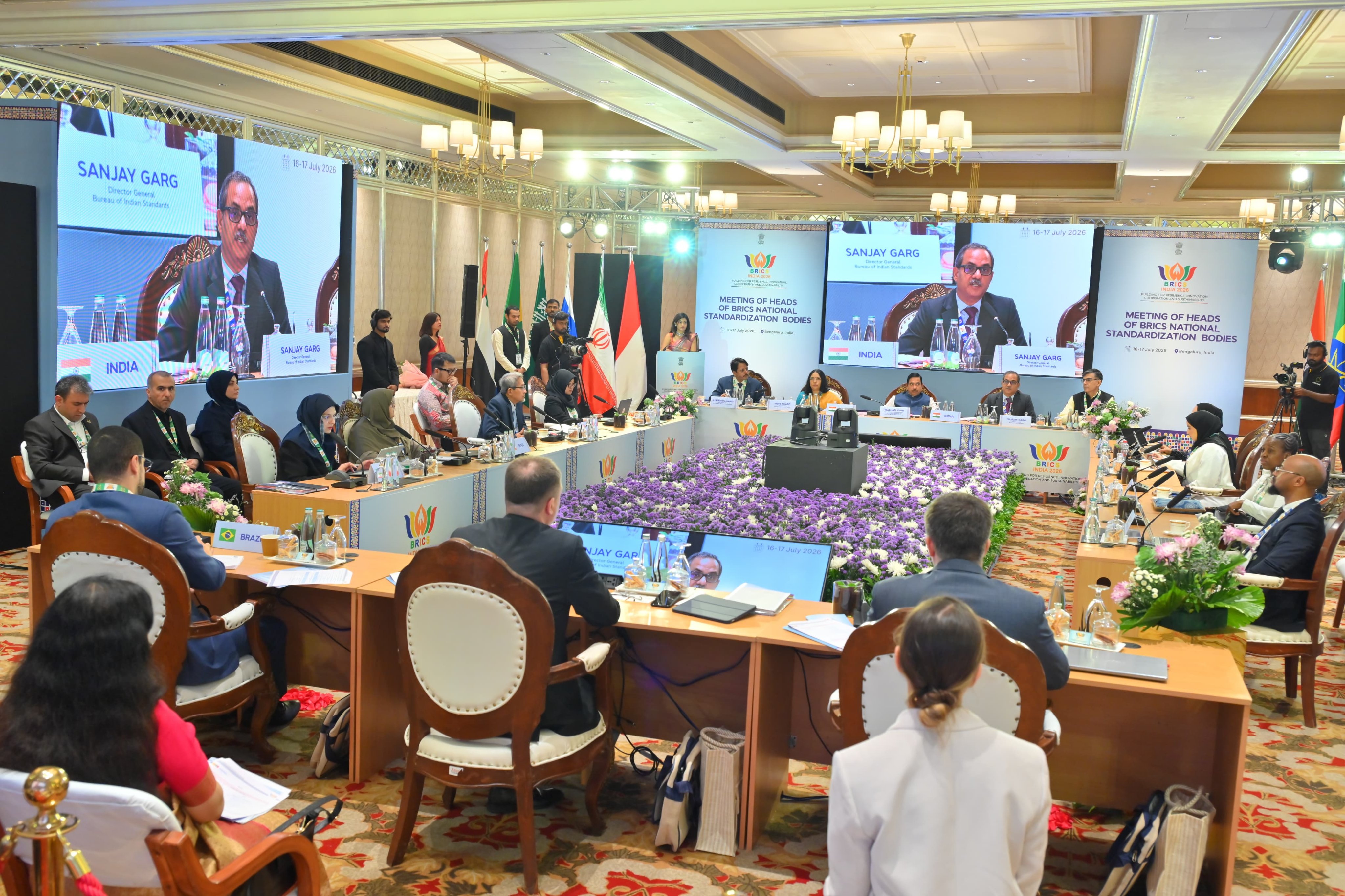
New Delhi: Reaffirming its commitment to fostering global economic and technical collaboration, India inaugurated the two-day meeting of the Heads of the National Standards Bodies (NSBs) under its BRICS Chairship today in Bengaluru. The high-level gathering marks a significant step forward in harmonizing quality infrastructure across emerging markets, culminating in a consensus on a new Memorandum of Understanding (MoU) for cooperation in standardization.
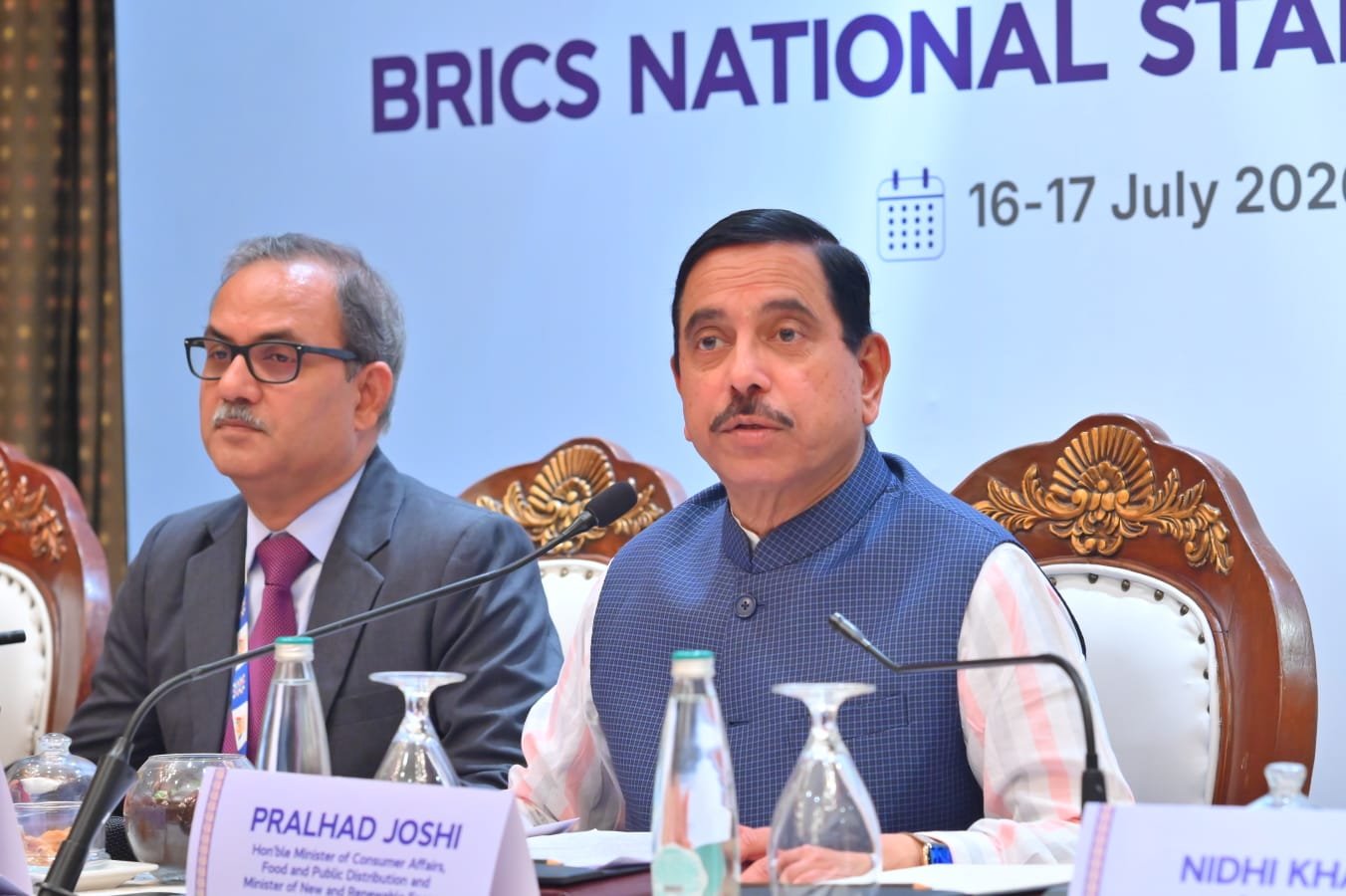
Addressing the delegation, Shri Pralhad Joshi, Union Minister, emphasized India’s dedication to the “Global Good” under the overarching theme of India’s BRICS Chairship: ‘Building for Resilience, Innovation, Cooperation and Sustainability.’
Reflecting the people-centric and humanity-first approach articulated by Prime Minister Shri Narendra Modi at the 2025 Rio Summit, the Union Minister stated, “India firmly believes that standards should be developed through inclusive, transparent, and consensus-based processes that take into account the diverse needs and developmental priorities of all countries.” He further commended the Bureau of Indian Standards (BIS) for its strong institutional foundation, noting that India’s growing expertise positions the nation to make meaningful contributions to international knowledge sharing.
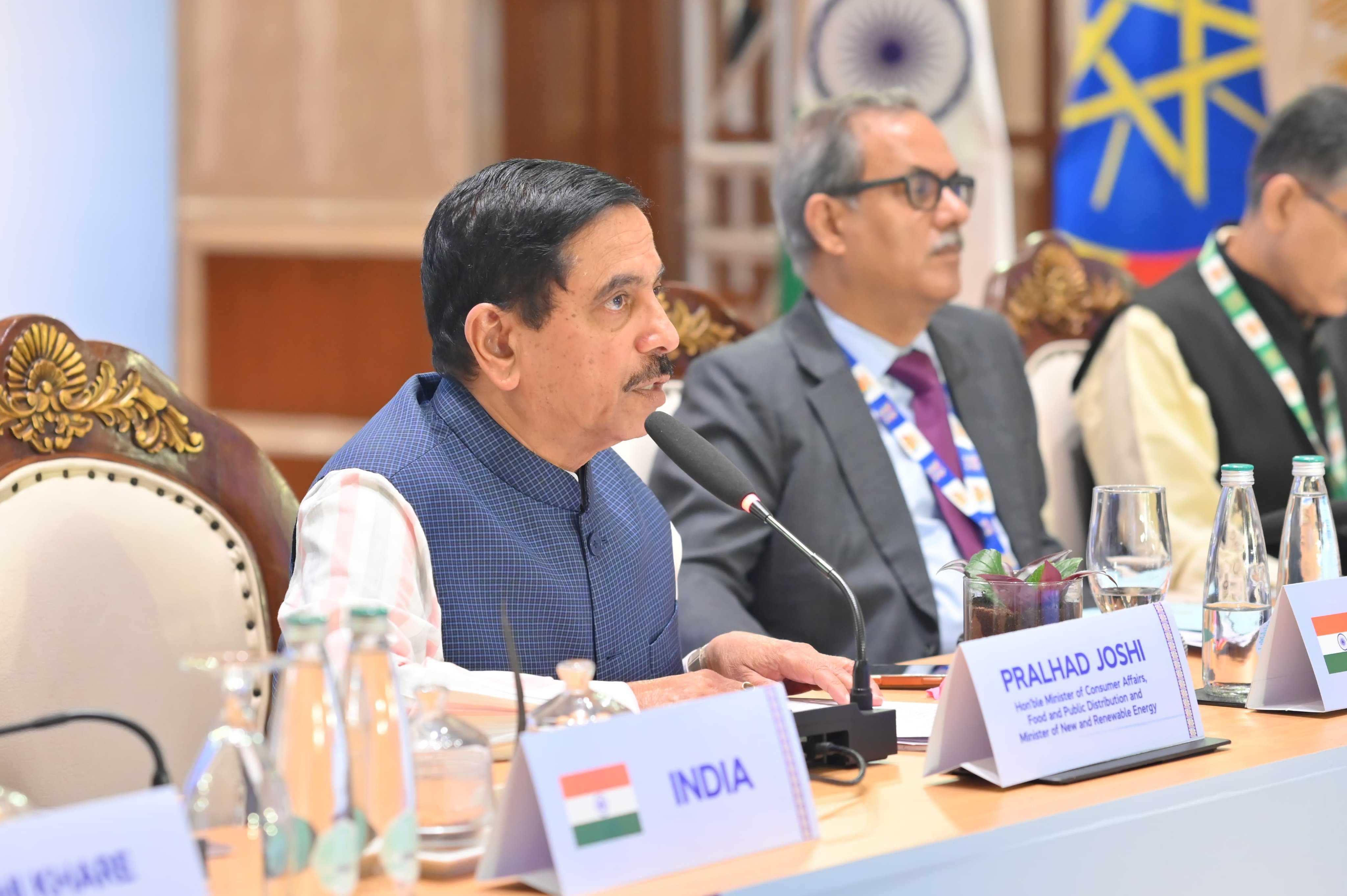
The vital role of standardization in global trade and sustainability was echoed by senior officials. Ms. Nidhi Khare, Secretary of the Department of Consumer Affairs (DoCA), highlighted the broader impacts of the summit: “By working together, we can develop standards that not only facilitate trade and technological advancement but also contribute to building a more resilient, sustainable, and inclusive future for our nations and the global community.”
Welcoming the international delegates, Shri Sanjay Garg, Director General of BIS, underscored the operational benefits of the summit. “Through closer cooperation, knowledge sharing, and the exchange of best practices, we can strengthen our national standardization systems while contributing meaningfully to international standardization efforts,” he said.
A Milestone Achievement: Consensus on Standardization MoU
A major breakthrough of the day’s proceedings was the common understanding reached on the draft MoU on Cooperation in the Field of Standardization among the BRICS National Standards Bodies. Representatives recognized the agreement as a crucial milestone that will reinforce quality infrastructure, enhance consumer protection, reduce technical barriers to trade, and strengthen the bloc’s collective engagement with international organizations such as the ISO and IEC.
Affirming their collective commitment for collaboration in the field of Standardization; the NSBs of majority of the BRICS member countries signed the MoU during the meeting with the remaining NSBs reaffirming their commitment to sign at the earliest upon completion of the requisite national-level approval processes.
BRICS now brings together the world’s leading emerging markets and developing countries, representing approximately 49.5% of the global population, 40% of global GDP, and 26% of global trade. The harmonization of standards across this bloc promises transformative economic benefits on a global scale.
Looking Ahead: The Future of AI Standards
The Meeting of Heads of BRICS National Standards Bodies will continue on 17 July, 2026, featuring a highly anticipated Thematic Workshop on Standardization in Artificial Intelligence (AI). The session will include expert presentations from global standards authorities, including BIS (India), GOST R (Russian Federation), SAC (China), ABNT (Brazil), and MoIAT-SAS (UAE). This will be followed by an interactive dialogue among the Heads of the BRICS NSBs to identify emerging AI standardization priorities and explore new avenues for technological cooperation.
The Bureau of Indian Standards remains steadfast in its commitment to advancing international partnerships and reinforcing India’s leadership in the global standardization ecosystem through robust, collaborative initiatives under the BRICS framework.

