spot_imgspot_img
spot_img
Home Blog Page 112

DC Budgam Inaugurates Hybrid Learning System at BHSS Kanir; Delivers Inaugural Lecture on Periodic Table & Semiconductors

0

Says Push for Technology-Enabled Education Gains Momentum in the District
15+ Schools Digitally Connected as Budgam Adopts Hub-and-Spoke Smart Learning Model: DC budgam

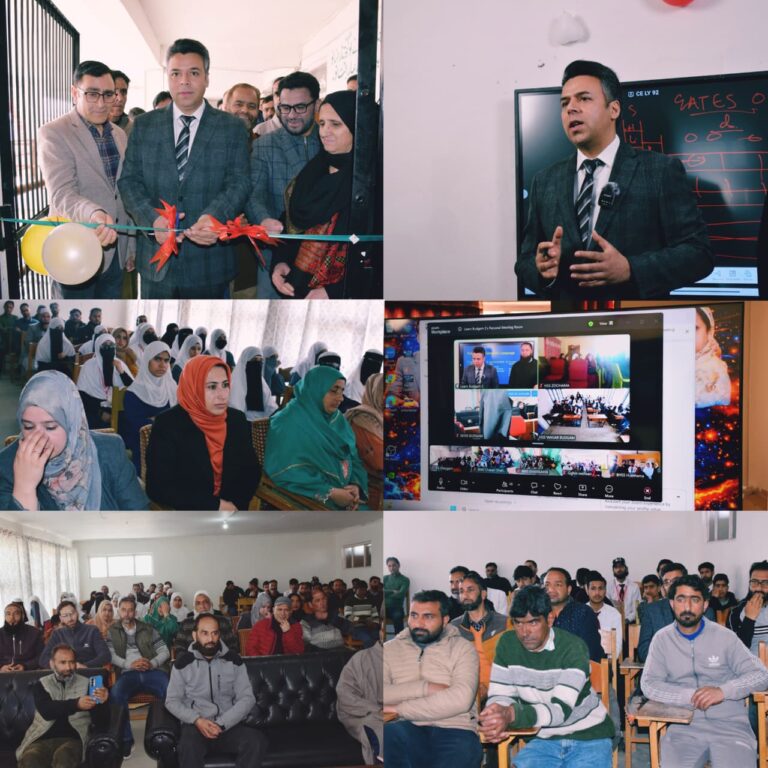
Budgam, February 23: The Deputy Commissioner (DC) Budgam, Dr. Bilal Mohi-Ud-Din Bhat (IAS), today inaugurated the newly installed Hybrid Learning System at Boys Higher Secondary School (BHSS) Kanir, marking a significant milestone in the district’s mission to strengthen technology-enabled and inclusive education.
On the occasion, the DC also delivered an inaugural academic lecture to the students of BHSS Kanir on the Periodic Table and Semiconductors, highlighting the importance of scientific temperament and conceptual clarity in foundational subjects. The session, conducted through the hybrid platform, demonstrated the practical utility of the system in enabling high-quality, interactive learning.
The inauguration ceremony was attended by the Chief Planning Officer, the Chief Education Officer, along with other officials and faculty members.
The hybrid learning initiative represents a transformative step towards modernization of the education sector in Budgam. With the launch of this system, more than 15 schools across the district have been successfully connected through an innovative digital platform. Additionally, 55 ICT laboratories established in various schools have been integrated with the hybrid smart classroom learning system, substantially enhancing the district’s digital education infrastructure.
The Hybrid Learning System operates on a Hub-and-Spoke model, wherein centralized studios (Hubs) equipped with advanced digital infrastructure enable subject experts and best-performing teachers to deliver live lectures. These lectures are relayed in real time to connect schools with a two-way communication interface, allowing students to interact directly with teachers, ask questions, and actively participate in discussions. This model ensures optimal utilization of expert faculty and equitable academic access across geographically dispersed institutions.
During the visit, the DC interacted with students both virtually through the hybrid interface and physically with those present on campus. Students enthusiastically shared their experiences, aspirations, and feedback regarding the new system. Their confidence and adaptability to modern educational tools were widely appreciated.
On the occasion, the DC stated that integration of technology into the education system is being actively pursued to ensure that no student is left behind due to geographical or infrastructural limitations. He emphasized that access to quality education is a fundamental pillar of inclusive development, and the administration remains committed to bridging learning gaps through innovative and sustainable interventions.
The DC observed that the hybrid model has been envisioned as a scalable and sustainable solution to promote academic collaboration among schools. He highlighted that through this platform, subject experts can simultaneously deliver lectures to multiple institutions, thereby optimizing resources, improving academic outreach, and ensuring uniform quality standards.
To ensure measurable academic progress, a Learning Management System (LMS) software has also been integrated with the hybrid platform. The LMS will facilitate monitoring of attendance, tracking of lesson delivery, assessment of student performance, and measurement of learning outcomes through structured digital evaluation tools, thereby strengthening accountability and outcome-based education.
The DC underscored the importance of effective utilization of digital infrastructure and impressed upon the concerned authorities the need for regular monitoring, teacher training, and capacity building to fully realize the platform’s potential. He directed that periodic evaluations be conducted to assess operational efficiency and measurable academic impact.
He further stated that continuity of education, particularly during challenging circumstances, remains a priority for the district administration. The hybrid setup was described as a proactive and resilient mechanism designed to safeguard uninterrupted learning while building a future-ready education ecosystem.
The DC reiterated that sustained efforts are being made to create an educational environment where innovation, inclusivity, and quality go hand in hand, equipping students with the necessary skills and opportunities to thrive in an increasingly digital and competitive world.
Speaking on the occasion, the Principal of BHSS Kanir expressed heartfelt gratitude to the Deputy Commissioner for facilitating the installation of the Hybrid Learning System and for delivering an inspiring academic lecture to the students.
The District Administration Budgam remains steadfast in its commitment to harness technology for transforming the educational landscape of the district and ensuring that every student benefits from modern, accessible, and outcome-driven learning opportunities.
Sports reflect J&K’s identity, national unity: LG Sinha at Khelo India Winter Games in Gulmarg

0

*Says sports connect every citizen, inspire individuals to build strong character*

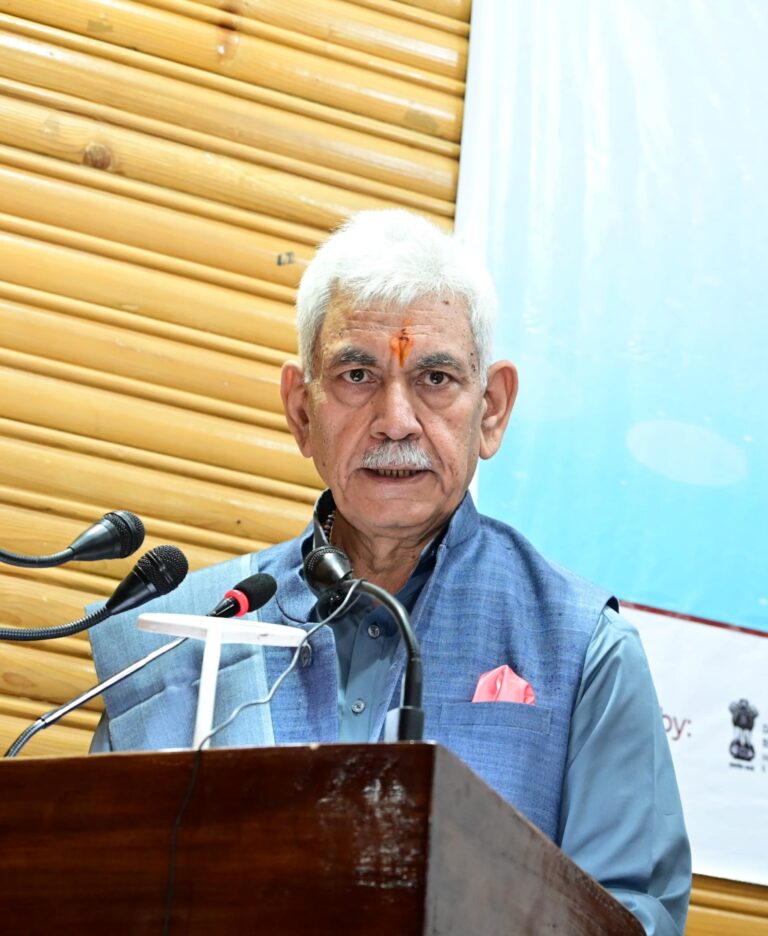
Gulmarg, Feb 23: Terming Khelo India Winter Games (KIWG) as the reflection of Jammu and Kashmir’s identity, Lieutenant Governor Manoj Sinha on Monday said sports connect every citizen and inspire individuals to build a strong character and discipline.

Addressing a ceremony of the sixth edition of KIWG-2026 here in North Kashmir, LG Sinha, said that sports reflect Jammu and Kashmir’s identity and the spirit of national unity.

“It is a happy coincidence that the Winter Wanchit festival concluded on February 22 and today we are commencing the Khelo India Winter Games here. This is not merely an event but a reflection of Jammu and Kashmir’s identity in sports, national unity and the creative power of sports, especially for our youth,” he said.

Welcoming the athletes, coaches, managers and sports enthusiasts present on the occasion, LG Sinha extended his best wishes to all participants. “This is not just a competition but is gradually transforming into a national festival with everyone’s support,” he said.

Highlighting the progress in the sports sector over the past few years, the LG said Jammu and Kashmir has witnessed remarkable development, with significant support from the Union Ministry of Youth Affairs and Sports and under the leadership of Prime Minister Narendra Modi.

He said the expansion of Khelo India Centres has played a major role in strengthening sports infrastructure in the region.

He credited the youth of J&K for their dedication and talent, along with the relentless efforts of officials, for the successful organisation of the Games.

Extending a warm welcome to skiers from across the country, the LG said they are not just athletes but honoured guests of Jammu and Kashmir. “The people of J&K wholeheartedly welcome you and wish that you experience not just competition but also the tradition and dignity of this paradise on earth,” he said.

Referring to the ski slopes of Gulmarg, LG Sinha said the competitions held here symbolise not only sporting excellence but also courage, determination and self-confidence of the participants.—(KNO)

PSA case of Mehraj Malik: Arguments concluded, judgment reserved

0

Srinagar, Feb 23: The hearing in the Public Safety Act (PSA) case of MLA Mehraj Malik was conducted today as per the scheduled date, an official said.

Sources said that during the proceedings, arguments from both sides were completed.

After hearing detailed submissions, the court reserved its judgment in the matter.

The court has granted one week’s time to the concerned parties for the submission of any written synopsis or additional documents, if they wish to file the same.

The case now awaits the final verdict, which is expected after the completion of the stipulated period.

It is important to mention, Mehraj Malik was detained under the Public Safety Act (PSA), a law that allows preventive detention in Jammu and Kashmir on grounds related to security and public order. Following his detention, the matter was challenged before the court, seeking relief and questioning the grounds of detention.

Notably, the case has since been under judicial consideration, leading to the present stage where arguments have been concluded and judgment reserved. Further updates will follow as the matter progresses.— KNC

Voices of India Unite at Sahitya Akademi’s Multilingual Poets’ Meet

0

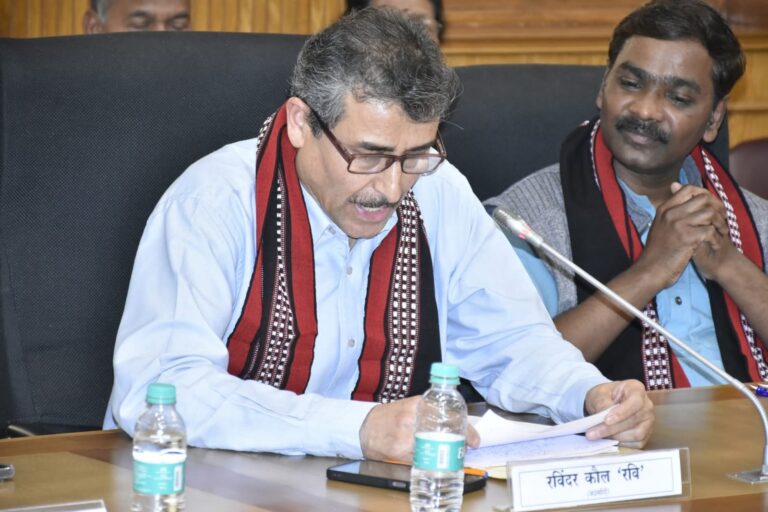
Kashmiri poet Ravinder Kaul ‘Ravi’ mesmerises audience with poem on the beauty of valley snowfall

VINOD BHAT

NEW DELHI, Feb 22: Celebrating the linguistic diversity and literary richness of the nation, the Sahitya Akademi organized a grand Multilingual Poets’ Meet on the occasion of International Mother Language Day on February 21, 2026, at its Conference Hall in New Delhi. The event brought together eminent poets representing a wide spectrum of Indian languages, reaffirming the Akademi’s commitment to preserving and promoting the country’s vibrant literary heritage.
The programme was chaired by noted Hindi writer and Sahitya Akademi Bal Sahitya Puraskar awardee Divik Ramesh, who opened the session by congratulating participants and highlighting the significance of mother tongues in shaping cultural identity. Quoting lines from Bharatendu Harishchandra, often regarded as the father of modern Hindi literature, he underlined the importance of nurturing one’s own language as a pillar of intellectual and emotional expression.
At the outset, the gathering paid homage to recently deceased literary figures. The audience was informed about the sad demise of Taren Boro, Convener of the Bodo Advisory Board; eminent Bengali writer Mani Shankar Mukhopadhyay, popularly known as Shankar; and Devendra Kumar, distinguished Hindi writer and Sahitya Akademi Bal Sahitya Puraskar awardee. A minute’s silence was observed in their memory, lending a solemn note to the otherwise celebratory occasion.
The poets’ meet unfolded as a rich tapestry of languages and themes. Ratnottama Das, an eminent Assamese poet, recited her poem “I Was Fine As I Was” in Assamese, followed by its English rendition. Kaushik Sen presented Bengali poems, including a sharp political satire. Kiran Boro, representing Bodo literature, recited “Hamara Desh Bharat” and “Chandni Ke Munh Par Kale Daag,” which were later rendered in Hindi translation.
Dogri poet Kajal Suri captivated listeners with “Meri Sannate Di Kavita,” “Suno,” and “Amrod Da Boota.” Amlanjyoti Goswami presented English poems including “Mother,” “My Father Searched For A Poem,” and “Grandfather’s Postcard,” along with one of his Assamese works.
Gujarati poet Bhagyendra Patel delivered a moving poem depicting the agony of a sparrow injured by a kite’s sharp thread during the Uttarayan festival. Kannada poet Ramesh Aroli recited a poignant poem about the plight of a three-year-old boy arrested with his family in Zimbabwe and also sang a song reflecting on the impact of mobile phones in the modern world.
Among the highlights of the evening was the recital by Kashmiri poet Ravinder Kaul ‘Ravi’, who presented a poem in Kashmiri celebrating the serene beauty of snowfall in the Valley. His evocative verses painted vivid imagery of winter landscapes, resonating deeply with the audience and adding a distinct Himalayan flavour to the multilingual gathering.
Konkan poet Lilesh V. Kudalkar recited a poem commemorating Konkani attaining the status of a State language. Maithili poet Nivedita Jha presented a poem on forest fires and their consequences, followed by its Hindi translation. Malayalam poet Sindhu Suresh rendered a lyrical composition titled “Silent Houses,” while Manipuri poet Misna Chanu recited poems from an anthology of world mother tongues.
Marathi poet Jeevan Prakash Talegaonkar recited his poems “Bapu” and “Ram Hamare,” and Nepali poet Harka Bahadur Lamgade presented “Udhar Ka Yauvan.”
The second session continued the celebration of linguistic plurality. Biraja Mahapatra recited an Odia poem on the current political situation and another on the sufferings of immigrants in cities. Punjabi poet Akramal Kaur presented a ghazal emphasizing the importance of language and recited “Keedi Ka Aata.” Sanskrit poet Pramod Kumar Sharma offered a poem dedicated to Prime Minister Narendra Modi in Sanskrit.
Santali poet Sarojini Besha recited “Matru Bhasha” and “Meri Pehchan,” followed by Hindi translations. Sindhi poet Mohini Hingorani presented short poems addressing contemporary issues and human emotions. Tamil poet Vinitha S. R. recited “The Death” and “The Venom” in Tamil, with English translations. Telugu poet Dattaiah Attem spoke on the theme of mother tongue and also rendered his poem in English translation.
Urdu poet Moien Shadab recited couplets and a ghazal, while Divik Ramesh concluded the programme by quoting Kedarnath Singh’s celebrated poem “Matrubhasha” and presenting one of his own compositions.
The event was conducted by N. Suresh Babu, Deputy Secretary of Sahitya Akademi, who extended a vote of thanks on behalf of Secretary Ms. Pallavi Prashant Holkar.
The Multilingual Poets’ Meet stood as a vibrant tribute to India’s linguistic mosaic, reinforcing the message that every mother tongue carries within it the soul of its people. Through poetry that ranged from political reflection and social commentary to personal memory and natural beauty, the evening affirmed that India’s unity thrives in its diversity of voices.

Sat Sharma Marks 1994 PoJK Resolution Anniversary, Urges Unity for Justice to ‘Forgotten’ Families Across LoC

0

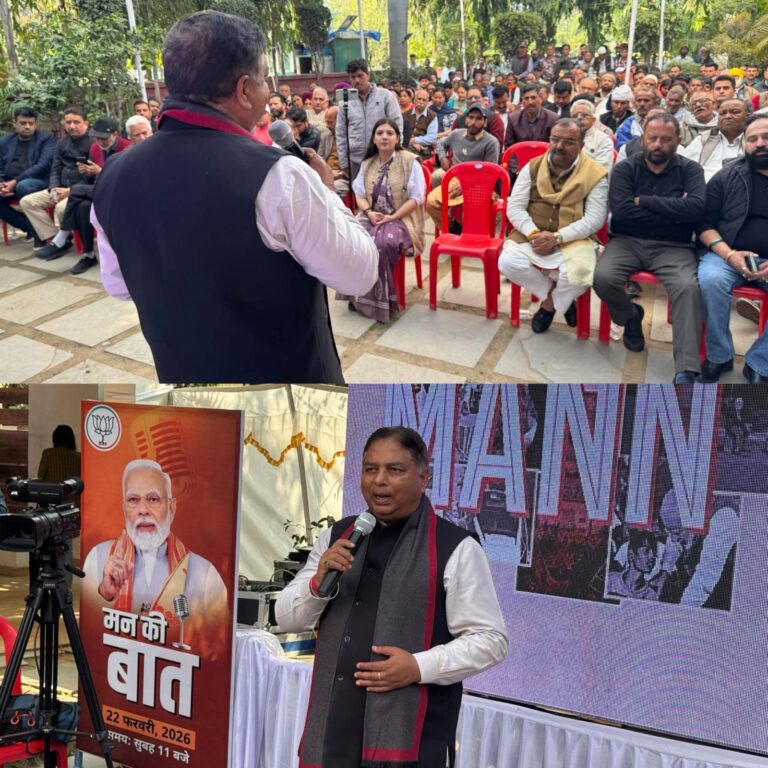
Jammu, 22 February:On the 32nd anniversary of Parliament’s historic resolution affirming Jammu and Kashmir’s complete integration with India, senior BJP leader and Jammu MP Sat Sharma today renewed the call for justice to the people of Pakistan-occupied Jammu and Kashmir (PoJK), describing their suffering as a direct result of past political betrayals.

Speaking at a gathering in Jammu, Sharma said many families in PoJK still live with deep hope and pain. “There is a dire need to give justice to those old ladies who still make two extra chapatis every night, waiting for the Indian Army to liberate them from atrocities and the clutches of illegal occupation by the ISI and Pakistan,” he told the gathering.
The February 22, 1994, resolution—passed unanimously by both Houses of Parliament—declared that the entire state of Jammu and Kashmir, including territories under Pakistani control since 1947, is an “integral part of India.” It demanded Pakistan vacate the illegally occupied areas, condemned the ethnic cleansing of Kashmiri Pandits, and rejected any dilution of India’s sovereignty in the face of continued cross-border terrorism sponsored from across the border.

Sharma recalled how certain Kashmir-based leaders and the Congress leadership in Delhi at the time played a role in keeping these regions separated from the rest of Bharat. He appealed to Kashmiris and Dogras on the Indian side to stand in solidarity with their brethren in PoJK, many of whom continue to raise the slogan “Maharaja Gulab Singh Amar Rahe” as a symbol of their enduring connection to the larger Indian identity.

The remarks come against the backdrop of repeated waves of public anger in PoJK. In May 2024, protests erupted over inflated electricity tariffs and the withdrawal of wheat subsidies, turning violent and leaving several people dead. The unrest peaked again in late September–early October 2025 when the Jammu Kashmir Joint Awami Action Committee (JKJAAC) led a massive shutdown and wheel-jam strike across Muzaffarabad, Mirpur, Rawalakot, Kotli, and other towns.

The protesters presented a charter of up to 39 demands, including affordable electricity (despite PoJK generating a large share of Pakistan’s hydropower), subsidised food grains, improved roads, healthcare, education, and greater local control over resources. Security forces responded with force: at least nine people (civilians and police) were killed, more than 200 injured, mobile and internet services suspended, and large parts of the region placed under lockdown. An agreement was eventually signed on October 4, 2025, promising a 25-point package of relief and reforms to be implemented within 90 days. However, reports in early 2026 suggest significant delays, sparking fresh disappointment and sporadic protests.

Beyond economic grievances, residents of PoJK routinely face arbitrary arrests, enforced disappearances, custodial torture, discrimination against religious minorities (particularly Ahmadis and Shias), sectarian violence, severe curbs on freedom of expression, harassment of journalists, and misuse of anti-terror laws. Women and children have reported instances of sexual violence and forced recruitment into militant outfits, adding layers of trauma to daily life.

Sat Sharma’s statement reflects a growing sentiment that the time has come for stronger solidarity. With youth-led actions continuing in PoJK—especially against failing education systems, ongoing disappearances, and systemic neglect—the demand for justice and eventual reunion appears to be gaining momentum.

CISF Coastal Cyclothon Ends at Kochi After 6,553-km Unity Ride

0

VINOD BHAT

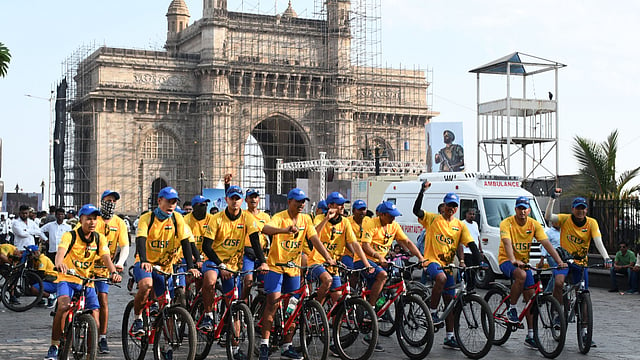
KOCHI, Feb 22: The 25-day-long CISF Vande Mataram Coastal Cyclothon–2026 culminated in a grand and emotionally charged ceremony at Kochi on Saturday, marking the successful completion of a 6,553-kilometre journey across India’s eastern and western coastlines. The nationwide outreach initiative, which began on January 28, evolved into a powerful movement connecting coastal communities with the message of unity, vigilance and national resolve.

The valedictory function was graced by Hon’ble Shri Bandi Sanjay Kumar, Minister of State for Home Affairs, and Shri Praveer Ranjan, Director General, CISF, along with senior officers of the Force. The event witnessed participation from prominent personalities from the film and sports fraternity, including Malayalam actors Shri Jayasurya, Shri Major Ravi and Shri Vijay Babu, actresses Miss Prayaga Martin and Miss Manasa Radhakrishnan, former footballer and Padma Shri Arjuna awardee Shri I.M. Vijayan, Indian badminton coach Shri Joy T Antony and noted music composer Shri Rathish Vega.
Flagged off virtually from New Delhi by the Minister of State for Home Affairs, the Cyclothon travelled through nine States and two Union Territories, linking historic ports, bustling industrial hubs, fishing villages and tourist beaches. Held under the unifying theme “Surakshit Tat, Samridh Bharat” (Secure Coasts, Prosperous India), the initiative commemorated 150 years of the iconic national song Vande Mataram and sought to embed the ideals of unity, collective responsibility and participative security among citizens.

Over the course of the expedition, 130 CISF cyclists, including a historic 50 per cent women contingent, pedalled not just across challenging terrain but deep into the social fabric of coastal India. From Lakhpat Fort in Gujarat to Bakkhali in West Bengal, passing through Mumbai’s Gateway of India, Goa’s shores, Karnataka’s New Mangalore Port, Odisha’s coastal belt and Tamil Nadu’s southern maritime stretches, the Cyclothon underscored the strategic and economic importance of India’s 7,500-kilometre coastline. With over 250 ports handling nearly 95 per cent of India’s trade by volume, the message was clear: coastal security is integral to economic prosperity and national resilience.

Throughout the journey, the cyclists engaged communities on pressing maritime threats such as narcotics trafficking, arms smuggling and infiltration, reinforcing the need for community vigilance as the first line of defence. In 52 carefully selected coastal villages, CISF personnel halted overnight, lived among residents and held open dialogues with fishermen, elders, youth groups and women’s self-help collectives. These engagements were marked by sincere discussions on livelihood challenges, environmental concerns, maritime risks and developmental aspirations.

Significantly, these 52 villages have now been formally adopted for year-long sustained engagement. With support from key stakeholders, including ONGC and port authorities through Corporate Social Responsibility initiatives, structured programmes will focus on rural sports promotion, fitness and wellness camps, recruitment awareness and career guidance sessions, Swachh Bharat drives, plantation campaigns, awareness and facilitation of government welfare schemes, and school infrastructure support including distribution of educational kits.
CISF’s 47 coastal units will spearhead this long-term outreach drive to ensure continuity beyond the Cyclothon and transform awareness into enduring partnership.

Youth participation emerged as the strongest pillar of the movement. NCC cadets, school students and local sports clubs joined the cyclists in rallies and interactive sessions on maritime vigilance and national development. Recruitment awareness programmes demystified opportunities in uniformed services, while sports activities—from volleyball and football to tug-of-war—fostered camaraderie between CISF personnel and rural youth. The distribution of sports kits and school supplies added tangible value to the outreach, with many young participants experiencing their first direct engagement with a national security force.

The 50 per cent women participation in the cycling contingent stood out as a powerful symbol of change and empowerment. From Gujarat’s coastal settlements to Karnataka’s fishing hamlets and Tamil Nadu’s southern shores, the sight of women cyclists in uniform inspired admiration and aspiration.

Discussions on Beti Bachao Beti Padhao, girls’ education and women’s participation in nation-building resonated strongly in village interactions. Women’s self-help groups shared entrepreneurial journeys, linking economic empowerment with social security and dignity.
The Cyclothon also reaffirmed the central role of fishermen as ‘Tat Praharis’—natural sentinels of the coast. Interactive sessions at fishing docks highlighted how local vigilance can deter smuggling and suspicious maritime activity. Fishermen, panchayat leaders and youth forums pledged to act as responsible coastal guardians committed to protecting both livelihood and nation.

Environmental stewardship formed another key pillar of the initiative. Beach clean-ups, plantation drives and Swachh Bharat activities were conducted at multiple locations, reinforcing that secure and clean coasts are fundamental to tourism, fisheries and sustainable growth. Fitness demonstrations, martial arts displays and public cycling events amplified the message of discipline and resilience—values central to both national security and youth development.

The Kochi finale brought together representatives of coastal communities, youth groups, women’s collectives, sister security agencies, industry stakeholders and civil administration on a shared platform. Cultural performances, patriotic renditions of Vande Mataram and public pledges of vigilance marked the symbolic culmination of a journey that transcended geography.

Addressing the gathering, DG CISF Shri Praveer Ranjan remarked that the Cyclothon represented the emergence of a confident and aware coastal India. He emphasised that when young girls see women in uniform leading from the front and students cycle alongside security personnel, security transforms from a distant concept into a shared aspiration.

The Cyclothon, he noted, was not an endpoint but the beginning of a structured outreach framework aligning maritime security with citizen participation.

As the cyclists symbolically handed over the baton of vigilance to coastal communities at Kochi, the message resonated strongly: secure coasts are not built by forces alone, but by united citizens committed to safeguarding the nation’s maritime frontiers.

J&K PET Welfare Society Mourns Demise of Former Chief Architect Muneer Ahmad Khan

0


KD NEWS SERVICE
SRINAGAR, Feb 22: The J&K PET Welfare Society on Saturday expressed profound grief and sorrow over the demise of former Chief Architect Muneer Ahmad Khan, terming his passing an irreparable loss.
In a condolence message issued from its head office at Dar-ul-Salam Children’s Home, Jadeed Baghat Sopore, the Society said that the members of its General Body, supporting staff, boarders of Dar-ul-Salam Children’s Home Sopore, Dar-ul-Muzaffar Children’s Home Baramulla, and trainers and trainees of the Skill Development Centre at Khawaja Bazar, Srinagar, joined together to offer their heartfelt condolences to the bereaved family.
The Society remembered the late Muneer Ahmad Khan, Ex-Chief Architect, as a distinguished professional who rendered valuable services in his field and contributed significantly to the architectural landscape. His dedication and commitment to his profession earned him respect and admiration from colleagues and the community alike.
Expressing solidarity with the grieving family, the members prayed for eternal peace to the departed soul. “Inna Lillah Wa Inna Illaihe Rajioon. Verily we belong to Him and shall return to Him,” the condolence message read.
The Society prayed to Almighty Allah to grant the departed noble soul the highest place in Janatul Firdous and bestow patience and strength upon the bereaved family to endure this immense loss.
Prof Mohammad Ismail, Chairman of the J&K PET Welfare Society, conveyed his personal condolences and said that the void left by Muneer Ahmad Khan’s demise would be difficult to fill. He extended sympathies on behalf of the entire organization and its associated institutions, praying for fortitude for the family during this difficult time.

Two Terrorists Killed in Joint Operation in Kishtwar

0

KD Correspondent

Jammu, Feb 22: Two terrorists were killed on Sunday in a joint counter-terror operation launched by security forces in Jammu and Kashmir’s Kishtwar district, officials said.

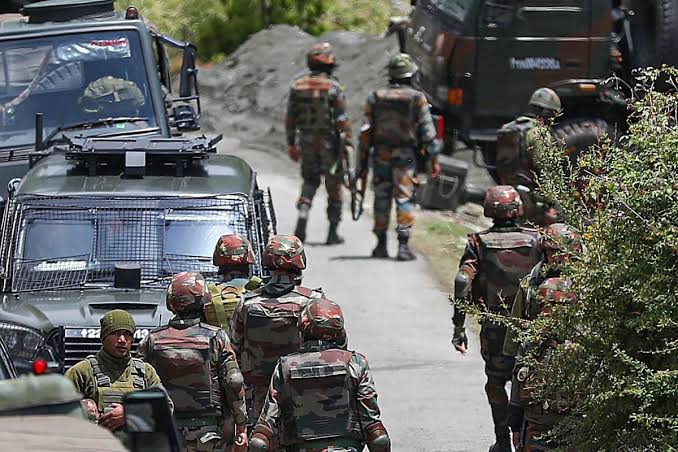
According to officials, the operation—codenamed Trashi-I—was initiated after specific intelligence inputs indicated the presence of militants in a remote area. Troops of the Army’s White Knight Corps, working in close coordination with the Jammu and Kashmir Police and the Central Reserve Police Force, launched a search operation and established contact with the suspected militants earlier in the day.

Officials said the forces re-engaged the militants around 11 a.m. in challenging terrain marked by dense vegetation and rugged slopes. During the ensuing encounter, both suspects were neutralised after an exchange of fire. Their identities and group affiliations are yet to be confirmed, authorities added.

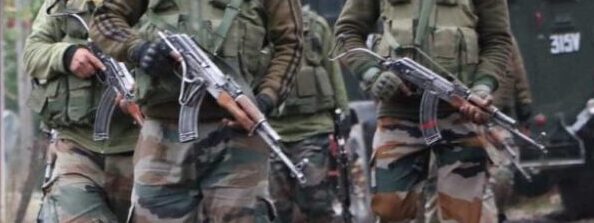
In a statement posted on social media, the Army said troops displayed “tactical precision, seamless synergy and resolute aggression” while dominating the encounter site. Security personnel recovered two AK-47 rifles along with other war-like stores from the spot, indicating the militants were well armed.
The area has since been cordoned off, and additional search operations are underway to rule out the presence of any more militants or support elements, officials said.

Security forces have intensified anti-militancy operations across Jammu and Kashmir in recent months, particularly in mountainous districts such as Kishtwar, where difficult terrain often poses operational challenges.

Top JeM Commander Killed in Kishtwar Gunfight

0

Jammu, February 22: A top commander of Jaish-e-Mohammad oufit has been killed on Sunday in Chatroo area of Kishtwar district.

Official sources told that during a fierce gunfight with joint team of police, 2 Para and army, one top JeM commander was killed. However, the body of the slain terrorist has not been retrieved yet. Meanwhile official confirmation is awaited.

The operation in the area was underway when this story was being filed.

Taking on micro-blogging platform X, the army’s WhiteKnight Corps wrote, “Troops of WhiteKnightCorps, alongwith @JmuKmrPolice and CRPF, in a joint operation, established contact with terrorists in the general area of Passerkut, Kishtwar. Firefight is on. Troops have cordoned off the area. Operation continues, reads the post.(GNS)

Global Imprint of India on the Railway Map — BLW’s Tenth Indigenous 3300 HP Locomotive Dispatched to Mozambique

0

Varanasi Emerging as a Railway Locomotive Export Hub

Indigenous 3300 HP Locomotive Built by BLW to Run on Mozambique Tracks — A Global Success of ‘Make in India’


Vinod Bhat

New Delhi: Banaras Locomotive Works (BLW) has once again hoisted India’s flag on the international stage in the field of locomotive manufacturing. The tenth unit of the indigenously manufactured 3300 horsepower AC–AC diesel-electric locomotive built by BLW was successfully dispatched to Mozambique on February 21, 2026. This marks a significant milestone, as BLW had received an export order for a total of 10 units of 3300 HP AC–AC diesel-electric locomotives for Mozambique.

The supply of these locomotives has been carried out through RITES Limited under a contract for the manufacture and export of 10 locomotives. The first two locomotives were dispatched in June 2025, followed by the third in September, the fourth in October, and the fifth on December 12, 2025. Subsequently, the sixth locomotive was dispatched on December 15, 2025, the seventh on January 8, 2026, the eighth on January 23, and the ninth on February 17, 2026. This export reflects India’s growing capabilities in locomotive manufacturing at the global level.

These state-of-the-art 3300 horsepower Cape gauge (1067 mm) locomotives manufactured by BLW are capable of operating at speeds of up to 100 km/h. They are equipped with internationally benchmarked, driver-friendly features such as a refrigerator, hot plate, mobile holder, and a modern cabin design, enhancing both operator comfort and operational efficiency.

Banaras Locomotive Works, a production unit of Indian Railways located in Varanasi, is now emerging as a major hub for locomotive manufacturing and exports. Leveraging its expertise in indigenous design and advanced railway technology, BLW is strengthening India’s presence in the global railway market. Since 2014, BLW has exported locomotives to countries such as Sri Lanka, Myanmar, and Mozambique, contributing to the development of their railway systems.

In line with the vision of “Make in India” and “Make for the World,” these exports demonstrate the capability of Indian Railways to design, manufacture, and supply rolling stock suited to various gauge systems in use worldwide. Through such initiatives, Indian Railways is supporting partner countries in upgrading their rail infrastructure while reinforcing India’s position as a reliable exporter of railway rolling stock and related services.

BLW’s achievements in the field of locomotive exports reflect India’s growing technological self-reliance and its expanding influence in the global railway equipment market.