spot_imgspot_img
spot_img
Home Blog Page 154

Budget 2026-27: CM to hold key pre-budget meetings with 24 departments from today

0

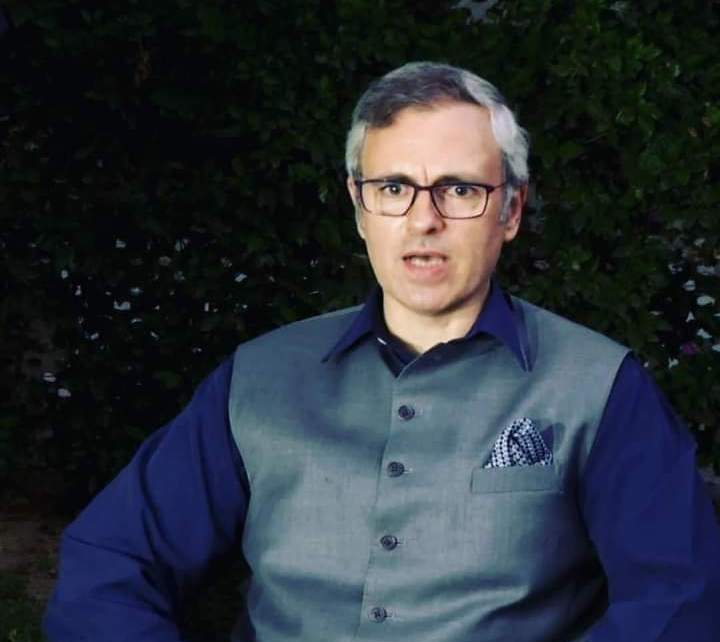
Jammu, Jan 20: Ahead of the beginning of the budget session of Jammu & Kashmir, Chief Minister Omar Abdullah will begin chairing pre-budget consultations with different administrative departments from Tuesday.

Chief Minister Omar Abdullah, who is also the Finance Minister of J&K, will hold pre-budget consultations with various departments starting today.

According to the itinerary prepared by the Finance Department, the Chief Minister will hold consultations with 24 administrative departments, including eight departments for which he himself is the minister in charge, on January 20, 21, and 22.

On January 20, he is scheduled to chair meetings of eight key departments headed by him, while on January 21 and 22, he will preside over meetings of departments headed by his cabinet ministers.

As per the notice, the Finance Department has asked ministers, the Advisor to the Chief Minister, the Chief Secretary, and administrative secretaries to attend the meetings.

The budget for 2026–27 will be presented by Chief Minister Omar Abdullah on February 6 in the Assembly. This will be the second budget presented by the Chief Minister himself.

Silver rally nears Rs 3.2 lakh/kg; gold futures hit record Rs 1.48 lakh/10g amid global tensions

0

New Delhi, Jan 20: Silver prices extended its record-setting surge on Tuesday, approaching the Rs 3.2 lakh per kilogram, while gold futures soared to a lifetime high of Rs 1.48 lakh per 10 grams, as investors flocked to safe-haven assets amid deepening global geopolitical uncertainties.

On the Multi Commodity Exchange (MCX), silver futures for March delivery surged by Rs 9,674, or 3.2 per cent, to a lifetime high of Rs 3,19,949 per kilogram.

The white metal had breached the Rs 3 lakh milestone for the first time on Monday, before closing at Rs 3,10,275 per kg.

Over the last two trading sessions, silver has zoomed by Rs 32,187, or 11.18 per cent, from Rs 2,87,762 per kg recorded on January 16.

Gold futures too continued their upward march, scaling fresh records in both domestic and international markets.

The yellow metal for February delivery increased by Rs 2,560, or 1.76 per cent, to Rs 1,48,199 per 10 grams on the MCX.

In the international trade, Comex gold futures breached the USD 4,700 per ounce level for the first time, with the February contract gaining USD 127.15, or 2.76 per cent, to USD 4,722.55 per ounce.
Comex silver futures for March delivery rose to hit a record of USD 94.74 per ounce in the overseas trade.

Gold and silver prices rose to hit fresh records on Tuesday, supported by sustained safe-haven demand amid macroeconomic ambiguity, Pankaj Singh, smallcase manager and Founder & Principal Researcher – SmartWealth.ai, said.

“The yellow metal is maintaining a constructive yet volatile trajectory in early 2026. With global growth uneven and policy visibility limited, investors continue to treat gold as portfolio insurance rather than a momentum trade,” he added.

Singh attributed the sharp rally to a confluence of geopolitical and policy factors.

“Escalating tensions around Iran, renewed US military pressure in Venezuela, and fresh NATO-related uncertainty following President Donald Trump’s remarks on Greenland have all kept global risk sentiment fragile.

“These overlapping flashpoints have elevated bullion’s relevance as geopolitical insurance. Gold has evolved into a core asset in a world of policy volatility and security stress,” he said.

Market participants’ focus now shifts to key global developments, including the postponed US Supreme Court ruling on Trump-era tariffs, India’s upcoming Union Budget on February 1 for cues on gold import duties, and any escalation in Middle East, all of which could sway currency moves, real yields, and safe-haven flows, Singh added.

LG Sinha inaugurates redeveloped Amira Kadal pedestrian bridge in Srinagar

0

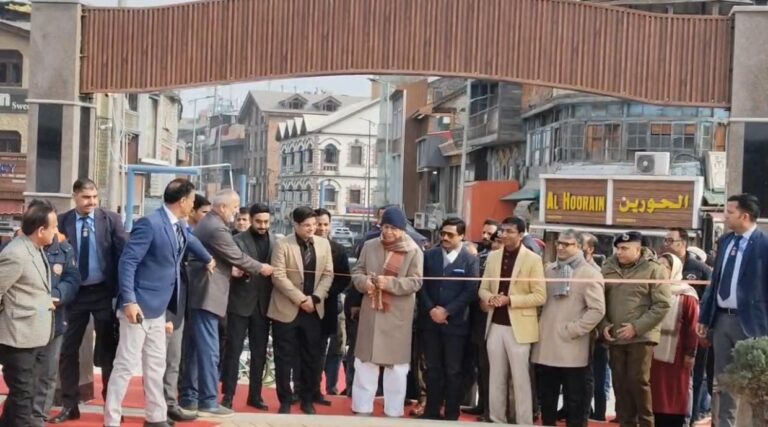
Srinagar, Jan 20: Jammu and Kashmir Lieutenant Governor Manoj Sinha on Tuesday inaugurated the redeveloped Amira Kadal bridge in Srinagar, officials said.

The bridge, located over the Jhelum river, has been redesigned exclusively for pedestrians as part of the Srinagar Smart City project, they said.

Officials said the redevelopment aims to improve pedestrian connectivity between Lal Chowk and adjoining commercial areas while integrating heritage elements into the city’s riverfront development.

The lieutenant governor was accompanied by Divisional Commissioner Kashmir Anshul Garg, senior police and civil administration officials, and the MLA from Lal Chowk during the inauguration.

The revamped bridge has been equipped with improved walkways, seating facilities and modern lighting arrangements to enhance public access and safety, officials said.

They added that the project is intended to provide residents and visitors with a dedicated public space while easing foot traffic in one of the city’s busiest commercial zones.

Amira Kadal is among Srinagar’s oldest bridges and holds historical significance in the city’s urban landscape.

Officials said its redevelopment is part of a broader plan to upgrade public infrastructure while preserving Srinagar’s cultural identity.(KNS).

IED found, defused along J-K’s Srinagar–Baramulla highway, traffic resumes

0

Mohsin Khan

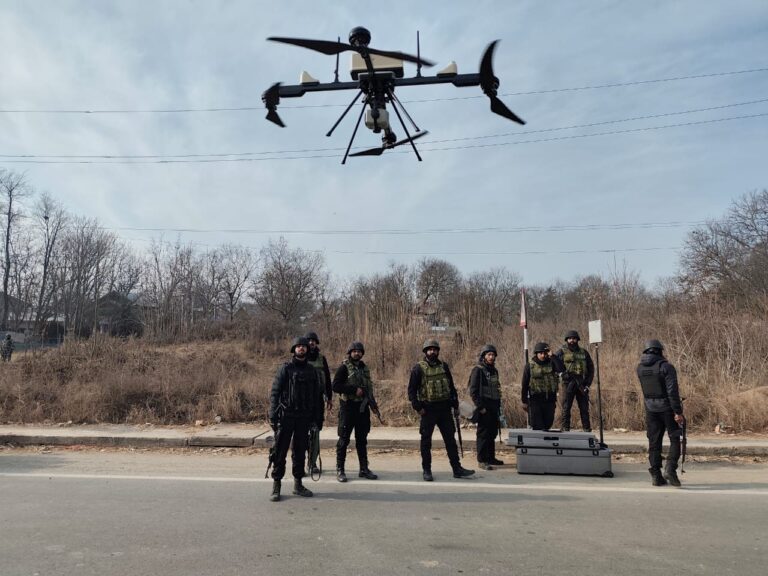
Baramulla, Jan 20(KNS): Security forces on Tuesday detected and defused an improvised explosive device (IED) along the Srinagar–Baramulla national highway in Tappar area of Pattan in north Kashmir’s Baramulla district, officials said.

An official told KNS that the IED was found planted on the roadside along the national highway during a routine road-opening operation.

“The explosive device was spotted by a road-opening party of 29 Rashtriya Rifles along with personnel from Pattan police,” the official said.

Following the detection, the area was immediately secured and vehicular movement on the highway was suspended as a precautionary measure, he added.

A bomb disposal squad was subsequently called to the spot, which safely defused the IED without causing any damage or casualties.

Traffic on the Srinagar–Baramulla highway was restored from both sides after the successful disposal of the explosive device, the official said.

Police have registered a case in connection with the incident and an investigation has been initiated to ascertain who planted the IED and for what purpose, he added.(KNS).

IGNOU Extends January 2026 Admissions Till Jan 31

0

KD NEWS SERVICE
SRINAGAR: Indira Gandhi National Open University (IGNOU) has extended the last date for admission to its January 2026 academic session, giving aspirants more time to apply for a wide range of academic programmes. Admissions to Master’s, Bachelor’s, Postgraduate Diploma, Diploma and Certificate programmes will now remain open till January 31, 2026, according to an official press release issued by the university.
IGNOU has initiated the admission process for over 350 programmes for the January 2026 cycle, catering to learners from diverse educational, professional and socio-economic backgrounds. Candidates interested in enrolling can apply online through the University’s National website www.ignou.ac.in or directly via the admission portal https://ignouadmission.samarth.edu.in.
The university offers programmes through distance learning and online education modes, enabling flexibility for working professionals, homemakers and students unable to pursue regular on-campus education. Aspirants are required to complete the entire admission process online before the revised deadline.
Before filling out the admission form, candidates must register on the SAMARTH portal by creating a User ID and Password. Applicants are advised to keep an active mobile number, a valid email ID, scanned copies of academic documents, a recent photograph and bank debit/credit card or net banking details ready for payment of fees. IGNOU has made it mandatory for applicants to create a DEB ID prior to submitting the application. Detailed instructions for DEB ID creation are available on the university website.
In a significant academic expansion, IGNOU has also launched around 60 new programmes. These include four-year undergraduate programmes (FYUP) in subjects such as Commerce, Economics, History, Political Science, Public Administration, Sociology, Anthropology, Hindi, Sanskrit, Urdu, Social Work, Philosophy, Biochemistry, Facilities and Service Management.
At the postgraduate level, new offerings include MBA in Healthcare and Hospital Management, MA in Environment and Occupational Health, PG Diploma in Geriatric Medicine, PG Diploma in Environment and Occupational Health, PG Certificate in Medical Management of CBRN Disasters, Certificate in Health Care Waste Management, Certificate in Health and Care MBA (Agribusiness Management), B.Sc. in Food Safety and Quality Management, Certificate in Geriatric Health and Care (CGHC), Certificate in Smart City Development and Management (CSCDM), Qualification Pack (QP) – Nurse Manager, Diploma in Agricultural Cost Management (DACM), PG Diploma in Urban Planning and Development (PGDUPDL), M.Sc. in Data Science and Analytics (MSCDSA), M.Sc. Geography, Geo Informatics, Applied Statistics and Renewable Energy, among others.
Encouraging aspirants to take advantage of the extended deadline, Dr Mohd Abdullah, Assistant Regional Director, IGNOU Regional Centre Srinagar, said that students wishing to become part of the IGNOU extended family should apply well before the last date to avoid last-minute inconvenience.
He also cautioned prospective learners against falling prey to fraudulent callers or individuals seeking admission fees through QR codes, WhatsApp or social media platforms, clarifying that IGNOU does not seek any payment or personal details through channels other than its official website.
The university has also informed that re-registration for the January 2026 session is currently underway, and the last date for re-registration has also been fixed as January 31, 2026.
For detailed programme information, candidates can access the Common Prospectus available on the IGNOU website. Students seeking assistance may visit the IGNOU Regional Centre Srinagar at Saida Kadal, Rainawari, or contact the centre via phone at 0194-3102402 or email at [email protected].
With its wide academic spectrum, flexible learning modes and nationwide reach, IGNOU continues to play a pivotal role in expanding access to higher education across the country.

Urs of Sheikh Jamal U Din (RA) Observed with Devotion at Sehipora Wayil, Ganderbal

0

Touseef Wani

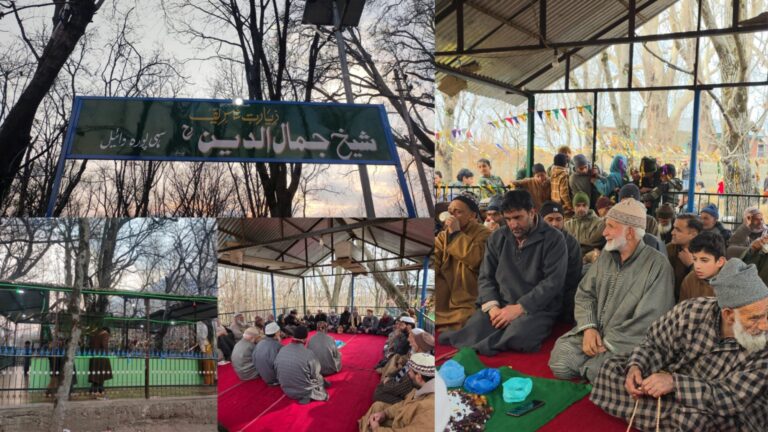
Ganderbal, Jan 19: The Annual Urs of the revered Sufi saint Sheikh Jamal U Din (RA) was celebrated at Sehipora Wayil in Central Kashmir’s Ganderbal district with immense religious fervor and enthusiasm.

Thousands of devotees, including people from various faiths and communities, gathered at the shrine from different districts of the Valley and adjoining areas to partake in the grand congregation.

Sheikh Jamal U Din (RA), known for his piety, spiritual wisdom, and profound influence on Kashmiri society, was a towering figure of Sufism. His teachings emphasized the values of love, humility, and universal brotherhood, transcending barriers of caste, creed, and religion. The saint dedicated his life to guiding people toward spiritual enlightenment and promoting the ethos of harmony and compassion, which remain deeply embedded in Kashmir’s cultural fabric.

The Urs, which is observed annually on the 29th of Rabi-us-Sani, began with Quran Khawani, Darood Azqar, and Khatmat-ul-Mozama, followed by day-long prayers. The spiritual gathering resonated with heartfelt supplications, as devotees prayed for long-lasting peace in Kashmir while seeking blessings and mercy from the Almighty. Dua-e-Majlis and Fateh Khawani were also offered during the Urs.

A local devotee from Ganderbal said, “May God grant us success and fortune through this saint’s blessings. Sheikh Jamal U Din’s (RA) teachings have profoundly influenced Kashmiri society, shaping our values and belief systems. His legacy continues to inspire generations to live a life of kindness and devotion.”

Another devotee from Bandipora, who had traveled to attend, expressed his feelings, saying, “This shrine is a symbol of peace and unity. People from all walks of life come here to seek blessings and connect with the divine. Sheikh Jamal U Din’s (RA) teachings remind us to be compassionate and to lead lives filled with purpose and devotion. Such gatherings strengthen our spiritual and cultural identity.”

The Urs served as a reflection of Kashmir’s deep-rooted Sufi heritage, which continues to promote unity, harmony, and spirituality among the people. The gathering reaffirmed the rich cultural and religious traditions of the region, with the teachings of Sufism standing as a cornerstone of Kashmir’s collective identity.

The gathering concluded with prayers for peace, prosperity, and communal harmony in the region, leaving devotees spiritually rejuvenated and deeply connected to the timeless message of Sheikh Jamal U Din (RA).

DGP J&K Chairs Security Review Meeting Ahead of Republic Day-2026

0

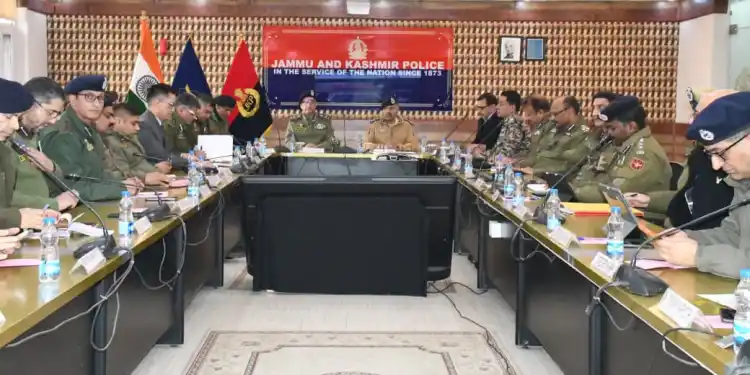
Srinagar, January 19: Director General of Police, J&K, Nalin Prabhat, chaired a general security review meeting at the Conference Hall of PCR Kashmir in preparation for Republic Day-2026 celebrations.

The meeting was attended by senior officers of J&K Police, Intelligence Agencies, Army, CAPFs including Special DG Coordination, JD IB J&K/L, IG BSF Ftr. Hqrs, IGP Kashmir Zone, IG CRPF Srinagar, Addl. Commissioner SB Srinagar, DIG SSB Srinagar, DIsG CRPF South/North Srinagar,DIG Armed Kashmir, all range DIsG of Kashmir Zone, DIG RPF Kashmir,all district SSsP of Kashmir Zone, Col GS (IS) 15 Corps, SSsP of Traffic City Srinagar,PCR Kashmir, GRP Kashmir, SSsP of Traffic Rural Kashmir, CID SBK, CID CIK, Security Kashmir, APCR Srinagar and other officers.

At the outset of the meeting, participating officers briefed the DGP on the intelligence inputs, security measures and preparedness plans, outlining steps to strengthen security, safeguard public spaces, and ensure the smooth conduct of the event at all the designated places in the valley.

During the meeting, DGP J&K assigned specific responsibilities with strict instructions for precise execution. Key areas discussed included crowd management, traffic regulation, intelligence inputs, strategic deployment of forces, and protection of vulnerable targets. He emphasized the need for foolproof security arrangements and directed district heads to closely monitor social media to prevent the spread of misinformation impacting public safety and order.

Nalin Prabhat also instructed officers to intensify surveillance of anti-national elements and enhance area domination. The Traffic Wing was directed to formulate an effective traffic plan to ensure smooth movement of public and protected persons. Security arrangements for highways, laterals, railway tracks, and stations across the Valley were also reviewed. SSP Security Kashmir was directed to implement security plan at the main venue taking into account all security concerns.

The meeting concluded with a collective resolve to ensure peaceful and secure Republic Day celebrations.

Railways Ensures Smooth Travel During Mauni Amavasya With 244 Special Trains

0

Vinod Bhat

New Delhi: Indian Railways successfully managed rail traffic during the Mauni Amavasya period, operating 244 special trains across the country since 3 January 2026, ensuring smooth and convenient travel for devotees. These trains, run by 31 trains of Northern Railway (NR), 158 trains of North Central Railway (NCR), and 55 trains of North Eastern Railway (NER), served around 4.5 lakh passengers. The special services were planned and managed carefully to facilitate hassle-free journeys and safe travel during the festive period.

On 18 January, Prayagraj witnessed the peak of festive travel with 40 special trains in operation, including 11 trains of NR, 22 trains of NCR, and 7 trains of NER, carrying approximately 1 lakh passengers. Notably, all regular trains ran as scheduled, demonstrating effective planning and operational efficiency by Indian Railways.

The successful operation of these special trains reflects Indian Railways’ commitment to providing safe, convenient, and uninterrupted services to passengers during peak festive periods. The railways continue to leverage technology, resource planning, and coordination across zones to manage large-scale passenger movements efficiently.

Nobody Chooses Exile: Kashmiri Pandits Recall Pain, Seek Safe Return on Exodus Day

0

TAUSEEF AHMAD
SRINAGAR, Jan 19: Kashmiri Pandits living across different parts of India on Monday observed the 36th anniversary of Exodus Day, recalling the painful memories of their mass displacement from the Kashmir Valley in 1990 and reiterating their long-standing demand for a safe, dignified and permanent return to their ancestral homeland.
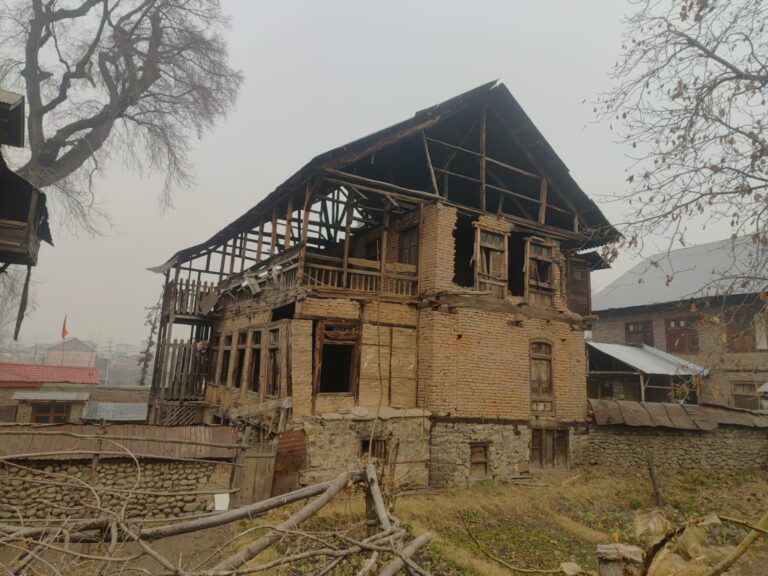
The day marks one of the darkest chapters in Kashmir’s contemporary history, when thousands of Kashmiri Pandit families were forced to flee their homes amid fear, targeted threats and violence. The community continues to describe the episode not as voluntary migration, but as a forcible exodus that uprooted them overnight from their cultural, social and emotional roots.
More than three decades later, while the Valley has witnessed significant political and security changes, members of the displaced community say the yearning to return to Kashmir remains alive. However, they stress that such a return can only materialise if the government ensures complete security, sustainable rehabilitation and long-term peace.
“Nobody wants to remain away from their homes,” said Opender Koul, a Kashmiri Pandit, while speaking to Kashmir Despatch. “People are interested in returning. It is always good to go back to your own environment, to your roots. But this decision is not in the hands of individuals or even the community alone. It is purely a government call. Safety must be ensured from all angles.”
Koul said that while emotional attachment to Kashmir is deeply ingrained among Pandits, fear and uncertainty continue to prevent large-scale return. “If there is fear, people will hesitate. The government must first ensure safety, proper rehabilitation and a sense of stability. Only then will families feel confident enough to come back,” he said.
Another member of the Pandit community echoed similar sentiments, emphasising that return would be a gradual process rather than a sudden movement. “Confidence-building is key. If ten families return and feel secure, they will call another ten. That is how resettlement happens. But the beginning must be strong, well-planned and secure,” he said.
Responding to recent remarks made by National Conference president Dr Farooq Abdullah, Koul said it is true that many Kashmiri Pandit families are now settled in Delhi, Jammu, Mumbai and even abroad, with younger generations pursuing education and employment opportunities outside Kashmir—much like Muslim families from the Valley.
“Children have to work. If jobs are not available in a place, people migrate. That is natural migration and happens everywhere,” he said. “But what happened in 1990 was entirely different. It was forcible displacement, and that is what makes it unfortunate and tragic.”
Koul acknowledged that government initiatives like employment under the Prime Minister’s package have provided some relief to a section of the community, but said a comprehensive and inclusive return and rehabilitation policy is still missing.
“We still have our homes here. Our memories, our culture, our identity are connected to this land. Kashmir is our motherland. If peace continues and the government creates the right atmosphere, we hope to be back in the Valley again,” he said.
At the same time, he cautioned against sweeping claims of complete return. “People are interested, yes. But no one can say that 100 percent of the community will return unless the government creates strong conditions of safety, stability and economic opportunity,” he added.
Earlier in the day, National Conference president Dr Farooq Abdullah, while speaking to the media, also commented on the issue, stating that many Kashmiri Pandits never left the Valley and continue to live there even today.
“There are many Pandits who stayed back. When others left, they did not leave. They are living comfortably in their villages,” Abdullah said.
He asserted that return is a natural right of the displaced community and questioned the narrative of restrictions. “Who is stopping them?” he asked, while simultaneously stressing that rehabilitation must be carried out with proper planning and sensitivity.
Abdullah also highlighted the long-term social and emotional impact of displacement on families. “They have settled outside, grown old there, and their children are studying in schools and universities. One day, they will return and live here, but it has to happen in a proper and organised manner,” he said.
Meanwhile, Deputy Chief Minister of Jammu and Kashmir, while reacting to the issue, urged the Centre to take swift and decisive steps towards the rehabilitation of Kashmiri migrant Pandits. He said the return of the displaced community is essential to restore the Valley’s traditional ethos of harmony, brotherhood and cultural diversity.
“The return of Kashmiri Pandits will restore the beauty and harmony of the Kashmir Valley,” the Deputy CM said, adding that inclusive coexistence has always been Kashmir’s strength and must be revived through concrete action.
As Kashmir observes another Exodus Day, the voices of displaced Pandits continue to underline a common message — exile was never a choice, and return remains a hope, but only with peace, dignity and security firmly in place.

Reclaiming Kashmir’s Soul of Coexistence

0

Kashmir has never been merely a geographical entity; it has always been a civilizational space shaped by centuries of shared history, collective memory and a deeply rooted culture of coexistence. At the heart of this pluralistic ethos stood the Kashmiri Pandit community—an inseparable part of Kashmir’s social, cultural and intellectual fabric. Their forced displacement in the early 1990s was not just a human tragedy for one community; it was a civilizational rupture that hollowed Kashmir from within. Any meaningful discourse on peace, reconciliation and a dignified future for the Valley remains incomplete unless it squarely addresses the return of Kashmiri Pandits to their homeland.
For centuries, Muslims, Pandits, Sikhs and others lived together in Kashmir, bound by shared customs, language, cuisine and traditions. The concept of Kashmiriyat—marked by tolerance, mutual respect and spiritual harmony—was not an abstract idea but a lived reality. Pandits were scholars, teachers, administrators, poets and neighbours, contributing immensely to Kashmir’s intellectual and cultural evolution. From Sanskrit learning and Shaivite philosophy to governance and education, their role was foundational. Their sudden and painful exodus shattered this organic social balance.
The displacement of Pandits was a dark chapter that inflicted deep wounds—psychological, cultural and moral—on Kashmiri society as a whole. While Pandits lost their homes, temples, livelihoods and sense of belonging, Kashmir lost a vital part of its pluralistic identity. A Valley without its Pandits is like a body without a soul—functioning perhaps, but incomplete and wounded.
It must be stated with moral clarity that the return of Kashmiri Pandits is not merely a political or administrative issue; it is a humanitarian, ethical and civilizational imperative. Their return should not be viewed through the narrow lens of electoral politics or temporary rehabilitation packages alone. It is about restoring trust, healing historical trauma and reclaiming the inclusive spirit that once defined Kashmir.
Importantly, the return must be safe, dignified and sustainable. Tokenism or cosmetic solutions will only deepen alienation. Pandits must feel secure not just physically, but socially and emotionally. This requires a multi-layered approach: credible security assurances, economic opportunities, reconstruction of homes and temples, and—most crucially—social acceptance rooted in genuine reconciliation.
Equally vital is the role of Kashmiri Muslims, who have also suffered immensely due to decades of conflict, violence and instability. The narrative of return should not be framed as one community versus another. Instead, it must be rooted in shared pain and shared responsibility. Many Kashmiri Muslims continue to acknowledge that the departure of Pandits was a loss for the entire Valley. This acknowledgment must now translate into collective efforts to welcome them back as equal stakeholders in Kashmir’s future.
Civil society, religious leaders, educators and the media have a crucial role to play in rebuilding this fractured social trust. The younger generation, which has grown up without experiencing the composite culture of pre-1990 Kashmir, must be sensitised to the shared history of coexistence. Schools, universities and public discourse should revive narratives of harmony rather than perpetuate divisions born out of trauma and mistrust.
The government, both at the Union and local levels, must move beyond bureaucratic inertia and fragmented policies. A comprehensive, consultative and transparent roadmap for return—crafted in dialogue with Pandit representatives and local communities—is essential. Forced or hurried resettlement without social consensus could prove counterproductive. What is required is patience, sincerity and a long-term vision rooted in reconciliation rather than optics.
The return of Kashmiri Pandits is also a test of India’s commitment to pluralism and justice. A democratic society cannot afford to normalise displacement or accept historical wrongs as irreversible. True normalcy in Kashmir will only be achieved when those who were forced out can return without fear, reclaim their homes and once again participate in the collective life of the Valley.
Ultimately, the return of Pandits is not about revisiting the past with bitterness, but about correcting history with courage. It is about ensuring that Kashmir reclaims its composite identity where diversity was not a threat but a strength. Only when Pandits walk freely on the streets of Srinagar, pray in their temples, live among their neighbours and contribute to society without fear, can Kashmir truly claim to have healed.
Peace in Kashmir cannot be partial. Coexistence cannot be selective. And reconciliation cannot be postponed indefinitely. The return of Kashmiri Pandits is not just their right—it is Kashmir’s redemption.