spot_imgspot_img
spot_img
Home Blog Page 161

JK House Faces Allegations of Mismanagement

0

Stakeholders Appeal to LG Sinha for Urgent Intervention

KD NEWS SERVICE
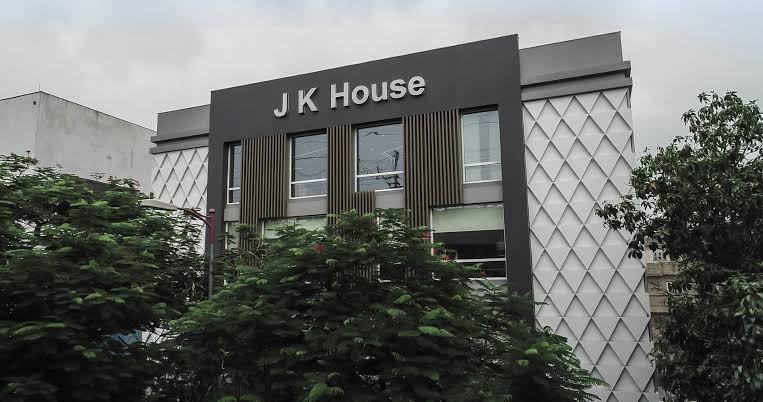
NEW DELHI, Jan 13: New Delhi’s JK House, located in the prime diplomatic enclave of Chanakyapuri, has come under intense scrutiny amid mounting allegations of serious administrative lapses, poor governance, and lack of accountability, triggering widespread concern among patients, visitors, journalists, and staff from Jammu and Kashmir.
JK House was established to provide affordable and reliable accommodation to people from Jammu and Kashmir who travel to the national capital for medical treatment, official work, and professional assignments. However, stakeholders now allege that the institution has drifted far from its original purpose, leaving the very people it was meant to serve struggling for basic facilities.
One of the most serious issues pertains to C Block, which was specifically designated for patients from Jammu and Kashmir who come to Delhi for specialized medical treatment. According to informed sources, this block has virtually stopped being allotted for its intended purpose. As a result, patients and their attendants are being forced to look for private hotels and guest houses in Delhi, where accommodation costs are exorbitant. For many families already burdened by heavy medical expenses, this has added immense financial pressure and emotional distress at a time when they are most vulnerable.
Equally troubling are the allegations related to staff postings and transfers. Employees working at JK House claim that several officials have remained posted at the same positions for unusually long periods, without any rotation or transfer. Outsourced staff, who are typically meant to serve for limited durations, have reportedly continued in their roles for years. This has allegedly led to a sense of entitlement and arrogance among some staff members, resulting in rude behavior and poor treatment of patients, attendants, and visitors. Such practices, employees argue, violate standard administrative norms and have created a stagnant and unprofessional work culture.
The situation has been further aggravated by the absence of a functional grievance redressal system. Visitors and staff allege that there is no clear or accessible mechanism to lodge complaints. Most grievances are directed to the JK House manager, who is reportedly often unavailable. This leaves complainants with no option but to return without any resolution, deepening frustration and eroding trust in the institution’s management.
Even journalists from Jammu and Kashmir, who travel to Delhi for official and professional assignments, have reportedly been denied accommodation. JK House is meant to provide facilities not only to patients and government officials but also to accredited media persons from the Union Territory. However, journalists allege that rooms are frequently declared unavailable, forcing them to arrange costly private lodging, which hampers their professional work and places an unnecessary financial burden on them.
With complaints steadily increasing, residents, patients, employees, and other stakeholders have now urged the Lieutenant Governor of Jammu and Kashmir to step in. They have demanded a thorough inquiry into the functioning of JK House, immediate restoration of C Block for patients, a transparent and time-bound staff transfer policy, and the establishment of a proper grievance redressal mechanism to ensure accountability.
As concerns continue to grow, many fear that unless urgent corrective steps are taken, JK House will further drift away from its mandate. Stakeholders are now calling for greater transparency, responsible governance, and strict oversight to ensure that the facility once again serves the people of Jammu and Kashmir with dignity, efficiency, and fairness.

Nine Amrit Bharat Express Trains Connecting Assam and West Bengal to the Length and Breadth of India to be Flagged Off Soon

0

VINOD BHAT
Delhi, JAN 13:
The new year is proving to be a game changer in terms of the rail travel experience. Be it the common man or premium travellers, Indian Railways is all set to bring comfortable travel at an affordable cost to passengers across India.

Nine Amrit Bharat Express trains will be introduced soon from West Bengal and Assam to the length and breadth of India, adding to the expanding fleet of modern affordable trains. They will provide affordable long-distance connectivity from these two states, covering populous states like Bihar and Uttar Pradesh on the way. They will also cover far-off states such as Tamil Nadu, Maharashtra and Karnataka, connecting multiple regions of the country. These services will ease the additional demand for rail travel while offering a comfortable ride experience for travellers.

Nearly two centuries after the inaugural train journey in India, Indian Railways has redefined mobility for millions who rely on trains as a daily necessity. By bringing comfort and convenience once associated with luxury travel to the common passenger, it has steadily expanded modern, passenger-friendly services, ensuring reliability, safety, and enhanced comfort are no longer exclusive to premium travellers.

In line with this vision, the Amrit Bharat Express has emerged as a boon for everyday passengers. Conceived as a special offering of the Amrit Kaal, it delivers seamless, non-AC long-distance sleeper class travel at fares of around ₹500 per thousand kilometres, with short and medium-distance journeys priced proportionally lower, connecting regions often separated by geography and opportunity. The fare structure is simple and transparent, with no dynamic pricing, making it accessible for the common man.

Since its launch in December 2023, 30 Amrit Bharat Express trains have been operational, and within just one week, nine new services will be added. A new set of Amrit Bharat Express services will extend rail links from the eastern and sub-Himalayan regions to major destinations across southern, western and central India.

These new Amrit Bharat Express services are being introduced on routes passing through Assam, Bihar and West Bengal, regions that account for a large share of India’s migrant workforce and long-distance rail passengers. Designed to cater to heavy passenger volumes, especially during festive seasons and peak migration periods, these trains will provide reliable, affordable and comfortable connectivity for travellers commuting for employment, education and family needs across different parts of the country.

As part of Indian Railways’ continued push to expand affordable long-distance connectivity, nine Amrit Bharat Express services are being introduced across key corridors. The routes are as follows:

1. Guwahati (Kamakhya) – Rohtak Amrit Bharat Express

2. Dibrugarh – Lucknow (Gomti Nagar) Amrit Bharat Express

3. New Jalpaiguri – Nagercoil Amrit Bharat Express

4. New Jalpaiguri – Tiruchirappalli Amrit Bharat Express

5. Alipurduar – SMVT Bengaluru Amrit Bharat Express

6. Alipurduar – Mumbai (Panvel) Amrit Bharat Express

7. Kolkata (Santragachi) – Tambaram Amrit Bharat Express

8. Kolkata (Howrah) – Anand Vihar Terminal Amrit Bharat Express

9. Kolkata (Sealdah) – Banaras Amrit Bharat Express

From New Jalpaiguri, trains will directly connect North Bengal with the southern tip of the country and with central Tamil Nadu, creating seamless corridors across multiple linguistic, cultural and economic zones. These routes are expected to become vital lifelines for migrant workers, students, traders and families who routinely travel between eastern India and southern educational, industrial and commercial centres.

Similarly, new services from Alipurduar will strengthen connectivity between the Dooars region in northeastern India and major metropolitan and industrial hubs in the southern and western part of the country. For regions that are geographically remote yet strategically important, these trains will act as stable economic and social connectors, improving access to jobs, education, healthcare and markets.

Services extending towards southern hubs such as Bengaluru and Chennai will support workforce mobility and student travel by linking eastern and northeastern regions with major manufacturing, IT and education centres. Direct connectivity to Mumbai and Panvel will strengthen east–west integration, easing business travel and access to key commercial and logistics hubs.

Routes passing through Odisha and Andhra Pradesh will improve seamless movement along the eastern corridor, benefiting industrial, coastal and pilgrimage regions.

Passengers can look forward to a host of modern amenities, including foldable snack tables, mobile and bottle holders, radium floor strips, comfortable seating and berths, modern toilets with electro-pneumatic flushing, fire suppression mechanisms, and provisions for divyangjan passengers. Fast charging points and pantry cars further enhance long-distance comfort.

Rooted in the needs of the common passenger, the Amrit Bharat Express proves that modern design, reliability and improved amenities can be delivered at truly affordable fares. By redefining non-AC long-distance travel for everyday users, it sets the template for inclusive, passenger-centric rail modernisation. The Amrit Bharat Train reflects a future-ready railway system where thoughtful design, indigenous technology and operational excellence converge to make comfortable, reliable and inclusive rail travel the new national standard.

Indian Railways Strengthens Affordable Travel for Common Passengers with Record Production of Modern General and Non-AC Coaches

0

VINOD BHAT

Delhi, JAN 13:
Indian Railways is modernising its infrastructure and services with a strong focus on the needs of common passengers, aiming to make train travel more convenient, comfortable, safe and affordable. Through sustained investment, operational reforms and technology adoption, Indian Railways is strengthening a passenger-first approach that prioritises everyday travellers.

Record Production of Modern General Coaches to Enhance Affordable Passenger Capacity

Indian Railways has achieved record production of General and non-AC coaches equipped with modern passenger-friendly facilities to accommodate rising demand at affordable fares. These coaches enhance travel comfort while significantly increasing carrying capacity, reinforcing Indian Railways’ commitment to inclusive and accessible rail travel.

Building on this base, Indian Railways has an ongoing coach production programme for the current and the next financial year to further strengthen and modernise its passenger fleet. For the ongoing financial year 2025–26, which is already in its final quarter, the production plan provides for 4,838 new LHB GS and Non AC coaches (LS coaches- 2817, LSCN coaches- 2021). For 2026–27, the production target is 4,802 LHB coaches (LS coaches- 2638, LSCN coaches- 2164). This planned production is aimed at meeting rising passenger demand while enhancing safety, comfort and the overall quality of train services.

Unprecedented Scale of Special Train Operations to Manage Festive and Seasonal Rush

To manage seasonal and festive rush, Indian Railways significantly scaled up special train operations in 2025. A record over 43,000 special train trips were operated, including 17,340 for Maha Kumbh, 1,144 for Holi, 12,417 Summer Specials and 12,383 for Chhath Puja, ensuring smoother passenger movement and improved travel convenience during peak periods. These large-scale operations helped ease congestion, ensured smoother passenger movement and provided timely connectivity during periods of exceptionally high demand.

Development of Passenger Holding Areas at Major Stations to Improve Crowd Management and Pre-Boarding Comfort

Indian Railways has identified 76 stations across the country for the development of passenger holding areas, following the successful implementation of the Yatri Suvidha Kendra at New Delhi Railway Station. The New Delhi holding area, completed in four months, can accommodate about 7,000 passengers and is equipped with toilets, ticketing facilities, automatic ticket vending machines and free RO drinking water. The new holding areas will follow modular designs based on local conditions and are targeted for completion before the 2026 festival season.

Strengthening Ticketing Integrity Through Aadhaar Verification and Action Against Illegal Booking

To ensure that genuine passengers receive confirmed tickets, Indian Railways has strengthened ticketing integrity through Aadhaar verification and advanced technological monitoring. Aadhaar verification of users is an important step which has been taken to make the system more robust. Only Aadhaar-verified users are allowed to book Tatkal tickets. Cutting-edge technology is also being used to identify and prevent unscrupulous users trying to misuse the e-ticketing system. As a result, 5.73 crore suspicious and inactive IRCTC user accounts have been deactivated or temporarily suspended, with further action ongoing.

Enhanced Focus on Passenger Safety and Security With Major Investments and Technology Deployment

Passenger safety remains a top priority, with 84 per cent of funds allocated for safety-related works already utilised under the Gross Budgetary Support (GBS) outlays for 2025–26. Consequential train accidents have declined sharply from 135 in 2014-15 to 31 in 2024-25 and further to 11 in 2025-26 (up to November 2025), compared to an average of 171 per year during 2004–14. The safety budget has nearly tripled to ₹1,16,470 crore in the current financial year. Fog safety devices have increased from 90 in 2014 to 25,939 in 2025.

Introduction of Amrit Bharat and Namo Bharat Trains to Improve Non-AC and Regional Rail Connectivity

Amrit Bharat Express trains, fully non-AC services with Sleeper and General Class coaches, are providing high-quality travel at affordable fares. During 2025, 13 Amrit Bharat trains were introduced, taking the total operational services to 30. In addition, two Namo Bharat Rapid Rail services are operational between Bhuj–Ahmedabad and Jaynagar–Patna, strengthening high-frequency regional connectivity.

Presently, 30 Amrit Bharat train services are operational on the Indian Railways network, as listed below:

S.N.

Train Number and Name

1

15133/15134 Chhapra – Anand Vihar (T) Amrit Bharat Express

2

15293/15294 Muzaffarpur – Charlapalli Amrit Bharat Express

3

19021/19022 Udhna – Brahmapur Amrit Bharat Express

4

19623/19624 Madar Jn (Ajmer) – Darbhanga Amrit Bharat Express

5

14628/14627 Chheharta (Amritsar) – Saharsa Amrit Bharat Express

6

16601/16602 Erode jn. – Jogbani Amrit Bharat Express

7

13697/13698 Gaya – Delhi Amrit Bharat Express

8

14048/14047 Delhi – Sitamarhi Amrit Bharat Express

9

22361/22362 Rajendra Nagar (T) – New Delhi Amrit Bharat Express

10

15567/15568 Bapudham Motihari – Anand Vihar (T) Amrit Bharat Express

11

15561/15562 Darbhanga – Gomti Nagar Amrit Bharat Express

12

13435/13436 Malda Town – Gomti Nagar Amrit Bharat Express

13

11015/11016 Lokmanya Tilak(T) – Saharsa Amrit Bharat Express

14

13434/13433 Malda town – SMVT Bengaluru Amrit Bharat Express

15

15557/15558 Darbhanga Jn. – Anand Vihar(T) Amrit Bharat Express

Indian Railways is strengthening its focus on common passengers by increasing affordable non-AC capacity, running special trains to manage rush and improving station facilities. Strong action against illegal ticketing, major safety investments and with the introduction of non-AC Amrit Bharat trains & improved regional connectivity, Indian Railways is steadily building a modern, inclusive and passenger-first transport system focused on everyday travellers.

Power Wasted, Public Looted

0

Electricity is not just another utility in Jammu and Kashmir — it is a scarce and costly public resource that is generated, purchased and distributed with money drawn from the people’s own taxes. Yet, in one of the most unfortunate contradictions of governance, power continues to be treated casually, wastefully and often dishonestly across the Union Territory, especially within the very government system that is supposed to protect the public exchequer.
While ordinary households struggle to pay rising power bills, face disconnections, and are repeatedly warned against delays, a parallel culture of non-payment thrives within government establishments. A disturbing number of government offices and officers consume electricity for years without paying dues, and in many cases even vacate government accommodations without clearing their outstanding bills. This is not just negligence — it is a direct theft from the state exchequer.
What makes this issue even more unacceptable is the absence of accountability. If a common citizen leaves a rented house without paying the electricity bill, legal action follows. But when a government officer does the same from a government quarter, nothing happens. No recovery. No disciplinary action. No blacklist. No inquiry. Files quietly move from one office to another until the dues are written off — meaning the loss is transferred to the taxpayer.
The Jammu and Kashmir Power Development Department has repeatedly admitted that government departments and official residences are among the largest defaulters. Crores of rupees remain unpaid by offices that run on public money. In effect, the government is borrowing electricity from itself, then refusing to pay for it. This is financial absurdity, but more importantly, it is moral bankruptcy.
At a time when J&K is struggling with power shortages, rising purchase costs from outside grids, and mounting transmission losses, such behaviour becomes even more dangerous. The more electricity is wasted and unpaid, the heavier the burden becomes on honest consumers. Their tariffs rise, their supply becomes erratic, and their faith in the system erodes.
This is why mass awareness about judicious use of electricity must become a top government priority. Power conservation is not merely an environmental slogan — it is a financial necessity. Every wasted unit increases pressure on an already strained system. Schools, offices, hospitals, markets and households must be educated to switch off, conserve and respect power as a limited public resource.
But awareness alone is not enough when the biggest violators sit inside government buildings.
The government must publicly disclose department-wise and officer-wise electricity arrears. Officers who vacate official accommodation without clearing dues should be barred from further postings, pensions, or benefits until full recovery is made. Their conduct should be treated as financial misconduct, not administrative oversight.
How can the government preach honesty to citizens when its own officers walk away from unpaid bills?
How can the power department demand dues from the poor when powerful defaulters are protected?
How can a state survive financially if those entrusted with public resources abuse them so shamelessly?
These are not rhetorical questions — they go to the heart of governance.
Jammu and Kashmir cannot afford this culture of impunity any longer. The electricity sector is bleeding, and much of that blood is on the hands of those who misuse power without paying for it. The government must send a clear message: public money is not private privilege.
Until every unit of electricity consumed — whether by a farmer, a shopkeeper, or a top officer — is paid for honestly, no power reform in J&K will succeed. The exchequer deserves protection, and the people deserve fairness.

Global Energy Giants Converge in Goa for India Energy Week 2026

0

VINOD BHAT

NEW DELHI, Jan 13: India Energy Week (IEW) 2026, one of the world’s largest and most influential international energy exhibitions and conferences, is set to return to Goa from January 27 to 30, 2026, promising to be a landmark event in the global energy calendar. With participation expected from more than 75,000 energy professionals, over 700 companies and delegates from more than 120 countries, the event will once again place India at the centre of worldwide energy dialogue, innovation and investment.
Now in its fourth edition, IEW 2026 is poised to significantly expand its global footprint through a wide-ranging network of country and public sector enterprise pavilions, each designed to showcase cutting-edge technologies, national energy strategies and future-ready solutions. These pavilions will form the backbone of the exhibition, reflecting not only the scale of the event but also the diversity of approaches being adopted across the world to address energy security, climate change and sustainable development.
A major highlight of IEW 2026 will be the presence of nine international country pavilions, underlining the event’s growing importance as a platform for cross-border collaboration, policy dialogue and industrial partnerships. The participating countries — Canada, Italy, Norway, China, Japan, the United Kingdom, Germany, the Netherlands and the United States — will each present their national perspectives on energy transition, clean technologies, advanced manufacturing and long-term energy security. Through interactive exhibits, live demonstrations and business meetings, these pavilions will offer delegates a comprehensive look into how leading global economies are reshaping their energy systems for a low-carbon future.
Complementing the strong international participation, IEW 2026 will also witness an impressive display of India’s public sector undertakings (PSUs), highlighting the country’s growing technological capabilities and its drive towards self-reliance (Atmanirbhar Bharat) in the energy sector. These pavilions will showcase India’s progress across traditional energy domains such as oil and gas, while also spotlighting new and emerging areas including green hydrogen, biofuels, renewable power, electric mobility and digital energy solutions.
A special attraction will be the Make in India / Indigenisation Pavilion, led by Engineers India Limited (EIL). This pavilion will present a wide array of indigenous technologies, locally manufactured equipment and domestic engineering solutions, demonstrating how Indian companies are increasingly capable of meeting global standards. It will also serve as a bridge between large energy companies and MSMEs, start-ups and vendors, encouraging partnerships that strengthen local supply chains and reduce dependence on imports.
The IndianOil Pavilion will offer a panoramic view of India’s energy transformation, highlighting policy-driven growth and large-scale deployment across hydrocarbons, renewables, green hydrogen, biofuels, sustainable aviation fuel (SAF), electric vehicle infrastructure and digitalisation. Visitors will be able to explore key initiatives such as hydrogen mobility projects, renewable integration and customer-focused innovations. The pavilion will also host daily Energy Talks, bringing together experts and policymakers to discuss technology-driven change and pathways to sustainability.
Another major feature will be the Industry Biofuels Pavilion, which will display India’s significant achievements in ethanol blending, biodiesel revival, compressed biogas (CBG) deployment and SAF development. Through advanced physical and digital models, the pavilion will showcase integrated biorefineries and innovative routes for converting biomass into green hydrogen, highlighting India’s ambition to build a circular, low-carbon bioenergy ecosystem.
Leading public sector oil and gas companies will further enrich the exhibition. Hindustan Petroleum Corporation Limited (HPCL) will present a suite of R&D-driven indigenous technologies, covering areas such as hydrogen mobility, advanced batteries, biofuels and next-generation manufacturing.
Similarly, Bharat Petroleum Corporation Limited (BPCL) will focus on its initiatives in artificial intelligence, petrochemical expansion, sustainability, ethanol-blended fuels and investments across the natural gas value chain, reflecting how digitalisation and cleaner fuels are being integrated into India’s energy future.
Together, the international country pavilions and Indian PSU showcases will vividly demonstrate how global collaboration and domestic capability-building are advancing side by side. For delegates, investors and industry leaders, these pavilions will underline IEW 2026’s role as a unique platform where international best practices, national priorities and industrial execution come together.
Held under the patronage of the Ministry of Petroleum and Natural Gas, Government of India, and jointly organised by the Federation of Indian Petroleum Industry (FIPI) and dmg events, India Energy Week 2026 continues to serve as a globally connected forum focused on energy security, affordability and sustainability. With its blend of high-level dialogue, technology exhibitions and business engagement, IEW 2026 is expected to further cement India’s position as a key driver of the global energy transition.

LG Sinha Cracks Down on Terror Network Inside Government; Five Employees Dismissed

0

TAUSEEF AHMAD
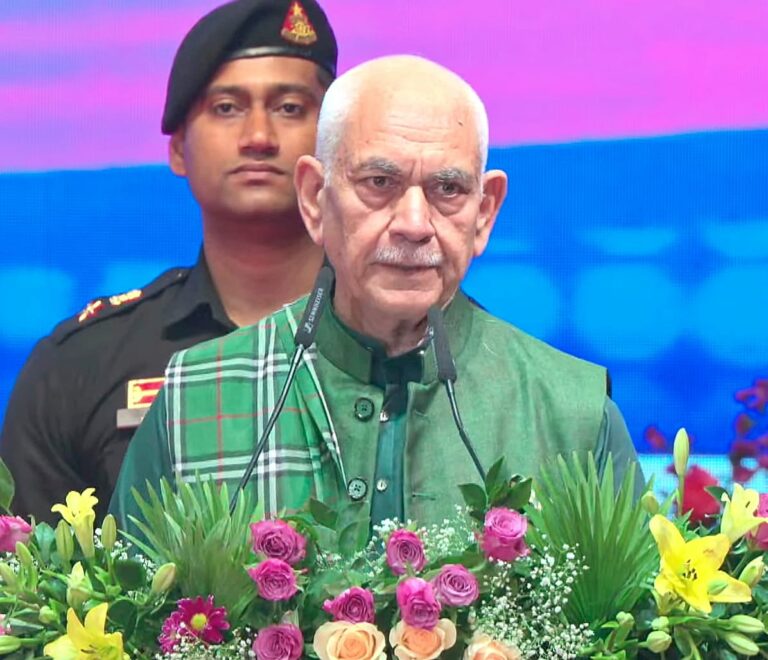
SRINAGAR, Jan 13: Lieutenant Governor Manoj Sinha has launched one of the most far-reaching counter-terror offensives inside Jammu and Kashmir’s civil administration, striking not at militants in forests but at the terror infrastructure hidden inside government offices, schools, hospitals and utility departments.

In a decisive action under Article 311 (2) (c) of the Constitution, the LG has terminated five serving government employees after intelligence agencies established that they were active operatives and facilitators of Pakistan-backed terrorist organisations.

The five — Mohd Ishfaq, Tariq Ahmad Shah, Bashir Ahmad Mir, Farooq Ahmad Bhat and Mohd Yousf — were not passive sympathisers.

According to detailed security dossiers, they were embedded assets of Lashkar-e-Taiba (LeT) and Hizb-ul-Mujahideen (HM), operating from within government machinery to provide logistics, recruitment, shelter, transport, intelligence on security force movements and cross-border facilitation for terror groups.

This action is part of a systematic clean-up drive launched by Manoj Sinha in 2021, aimed at uprooting the entire terror ecosystem that Pakistan’s ISI and its proxy outfits have built inside Kashmir over decades. Since then, more than 85 government employees across Jammu and Kashmir have already been dismissed for terror links, making it the largest institutional purge of terrorist infiltration ever carried out in the Union Territory.

Security agencies say terror outfits deliberately infiltrated government departments to create what they call a “silent terror grid” — employees who drew salaries from the Indian state while covertly serving the enemy. LG Sinha’s doctrine has been to destroy this hidden backbone so that terror groups are left without money, movement, communication, shelter or inside information.

At the centre of the latest crackdown is Mohd Ishfaq, a government school teacher who was initially appointed as Rehbar-e-Taleem and later confirmed in 2013.

Despite being entrusted with shaping young minds, Ishfaq was in reality a Lashkar-e-Taiba operative in direct contact with Pakistan-based commander Mohammad Amin alias Abu Khubaib, a designated terrorist operating from across the border.

Ishfaq was assigned an operational role by LeT and tasked with helping execute the killing of a police officer in Doda in January 2022. He was arrested in April 2022 before he could carry out the plan, and weapons and ammunition were recovered from his associates.

Intelligence agencies further revealed that Ishfaq used his classroom to spread radical ideology and recruit youth, and even after being jailed he continued to indoctrinate inmates, making him a critical asset of the terror network.

Tariq Ahmad Shah, a lab technician in the Health Department posted at Sub-District Hospital Bijbehara in Anantnag, was a key figure in Hizb-ul-Mujahideen’s Pakistan-based command structure. Tariq had been under the influence of HM since a young age and was closely related to Amin Baba, a former HM Divisional Commander from 1998 to 2005.

Investigations by the State Investigation Agency revealed that Tariq facilitated the stay of Amin Baba in Anantnag and later arranged his exfiltration to Pakistan through the Attari-Wagah border. This escape allowed Amin Baba to revive terror operations from Pakistan.

Intelligence inputs say Amin Baba is now based in Islamabad, regularly attending meetings with ISI, LeT and JeM, where he trains HM cadres, recruits new youth for terror ranks and plans attacks in India. Despite being arrested under UAPA and later released on bail, Tariq resumed his terror role, maintaining continuous contact with terrorists and their supporters.

Bashir Ahmad Mir, an assistant lineman in the Public Health Engineering Department in Bandipora, had for years functioned as a covert LeT overground worker in the sensitive Gurez sector.

He was responsible for guiding terrorist movements, providing logistical support, sharing real-time information about the movement of security forces and giving shelter to militants. His role was exposed in September 2021 when police received intelligence that two LeT terrorists were hiding in his house.

In the ensuing anti-terror operation, both terrorists were neutralised and two AK-47 rifles along with a large cache of ammunition were recovered, exposing how deeply terror had penetrated the government system.

Farooq Ahmad Bhat, a field worker in the Forest Department in Anantnag, was another Hizb-ul-Mujahideen operative who acted as a personal assistant to a former MLA linked to HM. Investigators revealed that Farooq played a central role in the escape of Amin Baba to Pakistan, using his government identity card and official vehicle to evade checkpoints and avoid security scrutiny. He even dropped Amin Baba at a naka point before the terrorist crossed the international border. A government gypsy was used in the operation, driven by an official driver.

Farooq was arrested in 2024 and later granted bail in 2025, but intelligence agencies say he continues to remain in contact with terrorists and their sympathisers, posing a continuing threat to national security.

Mohd Yousf, a driver in the Health and Medical Education Department posted in Bemina, Srinagar, was part of a Pakistan-directed terror logistics network. He was in regular contact with Bashir Ahmad Bhat, a Pakistan-based HM terrorist, and was entrusted with procurement of arms, transportation of ammunition and delivery of terror funds in the Ganderbal area.

On July 20, 2024, police intercepted a vehicle in which Yousf was travelling along with his associate Eashan Hamid and recovered a pistol, ammunition, a grenade and ₹5 lakh in cash.

During interrogation, Yousf admitted the consignment had been received on the instructions of his Pakistani handler and was meant to be delivered to terrorists. He also revealed that he helped establish communication between Pakistan-based terrorists and jailed militants by supplying phones.

Security officials say the use of Article 311(2)(c) reflects the extraordinary gravity of the threat posed by these individuals. The provision allows immediate dismissal without departmental inquiry when national security is at risk, ensuring that terror assets cannot use legal delays to continue operating inside the system.

With more than 85 government employees already purged since 2021, LG Manoj Sinha’s campaign is steadily cleansing Jammu and Kashmir’s governance framework of subversive elements, restoring integrity to public institutions and breaking Pakistan’s long-running strategy of embedding terror operatives inside the Indian state.

Senior officials describe this phase as the most decisive internal strike against terror since militancy began in Kashmir, noting that while gunmen can be replaced, a shattered support system cannot.

In the words of one senior security source, “The war is no longer only in the forests and on the borders. It is now inside offices, files, hospitals and classrooms — and that war is being won.”

HM Amit Shah lays foundation stone for BSL-4 Biocontainment Facility of Gujarat Biotechnology Research Centre

0

Vinod Bhat

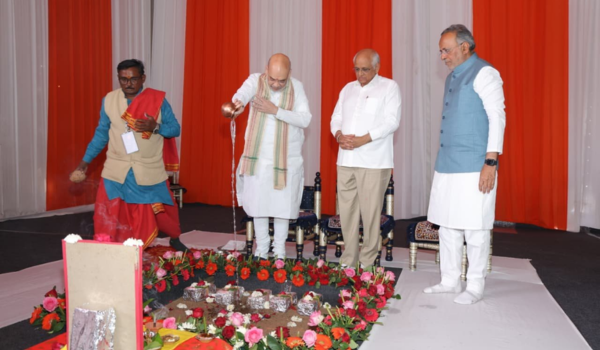
New Delhi: Union Home Minister and Minister of Cooperation Shri Amit Shah today laid the foundation stone of the BSL-4 Bio-Containment Facility of the Gujarat Biotechnology Research Centre in Gandhinagar, the capital of Gujarat. On this occasion, several dignitaries, including Gujarat Chief Minister Shri Bhupendra Patel and Deputy Chief Minister Shri Harsh Sanghavi, were present.

Addressing the gathering, Union Home Minister and Minister of Cooperation Shri Amit Shah said that under the leadership of Prime Minister Shri Narendra Modi, from the soil of Gujarat today, we are beginning a new era of India’s health security, bio-safety, and development of the bio sector. He said that with the laying of the foundation stone of the BSL-4 Bio-Containment Facility at the Gujarat Biotechnology Research Centre, it will emerge in the coming days as a strong protective shield for the health sector of the entire country. He added that this initiative is based on Prime Minister Modi’s vision that science and technology should not remain limited to research and development (R&D) alone, but should become a foundational pillar of the nation’s overall development.

Shri Amit Shah said that after the National Institute of Virology in Pune, this will be India’s second high-level laboratory. However, this is the first such lab in the country being built by a state government, and the credit for this goes to Gujarat. At a cost of ₹362 crore, a vast complex covering 11,000 square metres is being built, which will become a strong fortress of the nation’s bio-security. He said that we had lagged behind the world in cutting-edge research for many years, but with the BSL-4 Bio-Containment Facility, young people working in the biotechnology sector will get new opportunities and India will be able to move ahead in this field. This facility will provide scientists with a platform to conduct research on highly infectious and deadly viruses in a safe environment.

Union Home Minister and Minister of Cooperation said that the BSL-4 Bio-Containment Facility is being developed after studying BSL laboratories across the world. There will also be world-class arrangements here to study diseases that are transmitted from animals to humans. Shri Shah said that according to a study, 60 to 70 per cent of diseases spread from animals to humans, and therefore India has launched the One Health Mission to ensure the safety of both humans and animals. He said that now our scientists will no longer have to depend on foreign countries to test samples of dangerous viruses. Ending this dependence on foreign countries will speed up testing and make us self-reliant. The Home Minister said that the BSL-4 facility will meet all requirements. We need research-based permanent security, and this laboratory will fulfill all our needs.

Shri Amit Shah said that over the past 11 years, there has been unprecedented growth in the field of biotechnology. We have achieved significant success in the bio sector and there is immense potential in this area. He said that in 2014, India’s bio-economy was worth USD 10 billion, and by the end of the financial year 2024 it had grown to USD 166 billion. He added that a 17-fold growth in just 10 years shows that India’s youth and entrepreneurs can achieve great success in the bio-economy sector, provided they receive support from the government and the necessary infrastructure.

Union Home Minister and Minister of Cooperation said that in 2014, there were fewer than 500 startups working in the biotechnology sector, which has increased to over 10,000 by 2025. The number of bio-incubators was 6 in the year 2014, and it has risen to 95 by 2025. We had 60,000 square feet of incubation space earlier, which has increased 15 times to 9 lakh square feet today. Earlier there were only a few products in the market, but now more than 800 products have been launched.

He said that if we want to assess the future of any sector, the country’s potential, and the interest of its youth in it, patent filings are a good indicator. He noted that in 2014, India filed 125 patents in this sector, and by 2025 this number has reached 1,300. Earlier, private funding was ₹10 crore, but now investments in this sector have reached ₹7,000 crore. Shri Shah said that the future is bright for young people who wish to build a career in biotechnology. The youth working in this field have shown that our young people are not job seekers, but job creators.

Shri Amit Shah said that India is, in a way, the world’s largest vaccine-producing country. Sixty percent of the world’s vaccines are manufactured in India. The country’s first indigenous cervical cancer vaccine, Cervavac, and the world’s first DNA-based COVID-19 vaccine were developed in India. These are indicators that India has immense potential to move far ahead in this field.

He said that the Government of India has decided to promote biotechnology by implementing the Bio E-3 (Economy, Environment and Employment) policy, which will take us a long way forward. Shri Shah added that under the Genome India Project, we have stored the genome sequencing data of more than 10,000 individuals, which is a major achievement for us.

Union Home Minister and Minister of Cooperation said that two decades ago, the Gujarat State Biotechnology Mission was established on the vision of Shri Narendra Modi. At that time, many people thought it was just a dream, but with far-sighted leadership, Shri Modi created Asia’s first dedicated biotechnology university, and the Gujarat Biotechnology University ushered in a new beginning for the country. Prime Minister Shri Narendra Modi himself inaugurated the Gujarat Biotechnology Research Centre in 2018.

He said that today Gujarat is among the top five states in the country in the field of biotechnology. Once the BSL-4 facility becomes operational, Gujarat will take the first position in this field.

Shri Amit Shah said that under the biotechnology policy, a target has been set for an investment of ₹20,000 crore and the creation of 1 lakh jobs. Special assistance has also been announced for mega projects. He added that the Gujarat Biotechnology Research Centre is playing a very important role in the Government of India’s Deep Ocean Mission.

Union Home Minister said that a few years ago, COVID-19 had shaken the entire world. At that time, our health infrastructure was not as strong as that of developed countries. He said that India fought COVID-19 better than any other country in the world. India vaccinated its population of 1.4 billion people twice, and everyone received their certificates instantly on their mobile phones with the smiling face of Prime Minister Modi—this was a marvel of technology.

Shri Shah said that when the world was in turmoil and India had fewer than 300 COVID cases and our testing facilities were still underdeveloped, Prime Minister Modi had already formed a team to develop vaccines. As a result, two vaccines were developed in India, the entire population of 1.4 billion was vaccinated, and India also supplied vaccines to 70 countries around the world. He said that earlier, even vaccines developed abroad used to reach India after 11–12 years, and getting people vaccinated was a distant dream. The Home Minister added that India was the first to develop vaccines, the first to administer them, and also helped protect many countries of the world from COVID-19.

Shri Amit Shah said that the second BSL-4 facility being built in the country will now take us even further ahead. He said that for a population of 1.4 billion, there has so far been only one BSL-4 laboratory in Pune, due to which samples had to be sent hundreds of kilometres away. But the new laboratory being built will give us major benefits.

The Home Minister said that the growing resistance to antibiotic medicines is a very serious threat to our society and to all of humanity. It is like a “silent disaster.” He said that Antimicrobial Resistance (AMR) is a major crisis for the entire society, and in the coming days it will also become a cause of widespread transmission affecting future generations. He said that to tackle AMR, a clear roadmap, timely treatment, and spreading awareness to every individual are essential. Our goal should be to prevent infections and to keep antibiotics safe for future generations. Shri Shah added that development and science are not against heritage; both are the needs of the nation’s people, and both can move forward together.

Shri Amit Shah said that Prime Minister Shri Narendra Modi celebrated the Somnath Swabhiman Parv in Somnath yesterday and also launched the Somnath Swabhiman Year. This ancient Shiva temple, which has been destroyed 16 times, has risen anew every time. Those who tried to destroy it no longer exist on the world map and have left no trace behind, but the temple still stands today with its towering flag.

He said that the grand Somnath temple is not just a Jyotirlinga or a Shiva shrine, but a benchmark of pride for the entire Indian society. The Somnath shrine is a symbol of respect for Sanatan Dharma and of the life force and vitality of the people of India. He said that there is perhaps no other place in the world that has been destroyed 16 times and yet still stands today with dignity and a towering flag. Shri Shah added that Prime Minister Modi has introduced this heritage of ours to the entire world. He said that some people wanted to forget heritage in the name of science, but the 11 years of the Modi government have proven that science and heritage can go hand in hand. Yesterday, Modi Ji inaugurated the ‘Somnath Swabhimaan Parv,’ and today laid the foundation stone of this BSL-4 lab, which shows that heritage and science complement each other in India.

VB-G RAM G Bill Carries Gandhian Spirit, Not Fake Job Cards: Jitendra Singh

0

Vinod Bhat

New Delhi: The Union government’s move to repeal the Mahatma Gandhi National Rural Employment Guarantee Act (MGNREGA), 2005, and replace it with the Viksit Bharat–Guarantee for Rozgar and Ajeevika Mission (Gramin) (VB-G RAM G) Bill, 2025, marks one of the most significant shifts in India’s rural welfare architecture in two decades. Tabled in Parliament last week, the proposed legislation aims to realign rural employment with the Centre’s “Viksit Bharat @ 2047” vision, emphasising technology-driven planning, infrastructure creation and fiscal discipline.

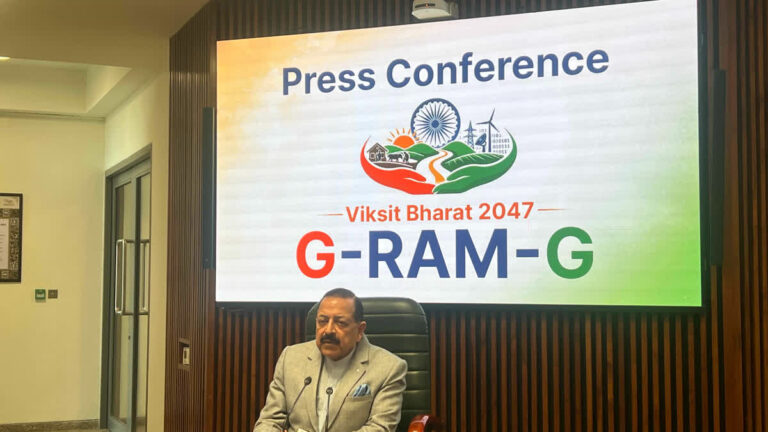
While explaining the rationale behind the overhaul, Minister of State of the Ministry of Personnel, Public Grievances and Pensions, Jitendra Singh, while addressing a press conference at Kartvya Bhawan in New Delhi on Tuesday, argued that the new framework seeks to address long-standing issues of leakages, inefficiencies and poor asset creation under MGNREGA.

“The more effort we put into going deeper into this, the better it will be,” Singh said, describing the Bill as part of a broader campaign to improve transparency, accountability and outcome-based governance through an integrated information system.

However, even as the government projects the VB-G RAM G Bill as a modernised alternative, critics warn that the proposed law fundamentally alters the rights-based, demand-driven nature of the rural employment guarantee, while shifting substantial financial and administrative responsibility onto state governments.

From MGNREGA To VB-G RAM G

MGNREGA was enacted in 2005. It guaranteed 100 days of wage employment to every rural household. The scheme was designed as a demand-driven programme, empowering gram panchayats to plan and execute work based on local needs. For example, during the Covid-19 pandemic, MGNREGA proved to be a critical safety net, generating approximately over 286 crore person-days of employment for the financial year 2024-25, providing assistance to nearly 5.8 crore households during such an unprecedented crisis.

The new Bill proposes to replace this framework with a statutory guarantee of 125 days employment per rural household every year. While this represents a nominal increase, the guarantee is no longer open-ended. Instead, the Centre will determine a “normative allocation” for each state, based on objective parameters, with any expenditure beyond this ceiling to be borne by the states.

According to the government, this shift introduces fiscal discipline. Jitendra Singh pointed at past instances of misuse, citing cases of ghost beneficiaries, repeated digging and filling of pits, and alleged collusion between local officials and political representatives.

“Where is the money coming from, and where is it going? These questions were not being answered earlier,” he said, adding that digital tracking would now ensure transparency and prevent such abuses.

Singh invoked Mahatma Gandhi’s ideals, contrasting them with past misuse, saying, “Mahatma Gandhi believed India lived in its villages, and stood for their genuine empowerment, not for practices like fake job cards or misuse of public funds.” He said Gandhian ideals were about accountability and integrity in governance, ensuring welfare money reaches intended beneficiaries. Singh added that preventing corruption in rural schemes is the key to uphold Gandhi’s legacy.

Changing The Funding Model

One of the most consequential changes lies in the Centre-state funding pattern. Under MGNREGA, the Union government bore 100 per cent of unskilled wage costs, and around 90 per cent of overall expenditure. The cost-sharing model under the new Bill requires all states to share 60 per cent of the cost with the Centre. The exception is for northeastern and Himalayan states, which will have to bear 10 per cent of the costs, and Union Territories without their own legislatures, which will receive all the funding from the Centre.

The additional burden on states will create new wage liabilities for state governments, as the VB-G RAM G Bill also shifts most of this liability to them. Although Singh said this will foster cooperation between states and lessen dependence on the Centre, several states have already raised concerns regarding fiscal stress, as they continue to operate under constrained budgets in the wake of GST.

“If states wish to provide more employment than what the normative allocation allows, they will have to pay from their own exchequer,” a senior rural development official noted. “That raises questions about whether the 125-day guarantee can meaningfully be realised on the ground.”

From Demand-Driven To Budget-Capped

Under MGNREGA, states submitted annual labour budgets based on anticipated demand, and funds flowed accordingly. The VB-G RAM G Bill replaces this with a supply-driven model, where allocations are fixed in advance. Any additional demand for work beyond this allocation, does not automatically translate into additional Central funding.

Ministry officials anonymously admitted that critics have argued the new funding model undermines the very essence of an employment “guarantee”, that data from recent years show that even under MGNREGA, only about 7.6 per cent of households got employed for the full 100 days promised. That’s why, critics say the promise of 125 days could remaining rhetorical, unless backed by adequate and flexible funding.

Mandatory Pause During Agricultural Seasons

Another major departure is the statutory pause on public works during peak agricultural seasons. States will be required to notify up to 60 days each year, when no employment under the scheme can be undertaken, ostensibly to ensure adequate labour availability for farming.

The Union Minister defended this provision, saying it reflects practical realities and local agricultural calendars. “Labour cannot be in two places at once,” he said, noting that integrating employment planning with farming cycles would prevent shortages during sowing and harvesting.

However, labour economists point out that agriculture already employs nearly half of India’s workforce, while contributing less than a fifth of gross value added. They argue that policy should facilitate a shift away from agriculture towards non-farm employment, rather than pushing workers back into an overcrowded sector.

Centralised Planning, Panchayat Role In Question

The Bill makes it mandatory for the work proposals to originate from the Gram Panchayat Plans, which will be consolidated upwards and integrated into the National Rural Infrastructure Stack, aligned with the PM Gati Shakti’s Master Plan. State governments (at the Block level) will appoint Programme Officers to approve works and match the labour demand with the projects available.

This has raised concerns regarding the dilution of power of the Panchayati Raj system to plan its development at the local level. Under MGNREGA, gram sabhas and panchayats had a pivotal role in deciding which works were to be carried out. Critics say this new structure puts at risk the recentralisation of decision-making, thereby jeopardising the autonomy of gram sabhas and panchayats.

Technology As Backbone

A core foundation of the VB-G RAM G framework is technology dependent. The Bill incorporates technology by authorising Aadhaar-based authentication, GPS and mobile-enabled monitoring, using AI-powered fraud detection, which prove weekly public disclosure of works, along with enhancing the audits of the social audit processes.

Singh said these measures would eliminate corruption and ensure accountability. “This is about outcomes, targets and public interest,” he said.

But there are also significant challenges in applying this model at the grassroots. Many gram panchayats can’t guarantee the required level of digital compliance, because they do not have sufficient personnel with training and knowledge. As such, biometric verification and online systems could impede rural workers’ ability to enter the labour force, due to limited digital literacy.

The government has also argued that the original concept of MGNREGA, which was created 20 years ago, does not take into consideration contemporary rural conditions, resulting in the scheme suffering from insufficient monitoring, poor quality assets, and fraudulent practices. According to data, nearly Rs 194 crore was reported as “misappropriated” in 2024-25.

Whether the VB-G RAM G Bill successfully addresses these shortcomings without eroding the employment security of millions remains an open question. For millions of rural households, the outcome of this debate will shape not just how they work, but how they survive and aspire in a rapidly changing economy.

I&B Ministry, PSA Partner with Netflix to Spotlight Social Innovation Through Storytelling

0

Vinod Bhat

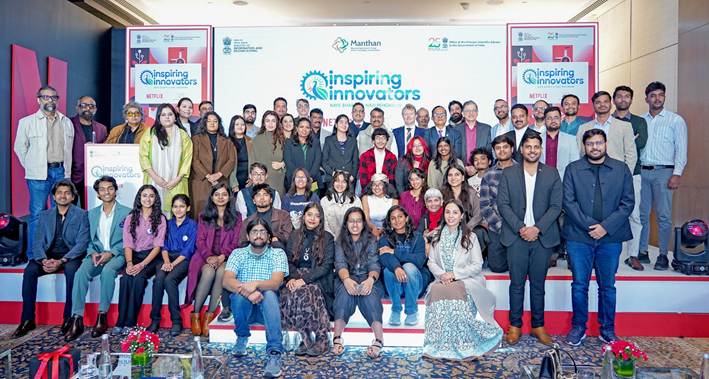
New Delhi: The Ministry of Information & Broadcasting and Office of the Principal Scientific Adviser to the Government of India (PSA) today marked the culmination of Inspiring Innovators – Naye Bharat Ki Nayi Pehchaaan, a skilling initiative developed in collaboration with the Netflix Fund for Creative Equity. Implemented in partnership with Graphiti Studios, the initiative brings together India’s innovation and creative ecosystems to promote socially relevant innovation through storytelling and hands-on skilling.

The initiative showcases the contributions of eight Indian start-ups identified by the Office of the PSA for their work in driving social-impact innovation. These start-ups are featured through eight short animated films created by students from eight universities across India, including the National Institute of Design, Chitkara University, Satyajit Ray Institute of Film and Television and several others. The voiceovers for the films were recorded by participants from the Voicebox, a skilling initiative by Netflix in collaboration with the National Film Development Corporation (NFDC).

Designed as a storytelling-and-skilling-led programme under the Netflix Fund for Creative Equity, the initiative provided hands-on creative experience to a cohort of 26 students from diverse parts of India. 50% of the participants were women, with several students coming from Tier-2 cities. The students were mentored by experts from the National Institute of Design (NID), Ahmedabad, and Graphiti Studios, gaining practical, real-world exposure to industry processes.

The initiative’s original anthem was performed by students from the Shankar Mahadevan Academy, adding a cultural and creative dimension to the programme.
During event Dr. L. Murugan, Hon’ble Minister of State, Ministry of Information & Broadcasting and Parliamentary Affairs, Government of India said, “Rooted in India’s rich tradition of storytelling, our creators today have the opportunity to take Indian stories to global audiences, supported by the Government’s efforts to strengthen intellectual property frameworks and enable a future-ready creative ecosystem. Guided by the vision of Hon’ble Prime Minister Shri Narendra Modi, this is the right time to create in India and create for the world, with content, creativity and culture emerging as key pillars of the Bharat economy. As storytelling enters a new era shaped by creators and emerging technologies, initiatives like Inspiring Innovators highlight how creativity can be applied in service of society.

Prof. Ajay Kumar Sood, Principal Scientific Adviser to the Government of India, said,
“Inspiring Innovators was designed to highlight innovation with social relevance while also strengthening skills and knowledge pathways. By bringing together start-ups and students through a creative process, and with skilling support enabled through the Netflix Fund for Creative Equity and industry mentorship, the programme reflects a holistic approach to building India’s innovation ecosystem connecting policy intent with talent development and real-world application.”

Shri Sanjay Jaju, Secretary, Ministry of Information & Broadcasting, Government of India, said, “India is witnessing remarkable innovation, often driven by social innovators solving everyday challenges through impactful, purpose-led solutions. As Netflix marks a decade in India, Inspiring Innovators stands out as a powerful example of how storytelling can evolve beyond content creation into a meaningful skilling and empowerment platform, reflecting the confidence and professionalism of young talent across the country. This is truly the age of creators and storytelling, and as we enter an era shaped by AI-led narratives, it is vital to embrace newer technologies that will enable growth and progress for the next generation. It is encouraging to see India’s relevant, purpose-driven stories being taken to audiences far and wide.”

Mahima Kaul, Director, Global Affairs, Netflix India, commented, “At Netflix, we are committed to the skilling and upskilling of India’s young and vibrant creative ecosystem. Inspiring Innovators reflects a shared commitment to recognising innovation that delivers real social value.

YUVA AI for All a significant step towards democratising access to AI Knowledge

0

VINOD BHAT
Delhi, JAN 13:
Commemorating National Youth Day on January 12, 2026, the Government of India reaffirmed its commitment to youth empowerment by spotlighting the newly launched National AI Literacy Program and its flagship YUVA AI FOR ALL course, bridging Swami Vivekananda’s vision of enlightened youth with the tools for an AI-driven future. The program was launched at the Rajasthan Regional AI Impact Summit held in Jaipur on January 6, 2026, by Shri Bhajan Lal Sharma, Chief Minister, Rajasthan; Shri Ashwini Vaishnaw, Minister for Electronics & IT, Railways and Information & Broadcasting; and Shri Jitin Prasada, Minister of State for Electronics & IT and Commerce & Industry. The National AI Literacy Program aligns with the Government’s vision of a Viksit Bharat, the expansion of Digital Public Infrastructure, and India’s commitment to inclusive, responsible, and democratic adoption of AI.

As a part of this Program, the YUVA AI FOR ALL foundational course was highlighted, to make AI literacy a core life skill, aligned with National Youth Day’s focus on Yuva Shakti. With the course running time, clocked at a little over 4 hours, YUVA AI FOR ALL has been designed as an inclusive entry point to AI learning, requiring no prior technical background. The curriculum covered includes ‘What is Artificial Intelligence, The Technology behind Artificial Intelligence, Using Artificial Intelligence to Learn, Create, think and plan, Artificial Intelligence Ethics and The Future of Artificial Intelligence’.

Speaking on creation of a nationwide movement of collective AI learning, Shri Vaishnaw had stated “It is important that citizens, particularly the youth, whom we honour on National Youth Day, have a basic understanding of what AI is, how it works, where it is used, and also be able to use it responsibly in their lives. Particularly, small scale enterprises will reap the benefits of AI, if they are able to use AI in daily work and increase their productivity. With this objective, the National AI Literacy Program has been launched and it is envisaged that this program will mobilize 10 Lakh learners in the next one year.”

To be made available in 11 languages (Assamese, Bengali, Gujarati, Hindi, Kannada, Malayalam, Marathi, Odia, Punjabi, Tamil and Telugu), the YUVA AI FOR ALL course is free of any charge and available on leading learning platforms such as FutureSkills Prime, iGOTKarmayogi, DIKSHA and other popular ed-tech portals. On completion of the course, every learner will get an official certificate from the Government of India.

The YUVA AI for All National AI Literacy Program is a significant step towards democratising access to AI knowledge and preparing India’s citizens especially the youth for opportunities and responsibilities of an AI-driven future. Envisioned not merely as a one-day learning milestone, but as the foundation of a sustained, scalable, and inclusive AI literacy movement, YUVA AI for All will contribute meaningfully to India’s vision of a Viksit Bharat through coordinated action across Ministries, States, educational institutions, industry, and digital platforms—empowering citizens, nurturing responsible innovation, and strengthening India’s leadership in AI for public good.