spot_imgspot_img
spot_img
Home Blog Page 43

Railway Minister Ashwini Vaishnaw Announces Gazette Notification for South Coastal Railway and Major Expansion in Andhra Pradesh

0

Vinod Bhat

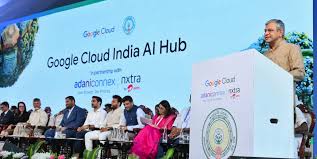
New Delhi: Addressing the gathering after Ground Breaking Ceremony of Google Cloud India AI Hub at Visakhapatnam, Union Minister for Railways, MeitY and Information & Broadcasting, Shri. Ashwini Vaishnaw has stated that the Gazette Notification for the creation of South Coastal Railway Zone will be issued, with June 1, 2026 being notified as the effective date. He indicated that this development marks a significant step toward strengthening Railway Administration in Andhra Pradesh.


The Minister further explained that Andhra Pradesh has received a record Railway budget allocation of ₹10,134 crore, a substantial increase compared to the ₹886 crore allocated in earlier years for the combined states of Andhra Pradesh and Telangana.

He noted that railway projects worth approximately Rs.1,06,000 crore are currently underway in Andhra Pradesh, aimed at enhancing connectivity across the state, including links to ports, tourism destinations, and major cities.

Referring to infrastructure achievements, the Minister highlighted that 74 railway stations in Andhra Pradesh are being reconstructed and fully redeveloped describing it as a historic accomplishment in the country.

Providing further details, he stated that, in AP:

. 832 Flyovers and Underpasses have been completed

. 299 Flyovers and Underpasses are Under Construction

. 1,759 km of Railway Track has been completed

. 3,300 km of Track is Under Construction.

The Minister announced that Andhra Pradesh has achieved 100% Electrification of its Railway Network, positioning it among the leading regions in Railway Modernization.

On passenger services, the Minister mentioned that 16 Vande Bharat trains and 22 Amrit Bharat train services currently serve the state, improving travel efficiency and comfort.

Additionally, he stated that the entire East Coast Railway Corridor is being upgraded to a four-line network, which is expected to double capacity and enable the operation of up to 500 new trains.

The Minister further emphasized that cargo and container train services are being strengthened to connect ports, tourism centers, and major cities along the East Coast Corridor, thereby boosting logistics and economic growth.

Addressing future High-Speed connectivity, he further elaborated the proposed High-Speed connectivity across major Southern Corridors along with travel time:

● Amaravati to Hyderabad – approximately 70 minutes

● Amaravati to Chennai – approximately 112 minutes

● Hyderabad to Pune – approximately 1 hour 55 minutes

● Pune to Mumbai – approximately 48 minutes

● Chennai to Bengaluru – approximately 73 minutes

● Hyderabad to Bengaluru – approximately 2 hours 8 minutes

He described this network as a “High-Speed Diamond”, which will significantly enhance mobility, economic integration, and regional growth across Southern India.

The Minister concluded that these initiatives reflect the Union Government’s commitment to transform Andhra Pradesh into a major railway and logistics hub, driving economic growth and regional integration

He emphasized that the Government is committed to ensuring balanced development and welfare, stating that the NDA government at the Centre would deliver complete justice to the Southern States in terms of infrastructure growth and public welfare. He also remarked that opposition parties were politicising developmental issues.

PM Modi Targets Opposition Over Women’s Reservation, Calls Them ‘Afraid of Women’s Power’

0

Namah Parvati Pataye, Har-Har Mahadev.

Governor of Uttar Pradesh Anandiben Patel, the popular Chief Minister here Yogi Adityanath Ji, my colleagues in Parliament and BJP’s National President Shri Nitin Nabin Ji, Member of Parliament from Uttar Pradesh and UP BJP President Shri Pankaj Chaudhary Ji, District Panchayat Chairperson sister Poonam Maurya Ji, the women councillors and village heads of Kashi present on the stage, other public representatives, and the large number of my mothers, sisters, and daughters who have come here. Namaskar to you all.

Friends,

Our Kashi is the land of divine powers-Mata Shringar Gauri, Mata Annapurna, Mata Vishalakshi, Mata Sankatha, and Maa Ganga. In such a place, this gathering of all you sisters and daughters has made this occasion very divine. On the land of Kashi, I bow to all you mothers, sisters, and daughters of Kashi.

Friends,

Today’s occasion is indeed a celebration of honoring and developing women’s power, and just a short while ago projects worth thousands of crores of rupees were inaugurated and foundation stones laid here. These include projects connected with every type of development in Kashi. Along with this, there are works to increase connectivity between Kashi and Ayodhya. A short while ago, two Amrit Bharat trains were flagged off. From Kashi to Pune and from Ayodhya to Mumbai, these two Amrit Bharat trains will further improve connectivity between Uttar Pradesh and Maharashtra. Now people of Mumbai-Pune and the whole of Maharashtra have another modern option to reach Ayodhya Dham and Kashi Vishwanath Dham. I congratulate the countrymen on this inauguration.

Friends,

The mission to make India developed is continuously going on, and when I speak of a developed India, its strongest pillar is India’s women power. Today in this program, I have come to seek blessings from all you sisters and daughters for the beginning of a great yajna. As the Member of Parliament from Kashi, as the Prime Minister of the country, I need your blessings for the achievement of a big national goal, and that big goal is-to implement reservation for women in Lok Sabha and Legislative Assemblies. Just a few days ago, because of parties like SP and Congress, our effort did not succeed in Parliament. But I again assure all you sisters, I will leave no effort undone to ensure that your right to reservation is implemented.

Friends,

When a woman is empowered in the home, the whole family gains strength, society becomes stronger, the country becomes stronger. In the past, sisters and daughters had to struggle a lot. You sisters of Kashi have also seen many difficulties, you have faced many challenges. Daughters often had to go through many kinds of questions-what will you do by doing this? Why do you need this? What will you do, what need do you have, keep quiet, this work cannot be done by you. And many times questions were not even asked, direct orders were given-this is not your work.

Friends,

Such circumstances were not only for the sisters of Kashi, most sisters and daughters of the country had such experiences, and this was considered natural. That is why when I became Chief Minister in Gujarat 25 years ago, the first thing I tried was to break such notions. At that time, two big schemes dedicated to daughters were started. One was-Shala Praveshotsav, admission of girls in schools, so that daughters reach schools in greater numbers and do not drop out midway. And the second was-Mukhyamantri Kanya Kelavani Nidhi, to help daughters with their fees.

Friends,

Since then till today, in our government’s policies, women’s welfare has been given the highest priority continuously. In 2014, when you gave us the opportunity to serve, more than 12 crore toilets were built in the country, “Izzat Ghars” were built. More than 30 crore sisters’ bank accounts were opened. Electricity connections were given in more than 2.5 crore houses. Water from taps reached more than 12 crore houses. That is, sisters and daughters were kept at the center of many big schemes.

Friends,

Two years ago here in Banaras, a very big campaign connected with Sukanya Samriddhi Yojana was run. At that time, in just one month, 27 thousand daughters’ Sukanya Samriddhi accounts were opened here in Kashi, and 300 rupees were also transferred into each daughter’s bank account. Sukanya Samriddhi Yojana is playing a big role in daughters’ education and better future. This scheme has strengthened daughters’ studies, and the Mudra Yojana has ensured daughters’ earnings. At the same time, Matru Vandana Yojana and Ayushman Bharat Yojana have arranged for sisters’ and daughters’ medicines.

Friends,

Along with education, earnings, and medicines, for the first time crores of sisters have had property registered in their names. Most of the houses under PM Awas Yojana are also in the names of sisters. Today our mothers and sisters have truly become the owners of their own homes.

Friends,

Our government’s entire focus has been on the convenience and security of sisters. These two things are what strengthen the foundation of empowerment. You have seen with your own eyes how conditions have changed here in Uttar Pradesh. A few years ago, when the Samajwadi Party government was here, it had become difficult for daughters even to step outside their homes. But now, under the BJP government, anyone who harbors wrong thoughts against daughters knows very well what the consequences will be.

Friends,

The Bharatiya Nyaya Sanhita has also given sisters and daughters a new assurance of security. Under this, speedy decisions are being delivered in serious crimes against women. Similarly, the network of women police stations and counseling centers is continuously expanding. Today here also, work has started on a building for a women’s police outpost and counseling center. Such steps give daughters a guarantee of security.

Friends,

When women’s economic power increases, their voice in the home also becomes stronger. Therefore, along with giving assurance of convenience and security, we have emphasized increasing sisters’ economic participation. In the past 11 years, about 10 crore sisters in the country have been connected with self-help groups. In Kashi too, about 1.25 lakh sisters are connected with such groups. These groups are receiving assistance of lakhs of rupees, through which sisters are doing their work. Through such efforts, 3 crore sisters have already become “Lakhpati Didis”-3 crore Lakhpati Didis-and among them are thousands of sisters from Banaras.

Friends,

In giving momentum to the Lakhpati Didi campaign, our dairy sector also has a big role. Here, lakhs of sisters connected with Banaskantha Dairy are doing excellent work. Today these sisters have directly received 106 crore rupees as bonus. I heartily congratulate all these sisters. I say to the women connected with the dairy sector in Kashi-this is just the beginning, Banaras will grow, Banaskantha Dairy will grow, and this bonus will also keep increasing.

Friends,

The BJP-NDA government is making sisters self-reliant and also giving them leadership in the campaign to make India developed. In advancing digital payments, thousands of “Bank Sakhis” have a big role. In work connected with insurance, “Bima Sakhis” are leading. In advancing natural farming, “Krishi Sakhis” are playing a big role. And in the drone revolution coming in farming, our “Namo Drone Didis” are leading. In the past decade, new opportunities have been given to daughters in the Army, Navy, and Air Force. For the first time, the doors of Sainik Schools and the Defence Academy have also been opened for daughters. That is, the BJP-NDA government means-empowerment of women, upliftment of women, making women’s lives easier.

Friends,

Today in every field, on every front, India’s daughters are doing such excellent work, so naturally, in policy-making and in decisions connected with the nation’s future, the role of sisters and daughters must increase further. The country needs this very much today. Work is being done honestly for this too. One big reason behind building the new Parliament was also the idea of women’s participation. When the new Parliament was built, the first work we did was to give 33 percent reservation to women. For 40 years, this right of sisters was stuck and hanging. Therefore, in 2023, we got the Nari Shakti Vandan Adhiniyam passed in Parliament.

Friends,

After a law is made, it is necessary to implement it. Now it is necessary that this law be implemented as soon as possible. Therefore, in recent days, discussion was held in Parliament regarding this. We brought a law for constitutional amendment. This amendment was such that after it, more sisters would reach Legislative Assemblies and Parliament.

But friends,

Parties like Congress, Samajwadi Party, TMC, and DMK once again betrayed the women of the country. Such parties had put a brake on women’s reservation for 40 years. Now the Samajwadi Party has again shown it the red flag.

Friends,

The real matter is that all these family-based and appeasement-driven parties are afraid of women’s power, afraid of all of you. These family-based parties do not want the daughters of the country to reach Legislative Assemblies and Parliament, daughters who are giving leadership on their own strength everywhere from college campuses to panchayats and local bodies. They know that if daughters working on the ground rise up, their control will end, questions will be raised on their power. That is why these family-based parties were at the forefront of the opposition in Parliament.

Friends,

I am satisfied that the sisters and daughters of the country have recognized their devious intentions. You are seeing, in Assam, Kerala, Puducherry, Bengal, and Tamil Nadu, sisters have voted in record numbers. The parties opposing women’s reservation do not realize that this vote of sisters has been to punish these anti-women parties.

Friends,

The BJP-NDA government has only one mantra-Nagrik Devo Bhava. The education, earnings, medicines, irrigation, and hearing of the country’s citizens are our priority. With this spirit, today the development of Kashi has also been expanded. With the construction of the signature bridge on the Ganga, the connectivity of Purvanchal will become even stronger.

Friends,

In the past decade, Kashi has emerged as a major health hub for North and Eastern India. A 500-bed multi super specialty hospital will further strengthen Kashi’s healthcare ecosystem. In addition, the foundation stone has been laid for a 100-bed critical care block. This will add a very large facility in Kashi for the treatment of serious diseases.

Friends,

Whether it is the cleaning of the Ganga, the development of the ghats, the construction of buildings connected with governance and administration, storage facilities for farmers in Harhua and Bhawanipur, old age homes, or women’s hostels-these are all proof of the sensitive development of Kashi. From these works, the people of Banaras are benefiting the most.

Friends,

The campaign to strengthen Kashi’s heritage and legacy is also continuously going on. The development of Sant Kabir’s site and the renovation of Sant Ravidas Park located in Nagwa are part of this campaign.

Friends,

Our Kashi is eternal, it is a city that continues unceasingly. In the same way, this campaign of development is also continuously moving forward. While honoring women’s power, once again I express my gratitude to you for giving us blessings, and I extend best wishes for the development works. Say with me-

Bharat Mata Ki Jai.

Bharat Mata Ki Jai.

Bharat Mata Ki Jai.

Vande Mataram. Vande Mataram. Vande Mataram.

Har-Har Mahadev.
From Challenge to Change: How Youth and Community Initiatives Are Reshaping the Future of Jammu & Kashmir

0

Shahid Nazeer

Change in Jammu & Kashmir is no longer a distant promise it is unfolding quietly on the ground, led by a generation that refuses to wait. Far from the noise of headlines, a new story is emerging across the Valley one shaped not by circumstances alone, but by courage, participation, and an unyielding belief in a better tomorrow.

For years, the region has grappled with challenges that have touched nearly every household unemployment, the growing menace of drugs, and limited avenues for young people to channel their potential. These realities cannot be ignored. Yet, what is equally real, and far more powerful, is the steady rise of a collective will to confront these challenges head-on.

Across districts like Baramulla and Sopore, a quiet transformation is taking shape. Young individuals are stepping beyond the role of spectators and becoming active agents of change. From organizing sports tournaments to leading grassroots awareness campaigns, they are building spaces where hope replaces uncertainty and purpose overcomes despair.

In places like Baramulla, youth-led sports initiatives and community programmes are proving to be more than just events they are lifelines. For many participants, stepping onto a playing field or joining a local campaign is not merely an activity; it is a turning point. It is a chance to choose discipline over distraction, ambition over apathy, and direction over doubt.
Equally significant is the growing resistance against the drug menace. Civil society groups, youth volunteers, and women-led initiatives are reaching deep into communities, breaking the silence around addiction and encouraging open dialogue. These efforts, often carried out in coordination with local authorities and law enforcement agencies, reflect a shared resolve to protect the future of the Valley.
Women, in particular, are emerging as powerful drivers of this change. Their increasing participation in social initiatives, awareness campaigns, and community leadership is not only breaking long-standing barriers but also ensuring that the process of transformation is inclusive and sustainable. Their voices are adding strength, sensitivity, and balance to the larger movement of change.
Amid these grassroots efforts, the role of the administration in encouraging youth engagement and supporting community-driven initiatives has become increasingly visible. Initiatives focused on skill development, sports promotion, and social awareness are gradually creating an environment where aspirations can find meaningful direction. The growing synergy between institutions and the public is laying the foundation for lasting progress.
Yet, the journey is far from complete. Sustained efforts are needed to expand opportunities, strengthen education and skill infrastructure, and ensure that every young individual has access to platforms that nurture their potential. The responsibility of change cannot rest on one section alone it must remain a shared mission.
Behind every initiative is a story a young person choosing hope over helplessness, a volunteer choosing service over silence, a community choosing unity over division. These stories may not always make headlines, but they are quietly shaping the future.

The youth of Jammu & Kashmir are no longer waiting for change they are building it with their own hands. Their efforts, though sometimes small in scale, carry the power to transform mindsets, uplift communities, and redefine the identity of this region.
The narrative of Jammu & Kashmir is evolving from one of challenge to one of change, from uncertainty to possibility. And at the heart of this transformation are its people resilient, determined, and united in their vision.

In the end, the true strength of this region lies not just in its natural beauty, but in the spirit of its people. And today, that spirit is rising quietly yet powerfully towards a future defined not by its past challenges, but by its limitless potential.

Author can be reached at: [email protected]

India Meets All-Time Highest Peak Power Demand of ~256 GW Without Shortage

0

Vinod Bhat

New Delhi: India has successfully met its all-time highest peak electricity demand of 256.1 GW on 25th April 2026 at 15:38hrs without any shortage, while simultaneously maintaining electricity exports to neighbouring countries.

This milestone surpasses the previous all-time high of 250 GW recorded on 30th May 2024 and exceeds the peak of 245.4 GW observed on 09th January 2026 during the last financial year.

The rise in demand is in line with the progression of summer conditions across the country, with electricity consumption witnessing a significant growth of 8.9% during the month of April 2026 (01st to 27th Apr) over the corresponding period last year.

The achievement has been supported by record capacity addition of around 65 GW during FY 2025–26, strengthening the overall generation portfolio and enhancing system preparedness to handle high demand conditions. With this we can successfully meet the expected demand of around 270 GW this year.

The demand was met through advance resource adequacy planning, optimal scheduling and dispatch of available generation resources, and close real-time coordination among NLDC, RLDCs, SLDCs, and generating stations, supported by efficient utilization of transmission corridors.

At the time of peak demand, the requirement was met through a diverse portfolio of generation sources, including thermal, hydro, nuclear, and renewable energy, ensuring reliability and grid stability. Renewable energy, particularly solar, made a significant contribution, complemented by hydro and other flexible resources during peak conditions.

Textiles and handicrafts sector under priority category for natural gas supply; Supplies maintained at 80% of past six months’ average consumption

0

Vinod Bhat

New Delhi: Amid the evolving situation in West Asia, the Government of India continues its efforts to keep citizens informed through regular updates. In this regard, a media briefing was held today at the National Media Centre, where officers from the Ministries of Petroleum and Natural Gas, Ports, Shipping and Waterways, and External Affairs provided updates on fuel availability, maritime operations, assistance to Indian nationals in the region, and measures being undertaken to maintain stability across key sectors. The Ministry of Textiles also shared updates regarding the textiles sector.

Textiles and handicraft sector updates

Ministry of Textiles has been in regular touch with stakeholders on the issues faced by the textiles and handicraft sector due to the West Asia crisis. A monitoring cell has been formed which is looking at measures that the Ministry can take to facilitate the industry. Some of the actions taken in response to the crisis are the following:

Regular Stakeholder consultations

  • The Ministry is holding periodic meetings with stakeholders on a weekly basis for monitoring the situation. These include meetings with Export Promotion Councils (EPCs), Domestic Associations, regional cluster associations (Tirupur, Surat, Pali Balotra), state government officials. The Ministry is also in touch with the office of DG Shipping, GAIL and other agencies. The Ministry also organized an outreach programme on the Resilience & Logistics Intervention for Export Facilitation (RELIEF) Scheme of the Department of Commerce.
  • Moreover, EPCs also organized their independent consultations.  The Carpet Export Promotion Council (CEPC) organized a webinar on 6 April, 2026 on the RELIEF Measures. Export Promotion Council for Handicraft (EPCH)  organized an awareness seminars on 20 April, 2026 on logistics challenges in the wake of the West Asia crisis. The discussions centered around global shipping disruptions, alternative routing, , logistics planning, cost optimization techniques and compliance issues.
  • The advisories issued by DG Shipping are being circulated among the stakeholders. Some of the issues related to shipping lines such as use of alternate ports like Jeddah for supplies to West Asia are also being disseminated to stakeholders.

Ensuring supplies of fuel/natural gas for the industry

  • Ministry Of Textiles had taken up the issue with Ministry of Petroleum and Natural Gas (PNG) for supply of natural gas to the textiles and handicraft industry.  In response, GAIL indicated that textiles and handicraft sector are under the Priority Sector III/IV (industrial consumers) with supplies maintained at 80% of the past 6 months’ average consumption.  In case of supply disruptions, GAIL is intermittently sourcing supplies from the spot market.
  • The Ministry is monitoring the supply in the clusters. In case of any shortfall, the monitoring cell would take up the issue with GAIL authorities for spot market purchases.

Removal of customs duty on inputs for the textiles and handicraft sector

  • In the light of the price volatility and the need to ensure supply chain continuity for the downstream industry, the Ministry has been advocating the removal of customs duty on inputs in the textiles and handicraft sector.
  • In this context, the Department of Revenue in its Customs Notification 12/2026 dated 1.4.26 removed customs duty on a number of products including inputs in the MMF sector. In the case of textiles sector, duties were deferred on 29 inputs including Monoethylene Glycol (MEG), Purified Terephthalic Acid (PTA), Poly(ethylene terephthalate) (PET) chips, Poly(butylene terephthalate) (PBT), Methanol, Toluene, Styrene, Vinyl Chloride Monomer (VCM), Phenol, Acetic Acid, Vinyl Acetate Monomer (VAM), Ethylenediamine, Monoethanolamine/ Diethanolamine, Polyethylene (PE), Polypropylene (PP), Polystyrene (PS), Polyvinyl Chloride (PVC), Acrylonitrile-butadiene-styrene (ABS), Styrene-acrylonitrile (SAN), Polyvinyl Acetate (PVA), Polyvinyl alcohol, Epoxy resins, Polyurethanes, Polycarbonates, Alkyd resins, Unsaturated polyester resins, Toluene di-isocyanate (TDI), Polyols, and Linear Alkylbenzenes.
  • Secondly, the Ministry has also taken up the issue of removal of customs duty with Department of Revenue on some of the other inputs namely:
  • MMF value chain:
    1. Caprolactam
    2. Nylon chips
  • Rayon Grade Wood Pulp
  • Cotton
  • Inputs for glassware manufacture namely Soda Ash (Sodium Carbonate) (HS 283620), Boric acid/ Boron oxide (HS 281000), Alumina (HS 281820), selenium compounds (HS 280490), cerium oxide (HS 284610), Zirconia refractories (HS 690390), Furnace burners/ systems (HS 841620, 841780), potassium nitrate (HS 283421), potassium carbonate (HS 283640), arsenic trioxide (HS 281129) and barium carbonate (HS 283660)

Removal/ Deferment of Anti-Dumping duty

  • Some of the downstream producers have also indicated that the anti-dumping duty on some of their inputs would adversely affect their sourcing in the light of the volatile prices. After undertaking an internal analysis taking into account the employment generated in the downstream sector, MSME participation in the downstream sector, supply chain disruptions etc the Ministry of Textiles has also suggested to the Department of Revenue for removal/deferment of anti-dumping duty on the following:
  • Elastomeric Filament Yarn (EFY)
  • Viscose Rayon Filament Yarn (VFY)

Dissemination of information on Best Practices of State Governments

  • In the meeting with State Governments and cluster associations, some of the best practices adopted by States were disseminated to stakeholders.  Some of these included
  • District Level Committee under the Chairmanship of DM/DC for reviewing the LPG distribution
  • Encouraging MSME units to transit to piped natural gas (PNG)
  • Opening of community kitchens for blue collar workers
  • Use of alternate fuel like  torrefied biomass from cotton stalk, instead of coal.

Export Remission Schemes

  • Some of the suggestions from stakeholders were on the Export remission schemes relating to the textiles sector.  These schemes include the Remission of Duties and Taxes on Exported Products (RODTEP) and Rebate of State and Central Taxes and Levies (ROSCTL).
  • The suggestions include the increase of rates, restoration of rates for the period when they were reduced and enhancing the coverage of the scheme. These have been examined and taken up with the appropriate authorities.

Proposals related to Foreign Trade Policy (FTP)/ Export Promotion Mission (EPM)

  • During the stakeholder consultations, some of the proposals related to FTP/ EPM. These include proposals on interest subvention, Export Promotion Capital Goods (EPCG) Scheme, Advance Authorisation (AA), etc. All the suggestions relate to facilitate exporters during the West Asia crisis. The matter has been examined internally and proposals sent to office of DGFT

Energy Supply and Fuel Availability

The Ministry of Petroleum and Natural Gas provided an update on the current fuel supply situation, outlining measures being taken to ensure uninterrupted availability of petroleum products and LPG in the context of the evolving situation in West Asia. It was noted that:

Public Advisory and Citizen Awareness

  • Citizens are advised to avoid panic purchase of petrol, diesel and LPG as the Govt is making all efforts to ensure availability of petrol, diesel and LPG.
  • Beware of rumours and rely on official sources for correct information.
  • LPG consumers are requested to use digital booking platforms and avoid visiting distributors.
  • Citizens are encouraged to use alternate fuels such as PNG and electric or induction cooktops.
  • All citizens are requested to make necessary efforts to conserve energy in their daily use during the current situation.

Government Preparedness and Supply Management Measures

  • Despite the ongoing geopolitical situation, the Government has ensured that 100% supply is being made to Domestic LPG, Domestic PNG and CNG (Transport).
  • For commercial LPG, priority has been given to hospitals, educational institutions. Besides this, priority has also been given to pharma, steel, automobile, seed, agriculture, etc. In addition to this, supply of 5 Kg FTL to migrant labour is also doubled based on avg. daily supply on 2nd and 3rd March 2026.
  • The Government has already implemented several rationalisation measures on both the supply and demand side, including enhancing refinery production, increasing the booking interval from 21 to 25 days in urban areas and up to 45 days in rural areas and prioritising sectors for supply.
  • Alternate fuels such as kerosene and coal have been made available to ease pressure on LPG demand.
  • The Ministry of Coal has directed Coal India and Singareni Collieries to supply additional coal to States for distribution to small and medium consumers.
  • States have been advised to facilitate new PNG connections for domestic and commercial consumers.

Coordinated Efforts with States/UTs and Institutional Mechanisms

  • State Governments are empowered under the Essential Commodities Act, 1955 and LPG Control Order, 2000 to monitor supply and act against hoarding and black marketing.
  • Govt. of States/UTs have to play a primary role in monitoring and regulating supply situation of essential commodities including Petrol, Diesel and LPG. Govt. of India has reiterated the same via multiple letters and VCs to all States/UTs.
  • The Government of India vide letters dated 27.03.2026 and 02.04.2026 have stressed the need for proactive public communication to reassure citizens regarding adequate fuel availability. Regular review meetings are being held with States/UTs. In this context, meetings were convened on 02.04.2026 (Chaired by Secretary, MoPNG) and on 06.04.2026 (Chaired by Secretary, MoPNG along with Secretaries of I&B and Consumer Affairs), wherein the following was emphasized:
    • To issue daily press briefings and issue regular public advisories.
    • To actively monitor and counter fake news / misinformation on social media.
    • To intensify daily enforcement drives by District admin and to continue raids and inspections in coordination with OMCs
    • To issue Commercial LPG allocation orders within their States/UTs
    • To issue SKO allocation orders for additional SKO allotted to the States/UTs.
    • To promote PNG adoptions and alternate fuels.
    • To prioritize LPG supply, especially for domestic needs, and adopt targeted distribution of 5 kg FTL cylinders to ensure supply stability.
  • All States/UTs have established control rooms and district monitoring committees to curb hoarding and black marketing.
  • Many states/UTs are issuing/carrying out press briefs.

Enforcement and Monitoring Actions

  • Enforcement actions continue across the country to curb hoarding and black marketing of LPG. Yesterday, more than 2800 raids were conducted across the country.
  • Since March 2026, more than 67,000 cylinders have been seized in multiple raids across the country. Further, more than 1160 FIRs have been registered, and 271 persons have been arrested.
  • PSU OMCs have strengthened and continued surprise inspections and imposed penalties on 316 LPG distributorships, and 72 LPG distributorships have been suspended till yesterday.
  • Yesterday, show cause notices were issued to 46 LPG distributors, penalties were imposed on 6 distributorships, and 1 distributor was put under suspension.

LPG Supply

Domestic LPG Supply Status:

  • LPG supply continues to be affected by the prevailing geopolitical situation.
  • Supply of LPG to domestic households has been prioritized.
  • No dry-outs have been reported at LPG distributorships.
  • Online LPG cylinder bookings increased to 99% on industry basis yesterday.
  • Delivery Authentication Code (DAC) based deliveries have increased to around 93% to prevent diversion. DAC is received on the registered mobile number of the consumer.

Commercial LPG Supply and Allocation Measures:

  • Total commercial LPG allocation has been increased to about 70% of pre-crisis levels, including 10% reform-linked allocation.
  • The Government of India vide letter dated 06.04.2026 has conveyed that daily quantity of 5 Kg FTL cylinders in each State available for disbursal to migrant labourers is being doubled based on the average daily supply (Number of cylinders) to migrant labourers during 2nd-3rd March 2026 beyond the limit of 20% mentioned in letter dated 21.03.2026. These 5 Kg FTL cylinders are at disposal of the State Government for supplying only to migrant labourers in their State with assistance of Oil Marketing Companies (OMCs).
  • The total number of 5 Kg FTL cylinder sold during the month of Feb-26 was 21.7 Lakh. However, since 1st April 2026, about 20.32 Lakh – 5 Kg FTL cylinders have been sold.
  • Yesterday, more than 82,000 – 5 Kg FTL cylinders were sold across the country.
  • Since 3rd April 2026, PSU OMCs have organised more than 9350 awareness camps for 5 Kg FTL Cylinders, wherein more than 1,53,000 – 5Kg FTL cylinders were also sold.
  • Yesterday, 5436 – 5 Kg FTLs were sold through more than 220 camps
  • A three-member committee of Executive Directors from IOCL, HPCL and BPCL is coordinating with State authorities and industry bodies to plan commercial LPG distribution in the States/UTs.
  • During the month of April-26 (till 27.04.26), a total of 1,75,205 MT (Equivalent to more than 92.21 Lakh of 19 Kg LPG Cylinders) of Commercial LPG has been sold.
  • On 27.04.2026, 9578 MT of Commercial LPG (Equivalent to more than 5.04 Lakh – 19 Kg cylinders) was sold
  • During the month of April-26 (till 27.04.2026), sale of Auto LPG has been more than 9500 MT as compared to the sale of around 5000 MT during Feb-26.
  • Avg. Auto LPG sale by PSU OMCs in the month of April-26 (till 27.04.26) is around 353 MT/day against the avg. of around 177 MT/day during Jan-26 and Feb-26.  This reflects an increase of around 100% in Auto LPG sales by PSU OMCs.

Natural Gas Supply and PNG Expansion Initiatives

  • Consumers have been prioritised with 100% supplies to D-PNG and CNG-Transport.
  • The overall gas allocation to fertilizer plants has been enhanced to approximately 95% of their six-month average consumption.
  • Additionally, gas supply to other industrial and commercial sectors, including supplies through CGD networks, is enhanced up to 80%.
  • CGD entities have been advised to prioritize PNG connections for commercial establishments such as hotels, restaurants and canteens across all their GAs, to address concerns regarding the availability of commercial LPG.
  • CGD companies including IGL, MGL, GAIL Gas and BPCL are offering incentives for domestic and commercial PNG connections.
  • States/UTs and Central Ministries have been requested to expedite approvals required for expansion of CGD networks.
  • The Government of India vide letter dated 18.03.2026 has offered all States/UTs additional 10% allocation of commercial LPG to States provided they can help in long term transition from LPG to PNG.
  • 22 States/UTs are receiving additional commercial LPG allocation linked to PNG expansion reforms.
  • The Ministry of Road Transport & Highways vide letter dated 24.03.26 has adopted an ‘Accelerated Approval Framework for CGD infrastructure with reduced timelines’ as a special for 3 months to process applications pertaining to CGD infrastructure on priority.
  • The Government of India vide Gazette dated 24.03.2026 has notified the Natural Gas and Petroleum Products Distribution (Through Laying, Building, Operation and Expansion of Pipelines and Other Facilities) Order, 2026 under the Essential Commodities Act, 1955. The Order provides a streamlined and time-bound framework for laying and expanding pipelines across the country, addressing delays in approvals and access to land, and enabling faster development of natural gas infrastructure, including in residential areas. It is expected to accelerate PNG network growth, enhance last-mile connectivity, and support the transition to cleaner fuels, thereby strengthening energy security and advancing India’s gas-based economy.
  • PNGRB has directed CGD entities to expedite D-PNG connections. Also, the National PNG Drive 2.0 has been extended till 30.06.2026 to sustain momentum in PNG expansion.
  • To encourage a cleaner, more secure and self-reliant energy future, the Government of India has developed a model draft State CBG Policy. The model policy is intended to serve as a comprehensive flexible guiding framework to enable States to create their own investor-friendly and implementation-oriented ecosystem for CBG development. Those States which opt for this, will be prioritized for the next tranche of additional allocation of commercial LPG.
  • MoEFCC vide order dated 07.04.2026 has directed CPCB to issue necessary directions to SPCB/PCCs for granting consent to establish or consent to operate within 15 days for CGD network/infrastructure.
  • Since March 2026, about 5.60 Lakh PNG connections have been gasified and infrastructure has been created for additional 2.64 lakh connections, taking the total to 8.24 lakh connections. Further, about 6.29 Lakh customers have been registered for new connections.
  • Till 27.04.2026, more than 42,800 PNG consumers have surrendered their LPG connections via MYPNGD.in website.

Crude Position and Refinery Operations

  • All refineries are operating at high capacity with adequate crude inventories, while sufficient stocks of petrol and diesel are being maintained.
  • Domestic LPG production from refineries has been increased to support domestic consumption.
  • An inter-ministerial Joint Working Group (JWG) has been set up to ensure availability of petrochemical feedstock supply for the domestic market. Subsequently, Govt. of India vide order dated 01.04.2026 has permitted Oil Refinery companies including Petrochemical Complexes to make certain minimum quantities of C3 & C4 streams available for critical sectors as determined by Centre for High Technology (CHT).
  • Based on the requests received from the Department of Pharmaceuticals, Department of Chemicals & Petro Chemicals (DCPC), Dept. for Promotion of Industry and internal trade (DPIIT), the provision for 1000 MT/day, from LPG pool, has been made for Pharma and Chemical sector companies.
  • Since 9th April 2026, more than 8300 MT of propylene and more than 870 MT of Butyl Acrylate has been sold by Mumbai, Kochi, Vizag, Chennai and Mathura refineries to Chemical, Pharma and Paint Industry.


Retail Fuel Availability and pricing Measures

  • All Retail outlets are operating normally across the country.
  • The Middle East crisis has led to an abnormal increase in crude prices; however, to protect consumers, the Government of India has reduced excise duty on petrol and diesel by ₹10 per litre.
  • Govt. of India vide Gazette notification dated 11.04.2026 has increased the export levy on diesel to Rs. 55.50 per litre and on ATF to Rs. 42 per litre, to ensure availability of these products in the domestic market.
  • Panic buying is observed at certain Retail Outlets due to rumours.  It is informed that there are adequate stocks of petrol and diesel available at all Petrol Pumps in the country. Regular Retail Prices for Petrol and Diesel are unchanged and there is no price increase at PSU OMCs Retail Outlets.

Kerosene Availability and Distribution Measures

  • An additional allocation of 48,000 KL of kerosene has been provided to States/UTs over and above regular allocation.
  • 18 States/UTs have issued SKO allocation orders, while Himachal Pradesh and Ladakh have indicated no requirement.

Maritime Safety and Shipping Operations

The Ministry of Ports, Shipping and Waterways provided an update on the prevailing maritime situation in the Persian Gulf, detailing the measures being undertaken to ensure the safety and security of Indian vessels and crew in the region. It was stated that:

  • The Ministry of Ports, Shipping and Waterways continues to coordinate with the Ministry of External Affairs, Indian Missions, and maritime stakeholders to ensure seafarer welfare and uninterrupted maritime operations.
  • All Indian seafarers in the region are safe, and no incident involving Indian-flagged vessels has been reported in the past 24 hours.
  • DG Shipping Control Room Update: The Control Room has handled 7,920 calls and more than 16,838 emails since activation. In the past 24 hours, 140 calls and 180 emails have been received.
  • Repatriation Update: The Ministry, through the Directorate General of Shipping (DG Shipping), has facilitated the safe repatriation of more than 2,800 Indian seafarers so far, including 24 in the last 24 hours from various locations across the Gulf region.
  • Port Operations: Port operations across India remain normal, with no congestion reported.

Safety of Indian Nationals in the Region

The Ministry of External Affairs continues to monitor developments in the Gulf and West Asia region, with focused efforts on ensuring safety, security and welfare of the Indian community in the region. It was informed that:

  • The Dedicated special control room in the Ministry is operational to respond to queries from Indian nationals and their families.
  • The Ministry of External Affairs is in regular contact with State Governments and Union Territories for sharing of information and better alignment of efforts.
  • Indian embassies and consulates continue to operate round-the-clock helplines to provide timely assistance and are proactively assisting our citizens. They are also in close contact with the local Governments.
  • Updated advisories are being issued including information related to local government guidelines, flight and travel situations, consular services and various welfare measures being undertaken for the community.
  • Indian Missions are actively engaged with the resident Indian community. They are regularly interacting with the Indian community associations, organizations, professional groups, and Indian companies to address their concerns.
  • Government is according high priority to the welfare of Indian seafarers in the region. Indian Missions are extending all assistance to them including coordination with the local authorities and agencies, extending consular assistance, and assisting for requests to return to India.
  • The overall flight situation continues to improve with additional flights operating from the region to various destinations in India.
  • In the UAE, airlines continue to operate limited commercial flights between the UAE and India based on operational and safety considerations, with around 105 flights expected today between UAE and India.
  • Flights continue to operate from various airports in Saudi Arabia and Oman to various destinations in India.
  • With Qatar airspace partially open, Qatar Airways is operating flights to various destinations in India. Air India and Indigo are also planning to resume flight operations from Qatar to India soon.
  • Kuwait airspace is open. Jazeera Airways and Kuwait Airways have resumed limited flight operations from Kuwait to India.
  • Bahrain airspace is open. Gulf Air is operating flights from Bahrain to various destinations in India.
  • Iraq airspace is open with limited flight operations to destinations in the region, which can be used for onward travel to India.
  • Iran airspace is partially open for cargo and chartered flights. Indian nationals are advised to avoid travelling to Iran and those already there are urged to leave via land border routes, with Indian Embassy’s support. So far, the Indian Embassy in Tehran has facilitated movement of 2,461 Indian nationals out of Iran through land border routes.
  • Israel airspace is open and limited flight operations have resumed to destinations in the region, which can be used for onward travel to India.

5 arrested with grenades, ammunition in Srinagar, case filed

0

Srinagar, Apr 28: Five persons were arrested with grenades, ammunition and other incriminating material in Srinagar, police said on Tuesday.

The arrests were made by a police party from PP Khanmoh during checking at Nard Sangri in the Khanmoh area

A top Police officer  said two hand grenades, two magazines, some rounds of ammunition, posters and six mobile phones were recovered from their possession.

A case under relevant sections of the Unlawful Activities (Prevention) Act (UAPA), Bharatiya Nyaya Sanhita (BNS) and the Arms Act has been registered at Panthachowk police station.

Further investigation is underway, police added.

Fertiliser availability remains robust – supplies continue to exceed the requirements

0

Vinod Bhat

New Delhi: Amid the evolving situation in West Asia, the Government of India continues its efforts to keep citizens informed through regular updates. In this regard, a media briefing was held today at the National Media Centre, where officers from the Ministries ofPetroleum and Natural Gas, Ports, Shipping and Waterways, and External Affairs provided updates on fuel availability, maritime operations, assistance to Indian nationals in the region, and measures being undertaken to maintain stability across key sectors. The Ministry of Fertilizers also shared updates regarding the fertilizer sector.

Fertilizer stock position and availability

Overall Stock Position of Fertilizers in the country

Product As on today As on today last year
Urea 71.58 70.67
DAP 22.35 15.07
NPKs 57.56 44.49
SSP 26.26 26.14
MOP 12.46 12.87
Total 190.21 169.24


  • For Kharif 2026, the fertiliser requirement has been assessed by DA&FW at 390.54 LMT, against this stock as on today is around 190 LMT (49%), significantly higher than the usual level of about 33%. This reflects improved planning, advance stocking, and efficient logistics management by the Government.
  • Supply position continues to be strong in the states. For the period 1 April 2026 to 26 April 2026, availability remains substantially higher than requirement.
  • Urea availability is 71.40 LMT against a requirement of 20.54 LMT, DAP availability is 23.09 LMT against 6.67 LMT requirement, MOP availability is 8.38 LMT against 1.96 LMT requirement, NPK availability is 53.40 LMT against 8.43 LMT requirement, and SSP availability is 25.78 LMT against 3.73 LMT requirement. This clearly indicates a strong opening position for the ongoing Kharif season.

MRP of major fertilizers – No change in the MRP of Major Fertilizers

Product Pre-War (Rs. Per Bag) After War (Rs. Per Bag)
Urea 266.5 266.5
DAP 1350 1350
TSP 1300 1300


  • Despite a sharp rise in global fertiliser prices—where international prices of urea have exceeded ₹4,000 per bag—the Government continues to supply urea to farmers at a highly subsidised rate of ₹266.5 per 45 kg bag. This underscores the Government’s commitment to shielding farmers from global price volatility while ensuring affordability and accessibility.

Domestic production and import of fertilizers after war

Product Domestic production after crisis Import reached on Indian Ports after crisis
Urea 35.42 9.4
DAP 4.50 0.76
NPKs 12.08 1.95
SSP 7.01 0
MOP  0 1.85
Total 59.01 13.96


  • Issues relating to natural gas availability for domestic urea production have also been addressed, with steady supply being maintained to fertiliser plants and additional LNG/RLNG being arranged as required. At present -97% LNG/RLNG is available with fertilizer plants. Most of the urea plants are running at optimum level.
  • Global Urea Tender- In Feb-2026, India secured 13.07 LMT urea and now Government has diversified import sources and secured 25 LMT of urea through global tender.
  • Global Tender for DAP, TSP and Ammonium Sulphate- Indian Fertilizers companies have issued aggregated global tender for procurement of 12 LMT DAP & 4 LMT TSP and 3 LMT Ammonium Sulphate on Friday i.e. 24.04.2026. These will help to ensure adequate availability during the peak season.
  • At present no major issues in the availability of inputs for production of fertilizers i.e. Urea and P&K fertilizers.
  • 6 Meeting of EGoS held till date to ensure the adequate availability of the fertilizers and most of the challenges in the availability addressed by EGoS.
  • India’s fertiliser security remains strong, stable, and well-managed, with availability consistently exceeding requirement across all major fertilisers.

Energy Supply and Fuel Availability

The Ministry of Petroleum and Natural Gas provided an update on the current fuel supply situation, outlining measures being taken to ensure uninterrupted availability of petroleum products and LPG in the context of the evolving situation in West Asia. It was noted that:

Public Advisory and Citizen Awareness

  • Citizens are advised to avoid panic purchase of petrol, diesel and LPG as the Govt is making all efforts to ensure availability of petrol, diesel and LPG.
  • Beware of rumours and rely on official sources for correct information.
  • LPG consumers are requested to use digital booking platforms and avoid visiting distributors.
  • Citizens are encouraged to use alternate fuels such as PNG and electric or induction cooktops.
  • All citizens are requested to make necessary efforts to conserve energy in their daily use during the current situation.

Government Preparedness and Supply Management Measures

  • Despite the ongoing geopolitical situation, the Government has ensured that 100% supply is being made to Domestic LPG, Domestic PNG and CNG (Transport).
  • For commercial LPG, priority has been given to hospitals, educational institutions. Besides this, priority has also been given to pharma, steel, automobile, seed, agriculture, etc. In addition to this, supply of 5 Kg FTL to migrant labour is also doubled based on avg. daily supply on 2nd and 3rd March 2026.
  • The Government has already implemented several rationalisation measures on both the supply and demand side, including enhancing refinery production, increasing the booking interval from 21 to 25 days in urban areas and up to 45 days in rural areas and prioritising sectors for supply.
  • Alternate fuels such as kerosene and coal have been made available to ease pressure on LPG demand.
  • The Ministry of Coal has directed Coal India and Singareni Collieries to supply additional coal to States for distribution to small and medium consumers.
  • States have been advised to facilitate new PNG connections for domestic and commercial consumers.

Coordinated Efforts with States/UTs and Institutional Mechanisms

  • State Governments are empowered under the Essential Commodities Act, 1955 and LPG Control Order, 2000 to monitor supply and act against hoarding and black marketing.
  • Govt. of States/UTs have to play a primary role in monitoring and regulating supply situation of essential commodities including Petrol, Diesel and LPG. Govt. of India has reiterated the same via multiple letters and VCs to all States/UTs.
  • The Government of India vide letters dated 27.03.2026 and 02.04.2026 have stressed the need for proactive public communication to reassure citizens regarding adequate fuel availability. Regular review meetings are being held with States/UTs. In this context, meetings were convened on 02.04.2026 (Chaired by Secretary, MoPNG) and on 06.04.2026 (Chaired by Secretary, MoPNG along with Secretaries of I&B and Consumer Affairs), wherein the following was emphasized:
    • To issue daily press briefings and issue regular public advisories.
    • To actively monitor and counter fake news / misinformation on social media.
    • To intensify daily enforcement drives by District admin and to continue raids and inspections in coordination with OMCs
    • To issue Commercial LPG allocation orders within their States/UTs
    • To issue SKO allocation orders for additional SKO allotted to the States/UTs.
    • To promote PNG adoptions and alternate fuels.
    • To prioritize LPG supply, especially for domestic needs, and adopt targeted distribution of 5 kg FTL cylinders to ensure supply stability.
  • All States/UTs have established control rooms and district monitoring committees to curb hoarding and black marketing.
  • Many states/UTs are issuing/carrying out press briefs.

Enforcement and Monitoring Actions

  • Enforcement actions continue across the country to curb hoarding and black marketing of LPG. Yesterday, more than 1800 raids were conducted across the country.
  • PSU OMCs have strengthened and continued surprise inspections and imposed penalties on 310 LPG distributorships, and 71 LPG distributorships have been suspended till yesterday.

LPG Supply

Domestic LPG Supply Status:

  • LPG supply continues to be affected by the prevailing geopolitical situation.
  • Supply of LPG to domestic households has been prioritized.
  • No dry-outs have been reported at LPG distributorships.
  • Online LPG cylinder bookings increased to 99% on industry basis yesterday.
  • Delivery Authentication Code (DAC) based deliveries have increased to around 93% to prevent diversion. DAC is received on the registered mobile number of the consumer.
  • Most of the LPG distributorships were operating on Sunday to ensure delivery of domestic LPG cylinders to households.

Commercial LPG Supply and Allocation Measures:

  • Total commercial LPG allocation has been increased to about 70% of pre-crisis levels, including 10% reform-linked allocation.
  • The Government of India vide letter dated 06.04.2026 has conveyed that daily quantity of 5 Kg FTL cylinders in each State available for disbursal to migrant labourers is being doubled based on the average daily supply (Number of cylinders) to migrant labourers during 2nd-3rd March 2026 beyond the limit of 20% mentioned in letter dated 21.03.2026. These 5 Kg FTL cylinders are at disposal of the State Government for supplying only to migrant labourers in their State with assistance of Oil Marketing Companies (OMCs).
  • Since 1st April 2026, about 19.5 Lakh – 5 Kg FTL cylinders have been sold.
  • Since 3rd April 2026, PSU OMCs have organised about 9080 awareness camps for 5 Kg FTL Cylinders, wherein more than 1,46,000 – 5Kg FTL cylinders were also sold.
  • Yesterday, 3430 – 5 Kg FTLs were sold through more than 110 camps.
  • A three-member committee of Executive Directors from IOCL, HPCL and BPCL is coordinating with State authorities and industry bodies to plan commercial LPG distribution in the States/UTs.
  • During the month of April-26 (till 26.04.26), a total of 1,65,627 MT (Equivalent to more than 87.17 Lakh of 19 Kg LPG Cylinders) of Commercial LPG has been sold.
  • Avg. Auto LPG sale by PSU OMCs in the month of April-26 (till 26.04.26) is around 346 MT/day against the avg. of around 177 MT/day during Jan-26 and Feb-26.  This reflects an increase of around 95% in Auto LPG sales by PSU OMCs.

Natural Gas Supply and PNG Expansion Initiatives

  • Consumers have been prioritised with 100% supplies to D-PNG and CNG-Transport.
  • The overall gas allocation to fertilizer plants has been enhanced to approximately 95% of their six-month average consumption.
  • Additionally, gas supply to other industrial and commercial sectors, including supplies through CGD networks, is enhanced up to 80%.
  • CGD entities have been advised to prioritize PNG connections for commercial establishments such as hotels, restaurants and canteens across all their GAs, to address concerns regarding the availability of commercial LPG.
  • CGD companies including IGL, MGL, GAIL Gas and BPCL are offering incentives for domestic and commercial PNG connections.
  • States/UTs and Central Ministries have been requested to expedite approvals required for expansion of CGD networks.
  • The Government of India vide letter dated 18.03.2026 has offered all States/UTs additional 10% allocation of commercial LPG to States provided they can help in long term transition from LPG to PNG.
  • 22 States/UTs are receiving additional commercial LPG allocation linked to PNG expansion reforms.
  • The Ministry of Road Transport & Highways vide letter dated 24.03.26 has adopted an ‘Accelerated Approval Framework for CGD infrastructure with reduced timelines’ as a special for 3 months to process applications pertaining to CGD infrastructure on priority.
  • The Government of India vide Gazette dated 24.03.2026 has notified the Natural Gas and Petroleum Products Distribution (Through Laying, Building, Operation and Expansion of Pipelines and Other Facilities) Order, 2026 under the Essential Commodities Act, 1955. The Order provides a streamlined and time-bound framework for laying and expanding pipelines across the country, addressing delays in approvals and access to land, and enabling faster development of natural gas infrastructure, including in residential areas. It is expected to accelerate PNG network growth, enhance last-mile connectivity, and support the transition to cleaner fuels, thereby strengthening energy security and advancing India’s gas-based economy.
  • PNGRB has directed CGD entities to expedite D-PNG connections. Also, the National PNG Drive 2.0 has been extended till 30.06.2026 to sustain momentum in PNG expansion.
  • To encourage a cleaner, more secure and self-reliant energy future, the Government of India has developed a model draft State CBG Policy. The model policy is intended to serve as a comprehensive flexible guiding framework to enable States to create their own investor-friendly and implementation-oriented ecosystem for CBG development. Those States which opt for this, will be prioritized for the next tranche of additional allocation of commercial LPG.
  • MoEFCC vide order dated 07.04.2026 has directed CPCB to issue necessary directions to SPCB/PCCs for granting consent to establish or consent to operate within 15 days for CGD network/infrastructure.
  • Since March 2026, about 5.52 Lakh PNG connections have been gasified and infrastructure has been created for additional 2.63 lakh connections, taking the total to 8.15 lakh connections. Further, about 6.21 Lakh customers have been registered for new connections.
  • Till 21.04.2026, more than 42,600 PNG consumers have surrendered their LPG connections via MYPNGD.in website.

Crude Position and Refinery Operations

  • All refineries are operating at high capacity with adequate crude inventories, while sufficient stocks of petrol and diesel are being maintained.
  • Domestic LPG production from refineries has been increased to support domestic consumption.
  • An inter-ministerial Joint Working Group (JWG) has been set up to ensure availability of petrochemical feedstock supply for the domestic market. Subsequently, Govt. of India vide order dated 01.04.2026 has permitted Oil Refinery companies including Petrochemical Complexes to make certain minimum quantities of C3 & C4 streams available for critical sectors as determined by Centre for High Technology (CHT).
  • Based on the requests received from the Department of Pharmaceuticals, Department of Chemicals & Petro Chemicals (DCPC), Dept. for Promotion of Industry and internal trade (DPIIT), the provision for 1000 MT/day, from LPG pool, has been made for Pharma and Chemical sector companies.
  • Since 9th April 2026, more than 7800 MT of propylene has been sold by Mumbai, Kochi and Mathura refineries to the Chemical and Pharma Industry.

Retail Fuel Availability and pricing Measures

  • PSU Retail outlets are operating normally. Despite panic buying being observed at certain Retail Outlets due to rumours, PSU Oil Marketing Companies are ensuring adequate stocks of petrol and diesel at their retail outlets.
  • The Middle East crisis has led to an abnormal increase in crude prices; however, to protect consumers, the Government of India has reduced excise duty on petrol and diesel by ₹10 per litre.
  • Govt. of India vide Gazette notification dated 11.04.2026 has increased the export levy on diesel to Rs. 55.50 per litre and on ATF to Rs. 42 per litre, to ensure availability of these products in the domestic market.
  • Regular Retail Prices for Petrol and Diesel are unchanged and there is no price increase at PSU OMCs Retail Outlets.

Kerosene Availability and Distribution Measures

  • An additional allocation of 48,000 KL of kerosene has been provided to States/UTs over and above regular allocation.
  • 18 States/UTs have issued SKO allocation orders, while Himachal Pradesh and Ladakh have indicated no requirement.

Maritime Safety and Shipping Operations

The Ministry of Ports, Shipping and Waterways provided an update on the prevailing maritime situation in the Persian Gulf, detailing the measures being undertaken to ensure the safety and security of Indian vessels and crew in the region. It was stated that:

  • An incident was reported involving a Togo-flagged oil/chemical tanker MT CHIRON 7 (IMO No. 9127291), which had 17 Indian seafarers onboard (total crew: 24) on 25th April 2026. The incident occurred at Shinas Outer Port Limit, Oman. The vessel was navigating near ships intercepted by the Iranian Coast Guard, during which warning shots were fired. All 17 Indian seafarers onboard are safe.
  • The Ministry of Ports, Shipping and Waterways continues to coordinate with the Ministry of External Affairs, Indian Missions, and maritime stakeholders to ensure seafarer welfare and uninterrupted maritime operations.
  • All Indian seafarers in the region are safe, and no incident involving Indian-flagged vessels has been reported in the past 24 hours.
  • DG Shipping Control Room Update: The Control Room has handled 7,780 calls and more than 16,658 emails since activation. In the past 24 hours, 25 calls and 140 emails have been received.
  • Repatriation Update: The Ministry, through the Directorate General of Shipping (DG Shipping), has facilitated the safe repatriation of more than 2,776 Indian seafarers so far, including 12 in the last 24 hours from various locations across the Gulf region.
  • Port Operations: Port operations across India remain normal, with no congestion reported.

Safety of Indian Nationals in the Region

The Ministry of External Affairs continues to monitor developments in the Gulf and West Asia region, with focused efforts on ensuring safety, security and welfare of the Indian community in the region. It was informed that:

  • The Dedicated special control room in the Ministry is operational to respond to queries from Indian nationals and their families.
  • The Ministry of External Affairs is in regular contact with State Governments and Union Territories for sharing of information and better alignment of efforts.
  • Indian embassies and consulates continue to operate round-the-clock helplines to provide timely assistance and are proactively assisting our citizens. They are also in close contact with the local Governments.
  • Updated advisories are being issued including information related to local government guidelines, flight and travel situations, consular services and various welfare measures being undertaken for the community.
  • Indian Missions are actively engaged with the resident Indian community. They are regularly interacting with the Indian community associations, organizations, professional groups, and Indian companies to address their concerns.
  • Government is according high priority to the welfare of Indian seafarers in the region. Indian Missions are extending all assistance to them including coordination with the local authorities and agencies, extending consular assistance, and assisting for requests to return to India.
  • The overall flight situation continues to improve with additional flights operating from the region to various destinations in India. Since 28 February, around 13,19,000 passengers have travelled from the region to India.
  • In the UAE, airlines continue to operate limited commercial flights between the UAE and India based on operational and safety considerations, with around 105 flights expected today between UAE and India.
  • Flights continue to operate from various airports in Saudi Arabia and Oman to various destinations in India.
  • With Qatar airspace partially open, Qatar Airways is operating flights to various destinations in India. Air India and Indigo are also planning to resume flight operations from Qatar to India soon.
  • Kuwait airspace is open. Jazeera Airways and Kuwait Airways have resumed limited flight operations from Kuwait to India.
  • Bahrain airspace is open. Gulf Air is operating flights from Bahrain to various destinations in India.
  • Iraq airspace is open with limited flight operations to destinations in the region, which can be used for onward travel to India.
  • Iran airspace is partially open for cargo and chartered flights. Indian nationals are advised to avoid travelling to Iran and those already there are urged to leave via land border routes, with Indian Embassy’s support. So far, the Indian Embassy in Tehran has facilitated movement of 2,461 Indian nationals out of Iran through land border routes.
  • Israel airspace is open and limited flight operations have resumed to destinations in the region, which can be used for onward travel to India.

Outreach to the Gulf region

  • India has been expanding its outreach to countries in the Gulf region on the directions of the Prime Minister.
  • NSA Ajit Doval paid an official visit to the UAE on 25-26 April, 2026.  He called on President HH Sheikh Mohamed Bin Zayad Al Nahyan on 25 April, 2026 and conveyed greetings of Prime Minister Shri Narendra Modi. Both sides discussed measures to deepen the India-UAE Comprehensive Strategic Partnership, the regional situation and other issues of mutual interest.
  • This marks the second high-level engagement between India and the UAE within a month. Earlier, External Affairs Minister Dr. S. Jaishankar visited UAE on 11-12 April. He met with the Foreign Minister of UAE and also called on President HH Sheikh Mohamed Bin Zayed Al Nahyan wherein he conveyed gratitude for ensuring well-being of the Indian community during the West Asia conflict. The External Affairs Minister had also thanked the President for his guidance on further strengthening the India-UAE Comprehensive Strategic Partnership.

Union Minister Shri Shivraj Singh Chouhan on Two-Day Kashmir Visit; Major Development Push on Agenda

0

Vinod Bhat

New Delhi: Jammu & Kashmir is set to witness a significant milestone in its development journey tomorrow, as Union Minister for Agriculture & Farmers Welfare and Rural Development, Shri Shivraj Singh Chouhan, will launch Pradhan Mantri Gram Sadak Yojana (PMGSY)-IV, Batch-II at a special programme at SKICC, Srinagar. The event will also be attended by Jammu & Kashmir Chief Minister Shri Omar Abdullah, Deputy Chief Minister Shri Surinder Kumar Choudhary, and other senior dignitaries, making it not just an administrative occasion but a major public platform symbolizing a collective commitment to development.

Since 2000, under PMGSY, Jammu & Kashmir has witnessed the construction of 3,328 roads, creating a road network of 19,851 kilometers, along with 257 bridges. Building on this progress, PMGSY-IV, Batch-II will further accelerate development with the construction of 330 new roads covering 1,600 kilometers, at a project cost of ₹3,550 crore, benefiting 363 habitations across the region. Union Minister Shri Shivraj Singh Chouhan stated that under the leadership of Prime Minister Shri Narendra Modi, the initiative reflects the Government’s commitment to moving beyond announcements and delivering tangible development on the ground. He emphasized that the focus is on ensuring that roads, services and other facilities reach even the remotest villages. He also underlined that infrastructure development is being viewed as a key driver to further integrate Jammu & Kashmir into the national development mainstream.

The programme, scheduled to begin at 11:00 AM on April 28, will also see the Union Minister handing over the approval letter for PMGSY-IV, Batch-II to the Chief Minister. In addition, approvals under DAY-NRLM will be released, reaffirming the Centre’s commitment to creating ‘Lakhpati Didis’ in Jammu & Kashmir. The visit reflects a broader focus that goes beyond road construction, encompassing rural economic growth, women’s self-help groups, and social empowerment. Currently, nearly 96,000 Self-Help Groups, 7,500 Village Organizations, and 650 Cluster-Level Federations are actively strengthening the rural livelihoods ecosystem in Jammu & Kashmir. Through the efforts of thousands of Community Resource Persons, along with initiatives in skill development, entrepreneurship, and women-led leadership, a new environment of confidence and income generation is being fostered in rural communities.

From the perspective of the Ministry of Agriculture & Farmers Welfare, farmers in Jammu & Kashmir are being supported through multiple flagship schemes, including PM-Kisan, Pradhan Mantri Fasal Bima Yojana, Agriculture Infrastructure Fund, Horticulture Mission, Farmer Producer Organizations, e-NAM, and micro-irrigation initiatives. In this broader context, Shri Shivraj Singh Chouhan’s visit also carries a strong message of trust, participation, and results-oriented governance for farmers, horticulturists, rural families, and women’s groups.

PM to participate in Mahila Sammelan in Varanasi, where he will inaugurate and lay the foundation stone of various development projects worth around Rs 6,350 crore

0

Vinod Bhat

New Delhi: Prime Minister Shri Narendra Modi will visit Uttar Pradesh on 28-29 April. On 28th April at around 5 PM, Prime Minister will participate in Mahila Sammelan, where he will inaugurate and lay the foundation stone of various development projects worth around ₹6,350 crore in Varanasi. He will also address the gathering on the occasion

On 29th April, at around 8:30 AM, Prime Minister will perform darshan and pooja at Shri Kashi Vishawanath temple in Varanasi. Thereafter, Prime Minister will travel to Hardoi and at around 11:30 AM, Prime Minister will inaugurate Ganga Expressway. He will also address the gathering on the occasion

PM in Varanasi

Prime Minister will participate in Mahima Sammelan, which will witness the presence of women in large numbers from across the region. Prime Minister will dedicate over 48 completed projects, worth over ₹1,050 crore, to the nations. Key infrastructure projects include the completion of the Varanasi-Azamgarh Road widening, the opening of critical Rail Over Bridges at Kazzakpura and Kadipur, and the inauguration of a Sewage Treatment Plant (STP) with a capacity of 55 MLD in Bhagwanpur, among others

Prime Minister will inaugurate a diverse array of community-focused projects. These include 30 rural drinking water schemes under the Jal Jeevan Mission, the redevelopment of Chandrawati Ghat, tourism development of Sarangnath Temple near Sarnath, and beautification and renovation works of Sant Ravidas Park, Nagwa. Enhancements to public services and sports are also prominent, featuring a synthetic hockey turf at UP College, a 100-bed old age home in Ramnagar, and a 1MW solar power plant at the Bhelupur Water Treatment Plant. Prime Minister will inaugurate the Sowa Rigpa Bhawan and Hospital at the Central University of Tibetan Studies, reflecting a commitment to integrating traditional medicine with modern healthcare systems.

Prime Minister will lay the foundation stone of over 112 projects worth around ₹5,300 crore. These include 13 sewerage and water supply schemes under AMRUT 2.0, a 500-bed multi-super-specialty hospital at Shri Shiv Prasad Gupta Divisional District Hospital, construction of market complexes and office spaces at Bhojuveer and Sigra, renovation and rejuvenation of ponds, redevelopment of a 198-bed hospital, construction of a 100-bed critical care block, and development of tourism facilities at key ghats including Assi Ghat, Dashashwamedh Ghat, and Namo Ghat. To strengthen governance and social welfare infrastructure, Prime Minister will also lay the foundation stone for the Integrated Divisional Office, Nagar Nigam office building, and a Government Child Shelter Home and Juvenile Justice Board in Ramnagar. Prime Minister will also transfer over ₹105 crore as bonus to milk suppliers of Uttar Pradesh associated with Banas Dairy.

Prime Minister will lay the foundation stone of the Varanasi Junction–Pandit Deen Dayal Upadhyaya Junction third and fourth railway line project, including the construction of a rail-cum-road bridge over the Ganga River. The project will benefit Varanasi and Chandauli districts by reducing rail congestion, enhancing logistics efficiency, strengthening multi-modal connectivity, and ensuring smoother traffic movement. It will also improve access to Kashi Vishwanath Dham, the Ramnagar area, and National Highway-19, while strengthening rail connectivity with eastern Uttar Pradesh and Bihar.

Prime Minister will also flag off two new Amrit Bharat Express trains: Banaras–Pune (Hadapsar) and Ayodhya–Mumbai (Lokmanya Tilak Terminus). These trains will provide affordable and modern travel options and enhance connectivity between Uttar Pradesh, Madhya Pradesh, and Maharashtra. The Banaras–Pune service will facilitate easier access to Kashi Vishwanath Dham, while the Ayodhya–Mumbai service will improve connectivity to the Shri Ram Mandir Teerth Kshetra, strengthening links between key religious destinations.

PM in Hardoi

Prime Minister will inaugurate the Ganga Expressway in Hardoi district, marking a significant milestone in the development of world-class infrastructure in the country. The Ganga Expressway is a 594-kilometre-long, 6-lane (expandable to 8 lanes), access-controlled greenfield high-speed corridor, built at a total cost of around ₹36,230 crore. The expressway traverses 12 districts- Meerut, Bulandshahr, Hapur, Amroha, Sambhal, Badaun, Shahjahanpur, Hardoi, Unnao, Raebareli, Pratapgarh, and Prayagraj-thereby connecting Western, Central, and Eastern regions of Uttar Pradesh through a single seamless high-speed corridor.

The project is expected to significantly reduce travel time between Meerut and Prayagraj from the current 10-12 hours to approximately 6 hours, enhancing ease of movement and efficiency in transportation.

A key highlight of the project is the provision of a 3.5 km-long Emergency Landing Facility (airstrip) in Shahjahanpur district. This dual-use infrastructure enhances national security preparedness and adds strategic value beyond economic benefits.

The Ganga Expressway is envisioned as a major economic corridor, with the development of Integrated Manufacturing and Logistic Corridors over approximately 2,635 hectares across the 12 districts along its alignment. The expressway will reduce logistics costs, improve supply chain efficiency, and boost manufacturing competitiveness.

Improved connectivity will provide farmers with direct access to urban and export markets, facilitating better price realisation and strengthening rural incomes. The project is also expected to boost tourism,unlock new economic opportunities and generate direct and indirect employment opportunities across the region.

The Ganga Expressway will also serve as a backbone for a broader expressway network in the state, with several link corridors either operational or planned, including the Agra–Lucknow Expressway, Jewar Link Expressway, Farrukhabad Link Expressway, and the proposed extension from Meerut to Haridwar. This emerging expressway grid will expand high-speed road connectivity across Uttar Pradesh from East to West and from North to South, enabling balanced regional development.

The Ganga Expressway is not merely a transportation project but a transformative initiative that will reduce logistics costs, attract industrial investment, boost agriculture and rural incomes, generate employment, and drive holistic economic growth across the state.

Nominations for Padma Awards-2027 open till 31st July, 2026

0

Vinod Bhat

New Delhi: Nominations/recommendations for the Padma Awards 2027 to be announced on the occasion of Republic Day, 2027 have started on 15th March, 2026. The last date for nominations for Padma Awards is 31st July, 2026. The nominations/recommendations for Padma Awards will only be received online on the Rashtriya Puraskar Portal (https://awards.gov.in ).

The Padma Awards, namely, Padma Vibhushan, Padma Bhushan and Padma Shri, are amongst the highest civilian awards of the country. Instituted in 1954, these Awards are announced on the occasion of the Republic Day every year. The Award seeks to recognize ‘work of distinction’ and is given for distinguished and exceptional achievements/service in all fields/disciplines, such as, Art, Literature and Education, Sports, Medicine, Social Work, Science and Engineering, Public Affairs, Civil Service, Trade and Industry etc. All persons without distinction of race, occupation, position or sex are eligible for these Awards. Government servants including those working with PSUs, except Doctors and Scientists, are not eligible for Padma Awards.

The Government is committed to transform Padma Awards into “People’s Padma”. All citizens are, therefore, requested to make nominations/recommendations, including self nomination. Concerted efforts may be made to identify talented persons whose excellence and achievements really deserve to be recognized from amongst women, weaker sections of the society, SCs & STs, divyang persons and who are doing selfless service to the society.

The nominations/recommendations should contain all relevant details specified in the format available on the above said Portal, including a citation in narrative form (maximum 800 words), clearly bringing out the distinguished and exceptional achievements/service of the person recommended in her/his respective field/discipline.

Details in this regard are also available under the heading ‘Awards and Medals’ on the website of Ministry of Home Affairs (https://mha.gov.in) and on the Padma Awards Portal (https://padmaawards.gov.in ). The statutes and rules relating to these awards are available on the website with the link https://padmaawards.gov.in/AboutAwards.aspx .