spot_imgspot_img
spot_img
Home Blog Page 44

Rs 3,566 crore approved for village road connectivity in Kashmir valley: Union Agriculture Minister

0

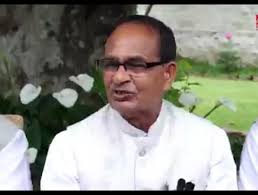
Srinagar, Apr 27: The Centre has approved over Rs 3,500 crore for road connectivity to villages across the Kashmir valley, Union Agriculture Minister Shivraj Singh Chouhan announced on Monday.

On his first day of visit to Srinagar, Union Minister Chouhan said the amount — Rs 3,566 crore and nine lakh — is intended to link remote and far-flung villages, adding that infrastructure development in the region should now shift focus from trunk routes to rural habitations.

“You know that development works are being done. Train connectivity has come, but the villages should also prosper,” the minister said.

He described the package as a “gift” from Prime Minister Narendra Modi and the BJP, asserting that the valley should not be left behind in the path of development.

“This is what PM Modi wants, and it is also my commitment as an agriculture minister,” Chouhan said.

He said the formal approval letter would be handed over to Chief Minister Omar Abdullah on Tuesday.

The announcement comes amid the Centre’s ongoing push for infrastructure upgrades in Jammu and Kashmir, which has seen multiple road, rail, and tunnel projects in recent years. (KNS)

After Russia, India to be the second country in the world operating a commercial-level Fast Breeder Reactor

0

Vinod Bhat

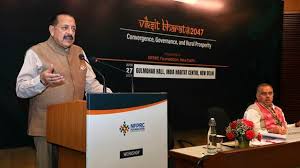
New Delhi: Union Minister Dr Jitendra Singh today said that after Russia, India will be the second country in the world operating a commercial-level fast breeder reactor. Addressing a workshop of MPs and MLAs, on “Small Modular Reactors” the Minister elaborated that India has achieved a significant milestone by developing an indigenously designed 500 MWe Prototype Fast Breeder Reactor (PFBR) at Kalpakkam, Tamil Nadu, which achieved first criticality on April 6, 2026.

Developed by the Indira Gandhi Centre for Atomic Research (IGCAR) and built by BHAVINI, this reactor marks the start of the second stage of India’s three-stage nuclear power program, using uranium-plutonium mixed oxide fuel to produce more fuel than it consumes. With this achievement, India moves toward leveraging its vast thorium reserves in the third stage of its nuclear strategy. Once fully operational, India will be the second country in the world after Russia operating a commercial-level fast breeder reactor, he added.

The session was presided over by Shri Tarun Chugh. Dr Jitendra Singh further explained that the significance of this achievement lies in the fact that with this, India moves toward leveraging its vast thorium reserves in the third stage of its nuclear strategy. Once fully operational, India will be the second country in the world after Russia operating a commercial-level fast breeder reactor.

Currently, Russia is the only country operating commercial fast breeder reactors (FBRs), with India in the advanced stage of commissioning its own. While several nations have historically developed or operated experimental fast reactors—specifically the USA, UK, France, Japan, Germany, and China—most of these programs are currently shut down.

Referring to recent developments in India’s three-stage nuclear programme, Dr Jitendra Singh said that the successful establishment of the Prototype Fast Breeder Reactor marks a significant step towards the second stage of the programme, enabling more efficient utilisation of nuclear fuel and paving the way for future use of India’s vast thorium reserves.

The Minister emphasized that only a limited number of countries have made advancements in Fast Breeder Reactor technology, placing India in a distinguished global position in advanced nuclear capability.

The Minister further stated that nuclear energy will play a crucial role in India’s clean energy transition and long-term sustainability goals, particularly in achieving the target of 100 GW nuclear power capacity by 2047.

Highlighting emerging requirements, Dr. Jitendra Singh said that sectors such as Artificial Intelligence, data infrastructure and advanced manufacturing will increasingly depend on reliable and continuous sources of clean energy, where nuclear power will be indispensable.

The Minister also underlined the importance of initiatives such as Small Modular Reactors (SMRs), policy support, and SHANTI Act enabling greater participation of the private sector in scaling up India’s nuclear energy capacity. He said, under the recently launched “Nuclear Mission”, with an allocation of Rs 20,000 cr, five SMRs are planned by 2033.

SMRs, the Minister said, will be useful for captive power generation, particularly in Industry, dense population zones, remote areas lacking grid connection, repurposing thermal plants etc.

Reiterating the government’s vision, the Minister said that a balanced energy mix, combining nuclear, renewable and other clean energy sources, will be key to achieving the goal of Net Zero by 2070.

New Amrit Bharat Express Trains to Link India’s Spiritual Heartlands with Maharashtra’s Economic & Cultural Cities via the Middle of India

0

Vinod Bhat

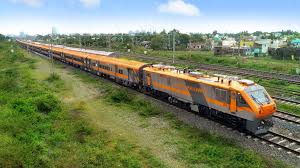
New Delhi: Indian Railways is set to enhance regional connectivity with the introduction of one daily (Banaras-Hadapsar) and one weekly (Ayodhya-Mumbai) Amrit Bharat Express train, linking Uttar Pradesh with Maharashtra via Madhya Pradesh. Traversing key cultural and economic corridors, these trains will strengthen ties between major population centres while also facilitating smoother movement of pilgrims and working class alike. Designed for the common man, the Amrit Bharat Express offers a blend of comfort, convenience, and affordability, marking another step towards inclusive and accessible rail travel in the country. Prime Minister Narendra Modi will flag off two new Amrit Bharat Express trains: Banaras-Hadapsar (Pune)  and Ayodhya-Mumbai (Lokmanya Tilak Terminus) on 28 April 2026.

Introduced for low- and middle-income families, Amrit Bharat trains are fully non-AC, modern services designed with a strong focus on safety and passenger convenience. With a composition of General and Sleeper class coaches, along with pantry and Divyangjan-friendly facilities, these trains incorporate several upgraded features. Passengers benefit from improved aesthetics of seats and berths inspired by Vande Bharat Sleeper, enhanced ride quality through jerk-free semi-automatic couplers, and higher safety standards with crashworthy coach design.

The trains are equipped with CCTV surveillance, emergency talk-back systems, aerosol-based fire suppression, and fully sealed gangways. Additional passenger-centric amenities include improved toilets, better lighting, mobile charging points with USB Type-A and Type-C ports, ergonomic ladders, and a non-AC pantry with enhanced heating capacity, ensuring a safer, smoother, and more convenient travel experience. Both trains use push-pull technology with locomotives on both ends for improved speed and performance.

The Banaras-Hadapsar (Pune) service will facilitate easier access to Kashi Vishwanath Dham, while the Ayodhya-Mumbai service will improve connectivity to the Shri Ram Mandir Teerth Kshetra, strengthening links between key religious destinations. The trains are expected to particularly benefit daily passengers, migrant workers, and pilgrims travelling between Uttar Pradesh and Maharashtra, providing direct connectivity and eliminating the need to change trains.

Banaras-Hadapsar (Pune) Amrit Bharat Express

Banaras, the starting point of this route, stands among the world’s oldest living cities, a timeless centre of faith, culture, and tradition. Revered as Kashi, it draws millions of pilgrims to the sacred Kashi Vishwanath Dham and the serene Ganga Ghats, where spirituality flows as deeply as the river itself. Beyond its religious significance, the city is also the vibrant heart of the Banarasi silk industry, sustaining the livelihoods of countless weavers and artisans.

Often regarded as the spiritual and cultural capital of India, and situated in the country’s most populous state, Kashi is not just a destination but a gateway where aspirations of both spiritual fulfilment and economic opportunity converge. With enhanced rail connectivity, Indian Railways is set to play a pivotal role in this journey, bringing people, faith, and prosperity closer together. A direct, affordable link to Pune opens new markets for local traders while easing the commute for the large migrant workforce.

Hadapsar, the terminus of this route, lies within Pune, a city known as the education hub, cultural capital, and arts capital. Nestled along the scenic stretches of the Western Ghats, Pune blends natural beauty with a rich historical legacy. From its pivotal role in India’s freedom movement to its legacy as a stronghold of resistance during periods of Mughal expansion, the city has long stood at the forefront of resilience and cultural pride. It is also home to premier defence establishments, including the renowned Khadakwasla, giving it the stature of a key defence hub.

Today, this heritage-rich city has evolved into a thriving economic powerhouse. It hosts major IT parks and SEZs, making it a natural destination for aspirational youth and job-seeking migrants from Uttar Pradesh and Madhya Pradesh, seamlessly connecting tradition with opportunity.

As the train pulls out of Banaras and begins its westward journey, one of its early stops is Prayagraj, home to the Triveni Sangam and the Kumbh Mela, and also a leading education hub with institutions like the University of Allahabad. The link to Pune, a major IT and manufacturing destination, directly benefits the city’s student and professional population seeking opportunities in Maharashtra.

Maneuvering ahead into the Bundelkhand heartland, the train arrives at Jhansi, the gateway to one of India’s most storied tourism circuits, encompassing Orchha and Khajuraho. Better connectivity supports local tourism and eases the movement of the region’s agricultural and stone products to markets further south.

Crossing into Madhya Pradesh, the journey continues to Bhopal (Rani Kamlapati), the state’s administrative capital with a growing IT and pharma presence, particularly around the Mandideep industrial corridor. A daily direct service to Pune benefits businesses, students, and government employees travelling between the two cities.

The train then passes through Itarsi and Narmadapuram, which together form one of MP’s most productive agricultural belts, yielding wheat, soybean, and pulses. Their inclusion on the route gives farmers and traders faster, cheaper access to Maharashtra’s wholesale markets, reducing logistics costs significantly.

Further along, as the landscape shifts and the train descends towards the Deccan plateau, Jalgaon, known as the Banana Capital of India and one of the country’s largest producers of banana and cotton, comes into the picture. A direct route to Pune gives its agricultural traders more efficient market access, while Bhusaval, a major railway junction and home to a large thermal power plant, gains improved passenger connectivity for its sizable workforce.

The journey then brings travellers to Manmad and Kopargaon, which together serve as the primary rail gateway to Shirdi, the shrine of Sai Baba that draws lakhs of devotees from across North India every year. This train offers pilgrims from UP and MP a far more direct and affordable path to Shirdi, giving a tangible boost to the local religious tourism economy.

And as the train makes its final approach into Maharashtra’s cultural and economic heartland, Hadapsar, the terminus, is Pune’s fastest-growing suburb, housing major IT parks and SEZs, making it the natural end-point for job-seeking migrants from UP and MP.

The inaugural run of Banaras–Hadapsar (Pune) Amrit Bharat Express will start from Banaras in the evening and will terminate at Hadapsar (Pune) late at night on the following day, completing the journey in approximately 30 hours. The train will make 18 stops, including Gyanpur Road, Prayagraj, Fatehpur, Govindpuri, Orai, Virangana Lakshmibai Jhansi, Bina, Rani Kamlapati, Narmadapuram, Itarsi, Harda, Khandwa, Bhusaval, Jalgaon, Manmad, Kopargaon, Ahilyanagar, Daund, and Hadapsar.

Ayodhya-Mumbai (LTT) Amrit Bharat Express

Ayodhya has transformed itself into one of the country’s fastest-growing pilgrimage and tourism destinations, drawing tens of millions of devotees annually from every corner of the nation. The city sits at the heart of a massive infrastructure push, with new airports, expressways, and hotels reshaping its landscape almost overnight. Yet for the vast majority of its visitors, the faithful who travel not in aeroplanes but in sleeper coaches, not to five-star hotels but to dharamshalas, this new Amrit Bharat service offers an affordable, direct train connection to the city of dreams, Mumbai.

Mumbai, India’s financial capital, and home to many migrants from Uttar Pradesh and Bihar across the country. For this community, the connection to home is not sentimental alone, it is economic. Remittances flow back to villages in Ayodhya, Sultanpur, and Pratapgarh every month, sustaining families and funding futures. Yet the journey back for festivals, weddings, emergencies, or simply the pull of belonging has long been expensive, exhausting, and uncertain. A direct, affordable Amrit Bharat Express to Lokmanya Tilak Terminus, Mumbai’s busiest long-distance terminal and the arrival point for millions of North Indian travellers, changes that equation meaningfully. It does not just connect two cities, it reconnects people to their roots, reduces the cost of staying in touch with home, and gives one of India’s hardest-working migrant communities something they have quietly deserved for a long time.

As the train departs Ayodhya Cantt in the evening and begins its long southward journey, Sultanpur and Pratapgarh are among the first stops it makes. These cities lie in the heartland of eastern Uttar Pradesh, a region that is largely agrarian and densely populated, and has long been home to a large migrant workforce that travels to Mumbai for work. Earlier, this journey often meant long hours in overcrowded and difficult conditions. The introduction of a dedicated Amrit Bharat service now offers these communities a more comfortable, reliable, and dignified travel option.

The train then halts at Prayagraj, one of India’s most sacred confluences and a city whose student and professional population, much like Sultanpur and Pratapgarh, has long looked towards Mumbai for opportunity. From here, the journey crosses into the Vindhya belt, where Manikpur and Satna, straddling the Uttar Pradesh–Madhya Pradesh border, provide access to a region known for its cement industry, mineral resources, and stone quarrying, while strengthening passenger connectivity across central India and beyond.

Moving deeper into Madhya Pradesh, Jabalpur, an important administrative, judicial, and educational hub, and home to the iconic Bhedaghat marble rocks on the Narmada, comes into the fold. Students and professionals here now gain improved and affordable rail connectivity to Mumbai’s major employment destinations.

From Jabalpur, the train moves south through Itarsi, an important railway junction and agricultural hub, then Bhusaval and Jalgaon, key stops in Maharashtra’s farming and industrial regions. From there, the landscape gradually changes as the train enters the Deccan plateau.

Nasik Road brings the journey into the Nashik region of Maharashtra, known both for its thriving wine industry and its significance in the Trimbakeshwar Jyotirlinga pilgrimage circuit. As the train edges closer to its final destination, Kalyan and Thane, the penultimate stops, form part of Mumbai’s vast suburban belt, home to millions of working-class families, many of whom have roots in Uttar Pradesh and Madhya Pradesh.

From here, the train gradually enters the final stretch of its journey before pulling into Lokmanya Tilak Terminus, Mumbai’s key gateway for long-distance travellers from the north and east. For many passengers, this is not just a train journey coming to an end, but a deeply personal passage, often a return home after long periods away.

The inaugural run of Ayodhya-Mumbai (Lokmanya Tilak Terminus) Amrit Bharat Express will start from Ayodhya Cantt in the evening and will terminate at Mumbai LTT late in the evening on the following day, completing the journey in approximately 28 hours. The train will make 12 stops, including Ayodhya Cantt, Sultanpur, M B D Pratapgarh, Prayagraj Jn, Manikpur Jn, Satna, Jabalpur, Itarsi Jn, Bhusaval Jn, Jalgaon Jn, Nasik Road, Kalyan Jn, Thane, and Lokmanya Tilak Terminus.

With the launch of these two new services, the total number of operational Amrit Bharat Express train services will rise to 66.

Taken together, the two new Amrit Bharat Express services reflect a broader vision of integrating religious, economic, and social connectivity. By bringing world-class transport links to some of India’s most historically and spiritually significant cities, while also serving the everyday needs of students, workers, and families, the projects underscore the role of railways as the backbone of inclusive national development.

Just as Vande Bharat trains have redefined premium rail travel with their speed and modern comforts, Amrit Bharat Express trains are steadily carving out their own identity, emerging as Indian Railways’ answer to affordable, comfortable overnight travel for the hundreds of millions of ordinary Indians who keep this vast nation moving.
India expands outreach to Gulf region on directions of Prime Minister; two high-level India-UAE engagements within a month

0

Vinod Bhat

New Delhi: Amid the evolving situation in West Asia, the Government of India continues its efforts to keep citizens informed through regular updates. In this regard, a media briefing was held today at the National Media Centre, where officers from the Ministries ofPetroleum and Natural Gas, Ports, Shipping and Waterways, and External Affairs provided updates on fuel availability, maritime operations, assistance to Indian nationals in the region, and measures being undertaken to maintain stability across key sectors. The Ministry of Fertilizers also shared updates regarding the fertilizer sector.

Fertilizer stock position and availability

Overall Stock Position of Fertilizers in the country

Product As on today As on today last year
Urea 71.58 70.67
DAP 22.35 15.07
NPKs 57.56 44.49
SSP 26.26 26.14
MOP 12.46 12.87
Total 190.21 169.24


  • For Kharif 2026, the fertiliser requirement has been assessed by DA&FW at 390.54 LMT, against this stock as on today is around 190 LMT (49%), significantly higher than the usual level of about 33%. This reflects improved planning, advance stocking, and efficient logistics management by the Government.
  • Supply position continues to be strong in the states. For the period 1 April 2026 to 26 April 2026, availability remains substantially higher than requirement.
  • Urea availability is 71.40 LMT against a requirement of 20.54 LMT, DAP availability is 23.09 LMT against 6.67 LMT requirement, MOP availability is 8.38 LMT against 1.96 LMT requirement, NPK availability is 53.40 LMT against 8.43 LMT requirement, and SSP availability is 25.78 LMT against 3.73 LMT requirement. This clearly indicates a strong opening position for the ongoing Kharif season.

MRP of major fertilizers – No change in the MRP of Major Fertilizers

Product Pre-War (Rs. Per Bag) After War (Rs. Per Bag)
Urea 266.5 266.5
DAP 1350 1350
TSP 1300 1300


  • Despite a sharp rise in global fertiliser prices—where international prices of urea have exceeded ₹4,000 per bag—the Government continues to supply urea to farmers at a highly subsidised rate of ₹266.5 per 45 kg bag. This underscores the Government’s commitment to shielding farmers from global price volatility while ensuring affordability and accessibility.

Domestic production and import of fertilizers after war

Product Domestic production after crisis Import reached on Indian Ports after crisis
Urea 35.42 9.4
DAP 4.50 0.76
NPKs 12.08 1.95
SSP 7.01 0
MOP  0 1.85
Total 59.01 13.96


  • Issues relating to natural gas availability for domestic urea production have also been addressed, with steady supply being maintained to fertiliser plants and additional LNG/RLNG being arranged as required. At present -97% LNG/RLNG is available with fertilizer plants. Most of the urea plants are running at optimum level.
  • Global Urea Tender- In Feb-2026, India secured 13.07 LMT urea and now Government has diversified import sources and secured 25 LMT of urea through global tender.
  • Global Tender for DAP, TSP and Ammonium Sulphate- Indian Fertilizers companies have issued aggregated global tender for procurement of 12 LMT DAP & 4 LMT TSP and 3 LMT Ammonium Sulphate on Friday i.e. 24.04.2026. These will help to ensure adequate availability during the peak season.
  • At present no major issues in the availability of inputs for production of fertilizers i.e. Urea and P&K fertilizers.
  • 6 Meeting of EGoS held till date to ensure the adequate availability of the fertilizers and most of the challenges in the availability addressed by EGoS.
  • India’s fertiliser security remains strong, stable, and well-managed, with availability consistently exceeding requirement across all major fertilisers.

Energy Supply and Fuel Availability

The Ministry of Petroleum and Natural Gas provided an update on the current fuel supply situation, outlining measures being taken to ensure uninterrupted availability of petroleum products and LPG in the context of the evolving situation in West Asia. It was noted that:

Public Advisory and Citizen Awareness

  • Citizens are advised to avoid panic purchase of petrol, diesel and LPG as the Govt is making all efforts to ensure availability of petrol, diesel and LPG.
  • Beware of rumours and rely on official sources for correct information.
  • LPG consumers are requested to use digital booking platforms and avoid visiting distributors.
  • Citizens are encouraged to use alternate fuels such as PNG and electric or induction cooktops.
  • All citizens are requested to make necessary efforts to conserve energy in their daily use during the current situation.

Government Preparedness and Supply Management Measures

  • Despite the ongoing geopolitical situation, the Government has ensured that 100% supply is being made to Domestic LPG, Domestic PNG and CNG (Transport).
  • For commercial LPG, priority has been given to hospitals, educational institutions. Besides this, priority has also been given to pharma, steel, automobile, seed, agriculture, etc. In addition to this, supply of 5 Kg FTL to migrant labour is also doubled based on avg. daily supply on 2nd and 3rd March 2026.
  • The Government has already implemented several rationalisation measures on both the supply and demand side, including enhancing refinery production, increasing the booking interval from 21 to 25 days in urban areas and up to 45 days in rural areas and prioritising sectors for supply.
  • Alternate fuels such as kerosene and coal have been made available to ease pressure on LPG demand.
  • The Ministry of Coal has directed Coal India and Singareni Collieries to supply additional coal to States for distribution to small and medium consumers.
  • States have been advised to facilitate new PNG connections for domestic and commercial consumers.

Coordinated Efforts with States/UTs and Institutional Mechanisms

  • State Governments are empowered under the Essential Commodities Act, 1955 and LPG Control Order, 2000 to monitor supply and act against hoarding and black marketing.
  • Govt. of States/UTs have to play a primary role in monitoring and regulating supply situation of essential commodities including Petrol, Diesel and LPG. Govt. of India has reiterated the same via multiple letters and VCs to all States/UTs.
  • The Government of India vide letters dated 27.03.2026 and 02.04.2026 have stressed the need for proactive public communication to reassure citizens regarding adequate fuel availability. Regular review meetings are being held with States/UTs. In this context, meetings were convened on 02.04.2026 (Chaired by Secretary, MoPNG) and on 06.04.2026 (Chaired by Secretary, MoPNG along with Secretaries of I&B and Consumer Affairs), wherein the following was emphasized:
    • To issue daily press briefings and issue regular public advisories.
    • To actively monitor and counter fake news / misinformation on social media.
    • To intensify daily enforcement drives by District admin and to continue raids and inspections in coordination with OMCs
    • To issue Commercial LPG allocation orders within their States/UTs
    • To issue SKO allocation orders for additional SKO allotted to the States/UTs.
    • To promote PNG adoptions and alternate fuels.
    • To prioritize LPG supply, especially for domestic needs, and adopt targeted distribution of 5 kg FTL cylinders to ensure supply stability.
  • All States/UTs have established control rooms and district monitoring committees to curb hoarding and black marketing.
  • Many states/UTs are issuing/carrying out press briefs.

Enforcement and Monitoring Actions

  • Enforcement actions continue across the country to curb hoarding and black marketing of LPG. Yesterday, more than 1800 raids were conducted across the country.
  • PSU OMCs have strengthened and continued surprise inspections and imposed penalties on 310 LPG distributorships, and 71 LPG distributorships have been suspended till yesterday.

LPG Supply

Domestic LPG Supply Status:

  • LPG supply continues to be affected by the prevailing geopolitical situation.
  • Supply of LPG to domestic households has been prioritized.
  • No dry-outs have been reported at LPG distributorships.
  • Online LPG cylinder bookings increased to 99% on industry basis yesterday.
  • Delivery Authentication Code (DAC) based deliveries have increased to around 93% to prevent diversion. DAC is received on the registered mobile number of the consumer.
  • Most of the LPG distributorships were operating on Sunday to ensure delivery of domestic LPG cylinders to households.

Commercial LPG Supply and Allocation Measures:

  • Total commercial LPG allocation has been increased to about 70% of pre-crisis levels, including 10% reform-linked allocation.
  • The Government of India vide letter dated 06.04.2026 has conveyed that daily quantity of 5 Kg FTL cylinders in each State available for disbursal to migrant labourers is being doubled based on the average daily supply (Number of cylinders) to migrant labourers during 2nd-3rd March 2026 beyond the limit of 20% mentioned in letter dated 21.03.2026. These 5 Kg FTL cylinders are at disposal of the State Government for supplying only to migrant labourers in their State with assistance of Oil Marketing Companies (OMCs).
  • Since 1st April 2026, about 19.5 Lakh – 5 Kg FTL cylinders have been sold.
  • Since 3rd April 2026, PSU OMCs have organised about 9080 awareness camps for 5 Kg FTL Cylinders, wherein more than 1,46,000 – 5Kg FTL cylinders were also sold.
  • Yesterday, 3430 – 5 Kg FTLs were sold through more than 110 camps.
  • A three-member committee of Executive Directors from IOCL, HPCL and BPCL is coordinating with State authorities and industry bodies to plan commercial LPG distribution in the States/UTs.
  • During the month of April-26 (till 26.04.26), a total of 1,65,627 MT (Equivalent to more than 87.17 Lakh of 19 Kg LPG Cylinders) of Commercial LPG has been sold.
  • Avg. Auto LPG sale by PSU OMCs in the month of April-26 (till 26.04.26) is around 346 MT/day against the avg. of around 177 MT/day during Jan-26 and Feb-26.  This reflects an increase of around 95% in Auto LPG sales by PSU OMCs.

Natural Gas Supply and PNG Expansion Initiatives

  • Consumers have been prioritised with 100% supplies to D-PNG and CNG-Transport.
  • The overall gas allocation to fertilizer plants has been enhanced to approximately 95% of their six-month average consumption.
  • Additionally, gas supply to other industrial and commercial sectors, including supplies through CGD networks, is enhanced up to 80%.
  • CGD entities have been advised to prioritize PNG connections for commercial establishments such as hotels, restaurants and canteens across all their GAs, to address concerns regarding the availability of commercial LPG.
  • CGD companies including IGL, MGL, GAIL Gas and BPCL are offering incentives for domestic and commercial PNG connections.
  • States/UTs and Central Ministries have been requested to expedite approvals required for expansion of CGD networks.
  • The Government of India vide letter dated 18.03.2026 has offered all States/UTs additional 10% allocation of commercial LPG to States provided they can help in long term transition from LPG to PNG.
  • 22 States/UTs are receiving additional commercial LPG allocation linked to PNG expansion reforms.
  • The Ministry of Road Transport & Highways vide letter dated 24.03.26 has adopted an ‘Accelerated Approval Framework for CGD infrastructure with reduced timelines’ as a special for 3 months to process applications pertaining to CGD infrastructure on priority.
  • The Government of India vide Gazette dated 24.03.2026 has notified the Natural Gas and Petroleum Products Distribution (Through Laying, Building, Operation and Expansion of Pipelines and Other Facilities) Order, 2026 under the Essential Commodities Act, 1955. The Order provides a streamlined and time-bound framework for laying and expanding pipelines across the country, addressing delays in approvals and access to land, and enabling faster development of natural gas infrastructure, including in residential areas. It is expected to accelerate PNG network growth, enhance last-mile connectivity, and support the transition to cleaner fuels, thereby strengthening energy security and advancing India’s gas-based economy.
  • PNGRB has directed CGD entities to expedite D-PNG connections. Also, the National PNG Drive 2.0 has been extended till 30.06.2026 to sustain momentum in PNG expansion.
  • To encourage a cleaner, more secure and self-reliant energy future, the Government of India has developed a model draft State CBG Policy. The model policy is intended to serve as a comprehensive flexible guiding framework to enable States to create their own investor-friendly and implementation-oriented ecosystem for CBG development. Those States which opt for this, will be prioritized for the next tranche of additional allocation of commercial LPG.
  • MoEFCC vide order dated 07.04.2026 has directed CPCB to issue necessary directions to SPCB/PCCs for granting consent to establish or consent to operate within 15 days for CGD network/infrastructure.
  • Since March 2026, about 5.52 Lakh PNG connections have been gasified and infrastructure has been created for additional 2.63 lakh connections, taking the total to 8.15 lakh connections. Further, about 6.21 Lakh customers have been registered for new connections.
  • Till 21.04.2026, more than 42,600 PNG consumers have surrendered their LPG connections via MYPNGD.in website.

Crude Position and Refinery Operations

  • All refineries are operating at high capacity with adequate crude inventories, while sufficient stocks of petrol and diesel are being maintained.
  • Domestic LPG production from refineries has been increased to support domestic consumption.
  • An inter-ministerial Joint Working Group (JWG) has been set up to ensure availability of petrochemical feedstock supply for the domestic market. Subsequently, Govt. of India vide order dated 01.04.2026 has permitted Oil Refinery companies including Petrochemical Complexes to make certain minimum quantities of C3 & C4 streams available for critical sectors as determined by Centre for High Technology (CHT).
  • Based on the requests received from the Department of Pharmaceuticals, Department of Chemicals & Petro Chemicals (DCPC), Dept. for Promotion of Industry and internal trade (DPIIT), the provision for 1000 MT/day, from LPG pool, has been made for Pharma and Chemical sector companies.
  • Since 9th April 2026, more than 7800 MT of propylene has been sold by Mumbai, Kochi and Mathura refineries to the Chemical and Pharma Industry.

Retail Fuel Availability and pricing Measures

  • PSU Retail outlets are operating normally. Despite panic buying being observed at certain Retail Outlets due to rumours, PSU Oil Marketing Companies are ensuring adequate stocks of petrol and diesel at their retail outlets.
  • The Middle East crisis has led to an abnormal increase in crude prices; however, to protect consumers, the Government of India has reduced excise duty on petrol and diesel by ₹10 per litre.
  • Govt. of India vide Gazette notification dated 11.04.2026 has increased the export levy on diesel to Rs. 55.50 per litre and on ATF to Rs. 42 per litre, to ensure availability of these products in the domestic market.
  • Regular Retail Prices for Petrol and Diesel are unchanged and there is no price increase at PSU OMCs Retail Outlets.

Kerosene Availability and Distribution Measures

  • An additional allocation of 48,000 KL of kerosene has been provided to States/UTs over and above regular allocation.
  • 18 States/UTs have issued SKO allocation orders, while Himachal Pradesh and Ladakh have indicated no requirement.

Maritime Safety and Shipping Operations

The Ministry of Ports, Shipping and Waterways provided an update on the prevailing maritime situation in the Persian Gulf, detailing the measures being undertaken to ensure the safety and security of Indian vessels and crew in the region. It was stated that:

  • An incident was reported involving a Togo-flagged oil/chemical tanker MT CHIRON 7 (IMO No. 9127291), which had 17 Indian seafarers onboard (total crew: 24) on 25th April 2026. The incident occurred at Shinas Outer Port Limit, Oman. The vessel was navigating near ships intercepted by the Iranian Coast Guard, during which warning shots were fired. All 17 Indian seafarers onboard are safe.
  • The Ministry of Ports, Shipping and Waterways continues to coordinate with the Ministry of External Affairs, Indian Missions, and maritime stakeholders to ensure seafarer welfare and uninterrupted maritime operations.
  • All Indian seafarers in the region are safe, and no incident involving Indian-flagged vessels has been reported in the past 24 hours.
  • DG Shipping Control Room Update: The Control Room has handled 7,780 calls and more than 16,658 emails since activation. In the past 24 hours, 25 calls and 140 emails have been received.
  • Repatriation Update: The Ministry, through the Directorate General of Shipping (DG Shipping), has facilitated the safe repatriation of more than 2,776 Indian seafarers so far, including 12 in the last 24 hours from various locations across the Gulf region.
  • Port Operations: Port operations across India remain normal, with no congestion reported.

Safety of Indian Nationals in the Region

The Ministry of External Affairs continues to monitor developments in the Gulf and West Asia region, with focused efforts on ensuring safety, security and welfare of the Indian community in the region. It was informed that:

  • The Dedicated special control room in the Ministry is operational to respond to queries from Indian nationals and their families.
  • The Ministry of External Affairs is in regular contact with State Governments and Union Territories for sharing of information and better alignment of efforts.
  • Indian embassies and consulates continue to operate round-the-clock helplines to provide timely assistance and are proactively assisting our citizens. They are also in close contact with the local Governments.
  • Updated advisories are being issued including information related to local government guidelines, flight and travel situations, consular services and various welfare measures being undertaken for the community.
  • Indian Missions are actively engaged with the resident Indian community. They are regularly interacting with the Indian community associations, organizations, professional groups, and Indian companies to address their concerns.
  • Government is according high priority to the welfare of Indian seafarers in the region. Indian Missions are extending all assistance to them including coordination with the local authorities and agencies, extending consular assistance, and assisting for requests to return to India.
  • The overall flight situation continues to improve with additional flights operating from the region to various destinations in India. Since 28 February, around 13,19,000 passengers have travelled from the region to India.
  • In the UAE, airlines continue to operate limited commercial flights between the UAE and India based on operational and safety considerations, with around 105 flights expected today between UAE and India.
  • Flights continue to operate from various airports in Saudi Arabia and Oman to various destinations in India.
  • With Qatar airspace partially open, Qatar Airways is operating flights to various destinations in India. Air India and Indigo are also planning to resume flight operations from Qatar to India soon.
  • Kuwait airspace is open. Jazeera Airways and Kuwait Airways have resumed limited flight operations from Kuwait to India.
  • Bahrain airspace is open. Gulf Air is operating flights from Bahrain to various destinations in India.
  • Iraq airspace is open with limited flight operations to destinations in the region, which can be used for onward travel to India.
  • Iran airspace is partially open for cargo and chartered flights. Indian nationals are advised to avoid travelling to Iran and those already there are urged to leave via land border routes, with Indian Embassy’s support. So far, the Indian Embassy in Tehran has facilitated movement of 2,461 Indian nationals out of Iran through land border routes.
  • Israel airspace is open and limited flight operations have resumed to destinations in the region, which can be used for onward travel to India.

Outreach to the Gulf region

  • India has been expanding its outreach to countries in the Gulf region on the directions of the Prime Minister.
  • NSA Ajit Doval paid an official visit to the UAE on 25-26 April, 2026.  He called on President HH Sheikh Mohamed Bin Zayad Al Nahyan on 25 April, 2026 and conveyed greetings of Prime Minister Shri Narendra Modi. Both sides discussed measures to deepen the India-UAE Comprehensive Strategic Partnership, the regional situation and other issues of mutual interest.
  • This marks the second high-level engagement between India and the UAE within a month. Earlier, External Affairs Minister Dr. S. Jaishankar visited UAE on 11-12 April. He met with the Foreign Minister of UAE and also called on President HH Sheikh Mohamed Bin Zayed Al Nahyan wherein he conveyed gratitude for ensuring well-being of the Indian community during the West Asia conflict. The External Affairs Minister had also thanked the President for his guidance on further strengthening the India-UAE Comprehensive Strategic Partnership.

ACB files charge-sheet against former PWD employee in Rs 4,000 bribery trap case

0

Srinagar, Apr 27: Jammu and Kashmir Anti-Corruption Bureau on Monday said it has filed a charge-sheet against a former Computer Operator of PWD (R&B) Circle Ganderbal in a bribery case involving Rs 4,000.

Officials said the case has been listed before the Additional Special Judge Anti-Corruption Court Srinagar, with the next hearing scheduled for June 10.

In a statement issued, a spokesperson said the Jammu and Kashmir Anti-Corruption Bureau presented Charge-sheet in case FIR No. 07/2022 registered under Section 7 of the Prevention of Corruption Act, 1988 at Police Station ACB Srinagar Kashmir against accused public servant Rafiq Ahmad Sheikh, the then Computer Operator PWD (R&B) Circle Ganderbal, in a bribery case before the Additional Special Judge Anti-Corruption Court Srinagar.

He said the FIR was registered on 02-03-2022 on a written complaint alleging therein that aforesaid accused demanded Rs 4,000/- as bribe for issuance of contractor card D-Class. A trap was laid down and the accused was caught red-handed while accepting Rs 4000/- as bribe from the complainant.

“The bribe money was recovered on the spot, and chemical tests later confirmed the presence of phenolphthalein on the accused’s hands.”

The spokesperson said, based on the facts and circumstances together with cogent evidence brought on record, the investigation established the commission of offence u/s 7 of the Prevention of Corruption Act, 1988 against the accused public servant namely Rafiq Ahmad Sheikh, the then Computer Operator in PWD R&B Circle Ganderbal S/O Mohammad Shafi Sheikh R/O Bamloora Ganderbal.

He said after completing investigative/departmental formalities, the charge-sheet was presented before the Hon’ble Court of Additional Special Anti-Corruption Judge Srinagar, today on 27-04-2026 for judicial determination. The next date of hearing has been fixed on 10-06-2026.—(KNO)

Swift Action at Wayil Bridge: Dividers Installed After Accident Concern

0

Touseef Wani

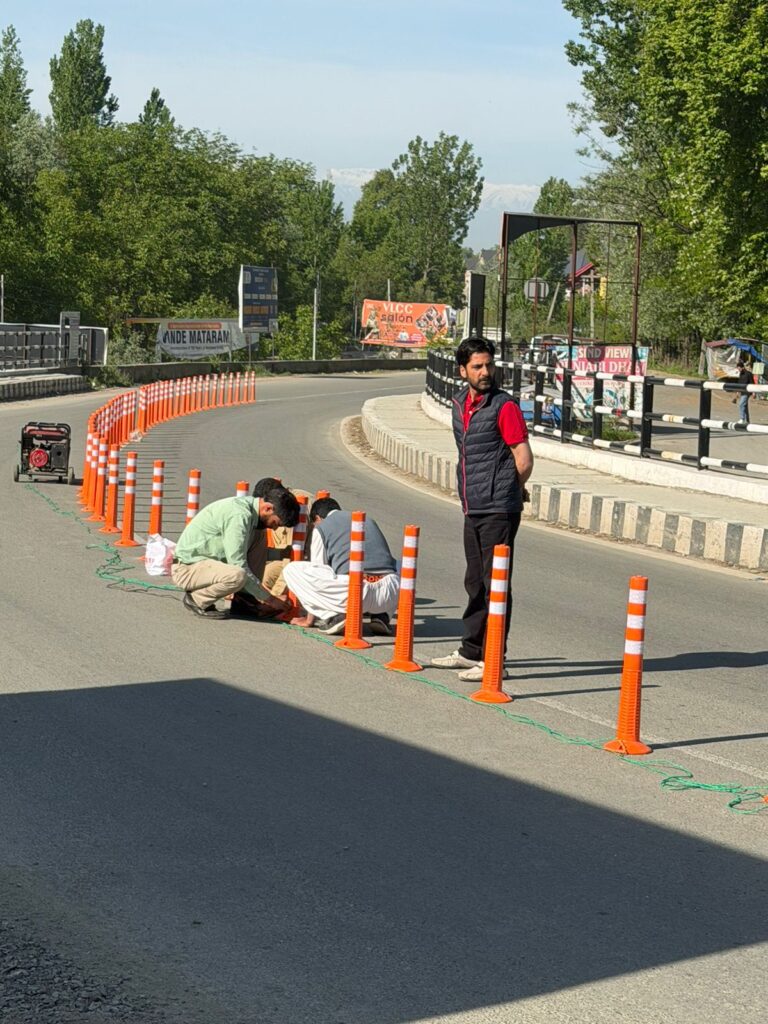
Ganderbal, Apr 27 : Following a recent bike accident at the blind curve near Wayil Bridge in Ganderbal, authorities have taken prompt action to improve road safety in the area.

The issue, raised just last week, received a quick response from the Roads & Buildings (R&B) Department.

Dividers have now been installed at the prone stretch, aiming to prevent further accidents and ensure safer movement for commuters.

Locals have appreciated the swift intervention, calling it a crucial step that could help save lives.

The Executive Engineer (Exen) of R&B Ganderbal has been acknowledged for the timely response and effective action.

Public cooperation and timely reporting continue to play a vital role in improving road safety across the district.

Govt Declares Shopian Seminary Unlawful Under UAPA, Cites JeI Links, Radicalisation Concerns

0

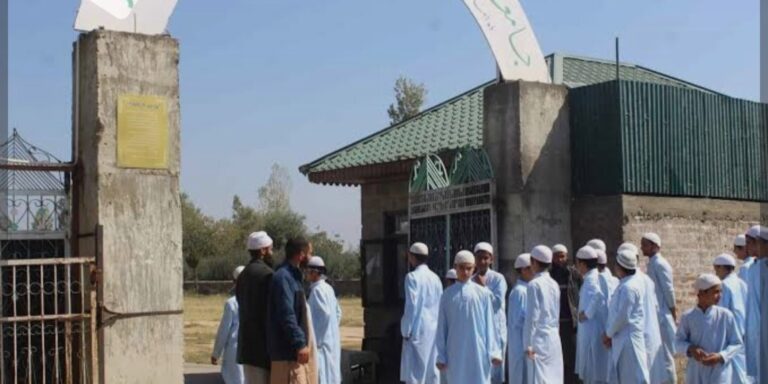
Srinagar, April 27: The Jammu and Kashmir administration has declared Darul Uloom Jamia Siraj-ul-Uloom, Imam Sahib in Shopian, as an unlawful entity under the Unlawful Activities (Prevention) Act (UAPA), 1967, citing alleged links with a banned organisation, financial irregularities, and concerns over misuse of the institution’s premises.

The declaration was made through an official order issued by Divisional Commissioner Kashmir Anshul Garg, in exercise of powers under Section 8(1) of the Act.

According to the order, the action follows a dossier submitted by the Senior Superintendent of Police, Shopian (No. CS/Conf-S/JeI/2026/22670-70 dated March 24, 2026). Upon examination of records and material on file, authorities concluded that the institution, while ostensibly functioning as a religious educational establishment, was “marred by serious legal, administrative and financial irregularities.” These included questionable land acquisition, lack of mandatory registration with competent authorities, and deliberate attempts to evade statutory oversight.

The order further states that credible inputs and evidence indicate sustained and covert linkages of the organization with Jamaat-e-Islami (JeI), a proscribed unlawful association banned by the Government of India vide Notification S.O. 1145(E) dated February 28, 2019. It also alleges continued de facto control of the institution by individuals affiliated with the banned outfit, including their placement in key administrative and academic positions.

Authorities have also flagged financial opacity, suspicious handling of institutional funds, and changes in financial control structures, raising apprehensions of diversion and misuse of funds. Additionally, reports cited in the order claim that over time the institution fostered an environment conducive to radicalisation, with several former students allegedly found involved in militant activities and acts prejudicial to national security.

“The cumulative facts and circumstances, supported by intelligence inputs and field verification, provide sufficient grounds to reasonably believe that the premises are being used for the purposes of an unlawful association,” the order reads.

The administration said due process was followed in line with the principles of natural justice. A show-cause notice (No. Div.Com/RA-7875301/2026 dated March 31, 2026) was issued to the Chairman of the institution, seeking an explanation as to why it should not be notified as unlawful. The Chairman submitted objections, following which comments were sought from the SSP Shopian (vide letter No. CS/Conf-S/JeI/2026/17900-03 dated April 21, 2026).

However, the police reported that the objections were “misconceived, factually untenable, and devoid of legal merit.” The proceedings, the order notes, are preventive in nature and aimed at curbing misuse of the premises for unlawful activities, and therefore do not require proof beyond reasonable doubt as in criminal trials.

It further states that the institution’s plea of innocence and non-involvement was found unsustainable, as available material suggested that it was aware of such activities and failed to take adequate steps to prevent misuse of its premises.

Invoking Section 8(1) of the UAPA, the Divisional Commissioner has formally notified the institution as an unlawful entity/place.

The notification enables consequential action by competent authorities, including sealing of the premises and freezing of financial assets.

Sources told Kashmir Dot Com that the institution is likely to face action, including possible seizure, within the next 24–48 hours. The institute reportedly had around hundreds of students on its rolls. (KDC)

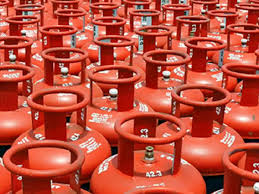
No dry-outs reported at LPG distributorships; more than 51.8 Lakh domestic LPG cylinders delivered yesterday

0

Vinod Bhat

New Delhi: In light of the evolving situation in West Asia, the Government of India remains actively engaged in ensuring preparedness and continuity across key sectors through coordinated response measures. The following update outlines the steps being taken with regard to energy supply, maritime operations, and support to Indian nationals in the region:

Energy Supply and Fuel Availability

The Ministry of Petroleum and Natural Gas is taking  steps to ensure uninterrupted availability of petroleum products and LPG across the country, in the context of the ongoing situation involving the Strait of Hormuz. As per Ministry:

Public Advisory and Citizen Awareness

  • Citizens are advised to avoid panic purchase of petrol, diesel and LPG as the Govt is making all efforts to ensure availability of petrol, diesel and LPG.
  • Beware of rumours and rely on official sources for correct information.
  • LPG consumers are requested to use digital booking platforms and avoid visiting distributors.
  • Citizens are encouraged to use alternate fuels such as PNG and electric or induction cooktops.
  • All citizens are urged to conserve energy in their daily use during the current situation.

Government Preparedness and Supply Management Measures

  • Despite the ongoing geopolitical situation, the Government has ensured that 100% supply is being made to Domestic LPG, Domestic PNG and CNG (Transport).
  • For commercial LPG, priority has been given to hospitals, educational institutions. Besides this, priority has also been given to pharma, steel, automobile, seed, agriculture, etc. In addition to this, supply of 5 Kg FTL to migrant labour is also doubled based on avg. daily supply on 2nd and 3rd March 2026.
  • The Government has already implemented several rationalisation measures on both the supply and demand side, including enhancing refinery production, increasing the booking interval from 21 to 25 days in urban areas and up to 45 days in rural areas and prioritising sectors for supply.
  • Alternate fuels such as kerosene and coal have been made available to ease pressure on LPG demand.
  • The Ministry of Coal has directed Coal India and Singareni Collieries to allot additional coal to States for distribution to small and medium consumers.
  • States have been advised to facilitate new PNG connections for domestic and commercial consumers.

Coordinated Efforts with States/UTs and Institutional Mechanisms

  • State Governments are empowered under the Essential Commodities Act, 1955 and LPG Control Order, 2000 to monitor supply and act against hoarding and black marketing.
  • Govt. of States/UTs have to play a primary role in monitoring and regulating supply situation of essential commodities including Petrol, Diesel and LPG. Govt. of India has reiterated the same via multiple letters and VCs to all States/UTs.
  • The Government of India vide letters dated 27.03.2026 and 02.04.2026 have stressed the need for proactive public communication to reassure citizens regarding adequate fuel availability. Regular review meetings are being held with States/UTs. In this context, meetings were convened on 02.04.2026 (Chaired by Secretary, MoPNG) and on 06.04.2026 (Chaired bySecretary, MoPNG along with Secretaries of I&B and Consumer Affairs), wherein the following was emphasized:
    • To issue daily press briefings and issue regular public advisories.
    • To actively monitor and counter fake news / misinformation on social media.
    • To intensify daily enforcement drives by District admin and to continue raids and inspections in coordination with OMCs
    • To issue Commercial LPG allocation orders within their States/UTs
    • To issue SKO allocation orders for additional SKO allotted to the States/UTs.
    • To promote PNG adoptions and alternate fuels.
    • To prioritize LPG supply, especially for domestic needs, and adopt targeted distribution of 5 kg FTL cylinders to ensure supply stability.
  • All States/UTs have established control rooms and district monitoring committees to curb hoarding and black marketing.
  • Many states/UTs are issuing/carrying out press briefs.

Enforcement and Monitoring Actions

  • Enforcement actions continue across the country to curb hoarding and black marketing of LPG. Yesterday, more than 2100 raids were conducted across the country.
  • PSU Oil Marketing Companies have strengthened surprise inspections and imposed penalties on 310 LPG distributorships and suspended 70 LPG distributorships till yesterday.

LPG Supply

Domestic LPG Supply Status:

  • LPG supply continues to be affected by the prevailing geopolitical situation.
  • Supply of LPG to domestic households has been prioritized.
  • No dry-outs have been reported at LPG distributorships.
  • Online LPG cylinder bookings increased to about 98%on an industry basis yesterday.
  • Delivery Authentication Code (DAC) based deliveries have increased to about 94% to prevent diversion. DAC is received on the registered mobile number of the consumer.
  • On 25.04.2026, more than 51.8 Lakh domestic LPG cylinders were delivered.


Commercial LPG Supply and Allocation Measures:

  • Total commercial LPG allocation has been increased to about 70% of pre-crisis levels, including 10% reform-linked allocation.
  • The Government of India vide letter dated 06.04.2026 has conveyed that daily quantity of 5 Kg FTL cylinders in each State available for disbursal to migrant labourers is being doubled based on the average daily supply (Number of cylinders) to migrant labourers during 2nd-3rd March 2026 beyond the limit of 20% mentioned in letter dated 21.03.2026. These 5 Kg FTL cylinders are at disposal of the State Government for supplying only to migrant labourers in their State with assistance of Oil Marketing Companies (OMCs).
  • Since 1st April 2026, more than 19.44 Lakh – 5 Kg FTL cylinders have been sold.
  • Yesterday, about 82,000 – 5 Kg FTL cylinders were sold across the country.
  • Since 3rd April 2026, PSU OMCs have organised more than 8950 awareness camps for 5 Kg FTL Cylinders, wherein more than 1,42,000 – 5Kg FTL cylinders were also sold.
  • Yesterday, 3846 – 5 Kg FTLs were sold through more than 190 camps.
  • A three-member committee of Executive Directors from IOCL, HPCL and BPCL is coordinating with State authorities and industry bodies to plan commercial LPG distribution in the States/UTs.
  • During the month of April-26 (till 25.04.26), a total of 1,64,655 MT (Equivalent to more than 86.66 Lakh of 19 Kg LPG Cylinders) of Commercial LPG has been sold.
  • On 25.04.2026, 9131 MT of Commercial LPG (Equivalent to about 4.80 Lakh – 19 Kg cylinders) was sold


Natural Gas Supply and PNG Expansion Initiatives

  • Consumers have been prioritised with 100% supplies to D-PNG and CNG-Transport.


  • The overall gas allocation to fertilizer plants has been enhanced to approximately 95% of their six-month average consumption.


  • Additionally, gas supply to other industrial and commercial sectors, including supplies through CGD networks, is enhanced up to 80%.
  • CGD entities have been advised to prioritize PNG connections for commercial establishments such as hotels, restaurants and canteens across all their GAs, to address concerns regarding the availability of commercial LPG.
  • CGD companies including IGL, MGL, GAIL Gas and BPCL are offering incentives for domestic and commercial PNG connections.
  • States/UTs and Central Ministries have been requested to expedite approvals required for expansion of CGD networks.
  • The Government of India vide letter dated 18.03.2026 has offered all States/UTs additional 10% allocation of commercial LPG to States provided they can help in long term transition from LPG to PNG.
  • 22 States/UTs are receiving additional commercial LPG allocation linked to PNG expansion reforms.
  • The Ministry of Road Transport & Highways vide letter dated 24.03.26 has adopted an ‘Accelerated Approval Framework for CGD infrastructure with reduced timelines’ as a special for 3 months to process applications pertaining to CGD infrastructure on priority.
  • The Government of India vide Gazette dated 24.03.2026 has notified the Natural Gas and Petroleum Products Distribution (Through Laying, Building, Operation and Expansion of Pipelines and Other Facilities) Order, 2026 under the Essential Commodities Act, 1955. The Order provides a streamlined and time-bound framework for laying and expanding pipelines across the country, addressing delays in approvals and access to land, and enabling faster development of natural gas infrastructure, including in residential areas. It is expected to accelerate PNG network growth, enhance last-mile connectivity, and support the transition to cleaner fuels, thereby strengthening energy security and advancing India’s gas-based economy.
  • PNGRB has directed CGD entities to expedite D-PNG connections. Also, the National PNG Drive 2.0 has been extended till 30.06.2026 to sustain momentum in PNG expansion.
  • To encourage a cleaner, more secure and self-reliant energy future, the Government of India has developed a model draft State CBG Policy. The model policy is intended to serve as a comprehensive flexible guiding framework to enable States to create their own investor-friendly and implementation-oriented ecosystem for CBG development. Those States which opt for this, will be prioritized for the next tranche of additional allocation of commercial LPG.
  • MoEFCC vide order dated 07.04.2026 has directed CPCB to issue necessary directions to SPCB/PCCs for granting consent to establish or consent to operate within 15 days for CGD network/infrastructure.
  • Since March 2026, about 5.45 Lakh PNG connections have been gasified and infrastructure has been created for additional 2.62 lakh connections taking the total to 8.07 lakh connections. Further, about 6.14 Lakh customers have been registered for new connections.
  • Till 25.04.2026, more than 42,500 PNG consumers have surrendered their LPG connections via MYPNGD.in website


Crude Position and Refinery Operations

  • All refineries are operating at high capacity with adequate crude inventories, while sufficient stocks of petrol and diesel are being maintained.
  • Domestic LPG production from refineries has been increased to support domestic consumption.
  • An inter-ministerial Joint Working Group (JWG) has been set up to ensure availability of petrochemical feedstock supply for the domestic market. Subsequently, Govt. of India vide order dated 01.04.2026 has permitted Oil Refinery companies including Petrochemical Complexes to make certain minimum quantities of C3 & C4 streams available for critical sectors as determined by Centre for High Technology (CHT).
  • Based on the requests received from the Department of Pharmaceuticals, Department of Chemicals & Petro Chemicals (DCPC), Dept. for Promotion of Industry and internal trade (DPIIT), the provision for 1000 MT/day, from LPG pool, has been made for Pharma and Chemical sector companies.
  • Since 9th April 2026, more than 7600 MT of propylene has been sold by Mumbai, Kochi, Vizag, Chennai and Mathura refineries to the Chemical and Pharma Industry.


Retail Fuel Availability and pricing Measures

  • Retail outlets across the country are operating normally.
  • The Middle East crisis has led to an abnormal increase in crude prices; however, to protect consumers, the Government of India has reduced excise duty on petrol and diesel by ₹10 per litre.
  • Govt. of India vide Gazette notification dated 11.04.2026 has increased the export levy on diesel to Rs. 55.50 per litre and on ATF to Rs. 42 per litre, to ensure availability of these products in the domestic market.
  • Panic Buying is observed at certain Retail Outlets due to rumours. It is informed that there are adequate stocks of petrol and diesel available at all Petrol Pumps in the country. Regular Retail Prices for Petrol and Diesel are unchanged and there is no price increase at PSU OMCs Retail Outlets.


Kerosene Availability and Distribution Measures

  • An additional allocation of 48,000 KL of kerosene has been provided to States/UTs over and above regular allocation.
  • 18 States/UTs have issued SKO allocation orders, while Himachal Pradesh and Ladakh have indicated no requirement.


Maritime Safety and Shipping Operations

Necessary measures have been put in place to safeguard Indian vessels and seafarers operating in the region, by the Ministry of Ports, Shipping and Waterways. The Ministry stated that:

  • The Ministry continues to coordinate with the Ministry of External Affairs, Indian Missions and maritime stakeholders to ensure seafare welfare and uninterrupted maritime operations.
  • All Indian seafarers in the region are safe and no incident involving Indian-flagged vessels has been reported in the past 24 hours.
  • The DG Shipping Control Room has handled 7,755  calls and more than 16,518 emails since activation. 57 calls and 192 emails have been received in the past 24 hours.
  • DG Shipping has facilitated the safe repatriation of more than 2,764 Indian seafarers so far, including 24 in the past 24 hours from various locations across the Gulf region.
  • Port operations across India remain normal with no congestion reported.

Safety of Indian Nationals in the Region

The Ministry of External Affairs continues to monitor developments in the Gulf and West Asia region, with focussed efforts on ensuring safety, security and welfare of the Indian community in the region. It was informed that:

  • Indian Missions and Posts continue to operate round-the-clock helplines and are proactively assisting Indian nationals. They remain in close contact with the local Governments.
  • Updated advisories are being issued regularly, including information on local government guidelines, flight and travel situations and consular services and various welfare measures being undertaken to support our community.
  • Indian Missions remain actively engaged with the Indian community including the various associations, organizations, professional groups, Indian companies and other stakeholders in the region.
  • Government is according high priority to the welfare of Indian seafarers in the region. Indian Missions are extending all assistance to the Indian crew members on vessels in the region including coordination with the local authorities and agencies, extending consular assistance and facilitating requests to return to India.
  • Since 28 February, around 12,96,000 passengers have travelled from the region to India.
  • In the UAE, airlines continue to operate limited commercial flights between the UAE and India based on operational and safety considerations, with around 110 flights expected today between UAE and India.
  • Flights continue to operate from various airports in Saudi Arabia and Oman to destinations in India.
  • With Qatar airspace partially open, Qatar Airways is operating flights to various destinations in India.
  • Kuwait airspace is open. Jazeera Airways and Kuwait Airways have resumed limited flight operations from Kuwait to India.
  • Bahrain airspace is open. Gulf Air is operating flights from Bahrain to various destinations in India.
  • Iraq airspace is open with limited flight operations to destinations in the region, which can be used for onward travel to India.
  • Iran airspace is partially open for cargo and chartered flights. Indian nationals are advised to avoid travelling to Iran and those already there in Iran are urged to leave via land border, with our Embassy’s support. So far, the Indian Embassy in Tehran has facilitated movement of 2,445 Indian nationals out of Iran through land border routes.

Jammu sizzles at 39.5 deg C amid heatwave in plains

0

Jammu, Apr 25: Jammu sweltered on Saturday as heatwave conditions gripped the plains, with the city recording a high of 39.5 degrees Celsius — 5.1 notches above normal, officials said.

The minimum temperature in the city also remained above average at 22.8 degrees Celsius, 2.0 degrees above normal, a meteorological department spokesperson said.

Katra town, the base camp for pilgrims visiting the Mata Vaishno Devi shrine atop Trikuta hills in Reasi district, also witnessed a sharp rise in temperatures, recording a maximum of 36 degrees Celsius, 6.2 degrees above normal, while the minimum temperature settled at 23.0 degrees Celsius, 5.4 degrees above normal.

The persistent rise in both day and night temperatures has led to uncomfortable conditions, particularly during afternoon hours.

The Meteorological Department predicted that hot and dry weather with isolated heatwave conditions is likely to continue over the plains of Jammu division for the next four days.

Residents have been advised to take precautions, avoid prolonged sun exposure, and stay hydrated amid the prevailing sweltering conditions.–(PTI)

DC Anantnag chairs NCORD Meeting; Reviews measures against Drug Abuse Directs intensifying awareness, enforcement during 100 Day NMJKA Campaign

0

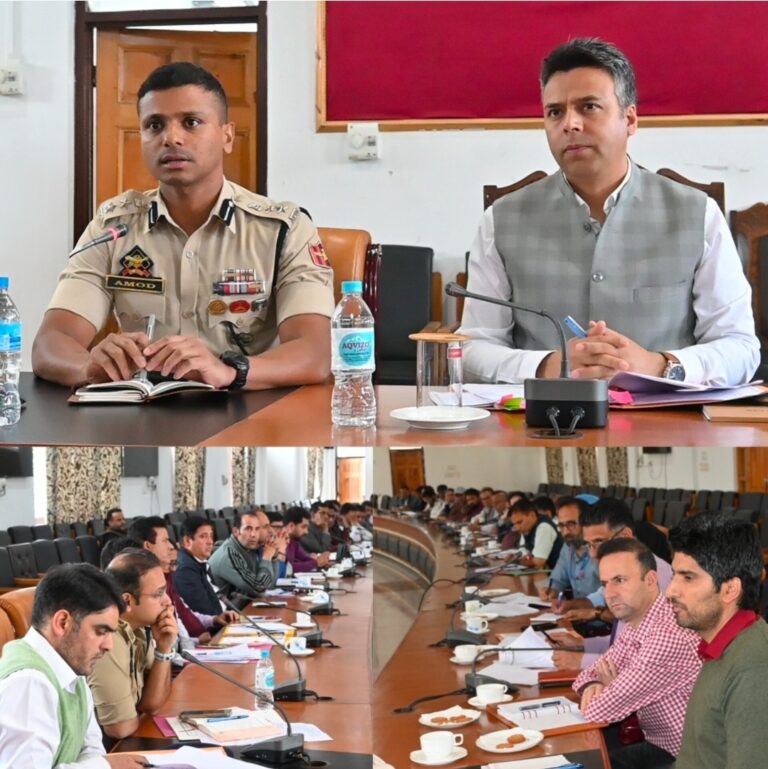
ANANTNAG, APRIL 25: Deputy Commissioner(DC) Anantnag, Dr. Bilal Mohiuddin Bhat today chaired a meeting of the District Level Committee under the Narco Coordination Centre (NCORD) to review the measures and overall response undertaken by various departments against drug abuse and trafficking in the district.

The meeting was attended by SSP, Amod Ashok Nagpure, ADM, Dr. Muzamil Maqbool Beig, SP, Sunny Gupta, SDM Dooru, SE PWD, CPO, CEO, CMO, DSWO, Tehsildars, ETO, Assistant Drug Controller, CEO MCA, representatives of GMC Anantnag and GDCs, EOs of MCs besides other committee members and concerned officers.

During the meeting, the DC sought detailed Action Taken Report from all departments on important agenda points and directions issued during previous meetings. Enforcement, seizure and legal actions targeting drug supply, CCTV surveillance in hotspots, IEC and Nasha Mukt Bharat/JK Abhiyaan activities in educational institutions, Panchayats and urban areas, rehabilitation of victims, suspension/cancellation of licences of medical establishments and vehicles found violating rules and functioning of DDAC and ATF, status on proposal of DDAC by Social Welfare Department, among others, were reviewed threadbare.

Addressing the meeting, the DC said it is encouraging that scheduled awareness and enforcement activities are being held during the ongoing 100 day intensive campaign of Nasha Mukt J&K Abhiyan across the district. He appreciated the action of identification and legal action against drug peddlers adding the same is vital to reduce supply of the contraband substances. He called for proper monitoring in educational institutions and medical establishments, robust surveillance CCTV mechanism in hotspots along with intensified awareness campaigns especially for vulnerable groups.

The DC said the interdepartmental coordination and sustained efforts are necessary to eradicate drug abuse in the district. Timely treatment and rehabilitation of the victims and empowering them through various self-employment Govt Schemes shall be the top priority, he remarked.

Dr. Bilal directed the departments to intensify awareness and enforcement activities and called for joint destruction drives of poppy and bhang especially in hot spots while taking necessary legal course. He asked the DSWO to conduct sustained awareness activities in hotspots and other critical areas so the vulnerable individuals and groups are identified and counselled thoroughly. He was further instructed to undertake proper follow up of the DDAC proposal with the concerned authorities.
On the occasion, the SSP briefed about the enforcement and preventive initiatives like registration of cases, arrests, seizures, and attachment of properties made in the district under NDPS Act and other rules. He said the fight against the drugs is in everybody’s interest and we are equal stakeholders to realise the goal of a drug free district.
The SSP stressed while the law enforcing agencies are targeting the supply side, the other stakeholders should make collective efforts in their official and personal capacities to lower the demand of drugs. The committment against drug abuse should not last the 100 day campaign only but must be sustained through continued sensitisation and awareness of target groups, he emphasized.

The meeting was informed that 128 NDPS cases have been registered; out of which 26 have been challaned besides 5 houses and 1 vehicle have been attached, during the current year so far. 20 vehicles found involved in drug trafficking were seized and 5 driving licenses of drug peddlers/convicts have been suspended since last meeting.

Additionally, the meeting was informed that 28 cases of illegal poppy cultivation on seven kanals of land in current year have been registered in 2026 till date.

It was further given out that 15 victims have received OPD care and 7 IPD care at DDAC whereas 1150 cases have been given OPD care at ATF. Since last NCORD meeting, 91 inspections of medical establishments were made during which 10 licences were suspended and 01 license recommended for cancellation on account of certain violations. Also 100 percent achievement has been made on installation of CCTV cameras and adoption of CBS by the medical establishments.

CEO and Principals of colleges informed that adequate measures have been taken to ensure compliance with COTPA Rules. Awareness and enforcement activities conducted by Tehsils, RDD Blocks and ULBs were also discussed during the proceedings.

The meeting concluded with the district administration’s commitment and resolve against drug abuse, urging all stakeholders to ensure result-oriented action.