spot_imgspot_img
spot_img
Home Blog Page 50

IUST Conducts Autism Awareness Programme Under Community Connect Initiative

0

Awantipora, April 20: The Islamic University of Science and Technology (IUST), under its Community Connect Initiative, organised an Autism Awareness Programme at SDH Tral, Aripal, and Dadasara. The programme was organised by Syed Mantaqi Memorial College of Nursing and Medical Technology with the aim of spreading awareness about Autism Spectrum Disorder (ASD) among the local community, promoting early identification and intervention for children with developmental difficulties, reducing stigma and misconceptions about autism, and encouraging parents and caregivers to seek professional help when developmental delays are noticed.

Activities included health education sessions on the meaning, causes, and symptoms of autism, distribution of informational pamphlets highlighting early warning signs and available support services, interactive discussions with parents on recognizing developmental milestones, and awareness talks emphasizing the importance of early diagnosis. Organizers highlighted that early identification allows children with autism to access therapies such as speech therapy, occupational therapy, and behavioural support, which significantly improve communication and social skills. The campaign was coordinated by Ms Rohi Jan and Ms. Ulfat Amin.

The event saw active participation from local residents, parents, and healthcare staff of SDH Tral. The initiative sensitized the community and stressed the role of healthcare professionals and community workers in supporting families affected by autism.

Srinagar Water Supply Shutdown Postponed

0

Touseef Wani

Ganderbal, April 20 : The Water works division Srinagar has postponed indefinitely a planned water supply shutdown that was scheduled for April 21 and 22, 2026.

According to an official notice issued by the Office of the Executive Engineer, Water Works Division Srinagar, the shutdown of the Sindh Power Canal has been deferred due to unavoidable circumstances and technical issues.

The maintenance work, which was expected to disrupt water supply in several parts of the city, will now be taken up on revised dates to be announced later.

Officials expressed regret over the inconvenience caused and said the Provincial Control Room of the Public Health Engineering Department, Jammu and Kashmir, will continue to function 24×7 to address public concerns and emergencies.

Residents can contact the control room on landline numbers 0194-2477207 and 0194-2452047, or via WhatsApp at 9419413914 and 9419413915 for assistance.

DCO’s conduct surprise inspection of chemist shops in Kulgam, two shops sealed

0

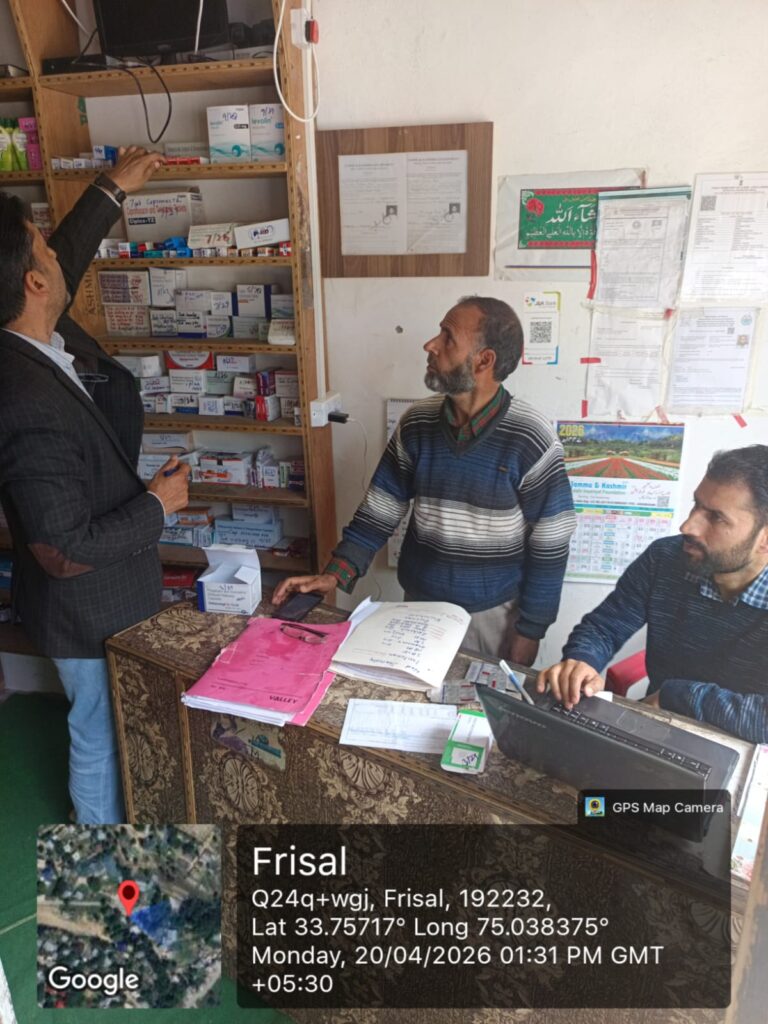
Kulgam, April 20: A team of Drug Control Officers (DCOs) conducted surprise inspections of various chemist shops in Frisal and adjoining areas, including Damidullah, Tengjan, Buchroo, and Kadder in district Kulgam.

During the inspections, emphasis was laid on compliance with Cash Bill System (CBS) billing practices and proper maintenance of records pertaining to Schedule H1 drugs, among other regulatory requirements. Several discrepancies and violations were observed during the course of inspection, and immediate action was initiated against the erring establishments.

As part of the enforcement drive, two medical shops were sealed on the spot for violating the conditions of their licences. Additionally, one show-cause notice was issued to a chemist for non-compliance with prescribed norms.

The Drug Control Department has reiterated its commitment to ensuring strict adherence to drug regulations and has warned that such inspections will continue to safeguard public health and ensure accountability among pharmaceutical retailers.

JKCS Alleges ‘Constitutional Violations’ by Revenue Dept, Demands Unified Promotion Cadre

0
94% Employees Stagnant, No Gazetted Posts; Delegation Flags Decades of DoPT Norm Violations Before Div Com Kahsmir
KD NEWS SERVICE

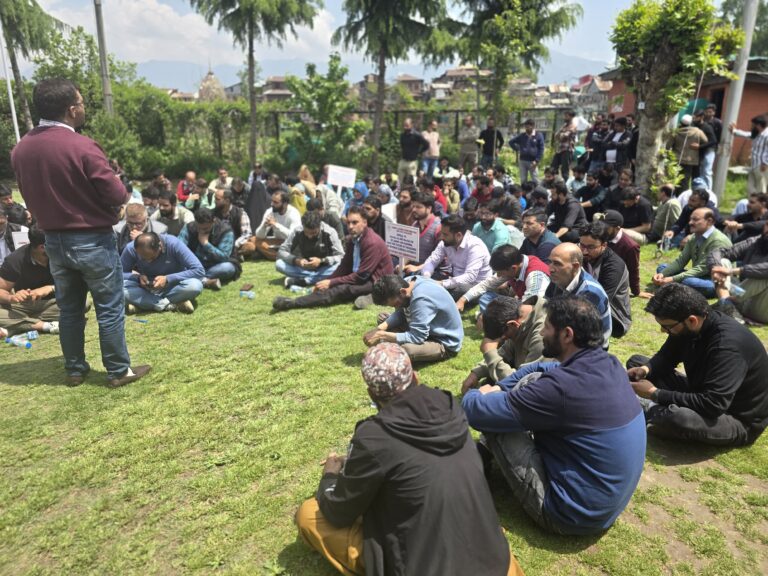
SRINAGAR, April 20: The streets outside the Divisional Commissioner’s office in Kashmir witnessed an uncommon sight today: not the usual political slogans, but a disciplined, anguished gathering of government employees—men and women who man the desks, process the files, and keep the Revenue Department running—raising their voices not for salary or benefits, but for the most fundamental of service demands: a fair chance to rise. The All Departments Clerical Staff Association (JKADCSA), the apex ministerial federation of the Union Territory, joined a strong resentment and protest organised by the Revenue Ministerial Employees Association (RMEA) Kashmir, and together they submitted a searing memorandum to the Divisional Commissioner. The document, running several pages and laden with annexures of court orders and government circulars, accuses the department of perpetuating what it calls a “cruel disparity” in promotional structures—a disparity that has left ninety-four percent of its members stagnating for their entire careers while their counterparts in the revenue cadre rise steadily from Patwari to Tehsildar.
The protest, held on April 20, 2026, saw a significant gathering of employees from across the clerical and ministerial cadres. Leading the delegation was JKADCSA president Mr. Jeelani Naik, along with vice president Mr. Mir Muzaffar. They were joined by chairman of SENTEF Mr. Bashrat Saleem, president of SENTEF Mr. Mohd Ashraf Khan, organizing secretary Mr. Mushtaq Ahmad Bhat, and publicity secretary Mr. Asif Habib. Together, they expressed grave and serious concern over what they repeatedly described as “step-motherly treatment” meted out to the clerical cadre—a cadre that forms the backbone of the department’s day-to-day administration but has been systematically denied the promotional pathways available to others.
The federation’s grievance is not merely administrative but constitutional. In its submission, a copy of which has been reviewed by this newspaper, the association invokes Articles 14 and 15 of the Constitution of India, arguing that the absence of a single gazetted-level post for the clerical cadre—despite a sanctioned strength of 1,529 employees—amounts to a quiet violation of the fundamental guarantees of equality before law and prohibition of discrimination. The memorandum draws a sharp, unsparing comparison: while the Patwari cadre enjoys a clear, hierarchical ladder leading to the post of Tehsildar, of which there are 146, the clerical cadre sees barely two percent of its members ever reach the level of Head Assistant, and a mere one-point-five percent manage to become Section Officers. The rest, the federation claims, are condemned to retire from the same grade they joined decades earlier.
This stagnation, the association argues, is not an accident of history but a consequence of institutional neglect that directly flouts statutory mandates from the Government of India. The memorandum cites two Department of Personnel and Training (DoPT) circulars—O.M. No. I-11011/1/2009-CRD dated December 14, 2010, and O.M. No. I-11019/16/2022-CRD dated September 29, 2022—both of which require every government department to undertake a comprehensive cadre review at least once every five years. The objectives of such a review, the federation notes, include ensuring balanced manpower utilisation, providing equitable promotional opportunities, rationalising service frameworks, and eliminating stagnation to retain motivated personnel. Yet, the Revenue Department of Jammu & Kashmir, the memorandum states with quiet fury, has never conducted a cadre review of its clerical or ministerial cadre since its inception. This failure, the association contends, is not a mere procedural lapse but a serious violation of binding central norms.
The legal backdrop to today’s protest adds considerable weight to the federation’s demands. The association has already approached the Central Administrative Tribunal’s Srinagar Bench through Original Application No. 1204 of 2025, titled Gh Jeelani Naikoo (President) and others versus the Union Territory of Jammu & Kashmir and others. On October 17, 2025, the Hon’ble CAT disposed of the petition with a direction that the respondents treat the application as a representation and consider all the pleas taken therein in accordance with law. Crucially, the tribunal ordered that until the petitioners’ grievances were redressed and a final decision taken, the respondents were not to finalise Office Memorandum No. REV-NG/102-2-(119633) dated August 14, 2025. Despite this clear interim protection, the federation alleges that the department disregarded the tribunal’s direction and proceeded to notify draft recruitment rules on April 10, 2026. Consequently, a contempt petition has now been filed before the same bench, with the CAT’s orders dated October 17, 2025, and February 18, 2026, enclosed as annexures to the memorandum.
The specific objections raised by the federation are detailed and technical, but they boil down to a single, urgent plea: do not snatch away the few promotional windows that still exist. The association points out that under the existing SRO 74 of 2009, junior assistants have a ten percent quota for promotion or conversion to the post of Patwari, and a one percent quota for promotion to Junior Scale Stenographer. Under the draft rules, both are being proposed to be filled hundred percent through direct recruitment, effectively sealing off those avenues forever. Similarly, the memorandum objects to the proposed enhancement of typing speed for the Multi-Tasking Staff (MTS) cadre from twenty-five words per minute to thirty-five words per minute, calling it unjust given that other departments retain the lower threshold for in-service promotions. The association also warns against any reduction or removal of the twenty percent quota available to MTS employees for conversion to Driver posts under SRO 75 of 2009, describing it as a vital window to address the stagnation of the lowest rung of the clerical hierarchy.
To remedy what it calls “decades of disparity,” the federation has put forward a series of proposals aimed at creating a unified and equitable promotion structure comparable to those enjoyed by the revenue cadre, the secretariat cadre, and the finance department. The memorandum points out that while the clerical cadre of the Revenue Department has 1,529 employees with only 22 Section Officer posts and zero gazetted positions, the Finance Department’s clerical cadre—far smaller in size—has a clear ladder from Junior Assistant to Section Officer. The secretariat cadre under the General Administration Department, the federation notes with evident frustration, has 431 Junior Assistants, 336 Senior Assistants, 318 Head Assistants, and 157 Section Officers, offering a robust, multi-layered pyramid. In contrast, the Revenue Department’s clerical pyramid is an inverted, brutal funnel: 1,308 Junior Assistants feeding into a mere 163 Senior Assistants, then 36 Head Assistants, and finally just 22 Section Officers.
One of the federation’s most striking proposals involves the re-designation of existing posts under SRO 656 of 2019. The association demands that the dispensation available under SRO 74 of 2009 for elevation of Junior Assistants to the post of WBN must be retained, and further suggests that the WBN, Wasli-baqi, Mohasib, and Saddar-Moshaib posts be merged and re-designated as follows: WBN as Senior Assistant, Mohasib as Head Assistant, and Saddar Mohasib as Section Officer. This proposal, the memorandum notes with emphasis, has already been endorsed by the Divisional Commissioners of both Jammu and Kashmir, as well as by the Financial Commissioner Revenue of Jammu & Kashmir. Copies of those endorsements are enclosed as annexures to the memorandum. The federation further demands the creation and rationalisation of clerical staff for each administrative unit established in the Union Territory, specifically two Senior Assistants, one Head Assistant, and one Section Officer per unit. Additionally, it calls for one Section Officer, one Head Assistant, and two Senior Assistant posts in every Registrar and Sub-Registrar office under the Registration Wing of the Revenue Department, along with the creation of one Administrative Officer for each AIGR and IGR office.
Perhaps the most radical suggestion in the memorandum concerns the sanctioned strength of MTS employees, currently standing at 2,694. The federation proposes a reduction of this strength by approximately forty-five percent—amounting to around 1,500 posts—and a compensatory increase in the number of Senior Assistant posts in a ratio of three to one, yielding about three hundred new Senior Assistant positions. This adjustment, the association argues, would align the Revenue Department’s staffing structure with the Jammu & Kashmir Secretariat Subordinate Services and the Finance Department, as reflected in S.O. 80 of 2026 dated March 30, 2026, and S.R.O. 319 of 2025 dated December 17, 2025. The federation also demands the creation of two Administrative Officer posts for each Deputy Commissioner’s office, specifically for the clerical cadre, to finally provide a gazetted-level career avenue where none currently exists. The leaders and employees at the protest urged the competent authority to address these key issues before finalising the draft recruitment rules, emphasising that the absence of a single gazetted post for an entire cadre of over fifteen hundred employees is an anomaly that cannot be allowed to continue.
The memorandum further seeks a forty percent quota in all ministerial and other category posts—including Junior Assistant, Patwari, and Driver—to be kept reserved for conversion or promotion from the MTS cadre, subject to relevant training and a departmental examination. The association notes with concrete evidence that several other departments within the Government of the Union Territory of Jammu & Kashmir have already amended their respective Subordinate Services Recruitment Rules to provide such reservations for lower-tier employees, and it encloses details of these amendments as an annexure to support its claim. Additionally, the federation demands a twenty-five percent quota in the Junior Scale Stenographer cadre for promotion from Junior Assistants, again after a qualifying examination. Finally, the association requests a change in nomenclature, aligning with the Jammu & Kashmir Secretariat Subordinate Services Recruitment Rules notified as S.O. 80 of 2026, to re-designate Junior Assistant as Junior Secretariat Assistant, Senior Assistant as Senior Secretariat Assistant, and Head Assistant as Assistant Section Officer.
As the delegation concluded its submission to the Divisional Commissioner, the leaders issued a final appeal that carried the weight of decades of waiting. The Association has strongly urged the Revenue Department and all concerned authorities to redress the genuine aspirations of the ministerial cadre and incorporate the proposals put forward before notifying the final Recruitment Rules. In a clear warning to the administration, the federation appealed that failure to address these genuine and constitutionally valid demands will leave it with no option but to escalate its protest through democratic means. The Association reiterated its commitment to pursuing justice for the thousands of clerical employees who have been languishing without adequate promotional avenues for decades, and called upon all well-wishers and stakeholders—particularly the constituents of JKADCSA—to extend their moral and institutional support to this rightful cause.
The clerical cadre, today’s protest made clear, is no longer willing to accept a fate where ninety-four percent of its members retire without meaningful promotion, where not a single gazetted post exists for a force of over fifteen hundred employees, and where draft recruitment rules threaten to extinguish even the limited windows that remain. With contempt proceedings already pending before the Central Administrative Tribunal and the DoPT’s cadre review mandate openly flouted for decades, the Revenue Department now finds itself at the centre of a legal, constitutional, and increasingly democratic confrontation that shows no signs of abating. For thousands of clerical employees across Jammu & Kashmir, the fight is no longer just about promotions—it is about dignity, parity, and the promise of the Constitution itself. And if the authorities do not act, the federation has made its position unmistakably clear: the streets may well see them again.


PM to dedicate India’s first greenfield integrated Refinery-cum-Petrochemical Complex at Pachpadra in Balotra

0

Vinod Bhat

New Delhi: Prime Minister Shri Narendra Modi will visit Rajasthan on 21st April 2026. At around 11:30 AM, Prime Minister will dedicate to the nation India’s first greenfield integrated Refinery-cum-Petrochemical Complex at Pachpadra in Balotra. He will also address a public gathering on the occasion.

This landmark project represents a significant milestone in India’s energy and petrochemical sector. Developed as a joint venture between Hindustan Petroleum Corporation Limited (HPCL) and the Government of Rajasthan, the 9 Million Metric Tonnes Per Annum (MMTPA) Greenfield Refinery-cum-Petrochemical Complex has been established with an investment of over ₹79,450 crore.

The state-of-the-art complex integrates refining and petrochemical production, with a petrochemical capacity of 2.4 MMTPA. The refinery features a high Nelson Complexity Index of 17.0 and petrochemical yields exceeding 26%, aligning with global benchmarks for efficiency and sustainability.

The project is expected to play a pivotal role in strengthening India’s energy security, enhancing petrochemical self-sufficiency, and driving industrial growth. It will serve as an anchor industry for the development of a Petrochemical and Plastic Park in the region, promoting downstream industries and ancillary sectors. Additionally, the refinery is poised to generate significant employment opportunities, contributing to the socio-economic development of the region.

Indian Railways Approves 908 Summer Special Trains to Ease 2026 Travel Rush

0

Vinod Bhat

New Delhi: Indian Railways is operating special trains during the Summer Season 2026 to address the anticipated rise in passenger demand and ensure a smooth and convenient travel experience. Railways has taken significant steps to ensure smooth and comfortable travel for passengers during the peak summer season by approving a large number of special train services across the country. For the period from 15 April 2026 to 15 July 2026, a total of 908 summer special trains have been approved, which will operate 18,262 trips to cater to the increased travel demand.

Out of these, 660 trains have already been notified, accounting for 11,294 trips, ensuring that a substantial portion of the planned services is already available for passenger booking and travel planning well in advance.

This extensive planning reflects Indian Railways’ proactive approach to managing seasonal passenger rush, especially during vacations, festivals, and peak travel months.

Zone-Wise Details

The operation of summer special trains spans across all major zones of Indian Railways, ensuring balanced regional connectivity and efficient passenger handling:

  • South Central Railway leads with 124 trains (1,184 trips) approved and 76 trains (324 trips) notified.
  • Western Railway has approved 106 trains (2,078 trips) with 92 trains (1,667 trips) notified.
  • North Western Railway has approved 76 trains (2,245 trips) and with 62 trains (1,878 trips) notified.
  • Northern Railway has approved 76 trains (2,090 trips) with 56 trains (1,535 trips) notified.
  • Central Railway has approved 74 trains (3,082 trips) with 70 trains (2,238 trips) notified.
  • Southern Railway has approved 72 trains (558 trips) with 38 trains (133 trips) notified.
  • East Central Railway has approved 64 trains (2,711 trips) with 38 trains (1,060 trips) notified.
  • North Central Railway has approved 54 trains (1,163 trips) with 46 trains (688 trips) notified.
  • North Eastern Railway has approved 52 trains (814 trips) with 34 trains (477 trips) notified.
  • East Coast Railway has approved 28 trains (410 trips) with 18 trains (88 trips) notified.
  • West Central Railway has approved 28 trains (408 trips) with 18 trains (192 trips) notified.
  • Eastern Railway has approved 24 trains (392 trips) with 10 trains (276 trips) notified.
  • North Frontier Railway has approved 24 trains (220 trips) with 20 trains (141 trips) notified.
  • South Eastern Railway has approved 20 trains (276 trips) with 18 trains (250 trips) notified.
  • South East Central Railway has approved 10 trains (122 trips) with 8 trains (70 trips) notified.
  • South Western Railway has approved 76 trains (509 trips) with 56 trains (277 trips) notified.

Passenger Benefits:

The large-scale introduction of summer special trains is expected to significantly benefit passengers by:

  • Reducing waiting lists during peak travel season.
  • Providing additional berths and confirmed travel options.
  • Enhancing connectivity between major cities and regions.
  • Ensuring smoother and more comfortable journeys.

By deploying special trains across high-demand routes, Indian Railways is ensuring that passengers experience minimal inconvenience during the summer rush.

With timely planning and large-scale deployment of special train services, Indian Railways continues to prioritise passenger convenience and travel comfort. The extensive coverage across zones and the high number of notified trains reflect a strong commitment to meeting passenger demand efficiently and ensuring a hassle-free travel experience during the summer season.

Ministry of Rural Development Strengthens Preparedness to Safeguard Rural Schemes Amid West Asia Crisis

0

Vinod Bhat

New Delhi: As part of its ongoing outreach to keep the media informed on the evolving situation in West Asia, the Government of India convened a briefing at the National Media Centre today. Officials from the Ministries of Petroleum and Natural Gas, Ports, Shipping and Waterways, and External Affairs provided updates on fuel availability, maritime operations, assistance to Indian nationals in the region, and measures being undertaken to maintain stability across key sectors. The Ministry of Rural Development also shared updates during the briefing.

Rural Development sector:

The Ministry of Rural Development has undertaken a comprehensive review of preparedness measures to ensure uninterrupted implementation of major rural welfare and infrastructure programmes across the country, keeping in view the evolving situation in West Asia and its possible impact on global supply chains, commodity prices and inflationary trends.

The Ministry is closely monitoring developments that may have indirect implications for rural livelihoods, housing construction, road development and watershed activities, and has put in place proactive mechanisms to maintain continuity of benefits, timely fund flow and smooth execution of ongoing schemes.

Employment Security and Wage Support

  • The Mahatma Gandhi National Rural Employment Guarantee Act (MGNREGA), 2005 remains fully operational till the commencement of the proposed VB–G RAM G Act, 2025. There shall be no disruption in the provision of wage employment to rural households.
  • All statutory entitlements, including demand-based employment and timely wage payments, continue in full force without any dilution. Existing Central Government-notified wage rates remain applicable.
  • To maintain adequate liquidity and ensure uninterrupted wage disbursal, approximately ₹17,744 crore is being released as the first instalment towards the wage component under MGNREGA.
  • Upon commencement, the proposed VB–G RAM G Act is expected to provide an enhanced guarantee of 125 days of wage employment, with revised wage rates to be notified separately.
  • Housing Programme Prepared for Supply Chain Challenges
  • To achieve the target of “Housing for All” in rural areas, the Ministry is implementing Pradhan Mantri Awaas Yojana–Gramin (PMAY-G) for construction of 4.95 crore houses by March 2029.
  • As a preparedness measure against possible material supply disruptions or price fluctuations, the Ministry is prioritising timely Direct Benefit Transfer (DBT) releases, real-time monitoring through AwaasSoft, geo-tagging, and accelerated completion of ongoing houses.
  • Strong convergence support through mandays, sanitation, drinking water, LPG and electricity is being ensured so that beneficiaries receive a complete package of basic amenities.
  • Structural measures such as creation of material banks are also being promoted to enhance resilience against future market volatility.

Rural Roads Programme Insulated Through Advance Planning

  • Under PMGSY, works are sanctioned as per the prevailing Schedule of Rates proposed by the States.
  • All sanctioned works under PMGSY-I, II, III and Road Connectivity Projects for Left Wing Extremism Affected Areas stand tendered or under execution. Only a few bridge-related works remain under sanction under PMGSY-III.
  • Under PMGSY-IV, around 12,100 km road works have been sanctioned and are currently at the tendering stage. At present, the exposure to global volatility remains limited, as bitumen constitutes a relatively small share of total project cost.
  • Future project batches will be appraised using updated Schedule of Rates to reflect prevailing market conditions and cost trends.
  • Strengthening Agriculture and Natural Resource Resilience
  • The Department of Land Resources is implementing WDC-PMKSY 2.0 in 50 lakh hectare area to strengthen water conservation, agriculture intensification, horticulture and pasture development.
  • The Department is working in close coordination with the Ministry of Agriculture & Farmers Welfare and other stakeholder Ministries to address any emerging situation and ensure smooth implementation.

Energy Supply and Fuel Availability

The Ministry of Petroleum and Natural Gas is taking  steps to ensure uninterrupted availability of petroleum products and LPG across the country, in the context of the ongoing situation involving the Strait of Hormuz. As per Ministry:

Public Advisory and Citizen Awareness

  • Citizens are advised to avoid panic purchase of petrol, diesel and LPG as the Govt is making all efforts to ensure availability of petrol, diesel and LPG.
  • Beware of rumours and rely on official sources for correct information.
  • LPG consumers are requested to use digital booking platforms and avoid visiting distributors.
  • Citizens are encouraged to use alternate fuels such as PNG and electric or induction cooktops.
  • All citizens are requested to make necessary efforts to conserve energy in their daily use during the current situation.

Government Preparedness and Supply Management Measures

  • Despite the ongoing geopolitical situation, the Government has ensured that 100% supply is being made to Domestic LPG, Domestic PNG and CNG (Transport).
  • For commercial LPG, priority has been given to hospitals, educational institutions. Besides this, priority has also been given to pharma, steel, automobile, seed, agriculture, etc. In addition to this, supply of 5 Kg FTL to migrant labour is also doubled based on avg. daily supply on 2nd and 3rd March 2026.
  • The Government has already implemented several rationalisation measures on both the supply and demand side, including enhancing refinery production, increasing the booking interval from 21 to 25 days in urban areas and up to 45 days in rural areas and prioritising sectors for supply.
  • Alternate fuels such as kerosene and coal have been made available to ease pressure on LPG demand.
  • The Ministry of Coal has directed Coal India and Singareni Collieries to supply additional coal to States for distribution to small and medium consumers.
  • States have been advised to facilitate new PNG connections for domestic and commercial consumers.

Coordinated Efforts with States/UTs and Institutional Mechanisms

  • State Governments are empowered under the Essential Commodities Act, 1955 and LPG Control Order, 2000 to monitor supply and act against hoarding and black marketing.
  • Govt. of States/UTs have to play a primary role in monitoring and regulating supply situation of essential commodities including Petrol, Diesel and LPG. Govt. of India has reiterated the same via multiple letters and VCs to all States/UTs.
  • The Government of India vide letters dated 27.03.2026 and 02.04.2026 have stressed the need for proactive public communication to reassure citizens regarding adequate fuel availability. Regular review meetings are being held with States/UTs. In this context, meetings were convened on 02.04.2026 (Chaired by Secretary, MoPNG) and on 06.04.2026 (Chaired bySecretary, MoPNG along with Secretaries of I&B and Consumer Affairs), wherein the following was emphasized:
    • To issue daily press briefings and issue regular public advisories.
    • To actively monitor and counter fake news / misinformation on social media.
    • To intensify daily enforcement drives by District admin and to continue raids and inspections in coordination with OMCs
    • To issue Commercial LPG allocation orders within their States/UTs
    • To issue SKO allocation orders for additional SKO allotted to the States/UTs.
    • To promote PNG adoptions and alternate fuels.
    • To prioritize LPG supply, especially for domestic needs, and adopt targeted distribution of 5 kg FTL cylinders to ensure supply stability.
  • All States/UTs have established control rooms and district monitoring committees to curb hoarding and black marketing.
  • Many states/UTs are issuing/carrying out press briefs.

Enforcement and Monitoring Actions

  • Enforcement actions continue across the country to curb hoarding and black marketing of LPG. On 19.04.2026, more than 1900 raids were conducted across the country.
  • PSU Oil Marketing Companies have strengthened surprise inspections and imposed penalties on 267 LPG distributorships and suspended 67 LPG distributorships till yesterday.

LPG Supply

Domestic LPG Supply Status:

  • LPG supply continues to be affected by the prevailing geopolitical situation.
  • Supply of LPG to domestic households has been prioritized.
  • No dry-outs have been reported at LPG distributorships.
  • Online LPG cylinder bookings have increased to 99% on industry basis yesterday.
  • Delivery Authentication Code (DAC) based deliveries have increased to around 92% to prevent diversion. DAC is received on the registered mobile number of the consumer.
  • Many of the LPG distributorships were operating on Sunday to ensure delivery of domestic LPG cylinders to households.

Commercial LPG Supply and Allocation Measures:

  • Total commercial LPG allocation has been increased to about 70% of pre-crisis levels, including 10% reform-linked allocation.
  • The Government of India vide letter dated 06.04.2026 has conveyed that daily quantity of 5 Kg FTL cylinders in each State available for disbursal to migrant labourers is being doubled based on the average daily supply (Number of cylinders) to migrant labourers during 2nd-3rd March 2026 beyond the limit of 20% mentioned in letter dated 21.03.2026. These 5 Kg FTL cylinders are at disposal of the State Government for supplying only to migrant labourers in their State with assistance of Oil Marketing Companies (OMCs).
  • Since 3rd April 2026, PSU OMCs have organized more than 7000 awareness camps for 5 Kg FTL Cylinders, wherein more than 100,000 – 5Kg FTL cylinders were also sold. Yesterday, 3360 – 5 Kg FTLs were sold through more than 220 camps.
  • Since 23 March 2026, more than 18.45 lakh 5-kg Free Trade LPG cylinders have been sold.
  • A three-member committee of Executive Directors from IOCL, HPCL and BPCL is coordinating with State authorities and industry bodies to plan commercial LPG distribution in the States/UTs.
  • During the last 5 days, on an average more than 7000 MT/day of commercial LPG has been sold.
  • Avg. Auto LPG sale by PSU OMCs in the last one week is around 350 MT/day against the avg. of 177 MT/day during Feb-26.
  • Auto LPG Sales was observed to have shifted from Private to PSU OMCs. To meet the rising demand, the sale of auto LPG by the PSU OMCs has been increased. The major increase has been observed in the States like Karnataka, Tamil Nadu, Telangana, Rajasthan, West Bengal etc.

Natural Gas Supply and PNG Expansion Initiatives

  • Consumers have been prioritised with 100% supplies to D-PNG and CNG-Transport.
  • The overall gas allocation to fertilizer plants has been enhanced to approximately 95% of their six-month average consumption.
  • Additionally, gas supply to other industrial and commercial sectors, including supplies through CGD networks, is enhanced up to 80%.
  • CGD entities have been advised to prioritize PNG connections for commercial establishments such as hotels, restaurants and canteens across all their GAs, to address concerns regarding the availability of commercial LPG.
  • CGD companies including IGL, MGL, GAIL Gas and BPCL are offering incentives for domestic and commercial PNG connections.
  • States/UTs and Central Ministries have been requested to expedite approvals required for expansion of CGD networks.
  • The Government of India vide letter dated 18.03.2026 has offered all States/UTs additional 10% allocation of commercial LPG to States provided they can help in long term transition from LPG to PNG.
  • 22 States/UTs are receiving additional commercial LPG allocation linked to PNG expansion reforms.
  • The Ministry of Road Transport & Highways vide letter dated 24.03.26 has adopted an ‘Accelerated Approval Framework for CGD infrastructure with reduced timelines’ as a special for 3 months to process applications pertaining to CGD infrastructure on priority.
  • The Government of India vide Gazette dated 24.03.2026 has notified the Natural Gas and Petroleum Products Distribution (Through Laying, Building, Operation and Expansion of Pipelines and Other Facilities) Order, 2026 under the Essential Commodities Act, 1955. The Order provides a streamlined and time-bound framework for laying and expanding pipelines across the country, addressing delays in approvals and access to land, and enabling faster development of natural gas infrastructure, including in residential areas. It is expected to accelerate PNG network growth, enhance last-mile connectivity, and support the transition to cleaner fuels, thereby strengthening energy security and advancing India’s gas-based economy.
  • PNGRB has directed CGD entities to expedite D-PNG connections. Also, the National PNG Drive 2.0 has been extended till 30.06.2026 to sustain momentum in PNG expansion.
  • To encourage a cleaner, more secure and self-reliant energy future, the Government of India has developed a model draft State CBG Policy. The model policy is intended to serve as a comprehensive flexible guiding framework to enable States to create their own investor-friendly and implementation-oriented ecosystem for CBG development. Those States which opt for this, will be prioritized for the next tranche of additional allocation of commercial LPG.
  • MoEFCC vide order dated 07.04.2026 has directed CPCB to issue necessary directions to SPCB/PCCs for granting consent to establish or consent to operate within 15 days for CGD network/infrastructure.
  • Since March 2026, more than 4.93 Lakh PNG connections have been gasified. Further, more than 5.51 Lakh customers have been registered for new connections.
  • Till 19.04.2026, about 39,200 PNG consumers have surrendered their LPG connections via MYPNGD.in website

Crude Position and Refinery Operations

  • All refineries are operating at high capacity with adequate crude inventories, while sufficient stocks of petrol and diesel are being maintained.
  • Domestic LPG production from refineries has been increased to support domestic consumption.
  • An inter-ministerial Joint Working Group (JWG) has been set up to ensure availability of petrochemical feedstock supply for the domestic market. Subsequently, Govt. of India vide order dated 01.04.2026 has permitted Oil Refinery companies including Petrochemical Complexes to make certain minimum quantities of C3 & C4 streams available for critical sectors as determined by Centre for High Technology (CHT).
  • Based on the requests received from the Department of Pharmaceuticals, Department of Chemicals & Petro Chemicals (DCPC), Dept. for Promotion of Industry and internal trade (DPIIT), the provision for 1000 MT/day, from LPG pool, has been made for Pharma and Chemical sector companies.
  • Since 9th April 2026, more than 4050 MT of propylene has been sold.

Retail Fuel Availability and pricing Measures

  • Retail outlets across the country are operating normally.
  • The Middle East crisis has led to an abnormal increase in crude prices; however, to protect consumers, the Government of India has reduced excise duty on petrol and diesel by ₹10 per litre.
  • Govt. of India vide Gazette notification dated 11.04.2026 has increased the export levy on diesel to Rs. 55.50 per litre and on ATF to Rs. 42 per litre, to ensure availability of these products in the domestic market.
  • Regular Retail Prices for Petrol and Diesel are unchanged and there is no price increase at PSU OMCs Retail Outlets.

Kerosene Availability and Distribution Measures

  • An additional allocation of 48,000 KL of kerosene has been provided to States/UTs over and above regular allocation.
  • 18 States/UTs have issued SKO allocation orders, while Himachal Pradesh and Ladakh have indicated no requirement.

Maritime Safety and Shipping Operations

The current maritime situation in the Persian Gulf, along with measures being undertaken to safeguard Indian vessels and crew, was also briefed by the Ministry of Ports, Shipping and Waterways. It was stated that:

  • Vessel Update: Indian-flagged crude oil tanker Desh Garima carrying 97,422 MT crude oil safely crossed the Strait of Hormuz on 18 April 2026. The vessel, with 31 Indian seafarers onboard, is expected to arrive at Mumbai on 22 April 2026.
  • In the past 48 hours, two Indian vessels, VLCC Samnar Herald and Bulk Carrier Jag Arnav, reported a firing incident while transiting the Strait of Hormuz, following which they returned to the Persian Gulf. There has been no injury to any crew reported.
  • The ministry is in close and continuous communication with the crew and owners of both the vessels and is closely monitoring the situation. The safety and security of Indian seafarers is the top priority of Government of India, ministry is monitoring the situation on continuous basis and assured to extend all the possible help.
  • All Indian seafarers are safe. The situation continues to be closely monitored in coordination with the Ministry of External Affairs and relevant stakeholders.
  • DG Shipping Control Room Update: The Control Room has handled 6,918 calls and more than 14,605 emails since activation. In the past 24 hours, 25 calls and 135 emails have been received.
  • Repatriation Update: The Ministry, through the Directorate General of Shipping (DG Shipping), has facilitated the safe repatriation of more than 2,563 Indian seafarers so far, including 25 in the last 24 hours from various locations across the Gulf region.
  • Port Operations: Port operations across India remain normal, with no congestion reported.

Safety of Indian Nationals in the Region

The Ministry of External Affairs continues to monitor developments in the Gulf and West Asia region, with focussed efforts on ensuring safety, security and welfare of the Indian community in the region. It was informed that:

  • On the direction of Hon’ble Prime Minister, Ministry of External Affairs has continued to enhance outreach to the countries in the Gulf
  • National Security Advisor Shri Ajit Doval paid an official visit to Riyadh on April 19th and held meetings with Energy Minister H.R.H. Prince Abdulaziz bin Salman, Foreign Minister H.H. Prince Faisal bin Farhan, and National Security Advisor H.E. Dr. Musaed Al-Aiban. During the meetings they discussed bilateral relations, regional situation and other issues of mutual interests.
  • Dedicated special control rooms in the Ministry of External Affairs are operational and are working in coordination with Indian missions.
  • The Ministry of External Affairs is in regular contact with State Governments and Union Territories for sharing of information and better alignment of efforts.
  • Indian Missions and Posts continue to operate round-the-clock helplines and are proactively assisting Indian nationals. They remain in close contact with the local Governments.
  • Updated advisories are being issued regularly, including information on local government guidelines, flight and travel situations and consular services and various welfare measures being undertaken to support our community.
  • Indian Ambassadors are regularly interacting with the Indian community associations, organizations, professional groups, an Indian companies to address their concerns.
  • Government is according high priority to the welfare of Indian seafarers in the region. Our Missions are extending all assistance to them including coordination with the local authorities and agencies, extending consular assistance, and assisting for requests to return to India.
  • Flights continue to operate from the region to India from countries where airspace is open. Since 28 February, around 11,30,000 passengers have travelled from the region to India.
  • In the UAE, airlines continue to operate limited non-scheduled commercial flights between the UAE and India based on operational and safety considerations, with around 110 flights expected today between UAE and India.
  • Flights continue to operate from various airports in Saudi Arabia and Oman to destinations in India.
  • With Qatar airspace partially open, Qatar Airways is expected to operate around 10 to 11 flights to India today.
  • Kuwait airspace remains closed. Jazeera Airways and Kuwait Airways are operating non-scheduled commercial flights from Dammam Airport in Saudi Arabia to India.
  • Bahrain airspace is open. Gulf Air of Bahrain is planning limited flight operations from Bahrain to India and is currently operating non-scheduled flights from Dammam Airport in Saudi Arabia to various destinations in India.
  • Iraq airspace is open with limited flight operations to destinations in the region, which can be used for onward travel to India.
  • The Embassy of India in Tehran has so far facilitated the movement of 2,358 Indian nationals from Iran to Armenia and Azerbaijan for onward travel to India, including 1,041 Indian students and 657 Indian fishermen.
  • Israel airspace is partially open with restricted flight operations. Travel of Indian nationals continues to be facilitated through Jordan and Egypt to India.
  • Iranian airspace remains partially open for cargo and chartered flights. Indian Embassy in Tehran continues to facilitate movement of Indian nationals through Armenia and Azerbaijan for onward travel to India. So far, 2423 Indian Nationals have moved out of Iran into Armenia and Azerbaijan. This includes 1091 Indian students and 657 Indian fishermen.
  • Israel: Israel airspace is open and limited flight operations have resumed to destinations in the region, which can be used for onward travel to India. We also continue to facilitate travel of Indian nationals from Israel, through Jordan and Egypt to India.

SSP Anantnag Reviews Parade, Stresses Discipline and Operational Readiness

0

Conducts detailed inspection at DPL, assesses units and vehicle fleet

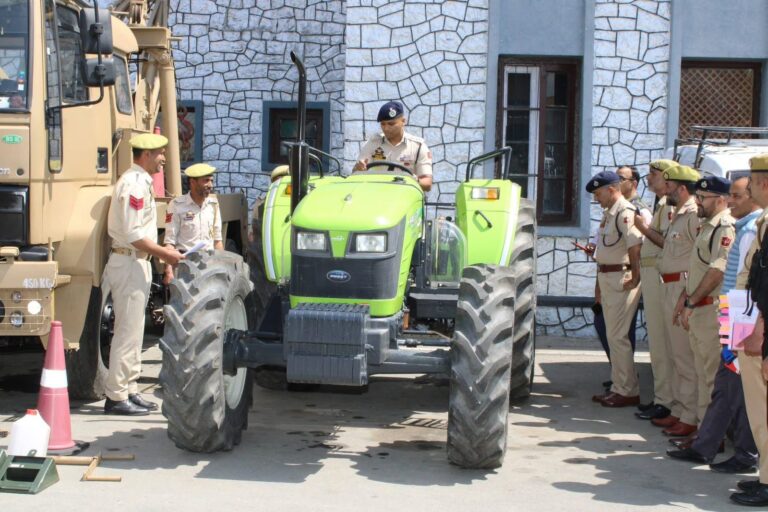
Srinagar, Apr 20: Senior Superintendent of Police Anantnag, Amod Ashok Nagpure, on Monday inspected the weekly parade at District Police Lines Anantnag, emphasizing discipline, professionalism, and enhanced operational preparedness among personnel.

On the occasion, as per news agency Kashmir News Corner — KNC, SSP took the salute from the marching contingents and reviewed the parade, assessing the turnout, discipline, and drill standards of the personnel.

He appreciated the smart turnout and synchronized drill displayed by the participating contingents and stressed the importance of maintaining high standards of discipline and professionalism.

Subsequently, the SSP carried out a detailed inspection of various sections at DPL Anantnag. He examined the functioning and preparedness of different units and issued on-the-spot directions to officers and staff to further enhance efficiency and operational readiness.

The SSP also inspected the fleet of police vehicles of District Police Anantnag, reviewing their condition, maintenance, and operational utility.

He emphasized the need for proper upkeep and regular maintenance of vehicles to ensure swift response and effective policing.

Massive Fire Erupts at Pachpadra Refinery Ahead of PM Modi’s Inauguration

0


VINOD BHAT

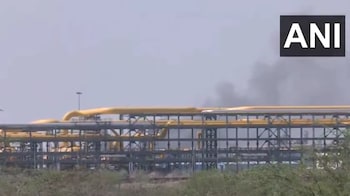
NEW DELHI, April 20: A major fire broke out at the Pachpadra Refinery on the eve of its scheduled inauguration by Prime Minister Narendra Modi, triggering panic and a large-scale emergency response on Monday.
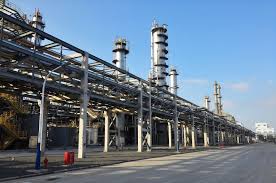
According to initial reports, the blaze engulfed the CDU-VDU (Crude Distillation Unit–Vacuum Distillation Unit) section of the refinery, sending thick plumes of smoke billowing into the sky. The incident occurred just hours before the high-profile inauguration event, raising serious concerns over safety protocols at the facility.

Firefighting operations were swiftly launched, with more than 16 fire tenders rushed to the spot. Emergency teams are working tirelessly to bring the situation under control as the fire continues to rage. Officials said that containment efforts are underway, though the scale of the fire has made operations challenging.

Authorities have yet to confirm the cause of the fire, and there is no immediate clarity on casualties or injuries. Senior administrative and police officials have reached the site, while disaster management teams remain on high alert.

The refinery, a key energy project in Rajasthan, was slated to be inaugurated with much fanfare, marking a significant milestone in the region’s industrial development. However, the incident has cast a shadow over the event, prompting urgent reviews of safety measures.
Further details are awaited as rescue and firefighting operations continue.

12 dead, several injured after bus skids off road in Udhampur

0

Union Minister Dr Jitendra Singh says he spoke to DC Udhampur, in constant touch with local admin; LG Sinha, CM Omar express grief, offer condolence to bereaved families

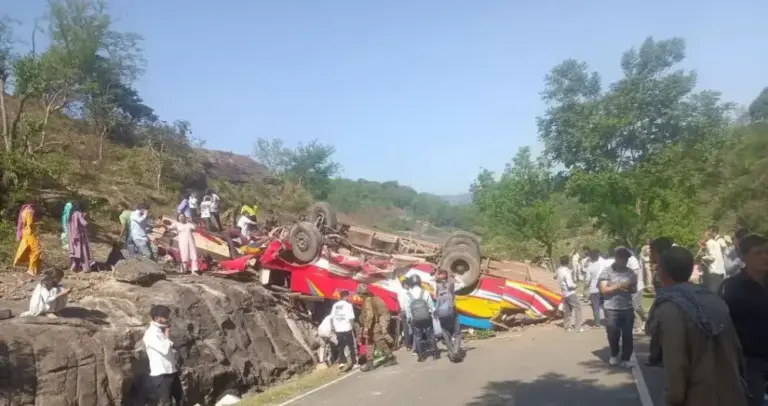
Udhampur, Apr 20: At least twelve people were killed and several others injured after a passenger bus skidded off the road in the Ramnagar area of Udhampur district on Monday, officials said.

An official told that soon after the incident, police, rescue teams, and locals rushed to the spot and launched a rescue operation.

He said at least 12 people have died in the incident and several others are injured. “The injured have been shifted to nearby hospitals for treatment,“ he added.

Meanwhile, Union Minister Dr Jitendra Singh said he spoke to DC Udhampur after learning about the tragic road accident.

He said that the rescue operation has been immediately undertaken with all possible assistance being provided. “The injured will be shifted for medical aid. Arrangements being made to airlift the seriously injured. I am in constant touch with the local administration as well as our local workers,” he said.

Lt Governor Manoj Sinha also expressed grief over the tragic road accident. “My deepest condolences to bereaved families. May God grant them strength. Praying for speedy recovery of injured. I have directed district admin, Police, SDRF & Health Dept to provide every possible assistance to those affected,” he said.

Chief Minister Omar Abdullah expressed deep sorrow over the tragic road accident, saying the government stands firmly with the victims and their families in this hour of grief, and all necessary assistance is being extended—(KNO)