spot_imgspot_img
spot_img
Home Blog Page 60

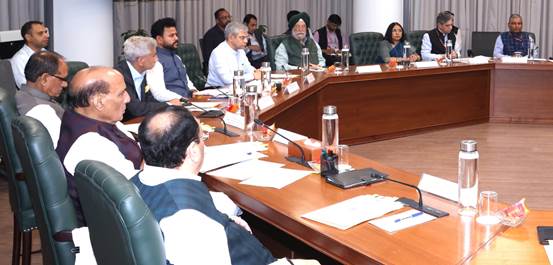
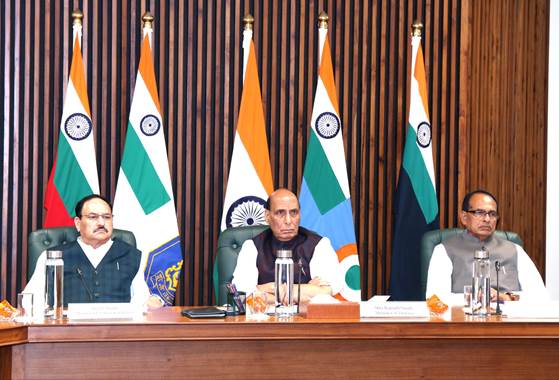
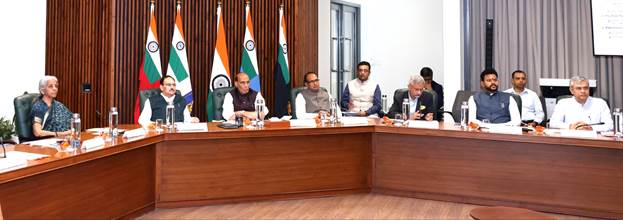
Defence Minister Rajnath Singh-led IGoM takes stock of India’s readiness in view of evolving West Asia situation

0

Vinod Bhat

New Delhi: The Informal Group of Ministers (IGoM), headed by Raksha Mantri Shri Rajnath Singh, took stock of India’s readiness in view of the recent developments in West Asia during its third meeting at Kartavya Bhawan-2, New Delhi on April 08, 2026. Minister of Finance & Corporate Affairs Smt Nirmala Sitharaman; Minister of External Affairs Dr S Jaishankar; Minister for Agriculture & Farmers’ Welfare and Rural Development Shri Shivraj Singh Chouhan; Minister of Commerce and Industry Shri Piyush Goyal; Minister of Chemicals & Fertilizers Shri Jagat Prakash Nadda; Minister of Petroleum and Natural Gas Shri Hardeep Singh Puri; Minister of Consumer Affairs, Food and Public Distribution Shri Prahlad Joshi; Minister of Railways, Information and Broadcasting, Electronics & Information Technology Shri Ashwini Vaishnaw; Minister of Parliamentary Affairs Shri Kiren Rijiju; Minister of Civil Aviation Shri Kinjarapu Rammohan Naidu, and Minister of State (Independent Charge) of the Ministry of Science & Technology Dr Jitendra Singh attended the meeting.

In his remarks, Raksha Mantri directed all departments to continue focusing on preparedness, coordination, and resilience building to stay ready to deal with any eventuality. In a post on X, he stated that the Government is ensuring continued availability of LPG, petrol and diesel, fertilisers for farmers and facilitating supply of essential commodities in the country. The Government, under the leadership of Prime Minister Shri Narendra Modi, has been doing exceptional work in safeguarding the citizens from the impact of the conflict, he said.

The iGoM was informed that India has ensured the evacuation of the highest number of vessels than any other country, from the Strait of Hormuz over the past 40 days. A total of 8 LPG vessels, carrying approximately 340TM, equivalent to around 11 days of India’s import requirement have successfully transited the Strait, reinforcing the country’s energy security and supply stability. There have been no reports of dry-out at LPG distributorships, and delivery of domestic LPG cylinders continues despite all across the country.

In order to support the vulnerable communities including migrant labourers, the supply of 5kg Free Trade LPG cylinders has been doubled beyond the 20% allocation earmarked for priority segments on 7 April. Oil PSU retail pump outlets continue to dispense auto LPG to support the public transportation requirements. However, some supply constraints are being faced by private operators due to their procurement challenges, causing increased footfall in PSU outlets.

A major decision was taken on 8 April to further ease supply of LPG to industrial segments by allocating 70% of fuel demand to non-domestic bulk consumers with supply prioritised for key sectors such as pharma, food, polymers, agriculture, packaging, paints, steel, defence-related materials, etc. This measure is expected to prevent supply-chain disruptions, avoid shortages of essential goods and ensure continuity of industrial operations despite the ongoing global crisis.

Piped Natural Gas (PNG) is being actively promoted wherever feasible. Owing to the increased awareness from the PNG connection campaign launched to reduce LPG dependence, 3.16 lakh new PNG connections were added, representing a three fold increase over March 2025 levels.The campaign has also resulted in the surrender of 16,700+ LPG connections by citizens, indicating a growing shift toward PNG adoption.

The IGoM was also briefed about the easing in energy prices in the light of the ceasefire. The Ministers were informed that key sectoral parameters will continue to be closely monitored and appropriate measures will be taken.

The IGoM was also apprised about the adequate measures taken by the Department of Food and Public Distribution.

Food Security Preparedness

Adequate buffer stocks of rice and wheat are available, ensuring sufficient supply for PDS as well as to meet any emergency requirements. The National Food Security Act ensures continued access to foodgrains for vulnerable populations.

Market Intervention: Open Market Sale Scheme (Domestic) – OMSS (D)

The Government monitors foodgrain prices and, when necessary, undertakes market intervention through OMSS (D). The Food Corporation of India (FCI) releases surplus wheat and rice in the open market to augment supply, stabilise prices, and contain inflation. Adequate stocks are available with FCI for such interventions. The scheme also enables the sale of rice to the State Governments at subsidised fixed prices for additional requirements.

Procurement: Rabi Marketing Season (RMS) 2026–27

Procurement of wheat under MSP operations has started, primarily through State Government agencies. The Department is regularly reviewing preparedness in coordination with States. Adequate packaging material is being ensured for procurement operations.

Foodgrain Packaging

Proactive steps have been taken to ensure the availability of packaging materials during RMS 2026–27. The Department, in consultation with the Ministry of Petroleum and Natural Gas and Department of Chemicals and Petrochemicals, is diversifying packaging sources and maintaining contingency measures to address any shortfall.

Edible Oil Scenario

Domestic availability of edible oils remains comfortable despite global uncertainties. Imports from key partners (Indonesia, Malaysia, Argentina, Brazil) continue steadily. Improved mustard production has strengthened domestic supply. Overall supply remains stable; the Government continues close monitoring and will intervene if required.

Sugar Sector

Adequate sugar buffer stock is available. Sugar production in 2025-26 is expected to remain sufficient. 15.80 Lakh Metric Tonnes (LMT) of sugar has been permitted for export, with 3.73 LMT exported so far. Exports are primarily to Sri Lanka, West Asia, and East Africa. Retail prices remain stable, with low inflation (~3%) over the past three years.

The Ministers were informed that the Department of Consumer Affairs is monitoring the daily prices of 40 food commodities reported from 578 centres across the country. Price trends are closely monitored for unusual volatility consequent to the outbreak of war in the Middle East. Till now, no unusual volatility is observed and prices are stable for most commodities, except moderate increase in prices of edible oils.

Domestic production of mustard oil is expected to improve (~5% higher output), partially offsetting import dependence. Procurement of onion for price stabilisation buffer will begin shortly, which will provide support to the mandi prices. National Agricultural Cooperative Marketing Federation of India Limited and National Cooperative Consumers’ Federation of India Limited have started preparation for the procurement. Onion export during the Financial Year 2025-26 at 15.40 LMT was more than previous year and is expected to further improve this year.

Major terror plot foiled after IED recovered in Shopian

0

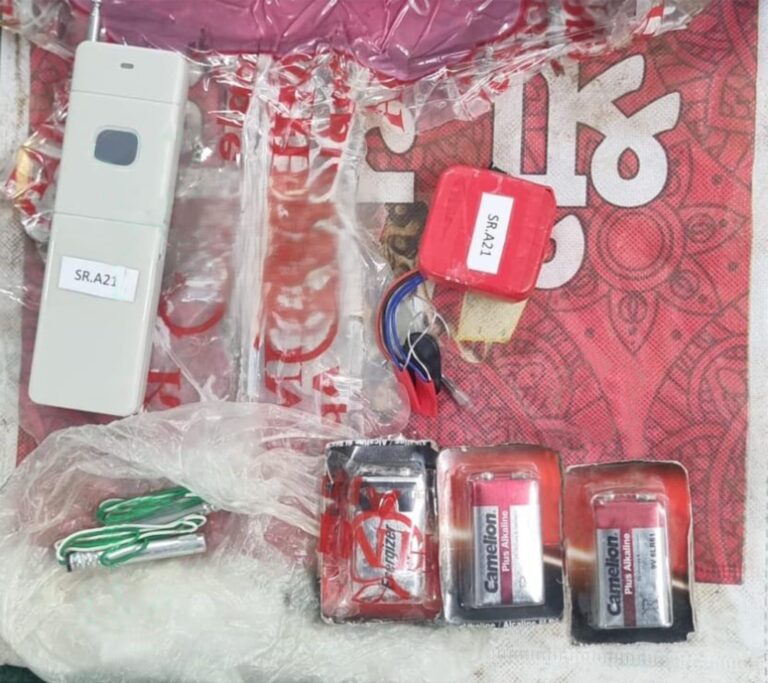
Srinagar, Apr 8: Security forces averted a major terror incident in south Kashmir’s Shopian district after recovering and destroying an improvised explosive device (IED), officials said on Wednesday.

The Army’s Chinar Corps said the operation was carried out jointly with Jammu and Kashmir Police near Chitragam in the Zainapora area.

According to officials, a 14.5-kg IED packed with high explosives and fitted with a remote trigger mechanism was recovered during the operation.

The device was later neutralised in a controlled manner by the bomb disposal squad, they said.

The Army said the timely action helped avert a potential terror incident in the area and reiterated its commitment to maintaining security in Kashmir.(KNS)

Traffic restored on Jammu-Srinagar NH after landslide clearance

0

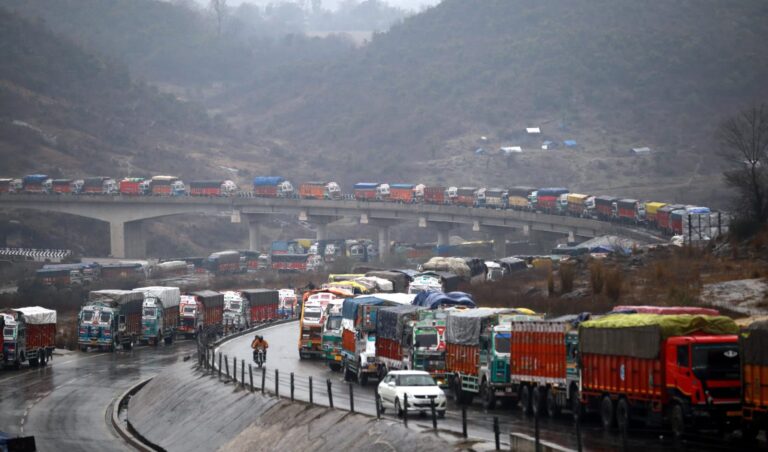
Srinagar, Apr 8: Vehicular traffic was restored on the strategic 270-km-long Jammu-Srinagar National Highway (NH-44) on Wednesday evening following the clearance of landslides that had blocked the road in Ramban district, officials said.

Traffic movement was resumed after debris was cleared between Karol Bridge and Chanderkote, where landslides and shooting stones had blocked both carriageways earlier in the day, they said.

Passenger vehicles are now being allowed to ply from both directions — Jammu to Srinagar and vice versa — on the highway, a traffic department official said.

The official advised travellers to check the road status before commencing their journey and to refrain from travelling during night hours.

“Continuous rains may affect traffic movement. It is advisable to travel only during daytime and to keep following updates on the traffic department’s social media platforms,” the official added.

Commuters can also confirm road conditions from traffic control units in Srinagar and Jammu, he said. (KNS)

KCEF Law College, JKCAG organise Roundtable on Environmental Laws

0

Speakers , Staff, Students participated in Plantation drive

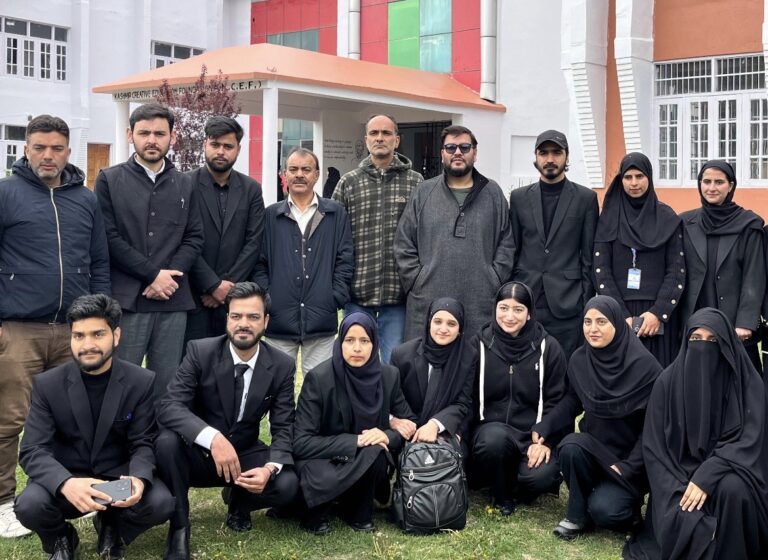
Pulwama, April 8: With an aim of sensitizing law students about different environmental laws, a roundtable was held at KCEF Law College Pulwama in association with J&K Climate Action Group-JKCAG. The programme was presided over by Prof Abdul Hamid Sheikh Director of KCEF Law College. Chairman J&K Climate Action Group Dr Raja Muzaffar Bhat deliberated upon the Environmental Protection Act 1986 , Water Pollution Act 1974, Air Pollution Act 1981 , Municipal Solid Waste Rules 2016 and 2026. He also explained his own case studies, success stories vis a vis these laws and intervention by the National Green Tribunal- NGT .

Environmental Lawyer Advocate Shakir Parray explained how Riverbed Mining Rules were violated in J&K and quoted a case study from Sukhnag river wherein 163 disposal permits were given without any environmental clearance. He said that ensuring adherence to environmental & mining laws on ground through NGTs intervention has broken the “atmosphere of silence” as the mining mafia had created a fear psychosis among people in Kashmir valley.

RTI Activist Mushtaq Ahmad Lone explained how MSW Rules 2016 were being violated while implementing Swachh Bharat Mission Gramin programme. He said that waste segregation sheds set up by the Govt had turned into garbage dumping sites and no segregation of waste takes place in these sheds. He also raised questions about open defecation free status given to many villages ? He urged the students to use environmental laws for public good.


The roundtable discussion focused on key themes such as solid waste management, riverbed mining , water pollution etc. Students interacted with speakers at the end of the programme.

Law students Bisma Jan (9th semester), Suriya Khalil (4th semester), Shanu Jan (LLB 4th), Momin (9th semester) and Aquib Gulzar (9th semester) highlighted several critical issues

confronting Kashmir, including degradation of water bodies, deforestation, and rising pollution levels.


College faculty Rayees Ahmad Wani gave a vote of thanks and  acknowledged the efforts of the organizers especially Prof Abdul Hamid Sheikh and Ajaz Ahmad Lone for holding the event. Dr Raja Muzaffar Bhat appealed participants to identify an environmental issue and take that up with their concerned District Magistrates and even NGT. He said that a  followup workshop would be held in the  college campus in the month of May. After the event the students, speakers and faculty members participated in the plantation drive in the college campus.  The students hailed the initiative for promoting environmental consciousness for the future legal professionals.

India welcomes ceasefire, advocates for de-escalation, dialogue and diplomacy for lasting peace in West Asia

0

Vinod Bhat

New Delhi: As part of its ongoing outreach to keep the media informed on the evolving situation in West Asia, the Government of India convened a briefing at the National Media Centre today. Officials from the Ministries of Petroleum and Natural Gas, Ports, Shipping and Waterways, External Affairs, and Information and Broadcasting provided updates on fuel availability, maritime operations, assistance to Indian nationals in the region, and measures being undertaken to maintain stability across key sectors. The Ministry of Coal also shared updates pertaining to the coal sector.

Coal Sector Updates

The Ministry of Coal provided an update on the current status of coal availability and measures being taken to ensure uninterrupted supply across the country. As per Ministry:

  • In the current geopolitical situation, the coal sector carries greater responsibility and stands fully prepared to meet consumer needs, supported by Indian Railways and adequate coal stocks at mines and thermal power plants. With a round-the-year proactive approach and timely planning, sufficient stocks were built well in advance of the evolving West Asia situation, ensuring energy security and insulating the country from potential disruptions.
  • In view of the evolving geopolitical developments, the Ministry of Coal has undertaken proactive and coordinated measures, including an affordability-focused approach through enhanced availability and close coordination with the Ministry of Power, Indian Railways and State Governments to ensure seamless coal supply and prevent shortages.
  • Coal India Limited and Singareni Collieries Company Limited have absorbed higher input costs, including increased prices of explosives and diesel, without passing them on to consumers.
  • To ensure affordability and availability, Coal India Limited has reduced the reserve price of coal under e-auctions and increased supply through e-auctions and the State Nominated Agency mechanism. Coal supply for small, medium and other consumers has been optimized through these two channels, with higher allocations to meet emergent and short-term requirements.
  • Coal India Limited increased the frequency of e-auctions in March 2026, offering 32.53 million tonnes of coal, of which 13.32 million tonnes, about 40.94 percent, was booked, indicating adequate supply. For April 2026, 30 e-auctions have been planned offering 25.80 million tonnes; so far 3.20 million tonnes have been offered and 1.24 million tonnes booked, about 38.75 percent.
  • The Ministry has advised State Governments to submit demand in a timely manner and to prevent profiteering and hoarding, while ensuring fair distribution. Coal offtake by State Nominated Agencies is being monitored daily. The annual average offtake for 2025-26 stood at 14.26 percent against allocation, with States permitted to lift the remaining allocation within 90 days beyond 31.03.2026; offtake during the extended period stands at 14.75 percent.
  • Following coordination with States, Bihar, Gujarat, Himachal Pradesh, Madhya Pradesh, Odisha, Punjab and Tripura have submitted allocation requests, and a total of 1.502 million tonnes of coal has been allocated for 2026-27. Allocation to remaining States is being undertaken upon receipt of their requests.
  • Adequate buffer stocks of coal have been maintained across the value chain. Coal stocks at thermal power plants stand at 55.18 million tonnes as on 06.04.2026, sufficient for about 24 days based on recent consumption. In addition, about 171.90 million tonnes of coal is available at mines and in transit, including stocks at Coal India Limited, Singareni Collieries Company Limited, captive mines, ports and transit.
  • Coal production continues to match consumption levels without deficit, and offtake support from Indian Railways remains adequate. With strong logistics support and comfortable stock position, the coal sector is fully equipped to meet the nation’s energy needs.

Energy Supply and Fuel Availability

The Ministry of Petroleum and Natural Gas shared an update on the current fuel supply situation, outlining measures being undertaken to ensure uninterrupted availability of petroleum products and LPG amid the ongoing developments affecting the Strait of Hormuz. It was noted that:

Public Advisory and Citizen Awareness

  • Citizens are advised to avoid panic purchase of petrol, diesel and LPG and rely only on official sources for information.
  • LPG consumers are requested to use digital booking platforms and avoid visiting distributors.
  • Citizens are encouraged to use alternate fuels such as PNG and electric or induction cooktops.
  • All citizens are urged to conserve energy during the current situation.

Government Preparedness and Supply Management Measures

  • Despite the ongoing geopolitical situation, the Government has prioritised domestic LPG and PNG supply, particularly for hospitals and educational institutions.
  • The Government has already implemented several rationalisation measures on both the supply and demand side, including enhancing refinery production, increasing the booking interval from 21 to 25 days in urban areas and up to 45 days in rural areas and prioritising sectors for supply.
  • Alternate fuels such as kerosene and coal have been made available to ease pressure on LPG demand.
  • The Ministry of Coal has directed Coal India and Singareni Collieries to supply additional coal to States for distribution to small and medium consumers.
  • States have been advised to facilitate new PNG connections for domestic and commercial consumers.

Coordinated Efforts with States/UTs and Institutional Mechanisms

  • State Governments are empowered under the Essential Commodities Act, 1955 and LPG Control Order, 2000 to monitor supply and act against hoarding and black marketing of petroleum products.
  • The Government of India vide letters dated 27.03.2026 and 02.04.2026 have stressed the need for proactive public communication to reassure citizens regarding adequate fuel availability. Regular review meetings are being held with States/UTs. In this context, meetings were convened on 02.04.2026 (Chaired by Secretary, MoPNG) and on 06.04.2026 (Chaired by Secretary, MoPNG along with Secretaries of I&B and Consumer Affairs), wherein the following was emphasized:
    • To issue daily press briefings and issue regular public advisories.
    • To actively monitor and counter fake news / misinformation on social media.
    • To intensify daily enforcement drives by District admin and to continue raids and inspections in coordination with OMCs
    • To issue Commercial LPG allocation orders within their States/UTs
    • To issue SKO allocation orders for additional SKO allotted to the States/UTs.
    • To promote PNG adoptions and alternate fuels.
    • To prioritise LPG supply, especially for domestic needs, and adopt targeted distribution of 5 kg FTL cylinders to ensure supply stability.
  • All States/UTs have established control rooms and district monitoring committees to curb hoarding and black marketing.
  • Currently, 24 States/UTs are issuing regular press briefings.

Enforcement and Monitoring Actions

  • Enforcement actions continue across the country to curb hoarding and black marketing of LPG. Yesterday, around 4000 raids were conducted, and about 1000 cylinders were seized across the country.
  • Till date, more than 56,000 LPG cylinders have been seized across the country.
  • PSU Oil Marketing Companies have strengthened surprise inspections and issued over 1770 show-cause notices, imposed penalties on 175 LPG distributorships and suspended 51 distributorships.

LPG Supply

Domestic LPG Supply Status:

  • LPG supply continues to be affected by the prevailing geopolitical situation.
  • No dry-outs have been reported at LPG distributorships.
  • Online LPG bookings have increased to about 95% across the industry.
  • Delivery Authentication Code (DAC) based deliveries have increased to around 91% to prevent diversion.
  • Domestic LPG cylinder deliveries remain normal.
  • On 07.04.2026, more than 53.5 Lakh domestic LPG cylinders were delivered.

Commercial LPG Supply and Allocation Measures:

  • Total commercial LPG allocation has been increased to about 70% of pre-crisis levels, including 10% reform-linked allocation.
  • The Government of India vide letter dated 08.04.2026 has now conveyed that–
    • Industrial units in the sectors of Pharma, Food, Polymer, Agriculture, Packaging, Paint, Uranium, Heavy Water, Steel, Seed, Metal, Ceramic, Foundry, Forging, Glass, Aerosol etc. shall also receive 70% of the units’ pre-March 2026 Bulk non-domestic LPG consumption level subject to an overall sectoral limit of 0.2 TMT/day.
    • Conditions stipulated in Para (b) of letter dated 21.03.2026 regarding registration with OMCs and Para (c) regarding application for PNG to CGD entities must also be fulfilled by the respective industries to avail Bulk LPG under this allocation. However, if the industries mentioned above use LPG as an integral input in the manufacturing process or for specialised purposes that cannot be substituted by Natural gas, the requirement relating to application for PNG shall stand waived.
  • The Government of India vide letter dated 06.04.2026 has conveyed that daily quantity of 5 Kg FTL cylinders in each State available for disbursal to migrant labourers is being doubled based on the average daily supply (Number of cylinders) to migrant labourers during 2nd-3rd March 2026 beyond the limit of 20% mentioned in letter dated 21.03.2026. These 5 Kg FTL cylinders will be at disposal of the State Government for supplying only to migrant labourers in their State with assistance of Oil Marketing Companies (OMCs).
  • Since 23 March 2026, about 8.9 lakh 5-kg Free Trade LPG cylinders have been sold.
  • PSU OMCs have organised around 1600 awareness camps for 5 Kg FTL Cylinders during last 5 days, wherein More than 14,000 – 5Kg FTL cylinders were also sold.
  • On 07.04.2026, more than 1.1 Lakh 5 Kg FTL Cylinders were sold across the country against a daily average of 77000 in the month of Feb-26.
  • A three-member committee of Executive Directors from IOCL, HPCL and BPCL is coordinating with State authorities and industry bodies to plan commercial LPG distribution.
  • About 93,085 MT of commercial LPG (equivalent to over 49 lakh 19-kg cylinders) has been sold since 14 March 2026. Yesterday, 6646 MT of Commercial LPG (Equivalent to more than 3.5 Lakh – 19 Kg cylinders) was sold.

Natural Gas Supply and PNG Expansion Initiatives

  • Priority sectors continue to receive protected supplies, including 100% supply to domestic PNG and CNG transport.
  • Based on available inventory and scheduled LNG cargo arrivals, the overall gas allocation to fertilizer plants is being further enhanced by 5% to reach approximately 95% of their six-month average consumption, effective 09.04.2026.
  • Gas supply to other industrial and commercial sectors, including City Gas Distribution (CGD) networks, has also been enhanced by a further 10%, effective 06.04.2026.
  • CGD entities have been advised to prioritise PNG connections for commercial establishments such as hotels, restaurants and canteens, to address concerns regarding the availability of commercial LPG.
  • CGD companies including IGL, MGL, GAIL Gas and BPCL are offering incentives for domestic and commercial PNG connections.
  • States/UTs and Central Ministries have been requested to expedite approvals required for expansion of CGD networks.
  • The Government of India vide letter dated 18.03.2026 has offered all States/UTs additional 10% allocation of commercial LPG to States provided they can help in long term transition from LPG to PNG.
  • 18 States/UTs like Gujarat, Karnataka, Andhra Pradesh, Keralam etc. are already receiving additional commercial LPG allocation linked to PNG expansion reforms.
  • PNGRB has directed CGD entities to connect institutions such as schools, hostels, community kitchens and anganwadi kitchens through PNG within five days where pipelines are available.
  • The Ministry of Road Transport & Highways has adopted an Accelerated Approval Framework for CGD infrastructure for three months to process applications on priority.
  • The Government of India vide Gazette dated 24.03.2026 has notified the Natural Gas and Petroleum Products Distribution (Through Laying, Building, Operation and Expansion of Pipelines and Other Facilities) Order, 2026 under the Essential Commodities Act, 1955. The Order provides a streamlined and time-bound framework for laying and expanding pipelines across the country, addressing delays in approvals and access to land, and enabling faster development of natural gas infrastructure, including in residential areas. It is expected to accelerate PNG network growth, enhance last-mile connectivity, and support the transition to cleaner fuels, thereby strengthening energy security and advancing India’s gas-based economy.
  • The Ministry of Defence has issued a short-term policy modification till 30 June 2026 to expedite PNG infrastructure installation in defence residential areas.
  • PNGRB has extended the National PNG Drive 2.0 till 30 June 2026 to sustain momentum in PNG expansion.
  • To encourage cleaner, more secure and self-reliant energy future, the Government of India has developed a model draft State CBG Policy. The model policy is intended to serve as a comprehensive flexible guiding framework to enable States to create their own investor-friendly and implementation-oriented ecosystem for CBG development. Those States which opt for this, will be prioritized for the next tranche of additional allocation of commercial LPG.
  • Since March 2026, about 3.87 lakh PNG connections have been gasified and about 4.21 lakh additional customers have registered for new connections.
  • More than 17,100 PNG consumers have surrendered their LPG connections via MYPNGD.in website.

Crude Position and Refinery Operations

    • All refineries are operating at high capacity with adequate crude inventories, while sufficient stocks of petrol and diesel are being maintained.
    • Domestic LPG production from refineries has been increased to support domestic consumption.
    • The Government of India vide order dated 01.04.2026 has permitted Refining companies including Petrochemical Complexes in India to make available certain minimum quantities of C3 & C4 streams for critical sectors like Department of Pharmaceuticals, Department of Food & Public Distribution, Department of Chemicals & Petro Chemicals etc. based on specific quantity and refinery source as determined by the Centre for High Technology (CHT).
    • Provision for 800 MT/day has been made for companies related to above departments.

Retail Fuel Availability and pricing Measures

  • Retail outlets across the country are operating normally.
  • The Middle East crisis has led to an abnormal increase in crude prices; however, to protect consumers, the Government of India has reduced excise duty on petrol and diesel by ₹10 per litre.
  • Export levy has been imposed at ₹21.5 per litre on diesel and ₹29.5 per litre on Aviation Turbine Fuel (ATF) to ensure adequate domestic availability.
  • Retail prices of petrol and diesel remain unchanged with no increase at retail outlets.
  • The Government has advised citizens not to believe rumours and requested State Governments to disseminate accurate information through press briefings.

Kerosene Availability and Distribution Measures

  • An additional allocation of 48,000 KL of kerosene has been provided to States/UTs over and above regular allocation.
  • The Government of India vide Gazette notification dated 29.03.2026 has facilitated distribution of PDS Superior Kerosene Oil (SKO) in PDS SKO Free States/UTs for cooking and lighting purpose only –
    • A maximum of two PSU OMC service stations per district (preferably Company Owned Company Operated) are permitted to store up to 5,000 litres of PDS SKO.
    • These PSU OMC service stations shall be designated by the State Government or UT administration in each district.
  • 18 States/UTs have issued SKO allocation orders, while Himachal Pradesh and Ladakh have indicated no requirement.

Maritime Safety and Shipping Operations

The current maritime situation in the Persian Gulf, along with measures being undertaken to safeguard Indian vessels and crew, was also briefed. It was stated that:

  • All Indian seafarers in the region are safe and no incident involving Indian-flagged vessels has been reported in the past 24 hours.
  • The Directorate General of Shipping (DG Shipping), in coordination with ship owners, RPSL agencies and Indian Missions, continues to closely monitor the situation.
  • The DG Shipping Control Room remains operational 24×7 and has handled 5481 calls and 11,726 emails since activation, including 139 calls and 673 emails in the past 24 hours.
  • DG Shipping has facilitated the safe repatriation of over 1754 Indian seafarers so far, including 63 in the last 24 hours from airports and various regional locations across the Gulf.
  • Port operations across India continue normally with no congestion reported. State Maritime Boards of Gujarat, Maharashtra, Goa, Keralam, Andhra Pradesh and Puducherry have confirmed smooth functioning.
  • The Ministry continues to coordinate with the Ministry of External Affairs, Indian Missions and maritime stakeholders to ensure the welfare of Indian seafarers and uninterrupted maritime operations.

Safety of Indian Nationals in the Region

Recent developments in the region, including assistance through Indian Missions, were shared during the briefing. It was informed that:

  • The Ministry of External Affairs continues to closely monitor the evolving situation in the West Asia region. Ensuring the safety, security and welfare of the large Indian community in the region remains our highest priority. To support Indian nationals and their families, a dedicated special control room in the Ministry is operational. The Ministry continues to be in regular touch with the State Governments and Union Territories to share information and align efforts.
  • Missions and Posts across the region are working continuously, operating round-the-clock helplines, and remain actively engaged with Indian community associations, organizations and Indian companies. Regular advisories are being issued providing updated information for nationals. Missions remain in close touch with local governments and are proactively addressing issues and concerns of Indian nationals, including facilitation for visas, consular services, transit through neighbouring countries where there are airspace restrictions, and providing logistical support wherever required.
  • Flights continue to operate from the region to India from countries where airspace is open. Since 28 February, around 7,88,000 passengers have travelled from the region to India.
  • In view of flight restrictions and airspace closure in Israel, Iraq, Kuwait and Bahrain, travel of Indian nationals continues to be facilitated through alternate routes:
  • from Iran, through Armenia and Azerbaijan to India
  • from Israel, through Egypt and Jordan to India
  • from Iraq, through Jordan and Saudi Arabia to India
  • and from Kuwait and Bahrain, through Saudi Arabia to India
  • The Embassy of India has issued a fresh advisory urging Indian nationals to expeditiously exit Iran in coordination with the Embassy as per the advised routes. It is understood that around 7,500 Indian nationals remain in Iran.
  • As of yesterday, the Embassy has facilitated the exit of 1,864 Indian nationals from Iran through the land border with Armenia and Azerbaijan. This includes 935 Indian students and 472 Indian fishermen.

Union Minister of Power and Housing & Urban Affairs to Embark on a 4-Day Visit to Bhutan tomorrow

0

Vinod Bhat

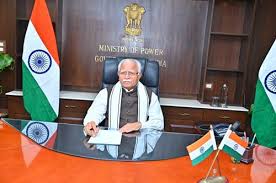
New Delhi: Shri Manohar Lal, Union Minister of Power and Housing & Urban Affairs, Government of India, shall embark on a four day official visit to Bhutan, aimed at further strengthening the longstanding partnership between India and Bhutan, particularly in the hydropower and energy sectors.

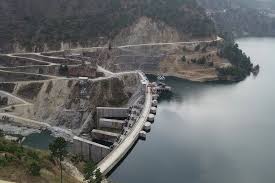
During the visit, the Union Minister will review the progress of key bilateral hydropower projects, including the Punatsangchhu-I and Punatsangchhu-II Hydroelectric Projects, which are central to the India–Bhutan energy cooperation framework. He is also scheduled to participate in important project milestones and interact with officials and technical teams involved in their implementation and operation.

The visit underscores the shared commitment of both countries to deepen cooperation in clean energy, enhance cross-border power trade, and support Bhutan’s socio-economic development. Hydropower collaboration remains a cornerstone of India–Bhutan relations, delivering mutual benefits through sustainable energy generation and strengthened economic ties.

The Union Minister’s engagements in Bhutan will also include discussions with senior Bhutanese leadership to further advance bilateral cooperation across sectors of mutual interest.

Cabinet approves Investment Proposal for construction of 1200 MW Kalai-II Hydro Electric Project in Anjaw District of Arunachal Pradesh with an outlay of Rs.14105.83 crore

0

Vinod Bhat

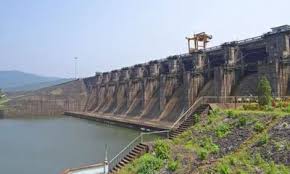
New Delhi: The Cabinet Committee on Economic Affairs, chaired by the  Prime Minister Shri Narendra Modi has approved investment of Rs.14,105.83 crore for construction of Kalai-II Hydro Electric Project (HEP) on Lohit river in Anjaw District of Arunachal Pradesh. The estimated completion period for the project is 78 months.

The project with an installed capacity of 1200 MW (6 x 190 MW & 1 x 60 MW) is expected to generate 4852.95 MU of energy annually. As the first hydro project in the Lohit Basin, it will strengthen power supply in the State, support in peak demand management, and contribute to balancing the national grid.

The Project will be implemented through a Joint Venture Company between THDC India Limited and the Govt. of Arunachal Pradesh.  Government of India shall extend ₹599.88 crore as budgetary support for construction of roads, bridges and associated transmission line under enabling infrastructure besides Central Financial Assistance of ₹750 crore towards equity share of the State.

The State will receive 12% free power and an additional 1% earmarked for the Local Area Development Fund (LADF), along with significant infrastructure development and socio-economic benefits for the region.

There will be significant improvement in infrastructure in Namsai and Anjaw District of Arunachal Pradesh, including the development of around 29 kilometres of roads and bridges, for the project which shall be mostly available for local use. Local populace shall also be benefitted from many sorts of compensations, employment and CSR activities.

Cabinet Approves ₹26,069 Cr Kamala Hydro Project in Arunachal Pradesh

0

Vinod Bhat

New Delhi: The Cabinet Committee on Economic Affairs, chaired by the  Prime Minister Shri Narendra Modi has approved investment of Rs.26,069.50 crore for construction of Kamala Hydro Electric Project (HEP) in Kamle, Kra Daadi & Kurung Kumey Districts of Arunachal Pradesh. The estimated completion period for the project is 96 months.

The project with an installed capacity of 1720 MW (8 x 210 MW & 1 x 40 MW) is expected to generate 6870 MU of energy. The power generated from the Project will strengthen power supply position in the state of Arunachal Pradesh, support in peak demand management, contribute to national grid balancing and will provide flood moderation benefit in the Brahmaputra valley. In addition to Kamala HEP, other hydropower projects—Subansiri Lower (2000 MW), Dibang Multipurpose (2880 MW) is under construction, and Etalin (3097 MW) is planned for development by NHPC Limited in Arunachal Pradesh.

The Kamala HEP will be implemented through a Joint Venture Company between NHPC Limited and the Govt. of Arunachal Pradesh. Government of India shall extend Rs.4743.98 crore as budgetary support towards flood moderation component and Rs.1340 crore as budgetary support for enabling infrastructure viz. construction of roads, bridges and associated transmission system besides Central Financial Assistance of Rs.750 crore towards the equity share of the State.

The State will receive 12% free power and an additional 1% earmarked for the Local Area Development Fund (LADF), along with significant infrastructure development and socio-economic benefits for the region.

There will be significant improvement in the infrastructure in Kamle, Kra Daadi & Kurung Kumey Districts of Arunachal Pradesh, including the development of around 196 kms of roads and bridges, for the project which shall be mostly available for local use. The district will also benefit from the construction of essential infrastructure such as hospitals, schools, marketplaces etc. to be financed from dedicated project funds of Rs.8 crore. Local populace shall also be benefitted from compensations, employment and CSR activities.

Beside Kamala HEP, three major hydropower projects—Subansiri Lower (2000 MW), Dibang Multipurpose (2880 MW), and Etalin (3097 MW)—are being developed by NHPC Limited in Arunachal Pradesh and Assam. Subansiri Lower HEP (2000 MW) is at an advanced stage with 750 MW already commissioned and remaining capacity is expected to be commissioned by December 2026, while all projects will provide 12% free power to the host states and support local development through a Local Area Development Fund equivalent to 1% of project revenue.

Cabinet approves revision in cost and investment in equity for HPCL Rajasthan Refinery Limited (HRRL), Pachpadra, District – Balotra, Rajasthan

0

Vinod Bhat

New Delhi: The Cabinet Committee on Economic Affairs, chaired by the Prime Minister Shri Narendra Modi has approved the revision of HPCL Rajasthan Refinery Limited (HRRL) project cost from Rs.43,129 Crore to Rs.79,459 Crore and additional equity investment of Rs.8,962 Crore by Hindustan Petroleum Corporation Limited (HPCL). The total equity investment of HPCL after increment will be Rs.19,600 Crore.

Implementation Strategy and Targets:

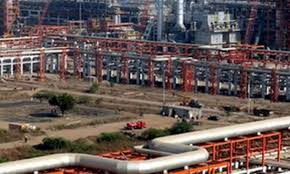
HRRL Refinery is a highly complex refinery with more than 26% Petrochemical product slate. Together with production of 1 MMTPA of Petrol, 4 MMTPA of Diesel, it would produce 1 MMTPA of Polypropylene, 0.5 MMTPA of LLPDE (Linear Low Density Polyethylene), 0.5 MMTPA of HDPE (High Density Polyethylene) and about 0.4 MMTPA of Benzene, Toluene and Butadiene. All these Products are critical to our energy and industrial ecosystem in sectors like transportation, pharma, paints, packaging industries etc. The project will lead to energy independence and reduce import dependence of petrochemical sector. The Scheduled Commercial Operation Date (SCOD) is 1st July, 2026.

Major Impact, including Employment Generation Potential:

HRRL is an important project considering the growing energy needs and the petrochemical requirements of the Country and speciality products production, thereby reducing the Country’s dependence on imports, which will result in saving foreign exchange. Moreover, this project will also contribute towards industrialization of a backward area, usage of locally available Mangala crude and help in promoting India as a refining hub. During the course of execution of this project, HRRL has generated employment opportunities of approximately 25,000 workmen deployed by various stakeholders engaged in the construction of the Refinery Units.

Background:

HRRL, Pachpadra, District – Balotra, Rajasthan, is a 9 Million Metric Tonnes Per Annum (MMTPA) greenfield Refinery-cum- Petrochemical Complex with 2.4 MMTPA petrochemical production capacity. The Project is being implemented by HRRL, a Joint Venture (JV) of HPCL and Government of Rajasthan (GoR) with equity stakes of 74% and 26% respectively.

India surpasses Brazil to secure third position in Global Renewable Energy Rankings: Pralhad Joshi

0

Vinod Bhat

New Delhi: Union Minister for New and Renewable Energy and Consumer Affairs, Food and Public Distribution, Shri Pralhad Joshi said India ranks third globally in Renewable Energy Installed Capacity, according to the Renewable Energy Statistics 2026. He said India has moved ahead of Brazil in the ranking. The International Renewable Energy Agency released the statistics as of December 2025.

While addressing media persons here today, Shri Joshi said India achieved a total non-fossil capacity addition of 55.3 GW during FY 2025–26.

The Minister also highlighted that in July 2025, India reached its highest-ever renewable energy share in electricity generation. The renewables met 51.5% of the country’s total electricity demand of 203 GW. He also said that a total of 283.46 GW of capacity from non-fossil fuel sources has been installed in the country as on 31.03.2026.

Shri Joshi said India’s total power generation during 2025-26 (up to March 2026) reached 1,845.921 BU. The share of non-fossil fuels in total generation reached 29.2% in 2025-26 (538.97 BU). India achieved the milestone of 50% of its cumulative electric power installed capacity from non-fossil fuel sources in June 2025, five years ahead of the 2030 target set under its Nationally Determined Contribution (NDC) to the Paris Agreement.

In line with the Hon’ble Prime Minister’s announcement at COP26, the Ministry of New and Renewable Energy is working towards achieving 500 GW of installed electricity capacity from non-fossil sources by 2030.

So far, a total of 283.46 GW of capacity from non-fossil fuel sources has been installed in the country as on 31.03.2026. This includes 274.68 GW Renewable Energy (150.26 GW Solar Power, 56.09 GW Wind Power, 11.75 GW Bio Energy, 5.17 GW Small Hydro Power, 51.41 GW Large Hydro Power) and 8.78 GW Nuclear Power capacity.

India stands 3rd globally in Renewable Energy Installed Capacity (as per IRENA RE Statistics 2026 with data as on December, 2025).

Total Renewable Energy Installed Capacity (GW)
Country                                     Capacity
China 2258.02
USA 467.92
India 250.52
Brazil 228.20
Germany 199.92
Japan 134.53
Canada 110.51
World 5149.28


Non-Fossil capacity addition in 2025-26 is 55.29 GW and this is the highest increase in any year. (Previously the highest increase was 29.5 GW during 2024-25).

Distributed Renewable Energy (DRE) from Solar has emerged as a significant component of this growth, contributing 16.3 GW (36%) out of the 44.61 GW installed during 2025–26. This includes 7.6 GW under PM KUSUM and 8.7 GW from rooftop solar.

During 2025-26, Wind energy capacity of 6.05 GW has been installed, which is the highest ever capacity addition in a single year. (In the previous year, the wind capacity addition was 4.15 GW).

Renewable Energy (RE) installed capacity has increased 3.59 times since 2014 – increased from 76.38 GW in March 2014 to 274.68 GW in March 2026 i.e. an increase of 198.30 GW.

Solar energy installed capacity has increased 53.28 times since 2014 – increased from 2.82 GW in March 2014 to 150.26 GW in March 2026, i.e. an increase of 147.44 GW.

Wind energy installed capacity has increased 2.66 times since 2014 – increased from 21.04 GW in March 2014 to 56.09 GW in March 2026, i.e. an increase of 35.05 GW.

Wind Turbine Manufacturing Capacity has increased from 10 GW in 2014 to about 24 GW, as on 31.03.2026.

Solar Module Manufacturing Capacity has increased from 2.3 GW in 2014 to about 172 GW, as on 31.03.2026.

In FY 2025–26, an expenditure of Rs. 24,176.68 crore has been incurred against the B.E. of 26,549.38 crore and R.E. of 25,301.22 crore, which is ~91.0% of the B.E. and ~95.5% of the R.E.

Key Policy Implemented by the Ministry of New & Renewable Energy (MNRE) in FY 2025-26

The GST rate on renewable energy devices & parts for their manufacture was reduced from 12% to 5%, w.e.f. 22.09.2025. This will benefit domestic buyers: project developers, DISCOMs, rooftop solar installers, and captive users, by reducing the landed cost of solar equipment.

BCD exemption extended to capital goods for lithium-ion cell manufacturing for Battery Energy Storage Systems (effective 2 February 2026 to 31 March 2028). This will reduce the reliance on imported battery packs, primarily from China, strengthening India’s Atmanirbhar Bharat goals in the energy sector.

Renewable Energy Equipment Import Monitoring System (REEIMS) portal, launched in October 2025 enabled real-time tracking of import patterns of critical renewable energy equipment, ensuring greater supply chain transparency, regulatory compliance, and prevention of misuse of imported components.

On the recommendation of MNRE, MoP has revised the RCO compliance framework under the Energy Conservation Act, 2001, superseding the earlier October 2023 notification. State-level RPO targets are subsumed within this unified RCO framework, eliminating dual obligations under the Electricity Act, 2003.

CERC (Sharing of Inter-State Transmission Charges and Losses) (Fourth Amendment) Regulations, 2025 issued on 26.06.2025 to provide ISTS waiver trajectory for RE and BESS projects, including provision of extension of waiver in case of delay on account of Force Majeure event including non-availability of transmission system or for reasons not attributable to the Renewable Energy Generator.

CERC (Connectivity and General Network Access to the Inter-State Transmission System) (Third Amendment) Regulations, 2025 introduced a non-solar hour connectivity framework. This will help in better utilization of the transmission network.

Guidelines for Virtual Power Purchase Agreements (VPPA) issued by CERC. VPPA provides an additional instrument to enable the Designated Consumers to meet their RCO targets.

Pilot Scheme for Contract for Difference (CfD) for RE projects of 500 MW capacity issued by MNRE. The CfD mechanism, a globally proven framework, guarantees stable revenues to renewable energy developers while preserving competitive, market-based price discovery.

The National Policy on Geothermal Energy was issued in September 2025, providing a comprehensive strategic framework to accelerate the exploration, development, and commercial utilization of geothermal resources across the country.

The Ministry has formally inaugurated the Jaiv-Urja Mitra programme under the Human Resource Development (HRD) framework. This strategic initiative is designed to bolster the renewable energy value chain by providing specialized technical training and capacity-building for key stakeholders, including biomass aggregators, feedstock depot operators, and Compressed Biogas (CBG) technicians.

The Ministry has issued the modified “Solar Systems, Devices, and Components Goods Order, 2025” (Quality Control Order (QCO) 2025) via Gazette Notification dated 27th January 2025. This revised order supersedes erstwhile QCO, 2017 and incorporates the latest versions of Indian Standards for Solar PV Modules, Storage Batteries, and SPV Inverters. The order also provides standards for the determination of efficiency of SPV modules.

Progress Under Major Programmes of MNRE

A.  Solar 

India crossed the 150 GW milestone with cumulative installed solar capacity of 150.26 GW as on 31-03-2026.

150.26 GW includes 110.43 GW of Utility scale, 25.73 GW of Roof top and 14.10 GW of KUSUM & off grid projects.

Highest ever solar capacity addition in a FY of 44.61 GW, against the target of 34 GW.  This is almost double than 23.83 GW, added in FY 2024-25, the previous highest solar capacity addition in a FY.

Highest ever solar capacity addition in a single month (6.66 GW).

Highest ever addition in distributed solar in a single FY of 16.31 GW, which includes 8.71 GW of Rooftop Solar and 7.67 GW of KUSUM projects, almost 36% of the total installed capacity in this FY 2025-26. Cumulative rooftop installations benefited more than 42 lakh households till now in the country, with PMSG touching 34.3 lakhs including 22.7 lakhs in a single FY 25-26

Out of the remaining 28.30 GW (44.61 – 16.31), ~15 GW of capacity are of PPA route projects and remaining ~13 GW are from C & I including captive projects 8.71 GW of Rooftop includes 6.72 GW of PMSG: MBY projects and remaining ~2 GW is from C & I sector projects·

In total, the C & I sector, including captive, contributed to about 15 GW (~34 %) of solar capacity addition in this FY.

Other achievements:

Particulars In FY 2025 In FY 2026 Steps taken
No of installations in PMSG: MBY 8.51 lakh


(10.9 Lakh households benefitted)

18.71 lakh

(~2x increase)


(22.7 lakh Households benefitted)

·         City accelerator program has been initiated in 41 cities to accelerate RTS in cities.

·         Inter ministerial convergence with MOHUA for SHG involvement, MOC for cooperatives and MoRD/MoP for involving Panchayats in RTS installations

·         Net metering agreement has been subsumed into the National portal without requirement of separate process under Rights of Consumers Rules 2020

·         Centralized digital portal with auto feasibility improvised with reporting.

·         Awareness creation with focus on collateral free soft loans through banks- 13.7 lakh loan applications sanctioned and  11.3 lakhs disbursed.

Installations in PM KUSUM 3.66 GW 7.67 GW

(~2x increase)

Out of the 25 lakh pumps installed/solarized till date, 13.93 lakh pumps were done so in FY 25-26 itself


Extension of KUSUM 1.0 till 31st March 2027

·

Awareness creation through 4 regional meets and workshops across the country including Seva Pakwada.


MH has set up a Guinness World Record this year for single solar pumps installed in a single month (49.5K)

·

Solar PV module manufacturing capacity (cumulative) ~74 GW ~172 GW

(~98 GW added In FY 2025-26)

ALMM pathways for Ingot-wafer announced for June 2028.


8 out of 12 PLI manufacturers have started production in one or the other value chain.


BCD exemption on some solar glass components like sodium antimonate.


ADD/CVD on Solar glass has been imposed during the FY to reduce dumping.


BCD exemption on import of basic raw material for manufacturing of encapsulant and tinned copper inter-connect extended.


GST equipment rate reduced from 12% to 5%


DCR monitoring through NISE -DCR portal strengthened.


Import monitoring through the REIMS portal has started.

Imports of solar modules USD 2,152 mil USD 758 mil*

(~3x decrease)

C& I Sector capacity addition ~10 GW ~15 GW

(~1.5x increase)


DCR Module Availability across manufacturers has improved


Green Energy Open Access rules notified by states


Green Term Ahead Market active

*Till Jan. 2026.


Under the PM KUSUM scheme, the number of pumps installed/solarised in FY 2025–26 reached 13.94 lakh pumps, with 7,672.35 MW capacity added during the year and a cumulative installed capacity of 13,111.87 MW. The scheme has contributed to estimated savings of 12.59 million tonnes of CO₂ emissions and 734.52 million litres of diesel.

B.   Wind

Highest-ever annual wind capacity addition of 6.05 GW during FY 2025-26 (46% higher than FY 2024–25 (4.15 GW).

Cumulative installed wind power capacity has crossed 56 GW positioning India as 4th rank in terms of Global Installed Wind Turbine Capacity.

Expenditure of allocated Rs. 500 crore under Wind GBI Scheme.

C & I sector including captive contributed to about 4.5 GW (~75 %) of the total wind capacity addition in this FY Wind turbine (Nacelle and Hub) manufacturing capacity increased to 24 GW from 18 GW.

Facilitation of MoD clearance for wind power projects. About 66 GW sites was identified across windy states and classified as 1) No clearance required zone 2) Clearance required zone and 3) No WTG Zone. This facilitated developers for identifying sites and reducing project risk.  Close coordination with MoD and MHA resulted in faster project clearances.

A Task Force has been constituted on 15th January, 2026 in order to address issues relating to Regulatory & Land/Right of Way, Grid Allocation and construction for Wind Power Projects including members from Grid India, CTU, NIWE, State Departments, MoP and industry associations. This will facilitate better coordination with various State Govts to ensure timely execution of the projects and reduce bottlenecks.

Amendment to Procedure for inclusion/updating Wind Turbine Model in the Approved List of Models and Manufacturers of Wind Turbines (ALMM) issued on 31st July 2025 and an Standard Operating Procedures (SoP) was issued on 29.10.2025.

C.  National Bioenergy Programme


Based on the recent revisions to the National Bioenergy Programme, the Bioenergy Division has implemented significant facilitation measures to accelerate Waste-to-Energy (WtE) and Biomass projects (FY 2021-22 to 2025-26).

Here are the key inputs regarding the revisions:

v  Revisions in Waste-to-Energy (WtE) Guidelines (2025)

Staggered CFA Release: To improve liquidity, Central Financial Assistance (CFA) is released in two stages (50% upon submission of Consent to Operate Certificate; 50% at 80% capacity) instead of upon final completion.

Performance-Based Subsidy: Pro-rata CFA disbursement for plants operating at 50-80% capacity, with no subsidy if PLF is below 50%.

Streamlined Inspection: Joint inspections are now conducted by SSS-NIBE and State Agencies.

v  Revised Biomass Programme Guidelines (2025)

Reduced Documentation: Simplified, reduced requirements for briquette/pellet manufacturers to enhance Ease of Doing Business.

Flexible Sale Agreements: Replaced mandatory two-year pellet contracts with general sale agreements, allowing for market adaptation.

Technological Shift: IoT-based monitoring or quarterly data submission is now permitted instead of mandatory SCADA systems.

Performance-Based Evaluation: Reduced operational verification from 3 days to a single 10-hour continuous operation.

With these reforms, the division was able to ramp up release of CFA in FY 2025-26 beyond 50% of the total budget outlay of Rs 998 Cr.


D.  Green Energy Corridor


Under the Green Energy Corridor programme of the Ministry of New and Renewable Energy, seven states have successfully completed Green Energy Corridor Phase-I, strengthening the grid for renewable energy integration.

To support renewable energy evacuation, the Government released around ₹787 crore during 2025–26 for development of transmission infrastructure under the programme.

The Ministry has declared about 345 GW of Renewable Energy Potential Zones beyond the 500 GW transmission plan, enabling advance transmission planning and providing visibility to developers and investors.

Planning for the next phase of the Green Energy Corridor is underway, which will expand transmission infrastructure to more states and support further growth of renewable energy across the country.

E.   National Green Hydrogen Mission


The National Green Hydrogen Mission (NGHM) was approved by the Cabinet with an initial outlay of ₹ 19,744 crore up to the year 2029-30. The objective of the Mission by 2030 is to produce at least 5 Million Metric Tonnes per Annum of Green Hydrogen. Further, the expected outcomes of the Mission include RE capacity addition of 125 GW, over Rs. 8 lakh crores in total investments, creation of over 6 lakh full time jobs and aversion of 50 MMT per annum of CO2 emissions.

The National Green Hydrogen Mission (NGHM), with a total outlay of ₹19,744 crore, marked transformative progress in FY 2025-26, positioning India as a global leader in cost-competitive green fuel production.

v   Breakthrough Price Discovery & Tenders

This fiscal year witnessed record-breaking price discoveries that have significantly narrowed the gap between green and grey hydrogen:

●     SECI Green Ammonia Tenders: SECI successfully conducted auctions for the production and supply of 724,000 MTPA of Green Ammonia to fertilizer units.

●     Lowest Ammonia Price: The competitive bidding process reached a record low price discovery of ₹49.75 per kg for supply to IFFCO in Odisha. Th weighted average is Rs. 53.27 per kg Green Ammonia

●     Numaligarh Refinery (NRL) Tender: A historic milestone was achieved in refinery tenders, with NeuEN Green Energy (a BPCL-Sembcorp JV) discovering a price of ₹279 per kg for the supply of 10,000 tonnes per year of Green Hydrogen to NRL in Assam.

v  Strategic Agreements & Industrial Transition

●     GAPA & GASA Signing: In March 2026, the government finalized the exchange of Green Ammonia Purchase Agreements (GAPA) and Green Ammonia Supply Agreements (GASA) for 670,000 tons per annum. These 10-year agreements provide demand certainty and are expected to save approximately $2.5 billion in foreign exchange.

●     Industrial Commissioning: JSW commissioned 3,600 MTPA of Green Hydrogen production capacity in November 2025.

●     Refinery Integration: Projects for 30,000 MTPA of Green Hydrogen were awarded across major refineries, including IOCL, BPCL, HPCL, and NRL. Apart from Numaligarh, the prices were in the range of Rs. 330-350 per kg (without taxes)

v  Standards and Regulatory Framework

To facilitate trade and ensure safety, the Ministry established several critical frameworks:

●     Certification Scheme: The Green Hydrogen Certification Scheme of India was officially launched in April 2025.

●     New Standards: Official standards for Green Ammonia and Green Methanol were issued in February 2026.

●     International Alignment: A total of 122 standards were published or adopted by entities like BIS and PESO to regulate the hydrogen value chain.

v  SIGHT Program & Infrastructure

●     Manufacturing Incentives: Under the Strategic Interventions for Green Hydrogen Transition (SIGHT) program, incentives have been awarded for 3,000 MWPA of domestic electrolyser manufacturing capacity.

●     Green Hydrogen Hubs: Three major ports—Kandla, Paradip, and Tuticorin—have been designated as Green Hydrogen Hubs to serve as centers for production and export.


v  Ecosystem Development

●     Pilot Projects: Multiple pilots were sanctioned across hard-to-abate sectors, including ₹208 crore for transport (37 vehicles and 9 refueling stations) and ₹84 crore for the steel sector.

●     Hydrogen Valleys: Four Hydrogen Valley Innovation Clusters (Odisha, Kerala, Pune, and JHV) were sanctioned with a total of ₹170 crore.

●     Skill Development: To support this growing industry, 3,955 personnel were specifically trained in Green Hydrogen technologies during the year.


F.   Small Hydro Power (SHP) Development Scheme for the period FY 2026-27 to FY 2030-31


The Union Cabinet chaired by the Prime Minister Shri Narendra Modi approved the ‘Small Hydro Power (SHP) Development Scheme for the period FY 2026-27 to FY 2030-31’ with an outlay of ₹ 2584.60 crore for installation of Small Hydro Power (SHP) Projects of an approximate capacity of 1500 MW. The scheme will support small hydro projects (between 1-25 MW capacity) to come up in different states and will especially benefit hilly and North Eastern states with high potential for such projects.

This Scheme will rejuvenate the Small Hydro Power sector and will help in exploiting the available potential at a much faster pace. SHP projects are environmentally sustainable, as they avoid large-scale land acquisition, deforestation, and displacement of communities.  It will also promote socio-economic development of remote areas by boosting local investment, apart from creating long-term employment with project lifespans typically ranging from 40 to over 60 years.

G.  R&D


Geothermal Energy: MNRE sanctioned five (05) projects during July–August 2025, including a pilot production plant, resource assessment, and a solar–geothermal hybrid plant, to establish techno-economic viability.

Solar PV R&D: At Indian Institute of Technology Bombay, MNRE-supported research has achieved 30% in silicon tandem solar cells at the National Centre for Photovoltaic Research and Education (NCPRE) and 26% efficiency in perovskite solar cells, marking progress in next-generation solar technologies.

Energy Storage: In December 2025, MNRE sanctioned a project to Indian Institute of Technology Roorkee for development of sodium-ion battery technology as a cost-effective alternative to lithium-based systems.

Solar Calibration Facility: A National Primary Standard Facility has been established at CSIR–National Physical Laboratory, enabling high-accuracy calibration (0.35% uncertainty) and placing India among globally recognised WPVS laboratories, reducing reliance on overseas services.

H.      Skill Development & Capacity Building in Renewable Energy

v  Achievements (FY 2025–26)

Under the Skill development & capacity building programmes of the Ministry, 1,24,793 candidates were trained in solar, wind, and green hydrogen sectors to support installation, operation, and maintenance of RE projects. This includes 7,380 under HRD (5,301 placed), 1,13,458 under PM-SGMBY, and 3,955 under NGHM.

Fellowship and internship programmes facilitated transition of beneficiaries into industry roles, entrepreneurship, and other career pathways, strengthening the highly qualified manpower pipeline for the RE sector.

v  New Initiatives (FY 2025–26)

  • Vayumitra Skill Development Programme (Phase II) launched for training Wind Farm Engineers, including a Training of Trainers (ToT) component.
  • Jaiv-Urja Mitra Skill Development Programme launched to develop manpower for roles such as Agri-Residue Aggregator, Biomass Depot Operator, and O&M Technicians for CBG and biomass-based industries, promoting rural employment.