spot_imgspot_img
spot_img
Home Blog Page 65

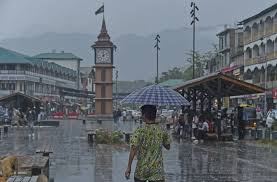
MeT predicts rain, snow till April 10

0

Traffic Police issue advisory, urge commuters to confirm status, avoid night travel


Srinagar, Apr 02: The Meteorological Department has forecast erratic weather conditions across Jammu and Kashmir till April 10, with spells of rain and snow, prompting authorities to issue advisories for residents, farmers, and travellers.

An official of the MeT office in Srinagar told that from April 3 onwards the weather is expected to remain generally cloudy with intermittent light to moderate rain and snowfall at many places. “Thunderstorms, hailstorms, and gusty winds are also likely during the afternoon of April 3 through the evening of April 4,” he added.

The official said isolated higher reaches of both Kashmir and Jammu divisions may receive moderate to heavy rain or snowfall during this period.

Weather conditions are expected to improve slightly on April 5 and 6, with partly cloudy skies and light rain at isolated locations. However, fresh spells of light to moderate rain or snow in higher reaches, accompanied by thunder and gusty winds, are likely again from April 7 to 9.

The MeT office has warned of thunderstorms, hailstorms, and gusty winds with speeds of 40–50 kmph at a few places between April 3 and 4. It has also cautioned that intense showers over short periods could trigger flash floods, landslides, shooting stones, and waterlogging in vulnerable and low-lying areas.

Farmers have been advised to suspend agricultural operations during this period, while travellers have been asked to plan their journeys accordingly.

*TRAFFIC POLICE HEADQUARTERS ISSUES ADVISORY*

Meanwhile, the Traffic Police Headquarters issued a detailed advisory in view of the forecast, urging commuters to travel only after confirming road conditions.

Officials said traffic movement on the Jammu-Srinagar National Highway (NH-44) remained slow between Marog and Kishtwari Pather over the past 24 hours due to single-lane traffic and breakdown of three heavy motor vehicles.

Subject to fair weather and road conditions, all categories of vehicles — including light motor vehicles, passenger vehicles, private cars, and heavy motor vehicles — will be allowed to ply on NH-44 from both Jammu and Srinagar sides. Security forces’ convoys will also be permitted after coordination with traffic control units.

Commuters have been advised to prefer daytime travel on the highway and avoid night journeys due to the risk of landslides, shooting stones, and ongoing construction work between Ramban and Banihal.

The Kishtwar-Sinthan-Anantnag road (NH-244) remains temporarily closed for vehicular movement as per district administration orders.

On the Srinagar-Sonamarg-Gumari (SSG) road, traffic will be allowed subject to weather and clearance from road maintenance agencies. However, no vehicle will be permitted after the cut-off time of 10:30 am due to the risk of avalanches along the Zojila axis. Motorists have been advised to carry anti-skid chains.

Similarly, traffic on the Mughal Road will be allowed only for light motor vehicles, including passenger and private cars, from both sides between specified timings, subject to weather conditions and clearance from authorities.

Authorities have urged people to follow lane discipline and avoid overtaking to prevent congestion.

Traffic control units across Jammu, Srinagar, Ramban, Udhampur, Kishtwar, and Kargil have issued helpline numbers for real-time updates, and commuters have been advised to check road status before undertaking any journey—(KNO)

J&K govt deputes four police officers to Saudi Arabia for Haj-2026

0

Srinagar, Apr 2: The Jammu and Kashmir government on Thursday deputed four police officers to Saudi Arabia for Haj-2026.

The officers have been relieved for temporary deputation to the Consulate General of India in Jeddah as Haj officers or superintendents, an order issued by the Home Department said.

Those selected including Superintendents of Police (SPs) Peerzada Aijaz Ahmad, Mohd Muzaffar Jan, Shahzada Kabir Matoo, and Deputy Superintendent of Police (DySP) Burhan Ul Haq Kanth.

The deputation, effective from April 6, follows a communication from the Ministry of Minority Affairs, Government of India, dated December 29, 2025.

“The sanction is hereby accorded to the relieving of the following officers of J&K Police to the Consulate General of India, Jeddah, Kingdom of Saudi Arabia, for temporary deputation as Haj Officers/Haj Superintendents for Haj-2026,” reads the order issued by Principal Secretary Chandraker Bharti.

The officers will assist in managing arrangements for pilgrims from the Union Territory. (KNS)

Green Campuses, Healthier Kashmir: PARAS Health, Kashmir Concern Lead Valley-Wide Climate Push

0

Mega plantation drive at Amar Singh College Srinagar launches collaborative, health-led environmental campaign

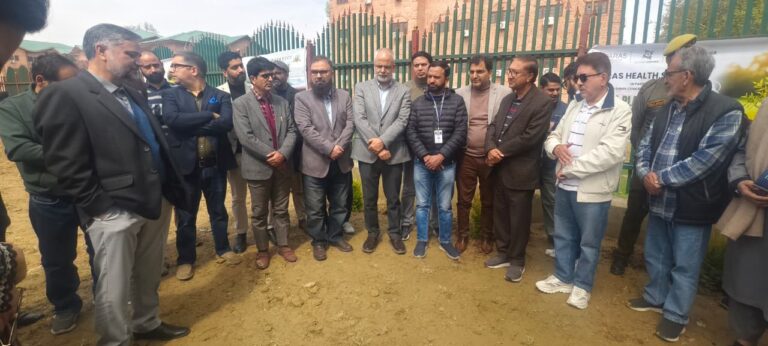
Srinagar, April 2, 2026 — In a significant step toward promoting environmental sustainability in Kashmir’s educational institutions, PARAS Health Srinagar, in collaboration with Kashmir Concern, on Thursday organised a mega plantation drive under the “Green Campus for Clean Air” initiative at the historic Amar Singh College in Srinagar.

The event brought together a diverse group of stakeholders including academicians, healthcare professionals, environmentalists, civil society members, journalists, and students—united by a shared commitment to building a cleaner, healthier, and more sustainable Kashmir.

The drive was inaugurated by a distinguished panel of dignitaries, including Prof. (Dr.) Ajaz Hakak, Principal of Amar Singh College; Dr. Murtuza Habib, Facility Director, PARAS Health Srinagar; Saleem Beg, Convenor, INTACH J&K Chapter; G.N. Qasba, Patron, Kashmir Concern; Shahid Jibran, journalist; Nazir Ganaie, noted pulmonologist; Dr. Naveed Nazir, Head of Community Medicine; Dr. Saleem Ahmad Khan; and Dr. Nusrat, Head of the Department of Botany at Amar Singh College, along with her team.

The programme also witnessed participation from prominent voices across sectors, including Dr. Touseef Bhatt (Chairman, Kashmir Concern), Manzoor Wangnoo (Chairman, NLCO), Advocate Sajad Mir, Sheikh Basher (hotelier), Dr. S.M. Saleem Khan (HOD, GMC and Rotarian), besides forest officials, entrepreneurs, media representatives, and over 50 volunteers from Kashmir Concern.

Speaking on the occasion, Dr. Touseef Bhatt said the initiative marked a collective commitment to a healthier future. “This plantation drive reflects what can be achieved through strong institutional partnerships. With the support of Amar Singh College and PARAS Health, we are not just planting trees, but investing in the long-term well-being of Kashmir,” he said.

Prof. (Dr.) Ajaz Hakak reaffirmed the college’s commitment to environmental stewardship, underscoring the role of educational institutions as “living laboratories” for sustainable practices.

Highlighting the critical link between environment and public health, Facility Director, PARAS Health Srinagar, Dr. Murtuza Habib stressed that increasing green cover is vital to addressing rising respiratory illnesses, improving air quality, and enhancing overall quality of life.

He also outlined a broader roadmap for scaling the “Greener Kashmir” campaign, with a focus on developing campus-centric green models, promoting native plantations, strengthening waste management systems, and creating clean-air corridors.

Emphasising community engagement, Dr. Habib said the initiative would encourage students and local communities to adopt and maintain green spaces to ensure the long-term survival of saplings. He added that PARAS Health plans to integrate environmental action with public health outreach, including awareness campaigns on pollution-related diseases, while also nurturing a network of youth “Green Ambassadors” to drive grassroots climate action.

He further noted that PARAS Health Srinagar aims to work closely with the Department of Forest, Environment and Ecology to expand the initiative across the Valley.

The drive culminated in the plantation of hundreds of native saplings—including fruit-bearing trees, flowering plants, and ornamental species such as golden cypress—across the Amar Singh College campus, with enthusiastic participation from students, forest officials, and volunteers.

More than a symbolic exercise, the initiative underscores how collaborative action between institutions, communities, and the healthcare sector can play a transformative role in shaping a sustainable future for Kashmir. The plantation drive was enthusiastically participated in by several dignitaries who ceremonially initiated the event by planting saplings, including, editor, Sajjad Bazaz, Advocate Sajad Mir, Sheikh Basher, Dr. Rouf Ahmed, Dr. Khalid Ahmed, Dr. Naveed Nazir Shah, Khartik Chopra, Priya Thapar, Dr. Shafat Ahmad, Ali Mohd Loan, Rauf Tramboo, Azeeta Qureshi (JKAS), Dr. Mohammad Rayees Dar, Sheikh Tariq, Gazala Abdullah, Sheikh Altaf (with staff), Nisar Ahmad Malik (with team), Aejaz Paul, G.M. Dar, Shabir Hussain, Range Officer JK Forest (with team), Dr. Farooq, Dr. Shahid Jibran, Sheikh Raashid, Khair Ul Nissa, Khalid Aslam, Mr. Imran & Imtiyaz Chisti, Afaq Khan, Narendar Singh Bali, Adil Shah, Architect Izwan Ahmad Bhat, Azhar Tantray, Fahd Khan, Sajad Bazaz, Muntazir Nazir, Vikas Shams, Basit Lateef, Shah Gowhar, Peer Arfat, Rashid Khan, Munazah Qazi, Zainab Yaqoob, Malik Sarah, Muntaza Manzoor, Navneet Kour, Sajid Markazi, Masheed Zehra, Moomin Mehraj, Shahnawaz Mukhtar, Athar Wani, Syed Arsalan Bukhari, Arshid Dar, Syed Farhat Hussain, Tariq Patloo, Jannat Tariq, and Faizan Salmani along with 55 volunteers of Kashmir Concern.

Indian Railways Allocated Over ₹34,000 Crore In Last Three Years for Passenger Amenities Including Crowd Management

0

Vinod Bhat

New Delhi: To handle heavy rush of passengers at stations over the Indian Railways, following decisions have been taken:

1. Creation of Permanent holding areas at 76 identified stations for crowd management over Indian Railways:

  • The Ministry of Railways has initiated plans to establish passenger holding areas to decongest the platforms at 76 stations, designed as comfortable, organized spaces with essential amenities such as seating, drinking water, toilets, ticketing facilities, information displays, and security checks to handle peak-hour footfall. Holding area at New Delhi Railway Station has already been commissioned, easing congestion and enhancing passenger convenience with facilities like additional ticket counters, ATVMs, PAS, electronic train information boards, CCTV surveillance, luggage scanners, DFMDs, uninterrupted power supply, improved lighting, HVLS fans, fire-fighting and lightning protection systems, RO drinking water, and separate toilets for men, women, and Divyangjans.
  • Similar provisions at other stations are under various stages of planning and execution, with timelines subject to iterative optimization.
  •  The names of stations identified for development of permanent holding areas in Madhya Pradesh, Maharashtra and Uttar Pradesh are as following:
State No. of Stations Name of  Stations
Madhya Pradesh 04 Ujjain, Sehore, Bhopal & Jabalpur.
Maharashtra 07 Chatrapati Shivaji Terminus, Lokmanya Tilak Terminus, Nagpur,

Nashik Road, Pune,  Dadar & Bandra Terminus.


Uttar Pradesh 12 Pt. Deen Dayal Upadhyay, Ghaziabad,

Lucknow, Varanasi, Ayodhya Dham, Kanpur,

Virangna Laxmi Bai Jhansi, Mathura, Agra Cantt, Gorakhpur, Lucknow Jn,  Banaras.


2. Access control:

Complete access control is being provided, allowing passengers with confirmed reserved tickets direct entry to the platforms, while those without tickets or holding waiting list tickets will be accommodated in designated outside waiting areas. Complete access control is being provided where passengers with confirmed reserved tickets will be given direct access to the platforms whereas, passengers without a ticket or with a waiting list ticket will wait in the holding area.

3. Wider foot-over-bridges (FOB):

Two new designs of 12 metre wide (40 feet) and 6 metre wide (20 feet) standard FOB have been developed. These new standard wide FOBs will be installed in all the stations.

4. CCTV Cameras:

A large number of AI-enabled CCTV cameras are being installed at railway stations and adjoining areas to facilitate close monitoring and effective crowd management.

5. War rooms:

War rooms are being established at major stations, where officers from all departments will work in coordination to manage crowd situations effectively.

6. New generation communication equipment:

Latest design digital communication equipment like walkie-talkies, announcement systems, calling systems will be installed on all heavy crowd stations.

7. New design ID card:

All staff and service personnel will be issued newly designed QR-based ID cards to ensure controlled and secure access to the station.

8. New design uniform for staff:

All staff members will be given new design uniforms so that they can be easily identified during a crisis situation.

9. Upgradation of Station Director post:

At all major stations, a senior officer will be designated as the Station Director, vested with financial powers to take on-the-spot decisions for station improvement. All other departments will report directly to the Station Director to ensure unified command and efficient management.

10. Sale of tickets as per capacity:

Station Director will be empowered to control the sale of tickets as per capacity of the station and the available trains.

During the year 2023-24, 2024-25 & 2025-26 an amount of Rs. 9392 crore, 12884 crore and 12018 crore have been allotted respectively for passenger amenities which includes expenditure on crowd infrastructure management.

Government grants full customs duty exemption on critical petrochemical products in view of ongoing conflict in West Asia

0

Vinod Bhat

New Delhi: Amid the evolving situation in West Asia, the Government of India continues its efforts to keep citizens informed through regular updates. In this regard, a media briefing was held today at the National Media Centre, where officers from the Ministries of Petroleum and Natural Gas, Ports, Shipping and Waterways, and External Affairs provided updates on fuel availability, maritime operations, assistance extended to Indian nationals in the region, and measures being taken to maintain overall stability. Officers from the Central Board of Indirect Taxes and Customs (CBIC), Ministry of Finance and Ministry of Commerce and Industry also participated, with the CBIC outlining tax and duty-related interventions, while the Ministry of Commerce and Industry highlighted steps being taken to safeguard trade and support exporters in view of the ongoing disruptions in West Asia.

Energy Supply and Fuel Availability

The Ministry of Petroleum and Natural Gas provided an update on the current fuel supply situation, outlining measures being taken to ensure uninterrupted availability of petroleum products and LPG in the context of the evolving situation in West Asia. It was noted that:

Crude and Refineries

· All refineries are operating at high capacity, with adequate crude inventories in place, and sufficient stocks of petrol and diesel are being maintained.

· Domestic LPG production from refineries has been increased to support domestic consumption.

Retail Outlets

· All retail outlets are operating normally across the country.

· The Middle East crisis has resulted in an abnormal increase in crude prices. To protect consumers from this impact, the Government of India has reduced excise duty on petrol and diesel by ₹10 per litre.

·  The Government of India has imposed an export levy of ₹21.5 per litre on diesel and ₹29.5 per litre on aviation turbine fuel (ATF) to ensure availability of these products in the domestic market.

·  Instances of panic buying due to rumours have been reported in certain areas, resulting in unusually high sales and crowding at retail outlets. However, adequate stocks of petrol and diesel are available across all petrol pumps in the country.

  • Regular Retail Prices for Petrol and Diesel are unchanged. There is under recovery of Rs. 24.40/Ltr on Petrol and Rs. 104.99/Ltr on Diesel to PSU OMCs.
  • The Government has reiterated its advice to the public not to believe rumours and has requested State Governments to disseminate accurate information through regular press briefings.

Natural Gas

· Priority allocation continues with 100% supply to domestic PNG and CNG (transport).

· Supply to industrial and commercial consumers connected to the grid is being maintained at around 80% of average consumption.

· CGD entities have been advised to prioritise PNG connections for commercial establishments such as restaurants, hotels and canteens.

· Supply to operating urea plants is steady at around 70–75% of their last six-month average consumption. Additional LNG and RLNG supplies are being sourced to maintain pipeline operations.

· Industrial consumers, including fertiliser plants, have been advised to indicate additional requirements on a spot basis.

· CGD companies such as IGL, MGL, GAIL Gas and BPCL are offering incentives for domestic and commercial PNG connections.

· The Government of India has requested States/UTs and Central Ministries to expedite approvals required for CGD network expansion.

  • An additional 10% allocation of commercial LPG has been offered to States/UTs, linked to the transition from LPG to PNG, with further allocations being recommended for reform-oriented States. At present, eight States/UTs are being provided with this additional allocation, and applications received from three other States are currently under consideration.

· PNGRB has directed CGD entities to prioritise PNG connections for residential schools, colleges, hostels, community kitchens and anganwadi kitchens within five days, wherever feasible.

· Ministry of Road Transport and Highways has adopted an accelerated approval framework for CGD infrastructure with reduced timelines for a period of three months.

· The Government of India has notified the Natural Gas and Petroleum Products Distribution Order, 2026, providing a streamlined and time-bound framework for expansion of pipeline infrastructure and enhancing last-mile connectivity.

· Ministry of Defence has issued a temporary policy modification to expedite PNG infrastructure installation in defence residential areas till 30 June 2026.

· PNGRB has extended National PNG Drive 2.0 till 30 June 2026 to sustain momentum in PNG expansion.

· More than 55,000 PNG connections have been gasified across 110 geographical areas in the last five days.

LPG

· Supply of LPG is affected due to prevailing geopolitical situation.

Domestic LPG Supply:

· No reported dry-out at LPG distributorships.

· Online LPG cylinder bookings have increased to 95% on industry basis yesterday.

· To prevent diversion at the distributor level, Delivery Authentication Code (DAC) based deliveries have been increased from 53% (Feb-2026) to 85% yesterday.

· Delivery of Domestic LPG Cylinders is normal.

Commercial LPG supply:

· Govt. of India vide order dated 01.04.2026 has permitted Refining companies including Petrochemical Complexes in India to make available certain minimum quantities of C3 & C4 streams for critical sectors like Department of Pharmaceuticals, Department of Food & Public Distribution, Department of Chemicals & Petro Chemicals etc. based on specific quantity and refinery source as determined by the Centre for High Technology (CHT).

· Govt. had already restored Partial Commercial LPG supply (20%) to consumers. Further, Govt. of India vide letter dated 18.03.2026 had proposed to allocate additional 10% of Commercial LPG to States/UTs based on ease of doing business reforms for PNG expansion.

· Govt. of India vide letter dated 21.03.2026 has allowed another 20% allocation of commercial LPG to States, which would take overall allocation to 50% (incl. 10% allocation based on ease of doing reforms for PNG expansion). This additional 20% allocation shall be given on priority to sectors like restaurants, dhabas, hotels, industrial canteens, food processing/dairy, subsidised canteens/outlets run by State Govt. or local bodies for food, community kitchens, 5 Kg FTL for migrant labourers.

· Govt. of India vide letter dated 27.03.2026 has decided to allocate an additional 20% for commercial LPG (this would bring the total commercial allocation to 70% of the pre-crises level incl. 10% reform based). This additional 20% allocation would be given to industries with priority to steel, automobile, textile, dye, chemicals and plastics. Among this, priority shall be given to process industries or those requiring LPG for specialised heating purposes that cannot be substituted by natural gas.

· Since 23rd March 2026, more than 4.3 Lakh – 5 Kg FTL cylinders have been sold.

· Most of the States/UTs have issued orders to allocate the Non-domestic LPG in line with the guidelines issued by the Govt. of India. A total of 60370 MT has been uplifted since 14th March 2026 by commercial entities in the States/UTs.

Kerosene

· An additional allocation of 48,000 KL of kerosene has been made to all States/UTs over and above regular allocation.

· Distribution of PDS SKO has been facilitated in SKO-free States/UTs, with up to two designated PSU OMC service stations per district allowed to store up to 5,000 litres.

· 17 States/UTs have issued SKO allocation orders, while Himachal Pradesh and Ladakh have indicated no requirement.

Role of State Governments / UTs

· Under the Essential Commodities Act, 1955 and LPG Control Order, 2000, State Governments are empowered to act against hoarding and black marketing and play a primary role in regulating supply of essential commodities.

· States/UTs have been requested to:

Ø Institutionalise daily press briefings and issue regular public advisories.

Ø Set up dedicated control rooms and helplines.

Ø Actively monitor and counter misinformation on social media.

Ø Intensify enforcement drives and conduct regular raids and inspections.

Ø Issue commercial LPG and SKO allocation orders.

Ø Fast-track CGD expansion, including RoW/RoU approvals.

Ø Promote PNG adoption and alternate fuels.

Ø Nominate senior nodal officers for coordination with the Ministry.

· 17 States/UTs are currently conducting regular press briefings.

Enforcement Action

· Enforcement drives are ongoing across States/UTs, with more than 2,600 raids conducted and around 700 LPG cylinders seized on the previous day.

· PSU Oil Marketing Companies are conducting daily surprise inspections across retail outlets and LPG distributorships.

· More than 600 show cause notices have been issued to LPG distributorships.

Government Measures

· The Government continues to prioritise domestic LPG and PNG supply, along with critical sectors such as hospitals and educational institutions.

· Measures include enhanced refinery production, revised booking intervals and prioritised allocation of supplies.

· Alternate fuels such as kerosene and coal are being promoted to ease LPG demand.

· Ministry of Coal has directed Coal India and Singareni Collieries to increase supply for distribution to small and medium consumers.

· States have been advised to facilitate new PNG connections for domestic and commercial users.

Public Advisory

· The Government is making all efforts to ensure availability of petrol, diesel and LPG. Citizens are advised to avoid panic purchases.

· Citizens are advised to rely only on official sources and not believe rumours.

· For LPG, consumers are requested to use digital modes for booking and avoid visiting LPG distributors unnecessarily.

· Citizens are encouraged to use alternate fuels such as PNG and electric or induction cooktops.

· All citizens are requested to conserve energy in their daily usage.

Tax & Duty Measures

CBIC briefed the media on tax and duty-related measures being undertaken in view of the evolving situation. It was stated that:

· The Government of India has taken measures for reduction of duties on certain items in the petrochemical sector in view of the ongoing situation.

· In light of the conflict in West Asia and disruptions in global supply chains, a full customs duty exemption has been granted on critical petrochemical products for a temporary period of three months, i.e., until 30th June 2026.

· This measure has been taken as a temporary and targeted relief aimed at ensuring continuous availability of essential petrochemical inputs for domestic industries; reduce cost pressures on downstream sectors and safeguard supply stability across the country.

· A wide range of sectors dependent on petrochemical feedstock and intermediate products are expected to benefit, including plastics, packaging, textiles, pharmaceuticals, chemicals, automotive components and other manufacturing industries.

· The measure is also expected to provide relief to consumers of final products.

· The estimated revenue loss over the three-month period is approximately ₹1,800 crore, subject to variation based on the evolving situation.

· The decision has been taken after consultations with concerned ministries, industry stakeholders and trade representatives.

· Critical products essential for downstream industries have been identified, and customs duty on these products has been reduced to zero for the specified period.

· The measure is expected to ensure price stability for these sectors, strengthen supply chains and support continued production of essential goods.

Measures to support Trade & Exporters

The Ministry of Commerce and Industry apprised the media of the steps being taken to address the impact of disruptions in West Asia on trade, with a focus on safeguarding supply chains, supporting exporters, and ensuring continuity of trade through timely interventions. As per Ministry:

· The Department of Commerce, Ministry of Commerce and Industry, has taken timely, proactive and coordinated steps to address the impact of the evolving situation in West Asia on India’s trade, logistics and supply chains. Recognising the strategic importance of the region for India’s exports, imports and connectivity, a whole-of-government approach has been adopted to ensure continuity of trade, reduce operational stress on exporters and maintain stability in critical supply chains.

· Given the significance of the Gulf and West Asia region in India’s external trade, disruptions in this corridor have implications for freight movement, insurance costs, delivery schedules and working capital cycles of exporters. The Department of Commerce has therefore put in place an institutional mechanism for real-time monitoring, stakeholder coordination and resolution of emerging bottlenecks.

· On 2 March 2026, the Department of Commerce constituted an Inter-Ministerial Group (IMG) to monitor developments arising from the West Asia situation and to coordinate necessary interventions. The IMG brings together DPIIT, Ministry of Petroleum and Natural Gas, Ministry of Ports, Shipping and Waterways, Department of Financial Services, CBIC, RBI, Ministry of External Affairs and Ministry of Railways.

· The IMG has focused on three core areas which include maintaining supply chain and logistics continuity, monitoring critical exports and imports, and enabling pre-emptive mitigation measures. This has ensured timely attention to issues relating to shipping routes, freight escalation, insurance availability, customs clearances and movement of cargo impacted by disruptions.

· A dedicated West Asia Crisis Desk has been operationalised, supported by a toll-free helpline and email-based grievance redressal mechanism, to provide timely support to exporters facing disruptions. A focused sub-group for perishable cargo has also been constituted to address the special requirements of agricultural and other time-sensitive exports.

· Indian Missions in the region have also been engaged for field-level feedback and support to facilitate resolution of issues on the ground and ensure timely coordination with exporters and stakeholders.

· In coordination with CBIC, customs-related interventions have been initiated, including handling of return cargo, holding regular Customs Clearance Facilitation Committee meetings and allowing relaxation for Back-to-Town movement in affected cases. These measures have helped ease procedural bottlenecks and facilitate smoother cargo movement.

· In coordination with the Ministry of Ports, Shipping and Waterways and DG Shipping, steps have been taken to ensure operational continuity at ports, improve transparency in shipping-related pricing and discourage arbitrary freight practices. Relief in storage, dwell time and certain container-related charges has also been facilitated in appropriate cases.

· The Department of Commerce has worked closely with the Ministry of Railways, CONCOR and ICD operators to support container availability, inland movement and handling of export cargo affected by routing disruptions. Alternate routing options, including suitable transshipment pathways, have been continuously examined and enabled wherever feasible to reduce delays and uncertainty.

· A major intervention coordinated by the Department of Commerce has been the launch of RELIEF, Resilience and Logistics Intervention for Export Facilitation, under the Export Promotion Mission on 19 March 2026 with ECGC as the nodal agency. The initiative provides enhanced risk coverage, premium stability and special support for MSME exporters, including assistance for extraordinary logistics-related surcharges in deserving cases. The RELIEF initiative is designed to protect export momentum while ensuring that smaller exporters are not disproportionately affected by external shocks and disruptions arising from the situation in West Asia.

· Trade policy and procedural measures have also been undertaken to ease the burden on exporters. Exporters holding Advance Authorisations and EPCG authorisations have been granted additional time for fulfilment of export obligations, thereby preventing hardship arising from shipment delays beyond their control.

· Restoration of RoDTEP rates to 100 percent has further supported cost competitiveness and provided confidence to exporting sectors during a period of uncertainty. In parallel, DGFT has launched a nationwide drive for expedited issuance of Export Obligation Discharge Certificates to help unlock working capital and improve liquidity for exporters.

· Sector-specific support measures have also been taken in areas such as gems and jewellery and agricultural exports, where the impact of disruption has been particularly significant.

· The Department of Commerce remains in close engagement with Export Promotion Councils, industry associations, logistics stakeholders and concerned Ministries. Its approach continues to be practical, responsive and solution-oriented, with emphasis on trade facilitation, rapid grievance redressal and continuous monitoring of emerging risks.

· The Government remains committed to ensuring that India’s trade ecosystem remains resilient, responsive and competitive. The Department of Commerce will continue to take all necessary steps, in coordination with partner Ministries and agencies, to safeguard national trade interests and support exporters during this challenging period.

Maritime Safety and Shipping Operations

The Ministry of Ports, Shipping and Waterways provided an update on the prevailing maritime situation in the Persian Gulf, detailing the measures being undertaken to ensure the safety and security of Indian vessels and crew in the region. It was stated that:

· The Ministry of Ports, Shipping and Waterways continues to closely monitor the evolving situation in the West Asia region.

· All Indian seafarers in the region are safe, and no incident involving Indian-flagged vessels has been reported in the past 24 hours. The situation remains stable with no incidents reported in the recent period.

· A total of 18 Indian-flagged vessels with 485 Indian seafarers continue to remain in the western Persian Gulf region. The Directorate General of Shipping (DG Shipping), in coordination with ship owners, RPSL (Recruitment & Placement) agencies, and Indian Missions, is actively monitoring the situation.

· The DG Shipping Control Room remains operational 24×7 and has handled a cumulative 4,885 calls and over 9,934 emails since activation, including 116 calls and 335 emails in the past 24 hours.

· DG Shipping has facilitated the safe repatriation of more than 975 Indian seafarers so far from the region, including 11 in the past 24 hours.

· Port operations across India remain normal, with no congestion reported in the past 24 hours. State Maritime Boards of Gujarat, Maharashtra, Goa, Keralam, Andhra Pradesh, and Puducherry have confirmed smooth functioning.

  • The Ministry Ports, Shipping and Waterways continues to maintain close coordination with the Ministry of External Affairs, Indian Missions, and maritime stakeholders to ensure seafarer safety, welfare, and uninterrupted maritime operations.

Safety of Indian Nationals in the Region

An update on the latest developments in the region, including ongoing assistance through Indian Missions, was also shared by the Ministry of External Affairs. It was informed that:

· Indian Embassy in Tehran has so far facilitated 1200 Indian nationals, including 845 Indian students, to exit Iran via the land border into Armenia and Azerbaijan. Of these, 996 have crossed over into Armenia and 204 into Azerbaijan.

· Several Indian nationals have also been relocated to safer places within Iran.

· The Ministry thanked the authorities in Armenia and Azerbaijan for their support in facilitating the safe transit of Indian nationals from Iran.

· The Ministry of External Affairs continues to closely monitor the evolving situation in the Gulf and West Asia region, with the safety, security and welfare of the Indian community remaining the highest priority.

· A dedicated special control room is operational to assist Indian nationals and their families, with regular coordination being maintained with State Governments, Union Territories, Embassies and Consulates.

· Indian Missions and Posts across the region are operating 24×7 helplines and remain actively engaged with Indian community associations, organizations and companies.

· Regular advisories are being issued for nationals, students, seafarers and resident Indian communities, with Missions maintaining close coordination with local governments.

· Missions continue to proactively address issues raised by Indian nationals, including visa facilitation, consular services, transit support through neighbouring countries and logistical assistance wherever required.

· The welfare of Indian students in the Gulf region remains a high priority, with efforts being made to ensure that their academic year is not impacted.

· Missions are coordinating with local authorities, Indian schools, CBSE, ICSE, Kerala Boards and the National Testing Agency to address concerns related to JEE and NEET examinations.

· Missions are in continuous contact with Indian crew members on vessels in the region, providing support including coordination with local authorities, consular assistance, communication with families and facilitation of return to India.

· The overall flight situation is improving, with additional flights operating from the region to India, and around 6,24,000 passengers having travelled to India since 28 February.

· In the UAE, limited non-scheduled flights continue to operate, with around 90 flights expected to operate to India.

· Flights are operating from various airports in Saudi Arabia and Oman to destinations in India.

· With Qatar airspace partially open, Qatar Airways is expected to operate around 8 to 10 flights to India today.

· Kuwait and Bahrain airspaces remain closed, with Jazeera Airways and Gulf Air operating flights from Dammam Airport in Saudi Arabia to India.

  •  Due to airspace restrictions, Indian nationals are being facilitated through alternate routes including:
  • From Iran, through Armenia and Azerbaijan to India.
  • From Israel, through Egypt and Jordan to India.
  • From Iraq, through Jordan and Saudi Arabia to India.
  • From Kuwait and Bahrain, through Saudi Arabia to India.
RCF Kapurthala Rolls Out First 16-Car Vande Bharat Trainset, Set for Oscillation Trials

0

Vinod Bhat

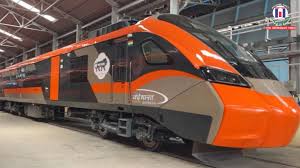
New Delhi: On 31.03.26, Rail Coach Factory, Kapurthala joins the league of Vande Bharat manufacturers with rolling out of its first 16 car Vande Bharat Chair Car rake with Alstom Propulsion System from its unit. The trainset will now undergo oscillation trials essential to validate ride quality, safety parameters, and dynamic performance before induction into regular passenger service.

The upgraded Vande Bharat trainset manufactured at RCF Kapurthala reflects Indian Railways’ continued commitment towards innovation, passenger comfort, and world-class train manufacturing standards.

The manufacturing journey of the Vande Bharat Chair Cars reflects a major leap in India’s railway technological upgradation. Designed and built indigenously by the Integral Coach Factory in Chennai, the train was developed under the Make in India program. From initial concept and design to prototyping and production, the process showcased India’s growing capability in rail technology, culminating in a train that combines speed, efficiency, and passenger comfort.

Vande Bharat features ergonomically designed reclining seats with ample legroom, large panoramic windows to provide better views and natural lighting and fully air-conditioned coaches to maintain a pleasant temperature throughout the trip. The train has automatic sliding doors, bio-vacuum toilets, and a smooth suspension system that reduces jerks and vibrations, making travel quieter and more relaxing. Together, these features create a premium travel experience focused on safety, comfort, and efficiency.

From a journey which started in 2018 with two VB trainsets, a total of 97 Vande Bharat Chair Car trains have been made till now, all from Integral Coach Factory, Chennai.

India Scales Up World’s Largest Capacity Building Programme with Karmayogi Sadhana Saptah for Citizen-Centric Governance

0

Vinod Bhat

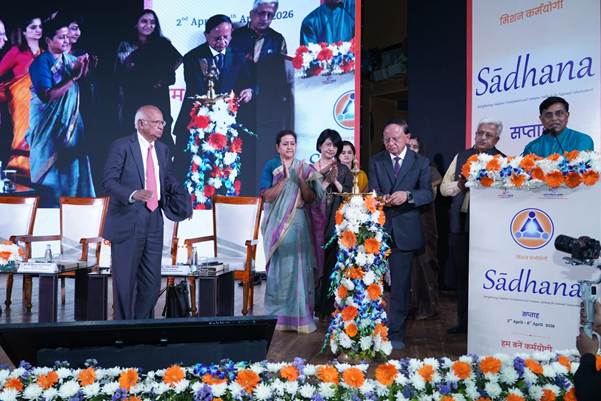
New Delhi: The Government of India today launched Karmayogi Sadhana Saptah, a national learning initiative under Mission Karmayogi, aimed at strengthening the capabilities, commitment, and citizen-centric orientation of public servants across the country. In his message, the Prime Minister conveyed his greetings and underlined that governance in a fast-changing world must remain aligned with evolving needs, driven by the spirit of “Naagrik Devo Bhava”. He called for continuous learning, greater use of technology and data in decision-making, and a shift towards duty-oriented public service as India moves towards the goal of Viksit Bharat 2047.

Karmayogi Sadhana Saptah, being organised from April 2 to April 8, 2026, was inaugurated at the Dr. Ambedkar International Centre, New Delhi, marking five years of Mission Karmayogi. Conceived as a nationwide capacity-building effort, the initiative brings together Ministries, States and Civil Services Training Institutions under a shared learning framework. The programme is structured around three pillars, Technology, Tradition and Tangible Outcomes, and includes focused engagements such as workshops, masterclasses, and institutional deliberations to strengthen a future-ready governance ecosystem.

Dr. P. K. Mishra, Principal Secretary to the Prime Minister, said that Sadhana Saptah reinforces the shift towards a capable, committed and citizen-centric civil service. He noted that capacity building has evolved from limited, rule-based training to a system of continuous, anytime-anywhere learning, enabled by platforms such as iGOT. He highlighted the transition from rule-based to role-based governance, where competencies, behaviour and service orientation are central. Referring to the integration of training institutions across the country, he said that the Capacity Building Commission has brought coherence and scale to the ecosystem. He emphasised that governance today requires new capabilities to respond to technological disruption, climate change, urbanisation, and global uncertainties, adding that continuous learning strengthens innovation, adaptability, and professionalism, while mindset and empathy remain critical to effective public service.

Smt. S. Radha Chauhan, Chairperson, Capacity Building Commission, said that the occasion marks both a milestone and a moment of reflection in the journey of Mission Karmayogi. She stated that the Mission has emerged as a distinctive model for capacity building by integrating knowledge, skills, and values in public service. She explained that the concept of Karmayogi reflects a public servant who combines wisdom with action and delivers governance with empathy and contextual understanding. She said that Sadhana Saptah provides an opportunity for officers to reconnect with their core purpose of service and renew their commitment to citizen-centric governance, guided by the themes of Technology, Tradition and Tangible Outcomes.

Smt. Rachna Shah, Secretary, Department of Personnel and Training, said that Mission Karmayogi has brought a fundamental transformation in capacity building over the past five years. She highlighted the shift from episodic training to a continuous, role-based competency framework that now includes frontline workers at scale. She informed that over 1.5 crore learners are registered on the iGOT platform, with more than 8 crore course completions and over 4,600 courses available in multiple languages. She added that more than 130 capacity-building plans have been developed and that learning has been integrated with performance appraisal systems. She also noted the increasing use of AI-enabled tools to personalise learning and enhance training delivery, contributing to a sustained culture of continuous learning in governance.

Shri Subramanian Ramadorai, Chairperson, Karmayogi Bharat, said that Sadhana Saptah reflects a deepening commitment within civil services towards continuous learning and self-improvement. He highlighted that governance today is shaped by rapid technological transformation, civilisational knowledge and a strong focus on citizen-centric outcomes. He said that capacity building must be continuous, contextual, and aligned with real-world governance needs. He noted the scale of participation on the iGOT platform and encouraged officers to build capabilities in Artificial Intelligence and emerging technologies. He added that Karmayogi Bharat, as the implementing arm of Mission Karmayogi, is driving the iGOT platform as a scalable digital ecosystem enabling continuous, competency-based learning across government, and that the initiative is designed to translate learning into measurable improvements in governance outcomes.

Dr. Alka Mittal, Member (Administration), Capacity Building Commission, said that capacity building efforts are being expanded to reach frontline functionaries across sectors, including gram panchayats, urban local bodies, and citizen-facing services. She noted that these functionaries form the primary interface between government and citizens and require focused capacity enhancement. She highlighted that over six lakh personnel from public sector enterprises are onboarded on the iGOT platform, with tailored programmes on leadership, succession planning and stakeholder engagement. She also referred to new modules on AI applications, including predictive maintenance, aimed at equipping personnel across levels with relevant skills and strengthening service delivery.

Dr. R. Balasubramaniam, Member (HR), Capacity Building Commission, said that Mission Karmayogi has evolved into a comprehensive capacity-building ecosystem and represents one of the largest change management initiatives globally. He highlighted that competency frameworks have created a shared language across government and that programmes have reached the grassroots level, including panchayats and urban local bodies. He noted that the integration of AI is accelerating capacity building and enabling faster and more effective planning and learning, with all interventions aligned to improving service delivery for citizens.

During the inaugural session, a set of key initiatives were launched to strengthen capacity building at scale. Karmayogi Geet, produced by the Capacity Building Commission, was unveiled to inspire a spirit of selfless service, integrity, and commitment among civil servants, reinforcing the ethos of nation-building.

Karmayogi Kshamata Connect was launched as a foundational initiative to empower frontline functionaries across sectors. Delivered through the iGOT Karmayogi platform in multiple regional languages, it equips officials with knowledge on national priorities, participatory governance, digital safety, and emerging technologies, aligning their roles with the vision of Viksit Bharat 2047.

Karmayogi Kartavya Karyakram, a national behavioural training programme, aims to transform public service ethos by promoting Seva Bhav. Targeting nearly 1.3 crore officials, particularly at the grassroots level, it adopts a blended approach of digital learning, in-person training, and group discussions to foster responsiveness and accountability.

An innovative Trust-Based Peer Assessment Framework was introduced on iGOT Karmayogi to link learning with real-world application. It enables validation of skills through peer and supervisory review, promoting outcome-driven capacity building.

The AI-powered Case Study Suite for Amrit Gyaan Kosh (AGK), developed with Civic Innovation Foundation (Civis), includes tools such as Case Study Analyzer and CaseConnect to support case-based learning and curriculum integration. These initiatives collectively aim to strengthen last-mile delivery, improve accountability, and align capacity building with governance outcomes.

Mission Karmayogi, which completes five years, marks a structural shift from rule-based approaches to a competency-driven framework integrating knowledge, skills, behaviour, and attitude. By enabling large-scale access to learning through digital platforms and aligning training with performance and governance outcomes, the Mission has laid a strong foundation for continuous capacity building across government. Sadhana Saptah builds on this foundation and is expected to further accelerate the creation of a skilled, responsive, and citizen-centric civil service aligned with the vision of Viksit Bharat 2047.

The inaugural session witnessed participation from senior officials, representatives of Ministries, Departments, training institutions, States, and other stakeholders from across the country. Members of the Capacity Building Commission and the CEO, Karmayogi Bharat, were present during the event.

Government Deploys Multi-Tier Mechanism to Curb Fake News; FCU, IT Rules and Media Regulations Aimed to Improve Information Credibility

0

Vinod Bhat

New Delhi: A Fact Check Unit (FCU) functions under Press Information Bureau, Ministry of Information and Broadcasting. FCU identifies misinformation and fake news relating to the Central Government. After verifying the authenticity of news from authorized sources, FCU publishes correct information on its social media platforms for wide dissemination including in border districts.

During Operation Sindoor, the FCU actively identified misinformation and fake news circulating online. It promptly fact-checked false claims, providing authentic information, and ensuring accurate public communication. Ministry also issued directions for blocking of over 1,400 URLs on digital media during Operation Sindoor. The content of these URLs included false, misleading, anti-India news content, communally sensitive content primarily from Pakistan based social media accounts and inciteful content against Indian Armed Forces.

Under Section 69A of the Information Technology Act, 2000, Government issues necessary orders to block websites, social media handles and posts in the interest of sovereignty and integrity of India, defence of India, security of the State, and public order.

Apart from above, the Government takes all possible steps to curb fake news with the available statutory and institutional mechanisms on various media platforms, which include:

  • Print media: Newspapers have to adhere to “Norms of Journalistic Conduct” brought out by the Press Council of India (PCI). These norms, inter-alia, restrain publication of fake/ defamatory/ misleading news. The Council holds inquiry into alleged violations of the norms, as per section 14 of the PCI Act, and may warn, admonish or censure the newspaper, editors, journalists, etc. as the case may be.
  • Television: TV channels are required to adhere to the Programme Code under the Cable Television Networks (Regulation) Act, 1995, which, inter alia, provides that content which contains anything obscene, defamatory, deliberate false and suggestive innuendos and half-truths is not broadcast. Cable Television Network (Amendment) Rules 2021, provides for a three-tier grievance redressal mechanism to look into the complaints relating to the violation of the Code by the TV channels. Appropriate action is taken where violation of Programme Code is found.
  • Digital media: For the publishers of news and current affairs on digital media and publishers of online curated content, the Information Technology (Intermediary Guidelines and Digital Media Ethics Code) Rules, 2021 (IT Rules, 2021) provides for a Code of Ethics along with a three-level institutional mechanism for redressal of grievance relating to violation of Code of Ethics by such publishers.

The I&B Ministry also issues advisories from time to time to private satellite TV channels for adherence of the Programme Code and Advertising Code under the Cable Television Networks (Regulation) Act, 1995.

Community Radio Stations (CRSs) play an important role in dissemination of authentic, timely and locally relevant information including in border districts. Programmes should be of immediate relevance to the local community thereby addressing local concerns and countering misinformation effectively. CRSs are required to constitute an Advisory and Content Committee comprising members from the local community, to decide upon the content being broadcast on the community radio. Programmes are preferably broadcast in local languages and dialects to ensure better outreach and comprehension among the target audience.

J&K Govt Orders Major Police Reshuffle, 82 Officers Transferred

0

Tauseef Ahmad

Srinagar, Apr 2: In a major administrative exercise, the Jammu and Kashmir government on Thursday ordered a large-scale reshuffle in the police department, transferring and posting 82 Indian Police Service (IPS) and Jammu and Kashmir Police Service (JKPS) officers with immediate effect.

According to an order issued by the Home Department, the reshuffle includes changes at senior, middle and field-level positions across the Union Territory, covering key wings such as CID, Crime, Armed Police, Traffic, Security, SDRF, IR battalions and district policing.

Among the senior IPS officers, Tejinder Singh, DIG Rajouri-Poonch Range, has been posted as IGP CID, while Sarah Rizvi, DIG Udhampur-Reasi Range, has been transferred as IGP Crime. Shahid Mehraj Rather, DIG Armed Kashmir, has been appointed Director, Police Telecommunication.

The order further states that Shridhar Patil Daulu has been posted as DIG Jammu-Samba-Kathua, Haseeb-Ur-Rehman as DIG Traffic Kashmir, Nisha Nathyal as DIG IR Jammu, and Vinod Kumar as DIG North Kashmir Range. Maqsood-ul-Zaman has been shifted as DIG Armed Kashmir.

At the district and SSP level, the government ordered several important transfers, including Amod Nagpure Ashok as SSP Anantnag, Sudhanshu Dhama as SSP Ganderbal, Anuj Kumar as SSP Samba, and Hariprasad K.K. as SSP Budgam.

The reshuffle also covers a large number of JKPS officers, with postings in CID, Security, Traffic, Armed Police and IR battalions. Several officers were appointed as commandants of different battalions and posted to sensitive operational assignments.

No shortage of Agriculture Inputs and Chemicals at any stage; efforts underway to further augment availability

0

Vinod Bhat

New Delhi: In view of the evolving situation in West Asia, the Government of India continues to provide regular updates to keep citizens informed. In this context, a media briefing was held today at the National Media Centre, where officers from the Ministries of Petroleum and Natural Gas, Ports, Shipping and Waterways, and External Affairs shared updates on fuel availability, maritime operations, support extended to Indian nationals in the region, and measures being taken to ensure overall stability. Senior officers from the Ministry of Agriculture and Farmers Welfare and Ministry of Civil Aviation also participated and briefed the media in this context.

Agriculture Sector Update

The Ministry of Agriculture and Farmers Welfare shared an update on the likely impact of developments in West Asia on the agriculture sector, along with measures being undertaken to minimise disruptions. The Ministry informed that:

Seed Sector

· There is comfortable seed availability for Kharif 2026, with requirement of 166.46 lakh quintals against availability of 185.74 lakh quintals, resulting in a surplus of around 19.29 lakh quintals.

· There is a surplus position across major crops, with paddy (+5.9%), soybean (+19%), groundnut (+11.5%), maize (+12.7%), and pulses (tur/moong/urd) all showing positive availability trends.

· Priority allocation of LPG/PNG has been ensured for seed drying for maize, along with uninterrupted fuel supply through Oil Marketing Companies.

· Seed inputs for both Kharif and Rabi 2026 are also in place.

Fertilizers

· Fertilizer requirement for Kharif 2026 has been assessed at 390.54 LMT in consultation with States, against which 180 LMT (46%) is available as opening stock—significantly higher than the usual pre-season level of around 33%; efforts are underway to further augment availability and it will be ensured that there is no shortage of agriculture inputs and chemicals at any stage.

· A meeting of DA&FW, Department of Fertilizers and State Secretaries was held on 30.03.2026 on judicious use of fertilizers and ensuring timely and orderly last-mile delivery.

· States have also been requested to take up special drives so that there is no hoarding or Black marketing, or cross- border smuggling or diversion of fertilizer for non-agricultural use.

· Last year there was a campaign started for Dharti Mata Bachao Andolan Samitis set up at the Gram Panchayat, Sub- Divisional and the District level. The States have again been requested to mobilise these local committees for monitoring as well as equitable distribution.

· Innovative practices undertaken by States like Madhya Pradesh, Haryana and Telangana were shared with the States which made the distribution of fertilizers simpler.

Agrochemicals

· There are three types of Agro- Chemicals- Insecticides, herbicides and fungicides. India is one of the larger producers of Agrochemicals. Sufficient quantity of Agrochemicals is available.

· Total production of Agrochemicals during 2025-26 (up to February 2026) is 2,61,099 MT. Total estimated demand is 74,266 MT, of which around 42,000 MT is required during Kharif 2026.

· Continuous dialogue is being maintained with industry and States/UTs along with weekly monitoring.

· Crackdown on fake and spurious pesticides is being undertaken through a multi-stakeholder coordinated approach.

· There is focus on Integrated Pest Management (IPM) in collaboration with States.

· Encouragement of biopesticides and sustainable practices, along with strengthening farmer awareness, surveillance, pest monitoring and precision advisory.

Price Situation of Agro Commodities

· Prices of agro commodities are by and large stable and are being closely monitored.

· The prices of tomato, onion & potato crops are in range and all three are showing slight improvement in prices.

Energy Supply and Fuel Availability

An update on the prevailing fuel supply situation was shared, highlighting the steps being taken to ensure uninterrupted availability of petroleum products and LPG in view of the ongoing situation in West Asia. It was noted that:

Crude and Refineries

· All refineries are operating at high capacity, with adequate crude inventories in place. The country is also maintaining sufficient stocks of petrol and diesel.

·  Domestic LPG production from refineries has been increased to support domestic consumption.

Retail Outlets

· All retail outlets are operating normally across the country.

· Regular retail prices for petrol and diesel are unchanged.

· The Middle East crisis has resulted in an abnormal increase in crude prices. To protect consumers, the Government of India has reduced excise duties on petrol and diesel by Rs. 10 per litre.

· The Government has imposed an export levy of Rs. 21.5 per litre on diesel and Rs. 29.5 per litre on aviation turbine fuel (ATF) to ensure domestic availability.

· Instances of panic buying due to rumours have been noticed in certain areas, resulting in unusually high sales and crowding at retail outlets. However, adequate stocks of petrol and diesel are available across all petrol pumps in the country.

· The Government has reiterated its advice not to believe rumours and has requested State Governments to disseminate correct information through press briefings.

Natural Gas

· Consumers have been prioritised with 100% supplies to domestic PNG and CNG transport.

· Supplies to industrial & commercial consumers connected on grid is at 80% of their average consumption.

· CGD entities have been advised to prioritise PNG connections for commercial establishments such as restaurants, hotels and canteens.

· Supply to operating urea plants is steady at around 70–75% of their last six-month average consumption. Additional LNG and RLNG are being sourced to maintain supply.

· Industrial consumers, including fertiliser plants, have been advised to indicate additional requirements on a spot basis.

· CGD companies such as IGL, MGL, GAIL Gas and BPCL have offered incentives for domestic and commercial PNG connections.

· The Government has requested States/UTs and Central Ministries to expedite approvals for CGD expansion.

· Additional 10% allocation of commercial LPG has been offered to States/UTs linked to PNG expansion reforms, and allocations have been recommended accordingly.

· PNGRB has directed CGD entities to prioritise PNG connections for institutions such as schools, hostels and community kitchens within five days wherever feasible.

· The Ministry of Road Transport and Highways has adopted an accelerated approval framework for CGD infrastructure for three months.

· The Government has notified the Natural Gas and Petroleum Products Distribution Order, 2026 to streamline pipeline expansion and improve last-mile connectivity.

· Ministry of Defence has issued a short-term policy modification to expedite PNG infrastructure in defence residential areas.

· PNGRB has directed acceleration of D-PNG connections and extended National PNG Drive 2.0 till 30.06.2026.

· During March, more than 3.25 lakh connections were gasified, and over 2.85 lakh new connections have been installed. 3.5 lakh new consumers have been registered for connections.

LPG

· Supply of LPG continues to be affected due to the prevailing geopolitical situation.

· No increase in price for Domestic LPG Consumers.

· No dry-out has been reported at LPG distributorships.

· Online LPG bookings have increased to 92%.

· Delivery Authentication Code (DAC) based deliveries have increased from 53% to 81%.

· More than 60 lakh domestic LPG cylinders were delivered yesterday.

· Supply of commercial LPG has been increased to 70% of pre-crisis levels. Additional allocations are prioritised for sectors such as restaurants, hotels, industries and community kitchens.

· Since 23 March 2026, more than 3.9 lakh 5 kg FTL cylinders have been sold.

· More than 65,000 5 kg FTL cylinders have been sold yesterday.

· Around 55,622 MT of commercial LPG has been uplifted by States/UTs since 14 March 2026.

Kerosene

· An additional allocation of 48,000 KL of kerosene has been made to all States/UTs.

· Distribution through designated PSU OMC outlets has been enabled in PDS SKO-free States/UTs.

· 17 States/UTs have issued SKO allocation orders, while Himachal Pradesh and Ladakh have indicated no requirement.

Role of State Governments / UTs

· States/UTs are empowered under the Essential Commodities Act, 1955 and LPG Control Order, 2000 to act against hoarding and black marketing.

· States/UTs have been requested to:

Ø Institutionalise daily press briefings and issue public advisories

Ø Set up control rooms and helplines

Ø Monitor and counter misinformation

Ø Intensify enforcement drives and inspections

Ø Issue LPG and SKO allocation orders

Ø Fast-track CGD expansion

Ø Promote PNG and alternate fuels

Ø Nominate nodal officers for coordination

· 17 States/UTs are currently issuing press briefings.

Enforcement Action

· More than 2800 raids have been conducted to check hoarding and black marketing, with around 500 cylinders seized.

· PSU OMCs have conducted more than 1100 surprise inspections at retail outlets and LPG distributorships.

· More than 560 show cause notices have been issued to LPG distributorships.

Government Measures

· Despite this war situation, Government’s has given highest priority to Domestic LPG and PNG, along with high priority to hospitals and educational institutions.

· The Government has already implemented several rationalisation measures on both the supply and demand side, including enhancing refinery production, increasing the booking interval from 21 to 25 days in urban areas and up to 45 days in rural areas and prioritising sectors for supply.

· Alternate fuel options like Kerosene and coal have been offered to ease pressure on LPG demand.

· Ministry of Coal has already issued order to Coal India and Singareni Collieries to allot higher quantities to States for distributing coal to small, medium and other consumers.

· States have been advised to facilitate the new PNG connections for both domestic and commercial consumers.

Public Advisory

· Govt. is making all efforts to ensure availability of Petrol, Diesel and LPG. Avoid Panic purchase of Petrol, diesel and booking of LPG.

· Beware of rumours and rely on official sources for correct information.

· For LPG, citizens are requested to–

o Use Digital Mode for bookings

o Avoid visiting LPG distributors

· Citizens are requested to use alternate fuels like PNG, induction/electric cooktops etc.

· In the current situation, all citizens are requested to make necessary efforts to conserve energy in their daily usage.

Aviation Turbine Fuel (ATF) Pricing

Ministry of Civil Aviation shared the update on ATF pricing. It was stated that:

· The Indian aviation industry has welcomed the Government of India’s decision to implement a limited increase of 25% in Aviation Turbine Fuel (ATF) prices for domestic scheduled carriers on domestic routes.

· This measure provides critical relief amid unprecedented global energy price surges arising from disruptions in West Asia.

· The intervention ensures that domestic operational costs of Indian Carriers remain manageable.

· For Indian Carriers where fuel typically accounts for nearly 40% of total operating expenses for Indian carriers; the calibrated increase helps prevent a potential industry-wide disruption.

·  The limited increase of 25% on ATF price enables airlines to maintain competitive pricing for domestic travellers, avoiding the need for additional fuel surcharges that would have been necessary under market-linked pricing.

· Indian airlines have conveyed that such calibrated measures are essential for maintaining operational stability and financial sustainability in a challenging global environment, while also safeguarding passenger interests and strengthening sectoral resilience.

· On a daily basis more than 4.5 lakh passengers fly on domestic routes every day. This announcement made this morning will benefit all these passengers.

  • The priority of the government is to ensure that air travel remains accessible. This measure will also support the broader economy by ensuring the smooth movement of cargo and maintaining vital air connectivity for trade and logistics.

Maritime Safety and Shipping Operations

An update on the current maritime situation in the Persian Gulf was shared, outlining the measures being taken to ensure the safety and security of Indian vessels and crew in the region. It was stated that:

· The Ministry of Ports, Shipping and Waterways continues to closely monitor the evolving situation in the West Asia region, in coordination with the Ministry of External Affairs, Indian Missions and maritime stakeholders.

· All Indian seafarers in the region are safe, and no incident involving Indian-flagged vessels has been reported in the past 24 hours. The situation remains stable with no incidents reported in the recent period.

· A total of 18 Indian-flagged vessels with 485 Indian seafarers continue to remain in the western Persian Gulf region. The Directorate General of Shipping, in coordination with ship owners, RPSL agencies and Indian Missions, is actively monitoring the situation.

· The DG Shipping Control Room remains operational 24×7 and has handled a cumulative 4,769 calls and over 9,599 emails since activation, including 70 calls and 245 emails in the past 24 hours, and 214 calls and 535 emails over the past 48 hours.

· DG Shipping has facilitated the safe repatriation of more than 964 Indian seafarers so far from the region, including 5 in the past 24 hours.

· Port operations across India remain normal with no congestion reported in the past 24 hours and continue to remain stable. State Maritime Boards of Gujarat, Maharashtra, Goa, Keralam, Andhra Pradesh and Puducherry have confirmed smooth functioning.

· The Ministry continues to maintain close coordination with the Ministry of External Affairs, Indian Missions and maritime stakeholders to ensure seafarer safety, welfare and uninterrupted maritime operations.

Safety of Indian Nationals in the Region

An update on the latest developments in the region, including ongoing assistance through Indian Missions, was also shared by the Ministry of External Affairs. It was informed that:

· External Affairs Minister held a conversation with Portuguese Foreign Minister, H.E. Mr. Paulo Rangel. Both sides exchanged views on the West Asia conflict and discussed further strengthening bilateral cooperation.

· Embassy of India in Tehran has facilitated 1,171 Indian nationals, including 818 students, to exit Iran via land borders into Armenia and Azerbaijan. Of these 977 crossed over into Armenia and 194 into Azerbaijan. Appreciation has been conveyed to the authorities of Armenia and Azerbaijan for their support in facilitating safe transit of Indian nationals from Iran.

· The Ministry of External Affairs continues to closely monitor the evolving situation in the Gulf and West Asia region, with the safety, security and welfare of the Indian community remaining the highest priority.

· A dedicated special control room remains operational to assist Indian nationals and their families, with continuous coordination being maintained with State Governments and Union Territories.

· Indian Missions and Posts across the region are working continuously with round-the-clock helplines, issuing regular advisories and maintaining close engagement with Indian community associations, organizations and Indian companies, while remaining in close contact with local governments.

· Missions continue to proactively address issues and concerns of Indian nationals, including visa facilitation, consular services, facilitating transit through neighbouring countries amid airspace restrictions and providing logistical support, where required.

· The Government is paying special attention to the welfare of Indian students in the Gulf region and is making efforts to ensure that their academic year is not impacted. Missions are in regular touch and coordinating with local authorities, Indian schools, concerned boards and the National Testing Agency to address academic concerns relating to CBSE, ICSE, Kerala Boards and JEE and NEET examinations through regular outreach to parents and students.

· The overall flight situation continues to improve with additional flights operating from the region to various destinations in India. Since 28 February, around 5,98,000 passengers have returned from the region to India.

· In the UAE, airlines continue to operate limited non-scheduled flights based on operational and safety considerations, with around 90 flights expected to operate to India.

· Flights are operating from various airports in Saudi Arabia and Oman to different destinations in India.

· With Qatar airspace partially open, Qatar Airways is expected to operate around 8 to 10 flights to India today.

· Kuwait and Bahrain airspaces remain closed. Jazeera Airways of Kuwait and Gulf Air of Bahrain are operating non-scheduled commercial flights from Dammam Airport in Saudi Arabia to various destinations in India.

· Due to flight restrictions and airspace closures, Indian nationals are being facilitated for travel via alternate routes including:

Ø From Iran through Armenia and Azerbaijan to India.

Ø From Israel, through Egypt and Jordan to India.

Ø From Iraq, through Jordan and Saudi Arabia to India.

Ø From Kuwait and Bahrain, through Saudi Arabia to India.
· In attacks in Dubai, 3 Indian nationals sustained minor injuries. They are receiving medical treatment at local hospitals, and one has been discharged. The Consulate is in close contact with the injured individuals and their families and is extending all assistance to them.

· An Indian national tragically passed away on March 11th in an incident on MT Safesea Vishnu off the coast of Iraq. In a separate attack in Kuwait on March 29th, another Indian national had unfortunately lost his life. Mortal remains of both the deceased Indian nationals have arrived earlier today in India. Ministry is in regular touch with their families and expressed deepest condolences to them at this difficult time.