spot_imgspot_img
spot_img
Home Blog Page 73

Fuel Supply Adequate, Omar Abdullah Urges People to Stay Calm

0

Tauseef Ahmad

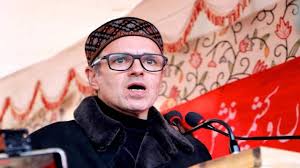
Srinagar, Mar 26: Jammu and Kashmir Chief Minister Omar Abdullah on Thursday urged people not to rush to petrol pumps amid rumours of a possible fuel shortage, warning that panic buying could create an unnecessary crisis in Jammu and Kashmir.

Speaking to the media in Srinagar, Abdullah said the government has received reports of long queues forming outside several fuel stations due to misinformation circulating among the public. He clarified that there is no shortage of petrol or diesel and appealed to people to remain calm.

“There is absolutely no need for panic. Fuel supplies are adequate, and people should avoid rushing to petrol pumps because of rumours,” he said.

The chief minister cautioned that if the rush continues and disrupts normal supply, the government may be compelled to temporarily shut petrol pumps to control the situation and prevent chaos.

Abdullah said the administration is closely monitoring the developments and coordinating with relevant authorities to ensure that fuel and other essential commodities remain available.

Referring to a meeting convened by Prime Minister Narendra Modi, he said discussions would focus on the evolving situation in Iran and neighbouring regions, and its potential impact on supply chains.

He reassured residents that the government is prepared to take necessary steps to ensure uninterrupted availability of essential commodities if the situation in the region prolongs.

India’s Energy Supply Fully Secure; Government Calls Out Deliberate Misinformation Campaign

0
Vinod Bhat

New Delhi: The Ministry of Petroleum and Natural Gas categorically states that India’s petroleum and LPG supply situation is fully secure and under control. All retail fuel outlets have enough supplies. There is no shortage of petrol, diesel, or LPG anywhere in the country. The Ministry calls upon citizens not to be misled by a deliberately mischievous, coordinated campaign of misinformation that is being carried out to spread unjustified panic.

Petrol and Diesel: No Shortage, No Rationing

1.  India is an oasis of energy security. India is the world’s 4th largest refiner and 5th largest exporter of petroleum products, supplying refined fuel to over 150 countries. Because India is a net exporter to the world, domestic petrol and diesel availability is structurally assured. All 1 lakh-plus retail fuel outlets across the country are open and dispensing fuel without interruption. Not a single outlet has been asked to ration supply. Across the world, countries are dealing with price increases, rationing, odd-even vehicle restrictions, and forced station closures. Few have declared “National Energy Emergency”. India DOES NOT FEEL THE NEED FOR ANY SUCH MEASURES. While other nations are rationing, there is no shortage of supplies in India. Where isolated instances of panic buying occurred at select pumps, they were driven by deliberate misinformation spread by certain videos in social media. Despite the surge in demand on such pumps, fuel was dispensed to all the consumers and Oil company depots have been operational through the night to ramp up supplies. Steps have also been taken by Oil Companies to increase credit to petrol pumps to over 3 days from earlier allowed 1 day in order to ensure that there is no shortage of petrol and diesel at any pump due to working capital issues of pump owners.

Crude Oil Supply: Gap More Than Compensated

2.  Despite the situation at the Strait of Hormuz, India is today receiving more crude oil from its 41-plus suppliers across the world than what was previously arriving through the Straits. High volumes available in international markets — especially from the western hemisphere — have more than compensated for any disruption. Every Indian refinery is running at over 100% utilisation. Crude oil supplies for next 60 days have already been tied up by Indian Oil companies. There is NO supply gap.

Strategic Reserves: The Complete and Accurate Picture

3.  Misinformation has been circulating — including through some articles and social media videos — suggesting that only 6 days of stocks are there in the country. India has 74 days of total reserve capacity and actual stock cover is around 60 days right now (including crude stocks, products stocks and the dedicated strategic storage in caverns) even as we are on the 27th day of the Middle East crisis. Nearly two months of steady supply is available for every Indian citizen regardless of what happens globally. Next 2 months of crude procurement has also been secured. India is completely secure for next many months and the quantity in strategic cavern storage becomes secondary in such a supply situation. Therefore, any representation that India’s reserves are depleted or insufficient should be dismissed with the disdain it deserves.

LPG: Production Up, Import Requirement Down, Cargoes Secured

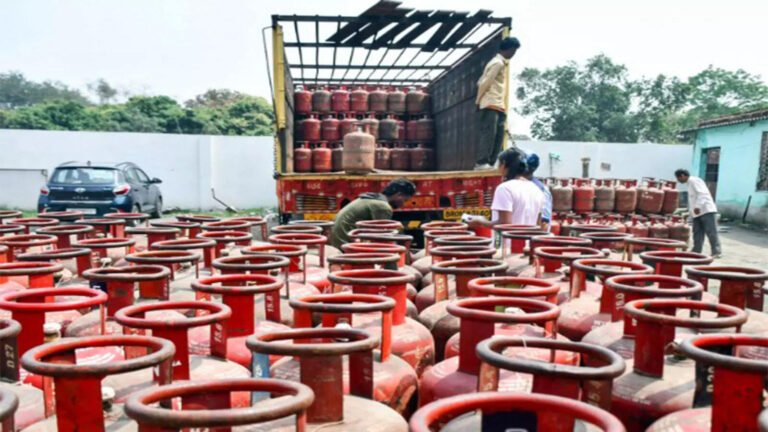
4.  There is no LPG shortage. Following the LPG Control Order issued by this Ministry, domestic refinery production has been ramped up by 40%, bringing daily LPG output to 50 TMT (more than 60% of our requirement) against a total daily requirement of around 80 TMT. The net daily import requirement has consequently come down to only 30 TMT — meaning India is now producing much more than it needs to import. Over and above domestic production, 800 TMT of assured inbound LPG cargoes are already secured and en route from the United States, Russia, Australia, and other countries, arriving across India’s 22 LPG import terminals — double the 11 terminals that existed in 2014. Approximately one full month of supply is firmly arranged, with additional procurement being finalised continuously. Oil companies are successfully delivering over 50 lakh cylinders every day. Cylinder demand had gone up to 89 lakh cylinders due to panic ordering by consumers and has now come down to 50 lakh cylinders again. Commercial cylinder allocations have been raised to 50% in consultation with state governments to avoid hoarding or black marketing.

PNG Promotion: A Transition Already Underway, Not a Crisis Response

5.  Piped Natural Gas is being promoted — in full coordination with state governments — because it is cheaper, cleaner, and safer for Indian households. India already produces 92 MMSCMD of natural gas domestically out of a total daily requirement of 191 MMSCMD, making India far less import-dependent on gas than on LPG. City gas distribution has expanded from 57 geographical areas in 2014 to over 300 today. Domestic PNG connections have grown from 25 lakh to over 1.5 crore. This transition was well underway before the current situation arose and reflects India’s long-term energy strategy. The claim that PNG is being pushed because LPG is running out is misinformation. LPG supply is secure. PNG is simply a better, more affordable and highly convenient fuel for India’s households.

Government Warning: Action Against Misinformation

6.  The Ministry has noted with serious concern the circulation of misleading videos and posts on social media platforms that selectively use images of queues, global news footage of rationing in other countries, and completely bogus and fabricated claims of impending lockdowns and emergency fuel measures in India to create a wholly false impression of shortage.

7. Some posts have deliberately misrepresented government orders — including the Natural Gas Control Order and the LPG Control Order — as emergency declarations signalling crisis, when in fact they are standard administrative instruments for supply prioritisation issued as a prudent and pre-emptive measure.

8.  This misinformation is being spread by miscreants and amplified by motivated elements, causing unnecessary public anxiety. The Ministry urges all citizens to rely only on official government communications for information regarding fuel and gas availability. Spreading false information regarding essential commodity availability is an offence under applicable laws, and the government will not hesitate to act against those found to be deliberately creating panic.

Envisioning Kashmir’s AI Revolution: A 50-Year Aspirational Forecast

0

Abrar Ahmad

Standing at the crossroads of tradition and technology, Kashmir today finds itself in a unique position. As a student pursuing M.Tech in Artificial Intelligence at the Islamic University of Science and Technology and working with the Kashmir Care Foundation, I often find myself pondering a question that keeps me awake at night: where would my education at IUST and my association with KCF take our valley in the next 50 years?
The answer, I believe, lies not in distant tech hubs or Silicon Valleys elsewhere, but right here in our own backyard.

When I look around Kashmir today, I see the early signs of a technological awakening. Our healthcare sector, for instance, has already begun embracing AI in ways that would have seemed like science fiction just a decade ago. Hospitals in Srinagar are using intelligent systems to analyze medical scans, helping doctors detect diseases earlier and with greater accuracy. AI-powered telemedicine platforms are reaching remote villages where physical healthcare infrastructure remains sparse. These are not futuristic dreams but present realities, quietly transforming lives across our region.

But this is just the beginning.

In 50 years, I envision a Kashmir where AI has become as essential to our daily lives as electricity is today. Our healthcare system will be revolutionized beyond recognition. Imagine a scenario where every Kashmiri, regardless of their location in our mountainous terrain, has access to world-class medical expertise through AI-powered diagnostic tools.

Personalized medicine, tailored to individual genetic profiles and environmental factors unique to our region, will become the norm rather than the exception. The chronic diseases that currently plague our population will be predicted and prevented years before they manifest.

The business landscape of Kashmir will undergo an equally dramatic transformation. Our local artisans and craftsmen, the guardians of centuries-old traditions in carpet weaving, papier mache, and woodwork, will harness AI to reach global markets more effectively.

Smart analytics will help them understand consumer preferences across continents, optimize their production processes, and preserve traditional techniques through digital documentation. The tourism industry, the lifeblood of our economy, will leverage AI to deliver personalised experiences for visitors while maintaining the delicate balance between economic growth and environmental preservation.

Agriculture, which employs a vast majority of our population, stands to gain immensely. AI-driven precision farming is helping our farmers optimise water use in a region where water resources are becoming increasingly scarce. Predictive models are forecasting weather patterns with unprecedented accuracy, helping farmers make informed decisions about crop selection and harvest timing. Drones equipped with computer vision will monitor crop health across the valley’s terraced fields, detecting problems before they become visible to the human eye.

Education will be transformed in ways we can barely imagine. Students in the remotest corners of Kashmir will have access to personalized learning experiences, with AI tutors adapting to individual learning styles and paces. Language barriers will dissolve as real-time translation becomes seamless, connecting Kashmiri students with global educational resources while preserving and promoting our native languages.

However, this future is not guaranteed.
It will require deliberate effort, sustained investment, and most importantly, local expertise. This is where initiatives like the Kashmir Care Foundation become crucial. Through our Engineering Technology Group at KCF, we are already taking concrete steps toward this future. The ETG conducts regular sessions with renowned industry professionals who work with multinational corporations worldwide. These sessions cover critical domains such as data science, artificial intelligence, and machine learning, bridging the gap between academic theory and industry practice.

What makes these sessions particularly valuable is their focus on making global expertise locally accessible. In addition to these sessions is KCF’s mentorship program, where an experienced mentor handholds a mentee in becoming familiar with global standards, roles, and responsibilities across different sectors of industry. More importantly, KCF mentors make us aware of the extreme importance of soft skills in communication.
Young Kashmiris no longer need to leave the valley to learn from the best minds in technology. We are building a community of AI practitioners right here, people who understand both the potential of these technologies and the unique challenges and opportunities of our region.

The transformation I envision will not happen overnight. It will require us to invest heavily in education and infrastructure. We need to create more programs like ETG that demystify AI and make it accessible to young Kashmiris. We need to encourage our brightest minds to stay in Kashmir and build solutions for Kashmir. We need policies that foster innovation while being mindful of our cultural values and environmental constraints.
There will be challenges, but we will have to face them and address them in local and global contexts. Questions about job displacement, data privacy, and the preservation of human skills in an AI-driven world are valid concerns that we must address proactively. But if we approach this transformation thoughtfully, with our eyes open to both opportunities and risks, Kashmir can emerge as a model for how traditional societies can embrace cutting-edge technology without losing their soul.

50 years from now, I hope to see a Kashmir where technology serves humanity rather than replacing it. Where AI helps preserve our languages, protect our environment, strengthen our economy, and improve our quality of life. Where young Kashmiris are not just consumers of technology but creators and innovators, shaping AI applications that solve problems unique to our context.
This is not merely optimism. This is a future we are already building, one session, one student, one innovation at a time. The seeds being planted today through initiatives like KCF and ETG will grow into tomorrow’s forests. And in that future, Kashmir will not be watching the AI revolution from the sidelines. We will be active participants, contributors, and beneficiaries of a technology that, when wielded wisely, can elevate entire communities.

The next 50 years belong to those who prepare for them today. In Kashmir, that preparation has already begun. The comments of the KCF Founder, Altaf Lal, echo in my mind and are worth sharing with a wider audience. He says we need to extract more than 24 hours from a 24-hour day. He also says that we will build J&K and India by doing in the next 5 years what others can do in 50 years. When I combine these two aspirational comments from the KCF Founder, I begin to engage strategically, not only as a student but also as an investor, to make the AI revolution deliver for the valley and the nation in everything we can use it for.

(Abrar Ahmad, M.Tech Student in Artificial Intelligence, Islamic University of Science and Technology (IUST) and Mentee of Kashmir Care Foundation (KCF)
[email protected])


Poonch Professor Dies in Rajouri Road Accident

0

KD NEWS SERVICE

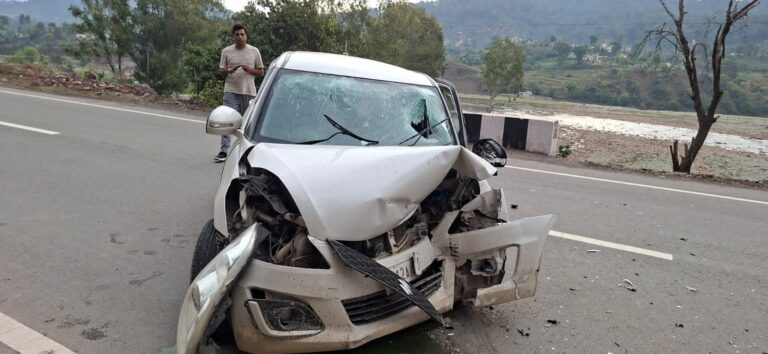
JAMMU, Mar 26: An assistant professor posted at a Government Degree College in Poonch died, while her husband sustained injuries in a road accident in Rajouri district of Jammu and Kashmir on Wednesday, officials said.

The deceased has been identified as Dr. Tabassum Naz, a resident of Poonch.
According to officials, the accident occurred on the Rajouri highway near Kallar, where she died on the spot due to the impact.

Her husband, who suffered multiple injuries in the mishap, was immediately shifted to the Government Medical College (GMC) Associated Hospital in Rajouri, where he is currently undergoing treatment.

Police have taken cognisance of the incident and initiated further investigation, officials added.

Indian Railways Approves Projects worth ₹1,236 Crore to Upgrade Communication and Kavach System

0

Vinod Bhat

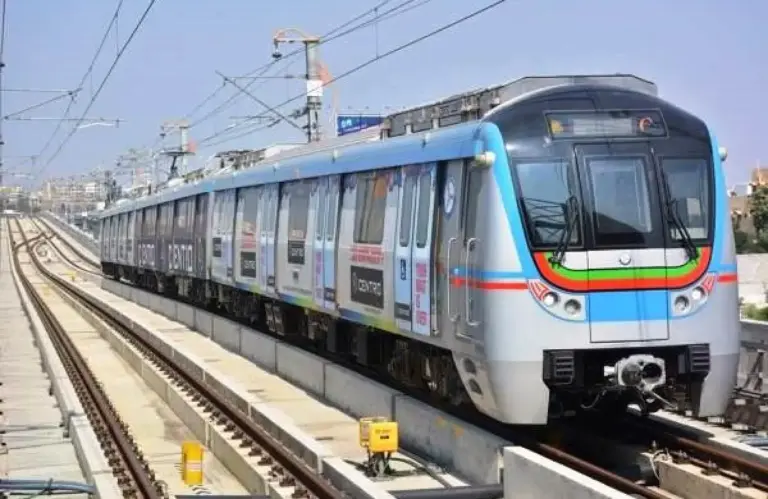
New Delhi:Indian Railways has approved a comprehensive set of projects worth approximately ₹1,236 crore aimed at significantly upgrading its communication backbone and expanding the Kavach automatic train protection system across multiple zones. These approvals cover three separate proposals. Two are focused on optical fibre and ground wire infrastructure on Central and Western Railways, and one on deployment of Kavach on high-utilisation routes of Southern Railway.

Central Railway Gets Upgraded Fibre Network: ₹623.63 Crore

Two complementary works have been approved to build a robust, dual-path communication backbone across Central Railway’s network, covering all five of its divisions — Solapur, Nagpur, Pune, Bhusawal, and Mumbai.

First, a special type of composite overhead wire called OPGW (96 fibre) will be installed along the existing 25 KV electric traction lines on 2,250.68 Rkm, covering Solapur, Nagpur, Pune, and Bhusawal Divisions. This wire does two jobs at once: it acts as an earth protection wire for the traction system and also carries optical fibre for communication. Since it runs on the existing traction towers, no new civil infrastructure is needed. Cost: ₹238.9363 Crore.

Second, underground optical fibre cables (2×48 fibre) will be laid on one side of the track over 2,673.21 Rkm across all five divisions — Solapur, Pune, Nagpur, Bhusawal, and Mumbai. Together with the OPGW on the other side, this creates two independent fibre paths on every route, ensuring the communication network stays operational even if one path fails. Cost: ₹384.6887 Crore.

The additional fibre capacity will also be leased out as dark fibre, generating revenue for Indian Railways.

Kavach Safety System Extended to 548 km on Southern Railway: ₹310.18 Crore

Kavach is Indian Railways’ automatic train protection system that prevents collisions by automatically applying brakes if two trains are on a collision course or if a signal is passed at danger. Under this approval, it will be deployed on high-traffic routes across Tamil Nadu, Kerala, and Karnataka.

Under this approval, Kavach version 4.0 will be deployed on two sections of Southern Railway:

Jolarpettai–Erode (180 Rkm, Salem Division) and Chennai Beach – Tambaram – Chengalpattu (60 km, Chennai Division) — along with new optical fibre cabling. Cost: ₹158.74 Crore.

Shoranur–Mangalore (308 km, Palakkad Division) — along with new 4×48 fibre OFC cabling. Cost: ₹151.44 Crore.

These works are part of Southern Railway’s sub-umbrella project worth ₹2,950 Crore.

Western Railway to Complete Fibre Backbone for Rajkot and Bhavnagar Divisions at ₹302.2589 Crore

Optical fibre cables (2×48 fibre, on each side of track) will be laid on the remaining stretches of two Western Railway divisions in Gujarat — 1,064 km in Rajkot Division and 589 km in Bhavnagar Division, totalling 1,653 km. This fills the last gaps in the fibre communication network of these divisions.

A strong fibre backbone is essential for Kavach and LTE-based train control systems to function reliably. Completing this network ensures Western Railway’s Kavach rollout can move forward without delays. These works are part of Western Railway’s sub-umbrella project worth ₹2,800 Crore.

Overall Impact
These projects are part of Indian Railways’ broader strategy to modernise infrastructure through integration of advanced communication systems and safety technologies. The strengthening of traction-linked communication systems and expansion of OFC networks will play a vital role in supporting Kavach, improving operational efficiency, enhancing safety and enabling future-ready railway operations across the country.

“Deception”: Iran rejects American peace overture, puts 5 conditions to end conflict

0

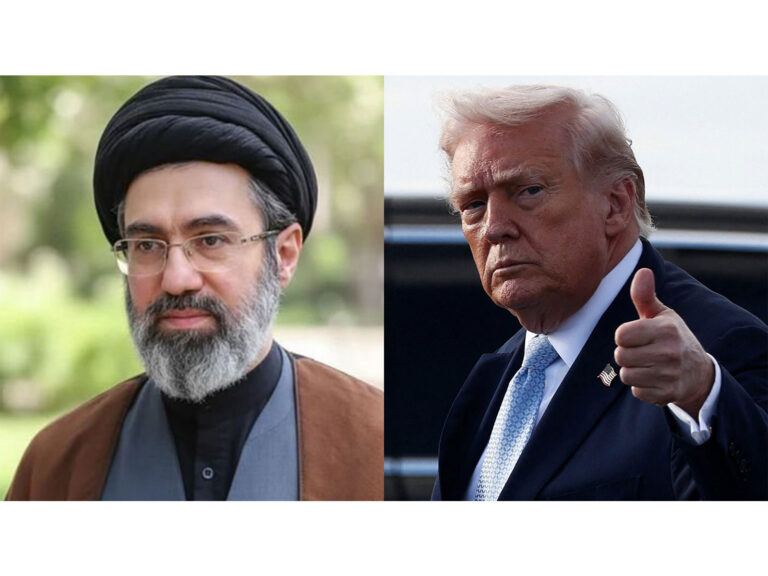
Tehran: Iran has responded negatively to an American proposal aimed at ending the ongoing conflict insisting that any cessation of hostilities will only occur on Tehran’s “own terms and timeline,” a senior political-security official told state broadcaster Press TV on Wednesday.

Iran says it will end the war when it decides to do so and when its own conditions are met,” the official told Press TV emphasizing Tehran’s resolve to continue its defense and inflict “heavy blows” on the enemy until its demands are fulfilled.

According to the official, Washington has been pursuing negotiations through various diplomatic channels, putting forward proposals that Tehran views as “excessive” and disconnected from the reality of America’s failure on the battlefield.

Tehran has categorized the latest overture, which was delivered via a friendly regional intermediary, as a ploy to heighten tensions and has responded negatively.

The official outlined five specific conditions under which Iran would agree to end the war. These include:

A complete halt to “aggression and assassinations” by the enemy.

The establishment of concrete mechanisms to ensure that the war is not reimposed on the Islamic Republic.

Guaranteed and clearly defined payment of war damages and reparations.

The conclusion of the war across all fronts and for all resistance groups involved throughout the region

International recognition and guarantees regarding Iran’s sovereign right to exercise authority over the Strait of Hormuz.

The official also told Press TV that these stipulations are in addition to demands previously presented by Tehran during the second round of negotiations in Geneva, which took place just days before the US and Israel carried out strikes on February 28.

“No negotiations will be held prior to that,” the official stressed, reiterating that the continuation of Iran’s defensive operations will persist until the outlined conditions are met.

“The end of the war will occur when Iran decides it should end, not when Trump envisions its conclusion,” the official further told Press TV

The urgency for a resolution is underscored by the military situation, as joint operations by Israel and the US have consistently been “targeting Iran’s missile systems, launch sites and other critical infrastructure” since the onset of the conflict. Despite these sustained strikes, Tehran has maintained its campaign, “launching missiles at Israel and nearby Gulf countries.”

Beyond the direct military engagement, the proposal “addresses maritime routes” as the Strait of Hormuz–a vital artery for international oil exports–“remains closed,” causing a global supply contraction and “pushing prices higher.” In response to these pressures, Israel’s Channel 12 reports that Trump’s conditions include a “one month of ceasefire to discuss the agreement” and a total “ending Iran’s nuclear weapons capability.”

The American terms further demand that Tehran “stopping uranium enrichment within its territory” and “ensuring the Strait of Hormuz remains open.” Additionally, Iran would be required to “transferring its stockpile of highly enriched uranium to the International Atomic Energy Agency (IAEA)” and “dismantling major nuclear sites at Natanz, Isfahan and Fordo,” while “allowing full access to the IAEA.”

Further regional stipulations in the US plan require Iran to be “withdrawing from regional proxy activities” and “ending support for allied armed groups.” Strategically, the plan calls for “placing limits on the range and number of missiles” and “restricting future missile use strictly to self-defence.”

In exchange for these concessions, Washington has reportedly offered a “complete lifting of sanctions on Iran” and “support for its civilian nuclear programme,” specifically targeting “power generation at the Bushehr plant.” The offer also includes the “removal of the “snapback” sanctions mechanism.”

However, Iranian military officials have met these offers with sharp rhetoric. Lt Col Ebrahim Zolfaghari, spokesperson for the Khatam Al-Anbiya Central Headquarters, stated on Wednesday that Trump appeared to be “negotiating with himself.”

He further challenged the US, remarking, “The one claiming to be a global superpower would have already gotten out of this mess if it could. Don’t dress up your defeat as an agreement. Your era of empty promises has come to an end.”

With Iran hardening its position and placing its own demands before the US, it appears that the standoff in West Asia is far from over. (ANI)

GMC Srinagar Hosts Groundbreaking Bariatric Surgery Workshop

0

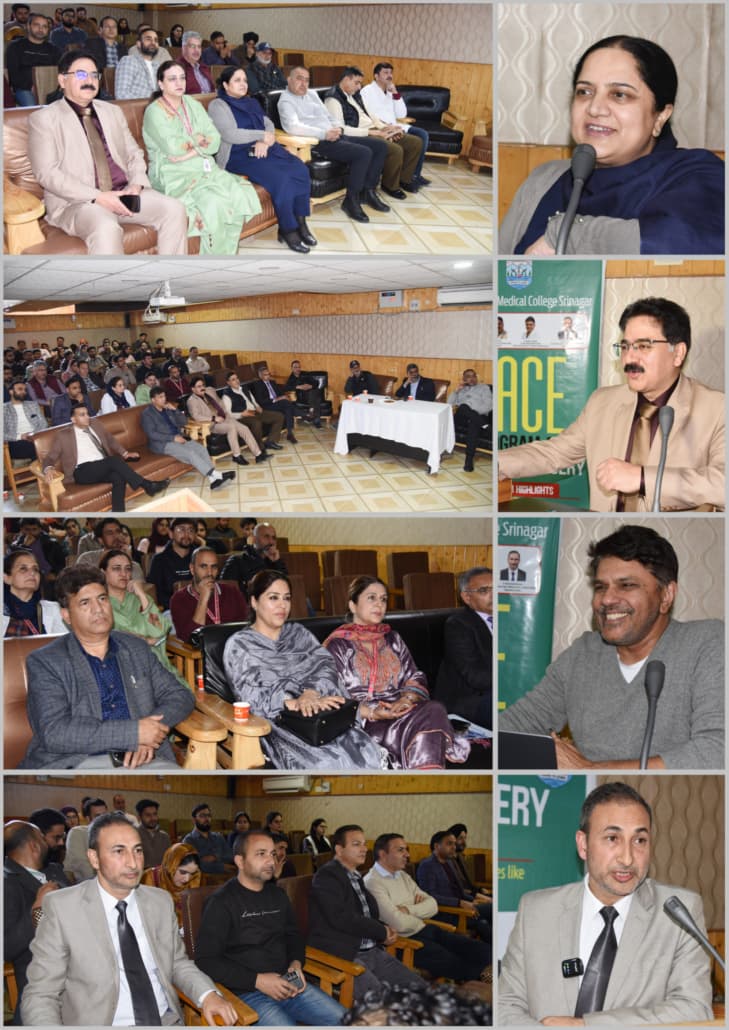
Srinagar, March 25: Government Medical College (GMC) Srinagar’s Post Graduate Department of Minimal Access and General Surgery successfully organized a PACE Program on Bariatric Surgery, featuring a live operative workshop. The event set new benchmarks in surgical excellence, showcasing cutting-edge laparoscopic and metabolic techniques.

Prof. (Dr.) Iffat Hassan ,Principal/Dean GMC Srinagar, inaugurated the program, praising the department’s progress in minimal access and bariatric surgery. Prof. (Dr.) Iqbal Saleem Mir, Head of the Department, highlighted the team’s dedication and focus on quality care and academic advancement.
The event was graced by the august presence of Prof (Dr.) Muneer Khan (Ex HOD Surgery GMC Srinagar), Prof (Dr.) Ajaz Rather (HOD Surgery, SKIMS Medical College), Prof (Dr.) Rauf A Wani (SKIMS). Prof (Dr.) Mubashir Shah (SKIMS), Prof (Dr.) M. R. Attri, Prof (Dr.) Mushtaq Chalkoo, Prof (Dr.) Ab Rashid Ganie, Prof (Dr.) Zaffar Saleem Khanday and Dr. Hakeem Waqar (KMC), along with other eminent faculty members from GMC Srinagar representing the Departments of Surgery, Anaesthesiology, Medicine, and Endocrinology. The program witnessed enthusiastic participation from postgraduate residents and MBBS students, who actively engaged in discussions and benefited from real-time exposure to advanced bariatric surgical techniques, enhancing their clinical understanding and academic learning.
The workshop demonstrated real-time surgical procedures, focusing on patient selection, perioperative management, and improving outcomes. Over 300 bariatric procedures have been performed at GMC Srinagar in the past five years, with encouraging outcomes.

Leading bariatric surgeon Dr. Mufazzal Lakdawala shared expertise on safe and evidence-based practices. Eminent faculty, including Prof. (Dr.) Showkat Ahmad Kadla, Prof. (Dr.) Rakesh Koul, HOD Medicinr,prof. Dr.Hina, hod aneasthesia, Dr.Andleeb Medical Superintendent SMHS Hospital and others, participated, enhancing clinical understanding and academic learning. Dr. Abdul Hamid Samoon, Organising Secretary, expressed gratitude for their contributions.

The program concluded with a vote of thanks, marking a successful academic initiative that promises to elevate standards in bariatric surgery.

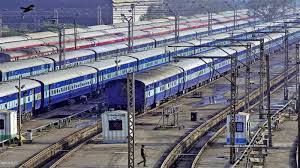
Indian Railways Introduces 1,024 Trains, Extends 907, Increases Frequency of 168 and Augments 4,651 Coaches in Last Five Years to Meet Rising Passenger Demand

0
Vinod Bhat

New Delhi: On Indian Railways, occupancy pattern of trains varies over lean and peak periods. During peak rush periods, the occupancy of the trains especially on popular routes remains full whereas during lean period and on less popular routes, there is sub optimal utilization.

Waiting list pattern is monitored on regular basis and to cater to additional demand, Indian Railways have taken various steps like introduction of new trains, increase in frequency/extension of existing trains, augmentation of load of existing trains on permanent basis, etc. Further, waiting list limits have been rationalized linking it to the extent of accommodation of that class available in the train.

During the last five years from 2021-22 to 2025-26 (up to Feb’2026), 1024 trains were introduced, 907 were extended, frequency of 168 trains was increased and 4651 coaches were augmented.  As the Railway network straddles across state boundaries, trains are introduced, as per network requirement, across such boundaries. However, on originating/terminating basis, Indian Railways during 2021-22 to 2025-26 (Feb’2026) have introduced 444 train services catering to the needs of various stations located in the  Eastern/North Eastern region including following 75 pair trains serving the stations falling in the state of Bihar.

With a view to meet the demand of passengers travelling in unreserved coaches, Railways have significantly increased the facilities for passengers demanding general class travel. During the last financial year 2024-25 alone, 1250 general coaches have been utilised in various long-distance trains. In the current financial year (upto February, 2026), 860 Coaches have been utilised for permanent augmentation.

To cater to the travel demand of the low and middle income families, Indian Railways have taken up manufacturing of 17,000 non-AC coaches (general/sleeper).

On IR, the percentage of non-AC coaches, is about 70% as indicated below:

Table 1: Distribution of coaches:

Non-AC coaches (general and sleeper) ~62,000 ~70%
AC coaches ~27,000 ~30%
Total coaches ~89,000 100%

Due to higher availability of general coaches, the number of passengers traveling in general/ unreserved coaches has shown an increasing trend as shown below:

Table 2: Passengers in general/unreserved coaches:

Year No. of Passengers
2020-21 99 Cr (Covid year)
2021-22 275 Cr (Covid year)
2022-23 553 Cr
2023-24 609 Cr
2024-25 651 Cr

The number of seats available for non-AC passengers has also increased. The current composition is as follows:

Table 3: Distribution of seats:

        Non-AC seats ~ 54 lakhs ~ 78%
AC seats ~ 15 lakhs ~ 22%
Total ~ 69 lakhs 100%

Moreover, to provide greater accommodation for the passengers using General and non-AC Sleeper Coaches, the extant policy regarding composition of Mail/Express trains provides for 12 (Twelve) General class & Sleeper class non- AC coaches and 08 (eight) AC-Coaches, in a train of 22 coaches, thereby providing greater accommodation for the passengers using General and non-AC Sleeper Coaches.

Further, to cater to the needs of passengers desirous of availing unreserved accommodation, Indian Railways (IR) operate unreserved non-AC passenger trains/ MEMU / EMU etc. for affordable travel, which are in addition to the unreserved accommodation (coaches) available in Mail/Express services.

SPECIAL TRAINS

IR also operates Special train services during festivals, holidays, etc. to cater to the extra needs of passengers and supplement the accommodation available by regular services.

Cabinet approves Continuation of the Immigration, Visa, Foreigners Registration & Tracking (lVFRT) Scheme

0

Vinod Bhat

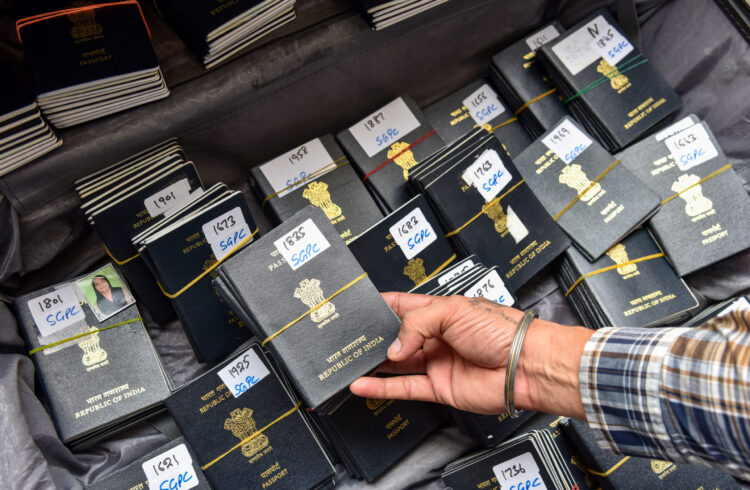
New Delhi: The Union Cabinet chaired by the Prime Minister Shri Narendra Modi has approved the continuation of the Immigration, Visa, Foreigners Registration & Tracking (IVFRT) Scheme beyond 31 March, 2026 for a period of five year from 01 April, 2026 to 31 March, 2031 with budget outlay of Rs.1800 crore.

The, IVFRT platform seeks to interlink and optimize functions related to immigration, visa issuance and registration of foreigners in India. The core objective of the IVFRT is to modernize and upgrade immigration and visa services within a secure and integrated service delivery framework. It aims to facilitate legitimate travellers while strengthening national security. This project was approved by the Cabinet Committee on Economic Affairs on 13.05.2010 with a budget outlay of Rs.1011 crore and with project duration till September, 2014. The budget outlay for the project was revised to Rs.638.90 crore in 2015 along with extension of the implementation timeline up to 31st March, 2017, and further up to 31st March, 2021 without any additional financial implications. The expenditure of Rs.613.28 core was incurred against the total revised outlay of Rs.638.90 crore. The extension of the project for a further continuation for a period of five years from 01.04.2021 to 31.03.2026 was approved by the Cabinet on 19.01.2022 with a budget outlay of Rs.1365 crore.

The scheme seeks to expand and strengthen the scope and capacity of the existing IVFRT Scheme not only by reimagining and revamping the existing structure, but also introducing the state-of-the-art technological solutions to enhance user experience without compromising the security architecture. The modernization of the IVFRT project is essential to meet the evolving demands of global travel and address emerging national security challenges. After the recent enactment of the Immigration and Foreigners Act, 2025 and its subsequent Rules and Order, it has become imperative to strengthen and modernize the Immigration, Visa, and Foreigners Registration & Tracking (IVFRT) system to effectively meet emerging requirements and future challenges in the domain of immigration control and foreigner management including illegal migration. The continuation of the project is not just a technical upgrade, but a strategic transformation aligned with the vision of the Government of India to promote international mobility through a world-class immigration and visa issuance system. The next phase would focus on three broad areas: (a) emerging technology innovations, (b) Transformation of Core infrastructure, and (c) Technology and service optimization.

The scheme will modernize the immigration and visa ecosystem through adoption of emerging technologies, including mobile-based services and self-service kiosks for seamless and secure passenger movement. It will upgrade and expand core infrastructure across Immigration Posts, FRROs, and Data Centres to build a resilient and scalable system nationwide. Additionally, it will optimize technology and service delivery by introducing unified digital platforms, revamping core application architecture, and strengthening network and deployment frameworks for improved efficiency and user experience, which will facilitate legitimate travellers while strengthening national security. It will help maintaining service continuity and induct innovative technological solutions to attract more foreign tourists in India in future. This will thus give a boost to the tourism, medical and business sectors. IVFRT has immense positive externalities that would boost international traffic, business, commerce, and tourism. This would pave the way for economic growth and would thus contribute towards employment opportunities.

The scheme has covered 117 Immigration Posts (JPs), 15 Foreigners Regional Registration Officers (FRROs) and 854 Foreigners Registration Officers (FROs)/Superintendents of Police (SPs)/Deputy Commissioners of Police (DCPs) across the country.

IVFRT system has led to significant improvements in service delivery and operational efficiency across immigration and visa functions. The system has enabled a 100% contactless and faceless visa process with online appointment scheduling and payment facilities, leading to faster visa processing times with 91.24% of e-Visa applications have been cleared within 72 hours during the past five years. Average passenger clearance time at Immigration Posts has also been reduced to 2.5-3 minutes including biometrics, from the conventional 5-6 minutes.

Fast Track Immigration-Trusted Traveller Programme (FTI-TTP) through automated e-gates implemented at 13 Major airports, reduces the time taken for immigration clearance from 2.5-3 minutes to 30 seconds. Its enrolment is on gratis basis currently available for Indian nationals & OCI cardholders.

Huge economic benefits on account of ease of doing business, convenience and security assurance have been made possible by IVFRT System. Tourism, business, trade & commerce, service industry especially aviation and hospitality industry have been extensively benefitted by IVFRT system.


****

Cabinet approves Regional Connectivity Scheme – Modified UDAN with a total outlay of Rs.28,840 crore

 25 MAR 2026 New Delhi

The Union Cabinet chaired by the Prime Minister Shri Narendra Modi has approved the launch and implementation of the Regional Connectivity Scheme – Modified UDAN for a period of ten years from FY 2026-27 to FY 2035-36 with a total outlay of Rs.28,840 crore with the budgetary support of the Government of India.

Impact:

  • Enhanced regional air connectivity to underserved and unserved areas.
  • Boost to economic growth, trade and tourism in Tier-2 and Tier-3 cities.
  • Support affordable air travel for common citizens.
  • Improved emergency response and healthcare access in remote and hilly regions.
  • Greater viability and sustainability for regional aerodromes and airline operators.
  • Promotion of the indigenous aerospace sector under Atmanirbhar Bharat.
  • Progress towards Viksit Bharat 2047 goal.

The key components of the scheme are as under:

(a) Development of Aerodromes (CAPEX)

Under the Modified UDAN Scheme, it is proposed to develop 100 airports from existing unserved airstrips to enhance regional connectivity, in line with the Viksit Bharat 2047 vision of infrastructure expansion and transforming India into a globally competitive aviation ecosystem with a total outlay of Rs.12,159 crore over the next eight years.

(b) Operation & Maintenance (O&M) of Aerodromes

Given the high recurring O&M costs and limited revenue streams for Regional Connectivity Scheme (RCS)-only aerodromes, the Scheme proposes to provide O&M support for three years capped at Rs.3.06 crore per annum per airport and Rs.0.90 crore per annum per heliport/water aerodrome, estimated at Rs.2,577 crore for around 441 aerodromes.

(c) Development of Modern Helipads

To address connectivity challenges in hilly, remote, island and aspirational regions, the Scheme proposes developing 200 modern helipads at Rs.15 crore each, amounting to a total requirement of Rs.3,661 crore over the next eight years (inflation-adjusted), focused on priority and aspirational districts to improve last-mile connectivity and emergency response.

(d) Viability Gap Funding (VGF)

Under the Regional Connectivity Scheme, airline operators receive financial support in the form of VGF for operating awarded routes. Recognising the need for longer market development, VGF support to airline operators is proposed amounting to Rs.10,043 crore over 10 years.

(e) Atmanirbhar Bharat Aircraft Acquisition

To address the shortage of small fixed-wing aircraft and helicopters required for operations in remote and difficult terrains and to advance the Atmanirbhar Bharat vision, the scheme also proposes to procure two HAL Dhruv helicopters for Pawan Hans and two HAL Dornier aircraft for Alliance Air.

Background:

The original UDAN Scheme was launched in October 2016 with the objective of making air travel affordable and strengthening connectivity to Tier-2 and Tier-3 cities. Over nine years of implementation:

  • 663 routes have been operationalised across 95 airports, heliports and water aerodromes (as on 28 February 2026).
  • More than 3.41 lakh flights have been operated, carrying 162.47 lakh passengers.
  • Connectivity has been established in remote, hilly and island regions, boosting tourism, healthcare access and emergency services.
  • The scheme has fostered growth in regional airlines and diverse fleet operations, laying a strong foundation for the Modified UDAN Scheme.
Naib Tehsildar Arrested for Accepting ₹22,000 Bribe in Kashmir: ACB

0

Anantnag, March 25: The Anti-Corruption Bureau (ACB) on Wednesday caught a Naib Tehsildar posted at Tehsil Office Arwani in Bijbehara area of Anantnag district red-handed while allegedly accepting a bribe of ₹22,000, sources said.

They said that the operation was carried out by an ACB South Kashmir team following specific inputs regarding alleged corruption.

The accused official, Mushtaq Ahmad Bhat, a resident of Narbal in Budgam district, was apprehended at the scene while receiving the bribe, they said.

Officials said the accused was immediately taken into custody after the trap operation was successfully executed, and the bribe money was recovered on the spot.

Following the arrest, Bhat was taken to Awantipora for further legal proceedings, officials added. (KDC)