spot_imgspot_img
spot_img
Home Blog Page 76

3-month ration likely in J&K from April, FCS&CA awaits final nod

0

Centre reviews PDS reforms, procurement targets; UT working on GoI directions, modalities yet to be finalised

Srinagar, Mar 23: The Jammu & Kashmir is likely to roll out a three-month ration supply scheme from the month of April, with the Department of Food, Civil Supplies & Consumer Affairs (FCS&CA) working on modalities following directions from the Government of India, officials said here on Monday.

A CAPD official told that the department has received instructions to ensure availability of ration for three months, but the proposal is still under process.

“We have received directions from the Government of India (GoI) to provide three months’ ration. The department is working on it, but things have not been finalised yet,” the official said, adding that the directions have been issued to all States and Union Territories and not only to Jammu and Kashmir.

He said the scheme is anticipated to be launched at the earliest from April. “It is expected that from next month the ration scheme can start, but final-stage meetings are yet to take place and modalities are still being worked out,” he said.

The official said the move is aimed at ensuring smoother and more efficient distribution of foodgrains to beneficiaries across the Union Territory.

Regarding the quantity, he said the monthly ration entitlement will be multiplied by three and provided at once.

Meanwhile, the development comes as the Centre recently reviewed key aspects of foodgrain procurement, storage and Public Distribution System (PDS) reforms with States and Union Territories.

As per details of the meeting, chaired by the Secretary, Department of Food & Public Distribution (DFPD) in New Delhi, the wheat procurement target for the upcoming Rabi Marketing Season (RMS) 2026–27 has been fixed at 303 lakh metric tonnes (LMT), while paddy procurement for Kharif Marketing Season (KMS) 2025–26 (Rabi crop) has been estimated at 76 LMT (in terms of rice).

The Centre also projected procurement of around 7.79 LMT of coarse grains, including millets (Shri Anna) and ensured availability of packaging material with allocation of 7.83 lakh jute bales and 9.22 lakh HDPE bags.

Key PDS reforms discussed in the meeting included pilot distribution of improved rice with up to 10 percent broken grains, QR code tagging of foodgrain bags and expansion of digital tools like “Anna Chakra” for supply chain optimisation along with Vehicle Location Tracking System (VLTS).

Other initiatives such as Subsidy Claim Application for NFSA (SCAN), Central Bank Digital Currency (CBDC), Smart PDS, Sarthak PDS and AI-led system “ASHA” were also reviewed.

Officials said these reforms are aimed at improving transparency, efficiency and last-mile delivery of foodgrains under the PDS.

It is important to mention, further clarity on the three-month ration scheme in J&K is expected once CAPD finalises the modalities in the coming days—(KNO)

L-G VK Saxena launches Indus River Green Corridor Eco-Restoration Plantation at Spituk Pharka on International Day of Forests

0

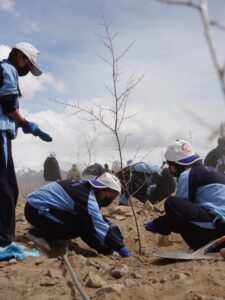
Around 1000 native saplings planted on 1 hectare land on Indus Riverbank

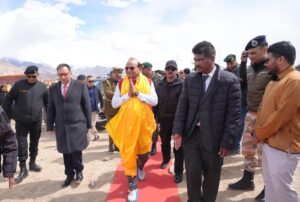
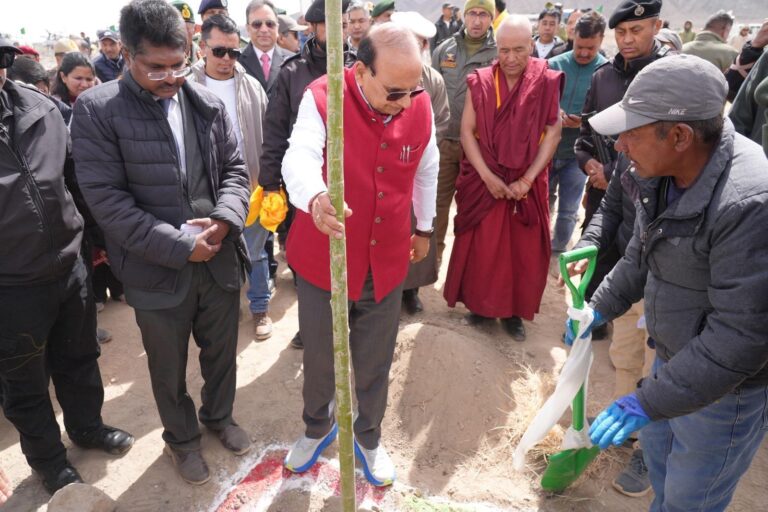
Leh, March 23: Lieutenant Governor Shri Vinai Kumar Saxena today launched the Indus River Green Corridor Eco-Restoration Plantation at Spituk Pharka, an initiative aimed at restoring the ecological integrity of the Indus riverbanks and creating green buffers in the fragile desert landscape of Leh-Ladakh. This initiative is a one of its kind Cold Desert River Bank Restoration Project in India.


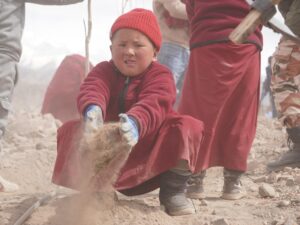
As part of the exercise, nearly 1000 saplings of indigenous species like Oleaster, Sea buckthorn, Indian Willow, Black Poplar and White Willow were planted on the river bank through collaborative efforts of civil administration, military, paramilitary, police, and local communities, especially Spituk Gonpa and its monastic fraternity, which gave 1 hectare of land for the plantation.

Apart from this, 1000 saplings of Cherry Blossom and Apricot were also planted along the roadside in Leh city, aimed at enhancing the green aesthetics of the city.

The event was organised by the Department of Forest, Ecology and Environment in collaboration with Spituk Monastery and the University of Ladakh. The initiative witnessed active participation from civil administration, defence forces, local communities and students, reflecting a model of convergence and collective action.

Describing the occasion as historic, the Lieutenant Governor stated that with support of the local communities, this project would emerge as an instrument of resilience, stability and a global model for high-altitude river ecosystem restoration. He said that the launch of the Indus River Green Corridor in a fragile ecosystem like Ladakh represents a major step towards sustainable development. He emphasised that the initiative would not only enhance the aesthetic appeal of Leh but also help address pressing ecological challenges of Ladakh.

The LG underlined the need to recognise the deep interconnection between nature, development and culture, stating that forests and rivers in Ladakh are not merely ecological assets but integral to the region’s identity and sustainability.

Highlighting the vision of the Hon’ble Prime Minister Narendra Modi, the Lieutenant Governor spoke about India’s commitment to sustainable development and combating land degradation and desertification. He reiterated the national goal of restoring 2.6 crore hectares of degraded land by 2030 and expressed confidence that Ladakh can play a pivotal role in achieving this target.

Emphasising upon the importance of community participation, the Lieutenant Governor appreciated the contribution of Spituk Monastery for donating one hectare of land for the project, terming it a commendable example of collaborative governance. He shared his experiences of similar ecological initiatives undertaken in Udaipur and Delhi, including large-scale plantation drives and innovative urban greening projects, highlighting their success despite initial scepticism.

The Lieutenant Governor described the Indus River Green Corridor as not merely a government initiative but a “civilisational project” aimed at restoring the ecological integrity of the Indus River while ensuring a harmonious balance between development and environmental conservation. He also called for amplifying the Prime Minister’s “Ek Ped Maa Ke Naam” campaign in Ladakh and urged the Forest Department to identify suitable land for large-scale plantation.

Drawing attention to Ladakh’s low forest cover—currently less than one percent—he termed it a matter of concern and set an ambitious target of increasing it to five percent in the coming two years. He highlighted the scientific benefits of plantation, including reduction in wind speed through shelter belts, prevention of soil erosion along riverbanks, improvement in biodiversity and micro-climatic stability, and enhancement of oxygen levels.

The Lieutenant Governor also stressed upon the use of scientific and innovative techniques such as gravity-based solar submersible strip irrigation and drip irrigation systems to ensure efficient water use in plantation activities.

Calling upon the youth to lead sustainability efforts, he urged them to adopt innovative practices and contribute actively to environmental conservation. He reaffirmed his vision of transforming Ladakh into one of the world’s most sought-after tourist destinations by leveraging its natural beauty and ecological wealth.

On the occasion, the Lieutenant Governor released a special postal cover and felicitated individuals and organisations contributing to environmental conservation, including “Go Green, Go Organic”, Range Officer Stanzin Gelek, and Shri Namgyal. Winners of a hackathon were also felicitated.

Among those present on the occasion were Chief Executive Councillor, LAHDC Kargil, Mohd Jaffer Akhoon, Chief Secretary, Shri Ashish Kundra, GOC 14 Corps Lt Gen Hitesh Bhalla, DGP Ladakh Shri Mukesh Singh, District Principal and Sessions Judge Smt Spalzes Angmo, senior officials of Indian Army, ITBP, Border Roads Organisation (BRO), former MP Ladakh Jamyang Tsering Namgyal, Abbot of Spituk Monastery Ven. Lobzang Angchuk, and senior officials of Ladakh administration, apart from representatives of religious, political and civil society organisations, and a large number of school/university students.

District Admin Baramulla launches Week-long Campaign to Commemorate 150 Years of Vande Mataram

0

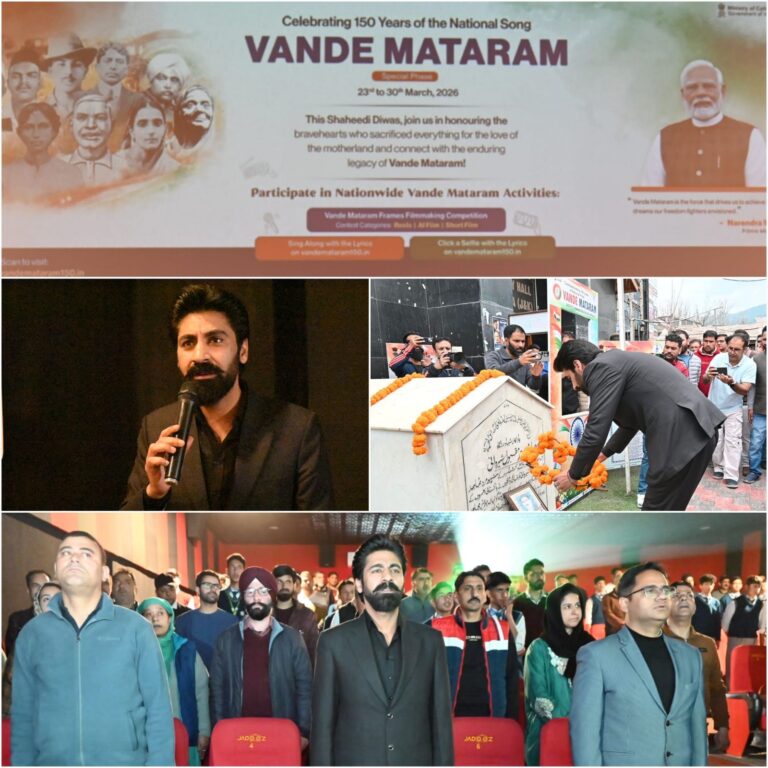
BARAMULLA, MARCH 23: District Administration Baramulla today launched a special week-long campaign to commemorate 150 years of Vande Mataram at Sherwani Hall, Baramulla.

The programme was inaugurated by Deputy Commissioner Baramulla, Syeed Fakhruddin Hamid.

On the occasion, a short documentary on the historical background and significance of Vande Mataram was screened for the participants.

Speaking during the event, the Deputy Commissioner highlighted the historical importance of Vande Mataram in our Nation’s freedom movement and its continuing relevance in promoting awareness of the country’s historical and cultural heritage among the younger generation.

He noted that the composition by Bankim Chandra Chattopadhyay Ji occupies an important place in the history of the national movement and has remained associated with the spirit of public awakening during and patriotism.

An exhibition was also organised at the venue featuring photographs, biographical sketches, and brief accounts from the lives of prominent freedom fighters.

The Deputy Commissioner and other participants also paid tributes to Shaheed Mohammad Maqbool Sherwani, recalling his contribution and sacrifice.

The week-long campaign will include a series of activities across educational institutions and public spaces, aimed at enhancing public awareness about the historical and cultural significance of Vande Mataram.

India developing indigenous AI tools for early prediction of preterm births, says Union Minister Dr. Jitendra Singh

0
Vinod Bhat

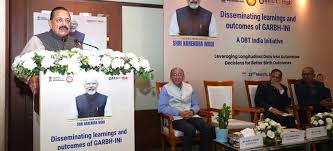
New Delhi: Union Minister of State (Independent Charge) for Science & Technology, Earth Sciences, and MoS PMO, Personnel, Public Grievances, Pensions, Atomic Energy and Space, Dr. Jitendra Singh today said that India’s largest pregnancy cohort study of 12,000 women under the GARBH-INi initiative is aimed at developing indigenous, AI-driven solutions to address preterm births, one of the leading causes of neonatal mortality as well morbidity in adulthood.

The Minister was addressing the programme on “Disseminating Learnings and Outcomes of GARBH-INi (Interdisciplinary Group for Advanced Research on Birth Outcomes)”, a Department of Biotechnology (DBT) initiative, at India Habitat Centre, New Delhi. The event was attended by Secretary, Biotechnology, Dr. Rajesh S. Gokhale; Member, NITI Aayog, Dr. V.K. Paul; Executive Director, THSTI, Dr. Ganesan Karthikeyan, along with leading scientists and researchers.

Focusing on the GARBH-INi initiative, the Minister said that India carries a significant share of the global burden of preterm births, making it essential to develop solutions suited to Indian conditions. He said the programme represents a comprehensive, data-driven approach integrating clinical epidemiology, multi-omics biomarkers, and artificial intelligence for personalised predictions.

The Minister said the initiative has successfully enrolled around 12,000 pregnant women, creating one of South Asia’s largest pregnancy cohorts. The programme has generated a vast repository of over 1.6 million well-characterised biospecimens and more than one million ultrasound images, forming a strong foundation for advanced research.

Dr. Jitendra Singh said that the outcomes of the programme include developing AI-based pregnancy dating models tailored for Indian populations, identification of microbiome-based predictors of preterm birth, rapid diagnostic tools, and genetic markers for early risk assessment. He added that such indigenous solutions are critical for improving maternal and child health outcomes in the country.

The Minister released a compendium documenting the key learnings and outcomes of the GARBH-INi programme. He said the initiative has also established a national biorepository and the GARBH-INi-DRISHTI data-sharing platform, enabling wider access for the research community and contributing to global scientific publications.

On the occasion, key partnerships and technology transfer initiatives were formalised, including transfer of microbiome-based biotherapeutics technology to SundyotaNumandisProbioceuticalsPvt. Ltd., and Letters of Intent with DOTO Health Private Limited and Qure.ai Technologies Private Limited for AI-enabled ultrasound reporting systems and risk stratification platforms under the GARBH-INi-AnandiMaa initiative. The Minister also felicitated participating families for their contribution to scientific research.

Dr. Jitendra Singh said that maternal and child health is central to India’s future growth, adding that the children born today will define the country’s strength and productivity in 2047. He said initiatives like GARBH-INi are part of a larger national mission linking science with long-term nation-building.

Referring to India’s bioeconomy growth from nearly 10 billion USD in 2014 to about 195 billion USD, the Minister said that biotechnology has played a leading role in this expansion. He said India is now being recognised globally for its strengths in preventive and primary healthcare, supported by indigenous innovations.

Dr. V.K. Paul, Member, NITI Aayog, said that the next phase of the programme should focus on effectively utilising the tools, predictive models and platforms developed so far. He emphasised the need for continued scientific efforts, stronger collaborations, and deeper analysis of outcomes to take the initiative forward.

Concluding, Dr. Jitendra Singh said that by strengthening maternal and child health through science-driven initiatives like GARBH-INi, India is shaping a healthier, more productive generation and laying a strong foundation for a developed India by 2047.

Centre Rolls Out MyWAVES Platform; Empowers Citizens to Create and Share Content on WAVES OTT

0

Vinod Bhat

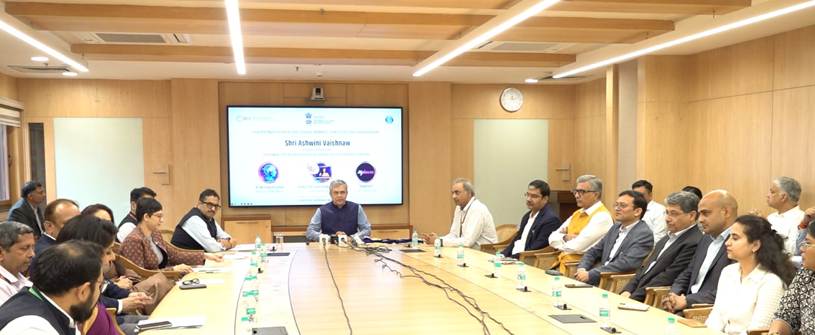
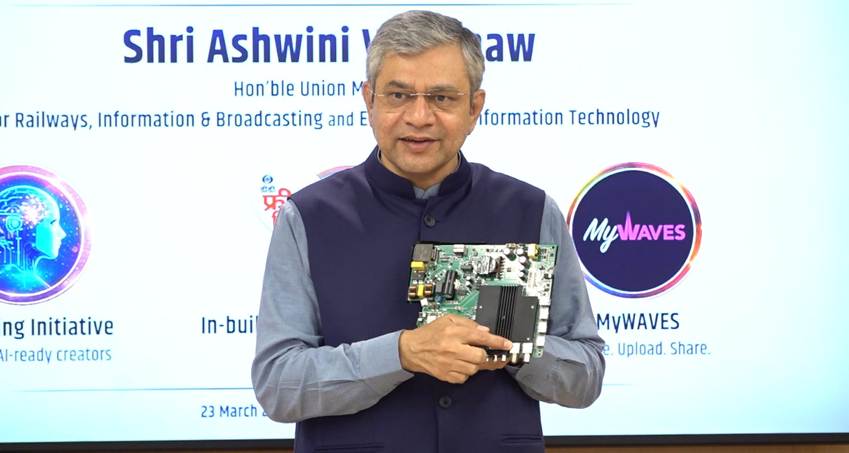
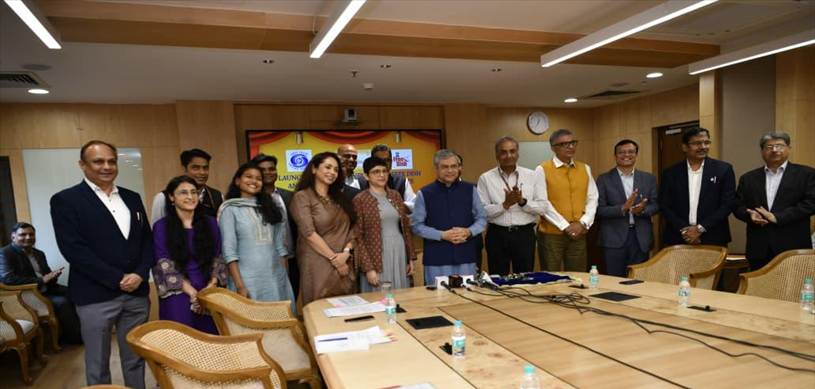
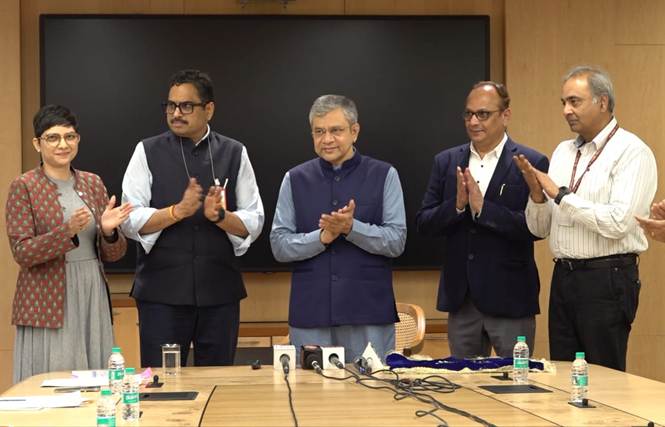
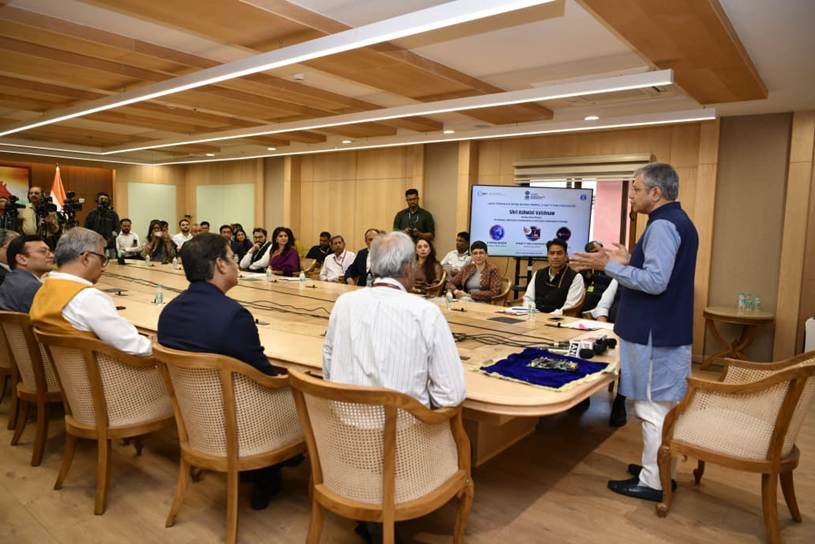
New Delhi: The Union Minister for Information & Broadcasting, Shri Ashwini Vaishnaw today launched three major initiatives, aimed at strengthening India’s media, broadcasting and digital sector and promoting the creative economy. The three initiatives, namely, national AI Skilling Initiative in partnership with Google and YouTube through the Indian Institute of Creative Technologies (IICT); MyWAVES, a citizen creator platform on WAVES OTT; and the rollout of Advanced Electronic Programme Guide (EPG) and in-built satellite tuners in television sets for enhancing access to DD Free Dish services, are aimed at promoting the ‘Orange Economy’, strengthening public broadcasting, and building an AI skilled workforce in the media and entertainment sector. The event witnessed participation from key M&E Industry representatives, Head of YouTube India along with senior officials from the Ministry.

Affordable Technology for All

Highlighting Prime Minister Narendra Modi’s vision of democratising technology, Shri Ashwini Vaishnaw said the initiatives will make technology more affordable and accessible. He added that with in-built satellite tuners and an advanced programme guide, citizens can now access content easily without additional equipment.


Speaking about the second initiative, he described MyWAVES as a powerful platform for content creators, enabling them to create, upload, and share content, thereby strengthening India’s digital ecosystem. Referring to the Union Budget announcements, he underlined the government’s commitment to promoting the ‘Orange Economy’ and supporting the creative sector.

The Minister further highlighted that under the National AI Skilling Initiative, being implemented with the support of YouTube, around 15,000 youths will be trained without any fee.

He also spoke about the ‘Creators’ Corner’ initiative, noting its growing popularity, with some content already receiving over 3 million views. He urged creators across the country to actively use Doordarshan and platforms like MyWAVES to showcase India’s rich culture, traditions, and regional diversity.

Calling upon creators to leverage these platforms, he encouraged them to present stories from their regions and contribute to a vibrant and inclusive media landscape.”

Strengthening Creators, Expanding Access

“Speaking about the three initiatives the National AI Skilling Initiative, MyWAVES platform and the rollout of in-built satellite tuners in television sets along with the Advanced Electronic Programme Guide Shri Sanjay Jaju highlighted that all three reflect a common policy direction. These initiatives are aimed at building a strong ecosystem for creators while ensuring wider access to quality broadcasting.

The National AI Skilling Initiative will help creators build capabilities and achieve their goals in the evolving digital landscape. MyWAVES will support the creation of a vibrant digital ecosystem, enabling citizens to create, upload, and share content. The third initiative, related to DD Free Dish adds significant value by allowing citizens to access content without the need for a set-top box, thereby improving reach, especially in remote areas.

In essence, the first initiative will make people capable, the second will enable expansion of opportunities, and the third will ensure access to content for all.

Empowering Creators Through AI

Speaking about the partnership’s impact on creators, Gunjan Soni, Managing Director – India, YouTube, said, “We believe that AI has the potential to open up remarkable opportunities for India’s dynamic creative economy. Through our collaboration with the Ministry of Information & Broadcasting and IICT, we aim to equip creators and professionals with the skills required to master the tools of the future, leverage AI to tell more compelling stories, expand their reach to new audiences, and play a role in shaping the future of media. This initiative reflects our continued commitment to a ‘Digital India’ where technology serves as an enabler for all.”

National AI Skilling Initiative

The Ministry of Information and Broadcasting, in partnership with Google and YouTube, has announced a national AI skilling initiative to train 15,000 participants from the creative and media sectors. This initiative is being implemented through the Indian Institute of Creative Technologies (IICT), and is aimed at strengthening AI capabilities in areas such as animation, visual effects, gaming, comics (AVGC) and media technology.

The AI skilling programme will be conducted in two phases. Phase I, from 23rd March to 30th June, 2026, will focus on foundational AI learning at scale through Google Career Certificates and Google Cloud Generative AI learning paths. Participants will undergo courses such as AI Essentials, Prompting Essentials, Introduction to Generative AI, and Generative AI Leader Path. Successful completion of this phase will be mandatory for progression to the next stage.

Phase II, to be conducted from July to December 2026, will focus on advanced, hands-on and project-based specialization for the creative industry. The curriculum will include modules on the art of storytelling, YouTube best practices, and advanced training using AI tools such as Gemini 3, Nano Banana, Veo, and Vertex AI. The training will be conducted in major cities across the country.

The initiative will support creators, media professionals, students and developers in building future-ready skills and contribute to India’s emergence as a global hub for digital content and innovation.

MyWaves – Citizen Creator Platform under WAVES OTT

The Ministry also announced MyWaves, a new feature within the WAVES OTT platform that will enable citizens to create, upload and share content. MyWaves is designed as a structured platform for user-generated content (UGC) that will also support participation in national initiatives such as the Create in India Challenge.

The platform marks a shift from content viewing to active content participation, making WAVES OTT a platform not only for viewing but also for creation. MyWaves will support multiple formats including short videos, vertical videos and episodic content, and will offer a multilingual interface across Indian languages. MyWAVES is expected to serve as an important platform for emerging creators and storytellers from across the country.

Advanced EPG & In-built Satellite Tuner in Television Sets

In a significant step towards making television viewing simpler and more accessible, the Ministry of Information & Broadcasting has introduced television sets with built-in satellite tuners along with a new, user-friendly programme guide (EPG). With this initiative, viewers will be able to watch DD Free Dish channels directly on their television sets without the need for a separate set-top box, thereby reducing additional costs, wiring, and the hassle of multiple remotes. At the same time, the new advanced programme guide will allow users to easily browse channels and programme schedules in one place through a simple and intuitive interface, making the overall viewing experience more convenient for households across the country.

The Ministry of Information & Broadcasting is leading these efforts as part of its commitment to promoting the ‘Orange Economy’, strengthening public broadcasting along with improved accessibility, and building an AI skilled, future ready workforce for the M&E Sector. Prasar Bharati continues to play a key role in improving public broadcasting, while IICT will drive the AI skilling programme for the creative sector, and WAVES OTT will provide a platform for citizen participation and content creation including dovetailing of the Create in India challenge.

Indian Railways Commissions Kavach on 190 Route Kilometres of Prayagraj–Kanpur Section of Delhi–Howrah High-Density Corridor

0
Vinod Bhat

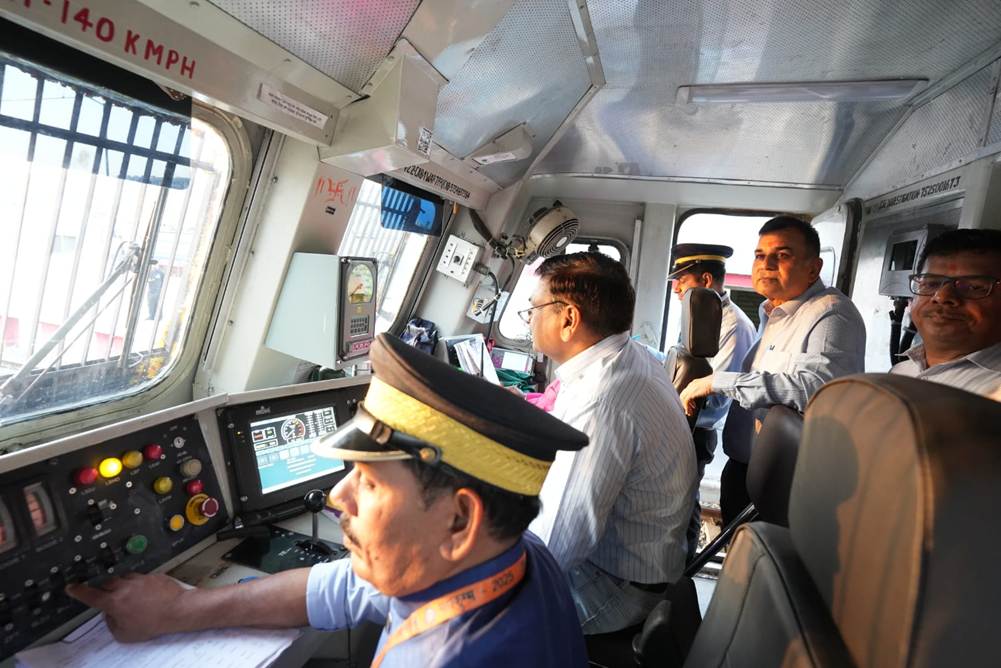
New Delhi: Indian Railways successfully commissioned the Kavach Automatic Train Protection (ATP) System on the Prayagraj (Excluding) – Kanpur (Excluding) section (190 Route Kilometres) of Delhi–Howrah high-density corridor on 22 March 2026. The Kavach system was implemented through Train No. 14163. The General Manager also conducted a footplate inspection onboard Train No. 14163 from Subedarganj to Manauri station to assess the performance of the Kavach system. Senior officers including PHODs, DRM/Prayagraj, Headquarters officers, and Divisional officers were present on the occasion.

In the first phase, Kavach will be enabled on eight pairs of trains: 14113/14114, 14163/14164, 12307/12308, 12417/12418, 22437/22438, 15003/15004, 20433/20434, and 12403/12404. Additional trains and Vande Bharat will be progressively included.

This commissioning marks a significant milestone in running trains at 160 KMPH and enhancing railway safety and improving operational efficiency on one of the most vital sections of Indian Railway.

Prior to commissioning, extensive and rigorous trials were successfully conducted. Trial runs included WAP-7 locomotives with 8, 16, and 22 LHB coach configurations, as well as a 20-coach Vande Bharat rake, ensuring system reliability under varied operational conditions. The WAP-7 is a high-performance electric locomotive used by Indian Railways for hauling passenger trains, including premium services like Rajdhani, Shatabdi, and Duronto Express.

Passenger trials were also conducted using Train No. 15003/15004 (Chauri Chaura Express), which demonstrated consistent and reliable performance during regular service.

More than 20,000 kilometres of passenger trial runs have been successfully completed, with all system validations found satisfactory.

The Kavach system significantly enhances railway safety through the following features:

  • Automatic Train Protection (ATP)
  • Prevention of Signal Passing at Danger (SPAD)
  • Automatic brake application in case of human error.

Kavach is an indigenously developed Automatic Train Protection system under the Make in India initiative and is being progressively deployed across Indian Railways to strengthen safety and modernize train operations.

Prior to this, after extensive and elaborate trials, Kavach Version 4.0 has been successfully commissioned on 1,452 Route Kilometres, covering the high-density Delhi–Mumbai and Delhi–Howrah routes.

Indian Railways remains committed to adopting modern safety technologies and strengthening the safety framework, ensuring safer, more reliable, and efficient train operations for passengers.

In the next phase Kavach system will be introduced in Ghaziabad – Tundla section for running trains at 160 KMPH as one of the objectives of Mission Raftaar.

Former tehsildar convicted in 2010 bribery case in Srinagar : ACB

0

KD News Service

Srinagar, Mar 23 ; A special anti-corruption court in Srinagar has convicted a former tehsildar in a decade-and-a-half-old bribery case, sentencing him to one year of simple imprisonment.

In a statement issued, ACB said Mohd Akram Khan, who was serving as Tehsildar Chadoora at the time of the incident, was found guilty of demanding and accepting a bribe of Rs 20,000 from a complainant in 2010. The court also imposed a fine of Rs 20,000 on the convict.

According to an official statement ACB said Special Judge Anti-Corruption Court Srinagar, Dr Tasleem Arief Ganie, convicted Khan under Sections 5(2) read with 5(1)(d) of the J&K Prevention of Corruption Act and Section 161 of the Ranbir Penal Code (RPC).

The case was registered under FIR No. 20 of 2010 at Police Station VOK (now ACB). The charges stated that the accused had demanded the bribe from the complainant on the pretext of settling a property dispute in his favour.

Following a complaint filed on May 13, 2010, a trap was laid by the then Vigilance Organisation Kashmir, during which Khan was caught red-handed accepting the illegal gratification.

The charge sheet was filed on October 22, 2010, and after a trial spanning over 15 years, the court delivered its judgment on March 23, 2026.

The ACB stated that the conviction reinforces the commitment to combat corruption and uphold accountability in public service. (KNS)

India Monitoring West Asia Crisis Closely, Ensuring Energy and Citizen Safety: PM in Parliament

0

Vinod Bhat

New Delhi: I have come before this esteemed House to speak on the ongoing conflict in West Asia and the challenges it has posed for India. The situation in West Asia is deeply concerning. In the past two to three weeks, Shri Jaishankar ji and Shri Hardeep Puri ji have provided the House with necessary updates on this matter. Now that the crisis has lasted for more than three weeks, its adverse impact on the global economy and on people’s lives is evident. The entire world is urging all parties for a swift resolution to this crisis.

Honourable Speaker,

This war has created unexpected challenges for India as well as economic, national security related, and humanitarian. India has extensive trade relations with the countries at war and those affected by it. The region where the war is taking place is also a crucial route for our trade with other parts of the world. Most importantly, a significant portion of our crude oil and gas requirements is met by this region. For another reason too, this region is vital for us-nearly ten million Indians live and work in the Gulf countries. A large number of Indian crew members also serve on commercial ships sailing in these waters. For all these reasons, India’s concerns are naturally greater. Therefore, it is essential that from the Parliament of India, a united and unanimous voice goes out to the world regarding this crisis.

Honourable Speaker,

Since the war began, every Indian in the affected countries has been provided necessary assistance. I myself have spoken twice over the phone with the Presidents of most West Asian countries. All of them have assured full safety for Indians. Unfortunately, during this period, some people have lost their lives and some have been injured. In such difficult circumstances, their families are being given all possible support, and the injured are receiving the best possible medical treatment.

Honourable Speaker,

All our missions in the affected countries are continuously engaged in helping Indians. Whether they are workers or tourists, everyone is being given every possible assistance. Our missions are issuing regular advisories. Here in India and in other affected countries, 24/7 control rooms and emergency helplines have been set up. Through these, timely information is being provided to all those affected.

Honourable Speaker,

In times of crisis, the safety of Indians at home and abroad has been our highest priority. Since the war began, more than 375,000 Indians have safely returned to India. From Iran alone, nearly 1,000 Indians have returned safely, including more than 700 young students pursuing medical education. In Gulf countries, thousands of students study in Indian schools. The CBSE has cancelled the scheduled Class 10 and Class 12 examinations in all such schools. To ensure uninterrupted education for these children, CBSE is taking appropriate measures. This shows that the government is sensitive, vigilant, and ready to provide every possible assistance.

Honourable Speaker,

India imports large quantities of crude oil, gas, and fertilizers through the Strait of Hormuz. Since the war began, shipping through the Strait of Hormuz has become highly challenging. Despite this, our government has worked to ensure that the supply of petrol, diesel, and gas is not severely disrupted. Our focus has been to minimize difficulties for ordinary families. We all know that India imports 60% of its LPG requirements. Due to uncertainty in supply, the government has prioritized domestic use of LPG and is also increasing domestic production. Continuous efforts have been made to ensure smooth supply of petrol and diesel across the country.

Honourable Speaker,

In today’s circumstances, the steps taken over the past decade for energy security have become even more relevant. Over the last 11 years, India has diversified its energy imports. Earlier, crude oil, LNG, and LPG were imported from 27 countries. Today, India imports energy from 41 countries.

Honourable Speaker,

In the past decade, India has also prioritized crude oil storage for times of crisis. Today, India has a strategic petroleum reserve of more than 5.3 million metric tonnes, and work is underway to expand it to over 6.5 million metric tonnes. The reserves maintained by our oil companies are separate. In the past 11 years, our refining capacity has also increased significantly.

Honourable Speaker,

The government is in constant contact with suppliers from different countries. Efforts are being made to ensure supply of oil and gas from wherever possible. The Government of India is keeping a close watch on shipping routes in the Gulf and surrounding areas. Our aim is to ensure that ships carrying oil, gas, fertilizers, and other essential goods reach India safely. We are in continuous dialogue with all our global partners to keep our maritime corridors secure. As a result of these efforts, several of our ships stuck in the Strait of Hormuz have recently reached India safely.

Honourable Speaker,

At this time of crisis, another preparation of the country is proving very useful. In the past 10–11 years, unprecedented work has been done on ethanol production and blending. A decade ago, India had only about 1.5% ethanol blending capacity. Today, we are close to achieving 20% ethanol blending in petrol. This has reduced oil imports by about 45 million barrels annually. Similarly, railway electrification has brought huge benefits. Without such electrification, about 1.8 billion litres of additional diesel would have been required every year. We have also expanded the metro network. In 2014, India’s metro network was less than 250 kilometers; today it has grown to nearly 1,100 kilometers. We have strongly promoted electric mobility. The central government has provided states with 15,000 electric buses. At the scale at which work is being done on alternative fuels today, India’s future will be even more secure.

Honourable Speaker,

We know that energy is the backbone of the economy, and West Asia is a major source of meeting global energy needs. Naturally, the world economy is being affected by the current crisis, and continuous efforts are being made to ensure that India faces the least possible adverse impact. The government is working with a clear strategy for short-term, medium-term, and long-term effects. The fundamentals of India’s economy are strong, which has also helped the country greatly. We are holding discussions with stakeholders across every sector, and wherever necessary, support is being provided. The Government of India has also set up an inter-ministerial group, which meets daily to assess difficulties in imports and exports and works continuously on necessary solutions. I am confident that through the combined efforts of the government and industry, we will be able to face these circumstances more effectively.

Honourable Speaker,

A major question is what impact the war will have on agriculture. Our farmers have filled our food grain reserves, so India has sufficient food stocks. Our effort is also to ensure proper sowing for the Kharif season. In recent years, the government has made adequate arrangements for fertilizers to deal with emergencies. In the past too, our government ensured that global crises did not burden farmers. During the COVID period and wars at that time, global supply chains were disrupted. The price of a bag of urea in world markets had reached ₹3000, but Indian farmers were provided the same bag at less than ₹300.

Honourable Speaker,

To protect farmers from such crises, many steps have been taken in recent years. In the past decade, six urea plants have been started in the country, adding more than 7.6 million metric tonnes of annual production capacity. During this period, domestic production of fertilizers like DAP and NPKS has also increased by nearly 5 million metric tonnes. Not only this, fertilizer imports have also been diversified, just like oil and gas. For DAP and NPKS imports too, we have expanded our options.

Honourable Speaker,

The government has also given farmers the option of Made-in-India nano urea. Farmers are being encouraged towards natural farming. Under the PM-KUSUM scheme, more than 2.2 million solar pumps have been provided to farmers, reducing their dependence on diesel. Through this House, I assure the farmers of the country that the government will continue to provide every possible assistance.

Honourable Speaker,

Another major challenge of the war is that summer is beginning in India. With rising temperatures, electricity demand will increase in the coming months. At present, all power plants in the country have adequate coal stocks. India has set a record of producing 1 billion tonnes of coal for the second consecutive year. From power generation to power supply, all our systems are being continuously monitored, and renewable energy has also supported our preparedness. In the past decade, India has taken major steps towards renewable energy. Today, half of our total installed power generation capacity comes from renewable sources. Our total renewable capacity has crossed the historic mark of 250 gigawatts. In the past 11 years, solar power capacity has risen from about 3 gigawatts to 140 gigawatts. Nearly 4 million rooftop solar installations have been set up in recent years, with the PM Surya Ghar Free Electricity Scheme providing significant help. Under the GobarDhan scheme, 200 compressed biogas plants are already operational in the country. All these efforts are proving very useful today. The government has also promoted nuclear energy production through the Amrit Kaal Energy Transition initiatives. Just a few days ago, the Small Hydro Power Development Scheme was approved, which will add 1500 megawatts of new hydro capacity in the next few years.

Honourable Speaker,

As far as diplomacy is concerned, India’s role has been clear. From the beginning, we have expressed deep concern over this conflict. I myself have spoken with all relevant leaders in West Asia. I have urged them to reduce tensions and end the conflict. India has opposed attacks on civilians, energy, and transport-related infrastructure. Attacks on commercial ships and obstruction in international waterways like the Strait of Hormuz are unacceptable. Through diplomacy, India is continuously working to ensure safe passage for Indian ships even in this war environment.

Honourable Speaker,

India has always raised its voice for humanity and in favor of peace. I repeat again-dialogue and diplomacy are the only solutions to this problem. All our efforts are aimed at reducing tensions and ending this conflict. Any threat to human life in this war is against the interest of humanity. Therefore, India’s effort is to encourage all parties towards a peaceful resolution at the earliest.

Honourable Speaker,

In times of such crises, some elements also try to misuse the situation. Therefore, all law enforcement agencies have been kept on alert. Coastal security, border security, cyber security, and protection of strategic installations are all being strengthened.

Honourable Speaker,

This war has created difficult global conditions that may persist for a long time. Hence, we must remain prepared and united. We faced similar challenges during the COVID crisis with unity. Now again, we must prepare in the same way. With patience, restraint, and calmness, we must face every challenge-that is our identity, that is our strength. At the same time, we must remain vigilant and cautious. Those who try to exploit the situation will attempt to spread falsehoods, but we must not let them succeed. Through this House, I also urge all state governments that during such times, black-marketeers and hoarders become active. Strict monitoring is necessary, and wherever such complaints arise, immediate action must be taken. When every government and every citizen of the country works together, we can challenge any challenge. With this appeal, I conclude my statement.
PDP MLA Waheed Para Introduces Bill for New Divisions, New Districts in J&K

0

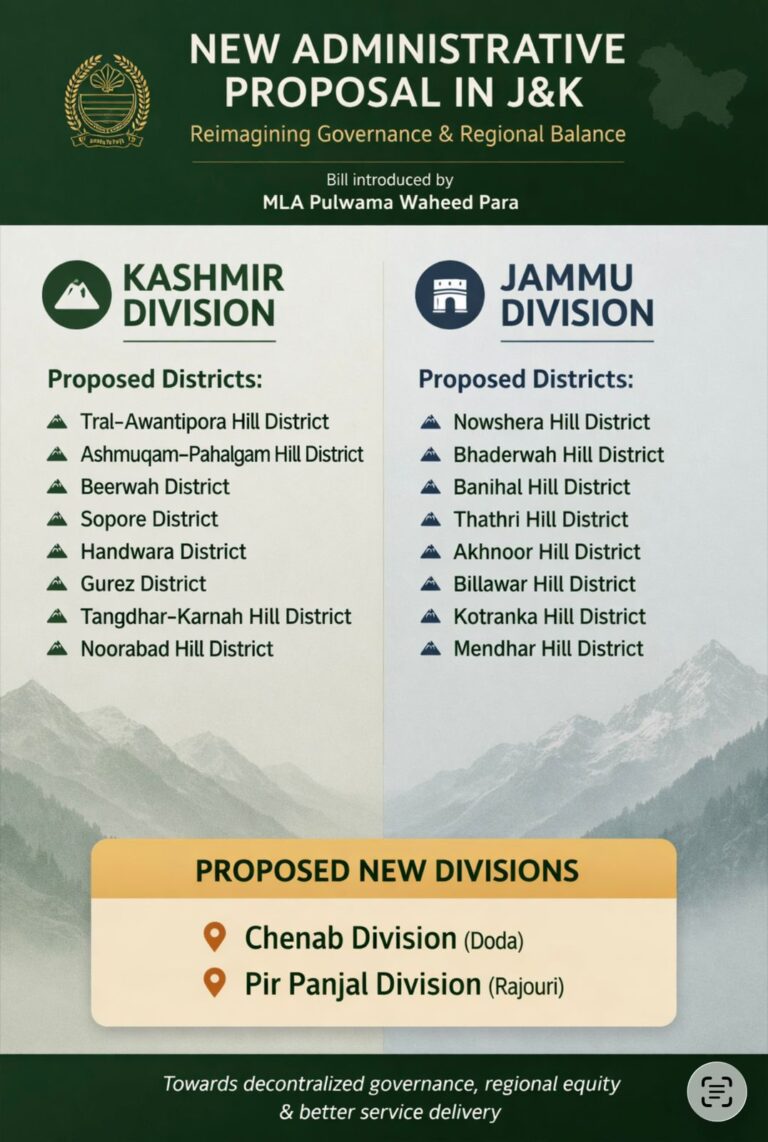
Jammu, March 23: Waheed Para, a legislator of the People’s Democratic Party (PDP), has introduced a private member’s bill in the Jammu and Kashmir Legislative Assembly seeking to establish a statutory framework for the reorganisation of administrative divisions, districts, sub-divisions, and tehsils across the Union Territory.

The proposed legislation, titled The Jammu and Kashmir Territorial Administrative Reorganisation Bill, 2026, envisages the creation of new administrative divisions, including a Chenab Division with headquarters at Doda and a Pir Panjal Division with headquarters at Rajouri, in addition to the existing Jammu and Kashmir divisions.

As part of the proposed reorganisation, the bill outlines the creation of several new districts in the Kashmir division:

• Tral–Awantipora Hill District
• Ashmuqam–Hill District
• Beerwah District
• Sopore District
• Handwara District
• Gurez District
• Tangdhar–Karnah Hill District
• Norabad Hill District

In the Jammu division, the proposed districts include Nowshera, Bhaderwah, Banihal, Thathri, Akhnoor, Billawar, Kotranka, and Mendhar, many of which are designated as hill districts to facilitate focused administrative planning and governance in geographically challenging areas.

According to the draft bill, the government will be empowered to assign districts to Jammu, Kashmir, Chenab, or Pir Panjal divisions through official notifications, while ensuring geographical continuity, administrative convenience, socio-cultural cohesion, and balanced regional development.

The bill aims to address administrative challenges arising from large geographical areas, difficult terrain, and regional imbalances, and seeks to establish a transparent legislative mechanism for the creation of new administrative units to strengthen decentralised governance and improve public service delivery.

The proposal has been submitted to the Assembly Secretariat for consideration during the ongoing Budget Session, which will resume on March 27 after a five-week recess following its first phase held from February 2 to 20.

During the initial phase of the session, Chief Minister Omar Abdullah presented the Budget on February 6, and the House passed departmental grants after detailed deliberations.

As per the notified business schedule, March 30 and April 1 have been earmarked for private members’ bills, while March 31 and April 2 are reserved for private members’ resolutions. The session is scheduled to conclude on April 4.

J&K LG announces relaxation in compassionate appointments, says 438 get approval letters

0

Jammu, Mar 23; Jammu and Kashmir Lieutenant Governor Manoj Sinha on Monday announced a relaxation in the rules governing compassionate appointments, stating that families of government employees who died “natural deaths” will now be considered for jobs, a move that comes amid a continuing drive to streamline the recruitment process in the Union Territory.

LG Sinha said 438 people have already been issued appointment letters under the new dispensation. He noted that the administration was cognisant of the distress caused by job losses during the Covid-19 pandemic and the subsequent lockdown.

“As you all know, for a long time, due to the pandemic and the lockdown, a large number of people have lost their jobs. You have all heard about their pain,” the Lt Governor.

He said all Deputy Commissioners and Senior Superintendents of Police have been instructed to send approval letters to the General Administration Department (GAD) at the earliest, while stressing that each case was being processed only after a thorough investigation.

“Because if it is given to a wrong person, then it will be discussed more,” LG Sinha said.

In a significant policy relaxation, the Lt Governor said that even families of government employees who died naturally—who were earlier not covered under the existing norms—would now be issued approval letters.

“There are some cases where people who were in government jobs died naturally. But even they are not given a letter of approval. Now, by giving them relaxation, such people are also being given a letter of approval,” he said.

When asked about the recent film Durandar, which has drawn criticism and demands for a ban, LG Sinha dismissed the need for any such action, saying there was no reason to criticise the movie.

“I feel that there is no need to criticise it. What I have said, I have said it with a lot of energy,” he added without elaborating.

The Lt Governor further stated that elements linked to the government system were being removed, while security forces, including the Jammu and Kashmir Police, Army and Central Armed Police Forces (CAPF), were operating under “a lot of pressure” in the ongoing efforts to dismantle the terror ecosystem in the region. (KNS)