spot_imgspot_img
spot_img
Home Blog Page 90

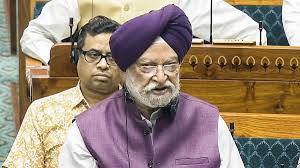
India’s Fuel Supplies Secure Despite Hormuz Disruption, Says Hardeep Singh Puri

0

Vinod Bhat

New Delhi: Union Minister for Petroleum and Natural Gas Shri Hardeep Singh Puri today made a statement in the Lok Sabha  informing the House about the steps taken by the Ministry of Petroleum and Natural Gas in response to the disruption to global energy supply arising from the ongoing conflict in West Asia. The Minister apprised the House of the measures being undertaken to ensure the continued availability of petroleum products and to safeguard India’s energy security in the evolving global situation.

The statement made by the Minister is reproduced below:

Hon’ble Speaker Sir,

I rise to inform the House of steps taken in response to the disruption to the global energy supply arising from the ongoing conflict in West Asia.

Hon’ble Speaker Sir,

The world has not faced a moment like this in modern energy history. Today is the 13th day since the passage through the Strait of Hormuz, through which 20% of world’s crude, 20% of world’s natural gas and 20% of the world’s LPG flows, was disrupted following the military operation between Iran, Israel and the US. For the first time in recorded history, the Strait of Hormuz has been effectively closed to commercial shipping. Despite India having no role in causing the conflict, like many countries, India has to navigate through its consequences.

2. The contrast with how other nations are managing this crisis places India’s response in its sharpest relief. A country in our neighborhood has shut all schools for two weeks, moved government offices to a four-day work week, ordered 50 per cent of public employees to work from home, cut fuel allowances for official vehicles by half, and taken 60 per cent of government vehicles off the road. This country has experienced the largest single fuel price increase in its history, with petrol up approximately 20 per cent in a week. Another neighbor has closed universities early and brought forward the Eid-al-Fitr holiday to save fuel. Countries in SE Asia also have had to take energy rationing and conservation measures.

CRUDE and PETROL, DIESEL:

Hon’ble Speaker Sir,

3. India’s crude supply position is secure, and volumes secured exceed what Hormuz would have delivered. Before this crisis, approximately 45 per cent of India’s crude imports transited the Hormuz route. Thanks to Hon’ble PM’s outstanding diplomatic outreach and goodwill, India has secured crude volumes that exceed what the disrupted Strait route would have delivered in the same period. Non-Hormuz sourcing has risen to approximately 70 per cent of crude imports, up from 55 per cent before the conflict began. India sources crude from 40 countries, against 27 in 2006-07; this structural diversification, built through sustained policy over successive years, has given us options that other nations now find themselves without. Refineries are operating at high capacity utilisation; in several cases, they are exceeding 100 per cent.

4. There is no shortage of petrol, diesel, kerosene, ATF or fuel oil. The availability of petrol, diesel, aviation turbine fuel, kerosene, and fuel oil is fully assured. Retail outlets across the country are stocked and supply chains for these products are functioning normally. Additional allocation of PDS Kerosene has been issued to all the States.

NATURAL GAS:

Hon’ble Speaker Sir,

5. Natural gas supply has been managed through prioritised allocation, and the position is stable well beyond immediate need. India produces approximately 90 MMSCMD (Million Metric Standard Cubic Metres per Day) of natural gas domestically. A further 30 MMSCMD was previously imported through Gulf sources now affected by the force majeure declaration from a major Qatari processing facility. The Natural Gas Control Order issued on 9 March 2026 under the Essential Commodities Act established an immediate priority sequence. Domestic piped gas to homes and CNG for vehicles receive 100 per cent supply with no cuts. Industrial and manufacturing consumers will receive upto 80 per cent of their previous six-month average. Fertiliser plants will receive upto 70 per cent, protecting the agricultural input chain ahead of the sowing season. Refineries and petrochemical units absorb a managed reduction, with that gas redirected to higher-priority sectors. I am pleased to inform the House that the shortfall has been substantially offset through alternative procurement. Large LNG cargoes are arriving on an almost daily basis through alternative supply routes, and India has sufficient gas production and supply arrangements to sustain this position even in the event of a prolonged conflict. Power generation for every household and for industry is fully protected.

LPG:

Hon’ble Speaker Sir,

6. It should be noted that India was previously importing approximately 60 per cent of its LPG requirements from Gulf countries such as Qatar, UAE, Saudi Arabia, and Kuwait and 40 per cent is produced domestically. Procurement has now been actively diversified, with cargoes being secured from the United States, Norway, Canada, Algeria, and Russia, in addition to available Gulf sources.

The LPG Control Order issued on 8 March 2026 directed all refineries to maximise LPG yields and channel the entire output of C3 and C4 hydrocarbon streams, comprising propane, butane, propylene, and butenes, exclusively to the three Oil Marketing Companies for domestic cooking gas. Hence, in the last 5 days, LPG production has been increased by 28 per cent through refinery directives, and further procurement is actively underway.

7. Modi Govt’s foremost priority is that the kitchens of India’s 33+ crore families, especially the poor and the underprivileged, do not face any shortage. Domestic supply is fully protected and the delivery cycle is unchanged. The standard time from booking to delivery for domestic LPG cylinders remains 2.5 days, unchanged from pre-crisis norms. Hospitals and educational institutions have been placed on uninterrupted priority supply; their access to LPG is fully assured regardless of broader demand conditions. Field reports indicate hoarding and panic-booking at the distributor and retail level, driven by consumer anxiety rather than any actual supply shortage. The House should be clear on this: the rush-booking pressure in some localities reflects a demand distortion, not a production or supply failure. Delivery Authentication Code coverage is being expanded from 50 per cent to 90 per cent of consumers; under this system, a cylinder can only be logged as delivered when the consumer confirms receipt through a one-time code on their registered mobile, making undocumented diversion effectively impossible to conceal. A 25-day minimum booking gap has been introduced as a demand management measure in urban areas and 45 days in rural and durgam kshetra areas. OMC field officers and the Anti-Adulteration Cell are coordinating enforcement at the distributor level. The Home Secretary has chaired a meeting with Chief Secretaries of all states to align state-level administration with the central supply and enforcement framework.


Hon’ble Speaker Sir,

8. Commercial LPG has been regulated to prevent black marketing, not to penalise the hospitality sector. Commercial LPG is sold in a completely deregulated, over-the-counter market at market price, without any government subsidy. There is no registration system, no booking requirement, no digital authentication, and no delivery confirmation mechanism. Any business or individual can purchase cylinders in any quantity at the point of sale, with no government control in normal times. In a supply-constrained environment where public anxiety is elevated, this deregulated structure creates a direct and uncontrolled pathway for hoarding, diversion, and resale at inflated prices. Had commercial supply been left entirely unrestricted, cylinders purchased over the counter could have been diverted to the grey market at the expense of genuine commercial consumers and domestic households alike. The government has therefore taken the responsible course: to regulate this channel with clear priorities and a transparent allocation mechanism. A three-member committee comprising Executive Directors from IOCL, HPCL, and BPCL was constituted on 9 March 2026. Extensive meetings have been held with state civil supply departments and restaurant associations across the country and are continuing. The committee has assessed genuine need by geography and sector to ensure available commercial volume reaches genuine users first. In a major decision, 20% of the average monthly Commercial LPG requirement will be allocated from today by OMCs, in coordination with the State Governments so that there is no hoarding or black marketing.

Hon’ble Speaker Sir,

9. Alternate fuel options are being activated to ease pressure on LPG and gas channels. Kerosene is being made available through retail outlets and PDS channels, and fuel oil is being made available for industrial and commercial consumers. The MoEFCC has advised State Pollution Control Boards to permit, for the duration of this crisis period, the use of biomass, RDF pellets, and Kerosene/coal as alternate fuels for the hospitality and restaurant segment for 1 month, which would enable a wider range of establishments to switch and free up LPG for priority consumers.

10. Consumer prices have been shielded from global market conditions. Despite the Saudi Contract Price rising 41 per cent between July 2023 and March 2026, the PMUY beneficiary price has fallen 32 per cent in the same period and stands at Rs 613 per 14.2 kg cylinder in Delhi. The non-subsidised consumer price stands at Rs 913 following the recent Rs 60 adjustment, against a market-determined price of approximately Rs 987. Of the Rs 134 per cylinder adjustment required by prevailing global market conditions, the government absorbed Rs 74. The effective additional cost for a PMUY household is under 80 paise per day. Equivalent LPG prices in the neighbourhood stand at Rs 1,046 in Pakistan, Rs 1,242 in Sri Lanka, and Rs 1,208 in Nepal. OMC compensation of Rs 30,000 crore has been approved against losses of approximately Rs 40,000 crore in 2024-25.

Hon’ble Speaker Sir,

11. State governments have responded with full cooperation and active coordination. On 11 March 2026, senior OMC officials met with state administrations across every major state: Maharashtra, Madhya Pradesh, Chhattisgarh, Gujarat, Goa, Odisha, West Bengal, Bihar, Jharkhand, Punjab, Himachal Pradesh, Jammu and Kashmir, Rajasthan, Uttar Pradesh, Delhi, Haryana, Uttarakhand, Karnataka, Tamil Nadu, Kerala, Telangana, and Andhra Pradesh. Chief Secretaries and senior officials have been briefed on the supply position, the priority sequence, and the enforcement framework. District-level monitoring committees are being established. Anti-diversion raids have been conducted and cases registered in multiple states. This is cooperative federalism responding to a national challenge with the coordination it demands.
Indian Railways Deploys Advance AI & Machine Learning Devices to Enhance Safety and its Operational Efficiency by Adopting Smart Monitoring

0
Vinod Bhat

New Delhi: Technological improvement in Indian Railways (IR) is a continuous process. Some major technologies deployed/piloted over IR are as follows:

  • Machine Vision Inspection System (MVIS): MVIS is an Artificial Intelligence (AI)/ Machine Learning (ML) based system which generates alerts on detecting any hanging, loose or missing components of moving trains. Three (03) MVIS have been installed in Northeast Frontier Railway, two (02) in Dedicated Freight Corridor Corporation of India Limited (DFCCIL) and one (01) in South East Central Railway on pilot basis for freight stock. Further, a MoU has been signed between IR and DFCCIL to induct four (04) MVIS over IR network for freight stock. Also, Research Designs and Standards Organisation (RDSO) has taken up development of MVIS for rolling stock in collaboration with industry through an Expression of Interest (EoI).
  • Wheel Impact Load Detector (WILD): WILD is a way-side inspection system that measures the impact of wheel on track to identify the defective wheel in Rolling Stock. 24 such systems are installed over IR.
  • Online Monitoring of Rolling Stock (OMRS): OMRS is a way-side inspection system which monitors the health of bearing & wheel of Rolling Stock. 25 such systems are installed over IR out of which one (01) OMRS is installed at Sirpur Kaghaz nagar /Secunderabad Division in South Central Railway.
  • Integrated Track Monitoring Systems (ITMS): ITMS are deployed for comprehensive inspection and monitoring of Railway tracks. The ITMS utilizes machine learning and image processing to monitor and detect defects in railway track components such as rails, sleepers, and fastenings. The data from ITMS is analysed for urgent and planned maintenance of track. Presently three (03) ITMS are deployed for track recording and monitoring of IR track. It helps in better track maintenance planning, enhanced safety, improved reliability of track assets and operational efficiency.
  • Drone based monitoring of Overhead Equipment: Drone based monitoring with thermal imaging of Overhead Equipment (OHE) has been taken up in Raipur division on pilot basis. Further, IR in association with IIT Madras, has taken up development of a Drone based aerial inspection of Overhead Equipment (OHE) which will also analyse the captured data using AI/ML.
  • TRI-Netra: RDSO has taken up development of TRI-Netra (Terrain Imaging for Locomotive Drivers – Infra-Red, Enhanced Optical & Ranging Device Assisted) for assisting the Loco pilots during foggy, rainy and inclement weather. This system comprises of optical cameras, infra-red camera and ranging devices (e.g. Radar/Lidar) & Al to create a real-time, enhanced vision system for assisting Loco pilots.

Rail Tech Policy: Further, to support the development of cost-effective, implementable and scalable solutions, including those based on AI and data-driven technologies, a new policy called the Rail Tech Policy has been adopted on 26.02.2026 by IR and a portal (https://railtech.indianrailways.gov.in) has been launched to facilitate participation of innovators and startups.

The proposed Rail Tech Policy incorporates the following key features:

  • Single-stage detailed submission of proposals by the Innovator.
  • Provision for submission of proposals for self-initiated challenges by the Innovator on the Rail Tech Portal.
  • Provision for funding on 50:50 cost-sharing basis between Indian Railways and the Innovator, with the maximum grant  for prototype development and trials.
  • Grant offered for extended trials or scale-up

The above proposed Policy will facilitate early adoption of new technologies in Indian Railways.

Jumat-ul-Vida to be Observed across J&K tomorrow: Grand Mufti

0

Mirwaiz hopes congregational prayers will be allowed at Jamia Masjid after 7 years

Srinagar, Mar 12: Jumat-ul-Vida, the last Friday of the holy month of Ramzan, will be observed across Jammu and Kashmir on Friday.

Grand Mufti Nasir-ul-Islam, said Jumat-ul-Vida will fall on March 13 this year, as the following Friday may coincide with Eid-ul-Fitr.

Meanwhile, Anjuman Auqaf Jama Masjid held a meeting chaired by Mirwaiz Mirwaiz Umar Farooq to finalise arrangements for Jumat-ul-Vida, Shab-e-Qadr and Eid-ul-Fitr.

The Auqaf expressed hope that authorities will allow congregational prayers and religious gatherings at the historic Jamia Masjid in the old city after nearly seven years.

It said coordination will be ensured with concerned government departments to facilitate smooth conduct of prayers—(KNO)

JKCA ‘scam’ case: Srinagar Court Issues Non-Bailable Warrant Against Farooq Abdullah

0

Srinagar, Mar 12: A court in Srinagar on Thursday issued a non-bailable warrant (NBW) against former Jammu and Kashmir Chief Minister Farooq Abdullah after rejecting an exemption application filed on his behalf in connection with the JKCA ‘scam’ case investigated by the Central Bureau of Investigation (CBI).

The order was passed by the Court of Chief Judicial Magistrate (CJM), Srinagar during the hearing scheduled for framing of charges in the case today.

According to court records, the case pertains to alleged financial irregularities in the affairs of the Jammu and Kashmir Cricket Association (JKCA), commonly referred to as the ‘JKCA scam’ case. The CBI had filed a chargesheet against several accused, including Farooq Abdullah, under Sections 120-B, 406 and 409 of the Ranbir Penal Code.

During the hearing on Thursday, sources told Kashmir Dot Com that Farooq Abdullah did not appear before the court as he was reportedly in Jammu. His counsel moved an application seeking exemption from personal appearance.

However, the CJM Srinagar rejected the plea. The court observed that despite being given an option to ensure the presence of the accused through virtual mode, the counsel did not consent.

“Keeping into view the contents of the application on behalf of Farooq Abdullah, the counsel for the accused was given an option to ensure the presence of the accused through virtual mode; however, counsel did not consent and stated that the accused could neither physically nor via virtual mode appear before the court. The application for exemption is rejected. Office is directed to issue NBW,” the court order reads.

Following the rejection of the exemption plea, the court issued a non-bailable warrant against Farooq Abdullah and listed the matter for further proceedings on March 30, 2026.

Earlier, in an order dated March 2, the court had observed that prima facie offences under Sections 120-B, 406 and 409 RPC were made out against the accused persons including Dr Farooq Abdullah in the JKCA scam case and had directed that charges be framed against them. The court had fixed March 12 for framing of charges and then recording of statements of approvers.

The case will now be taken up again on March 30, 2026 for further proceedings

Advisory issued to curb adulteration; states told to launch special registration drives

0

Advisory issued to curb adulteration; states told to launch special registration drives

New Delhi, Mar 12 : The Food Safety and Standards Authority of India (FSSAI) has issued an advisory making it mandatory for independent milk producers and milk vendors to obtain registration or a license before carrying out any food business activity.

According to the advisory issued by the Regulatory Compliance Division of FSSAI a copy of which lies, milk producers who are not members of dairy cooperative societies and those selling milk directly in the market must register with the authority before starting or continuing operations.

The authority said the directive has been issued in view of recent incidents of suspected milk adulteration across states and Union Territories, and asked enforcement agencies to ensure strict compliance with registration and licensing requirements.

FSSAI has directed officials to verify that all such producers and vendors possess a valid registration certificate or license, while also conducting periodic inspections of milk chillers and storage facilities to ensure proper temperature maintenance and prevent spoilage.

The authority has further asked states and UTs to launch special registration drives to bring all independent milk producers and vendors under the regulatory framework and ensure better food safety standards.

WORLD KIDNEY DAY 2026: “Kidney Health for All – Caring for People, Protecting the Planet”

0

By Dr Hilal Ahmad Malla

World Kidney Day, 2026 is observed globally on the second Thursday of March (12 March 2026). It is a joint initiative of the International Society of Nephrology (ISN)and the International Federation of Kidney Foundations (IFKF). Every year a specific theme is selected to celebrate the world kidney day. This year the theme is “Kidney Health for All – Caring for People, Protecting the Planet”, to emphasize and raise awareness about the impact of climate change on kidney health and vice versa.

As we know, kidneys are vital organs of our body and perform some of the very important functions like: filtering waste products and toxins from blood, maintaining blood pressure, maintaining electrolyte and acid–base balance, producing hormones for red blood cell production and bone health, and so on.

Yet, kidney disease often progresses silently. Many individuals remain asymptomatic until the disease reaches advanced stages. So, the key to diagnosis is early detection by creating awareness among the population regarding the symptoms and signs of kidney diseases.

The importance of creating awareness about the disease is also because Chronic Kidney Disease (CKD) is among the fastest growing causes of morbidity and mortality globally and affects nearly 1 in 10 people worldwide.
Among the major risk factors of chronic kidney disease (CKD) include: Diabetes mellitus, Hypertension, Obesity, Cardiovascular disease, Family history of kidney disease, etc. So the focus of screening should be on this section of the population so that kidney diseases are picked up early for better management, delaying progression and prevention of complications. In countries with limited healthcare access, late diagnosis and lack of dialysis facilities worsen outcomes.

The key to early diagnosis is commonly available Kidney function tests which can detect problems early, even before symptoms appear. Among these are the blood tests (like BUN, s. creatinine, serum cystatin-c level and electrolytes), urine tests (simple urinalysis to detect excess protein, white blood cells or Red blood cells; albumin to creatinine ratio or 24 hr urinary protein), and imaging studies (ultrasound examination of kidneys can provide information about the kidney size , shape and structural abnormalities, such as cysts, stones, or blockages). In some cases, a CT scan or MRI may be required for a more detailed examination.

Keeping the kidneys healthy is essential for overall well-being of our body. Several lifestyle changes and preventive measures can help protect kidney function and reduce the risk of kidney disease. Among the few are: staying well hydrated, following a balanced diet and maintaining an acceptable body weight, good control of blood pressure and blood sugars, smoking cessation, avoiding or minimising use of painkillers and self-medication.

Often silent in its early stages, CKD can progress unnoticed until it causes severe health consequences, profoundly impacting individuals, families, and communities. The disease significantly increases the risk of cardiovascular complications, reduces quality of life, and may advance to kidney failure, where survival depends on life-sustaining kidney replacement therapies such as dialysis or transplantation. Its burden is unevenly distributed, disproportionately affecting disadvantaged populations and exacerbating existing health inequalities.

The climate crisis and kidney diseases- a vicious cycle With the rising concerns of global warming, diminishing of glaciers and fresh water reserves has lead to water scarcity in different parts of world. This has resulted in many climate related adverse health risks. The rising temperatures and extreme weather conditions can result in dehydration, heat stress and can compound the risks of CKD and accelerate its progression. The rising global temperatures and extreme and untimely floods can also result in spreading of many tropical diseases (like malaria, leptospirosis, dengue, rickettsial diseases etc), which have direct impact on kidney function. The wide spread use of pesticides and contamination of water bodies with industrial pollutants adds another dimension to this crisis.

Keeping in view the global epidemic of non-communicable diseases and ever-growing number of kidney disease patients requiring renal replacement therapy, we currently have only two options available in an advanced kidney disease ie kidney transplant and dialysis. Since the number of kidney transplants done are still very low, majority of patients are on dialysis for prolonged periods of times. With current modalities of dialysis being much safer and effective and with widespread availability, has lead to increased life expectancy of CKD patients. This in turn has resulted in tremendous increase in the number of dialysis treatments done in last decade. These advancements have come at a price, paid by an already fragile climate, as these treatments are resource intensive requiring large volumes of water, energy and single use plastics. The environmental impact can be guessed by the fact that a single hemodialysis treatment utilises around 180-200 litres of water per patient per session, and can have a carbon footprint equivalent to driving a car for nearly 240 kilometers. This creates a vicious cycle wherein climate change and kidney disease worsen each other.

At the 78th World Health Assembly, the World Health Organization (WHO) adopted its first-ever resolution dedicated to kidney disease. This historic decision elevates kidney health as a global public health priority, recognizing World Kidney Day as a formal observance and urging action on prevention, awareness, treatment access, and environmental risk reduction.

To conclude, awareness of kidney disease, early detection in general and particularly in high-risk groups and timely management to prevent progression to advanced disease and awareness about kidney transplantation particularly cadaveric kidney donation, is the need of hour to reduce the environmental foot print of dialysis modalities.

(The author is Senior consultant nephrologist
Amandeep BR medicity, Tangpora bypass Srinagar)


International Solar Alliance Reflects Power of Global Partnership: Union Minister Shri Pralhad Joshi on ISA Foundation Day

0
Vinod Bhat

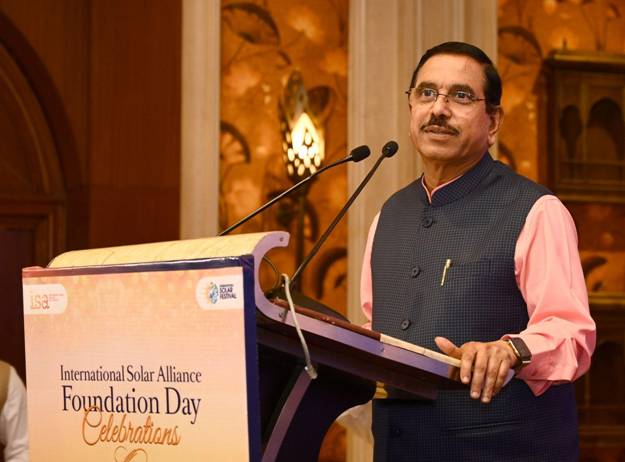
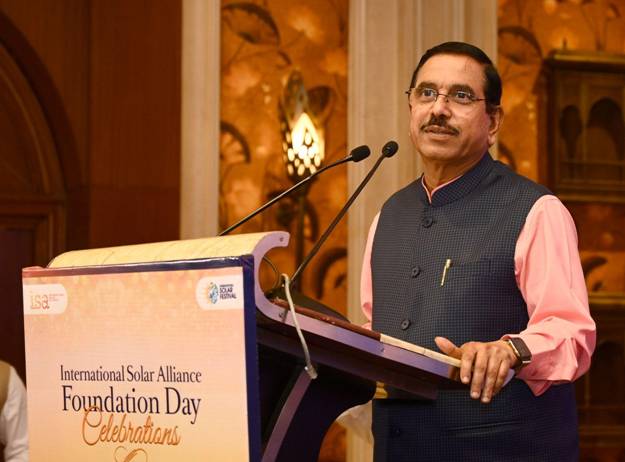
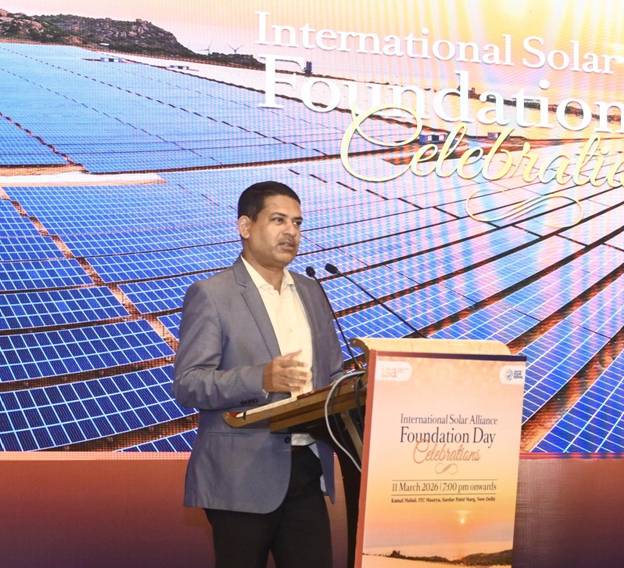
New Delhi: Union Minister of New and Renewable Energy, Shri Pralhad Joshi, highlighted the growing global momentum behind solar energy and the role of the International Solar Alliance (ISA) in accelerating the clean energy transition across the world. Addressing the ISA Foundation Day celebrations in New Delhi on 11th March, the Minister said that the Alliance reflects the power of shared vision and global partnership in advancing sustainable development through solar energy.

ISA Expands as a Coalition of Over 120 Countries

Shri Joshi noted that nearly a decade ago, India and France came together with a bold vision to place the power of the sun at the centre of global development. He said that the visionary leadership of the Prime Minister, Shri Narendra Modi, helped transform this idea into a global movement.

Spotlighting the impact ISA has created through its interventions, Shri Joshi noted, “Over the past decade, the International Solar Alliance has helped turn the promise of solar energy into real, life-changing impact across the world. By advancing solar deployment where it matters most, ISA has played a catalytic role in shifting the global energy transition toward emerging and developing economies, bringing clean, reliable power to communities that need it most.

Through targeted interventions, ISA is improving lives every day: ensuring uninterrupted healthcare by solarising health centres, empowering farmers with solar-powered irrigation and cold storage, strengthening food security, and bringing clean electricity to schools and public institutions. Support for startups, young professionals, and innovation ecosystems is creating new opportunities, jobs, and leadership for the future of clean energy.

As global solar capacity accelerates and clean energy investment reaches historic highs, ISA’s work stands as proof that the energy transition can be inclusive, people-centred and transformative. On the anniversary of ISA’s Foundation Day, India, the President of the ISA Assembly, celebrates not only the scale of progress achieved, but the millions of lives uplifted and reaffirms our commitment to expanding access, resilience and opportunity through the power of the sun.”

The Minister said that the creation of ISA is rooted in the Indian philosophy of Vasudhaiva Kutumbakam,  the belief that the world is one family, and reflects the spirit of nations working together to ensure that the benefits of clean energy are shared equitably.

Highlighting the growth of the Alliance, Shri Joshi said that what began as a powerful vision has today grown into a coalition of more than 120 countries working collectively to accelerate the global solar transition.

India’s Solar Growth Demonstrates Impact of Strong Policy Commitment

Referring to India’s own progress, the Minister said that the country’s installed solar capacity has reached nearly 136 gigawatts, accounting for almost half of India’s renewable energy capacity. He noted that this growth demonstrates what sustained policy commitment and innovation can achieve.

The Minister further highlighted flagship initiatives that are enabling the benefits of solar energy to reach people directly. Programmes such as PM Surya Ghar: Muft Bijli Yojana are enabling millions of households to generate their own clean electricity, while PM-KUSUM is empowering farmers through solar-powered irrigation systems.

Global Solar Deployment Accelerating Rapidly

Shri Joshi also pointed to the remarkable global momentum behind solar energy. He observed that while it took nearly twenty-five years for the world to install the first 1,000 gigawatts of solar capacity, the next 1,000 gigawatts is expected to be achieved much faster, signalling a new era in the global energy transition.

The Minister emphasised that the centre of gravity of the clean energy transition is increasingly shifting to the Global South, where rising energy demand and abundant solar resources present an unprecedented opportunity to leapfrog traditional energy pathways.

In this context, he said the International Solar Alliance has emerged as a unique platform bringing together governments, development partners, financial institutions and the private sector to expand solar deployment and unlock new opportunities for sustainable development.

Through initiatives such as decentralised renewable energy systems, solar irrigation and innovative financing platforms including the Global Solar Facility, ISA is helping countries deploy solar solutions that improve energy access, strengthen livelihoods and support sustainable growth, he added.

AI and Digital Technologies to Shape Future Energy Systems

Shri Joshi further noted that the energy transition is entering a new phase where digital technologies and artificial intelligence will play an increasingly important role. He highlighted ISA’s leadership in advancing the Global Mission on AI for Energy, which aims to harness innovation to build smarter and more resilient energy systems.

Concluding his address, the Minister reaffirmed the collective commitment of ISA member countries to advancing the global solar transition. He said that the solar transition is ultimately about more than energy,  it is about creating opportunities for development, resilience and prosperity across the world.

Shri Santosh Kumar Sarangi, Secretary, Ministry of New and Renewable Energy, in his address highlighted, “Solar energy has truly emerged as one of the most valuable public goods of our time, an abundant, benevolent force that nations are increasingly harnessing for the collective welfare of their people. In India, this understanding has translated into decisive action. Guided by the vision to achieve 500 GW of renewable energy capacity by 2030, we have built a strong policy and implementation framework that has accelerated deployment, strengthened domestic manufacturing, and empowered citizens to participate directly in the energy transition.”

Shri Sarangi said India is committed to sharing its experience with the world. He added that through platforms such as the International Solar Alliance, and initiatives like the Africa Solar Facility, we are working to extend the benefits of solar energy beyond our borders, learning from our partners while contributing to a cleaner, greener and more resilient future for generations to come.

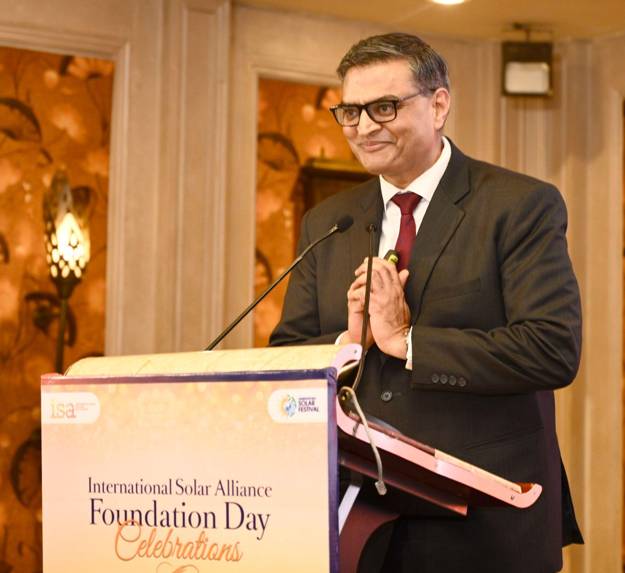
The Director General of the International Solar Alliance, Shri Ashish Khanna, noted, “On the Foundation Day of the International Solar Alliance, I express my heartfelt gratitude to our Member Countries, partner institutions and colleagues who have shaped and strengthened this Alliance. The Alliance today has grown into a global coalition of 125 Member and Signatory countries united by the belief that the world’s most abundant energy source must also be its most democratic.”

Shri Khanna said “Our Members across Africa, Asia and the Pacific, Latin America and the Caribbean, and Europe and the Others are the true custodians of ISA’s progress. Their trust, leadership and ambition define every milestone we achieve. I am equally grateful to our 77 partner organisations and to the growing community of young solar professionals trained at IIT Delhi, who carry this mission forward each day.”

He added ISA will continue to work with humility and purpose, supporting our Member Countries to translate this momentum into tangible outcomes: expanded energy access, stronger livelihoods, and shared prosperity. Together, we will continue to turn sunlight into opportunity, resilience and progress for all.

The occasion also marked the announcement of the ISA’s Green Hydrogen and Storage Start-up Challenge 2026, to identify and support innovative startups working at the forefront of green hydrogen and energy storage solutions. The Challenge will offer selected startups structured acceleration and mentoring support, as well as access to ISA’s Member Country markets to enable technology transfer and scale-up. The initiative aims to build a strong global ecosystem that accelerates the deployment of green hydrogen and storage technologies worldwide.

Alongside this, the International Solar Alliance also launched a new, enhanced website designed to meet the growing needs of its Member Countries and partners. The upgraded platform strengthens access to knowledge, programmes and opportunities, improves stakeholder engagement, and reflects ISA’s expanding portfolio and global ambitions, serving as a more dynamic, user-centric gateway to the Alliance’s work and impact.

About the International Solar Alliance

The global solar revolution is gaining unprecedented momentum. This acceleration reflects the growing centrality of solar energy in the global transition toward cleaner and more sustainable energy systems. The International Solar Alliance (ISA) plays an important role in this transformation by mobilising partnerships among governments, development institutions, industry, and investors to scale up solar deployment across the world.

The Alliance was jointly launched by India and France during the COP21 climate conference in Paris in 2015 under the leadership of the Prime Minister of India, Shri Narendra Modi. The initiative was founded on the vision that countries endowed with abundant solar resources could work together to harness the power of the sun to advance sustainable development and energy access.

Over the years, the Alliance has evolved into a major platform for international cooperation on solar energy. Today, with more than 120 Member Countries, the International Solar Alliance represents one of the most significant global partnerships dedicated to expanding solar energy deployment.

ISA places particular emphasis on supporting countries across Africa, Asia, Latin America, and Small Island Developing States, where solar energy can play a transformative role in expanding energy access, strengthening livelihoods, and enhancing resilience.

ISA’s evolving vision is anchored on four strategic pillars: (1) Catalytic Finance Hub to unlock and mobilise investments at scale; (2) Global Capability Centre and Digitisation to foster innovation, digital platforms, and capacity building across Member Countries; (3) Regional and Country-level Engagement to drive tailored interventions through strategic partnerships and (4) Technology Roadmap and Policy to accelerate the deployment of emerging solar technologies through actionable policy frameworks and knowledge resources. As a treaty-based intergovernmental platform, ISA provides technical guidance, policy leadership, and global coordination to support its Member Countries in scaling solar energy.

Farooq Abdullah says ‘God saved me’ after firing attempt

0

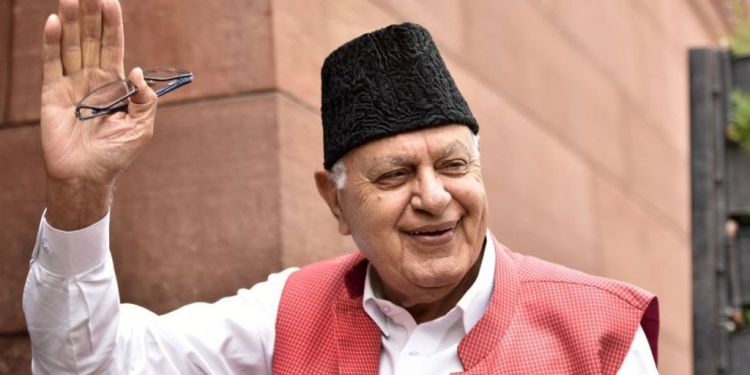
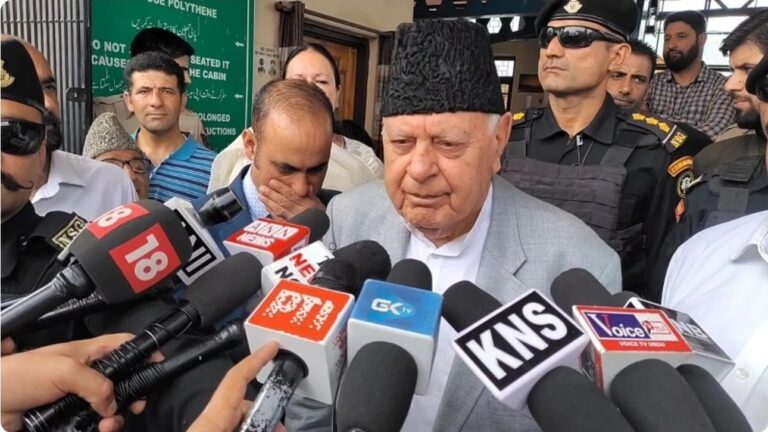
Jammu, Mar 12: National Conference president Farooq Abdullah on Thursday said he was “saved by God” after an armed man allegedly tried to shoot at him during a wedding function in Jammu a day earlier.

Abdullah, a former chief minister of Jammu and Kashmir, escaped unhurt in the incident.

Speaking to reporters here, Abdullah said he did not know the attacker and had no personal dispute with him.

“I do not know who this man is. He has claimed that he had been waiting for 20 years and had some personal grievance, but I have no idea about his motive. I have never tried to harm anyone,” he said.

Abdullah said he initially mistook the sound of gunfire for firecrackers during the function.

“I suddenly felt heat but did not realise that a shot had been fired. My security personnel quickly moved me into the car and then told me that the man had fired two rounds from a revolver,” he said.

The National Conference leader also questioned the security arrangements at the venue, saying there was no visible police deployment despite the presence of several prominent people.

“To say there was a security lapse may be a strong statement, but there was no police arrangement there. Many high-profile people had attended the event, so some security should have been present,” he said.

Abdullah thanked his security personnel for acting swiftly during the incident.

“I thank Allah that my security personnel were there. Our ministers and MLAs also gave me courage at that time,” he said.

He added that he had received a call from Union Home Minister Amit Shah after the incident, who assured him that a detailed investigation would be conducted.(KNS).

EOW Kashmir Files Chargesheet Against 17 in Fake Appointment Case

0

Srinagar, Mar 12 ; The Economic Offences Wing (EOW) of the Crime Branch Jammu and Kashmir has filed a chargesheet against 17 accused, including senior health officials and beneficiaries, in connection with a massive recruitment scam that caused a loss of crores of rupees to the state exchequer.

Officials sources revealed that the chargesheet was presented before the court of Special Anti-Corruption Judge in Baramulla in connection with FIR No. 07/2013. The case pertains to the alleged manipulation of a government order to fraudulently create and fill non-existent posts in the Health Department.

The probe was initiated following a complaint from the Deputy Director Health Services (HQR) Kashmir regarding suspected tampering with Government Order No. 235-HME of 2010 dated April 19, 2010.

According to the investigation, a criminal conspiracy was hatched by departmental officials to forge transfer and appointment orders. Using these fabricated documents, several individuals were illegally adjusted against non-existent positions in health facilities across Bandipora, including PHCs at Chuntimullah, Ashtangoo, and Sheikhpora Gurez.

“It was a well-planned conspiracy. The beneficiaries, using forged orders, not only secured illegal appointments but also drew salaries and arrears from the government treasury,” a spokesperson for the Crime Branch said.

The chargesheet has been filed against 17 accused, including a Chief Medical Officer, a Block Medical Officer, several doctors, office assistants, and 12 beneficiary employees who were fraudulently appointed. They have been charged under relevant sections of the Ranbir Penal Code (RPC) pertaining to criminal conspiracy, forgery, and cheating, as well as the Prevention of Corruption Act.

The investigating agency has established that the accused caused “crores of rupees in wrongful loss” to the government while deriving illegal gains for themselves. The case now awaits judicial determination.

Erratic weather likely in J&K till March 20: MeT

0

Srinagar, Mar 12: The Meteorological Department on Wednesday said erratic weather conditions are likely to continue in Jammu and Kashmir till March 20, with intermittent spells of rain and snow expected in higher reaches.

According to the MeT Centre Srinagar, the Union Territory witnessed varied weather conditions during the past 24 hours.

The department said the weather on March 12 is expected to remain partly cloudy with the possibility of brief spells of light rain in plains and light snowfall in higher reaches at a few places.

It said generally dry weather is likely to prevail on March 13 and 14.

“Generally cloudy weather with a spell of light to moderate rain in plains and snowfall in higher reaches is expected towards the night of March 15 and morning of March 16 at scattered to many places,” the MeT department said.

For March 17 and 18, the weather is expected to remain generally cloudy with the possibility of brief spells of light rain or snow in isolated areas towards the night of March 17 and morning of March 18.

The department said there is also a possibility of light to moderate rain in plains and snowfall in higher reaches at scattered to many places towards the night of March 19 and morning of March 20.

It added that weather conditions are likely to remain generally dry between March 21 and 23.

Meanwhile, the MeT department has issued an advisory warning of possible thunderstorms and gusty winds at a few places towards the evening of March 15.

Farmers have been advised to resume farm operations during March 13 and 14 when dry weather is expected to prevail across the region, the department said.