spot_imgspot_img
spot_img
Home Blog Page 117

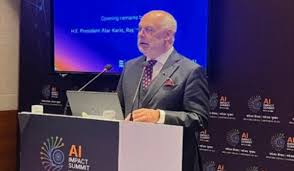
Education Is Key to Making AI Work Responsibly, says Alar Karis, President of Republic of Estonia at India AI Impact Summit 2026

0

Vinod Bhat

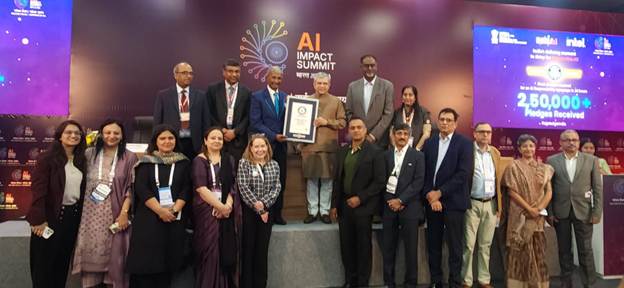
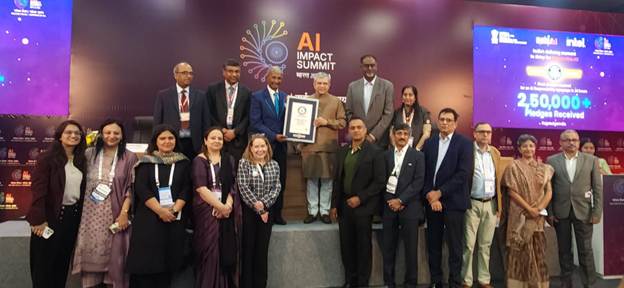
New Delhi: Shri Ashwini Vaishnaw, Union Minister for Electronics and Information Technology, today announced that India has successfully achieved the Guinness World Records title for the “Most pledges received for an AI responsibility campaign in 24 hours,” with a staggering 250,946 valid pledges received during the 24-hour period from February 16–17.

The announcement was made during the India AI Impact Summit 2026 at Bharat Mandapam, New Delhi, in the presence of Shri S. Krishnan, Secretary, Ministry of Electronics and Information Technology (MeitY); Shri Abhishek Singh, Additional Secretary, MeitY, CEO, IndiaAI Mission and DG, NIC; Ms. Kavita Bhatia, COO, IndiaAI; Mr. Srinivasan Iyengar, SVP and GM, Central Engineering Group, Intel; and Mr. Pravin Patel, Guinness World Records Adjudicator, who officially verified the achievement.

The nationwide AI Responsibility Pledge campaign, launched under the IndiaAI Mission in collaboration with Intel India on February 16, sought to mobilise citizens across the country to commit to the ethical, inclusive, and responsible use of Artificial Intelligence through the dedicated portal, aipledge.indiaai.gov.in. The initiative encouraged participants to reflect on key principles such as data privacy, accountability, transparency, and combating misinformation through scenario-based questions, thereby reinforcing India’s vision of building a trustworthy and human-centric AI ecosystem. Participants who completed the pledge received a digital badge and access to AI learning pathways.

Addressing the media, Shri Vaishnaw hailed Prime Minister Narendra Modi’s vision of engaging youth in the responsible and ethical use of AI. “It is his vision that inspired us to reach out to colleges, engage with faculty members, and encourage students to take this pledge to use AI as a tool for the good of society — as a technology that improves our lives — and to ensure it is used responsibly. A special round of applause to the 250,000 students who have taken this pledge. This is truly a proud day for the country. This is the direction in which the nation must move — towards a future where AI is embraced with responsibility.”

The Minister highlighted that the record-setting participation — far exceeding the initial target of 5,000 pledges — reflects strong public engagement and growing awareness around responsible AI adoption. He noted that the campaign represents a significant milestone in citizen-led digital responsibility and demonstrates India’s commitment to shaping the global AI discourse with a focus on inclusion, ethics, and public trust.

“India Sets Guinness World Record with more than 2.5 lakh AI Responsibility Pledges in 24 Hours at India AI Impact Summit 2026” announces Union Minister Shri. Ashwini Vaishnaw

0

Vinod Bhat

New Delhi: Shri Ashwini Vaishnaw, Union Minister for Electronics and Information Technology, today announced that India has successfully achieved the Guinness World Records title for the “Most pledges received for an AI responsibility campaign in 24 hours,” with a staggering 250,946 valid pledges received during the 24-hour period from February 16–17.

The announcement was made during the India AI Impact Summit 2026 at Bharat Mandapam, New Delhi, in the presence of Shri S. Krishnan, Secretary, Ministry of Electronics and Information Technology (MeitY); Shri Abhishek Singh, Additional Secretary, MeitY, CEO, IndiaAI Mission and DG, NIC; Ms. Kavita Bhatia, COO, IndiaAI; Mr. Srinivasan Iyengar, SVP and GM, Central Engineering Group, Intel; and Mr. Pravin Patel, Guinness World Records Adjudicator, who officially verified the achievement.

The nationwide AI Responsibility Pledge campaign, launched under the IndiaAI Mission in collaboration with Intel India on February 16, sought to mobilise citizens across the country to commit to the ethical, inclusive, and responsible use of Artificial Intelligence through the dedicated portal, aipledge.indiaai.gov.in. The initiative encouraged participants to reflect on key principles such as data privacy, accountability, transparency, and combating misinformation through scenario-based questions, thereby reinforcing India’s vision of building a trustworthy and human-centric AI ecosystem. Participants who completed the pledge received a digital badge and access to AI learning pathways.

Addressing the media, Shri Vaishnaw hailed Prime Minister Narendra Modi’s vision of engaging youth in the responsible and ethical use of AI. “It is his vision that inspired us to reach out to colleges, engage with faculty members, and encourage students to take this pledge to use AI as a tool for the good of society — as a technology that improves our lives — and to ensure it is used responsibly. A special round of applause to the 250,000 students who have taken this pledge. This is truly a proud day for the country. This is the direction in which the nation must move — towards a future where AI is embraced with responsibility.”

The Minister highlighted that the record-setting participation — far exceeding the initial target of 5,000 pledges — reflects strong public engagement and growing awareness around responsible AI adoption. He noted that the campaign represents a significant milestone in citizen-led digital responsibility and demonstrates India’s commitment to shaping the global AI discourse with a focus on inclusion, ethics, and public trust.

Ramadan moon sighted in J&K; first fast tomorrow : Grand Mufti

0

Srinagar, Feb 18 : The first fast of the holy month of Ramadan will be observed in Jammu and Kashmir on Thursday, as the crescent moon was sighted on Wednesday evening.

Grand Mufti of Jammu and Kashmir, Nasir-ul-Islam Farooqi, announced the sighting after receiving verified reports from various districts across the Kashmir Valley and the Jammu region.

The announcement was made following extensive consultations with scholars from different schools of Islamic thought in the Union Territory.

“The crescent has been sighted. After consulting with my brothers from various schools of thought, it is declared that the holy month of Ramadan will commence tomorrow,” Mufti Nasir-ul-Islam said.

The Grand Mufti also highlighted the spiritual significance of the month and urged people to remember the underprivileged. He emphasized that serving humanity and extending a helping hand to the needy is a vital way to seek the pleasure of the Almighty during this blessed period. (KNS)

Rashtriya Raksha University and J&K Police Launch Tech-Infused Tourism Policing Program

0

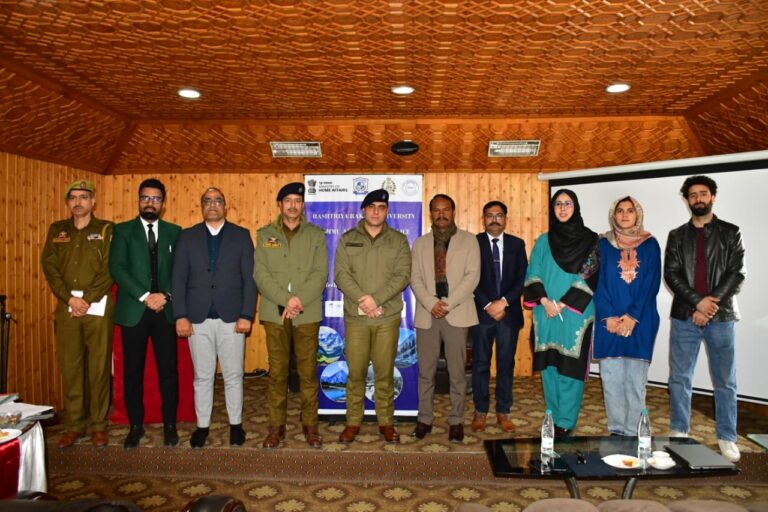
Srinagar: In a significant move to modernize safety protocols within the tourism sector, Rashtriya Raksha University (RRU) and the Jammu & Kashmir Police jointly inaugurated a two-week training programme on “Tech-Infused Tourism Policing” in Srinagar. The initiative aims to enhance the professional capacity of police personnel in managing tourist safety and crisis situations through advanced technological tools.

Welcoming the participants, Dr. Mahesh A. Tripathi, Director, RRU J&K Campus, outlined the vision of the initiative and emphasized that the curriculum has been designed to address emerging security challenges in the tourism sector through technological integration. He highlighted that RRU, an Institution of National Importance, provides specialized security training to personnel from across India and several countries.

The initiative aims to equip police personnel with the necessary skills to manage the unique security challenges of high-footfall areas. The program was inaugurated by Mr. Shah Umer (JKPS), Superintendent of Police, Srinagar, who emphasized that tourism policing has become a critical component of internal security in the modern era.

During his inaugural address, Mr. Shah Umer noted that the evolving security dynamics and the steady increase in tourist inflows necessitate a proactive shift in law enforcement strategies. He asserted that police personnel must continuously upskill and adopt modern technologies to ensure better preparedness for future challenges. The program reflects the commitment of the Jammu and Kashmir Police to evolve operational practices in alignment with international standards of tourist safety.

The introductory session was led by Dr. Bilquees Dar, who provided a comprehensive overview of the curriculum. The training is designed to cover essential themes, including tech-enabled policing tools, crisis response mechanisms, and the vital importance of inter-agency coordination. Dr. Dar highlighted that these elements are particularly crucial for maintaining stability in sensitive regions like Jammu and Kashmir, where tourism serves as a backbone for the local economy.

The training will involve various modules focusing on the intersection of technology and field operations, ensuring that officers are not only reactive but also preventive in their approach to security. As the region continues to see record-breaking tourist numbers, this initiative marks a pivotal step in ensuring that the safety of visitors remains a top priority for the administration.

During the keynote session, Mr. Bhawani Sinh Rathore, Director of the School of Internal Security and SMART Policing (SISSP) at Rashtriya Raksha University, provided a strategic outlook on the economic impact of the industry. He noted that tourism has emerged as one of the fastest-growing global industries and a vital pillar of national revenue. Highlighting India’s rising global stature, Mr. Rathore stated that India currently ranks among the top 15 tourism destinations worldwide, a position that necessitates the implementation of robust, world-class tourist safety mechanisms to sustain growth and international trust.

Further deliberations featured insights from Ms. Syed Sleet Shah, DySP Hqrs Srinagar, who highlighted critical operational issues such as the safety of female tourists, service regulation, and the prevention of overcharging. The sessions also focused on “image management” for the police force, ensuring that security personnel act as facilitators for a positive tourist experience while maintaining rigorous safety standards. This initiative reflects the ongoing commitment of Rashtriya Raksha University to provide specialized training that aligns with the evolving security needs of India’s most sensitive regions.

During the training program’s inauguration, key recommendations were proposed to strengthen the tourism sector, including strengthening coordination with trade associations, regulating transport services, and deploying GPS-enabled systems; additionally, the proposals emphasized forming tourist crisis intervention teams, increasing the visibility of tourist police offices, and tasking Rashtriya Raksha University with developing a dedicated tourist assistance mobile application.

The inaugural session concluded with a vote of thanks from Dr. Mohammad Akmal Shah, Assistant Director of the Rashtriya Raksha University (RRU) J&K Campus, who expressed his gratitude to the dignitaries, organizers, participants, and supporting agencies for their contributions to the program’s successful commencement.

This program represents a significant step in RRU’s mission to provide high-level security education that translates into actionable public safety improvements. By fostering collaboration between academic experts and field practitioners, the university continues to lead the way in national security and tourism stability.

Union Minister Shri Pralhad Joshi Visits ISA Pavilion at India AI Impact Summit

0
Vinod Bhat

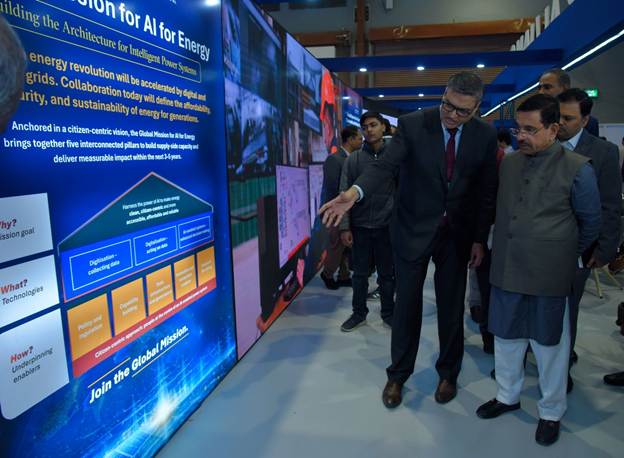
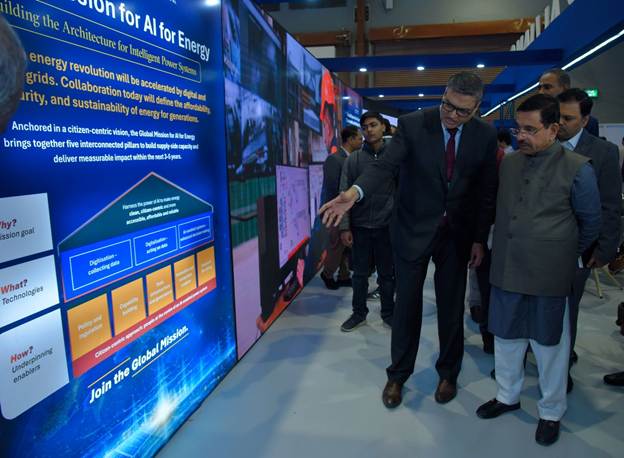
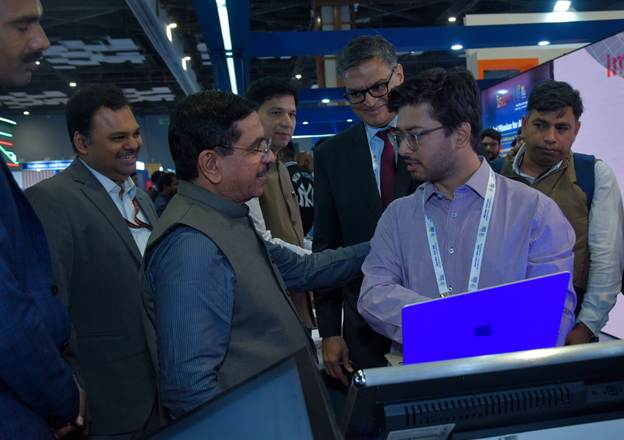
New Delhi: Union Minister of New and Renewable Energy, Pralhad Joshi, visited the Pavilion of the International Solar Alliance (ISA) at the India AI Impact Summit held at Bharat Mandapam, Hall No. 14, and reviewed a series of technology-led innovations advancing the Global Mission on AI for Energy.

The Pavilion highlighted practical, scalable models that demonstrate how Artificial Intelligence (AI), digital platforms and geospatial tools can modernise utilities, accelerate renewable energy integration, and strengthen energy resilience across ISA Member Countries.

The India AI Impact Summit spotlighted the Global Mission on AI for Energy as a platform for driving convergence between solar deployment and digital intelligence, enabling real-time optimisation and smarter grid management.

From Energy Transition to Grid Transition

As distributed renewables expand rapidly, the focus is shifting from merely adding capacity to integrating millions of decentralised assets into a stable, reliable grid. This requires stronger transmission infrastructure, modernised distribution networks, and real-time monitoring systems.

The Minister noted that the energy transition must be matched by a grid transition, building flexible, digital, intelligent grids powered by data-driven forecasting and real-time optimisation.

States such as Delhi, Rajasthan, and Andhra Pradesh are advancing digitisation, smart metering, and digital control systems, reducing losses and enabling higher renewable penetration. These experiences offer valuable lessons for developing nations seeking to modernise their power sectors.

India’s Solar Journey: Vision at Scale

India’s solar capacity has grown from less than 3 GW in 2014 to over 141 GW today, positioning the country among the fastest-growing solar markets globally. Solar energy has become central to India’s development strategy and energy security framework.

A defining achievement of this journey has been the democratisation of solar energy. Through PM-KUSUM, farmers are becoming energy producers, with lakhs of solar pumps reducing diesel dependence and ensuring reliable daytime power supply. Feeder-level solarisation is improving supply quality while lowering distribution losses.

Similarly, PM Surya Ghar: Muft Bijli Yojana, targeting one crore households, is poised to become the world’s largest rooftop solar programme, transforming consumers into prosumers and strengthening distributed energy systems nationwide.

AI for a Resilient and Inclusive Energy Future

With 125 Member and Signatory Countries, the International Solar Alliance provides a global platform to scale practical and replicable solutions. Through the Global Mission on AI for Energy, ISA is fostering the fusion of solar energy and digital intelligence.

Artificial Intelligence can significantly enhance load forecasting, predictive maintenance, grid optimisation, and renewable integration, improving efficiency, affordability, and resilience.

India’s solar success, the Minister emphasised, is not merely about megawatts installed but about empowering citizens, supporting farmers, strengthening utilities, and building resilient infrastructure.

Among the key innovations presented were:

Digital Consumer Interface – One Solar App:

Developed by BSES Rajdhani Power Limited, the unified “One Solar App” streamlines rooftop solar adoption through digital registration, transparent net-metering processes, performance tracking, and integrated service delivery. The platform enhances consumer convenience while improving operational transparency for distribution utilities.

Digital Twin Solutions for DISCOMs:

Indian startups are deploying digital twins—virtual replicas of electricity distribution networks—to enable real-time simulation, renewable integration modelling, predictive maintenance, and scenario-based planning. These solutions improve operational efficiency while reducing technical losses and investment risks.

GIS-Based Distribution Modernisation:

Geospatial mapping initiatives, including those undertaken by Andhra Pradesh Eastern Power Distribution Company Limited, provide asset-level visibility and infrastructure optimisation. GIS-enabled planning strengthens outage management, capital allocation, and preparedness for higher renewable penetration.

The convergence of solar, storage, smart grids, and AI will define the future global energy system, and India stands ready to partner with ISA Member Countries to advance a cleaner, smarter, and more inclusive energy future.

DLI Scheme-backed Chip Design Startup — Vervesemi Microelectronics Raises $10 Million In A Series A Funding Round

0
Vinod Bhat

New Delhi: Semiconductor chip design is a critical value driver across the semiconductor value chain, defining system architecture, performance, functionality and security, while contributing up to half of the overall value addition and accounting for 15–35% of the bill of materials (BOM) cost of electronic products.

Recognising the pivotal role of design in the country’s strategic technological ambitions, the Design Linked Incentive (DLI) Scheme, under the Semicon India Programme, has approved 24 semiconductor design projects from domestic startups and MSMEs for financial support. These companies are developing chips for a range of strategic and commercial applications, including satellite communications, drones, surveillance cameras, Internet of Things (IoT) devices, LED drivers, AI systems, telecom equipment and smart meters.

More than 400 organisations (including over 100 startups and 300 academic institutions) have been granted access to advanced chip design tools hosted centrally at C-DAC Bengaluru, cumulatively utilising 2.25 crore hours of tool usage, making this one of the largest user bases globally.

Vervesemi Microelectronics

Among these, Vervesemi Microelectronics, the first company approved under the Government of India’s DLI Scheme and also supported under the Chips to Startup (C2S) programme, was founded in 2017 by industry veterans with experience at global semiconductor company.

The company holds a portfolio of over 140 IPs, 25 IC products, 10 patents and 5 trade secrets, and is developing chips for space, defence, industrial and smart energy applications. Details at https://vervesemi.com/
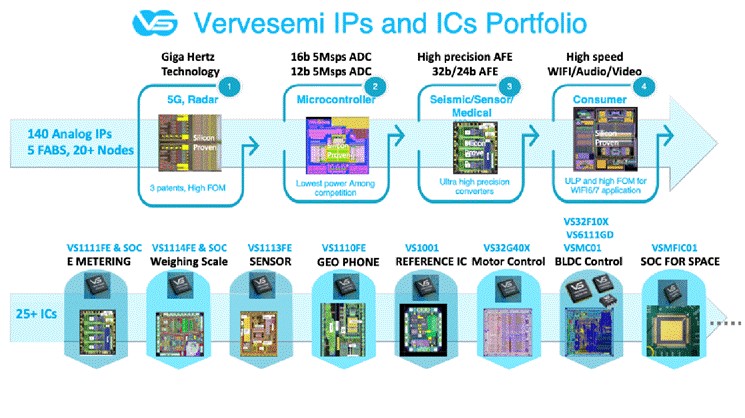
Some of the key chips designed by Vervesemi are:

# Chip Foundry Application Status Targeted production schedule
1 Data Acquisition avionic chip

(Multi-function)

55nm, UMC Identified Space customer Fabricated and undergoing customer evaluation 2027-Q1
2 BLDC Controller chipset

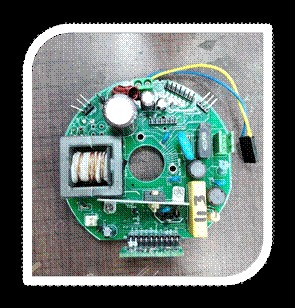
90% indigenous BOM with Chip-1 (Using indigenous RISC-V Microprocessor) and Chip-2 (Quad Gate Driver chip with DC-DC) and Chip-3 (Power MOSFET)

110nm, UMC Fan, Exhaust, Solar, Power Inverter Controller chip in Fabrication.

Gate Driver-MOSFET chip Fabricated and undergoing customer evaluation

2026 -Q4
3 Precision Motor-Control chip using RISC-V Microprocessor 55nm, UMC Drones, EV and industrial automation Fabricated and undergoing testing 2026 -Q3
4 Energy metering chip 180nm, TSMC Energy meter Fabricated and tested 2026 -Q4
5 Bridge Applications chip 180nm, TSMC Weighing scale and Force Touch application Fabricated and tested 2026 -Q3


Investor Confidence — Supporting India’s Deep-Tech Innovation to Scale Global Solutions

Vervesemi announced today the raising of $10M (about ₹90 Crore) in a Series A funding round led by investor Ashish Kacholia and Unicorn India Ventures, with participation from Roots Ventures, Caperize Fina and MAIQ Growth Scheme.

The funds will be utilised across three strategic areas. First, the company will accelerate commercialisation of its machine learning-enhanced analog signal chain chip portfolio, including advanced data converters and intelligent power and sensing solutions for industrial, smart energy, motor control and avionics applications.

Second, the investment will support production readiness and qualification of existing silicon, along with expansion of engineering and applications teams to serve global customers.

Third, the company will expand its IP portfolio and strengthen R&D in next-generation precision analog architectures, while building market presence across Asia, the United States and other key semiconductor markets to engage with original equipment manufacturers and system companies.

The investment in Vervesemi reiterates that structured support under the DLI Scheme has strengthened investor confidence and improved commercial viability, leading investors to actively evaluate and commit capital to DLI-approved companies.

From Announcement to Realisation: India’s Design-Led Semiconductor Vision Takes Shape

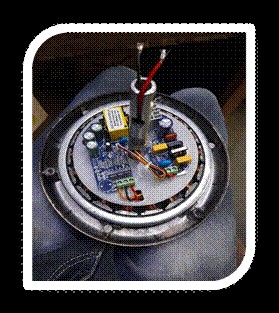
The project of BLDC (Brushless Direct Current) motor controller targeted for Fan, Exhaust etc was awarded to Vervesemi by the Minister Shri Ashwini Vaishnaw on 20th March 2025.
 

During the award ceremony, the Minister stated that the country must collectively adopt three approaches to become a product nation. First, while India has achieved significant success as a service nation, it must now evolve into a product nation, and the development of indigenous software and hardware solutions marks an important step in that direction. Second, innovation should emerge from a broad ecosystem involving academia, startups, students and researchers. Third, the development approach should be incremental and span the full technology spectrum, from high-volume deployment chips such as BLDC motor controllers to high-value strategic platforms like the open-source RISC-V architecture, enabling domestic design of CPUs, GPUs and sustainable technology products for the country.

Conclusion

In less than a year since the announcement by the Minister, the progress achieved by Vervesemi, both in attracting investment and in user adoption, demonstrates that DLI-supported firms are delivering multiple chip tape-outs, silicon-proven designs, patents, reusable IPs, trained talent and operational design infrastructure, creating tangible on-ground impact.

As the ecosystem enters the productization phase, silicon-validated designs will move toward volume manufacturing and deployment, positioning Indian companies as credible global suppliers while strengthening domestic supply chains and self-reliance.

The DLI Scheme anchors India in the strategic chip design segment by reducing dependence on imports, enhancing resilience to supply-chain disruptions, and ensuring access to critical technologies for defence, telecom, AI and mobility, thereby supporting long-term economic growth.
Death-cum-Retirement Gratuity Ceiling for J&K Govt Employees Raised to ₹25 Lakh

0

*Enhancement Follows 7th Pay Commission DA Hike; Applies to Regular Pay Level Employees from Jan 1, 2024*

Srinagar, Feb 18: The Jammu and Kashmir Government has clarified that the maximum limit of Death-cum-Retirement Gratuity (DCRG) for employees working in regular pay levels under the 7th Pay Commission has been enhanced from ₹20 lakh to ₹25 lakh, effective January 1, 2024, following the Dearness Allowance reaching 50% of basic pay.

In a clarification circular issued by the principal secretary finance, Attention is invited to Note 8 below Article 240-BB of the Jammu and Kashmir Civil Service Regulations, Volume I, added vide SRO-194 dated 24.04.2018, which provides that the ceiling on Death-cum-Retirement Gratuity will increase by 25% whenever the Dearness Allowance rises by 50% of the basic pay.

Vide Government Order No. 178-F of 2024 dated 21.05.2024, it was ordered that Government Employees working in the regular pay levels under 7th Pay Commission recommendations shall be paid Dearness Allowance at the revised rate of 50% of Basic Pay with effect from 01.01.2024.

References have been received in the Finance Department seeking clarification regarding enhancement of the maximum limit of Death-cum-Retirement Gratuity, consequent upon the Dearness Allowance reaching 50%, w.e.f 01.01.2024.

The matter has been examined and it is hereby clarified that, subject to other conditions prescribed under the rules governing grant of Death-cum-Retirement Gratuity, the maximum limit of Death-cum-Retirement Gratuity shall be deemed to have been enhanced by 25% from existing ceiling, i.e., from ₹20.00 lakh (Rupees Twenty lakh) only to ₹25.00 lakh (Rupees Twenty-five lakh) only, with effect from 01.01.2024, the date on which Dearness Allowance reached 50% of the Basic Pay, it reads. (KNC)

J&K employees to stay under NPS, OPS revival ruled out

0

*Govt says defined pension scheme fiscally unsustainable; transition to NPS ensures parity with national policy*

Jammu, Feb 18: Jammu & Kashmir Government on Wednesday ruled out any proposal to revive the old pension scheme (OPS) for government employees.

Responding to a cut motion of Peoples Conference MLA Sajad Gani Lone, the Finance Minister, in a written reply, said that there is no proposal to revive the old pension scheme, stating that the shift to NPS was a conscious decision aimed at balancing fiscal sustainability with social security for government employees.

“The introduction of new pension scheme in 2004 by Government of India and subsequently adopted by States and Union Territories was a conscious decision aimed at safeguarding fiscal sustainability while ensuring post- retirement social security to government employees, “reads the reply.

The Minister further said government of Jammu & Kashmir has consistently followed a policy of adopting employees welfare measures introduced by Government of India with a view to maintain parity and uniformity of service benefit to employees.

He further said that growing pension bill posed a serious challenge to state’s financial stability.

“The Jammu and Kashmir being an expenditure-led state with limited avenues for investment, modest revenues receipts and growing pension liability posed a serious a serious challenge. Pension liabilities of Jammu and Kashmir had expanded disproportionately with pension doubling from Rs 731 crore in 2004-05 to Rs 1495 crore. It was noted that the continuation of the defined pension scheme (OPS) will be fiscally unsustainable in the longer run and could pose significant risk to the State’s financial stability,” the minister’s reply said.

The transition to NPS was implemented for all government employees appointed after January 1, 2010—(KNO)

LG Manoj Sinha, CM Omar Abdullah hail J&K’s historic entry into Ranji Trophy final

0

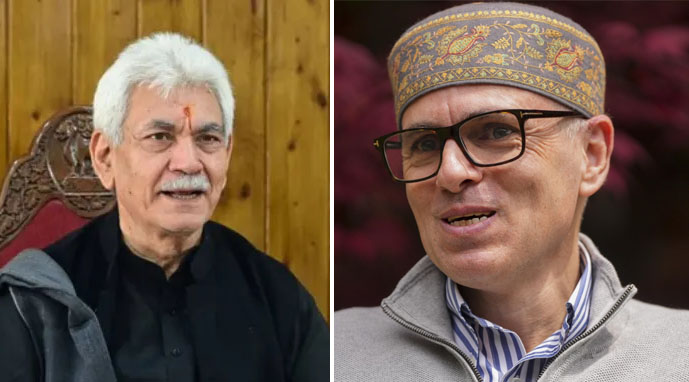
Srinagar, Feb 18: Lieutenant Governor Manoj Sinha and Chief Minister Omar Abdullah on Wednesday extended their congratulations to the Jammu and Kashmir cricket team for reaching the Ranji Trophy final for the first time, terming the achievement a landmark moment in the Union Territory’s sporting history.

The Lieutenant Governor, in a message, shared on X, lauded the team’s exceptional performance and said the entire region was proud of the players’ feat.

“Congratulations to J&K cricket team on their magnificent victory in Ranji Trophy semi-final! You have etched a new golden chapter in the sporting history of J&K. Entire UT is proud of your extraordinary performance. May you continue this winning momentum and bring glory to J&K,” he said.

Chief Minister Omar Abdullah also praised the team, saying the achievement reflected the collective effort of players and support staff.

“This success belongs to the entire team and their support staff. I congratulate the players and also on behalf people of Jammu and Kashmir on this historic accomplishment,” he said.

He expressed optimism that the milestone would inspire more cricketers from the region to excel at the highest level.

“The day is not far when players from Jammu and Kashmir will represent the country and make significant contributions to Indian cricket,” the Chief Minister added.

Jammu and Kashmir sealed their maiden Ranji Trophy final berth after defeating Bengal in the semifinal, marking a significant breakthrough for cricket in the region.

No Charges on Private Vehicles for Pickup, Drop at Srinagar Airport: Authorities

0

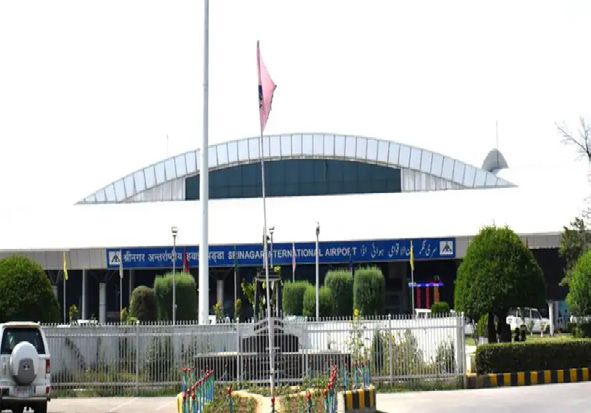
Srinagar, Feb 18,: Authorities at Sheikh ul-Alam International Airport on Wednesday clarified that no charges are being levied on private vehicles for picking up or dropping passengers within the stipulated free time period at the airport.

Srinagar Airport said that private vehicles bearing white number plates can continue to use the pickup and drop facility without any charge, provided they adhere to the designated time limits.

The airport authorities further clarified that the applicable pickup charges pertain only to commercial vehicles with yellow number plates, in accordance with the approved policy currently in force.

The clarification comes amid confusion among passengers and locals over reports of fee imposition for short-duration stops at the airport premises. Authorities maintained that there has been no change in policy regarding private vehicles and urged passengers to follow the prescribed time restrictions to avoid inconvenience.

Airport officials reiterated that the measure is aimed at regulating traffic flow and ensuring smooth passenger movement, particularly during peak travel hours.