spot_imgspot_img
spot_img
Home Blog Page 12

Dilapidated Roads in Wakura Trigger Public Outcry, Residents Demand Immediate Repairs

0

Touseef Wani

Ganderbal, May 20: Residents of Wakura village in Ganderbal district have expressed strong resentment over the deteriorating condition of local roads, accusing the authorities of neglect and failing to address the long-pending issue.

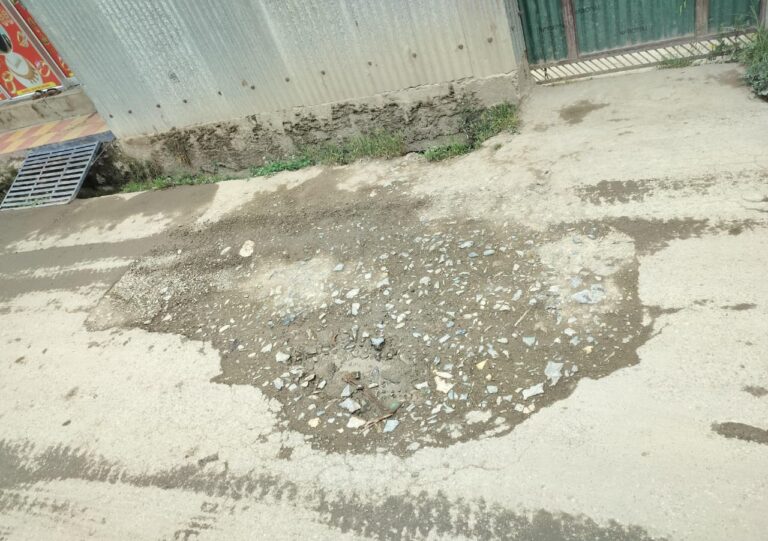
Locals said the road connecting Wakura with other parts of Ganderbal is in a severely damaged condition, riddled with potholes, causing major inconvenience to commuters and pedestrians.

They alleged that despite repeated appeals and representations, the concerned authorities have failed to undertake necessary repairs, leaving residents to cope with daily hardships.

“The roads in our area are badly damaged and uneven, making travel difficult for everyone. The authorities have completely ignored the area,” several residents said, expressing anger over official apathy.

Residents further stated that several stretches of the road were dug up for development works but later left unattended, worsening the situation.

Accumulated garbage and stagnant water along the road have further added to the difficulties faced by commuters and locals.

“The road has been dug up at many places and left incomplete. Garbage and stagnant water are creating serious inconvenience for the public,” said Basit Bashir, a local resident.

Locals added that conditions worsen during rainfall, as water accumulates on damaged stretches, turning the road into a hazard and making movement difficult.

“When rainwater remains stagnant for a long time, it further damages the road and creates problems for commuters,” said another resident, Ehsaan Yousuf.

Residents said several vehicles have been damaged due to the pothole-ridden surface, while the risk of accidents has also increased significantly.

They added that the road serves as an important link and is frequently used by public transport vehicles and school buses.

“The condition of the road poses a serious threat to commuters, especially schoolchildren travelling daily on this route,” Ehsaan added.

Locals also blamed the absence of a proper drainage system for the worsening condition of the road, saying rainwater and wastewater continue to accumulate, leading to severe waterlogging and further deterioration.

The residents have appealed to the district administration and concerned departments to immediately undertake repair and macadamisation of the road, along with the construction of proper drainage facilities to ease public hardship.

CME on World Hypertension Day held at SKIMS Medical College Srinagar

0

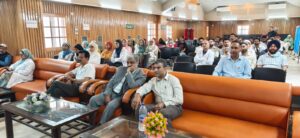
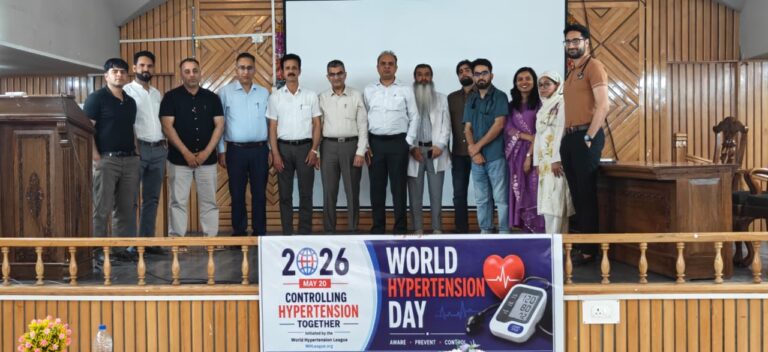
SRINAGAR, MAY 20: Department of General Medicine, SKIMS Medical College Srinagar today organized a Continuing Medical Education (CME) programme in the College Auditorium to mark World Hypertension Day, observed globally on May 17.

The CME programme was attended by Principal, SKIMS Medical College, Prof. Dr. Fazal Qadir Parray, Heads of various departments, senior and junior faculty members, Medical Superintendent, residents, nursing staff and students.

Addressing the gathering, the Principal appreciated the Department of General Medicine for organizing the programme on a significant public health issue. He described hypertension as a “silent killer” and stressed the importance of timely diagnosis and proper management to prevent complications.

Head, Department of General Medicine, Prof. Dr. Tariq Bhat, in his welcome address, highlighted the importance of conducting such academic activities and emphasized the clinical relevance of the topics discussed during the CME.

During the scientific sessions, Senior Resident Dr. Khalid Bin Mushtaq delivered a presentation on “Preoperative Management of Hypertension,” while senior faculty member Dr. Naik Muzafar, who is also a co-author of the Indian Hypertension Society Guidelines for Home Blood Pressure Monitoring, spoke on “Home Blood Pressure Monitoring (HBPM).”

The scientific sessions were chaired by senior faculty members including Prof. Basharat, Prof. Shams Bari, Prof. Javed Malik, Prof. Tariq and Dr. Manzoor.

A key highlight of the programme was the on-site hypertension screening of faculty members using automated blood pressure monitoring apparatus.

The CME concluded with an interactive discussion focusing on early detection of hypertension, lifestyle modification and adherence to evidence-based guidelines for effective blood pressure control.

Makkah Completes One of World’s Longest Pedestrian Walkways, Major Relief for Pilgrims

0

Makkah- May 20 :- In a major infrastructure achievement, Saudi authorities have completed a significant new project in the holy city of Makkah, described as one of the world’s longest pedestrian walkways, aimed at facilitating smoother movement for millions of pilgrims during Hajj.

According to reports, the specially designed walkway stretches over 25 kilometers, starting from Arafat, passing through Muzdalifah, and extending to Mina. The project has been developed to ensure safer, more organized, and more comfortable travel for pilgrims performing Hajj rituals.

The modern pedestrian route features smooth pathways, shaded areas, clear directional signage, and several additional facilities to reduce congestion and ease the challenges faced by pilgrims during peak movement hours.

Images and videos of the project have gone viral on social media, with users hailing it as a revolutionary facility for pilgrims and a remarkable example of Saudi Arabia’s continued infrastructure development to enhance the Hajj experience.

Over 3.5 lakh register for Amarnath pilgrimage, snow clearance in full swing

0

JAMMU, May 20: Over 3.5 lakh yatris have been registered for this year’s annual Shri Amarnath Ji pilgrimage since the registration started on 550 designated bank branches on April 15 this year.

The 57 days long annual yatra will start on July 3 from twin tracks of Baltal-Sonamarg and Nunwan-Pahalgam and will culminate on August 28 the day coinciding with Hindu festivals Sawan Purnima and Raksha Bandhan.

Besides, the Punjab National Bank (PNB), the registration of Yatris is being done by the designated branches of Jammu and Kashmir Bank, State Bank of India and Yes Bank all over India.

For the first time this year a sound and light show is being held at Yatri Niwas Pantha Chowk, Srinagar by Shri Amarnath Shrine Board (SASB). The show will be run on daily basis during the entire yatra period. Besides, the tracks and yatra related activities, the Bhajan and Kirtan etc will be the highlights of the show.

Meanwhile, the snow clearance work and track restoration is going in full swing from both the tracks by the SASB. While over nine kms track has been cleared of snow on Baltal track about eight kilometers track has been cleaned via Nunwan (Nandiwan) Pahalgam.
Sources said at normal places there is about eight feet snow while at avalanche prone areas the depth of snow on the tracks is over 10 feet.

Sources said via Nunwan side the track has been cleared of snow up to Maha Ganesh Top and via Baltal it has been cleared about Kali Mata top while restoration of 12 feet wide track is in full swing from both the sides. Sources said the work is on for surfacing of track in the area where snow has been cleared. Besides, construction of retaining walls breast walls and culverts is also going on to make hassle free yatra.
Officials are confident that both tracks will be restored fully by June 15 and all other arrangements pertaining the yatra will also be in place by that time.

Sources said the tendering of the logistic works for establishment of camps has been also been taken up and PWD, PHE, Flood Control and other allied departments have started their works for facilitation of yatra. The respective district administrations have also geared up and security agencies have started up rounds for secured and smooth yatra this year.

Sources said new Yatri Bhawans at Nunwan (Nandiwan) in Pahalgam, Baltal, Sonamarg and Bijebehara in Anantnag district will be utilised for accommodation of pilgrims from this year.

Sources said Rs 90 crore Yatri Niwas at Bijebehara and Nunwan both in Anantnag district will accommodate 1000 pilgrims each. While the Bijbehara Yatri Niwas is of four storeys, the building at Nunwan Pahalgam comprised of five blocks with three blocks having rooms and two blocks having dormitories with a total capacity of sheltering 1000 pilgrims.

The Yatri Niwas at Baltal Sonamarg which has been constructed at an estimated cost of Rs 80 crore has the capacity of accommodating 800 pilgrims. It is consisting of Ground floor and Mezzanine. These all three yatra Niwas complexes will be utilised for accommodation of pilgrims from this year’s pilgrimage, sources added.

They said that no camps will be established near vulnerable places prone to cloud bursts and floods in view of the previous catastrophes and the instructions in this regard will be strictly followed. Only camps will be established at safe places on both tracks. Moreover, no yatri will be allowed to stay near holy cave after darshan to avoid the rush of pilgrims there.

All the spots vulnerable have been made out of bound for pilgrims, sources said adding this decision was taken keeping in view overall safety and security of pilgrims.

The Langar finalisation and shifting is also in process while Rural Development Department (RDD) has also issued tenders for sanitation along the Yatra tracks, base camps and near holy cave area.

Global PCOS Rename Sparks Indian Scientific Revolt

0

75 million patients cannot be excluded from a ‘global’ consensus: Dr Ashraf Ganie, Director SKIMS

KD NEWS SERVICE

SRINAGAR, May 20: A major international effort to rename one of the world’s most widespread hormonal disorders has triggered a fierce scientific backlash from India’s top medical researchers, who argue that the proposed change ignores the very populations carrying the heaviest burden of the disease.

At the center of the controversy is a newly proposed term for Polycystic Ovary Syndrome (PCOS), a condition affecting millions of women globally and long associated with hormonal imbalance, infertility, irregular menstruation, metabolic dysfunction, and long-term cardiovascular risks.

Recently unveiled in The Lancet and announced during the European Congress of Endocrinology in Prague, the proposed new nomenclature — Polyendocrine Metabolic Ovarian Syndrome (PMOS) — was intended to modernize and broaden the understanding of the disorder beyond its decades-old clinical label.

But India’s leading PCOS investigators are now calling the move scientifically premature, geographically exclusionary, and potentially dangerous for diagnostic clarity.

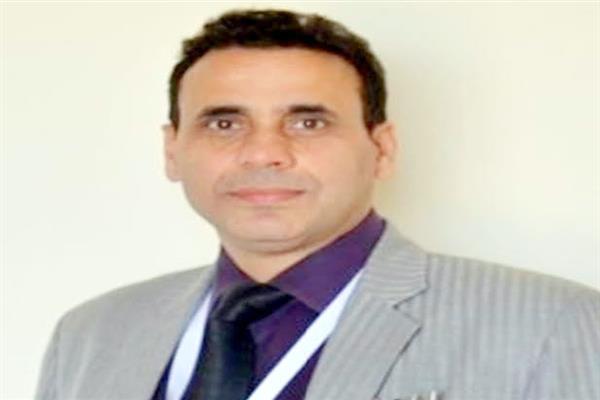
Leading the opposition is Mohd Ashraf Ganie, National Chief Coordinator of the Indian Council of Medical Research (ICMR) PCOS Task Force and Director of Sher-i-Kashmir Institute of Medical Sciences. Joined by senior investigators Neena Malhotra and Rakesh K. Sahay, the Indian research leadership has issued a formal objection to the global renaming exercise, arguing that the process lacked representation from the regions most affected by the condition.

The dispute cuts to the heart of a larger question increasingly confronting global medicine: who gets to define diseases that disproportionately affect the developing world?

According to Prof. Ganie, the proposed consensus emerged largely from research ecosystems in Western countries, particularly Australia and parts of Europe, while sidelining the immense clinical datasets emerging from India and China — nations he describes as the “PCOS capitals” of the world. India alone, he notes, is estimated to account for nearly 44 million affected women, while China contributes another 31 million cases. Together, the two countries represent a patient burden vastly larger than that of many nations shaping the new terminology.

“A decade of study that ignores the data of 44 million women in India and 31 million in China is not a global consensus,” Prof. Ganie asserted, criticizing what he described as a fundamental imbalance in the evidence base used to justify the renaming.

The criticism is particularly sharp because the ICMR-PCOS Task Force has spent years building one of the largest multicentric studies ever conducted on the disorder. Spread across 18 specialized centers throughout India, the project includes nearly 9,000 participants and is regarded by Indian researchers as among the most comprehensive attempts to map the syndrome’s clinical diversity across ethnic, metabolic, and socioeconomic groups.

For decades, physicians and researchers worldwide have acknowledged dissatisfaction with the term “Polycystic Ovary Syndrome,” originally rooted in the 1935 Stein-Leventhal description of the disease. Critics have long argued that the name overemphasizes ovarian cysts, despite the condition manifesting far beyond reproductive anatomy. Many patients diagnosed with PCOS do not, in fact, display classical ovarian cyst morphology, while others suffer predominantly from metabolic complications such as insulin resistance, obesity, diabetes risk, and cardiovascular abnormalities.

Yet Indian investigators argue that PMOS fails to solve this historical problem and instead risks entrenching it further.

Prof. Ganie points to extensive Indian cohort data showing that a significant proportion of affected women display normal ovarian morphology despite severe endocrine and metabolic symptoms. In their view, placing the word “ovarian” back at the center of the disorder’s identity reinforces an outdated organ-centric framework that modern endocrinology has been trying to escape.
“By re-centering the ovary in the title, we are merely polishing a 1935 morphological bias,” Prof. Ganie said. “In the vast majority of our patients, the ovary is a silent bystander to a much larger metabolic derangement.”

The inclusion of the word “polyendocrine” has generated even deeper concern among Indian specialists, who warn that the terminology may create immediate confusion within primary healthcare systems, particularly in countries already struggling with overburdened diagnostic infrastructure. Researchers fear the term could be mistaken for complex multi-glandular disorders such as Multiple Endocrine Neoplasia or Autoimmune Polyglandular Syndrome, both medically distinct but linguistically similar.
For clinicians in busy outpatient settings, Indian endocrinologists argue, such overlap could dilute diagnostic precision rather than improve it.

Perhaps most controversially, the Indian task force claims that the new name sidelines hyperandrogenism — the excess production of male hormones widely considered one of the syndrome’s defining clinical hallmarks. Symptoms such as excessive facial hair growth, acne, scalp hair loss, and severe hormonal imbalance remain central to diagnosis in many patients, yet the proposed nomenclature makes no direct reference to androgen excess.
That omission, researchers warn, risks obscuring the disorder’s core endocrine identity.

The debate arrives at a time when India is confronting what many experts now describe as a silent epidemic of metabolic and reproductive disorders among young women. The ICMR study has reportedly identified an emerging “Pre-PCOS” phenotype — a metabolic-risk category researchers believe may represent an early precursor stage of the syndrome. Investigators warn that rising rates of obesity, sedentary lifestyles, insulin resistance, and nutritional transitions are accelerating hormonal disorders at unprecedented levels across South Asia.

According to the researchers, nearly every fourth woman in India may now exhibit some form of metabolic irregularity associated with the broader PCOS spectrum, raising alarm about future burdens on fertility, diabetes prevalence, and cardiovascular health.
The growing disagreement has transformed what might once have been an academic terminology debate into a broader geopolitical argument about scientific representation, medical authority, and the dominance of Western frameworks in global health policymaking.

For India’s leading endocrinologists, the issue is no longer merely about semantics. It is about whether the future definition of a disorder affecting tens of millions of Asian women can legitimately emerge without those women’s data sitting at the center of the discussion.

As the international medical community weighs the proposed PMOS terminology, the resistance from India’s largest endocrine and gynecological research networks suggests that the battle over what to call the syndrome may ultimately redefine far more than a disease name. It may determine who holds the authority to shape the future vocabulary of global medicine itself.
Border Tourism Picks Up as Travellers Seek Relief in Kashmir’s Mountains

0

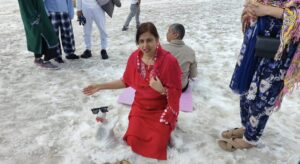
“I had seen snow from airplane windows, witnessing it in Kashmir in May feels magical”

Tauseef Ahmad

Srinagar, May 19: As temperatures soar past 40 degrees Celsius in several parts of country,  valley’s offbeat destinations are witnessing an unusual tourism boom, with travellers rushing to snow-covered mountain passes to escape the intense summer heat.

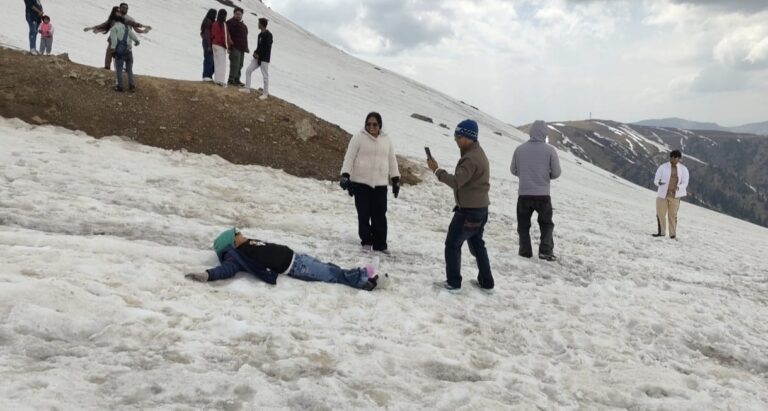
In north Kashmir’s Bandipora district, the scenic Razdan Pass, located nearly 12,000 feet above sea level, has emerged as a major attraction this season. Tourists arriving at the mountain pass are finding thick layers of snow still spread across the landscape in May, a rare experience for visitors coming from heatwave-hit cities and towns across India.

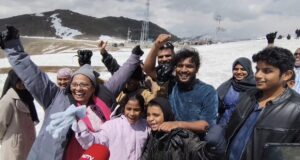
Families, bikers and groups of young travellers were seen playing in the snow, recording videos and clicking selfies as chilly winds swept through the mountain route connecting Bandipora with the remote Gurez Valley.

“We left Delhi where the temperature was above 42 degrees, and within a day we were standing in snow,” said Rohan Mehta, a tourist from Delhi. “It feels unreal. We came here searching for relief from the heat and found an entirely different world.”

Officials and local residents say the growing tourist rush is also changing the fortunes of lesser-known border areas where authorities have been attempting to promote tourism in recent years.

Apart from the famous resort town of Sonamarg, Gulmarg, Phalgam several offbeat destinations in North and South Kashmir are witnessing a visible rise in tourist arrivals this summer. Locals say roadside stalls, tea shops and transport services are seeing increased business as more travellers move towards remote mountain regions.

“Usually people visit Gulmarg or Pahalgam, but now tourists are exploring places they had never heard about before,” said Bashir Ahmad, a local driver from Srinagar. “This is helping people in border villages earn during the tourism season.”

Anjali Sharma, a tourist from Rajasthan, said the snow-covered pass offered relief from relentless desert heat back home. “In Jaipur it crossed 44 degrees this week. Standing here in snowfall-like conditions in May is something I never imagined,” she said.

From Kerala, tourist Fazil said social media videos of Kashmir’s snowbound routes encouraged him to travel north. “The heat and humidity were becoming unbearable. We saw videos from Razdan Pass and decided to come immediately,” he said.

Aehana, a cabin crew member and tourist from Karnataka, said witnessing snow in May was like living a dream. “I always wished to see snow in real life in my childhood. I had seen it from airplane windows during flights, but witnessing it here in May feels like we are in heaven,” she said. “Kashmir has a natural appeal unlike anywhere else. People should also visit these offbeat destinations where they can witness real and untouched beauty.”

Officials say the growing flow of visitors to remote mountain destinations reflects a wider shift in travel patterns as climate extremes intensify across India, pushing more people toward colder Himalayan regions during peak summer months.

In recent years, the government has focused on promoting border tourism across Kashmir’s remote regions. According to locals, the initiative is now beginning to bring visible change, with tourists increasingly flocking to lesser-known destinations beyond the traditional tourist circuit.

Tarigami slams demolition drive against tribal families in Sidhra

0

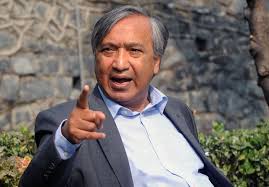
Srinagar, May 19: CPI(M) leader and MLA Kulgam Mohammad Yousuf Tarigami on Tuesday criticised the demolition of shelters belonging to tribal and nomadic families in Sidhra area of Jammu, calling the action unjustified and insensitive.

Gujjar and Bakarwal families dependent on cattle rearing and seasonal migration were already living in difficult circumstances and such actions only add to their hardship.

“The affected families have been staying in these areas for years. Any move that leaves poor people without shelter must be viewed seriously and handled with humanity,” Tarigami said.

He urged the administration to stop such drives, review the matter properly and ensure relief and rehabilitation for the affected families. He added that tribal communities should not be made to feel insecure or targeted.

High Court Declares May 28 Holiday for Eid, Sept 19 Marked as Working Day

0

KD NEWS SERVICE

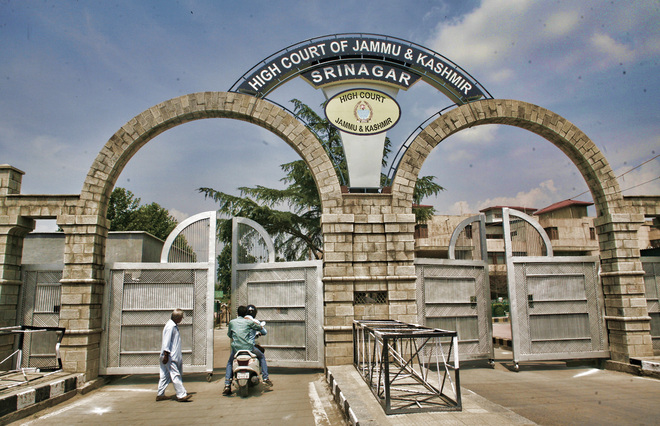
SRINAGAR, May 19: The High Court of Jammu & Kashmir and Ladakh has officially announced a holiday on Thursday, 28 May 2026, on the occasion of Eid ul Azha, one of the most significant Islamic festivals celebrated across the region.

According to an official notification issued by the Registrar General’s office in Srinagar on 18 May 2026, all wings and benches of the High Court shall remain closed on 28 May in observance of the festival. The decision has been taken as part of the revised court holiday arrangement for the year 2026.

The notification further stated that, in exchange for the declared holiday, Saturday, 19 September 2026, has been designated as a working day for the High Court. This adjustment has been made to maintain the annual working calendar and ensure smooth judicial functioning.

The order was issued under Order No. 742 of 2026/RG/NG-15(I) and has been circulated for compliance among judicial officers, court staff, legal fraternity members, and concerned departments.

Eid ul Azha, also known as the “Festival of Sacrifice,” is observed with great religious devotion and public celebrations throughout Jammu & Kashmir and Ladakh. Government departments and several institutions across the Union Territory generally observe holidays during the festival period.

The High Court’s announcement is also in line with the broader public holiday schedule for Jammu & Kashmir for the year 2026, where Eid ul Azha holidays are already listed around 27–28 May.

With this notification, advocates, litigants, and court employees have been advised to take note of the revised schedule, particularly the compensatory working day in September.

SKIMS Organises Walkathon in Support of 100-Day Intensified ‘Nasha Mukt J&K Abhiyan’

0

Walkathon Led by Director SKIMS Prof. M. Ashraf Ganie and Director NHM Ms. Akriti Sagar, IAS

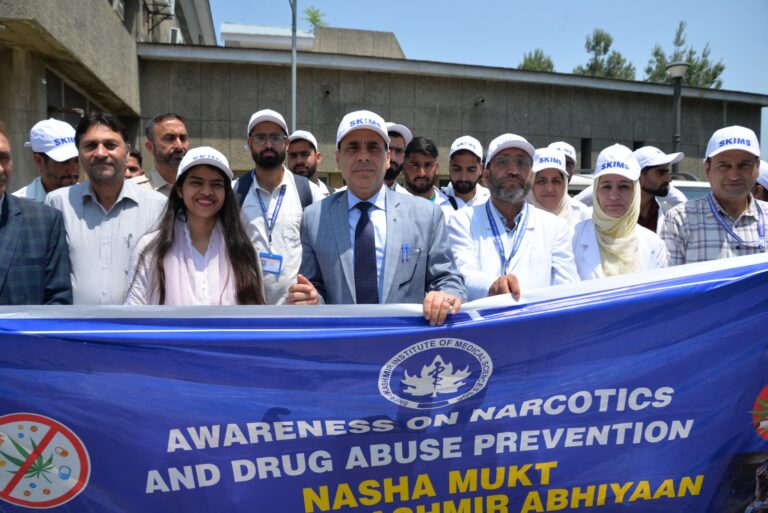
Srimagar, May 19: Sher-i-Kashmir Institute of Medical Sciences organized a walkathon within the institute premises to reaffirm its unwavering commitment towards building a drug-free society. The event was held as part of the 100-day intensified “Nasha Mukt J&K Abhiyan” launched by the Hon’ble Lieutenant Governor of Jammu & Kashmir on April 11, 2026.

The walkathon was organized under the patronage of Director SKIMS/EOSG, Prof. M. Ashraf Ganie and was graced by Director National Health Mission (NHM), Akriti Sagar.

Among the prominent dignitaries and participants present on the occasion were Mr. Zahoor Ahmad Mir, Additional Director SKIMS; Dr. Manzoor Ahmad, Director Finance SKIMS; Prof. Bashir Ahmad Fomda, Dean Medical Faculty SKIMS; Prof. Nisar Ahmad Bhat, Head Department of Pediatric Surgery; Prof. Syed Mudasir, Head Department of Biochemistry and Principal Paramedical College; Prof. Feroz Shaheen, Head Department of Radio Diagnosis; Prof. Anjum Bashir Fazili, Head Department of Community Medicine and Coordinator of the 100-Day Intensified “Nasha Mukt J&K Abhiyan”; Prof. Syed Basina Yasin, Head Department of Pathology; Prof. Ghulam Hassan Yatoo, Head Department of Hospital Administration; and Prof. Syed Nisar Ahmad, Head Department of Medical Oncology, along with faculty members, students of SKIMS, SKIMS Paramedical College, and Madr-e-Meherban College of Nursing SKIMS.

Speaking on the occasion, Director SKIMS Prof. M. Ashraf Ganie reiterated the crucial role of healthcare professionals in creating awareness against substance abuse and in guiding society towards a healthier future. He stated that healthcare workers, being at the forefront of patient care and community outreach, have a moral and professional responsibility to actively contribute towards building a drug-free society. He emphasized that awareness, early intervention, counseling, and collective societal participation are essential in combating the growing menace of drug addiction.

The 100-day intensive campaign is envisioned as a high-impact phase of the broader “Nasha Mukt Bharat Abhiyan”, focusing on awareness generation, early identification of substance abuse, community engagement, and strict action against drug supply networks.

SKIMS, through its Department of Community Medicine, has already been undertaking a series of awareness and outreach activities under the 100-Day Intensified “Nasha Mukt J&K Abhiyan”, involving multiple stakeholders and reinforcing the administration’s commitment and zero-tolerance policy against substance abuse with the vision of creating a healthier and drug-free society.

Food Safety Drive Continues in Srinagar

0

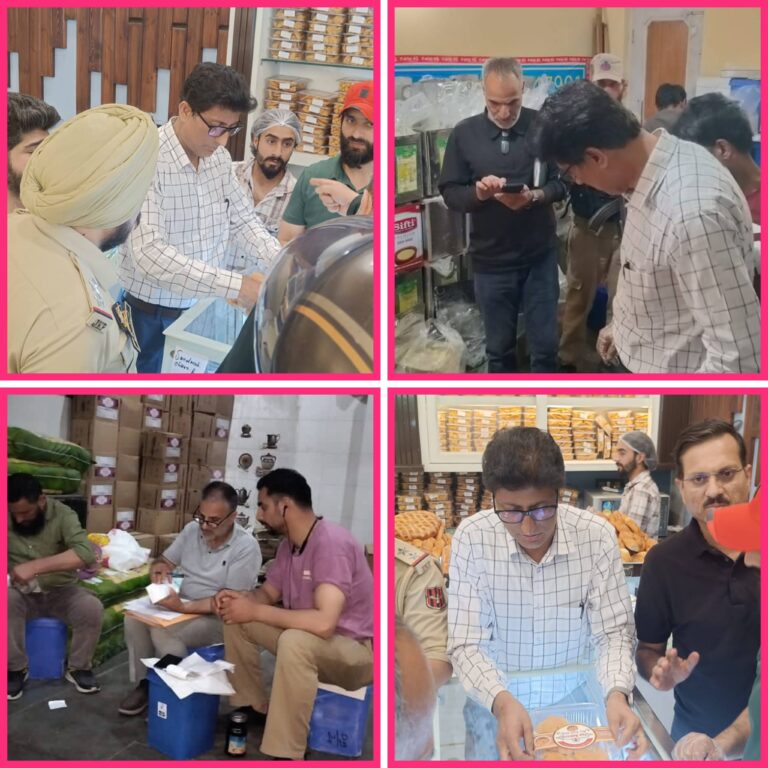
Srinagar, May 19: The Food Safety Team Srinagar continued its drive across srinagar city along with Police Station  officials of Baghat/. Chanapora . The joint team carried out inspections and collected samples of various food commodities for analytical purposes from Parraypora, Baghat, sabatnagar  Azad Basti, Natipora, and Chanapora, HMT zanakote and bulward  areas.

During the inspections, Food Business Operators were sensitized regarding Good Storage Practices and the importance of maintaining proper temperature for perishable food items. One tea stall was asked to stop it’s operation as the FBO was violating schedule 42. Of food safety and standards Act

Also two Food business operator were compound on spot for violating some provision of FSS Act.

All Food Business Operators are once again directed not to expose food items to direct sunlight and to store food items strictly as per label requirements. Any FBO found violating prescribed storage conditions will be dealt with relevant provisions of the Food Safety and Standards Act, 2006.

The drive will continue across srinagar city