spot_imgspot_img
spot_img
Home Blog Page 123

Forging Indigenous Wake: Bharatiya Tatrakshak anchors maritime self-reliance in Goa

0


VINOD BHAT
NEW DELHI, Feb 13: In a significant push towards maritime self-reliance, the Director General of the Indian Coast Guard (ICG), DG Paramesh Sivamani, AVSM, PTM, TM, on Thursday inaugurated the state-of-the-art MJP India Waterjet Production & Testing Facility in Goa. The landmark development marks a decisive stride in strengthening India’s indigenous shipbuilding ecosystem and enhancing operational sustainability for the Bharatiya Tatrakshak.
The inauguration ceremony was attended by senior dignitaries including IG Sudhir Sahni, TM, Deputy Director General (Materiel & Maintenance), ICG; Mr Jonas Tegstrom, CEO of MJP AB, Sweden; Mr Stefan Sjölin, COO of MJP AB; and Mr MPS Gill, Managing Director & CEO of MJP India.
The newly established facility assumes strategic importance as more than 100 MJP waterjet propulsion systems are already operational across various Bharatiya Tatrakshak vessels. An additional 42 waterjet systems are slated for integration into ships currently under construction. With the commissioning of this advanced production and testing unit, India will now be able to locally manufacture, test, and sustain these critical propulsion systems, significantly reducing dependence on overseas facilities for maintenance and lifecycle support.
Addressing the gathering, the Director General lauded MJP AB, Sweden, for setting up this advanced capability in India under the Manufacturing and Transfer of Technology (ToT) framework. He highlighted that with this development, India becomes the third country in the world—after the United States and South Korea—to host such a comprehensive waterjet production and testing facility. This milestone, he noted, reflects the success of sustained multi-tier engagements between the Indian Coast Guard and MJP since 2023, culminating in a concrete step toward indigenisation.
The DG reaffirmed the Coast Guard’s steadfast commitment to the Government of India’s vision of “Aatmanirbhar Bharat” in the maritime domain. He emphasised that indigenisation is not merely a policy objective but a strategic necessity for ensuring uninterrupted operational readiness and maritime security.
The MJP India facility is expected to catalyse the creation of a robust domestic supply chain for marine propulsion systems. Besides enabling indigenous testing and quality assurance of waterjets, it is poised to evolve into a regional hub catering to South Asia and neighbouring regions. The facility is also anticipated to generate skilled employment opportunities, stimulate the MSME sector, and deepen technological absorption within the country’s marine engineering ecosystem.
Later, DG Paramesh Sivamani visited Chowgule & Company Pvt Ltd in Goa to review progress on six indigenously built Air Cushion Vehicles (ACVs) being constructed for the Bharatiya Tatrakshak. This marks India’s first such project with 50 per cent indigenous content. The ACVs are designed to enhance coastal surveillance and rapid response capabilities along the country’s vast coastline. The first of these platforms is scheduled for delivery in May 2026.
The twin developments—the commissioning of the waterjet production facility and the progress on indigenous ACVs—underscore the Coast Guard’s concerted drive towards technological self-reliance, operational resilience, and strengthened coastal security architecture.

Senior NC Leader Qamar Ali Akhoon Passes Away; J&K Assembly Pays Rich Tributes

0

Jammu, Feb 13: The Jammu and Kashmir Legislative Assembly on Friday paid rich tributes to senior National Conference leader and former Minister Qamar Ali Akhoon, who passed away today.

The Speaker informed the House about the sad demise of Qamar Ali Akhoon, a prominent political leader from Kargil, following which members observed solemn moments and expressed profound grief.

Akhoon had served as a Minister for six years and was regarded as a significant political figure from the Ladakh region. He was elected unopposed as a councillor earlier in his political career and was known for his substantial contributions to public welfare and grassroots governance.

He was again elected as MLA in the 2008 Assembly elections and went on to serve as a Minister in the Omar Abdullah-led Government. Members described his demise as a great loss not only to this House but also to public life in Jammu and Kashmir.

Legislators across party lines recalled his role in raising issues concerning people of Kargil and other far-flung mountainous areas. They termed him a seasoned and accessible leader who worked tirelessly for the welfare of the people.

The House extended heartfelt condolences to the bereaved family and prayed for eternal peace to the departed soul. (KNC)

Cancer Cases Surge Past 36,000 in J&K in Three Years

0

Kashmir reports 25,621 cases in 2022–24; Jammu logs 6,804 in three years as Lung, Breast and GI cancers top the list

TAUSEEF AHMAD

SRINAGAR, Feb 13: Cancer is tightening its grip across Jammu and Kashmir, with official figures placed before the Legislative Assembly revealing that more than 36,000 cases have been recorded in the past three years alone, exposing a worrying upward trend and significant gaps in specialized care at the grassroots level.

The figures were disclosed by the Health and Medical Education Department in response to an Un-Starred Question (A.Q. No. 600) tabled by Pulwama MLA Waheed-ur-Rehman Parra, who sought division-wise data on cancer cases, commonly detected terminal diseases, availability of specialist doctors, PET scan facilities and steps taken for prevention and early detection.

The government’s reply paints a stark picture. In the Kashmir Division, 25,621 cancer cases were reported during 2022, 2023 and 2024. The year 2022 alone saw 8,021 patients, including 4,333 males and 3,688 females. The number climbed to 8,621 in 2023, with 4,685 males and 3,936 females affected. In 2024, the tally rose further to 8,979 cases, comprising 4,789 males and 4,190 females, indicating a steady and troubling rise.

In the Jammu Division, 6,804 cancer cases were recorded over the last three years. The year 2023 registered 2,036 cases, including 1,177 males and 859 females. In 2024, the number increased to 2,187, with 1,248 males and 939 females. By 2025, the figure had surged to 2,581, with 1,116 males and a significantly higher 1,465 females, reflecting a noticeable spike among women.

Across Jammu and Kashmir as a whole, 10,657 cancer cases were reported in 2023, while the figure rose to 11,166 in 2024, underscoring an escalating burden of non-communicable diseases in the Union Territory.
The government identified Lung, Breast, Oral, Cervical, Prostate and Pancreatic cancers as the most commonly detected types. It further noted that various gastro-intestinal malignancies, including cancers of the esophagus, stomach and colorectal region, are also widely reported. While responding to a query on uncommon diseases or infections of public health significance, the government stated that no specific uncommon disease has been reported, but reiterated that different forms of cancers, particularly gastro-intestinal malignancies, continue to dominate case loads.

As the numbers rise, the question of infrastructure and access to treatment becomes critical. According to the official reply, cancer patients and those suffering from other terminal illnesses are managed at Sher-i-Kashmir Institute of Medical Sciences (SKIMS), Soura, Government Medical Colleges and their associated hospitals, as well as District Hospitals and Community Health Centres. However, wherever specialized treatment is required, patients are referred to GMCs and other tertiary care institutions.

In the Jammu region, specialized oncology services are available at GMC Jammu and the State Cancer Institute, Jammu, along with associated hospitals. In the Kashmir region, advanced and specialized cancer care is provided at SKIMS, Soura. Well-established oncology facilities exist at Government Medical Colleges in both Jammu and Srinagar. Cancer care services are being delivered at GMC Jammu, the State Cancer Institute Jammu, Bone and Joint Hospital, SMGS Hospital, and at GMC Srinagar through SMHS Hospital. These institutions function as leading centres for comprehensive cancer management with support from allied departments. However, the government clarified that specialist oncology services are presently available only at GMCs and are not available at district hospitals or Community Health Centres.

The availability of PET scan facilities — crucial for advanced cancer diagnosis and staging — also reflects this centralization. At present, the PET scan facility is available at SKIMS, Soura. No such facility exists at GMC Srinagar or its associated hospitals. However, the Health and Medical Education Department has recently authorized the Jammu and Kashmir Medical Supplies Corporation Limited (JKMSCL) to procure a PET scan unit costing ₹16 crore for GMC Srinagar. The facility remains unavailable at any district hospital or Sub-District Hospital. In the Jammu Division, PET scan services are available at the State Cancer Institute, Jammu. In addition, such services are being provided in the private sector by Narayana Super Speciality Hospital at Kakryal (Katra) and the American Oncology Institute at ASCOM.
Highlighting preventive and early detection measures, the government stated that institutions such as SKIMS and the State Cancer Institute at GMC Jammu provide comprehensive, multidisciplinary cancer care encompassing Medical Oncology, Surgical Oncology, Radiation Oncology and Clinical Hematology. These institutes are equipped with advanced diagnostic and therapeutic facilities, including PET-CT, CT scans, dedicated CT simulators and modern radiotherapy systems.

Emphasis, the reply noted, is being laid on public education about early warning signs of cancer and modifiable risk factors such as tobacco cessation, healthy dietary habits and lifestyle modification to facilitate prevention and early treatment. Awareness generation and screening are being carried out through outpatient services and health camps. Early diagnosis is undertaken using X-ray, ultrasound, CT scan, MRI, endoscopy, EGD, colonoscopy, colposcopy, EBUS and histopathology. The National Programme for Prevention and Control of Non-Communicable Diseases (NPCDCS) is being implemented, and patients requiring radiotherapy or advanced oncological care are referred to higher tertiary care centres. National and international cancer awareness days are observed in collaboration with NGOs, nursing institutions, educational colleges, and through print and social media to promote prevention and early detection.

Cancer screening camps have been conducted in districts Samba and Kathua in collaboration with AIIMS Vijaypur, and similar efforts are being extended to other districts.
The government also informed the Assembly that a high-level meeting chaired by a Member of NITI Aayog, attended by representatives from ICMR, DHR, Tata Memorial Hospital, PGI Chandigarh and other leading cancer institutes, was convened to formulate cancer prevention and treatment policies for Jammu and Kashmir.

The detailed reply, issued under the signature of the Minister In-charge, Health and Medical Education Department, underscores a sobering reality: while tertiary care infrastructure is expanding and policy discussions are underway, the rising numbers signal that cancer is no longer a distant threat but an unfolding public health crisis demanding urgent, decentralized and sustained intervention.
Relocate GMC Srinagar to Safeguard Medical Education

0


Government Medical College (GMC) Srinagar stands as one of the most prestigious medical institutions in Jammu and Kashmir. For decades, it has produced generations of doctors who have served not only the Union Territory but the entire nation with distinction. However, despite its glorious academic legacy, the institution today faces a serious and long-standing challenge — acute infrastructural inadequacy.

The present campus at Karan Nagar is no longer capable of accommodating the growing academic, clinical, and research demands of modern medical education. With the steady increase in MBBS intake, expansion of MD and MS seats, the introduction of super-specialty courses, and the evolving requirements of the National Medical Commission (NMC), the existing infrastructure has become grossly insufficient. Lecture halls are cramped, departmental spaces are fragmented, laboratories lack expansion potential, and hostels struggle to accommodate the rising number of students. The campus, constrained by its geographical limitations, leaves little scope for horizontal or vertical growth.

Medical education in the 21st century demands far more than traditional classroom teaching. It requires integrated academic blocks, modern skill laboratories, simulation centers, research wings, digital libraries, auditoriums, conference halls, separate examination blocks, advanced laboratories, and adequate hostel and recreational facilities. These are not luxuries — they are essential components mandated by regulatory authorities and global standards. Without them, the quality of training for budding doctors is inevitably compromised.

It is, therefore, imperative that the Government of Jammu and Kashmir identifies and allocates a significant and spacious location for the relocation and expansion of GMC Srinagar. A well-planned, purpose-built campus on ample land can provide the necessary infrastructure to support MBBS, MD, MS, and super-specialty programs in a structured and forward-looking manner. The new campus should be designed keeping in mind the future expansion for the next 50 years, not merely to address current constraints.

Importantly, this proposal does not imply the dismantling of the existing healthcare delivery system at Karan Nagar. Maharaja Jai Singh (MJS) Hospital, the associated hospital of GMC Srinagar, can very well be retained at its present location. The hospital has long served the central areas of Srinagar and remains accessible to the local population. Its retention would ensure uninterrupted patient care and avoid disruption of essential services.

In fact, once the academic component of GMC is relocated to a new, expansive campus, the existing building infrastructure at Karan Nagar can be fully dedicated to MJS Hospital. This would allow the hospital to expand its clinical departments, upgrade patient wards, introduce new specialty units, and strengthen its diagnostic and emergency services. The freed-up academic blocks could be repurposed into additional wards, specialized centers, outpatient departments, or even a trauma care unit. Such a move would simultaneously strengthen both medical education and patient care — a win-win situation for the region.

The government must understand that medical education is not a static system. Every year, the intake capacity increases in response to national healthcare needs. The NMC norms are becoming stricter. Infrastructure benchmarks for faculty strength, bed occupancy ratios, laboratory standards, and student facilities are regularly reviewed. If proactive steps are not taken today, GMC Srinagar may find itself struggling to meet future compliance requirements.

Furthermore, the growing population of Kashmir and the rising disease burden demand highly trained specialists and super-specialists. To produce them, the institution requires advanced research laboratories, dedicated research blocks, and collaborative spaces for interdisciplinary innovation. A cramped campus cannot nurture cutting-edge medical research. It can only sustain routine academic functioning at best.

The relocation of GMC Srinagar to a well-planned site — preferably on the outskirts of the city where sufficient land is available — would also reduce congestion in central Srinagar. Karan Nagar is already a busy zone with heavy traffic flow. A sprawling medical campus generates significant daily movement of students, faculty, patients, and attendants. Shifting the academic hub to a more spacious area would ease urban pressure while creating a modern medical education ecosystem.

This is not merely an infrastructural issue; it is an investment in the future health security of Jammu and Kashmir. Budding doctors deserve a campus that inspires excellence. They require skill labs to practice procedures before treating real patients. They need modern anatomy museums, well-equipped dissection halls, simulation-based training centers, and high-tech research facilities. Without these, the quality of medical graduates will inevitably suffer.

Other states across the country have recognized the importance of developing integrated medical education campuses. Many have constructed state-of-the-art complexes combining medical colleges, teaching hospitals, nursing colleges, and research institutes under one umbrella. Jammu and Kashmir must not lag behind.

The government must initiate a comprehensive feasibility study at the earliest. A high-level committee comprising health experts, medical faculty, urban planners, and infrastructure specialists should be constituted to identify a suitable site and prepare a long-term master plan. Budgetary allocation must be prioritized in upcoming financial plans, and if necessary, central assistance should be sought under national health and medical education schemes.

Time is of the essence. Delaying this decision will only compound infrastructural stress and hinder academic growth. The students currently enrolled — and those who aspire to join in the coming years — deserve a modern learning environment that matches their ambitions and the healthcare needs of society.

GMC Srinagar has a proud history. It must now be given a future that matches its legacy. Relocating the academic campus to a spacious and well-equipped site, while retaining and expanding MJS Hospital at Karan Nagar, is a pragmatic and visionary solution. The Government of Jammu and Kashmir must act decisively and without further delay.

The health of generations to come depends on the quality of doctors we train today. Investing in robust infrastructure for GMC Srinagar is not an expense — it is a responsibility.


Indian Railways Sanctions Road Over Bridge to Decongest High-Traffic Level Crossing in West Bengal

0

Vinod Bhat

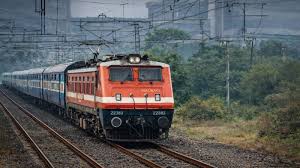
New Delhi: Reinforcing India’s transport infrastructure agenda, Indian Railways has approved Road Over Bridge (ROB) project and new halts focused to extend rail accessibility to underserved communities.

1. Replacement of Level Crossing No. 101 with Road Over Bridge (Katihar Division, West Bengal): ₹176.99 Crore

In response to severe traffic congestion and space constraints at Level Crossing No. 101 between Malahar Halt and Samsi on the Katihar Division, Northeast Frontier Railway will construct a road over bridge. With approximately 4,21,001 Traffic Vehicle Units recorded in a recent census, the existing level crossing has long posed safety and congestion challenges. The new ROB, including an additional light ROB at diversion will eliminate traffic bottlenecks, reduce road–rail conflicts, and significantly improve safety for motorists, pedestrians, and emergency services. Fully funded at 100% by Indian Railways, this vital infrastructure improvement will deliver uninterrupted connectivity to residents and traders in the area, easing daily commutes and reducing travel time.

2. New Passenger Halt at Chandipur, West Bengal

The proposed passenger halt at Chandipur between Kalikakhali and Lavan Satyagraha Smarak stations on the Panskura–Digha line in South Eastern Railway’s Kharagpur Division has been approved. This halt will improve local accessibility, particularly benefiting residents, students, and daily commuters along the coastal and semi-urban belt. The station will also support tourism flows to the popular Digha beach area, stimulating economic growth in local markets and making daily rail travel more convenient for families and workers.

3. New Passenger Halt Near Sidhu Kanho University (Between Purulia and Gourinathdham), West Bengal

A passenger halt station near Sidhu Kanho University on the Purulia–Gourinathdham section of Adra Division has been approved. Located between Purulia and Gourinathdham stations, this halt will directly benefit students, faculty, and local residents by ensuring easier and safer rail access to the university and adjoining communities. The new halt will reduce travel time and support education-linked mobility in the region, especially for economically vulnerable populations.

4. New Passenger Halt at Sidhi Jamra (Between Radhagaon and Pundag), West Bengal

Indian Railways has approved the passenger halt at Sidhi Jamra on the Radhagaon–Pundag section in the Adra Division following local demand, expanding rail accessibility in rural West Bengal. Positioned just a short distance from both regional nodes, this halt will promote daily commuting, ease regional movement, and link residents of small villages with economic and social opportunities in nearby towns. The halt is expected to facilitate convenient travel for students, workers, and families.

5. New Passenger Halt at Nashipur (Between Murshidabad and Jiaganj), West Bengal

Approved in response to local demand, the Nashipur halt on the Bhadrpur–Lalgola section of Eastern Railway will connect communities between Murshidabad and Jiaganj. The new halt will provide a reliable and convenient boarding point for rural commuters, daily wage workers, traders, and students, reducing dependence on road transport and facilitating efficient last-mile connectivity.

6. New Passenger Halt at Jangalpara (Earlier Rasulpur), West Bengal

The halt at Jangalpara on the Howrah–Goghat section in Howrah Division was approved following local demand, delivering improved rail access between Talpur and Takipur halts. This addition will serve local commuters, school-going students, and workers, supporting daily travel needs and strengthening suburban transport linkages that contribute to enhanced quality of life and regional economic participation.

7. New Passenger Halt at Rangmati (Between Torang and Suisa), Jharkhand

The new halt at Rangmati on the Muri–Gonda section in the Ranchi Division will improve connectivity for residents of adjacent hamlets and rural communities, providing direct rail access to local marketplaces and educational institutions. With rail mobility now closer to homes, citizens will enjoy reduced travel costs and better integration with regional transport networks.

Indian Railways Approves Infrastructure Projects in Uttar Pradesh, Rajasthan, and Madhya Pradesh

0

Vinod Bhat

New Delhi: Strengthening India’s rail network and regional connectivity, Indian Railways has approved a series of key projects, including third-line construction, line doubling, and bypass alignments. These initiatives aim to enhance operational efficiency, improve safety, reduce travel time, and extend benefits to common man, while supporting economic growth and seamless mobility across strategic corridors.

1. Third Line Between Aunrihar – Varanasi City (31.36 km), Uttar Pradesh: ₹497.07 Crore

Indian Railways has sanctioned the construction of a dedicated third line between Aunrihar and Varanasi City under North Eastern Railway. This busy section currently handles high volumes of passenger and freight traffic, including essential commodities such as cement, coal, food grains, iron, steel, and industrial materials. The addition of a third line will enable 7.13 more trains in each direction daily and accommodate freight growth of 1.99 MTPA, enhancing overall network fluidity. Upon completion, current line capacity, now at 87.93% will increase to over 102%, significantly reducing congestion, improving punctuality, and supporting smoother travel for millions of passengers. This upgrade will also play a key role in boosting logistics efficiency for local industries and strengthening trade corridors in eastern Uttar Pradesh and adjoining regions.

2. Doubling of Ringas – Sikar (50.06 km), Rajasthan: ₹470.34 Crore

The doubling of the Ringas–Sikar section in Rajasthan under North Western Railway marks a major capacity boost on this important regional route. With an anticipated five additional trains per direction each day and freight traffic increase of 2.36 MTPA, this project will improve reliability and line speeds for both passenger and freight services. Enhanced operational efficiency will further improve connectivity across Rajasthan’s industrial and pilgrimage zones, including access to sites such as Khatu Shyamji and Salasar Balaji. Current utilization of 77% capacity is expected to rise to 210% by 2029–30, allowing the network to handle future traffic growth seamlessly. For local commuters and businesses, this doubling project means reduced delays, punctual services, and improved goods movement that will directly support economic activity and employment opportunities in the region.

3. Ujjain Bypass Line Connecting Naikheri – Chintaman Ganesh (8.60 km), Madhya Pradesh: ₹189.04 Crore

The Ujjain bypass line project under Western Railway will provide a strategic diversion that removes the need for train reversals at Ujjain Junction, substantially improving sectional capacity and operational efficiency. This corridor, which facilitates major religious and tourist traffic, especially in view of the upcoming Simhastha Kumbh Mela in 2028 will enhance seamless train movements for lakhs of devotees who visit Mahakaleshwar Jyotirlinga and other revered sites. The absence of reversals will reduce delays and improve timetable reliability, particularly during peak festival seasons. This project also ensures smoother handling of daily passengers and freight services, meeting both current demands and future growth. Locals, commuters, and pilgrims alike will benefit from faster transit and better service resilience.

Department of Horticulture Planning and Marketing J&K Organizes Buyer–Seller Meet at New Delhi

0


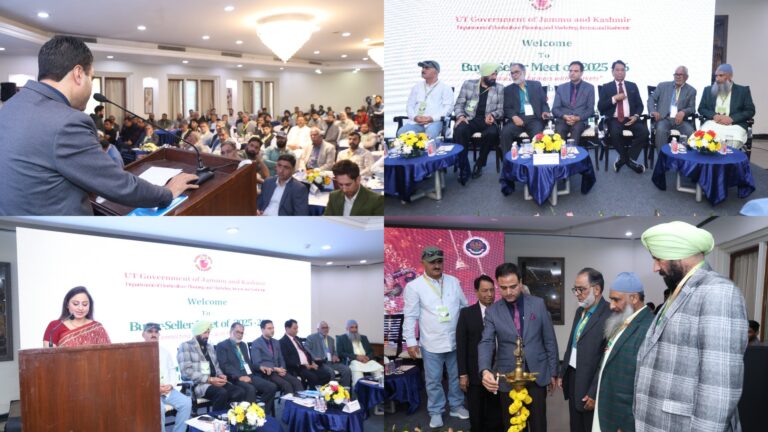
New Delhi, Feb 12: The Department of Horticulture Planning and Marketing, Jammu and Kashmir, organized a one-day Buyer–Seller Meet at Hotel Samrat, New Delhi, on 12 February, with the objective of strengthening market linkages for horticulture and allied produce of the Union Territory.

A total of 80 progressive farmers, growers, and traders representing all 20 districts of Jammu and Kashmir were facilitated by the Department to participate in the event. Prominent traders from Azadpur Mandi, Khari Baoli, Naya Bazar, and adjoining states of Uttar Pradesh and Haryana, Hyderabad dealing in fruits, vegetables, dry fruits, pulses, and processed food products, actively participated and interacted with the visiting farmers and traders from Jammu and Kashmir. The interactions resulted in the establishment of new trade linkages and business opportunities for horticulture stakeholders of the UT.

On the occasion, Director Horticulture Planning and Marketing, J&K, Shri Ghulam Jeelani Zargar welcomed the participants and delivered a detailed presentation highlighting the diverse agricultural and horticultural produce of Jammu and Kashmir, its quality advantages, and the export potential of various commodities.

Distinguished officials including General Manager APEDA, Mrs. Vinita Sudhanshu, Regional Manager APEDA, Mrs. Sehreen, Deputy Agricultural Marketing Advisor (DMI), Mr. B. K. Prushty, Deputy Director NHB, and Business Head,FICCI, CA store operators, also addressed the gathering and deliberated on market expansion, export promotion, and value-chain strengthening initiatives.

The participating farmers, traders, and representatives from government and civil organizations highly appreciated the efforts of the Department and requested that more such Buyer–Seller Meets be organized in the future to further enhance market access and income opportunities for farmers and entrepreneurs of Jammu and Kashmir.

Railway Board directs Expeditious Implementation of newly announced Dankuni-Surat Dedicated Freight Corridor

0

Vinod Bhat

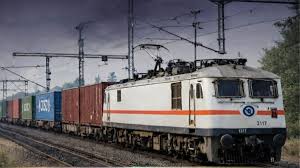
New Delhi: Indian Railways has initiated fast-track action for the expeditious implementation of the newly announced Dankuni-Surat Dedicated Freight Corridor (DFC), as announced in the Union Budget 2026.

The Hon’ble Minister of Railways, Shri Ashwini Vaishnaw has directed officials for the time-bound execution of this strategically significant freight corridor.

The proposed new Dedicated Freight Corridor (DFC), around 2,100 km long, will run from Dankuni to Surat, passing through West Bengal, Jharkhand, Odisha, Chhattisgarh, Maharashtra, and Gujarat. This corridor will greatly improve freight movement between eastern and western India, make logistics faster and more efficient, reduce travel time for goods trains, and ease congestion on existing Indian Railways routes.

Corridor Corporation of India Limited (DFCCIL) officials have been asked to immediately formalize optimum technical standards incorporating the latest advancements in freight logistics. Key features under consideration include high-capacity electrification systems, no level crossings (nil LCs) and advanced signalling systems such as Kavach, to ensure enhanced safety and higher throughput.

The Detailed Project Report (DPR) of the Dankuni-Surat corridor will be updated with the latest cost estimates and revised timelines. The updated DPR will ensure better planning, budgeting and timely execution of the corridor. The corridor will be divided into suitable areas to enable early and simultaneous implementation. Dedicated core teams for each area will be finalized and stationed in the field to closely monitor progress.

Railway board has directed that all pre-construction activities be comprehensively identified and fast-tracked, with simultaneous initiation of preparation of contract documents to avoid any delay in project rollout.

An assessment of optimum manpower requirements for the corridor is also underway. The Railway Board will be apprised on a weekly basis regarding action taken, progress achieved, and assistance required to ensure seamless and expeditious implementation.

Gasoo Political Activists Join JKNPF in Hazratbal Boost

0


KD NEWS SERVICE

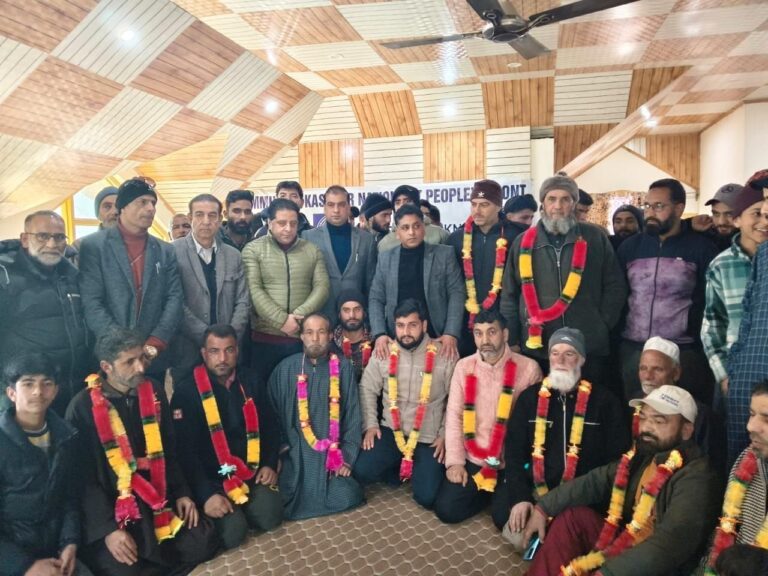
SRINAGAR, Feb 12: In a notable political development in the Hazratbal Assembly segment, a large number of political activists from Gasoo on Thursday formally joined the Jammu and Kashmir Nationalist Peoples Front (JKNPF), further strengthening the party’s presence in the constituency. The joining ceremony witnessed enthusiastic participation, reflecting a visible shift in political alignment at the grassroots level.

According to local accounts, many of the new entrants had been actively associated with other mainstream political platforms in the past and had played key roles at the ward and mohalla levels. However, they reportedly felt sidelined in recent times, with their concerns and contributions allegedly going unacknowledged. This growing sense of neglect and lack of engagement is said to have prompted them to extend their support to JKNPF, which they described as a more accessible and responsive platform.

The induction programme was held in the presence of JKNPF Party President Jasif Ahmad Khan; Senior Vice President and Constituency In-charge Hazratbal, Basit Bashir Gagroo; Vice President Tanveer Jeelani; Youth President Sheeraz Ahmad Pandith; Constituency In-charge Chanapora Mushtaq Ahmad Ganai; Grievance Head Siraj-ud-Din; and several other senior party functionaries and workers. The event turned into a strong organisational show, with leaders welcoming the new members and assuring them of an active and meaningful role in party affairs.

Addressing the gathering, party leaders said the mass joining reflects the prevailing public mood in Hazratbal. They observed that many people in the segment have been expressing dissatisfaction over unresolved developmental concerns, limited public outreach, and what they termed as a widening gap between representatives and the electorate. The leaders maintained that the development underscores growing confidence in JKNPF’s vision and grassroots-oriented leadership.

Party President Jasif Ahmad Khan, while speaking on the occasion, reiterated the party’s commitment to addressing long-pending civic and developmental issues in Gasoo and adjoining areas. He assured the gathering that matters related to infrastructure, essential services, youth participation, and public welfare would be pursued on priority with sustained follow-up before the concerned authorities. He emphasized that the party believes in transparency, accountability, and people-centric politics.

Senior Vice President and Hazratbal Constituency In-charge Basit Bashir Gagroo stated that the constituency would receive focused attention in terms of organisational strengthening and public representation. He added that the party aims to build a robust grassroots network to ensure that grievances are promptly addressed and that political engagement remains continuous and inclusive.

Political observers view the joining as a boost for JKNPF in the Hazratbal segment, with the induction of experienced political activists expected to enhance the party’s outreach and organisational capacity in the area.

LG chairs 50th SASB meeting

0


SASB approves Laser and Sound Show dedicated to Baba Barfani

Accidental insurance cover for registered yatris, service providers, officials, seasonal workers & pujaris enhanced from Rs 5 lakh to Rs 10 lakh

JAMMU, FEBRUARY 12: During its 50th Board meeting, Shri Amarnath Ji Shrine Board (SASB) today approved setting up Laser and Sound Show dedicated to ‘Baba Barfani’, to be hosted in both Srinagar and Jammu. The show will also serve as a cultural beacon, highlighting the rich spiritual history of the Union Territory.

The Board also announced that the Pratham Pooja for the 2026 pilgrimage will be performed on June 29, 2026 on the occasion of Jyeshtha Purnimaa. The formal commencement date for the Yatra will be finalized soon.

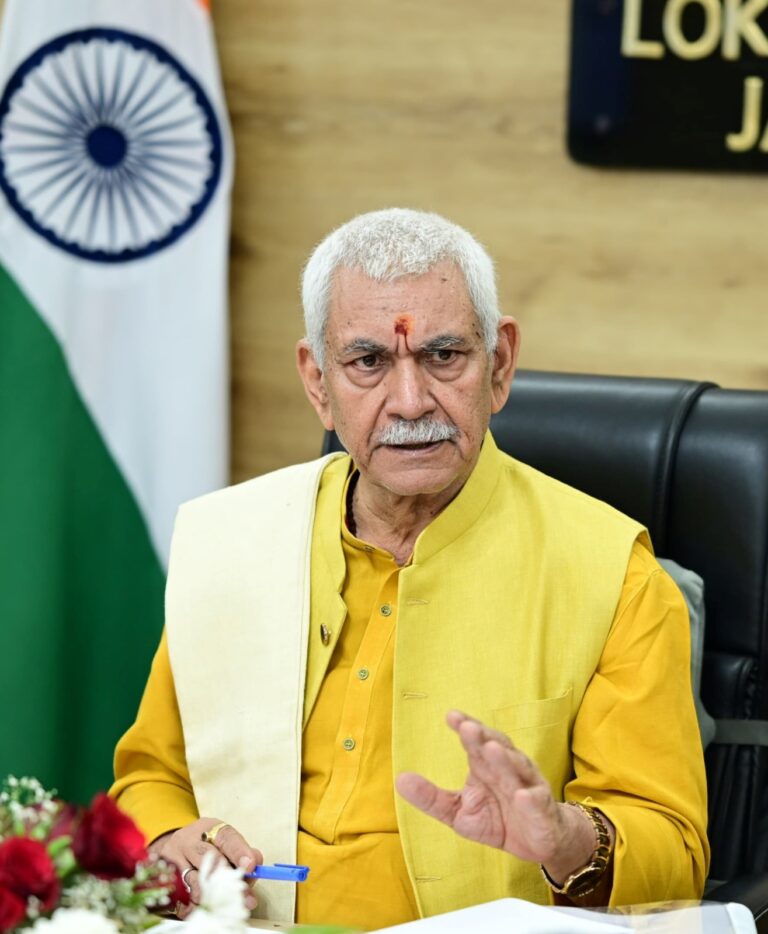
The meeting was chaired by the Lieutenant Governor Shri Manoj Sinha, who is also the Chairman of Shri Amarnath Ji Shrine Board (SASB).

The Board approved various key measures and interventions to further enhance the spiritual experience and convenience of devotees for the upcoming 2026 Yatra.

Shri Amarnath Ji Shrine Board decided to enhance the accidental insurance cover for registered yatris, service providers, officials, seasonal workers and pujaris from Rs 5 lakh to Rs 10 lakh.

The Board also discussed and approved various welfare measures for SASB employees.

The Lieutenant Governor directed the officials for identifying spots for installation of suitable toilet facilities enroute the yatra.

He further directed installation of shelter sheds and rain shelters on tracks for pilgrims, service providers and security personnel.

The meeting also discussed ongoing projects, dissemination of Yatra-related information, insurance cover for ponies; extension of online and pre-paid services; registration of pilgrims; disaster preparedness and mitigation measures; adequate provisioning of medical care facilities; langar and volunteer services, telecommunication, grid connectivity; Weather Forecasting Infrastructure & Systems, security and surveillance; digital pre-paid system for hiring services, laying of crash barriers and safety railings along vulnerable stretches on both routes and the progress achieved on various ongoing works undertaken by different departments.

Reviewing the maintenance, restoration and development of Yatra tracks by Border Roads Organization, the Board was informed that the BRO has registered a significant progress, achieving comfortable track width on both Baltal and Pahalgam routes.

Dr Mandeep K. Bhandari, Chief Executive Officer, Shri Amarnath Ji Shrine Board, gave a detailed presentation regarding the arrangements for the upcoming Yatra.

The meeting was attended by Members of the Shrine Board- Swami Avdheshanand Giri Ji Maharaj, Prof. Kailash Mehra Sadhu, Shri K.K.Sharma, Shri K.N.Rai, Shri Mukesh Garg, Dr. Shailesh Raina, Dr. Simridhi Bindroo, Shri Suresh Haware and Prof. Vishwamurti Shastri.

Shri Atal Dulloo, Chief Secretary; Shri Shaleen Kabra, Additional Chief Secretary, Jal Shakti Department; Shri Shailendra Kumar, Additional Chief Secretary, Power Development Department; Shri Nalin Prabhat, DGP; Shri Chandraker Bharti, Principal Secretary Home; Shri Santosh D. Vaidya, Principal Secretary, Finance; Administrative Secretaries; Divisional Commissioner Jammu; Divisional Commissioner Kashmir; IGPs; Deputy Commissioners (Ganderbal and Anantnag); Additional CEO SASB and senior officers of the UT Administration, BRO and Shrine Board also attended the meeting, in person and through virtual mode, at Lok Bhavan Jammu.