spot_imgspot_img
spot_img
Home Blog Page 48

Staff Crunch Cripples Healthcare at CHC Pattan

0

MOHAMMAD LATEEF

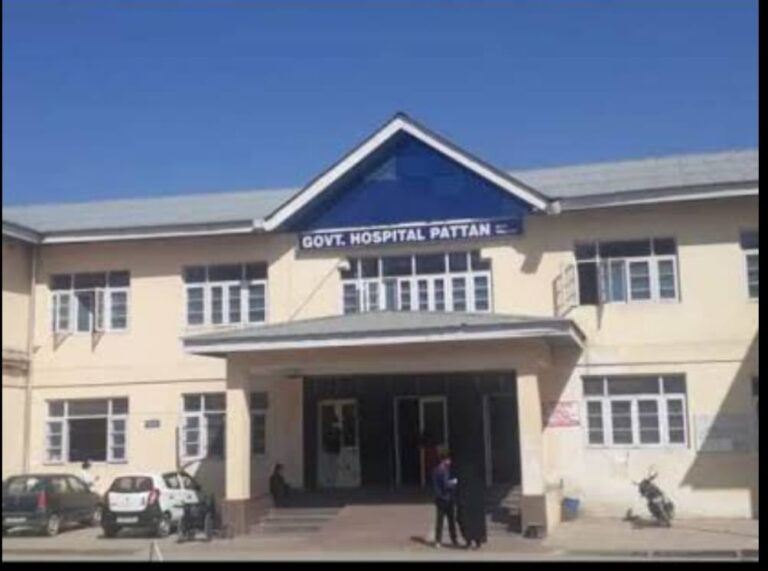
Pattan, April 23: The Community Health Centre (CHC) Pattan is facing a severe shortage of medical staff and essential facilities, leaving patients in distress and struggling to access timely treatment.For years, several key specialist posts at the hospital have remained vacant, including those of Consultant Surgery, Consultant Anesthesia, and Consultant Pediatrics. The situation has further deteriorated after the transfer of existing doctors, with no replacements appointed so far. This has placed a heavy burden on the already stretched healthcare system in the area.

The shortage is not limited to specialist doctors. The hospital is also grappling with a lack of paramedical staff. Important positions lying vacant include three pharmacists, two head pharmacists, one supervisor, a senior X-ray technician, a junior X-ray technician, and a basic health worker. The absence of adequate support staff has compounded the challenges faced by both patients and the available medical personnel.

In addition, two Medical Officer posts at Palhalan and Gund Khawaja Qasim have remained unfilled following transfers, leaving these adjoining areas without adequate medical coverage.

Despite having seven surgeons, including four from the gynecology department, the hospital has only one anesthesiologist. This imbalance has drastically reduced the number of surgeries being conducted. Locals point out that other hospitals have multiple anesthesia specialists and suggest that some could be deputed to Pattan to ease the crisis, but no such measures have been taken so far.
The hospital’s location along the busy National Highway-1—an accident-prone stretch—makes the lack of emergency and surgical support even more concerning. In critical situations, patients often face delays due to inadequate staffing and limited resources.

Adding to the woes, a dialysis centre set up at the hospital remains non-functional due to the absence of a proper water supply and a trained dialysis technician, depriving patients of a crucial life-saving service.

Residents of Pattan have urged Lieutenant Governor Manoj Sinha, Chief Minister Omar Abdullah, Health Minister Sakeena Itoo, and Chief Secretary Atal Dulloo to personally intervene and address the pressing issues at the earliest to restore effective healthcare services at the facility.

SKIMS Bemina Launches Transformative CBME Drive to Redefine Medical Education

0
CBME will shape future-ready doctors: Dr. Fazlul Parray
KD NEWS SERVICE
SRINAGAR, April 23: In a significant stride towards reshaping medical education in Jammu and Kashmir, SKIMS Medical College Hospital (MCH), Bemina, on Thursday inaugurated an innovative series of sessions on Competency-Based Medical Education (CBME), setting the stage for a paradigm shift from traditional teaching to outcome-driven learning.
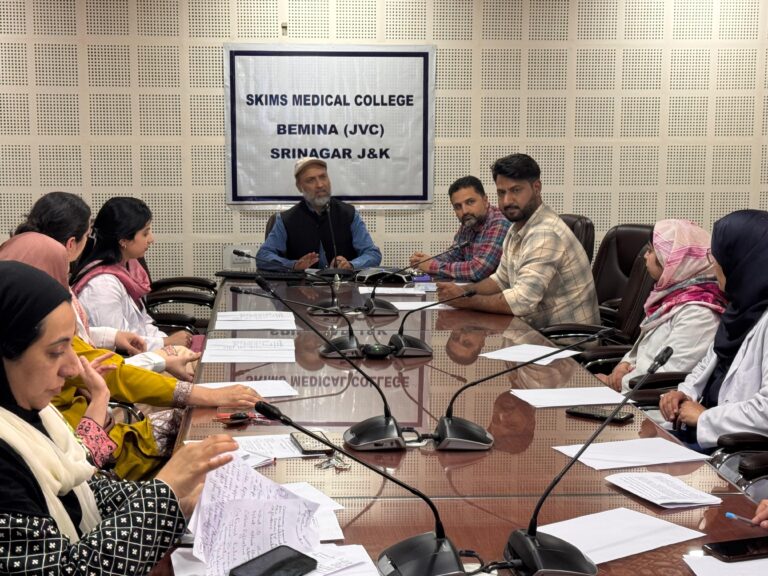
Held in the Board Room of the institution under the patronage of Principal Prof. Dr. Fazlul Qadir Parray, the inaugural session was organized by the Department of Community Medicine with a clear objective: to sensitize faculty members and senior residents to the principles, philosophy, and practical implementation of CBME.
The event drew enthusiastic participation from faculty and senior residents across multiple pre-clinical and para-clinical disciplines, reflecting a shared institutional resolve to modernize medical pedagogy. The interdisciplinary engagement not only enriched the deliberations but also underscored a collective commitment to enhancing the quality and relevance of medical training.
The session commenced on an interactive note with a brainstorming exercise titled “From Known to Unknown,” facilitated by Dr. Yasmeen, Dr. Qudsia, and Dr. Manoj. Designed to gauge participants’ baseline understanding of CBME, the activity encouraged open dialogue and critical thinking. It served as a dynamic entry point into the subject, breaking the monotony of conventional sessions and fostering an atmosphere of collaborative learning.
Building on this momentum, Dr. Ashfaq Ahmad Bhat delivered a comprehensive presentation on “CBME: The Basics.” His talk delved into the conceptual underpinnings of competency-based education, highlighting its emphasis on clearly defined learning outcomes, measurable competencies, and a systems-based approach to curriculum design. He articulated the urgent need to transition from time-bound, teacher-centric models to learner-centric frameworks that prioritize skills, attitudes, and real-world applicability.
A distinctive feature of the session was its emphasis on reflective learning. Facilitated by Dr. Beenish and Dr. Altaf, participants engaged in structured reflection writing, allowing them to internalize key concepts and articulate their insights. This exercise reinforced one of the core tenets of CBME—continuous self-assessment and reflective practice as tools for professional growth.
Further enhancing the session’s interactivity, an “Exit Ticket” exercise was conducted by Dr. Fahd Bukhari and Dr. Labeeb Mir. Participants were invited to summarize their key takeaways and provide feedback, enabling organizers to assess the immediate impact of the session while identifying areas for refinement in future modules.
The session concluded with an engaging discussion, during which queries were addressed and participants were briefed about upcoming sessions in the CBME series. The closing remarks emphasized sustained engagement and the need for a gradual yet determined transition towards competency-based teaching methodologies.
Overall, the inaugural session was widely appreciated for its interactive design and practical orientation. It not only laid a strong foundation for understanding CBME principles but also marked a crucial step in aligning the institution’s academic framework with global standards in medical education.
As SKIMS MCH Bemina embarks on this transformative journey, the initiative is expected to play a pivotal role in producing future-ready medical professionals equipped with the competencies required to meet evolving healthcare challenges.

Uri student dies of electrocution after tin sheets touch HT line

0

Srinagar, Apr 22: A 22-year-old student died of electrocution in Uri area of Baramulla district on Wednesday evening after tin sheets he was carrying came in contact with a high-tension line, officials said.

An official told that the incident occurred when the tin sheets accidentally touched an 11,000-volt high-tension line, resulting in a severe electric shock. “He was rushed to Primary Health Centre Boniyar, where doctors declared him brought dead.”

The deceased has been identified as Mohd Ishfaq Quraishi, son of Mohd Hanief Quraishi, a resident of Paranpeelan, Uri.

“The body is lying at the health facility for medico-legal formalities,” officials said. (GNS)

Bandipora Court Acquits Accused in Illegal Mining Case Over Procedural Lapse

0

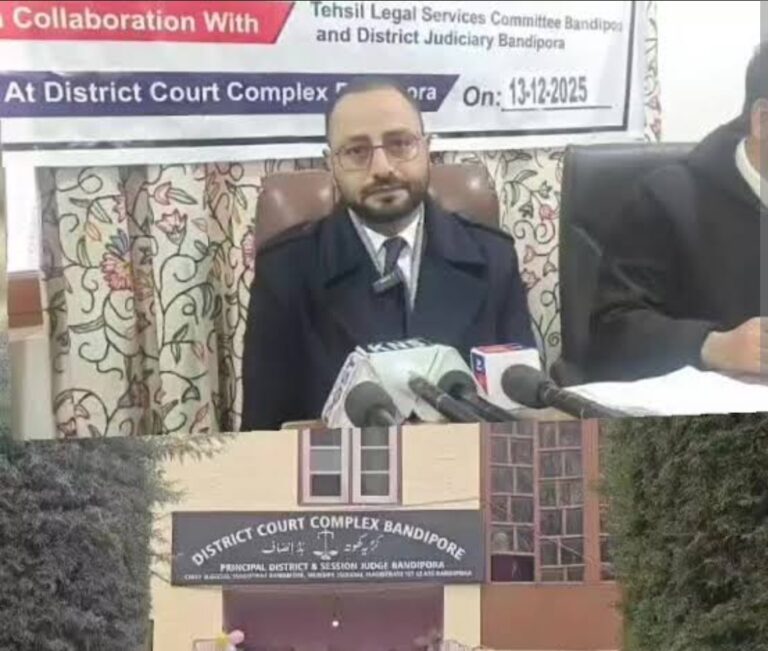
Bandipora, April 22: A local court in Bandipora has acquitted an accused in an illegal mining case, holding that prosecution under the Mines and Minerals (Development and Regulation) Act cannot proceed without a mandatory complaint by an authorised officer.

The Additional Sessions Court in Bandipora has acquitted Imtiyaz Ahmad Bhat in a case registered under the provisions of the Mines and Minerals (Development and Regulation) Act, ruling that the prosecution was vitiated due to the absence of a mandatory complaint by an authorised officer, a legal prerequisite for taking cognisance of offences under the Act.

The order was passed by Additional Sessions Judge Bandipora, Mir Wajahat who was designated as Special Judge for offences under the MMDR Act, in connection with FIR No. 10/2026 registered at Police Station Sumbal. The case also involved offences under Section 169(2) of the Bharatiya Nyaya Sanhita and Section 5/192 of the Motor Vehicles Act.

The court held that proceedings against the accused could not be sustained as the statutory requirement under Section 22 of the MMDR Act—mandating a written complaint by an authorised officer—had not been fulfilled.
It ruled that a police report could not substitute such a complaint, and therefore, cognisance taken based on the charge sheet was legally untenable.

According to the prosecution, the case originated from a written communication dated January 14, 2026, by the District Mineral Officer (DMO), Bandipora, alleging illegal extraction of minerals.

Acting on this, police registered an FIR and conducted an investigation, following which a charge sheet was filed before the Special Court. Statements of witnesses were recorded and material evidence collected during the investigation.
During the proceedings, the defence through Advocate Irshad Ahmad Dar raised a legal objection at the stage of charge, arguing that the entire prosecution was invalid as no formal complaint had been filed by an authorised officer as required under the MMDR Act.

The prosecution, represented by the Additional Public Prosecutor, contended that the DMO was an authorised officer and that the communication addressed to the police, followed by registration of FIR and investigation, satisfied the legal requirements.

The court framed the issue as a question of jurisdiction and examined whether it could take cognisance of the offence based on a police report in the absence of a statutory complaint.
It noted that Section 22 of the MMDR Act explicitly bars courts from taking cognisance of offences punishable under the Act except upon a complaint made by an authorised officer.

In its analysis, the court observed that the communication sent by the DMO to the police could not be treated as a complaint in terms of the law. It held that such communication merely initiated the investigative process and did not fulfil the statutory condition required for prosecution.

The court further clarified that a complaint must be made to a Magistrate or Special Court with a view to initiating judicial proceedings, and not merely to the police for registration of an FIR.

The court also examined the interplay between the MMDR Act and the Bharatiya Nagarik Suraksha Sanhita (BNSS), noting that while police are empowered to investigate cognizable offences, the special provisions of the MMDR Act override general procedural law when it comes to taking cognisance. It held that compliance with Section 22 is a condition precedent and not a procedural formality that can be cured at a later stage.
Relying on judicial precedents, including rulings of the Supreme Court, the court reiterated that offences under the MMDR Act are complaint-based and require strict adherence to statutory provisions.
It stated that allowing prosecution based solely on police reports would defeat the legislative intent of maintaining regulatory control over mining activities through designated authorities.

The court further observed that the limitation period for filing a complaint under the applicable rules begins from the date of the alleged offence and not from the date of registration of the FIR. It noted that even if a complaint were to be filed subsequently, it must comply with the prescribed limitation period and procedural requirements.
Concluding that the foundational requirement for invoking jurisdiction had not been met, the court discharged the accused from the offences under the MMDR Act. It clarified that the acquittal was based on legal grounds and not on an assessment of the merits of the allegations.

With respect to the offences under the Motor Vehicles Act, the court directed that the relevant part of the charge sheet be transmitted to the court of the jurisdictional Magistrate for appropriate proceedings in accordance with law.
The court also ordered that the bail bonds furnished by the accused stand discharged and that the case record be consigned to the record room after completion of necessary formalities. (KNS)

J&K Resident Commission observes Earth Day with plantation drives in Delhi, Amritsar

0

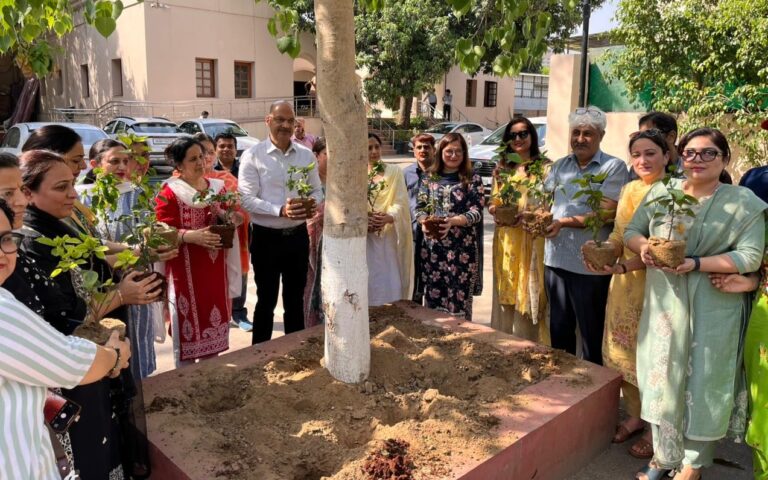
NEW DELHI, APRIL 22: The Resident Commission, Jammu & Kashmir government, New Delhi, today observed Earth Day 2026 with plantation drives conducted across its premises in Delhi and Amritsar, aligning with this year’s global theme “Our Power, Our Planet.”

Marking the occasion, Additional Resident Commissioner, Resident Commission, J&K, led the officers and staff in planting the saplings at J&K House, 5 Prithviraj Road, New Delhi.
The green initiative was carried out simultaneously at J&K House, Chanakyapuri, New Delhi and J&K House, Amritsar, where the respective Manager-cum-Protocol Officers and staff undertook similar drives.

Addressing the staff, the Additional Resident Commissioner underscored the urgent need for environmental conservation. He urged all the employees to adopt plantation as a regular, sustained activity rather than a one-day observance. “Our collective action today determines the health of our planet tomorrow. Each sapling planted is a step towards a greener and healthier environment for the posterity,” he said.

The Earth Day activities aimed to reinforce the Commission’s commitment to ecological responsibility and encourage institutional participation in climate action.

The officials said that regular plantation and upkeep of green cover at J&K Houses would be monitored to ensure long-term impact.

Pertinently, the Earth Day, being observed globally on April 22, seeks to raise awareness and mobilise action for environmental protection. This year’s theme, “Our Power, Our Planet,” highlights the role of individual and collective power in driving sustainable change.

SKUAST-K Inspires Future Vets with RVC Career Insights

0

Army officers guide students on defence careers, inspiring passion for service and excellence

KD NEWS SERVICE
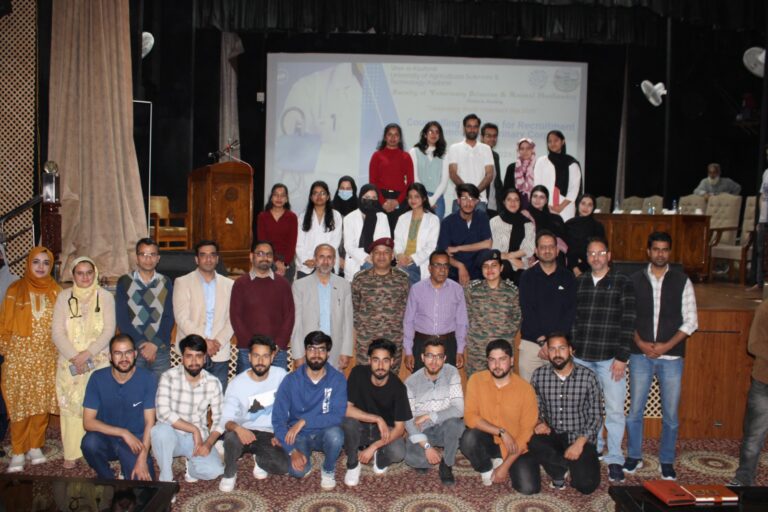
SRINAGAR, Apr 26: Sher-e-Kashmir University of Agricultural Sciences and Technology of Kashmir on Saturday organised an insightful and career-oriented guest lecture at its Faculty of Veterinary Sciences and Animal Husbandry (FVSc & AH), Shuhama, to commemorate World Veterinary Day, drawing enthusiastic participation from students across 3rd to 5th professional years.
The event was held with the primary objective of sensitising aspiring veterinary professionals about the diverse and prestigious career avenues available in the Remount Veterinary Corps (RVC), a specialised branch of the Indian Armed Forces responsible for the care, training and management of military animals. The programme served as a vital platform to bridge academic learning with real-world career pathways, particularly in defence services.
Colonel Y S Sengar, who attended as the Chief Guest, extended his greetings to the students on the occasion of World Veterinary Day and commended their commitment to the veterinary profession. In his address, he urged the budding veterinarians to broaden their horizons and explore challenging yet rewarding career options such as the RVC, emphasising the importance of discipline, patriotism, and professional excellence in serving the nation.
The keynote lecture was delivered by Captain Mansi, an accomplished alumna of FVSc & AH, who shared her inspiring journey from being a student at the institution to serving as an officer in the Indian Army. Offering a practical roadmap for aspirants, she elaborated on examination patterns, recommended study materials, and effective preparation strategies for the rigorous Services Selection Board (SSB) interview process. She highlighted that success in such competitive avenues requires not only academic competence but also clarity of thought, confidence, consistency, and strong personal discipline.
The session witnessed active engagement from students, culminating in an interactive question-and-answer segment. Participants raised thoughtful queries regarding eligibility criteria, selection procedures, and career progression within the RVC. The interaction proved highly enriching, with students expressing gratitude for the valuable insights and showing a heightened interest in pursuing careers in defence veterinary services.
Dean of the Faculty of Veterinary Sciences, Prof Riaz Ahmad Shah, also addressed the gathering and highlighted the vast and evolving scope of veterinary sciences. He emphasised that veterinary graduates today have access to a wide spectrum of career opportunities, ranging from clinical animal healthcare and biomedical research to emerging domains such as conservation of animal genetic resources, industrial biotechnology, and roles in the global livestock industry.
The programme was smoothly moderated by Dr Shahid Dar, Assistant Professor in the Division of Veterinary Surgery and Radiology, who ensured active participation and seamless coordination throughout the session.
The event concluded on a positive and motivational note, leaving students better informed and inspired to explore diverse career pathways while contributing meaningfully to animal health and national service.

NSE Backs Power Market Coupling to Bring ‘One Nation, One Price’ in Electricity Trade

0
Uniform pricing reform set to cut costs, boost transparency, unify India’s power markets
KD NEWS SERVICE
MUMBAI, April 22: In a significant policy push aimed at transforming India’s power trading architecture, the National Stock Exchange of India (NSE) has welcomed the latest move by the Central Electricity Regulatory Commission (CERC) to introduce market coupling in the country’s electricity markets—an initiative expected to usher in transparency, efficiency, and uniform price discovery.
The development follows CERC’s notification of the draft Power Market (Second Amendment) Regulations, 2026, issued on April 17, which lays the groundwork for implementing a unified pricing mechanism across India’s multiple power exchanges. Under the proposed framework, Grid India—designated as the Market Coupling Operator—will be responsible for aggregating bids from all power exchanges and determining a single market-clearing price through a centralized matching engine.
The NSE, in its official response, described the reform as a “long-awaited structural shift” that aligns with the broader national vision of “One Nation, One Grid, One Price.” The exchange indicated that, subject to regulatory approval, it will formulate a detailed Power
Market Coupling Procedure (PMCP) within six months to operationalize the mechanism.
At its core, market coupling seeks to eliminate price fragmentation across India’s electricity markets. Currently, multiple exchanges operate independently, often resulting in divergent prices for the same commodity at the same time. This inefficiency has been a persistent concern for policymakers, traders, and distribution companies alike.
By introducing a centralized system, the reform will ensure that all buy and sell bids are pooled together, enabling optimal matching and the discovery of a single, uniform price. Experts believe this will significantly enhance operational efficiency, reduce arbitrage opportunities, and improve liquidity across markets.
The NSE highlighted that the proposed system draws from globally established best practices, particularly the use of volume-weighted average pricing. Such a mechanism ensures that prices reflect actual traded volumes rather than simple averages, thereby offering a more accurate representation of market dynamics.
The exchange also drew parallels with its own electricity derivatives segment, where settlement prices are determined using a volume-weighted methodology. In contrast, certain segments of the current spot market rely on simple average pricing, which often disregards traded volumes and leads to distortions.
Recent data underscores the urgency of reform. As of April 20, 2026, NSE’s Monthly Moving Average Due Date Rate (MAVGDDR) stood at ₹3,802 per MWh, significantly lower than the ₹4,442 per MWh observed on exchanges using simple average pricing. This disparity has resulted in price spreads of ₹600–700 per MWh between financial exchanges—an anomaly that market coupling aims to eliminate.
The financial implications of such discrepancies are substantial. For a projected monthly electricity consumption of 1,000 million units (MU), the absence of a uniform pricing mechanism translates into additional costs of nearly ₹70 crore per month for distribution companies (DISCOMs). On an annual basis, this burden could escalate to approximately ₹840 crore, placing further strain on already stressed balance sheets.
Beyond cost efficiency, the reform is also expected to deepen India’s power markets by enhancing investor confidence and facilitating better integration between spot and derivatives segments. Since the introduction of electricity futures in July 2025, spot power prices have reportedly declined by around 14 percent through March 2026, contributing to broader societal gains.
Commenting on the development, NSE Managing Director and CEO Ashishkumar Chauhan emphasized that the initiative represents a decisive step toward strengthening market transparency and efficiency. He noted that a unified pricing benchmark would not only improve price discovery across all exchanges but also attract greater investment into the power sector.
The move is widely seen as a milestone in India’s ongoing energy sector reforms, particularly at a time when the country is striving to balance growing demand with sustainable and efficient supply mechanisms. By harmonizing pricing across exchanges, market coupling is expected to bring greater stability, reduce systemic inefficiencies, and ultimately benefit end consumers.
As India advances toward a more integrated and competitive power market, the successful implementation of market coupling could set a global benchmark, reinforcing the country’s position as a leader in innovative energy market reforms.
IUST Registrar Prematurely Repatriated to Higher Education Dept

0

Srinagar, April 22: The Registrar of the Islamic University of Science and Technology (IUST), Awantipora, has been repatriated to the Higher Education Department, sources said.

Reliable sources told news agency Kashmir Dot Com that Prof. Abdul Wahid Makhdoomi, who has been relieved of his duties at the university and sent back to his parent department following orders from the “Higher authorities”. The reasons behind the move were not immediately known.

Prof. Makhdoomi was appointed as Registrar of IUST in June 2024 for a three-year tenure. He was appointed through a selection process approved by the university’s Executive Council. (KDC).

India Notifies Online Gaming Rules 2026, Tightens Grip on Money Gaming Platforms

0

Vinod Bhat

New Delhi: The Promotion and Regulation of Online Gaming (PROG) Act, 2025 was enacted by Parliament in August 2025 as a landmark legislation to safeguard citizens from the growing menace of online money games while creating an enabling framework for e-sports and online social games. The Act reflects the Government’s resolve, articulated by Prime Minister Narendra Modi, to position India as a global hub for gaming, innovation and creativity, and at the same time protect society from the financial, psychological and social distress caused by predatory online money gaming platforms.

Section 19 of the Act empowers the Central Government to make rules to carry out its provisions. The Ministry of Electronics and Information Technology (MeitY), as the nodal Ministry, has accordingly prepared the Promotion and Regulation of Online Gaming Rules, 2026 (“the Rules”), which will come into force on 1st May, 2026. The Rules have been finalised after extensive inter-Ministerial consultations and vetting by the Department of Legal Affairs.

Purpose of the Rules

The Rules are the operational architecture of the parent Act. Their purpose is to:

  • provide a clear, transparent and time-bound mechanism to determine whether an online game is an online money game (and therefore prohibited) or a permissible online social game or e-sport;
  • establish the Online Gaming Authority of India as a unified, digital-first regulator for the sector;
  • create a statutory registration regime for e-sports and such categories of online social games as may be notified;
  • prescribe mandatory user safety features, grievance redressal and transparency obligations for online game service providers;
  • lay down the procedure for inquiry and imposition of civil penalties under section 12 of the Act; and
  • provide an appellate mechanism to ensure accountability, fairness and observance of the principles of natural justice.

Guiding Policy Objectives

  • Protecting citizens, especially children and vulnerable users, from the harms of online money gaming, addictive design and misleading promises of quick wealth;
  • Ensuring regulatory certainty for the industry through clear criteria for determination, predictable timelines and a digital-first process;
  • Safeguarding the financial system by preventing banks, payment systems and financial institutions from facilitating transactions linked to prohibited online money games;
  • Enabling coordinated enforcement between the Authority, financial regulators, law enforcement agencies and State Governments; and
  • Upholding user rights through a functional, two-tier grievance redressal mechanism and a statutory right of appeal.

The Regulatory Framework at a Glance

The Rules are organised into 6 Parts and 26 Rules covering the following pillars of the regulatory framework:

1. Online Gaming Authority of India (Part II, Rules 3–7)

  • The Online Gaming Authority of India is constituted as an attached office of MeitY with its head office at the NCT of Delhi.
  • It is structured as a compact, multi-sectoral body chaired by the Additional Secretary, MeitY (ex officio), with JS-level representatives from the MHA, Finance (Department of Financial Services), MIB, Youth Affairs and Sports, and Law and Justice (Department of Legal Affairs).
  • The Authority is designed to function, as far as practicable, as a digital office.
  • Functions include: maintaining and publishing the list of online money games, inquiring into complaints, issuing directions, orders and codes of practice, entertaining appeals against decisions of service providers on grievances, and coordinating with financial institutions and law-enforcement agencies for effective enforcement.

2. Determination of an Online Game (Part III, Rules 8–11)

  • The Rules prescribe a determination test to classify whether an online game constitutes an online money game. Determination is triggered in three situations:
  • suo motu action by the Authority;
  • an application by a service provider offering the game as an e-sport;
  • or a notification by the Central Government requiring a category of social games to be determined.
  • Rule 9 lists objective factors for determination — payment of fees or stakes, expectation of monetary winnings, the structure of the revenue model, and the manner in which rewards or in-game assets are redeemed or monetised outside the game.
  • Determination shall, as far as practicable, be completed within 90 days of a complete application or of notice issued in a suo motu proceeding (Rule 10).
  • The outcome is recorded in a determination order, which is specific to the particular game and provider.

3. Registration of Online Games (Part IV, Rules 12–19)

  • Registration is required ONLY where the Central Government so notifies — having regard to risk to users (including children), scale of participation, financial transactions and country of origin — and for every online game intended to be offered as an e-sport.
  • On successful determination and registration, the Authority issues a digital Certificate of Registration with a unique registration number, valid for a period of up to 10 years.
  • An online money game shall not be eligible for recognition or registration as an e-sport under the National Sports Governance Act, 2025.
  • Registered service providers are required to prominently display the details of determination or registration on the interface through which the game is offered, designate a point of contact, comply with data retention directions, and observe directions issued in relation to facilitation of payments.

4. User Safety Features

  • Rule 2(1)(i) introduces the concept of user safety features — technical, procedural, operational, behavioural or system-related safeguards appropriate to the risk profile of the game.
  • These include age verification and age-gating, time restrictions, parental controls, user reporting tools, counselling support, and fair-play and integrity monitoring. Service providers are required to disclose their user safety features and internal grievance mechanisms at the time of application for determination or registration (Rule 23).

5. Two-Tier Grievance Redressal and Appellate Mechanism (Rules 7 and 20)

  • Every online game service provider offering an online social game or e-sport must establish and maintain a functional grievance redressal mechanism.
  • A user dissatisfied with the provider’s resolution (or in case of non-redressal) may approach the Authority within 30 days, which shall endeavour to dispose of the appeal within a further 30 days.
  • A second appeal lies before the Appellate Authority i.e., the Secretary, MeitY who shall dispose of appeals, as far as possible, within 30 days of receipt.

6. Penalties and Enforcement (Part V, Rules 21–22)

  • Proceedings are to be conducted in digital mode unless physical presence is deemed necessary, and concluded within 90 days of receipt of a complaint.
  • Penalties are to be proportionate, with the Authority required to consider factors such as gain from non-compliance, loss caused to users, recurrence, gravity and mitigation efforts.

Approvals granted for 41 biogas cylinder filling and storage plants; promotes alternate and cleaner fuel availability

0

Vinod Bhat

New Delhi: As part of its ongoing outreach to keep the media informed on the evolving situation in West Asia, the Government of India convened a briefing at the National Media Centre today. Officials from the Ministries of Petroleum and Natural Gas, Ports, Shipping and Waterways, and External Affairs provided updates on fuel availability, maritime operations, assistance to Indian nationals in the region, and measures being undertaken to maintain stability across key sectors. The Department for Promotion of Industry and Internal Trade Ministry of Commerce and Industry also shared updates during the briefing.

Industrial activities and sectoral updates:
The Department for Promotion of Industry and Internal Trade (DPIIT) is actively implementing a range of regulatory and facilitative measures to ensure continuity of industrial activities, maintain supply chain stability and support key manufacturing amidst the evolving West Asia situation.

The measures aim to ensure uninterrupted availability of fuel and essential inputs while addressing operational challenges faced by industry. DPIIT continues to engage closely with stakeholders and the actions outlined represent measures taken till date.


Facilitative measures for ensuring availability of fuel and gas

Petroleum and Explosives Safety Organization (PESO) has undertaken multiple facilitative and safety oriented measures to ensure uninterrupted availability of fuels and gas amid the ongoing crisis:

  • Total 467 applications for Compressed Natural Gas (CNG) and Compressed bio gas (CBG) Dispensing stations were received by PESO and all were disposed on priority basis since 25th  March 2026 till 21st April 2026.  Out of 467 cases, in 157 cases final licenses were granted and  38 prior approval were granted for construction of new CNG/ CBG dispensing stations.
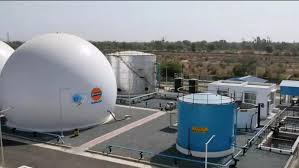
  • Since March 2026, 41 Bio Gas cylinder filling and storage plants have been granted approval and subsequently license have been issued to 14 plants.
  • Temporary storage relaxations for Superior Kerosene Oil (SKO) were granted, permitting storage up to 2,500 liters (12.03.2026) and a onetime relaxation up to 5,000 liters for PDS kerosene to ensure last mile distribution continuity (13.03.2026).
  • To safeguard domestic availability, a complete export ban on Ammonium Nitrate was imposed on 18.03.2026.
  • Guidelines permitting LNG filling in cryogenic cylinders were issued to promote decentralized LNG supply, enhancing fuel flexibility during disruptions.
  • PESO issued directions on 20th March 2026 for time bound disposal of applications (within 10 days) of CNG stations and decompression units to fast-track infrastructure augmentation.
  • To address immediate supply constraints, permission was granted for LPG unloading at Porbandar Jetty on 14.03.2026.
  • For improved transparency, the list of Peso approved container manufacturers and capacities for PDS kerosene and diesel supply was uploaded on the PESO website on 01.04.2026.
  • A temporary six-month exemption from approval requirements for CNG/CBG compressors was issued on 01.04.2026 to fast-track commissioning of dispensing stations.

The following long‑term initiatives were implemented to promote alternate fuels:

  • Guidelines were issued on 25.03.2026 for installation of District Pressure Regulating Skids (DPRS) at CNG/CBG stations to address land constraints and expand gas dispensing infrastructure.
  • Guidelines were issued on 25.03.2026 permitting filling of Liquefied Natural Gas (LNG) in cryogenic cylinders, facilitating supply of natural gas to remote or non-pipeline areas.
  • Approvals were granted on 25.03.2026 (for combination valves) and 27.03.2026 (for pressure relief valves) for Dimethyl Ether (DME) jumbo cylinders following successful prototype trials which promotes the use of Dimethyl Ether as an alternative industrial fuel.
  • Guidelines were issued on 02.04.2026 permitting night‑time operations, particularly for LPG bottling plants, which will result in extended operational hours, thereby enhancing production capacity.
  • Commissioning permission was granted on 30.03.2026 to Petronet LNG for an additional 5 MMTPA re‑gasification capacity at the Dahej terminal, increasing total capacity to 22.5 MMTPA and improving natural gas availability for CGD networks.


Measures to reduce oil consumption (Boilers)

  • An advisory was issued on 07.04.2026 to State Governments under sub section (3) of Section 38 of the Boilers Act, 2025, with the following actions:
  • Three‑month temporary extension of boiler certificates for power plants and other high‑capacity boilers (≥100 TPH), subject to verification of operating parameters and satisfactory external inspection by Competent Persons.
  • Three‑month temporary extension of boiler certificates for high‑capacity boilers in major oil and gas units, including refineries, petrochemicals and fertilizer plants, subject to prescribed safety safeguards, parameter verification and satisfactory external inspection.
  • Promotion of diversification in fuel usage, encouraging the adoption and use of alternate fuels across industrial sectors.

Cooktop / Induction Cooktop Sector

  • Stakeholder consultations were held by DPIIT in coordination with the Department of Commerce and the Ministry of Power to address demand–supply challenges in the induction cooktop sector and assess immediate measures required to stabilize supply and prices.
  • Mandatory energy efficiency and Quality Control Order (QCO) timelines for induction cooktops have been extended, and corresponding amendment and eGazette notifications were issued on 06.04.2026, in view of manufacturers’ difficulty in meeting earlier deadlines.


Paint Industry


Based on inter-ministerial consultations and a Joint Working Group meeting, the following measures were undertaken:


  • Basic Customs Duty (BCD) was reduced to zero on HDPE, LLDPE and PPCP (HSN 3901 and 3907) vide notification dated 01.04.2026 to ease raw material shortages.


  • Allocation of industrial LPG was enhanced from 50% to 70% of their pre-March 2026 bulk non- domestic LPG consumption, as per MoPNG order dated 08.04.2026.


  • DPIIT, vide letter dated 08.04.2026, conveyed paint industry raw material requirements to MoPNG, following which MoPNG instructed IOCL (Mathura and Vadodara) to supply Butyl Acrylate equivalent to 0.2 TMT/day of Propylene. As per MoPNG request, DPIIT has provided, requirement of Polypropylene Copolymer and buyers on 13.04.2026.


  • Further, DPIIT vide letter dated 16.04.2026 to MoPNG, has provided allocation industry wise of requirement of Petrochemical raw materials and packaging raw material for Paint Industry.


  • The Quality Control Order (QCO) on butyl Acrylate was relaxed by DCPC on 10th April 2026 for a period up to 10th July 2026, with the objective of enhancing domestic availability.


Paper Industry


  • To address shortages of critical chemicals, Basic Customs Duty was reduced to zero on Styrene, Methanol and ABS on 01.04.2026, ensuring stability in raw material supplies.


Tyre Industry


  • To address shortages of critical chemicals, Basic Customs Duty was reduced to zero on chemicals and solvents – such as Polybutadiene, Styrene Butadiene Rubber and resins used as raw materials in tyre manufacturing.
  • In March 2026, the RoDTEP rate for tyres was restored to its original level (~1.3%), after having been reduced by 50% to ~0.6–0.7% in February 2026.


Glass Industry

Recognizing the need for uninterrupted furnace operations:

  • Allocation of PNG at 80% of the average consumption of the previous six months was notified by MoPNG on 09.03.2026.
  • Allocation of industrial LPG was enhanced from 50% to 70% of their pre-March 2026 bulk non- domestic LPG consumption, as per MoPNG order dated 08.04.2026.


Leather and Footwear Sector

  • Basic Customs Duty relaxations were extended on critical inputs such as EVA, PVC, PU and SBS through Customs Notification No. 12/2026, issued on 01.04.2026.
  • To address the issues of price escalation and supply shortage of PVC Paste Resin (falling under 39041010) raised by industry stakeholders, on 21.04.2026 the matter has been referred to Directorate General of Trade Remedies (DGTR) for consideration of reduction in Anti-Dumping Duty (ADD).


Ceramic Sector


  • In Morbi, ~80% of ceramic units were using Propane/LPG, while only ~20% were using piped natural gas supplied by Gujarat Gas. On 09.03.2026, the Ministry of Petroleum and Natural Gas notified allocation of PNG at 80% of the average consumption of the previous six months, ensuring supply continuity for existing gas users (~20% of units).
  • Gujarat State Petroleum Corporation, in consultation with industry stakeholders, facilitated supply arrangements for the remaining ~80% units that were not previously utilizing piped gas. The issue of gas pricing disparities has also been addressed through rationalization for all users, i.e. both existing and new users.


Energy Supply and Fuel Availability

The Ministry of Petroleum and Natural Gas is taking  steps to ensure uninterrupted availability of petroleum products and LPG across the country, in the context of the ongoing situation involving the Strait of Hormuz. As per Ministry:

Public Advisory and Citizen Awareness

  • Citizens are advised to avoid panic purchase of petrol, diesel and LPG as the Govt is making all efforts to ensure availability of petrol, diesel and LPG.
  • Beware of rumours and rely on official sources for correct information.
  • LPG consumers are requested to use digital booking platforms and avoid visiting distributors.
  • Citizens are encouraged to use alternate fuels such as PNG and electric or induction cooktops.
  • All citizens are requested to make necessary efforts to conserve energy in their daily use during the current situation.

Government Preparedness and Supply Management Measures

  • Despite the ongoing geopolitical situation, the Government has ensured that 100% supply is being made to Domestic LPG, Domestic PNG and CNG (Transport).
  • For commercial LPG, priority has been given to hospitals, educational institutions. Besides this, priority has also been given to pharma, steel, automobile, seed, agriculture, etc. In addition to this, supply of 5 Kg FTL to migrant labour is also doubled based on avg. daily supply on 2nd and 3rd March 2026.
  • The Government has already implemented several rationalisation measures on both the supply and demand side, including enhancing refinery production, increasing the booking interval from 21 to 25 days in urban areas and up to 45 days in rural areas and prioritising sectors for supply.
  • Alternate fuels such as kerosene and coal have been made available to ease pressure on LPG demand.
  • The Ministry of Coal has directed Coal India and Singareni Collieries to supply additional coal to States for distribution to small and medium consumers.
  • States have been advised to facilitate new PNG connections for domestic and commercial consumers.

Coordinated Efforts with States/UTs and Institutional Mechanisms

  • State Governments are empowered under the Essential Commodities Act, 1955 and LPG Control Order, 2000 to monitor supply and act against hoarding and black marketing.
  • The Government of States/UTs have to play a primary role in monitoring and regulating supply situation of essential commodities including Petrol, Diesel and LPG. Govt. of India has reiterated the same via multiple letters and VCs to all States/UTs.
  • The Government of India vide letters dated 27.03.2026 and 02.04.2026 have stressed the need for proactive public communication to reassure citizens regarding adequate fuel availability. Regular review meetings are being held with States/UTs. In this context, meetings were convened on 02.04.2026 (Chaired by Secretary, MoPNG) and on 06.04.2026 (Chaired by Secretary, MoPNG along with Secretaries of I&B and Consumer Affairs), wherein the following was emphasized:
    • To issue daily press briefings and issue regular public advisories.
    • To actively monitor and counter fake news / misinformation on social media.
    • To intensify daily enforcement drives by District admin and to continue raids and inspections in coordination with OMCs
    • To issue Commercial LPG allocation orders within their States/UTs
    • To issue SKO allocation orders for additional SKO allotted to the States/UTs.
    • To promote PNG adoptions and alternate fuels.
    • To prioritize LPG supply, especially for domestic needs, and adopt targeted distribution of 5 kg FTL cylinders to ensure supply stability.
  • All States/UTs have established control rooms and district monitoring committees to curb hoarding and black marketing.
  • Many states/UTs are issuing/carrying out press briefs.

Enforcement and Monitoring Actions

  • Enforcement actions continue across the country to curb hoarding and black marketing of LPG. Yesterday, more than 3200 raids were conducted, wherein about 285 cylinders were seized across the country.
  • PSU OMCs have strengthened and continued surprise inspections and imposed penalties on 290 LPG distributorships, and 68 LPG distributorships have been suspended till yesterday.


LPG Supply

Domestic LPG Supply Status:

  • LPG supply continues to be affected by the prevailing geopolitical situation.
  • Supply of LPG to domestic households has been prioritized.
  • No dry-outs have been reported at LPG distributorships.
  • Online LPG cylinder bookings have increased to 98% on industry basis yesterday.
  • Delivery Authentication Code (DAC) based deliveries have increased to around 94% to prevent diversion. DAC is received on the registered mobile number of the consumer.
  • On 21.04.2026, more than 51 Lakh domestic LPG cylinders were delivered.           


Commercial LPG Supply and Allocation Measures:

  • Total commercial LPG allocation has been increased to about 70% of pre-crisis levels, including 10% reform-linked allocation.
  • The Government of India vide letter dated 06.04.2026 has conveyed that daily quantity of 5 Kg FTL cylinders in each State available for disbursal to migrant labourers is being doubled based on the average daily supply (Number of cylinders) to migrant labourers during 2nd-3rd March 2026 beyond the limit of 20% mentioned in letter dated 21.03.2026. These 5 Kg FTL cylinders are at disposal of the State Government for supplying only to migrant labourers in their State with assistance of Oil Marketing Companies (OMCs).
  • Since 3rd April 2026, PSU OMCs have organised more than 7800 awareness camps for 5 Kg FTL Cylinders, wherein more than 1,17,000 – 5Kg FTL cylinders were also sold. Yesterday, 8112 – 5 Kg FTLs were sold through more than 350 camps.


  • Recently, at one of the 5 kg FTL awareness camps organised by IOCL at Turbe (Navi Mumbai) on 21st April 2026, a good response was observed and about 410 – 5 Kg FTL cylinders were sold during the day.
  • On 21.04.2026, around 80,000 – 5 Kg FTL cylinders were sold.
  • Since 23rd March 2026, more than 20.08 Lakh – 5 Kg FTL cylinders have been sold.
  • A three-member committee of Executive Directors from IOCL, HPCL and BPCL is coordinating with State authorities and industry bodies to plan commercial LPG distribution in the States/UTs.
  • During the month of April-26 (till 21.04.26), a total of 1,31,879 MT (Equivalent to more than 69.4 Lakh of 19 Kg LPG Cylinders) of Commercial LPG has been sold.
  • On 21.04.2026, 8199 MT of Commercial LPG (Equivalent to more than 4.3 Lakh – 19 Kg cylinders) was sold.

Natural Gas Supply and PNG Expansion Initiatives

  • Consumers have been prioritised with 100% supplies to D-PNG and CNG-Transport.
  • The overall gas allocation to fertilizer plants has been enhanced to approximately 95% of their six-month average consumption.
  • Additionally, gas supply to other industrial and commercial sectors, including supplies through CGD networks, is enhanced up to 80%.
  • CGD entities have been advised to prioritize PNG connections for commercial establishments such as hotels, restaurants and canteens across all their GAs, to address concerns regarding the availability of commercial LPG.
  • CGD companies including IGL, MGL, GAIL Gas and BPCL are offering incentives for domestic and commercial PNG connections.
  • States/UTs and Central Ministries have been requested to expedite approvals required for expansion of CGD networks.
  • The Government of India vide letter dated 18.03.2026 has offered all States/UTs additional 10% allocation of commercial LPG to States provided they can help in long term transition from LPG to PNG.
  • 22 States/UTs are receiving additional commercial LPG allocation linked to PNG expansion reforms.
  • The Ministry of Road Transport & Highways vide letter dated 24.03.26 has adopted an ‘Accelerated Approval Framework for CGD infrastructure with reduced timelines’ as a special for 3 months to process applications pertaining to CGD infrastructure on priority.
  • The Government of India vide Gazette dated 24.03.2026 has notified the Natural Gas and Petroleum Products Distribution (Through Laying, Building, Operation and Expansion of Pipelines and Other Facilities) Order, 2026 under the Essential Commodities Act, 1955. The Order provides a streamlined and time-bound framework for laying and expanding pipelines across the country, addressing delays in approvals and access to land, and enabling faster development of natural gas infrastructure, including in residential areas. It is expected to accelerate PNG network growth, enhance last-mile connectivity, and support the transition to cleaner fuels, thereby strengthening energy security and advancing India’s gas-based economy.
  • PNGRB has directed CGD entities to expedite D-PNG connections. Also, the National PNG Drive 2.0 has been extended till 30.06.2026 to sustain momentum in PNG expansion.
  • To encourage a cleaner, more secure and self-reliant energy future, the Government of India has developed a model draft State CBG Policy. The model policy is intended to serve as a comprehensive flexible guiding framework to enable States to create their own investor-friendly and implementation-oriented ecosystem for CBG development. Those States which opt for this, will be prioritized for the next tranche of additional allocation of commercial LPG.
  • MoEFCC vide order dated 07.04.2026 has directed CPCB to issue necessary directions to SPCB/PCCs for granting consent to establish or consent to operate within 15 days for CGD network/infrastructure.
  • Since March 2026, about 5.10 Lakh PNG connections have been gasified and infrastructure has been created for additional 2.56 lakh connections, taking the total to 7.66 lakh connections. Further, about 5.77 Lakh customers have been registered for new connections.


  • Till 21.04.2026, more than 40,600 PNG consumers have surrendered their LPG connections via MYPNGD.in website.


Crude Position and Refinery Operations

  • All refineries are operating at high capacity with adequate crude inventories, while sufficient stocks of petrol and diesel are being maintained.
  • Domestic LPG production from refineries has been increased to support domestic consumption.
  • An inter-ministerial Joint Working Group (JWG) has been set up to ensure availability of petrochemical feedstock supply for the domestic market. Subsequently, Govt. of India vide order dated 01.04.2026 has permitted Oil Refinery companies including Petrochemical Complexes to make certain minimum quantities of C3 & C4 streams available for critical sectors as determined by Centre for High Technology (CHT).
  • Based on the requests received from the Department of Pharmaceuticals, Department of Chemicals & Petro Chemicals (DCPC), Dept. for Promotion of Industry and internal trade (DPIIT), the provision for 1000 MT/day, from LPG pool, has been made for Pharma and Chemical sector companies.
  • Since 9th April 2026, more than 5600 MT of propylene has been sold by Mumbai, Kochi and Mathura refineries to Chemical and Pharma Industry.


Retail Fuel Availability and pricing Measures

  • Retail outlets across the country are operating normally.
  • The Middle East crisis has led to an abnormal increase in crude prices; however, to protect consumers, the Government of India has reduced excise duty on petrol and diesel by ₹10 per litre.
  • Govt. of India vide Gazette notification dated 11.04.2026 has increased the export levy on diesel to Rs. 55.50 per litre and on ATF to Rs. 42 per litre, to ensure availability of these products in the domestic market.
  • Regular Retail Prices for Petrol and Diesel are unchanged and there is no price increase at PSU OMCs Retail Outlets.

Kerosene Availability and Distribution Measures

  • An additional allocation of 48,000 KL of kerosene has been provided to States/UTs over and above regular allocation.
  • 18 States/UTs have issued SKO allocation orders, while Himachal Pradesh and Ladakh have indicated no requirement.

Maritime Safety and Shipping Operations

The current maritime situation in the Persian Gulf, along with measures being undertaken to safeguard Indian vessels and crew, was also briefed by the Ministry of Ports, Shipping and Waterways. It was stated that:

  • It has been alleged that the captain of the vessel, Sanmar Herald made a payment in USD to an individual claiming to represent the IRGC Navy in exchange for passage rights through Strait of Hormuz, and subsequently fell victim to cybercrime. Ministry has spoken with owner of the vessel and it has been confirmed that no such payment was made and no such incident occurred. Accordingly, the reports circulating in this regard are false and do not reflect the factual position.
  • The Ministry of Ports, Shipping and Waterways continues to coordinate with the Ministry of External Affairs, Indian Missions, and maritime stakeholders to ensure seafarer welfare and uninterrupted maritime operations.
  • All Indian seafarers in the region are safe, and no incident involving Indian-flagged vessels has been reported in the past 24 hours.
  • Vessel Update: Indian-flagged crude oil tanker Desh Garima safely crossed the Strait of Hormuz on 18 April 2026. The vessel, carrying 31 Indian seafarers, is expected to arrive at Mumbai today (22 April 2026) at around 1800 hours.
  •  DG Shipping Control Room Update: The Control Room has handled 7,242 calls and more than 15,319 emails since activation. In the past 24 hours, 156 calls and 344 emails have been received.
  • Repatriation Update: The Ministry, through the Directorate General of Shipping (DG Shipping), has facilitated the safe repatriation of more than 2,615 Indian seafarers so far, including 25 in the last 24 hours from various locations across the Gulf region.
  • Port Operations: Port operations across India remain normal, with no congestion reported.

Safety of Indian Nationals in the Region

The Ministry of External Affairs continues to monitor developments in the Gulf and West Asia region, with focused efforts on ensuring safety, security and welfare of the Indian community in the region. It was informed that:

  • Dedicated special control rooms in the Ministry of External Affairs are operational and are working in coordination with Indian missions.
  • The Ministry of External Affairs is in regular contact with State Governments and Union Territories for sharing of information and better alignment of efforts.
  • Indian Missions and Posts continue to operate round-the-clock helplines and are proactively assisting Indian nationals. They remain in close contact with the local Governments.
  • Updated advisories are being issued regularly, including information on local government guidelines, flight and travel situations and consular services and various welfare measures being undertaken to support our community.
  • Indian Missions are actively engaged with the resident Indian community. Ambassadors are regularly interacting with the Indian community associations, organizations, professional groups, an Indian companies to address their concerns.
  • Government is according high priority to the welfare of Indian seafarers in the region. Indian Missions are extending all assistance to them including coordination with the local authorities and agencies, extending consular assistance, and assisting for requests to return to India.
  • Flights continue to operate from the region to India from countries where airspace is open. Since 28 February, around 11,91,000 passengers have travelled from the region to India.
  • In the UAE, airlines continue to operate limited commercial flights between the UAE and India based on operational and safety considerations, with around 110 flights expected today between UAE and India.
  • Flights continue to operate from various airports in Saudi Arabia and Oman to various destinations in India.
  • With Qatar airspace partially open, Qatar Airways is operating flights to various destinations in India.
  • Kuwait airspace remains closed. Jazeera Airways and Kuwait Airways are operating non-scheduled commercial flights from Dammam Airport in Saudi Arabia to India.
  • Bahrain airspace is open. Gulf Air is operating flights from Bahrain to various destinations in India.
  • Iraq airspace is open with limited flight operations to destinations in the region, which can be used for onward travel to India.
  • Iran airspace remains partially open for cargo and chartered flights. Indian embassy in Tehran continues to facilitate movement of Indian nationals through Armenia and Azerbaijan for onward travel to India.
  • Israel: Israel airspace is open and limited flight operations have resumed to destinations in the region, which can be used for onward travel to India.