Journalism is not merely a profession; it is a profound and sacred trust, bearing the responsibility of shaping public discourse and influencing societal perspectives. In this digital era, where smartphones and social media reign supreme, the dissemination of news and information has become almost instantaneous. With just a single click, any event—whether verified or not—can be propelled into the global consciousness within mere nanoseconds.
While technological advancements have democratized information-sharing, they have also paved the way for misinformation and sensationalism. Unfortunately, certain social media influencers, driven by personal gain rather than ethical reporting, exploit these digital platforms to spread unverified or misleading content, often blurring the line between credible journalism and reckless propagation of information. This has led to widespread confusion, making it increasingly difficult to distinguish between professional journalists, who adhere to the principles of truth, accountability, and integrity, and social media users who merely amplify narratives without journalistic rigor.
As the boundaries between traditional and digital media continue to merge, it becomes imperative to reinforce ethical journalism and promote media literacy, ensuring that society remains informed by truth rather than misrepresentation.
In recent times, the rise of social media influencers has reshaped consumer behavior, often to the detriment of ethical business practices. These influencers aggressively promote products—many of which are substandard—by offering enticing discounts, giveaways, and incentives for engagement, such as likes, shares, and positive comments. This strategy has led to an environment where marketing gimmicks overshadow product quality, fostering unfair trade practices.
Nowhere is this impact more evident than in the fragile business ecosystem of Jammu and Kashmir, where local businesses have already struggled under the weight of online shopping trends. Traditional shopkeepers, who once thrived on trust and personal relationships with customers, now find themselves competing with influencer-driven sales tactics that prioritize profit over authenticity.
Historically, ethical business practices were a cornerstone of trade. During the time of the Prophet Muhammad (PBUH), Muslim and non-Muslim merchants coexisted harmoniously, often referring customers to one another rather than engaging in cutthroat competition. Their transactions were based on honesty, transparency, and mutual respect—values that are increasingly being eroded by influencer marketing, where the focus has shifted from quality and service to viral trends and artificial hype.
A shopkeeper who relies on social media influencers to sell his products must ask himself: Is he building a sustainable business, or merely chasing temporary sales? True entrepreneurship is rooted in trust, reputation, and customer satisfaction—not fleeting endorsements from individuals who may have little knowledge of the products they promote. Instead of depending on digital shortcuts, businesses should strive to uphold ethical trade values, ensuring that quality and credibility remain at the forefront of commerce.
In Surah Al-Baqarah 2:42, the Qur’an commands believers, “And do not mix the truth with falsehood or conceal the truth while you know [it].” This verse serves as a powerful reminder of the importance of honesty and integrity in all aspects of life, including business and trade. It warns against deceptive practices, urging people to uphold truthfulness rather than distorting reality for personal gain.
Social media, a platform for connectivity and meaningful discourse, is increasingly being misused by certain users and influencers. Disturbing trends have emerged where individuals engage in online challenges that promote violence, with some even threatening to kill each other. Often, self-taught in martial arts, they exploit their skills to instill fear rather than discipline. Meanwhile, the rising trend of online “roasting” has further fueled a culture of digital hostility, where personal attacks and insults are disguised as entertainment.
This shift has raised serious concerns about the ethical use of social media and the moral responsibility of its users. The line between content creation and social degradation is blurring, leading to a toxic online environment. In Kashmir, the situation is particularly alarming, as even mentally unstable individuals are either mistakenly revered as spiritual leaders or exploited as social media influencers.
The race for viral content, driven by an insatiable hunger for likes and shares, has fostered a digital landscape where men and women publicly humiliate each other for engagement. This toxic trend not only erodes social values but also threatens the integrity of online spaces meant for constructive dialogue.
Islam strictly forbids spreading false information or harming someone’s reputation through fabricated stories (slander and defamation [Gheebah & Buhtan]). Islam upholds the sanctity of privacy. In Surah Al-Hujurat 49:12, the Qur’an commands believers, “O you who have believed, avoid much [negative] assumption. Indeed, some assumptions are sin. And do not spy or backbite each other. Would one of you like to eat the flesh of his brother when dead? You would detest it. And fear Allah; indeed, Allah is Accepting of Repentance and Merciful.”
This verse strongly warns against suspicion, spying, and backbiting, emphasizing the gravity of such actions by likening backbiting to eating the flesh of a dead brother—an image meant to invoke disgust and highlight its seriousness.
With the rise of social media, unverified news spreads rapidly, leading to panic, confusion, and misinformation. Biased narratives, false or misleading information, have become common, influencing public perception. Many media outlets focus on dramatic and exaggerated news to attract views, often at the expense of truth. In Surah Al-Ma’idah 5:8, the Qur’an commands believers, “O you who have believed, be persistently standing firm for Allah, witnesses in justice, and do not let the hatred of a people prevent you from being just.”
This verse emphasizes the importance of justice and fairness, even when dealing with those we may dislike. It highlights that true righteousness lies in upholding justice regardless of personal feelings or external pressures.
As Iqbal profoundly reminds us:
“Zara nam ho to yeh mitti bohot zarkhaiz hai, Saqi!”
A drop of nourishment, and this soil shall bloom with abundance!
The power to restore trust in journalism, to uphold truth over falsehood, and to protect the dignity of public discourse lies within us. In a world where misinformation spreads like wildfire, let us be the rain that quenches it with integrity. To the public, let us demand honesty from our media and reject sensationalism that divides us. To the young generation, let us cultivate critical thinking, question narratives, and seek knowledge beyond headlines. And to journalists, you are the torchbearers of truth—your words can heal or harm, uplift or oppress. Choose wisely; history remembers those who stand firm in the face of deception.
Journalism is not just about breaking news; it is about building trust, fostering justice, and serving humanity. Let us rise to this noble calling, with sincerity in our hearts and truth as our guiding light.
The author of the content is:
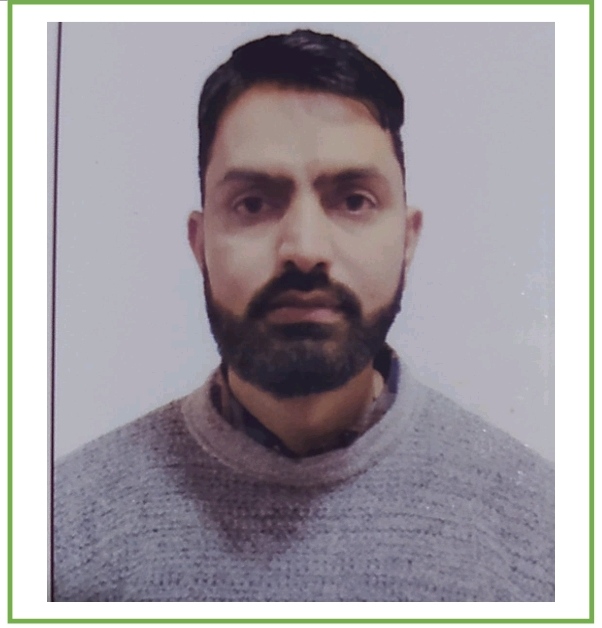
Aadil Akbar Baba
Postgraduate in Journalism and Mass Communication
Email: [email protected]